
This site is supported by our readers. We may earn a commission, at no cost to you, if you purchase through links.

Around four to six months of age, your puppy starts shedding that impossibly soft baby coat—and suddenly your couch looks like a golden retriever exploded on it. This isn’t random.
It’s a carefully timed biological process driven by hormonal shifts and follicle maturation, and every breed runs on its own internal clock.
Small breeds often wrap up the stage by six months, while larger dogs may keep swapping coats well into their first year.
Understanding what’s actually happening beneath all that fluff helps you groom smarter, spot early warning signs, and keep your puppy’s skin and coat in peak condition throughout the change.
Table Of Contents
Key Takeaways
- Puppy coat change is a hormone-driven biological process that typically begins between 4 and 6 months old, but small breeds finish earlier while large breeds may not complete the transition until 12 and 24 months old.
- Nutrition is the backbone of a healthy coat transition — protein, zinc, biotin, and omega fatty acids all directly fuel the quality and speed of adult hair growth.
- Consistent brushing with the right tools (slicker brush, undercoat rake, rubber mitt) every 2–3 days keeps matting and skin irritation in check during peak shedding.
- Bald patches, persistent itching, scaly skin, or shedding that won’t quit after two weeks are red flags worth a vet visit — not just "normal puppy stuff".
Puppy Coat Change Timeline
Every puppy goes through a coat change, but the timing can catch a lot of owners off guard. Knowing what to expect — and when — makes the whole process a lot less stressful.
If your Goldendoodle’s puppy fluff is giving way to something straighter, you’re not alone — understanding straight-haired Goldendoodle coat development can help you figure out exactly what’s coming in.
Here’s a closer look at how the timeline usually unfolds.
When Puppy Shedding Usually Starts

Most puppies hit their typical shedding window between 4 and 6 months old — that’s when the puppy moult really kicks off.
Some breeds start their early hair drop as young as 12 weeks, while others hold onto that soft coat closer to a year.
Lighting influence and age-related triggers both nudge the puppy shedding timeline along, so breed onset ages vary more than you’d think.
During the blowing coat period, puppies may experience a brief surge of shedding in spring or fall.
How The Coat Changes by Age

Age rewrites the coat slowly but surely. Around 4–6 months, hair shaft maturation kicks in — finer puppy hairs give way to coarser, denser adult ones. This coat density shift means your pup’s fur may feel thicker and sit closer to the skin.
Color pattern development also quietly unfolds, with some coats darkening or lightening noticeably by 12 months.
Puppy Coat Stages From Soft to Adult
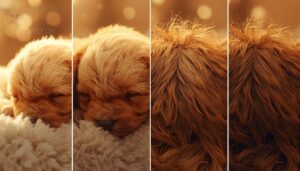
Think of it as a slow makeover happening under the surface. The puppy coat development timeline unfolds in stages:
- Soft beginnings — fine, fluffy hair covers everything
- Texture Evolution — hairs thicken and feel less cloud-like
- Density Increase — new adult hair fills in, creating a Layered Structure
- Color Shift and Length Variation — shade and coat depth settle into their adult form
Why Timing Varies by Breed

Not every puppy follows the same schedule — and that’s completely normal. Breed Growth Tempo plays a big role here.
Small breeds often wrap up their puppy coat change to an adult coat earlier, sometimes by six months. Large breeds, with their slower Hormonal Maturation Timing, may not finish until around twelve months.
Genetic Coat Variation also drives breed-specific coat shedding differences, since each dog’s follicles mature on their own internal clock.
How Long The Transition Lasts

Most puppies complete their puppy coat change to adult coat somewhere between 12 and 24 months — but that range isn’t random. Hormonal development phases, genetic predisposition, and environmental lighting cycles all influence your dog’s personal timeline.
Growth rate impact means a Poodle may finish early while a long-haired breed navigates change phase challenges well past the one-year mark. Body temperature regulation quietly drives the pace too.
Why Puppies Shed More

Shedding more than expected isn’t a sign that something’s wrong — it’s actually your puppy’s coat doing exactly what it should.
Supporting that transition with the right nutrition — especially omega-3s, zinc, and biotin — makes a real difference, so it’s worth checking out the best dog food options for Shih Tzus to keep that new coat coming in healthy and strong.
A lot of what drives that fur explosion comes down to biology, breed, and even the season.
Here’s what’s really behind all that fluff on your couch.
Puppy Coat Vs Adult Coat
Soft and fluffy aren’t built to last. Your puppy’s coat is basically a warm starter kit — fine, single-layer, and temporary. Here’s how it differs from what’s coming:
- Texture Evolution: Puppy fur feels velvety; adult fur grows coarser and structured.
- Density Differences: Adult coats pack in considerably more hairs per inch.
- Color Shift: Expect darkening, lightening, or pattern shifts as adult pigment develops.
- Breed Patterns: Double coat and single coat breeds follow noticeably different normal shedding schedules for puppies.
- Seasonal Adaptation: Adult fur becomes more weather-resistant than puppy coat ever was.
Guard Hairs and Undercoat Growth
As your puppy’s coat transitions to adulthood, two distinct hair types begin competing for space — guard hairs and the undercoat. Guard hairs grow slower through their follicle dynamics and hair growth phases, while undercoat development in puppies moves faster, building seasonal insulation beneath.
This layer interaction is exactly why shedding spikes: old puppy hair gives way as the adult hair structure fully takes over.
Single-coated Vs Double-coated Breeds
Not all breeds shed the same — and that’s where double coat versus single coat really matters.
Double-coated breeds like Huskies carry a dense undercoat beneath their guard hairs, boosting thermal insulation but also raising matting propensity and shedding volume.
Single-coated breeds shed more evenly year-round with less dramatic puppy coat change to adult coat shifts.
Breed-specific coat shedding differences also affect allergy impact and weather adaptation substantially.
Seasonal Shedding in Spring and Fall
Your calendar isn’t the only thing that changes in spring and fall — your puppy’s coat does too.
Photoperiod molting drives this: daylight length effects trigger hormonal cycle shifts that signal follicles to release the old undercoat.
That’s undercoat release timing in action.
The temperature coat link reinforces this further, pushing fall coat growth as days shorten.
Good shedding management tips start with brushing more frequently during these seasonal shedding peaks.
Indoor Vs Outdoor Shedding Differences
Where your dog spends most of their time actually shapes how shedding feels to you. Indoor dog shedding often spreads year-round because consistent heating, artificial lighting influences, and low humidity impacts disrupt the seasonal signals outdoor dogs rely on.
Outdoor dog shedding follows cleaner spring and fall cycles.
Bedding buildup, floor type, and poor air circulation can make indoor fur feel never-ending.
Grooming During Coat Transition
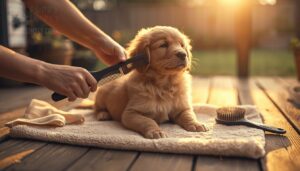
Grooming your puppy during coat change isn’t complicated, but it does require the right tools and a little know-how. Getting this part right makes whole process smoother for both of you.
Here’s what you actually need to know.
Best Brushes for Changing Coats
Choosing the right brush isn’t guesswork — it genuinely changes how smoothly this process goes.
Three tools every owner should have:
- A Dual-sided Slicker or pin brush for daily loose hair removal
- A Wide-tooth Rake or undercoat rake for lifting dense undercoat without tugging
- A Rubber Grooming Mitt or rubber curry brush for soothing massage between sessions
Proper brush selection — including a Soft Bristle Brush for oil distribution and an Undercoat Deshedding Tool for heavier coats — keeps skin irritation minimal while the adult coat grows in.
How Often to Brush a Puppy
Now that you’ve got the right tools, how often should you actually use them?
For most puppies, brushing every two to three days hits the sweet spot during active coat change. Double-coated breeds often need more — think three times weekly. Short-haired pups can manage once weekly during lighter phases.
Short, calm sessions beat marathon grooming any day.
Introducing Clippers and Grooming Tools
Clippers can feel like a big leap after simple brushing. Start with Puppy Acclimation Methods that ease the anxiety — let your pup sniff the grooming equipment while it’s off, then run it nearby using Noise Reduction Techniques at the lowest speed.
Corded vs Cordless models both work; cordless often wins for wiggly pups. Follow Clipper Safety Tips, match your Blade Size Selection to coat type, and keep sessions under three minutes.
Bathing With Puppy-safe Shampoo
Now that your pup tolerates grooming tools, bathing comes next.
Always use a Tear-Free Formula — no tears shampoo protects sensitive eyes during the puppy coat change to adult coat.
Stick to Lukewarm Water, checking temperature at your elbow first.
Hypoallergenic Ingredients skip harsh sulfates that strip natural oils.
Bath Frequency Guidelines: bathe only when needed, rinse thoroughly with Gentle Rinsing until water runs completely clear.
Home Grooming Vs Professional Grooming
Home grooming builds real bonding benefits — regular grooming sessions teach your puppy that handling is safe and normal. That said, skill level matters.
Aggressive use of de-shedding tools at home can irritate skin, turning a simple brush into a problem.
Professional grooming vs home grooming isn’t really a contest; it’s a balance. Pros handle stress management, nail trims, and breed-specific grooming techniques for changing coat stages that most owners simply haven’t practiced.
Healthy Coat Support

What your puppy eats shows up in their coat — sometimes faster than you’d expect. A few simple habits can make a real difference during this adjustment phase.
Here’s what actually promotes healthy coat growth from the inside out.
Nutrition and Coat Development
Think of your puppy’s coat as a construction project — and food is the building material.
Protein quality matters most, since dog hair is built from amino acids that your pup gets through diet. Zinc enrichment promotes healthy skin barriers, while a biotin boost keeps hair-forming tissues functioning properly.
Vitamin A support maintains skin cell turnover, and iron fortification fuels active hair follicles. Proper vitamins and nutrients, delivered through a balanced diet, form the real foundation of coat health.
Omega-3 and Omega-6 Benefits
Two little words do a lot of heavy lifting during your puppy’s coat change to adult coat: omega-3s and omega-6 fatty acids. Omega-3s handle inflammation regulation and eye health support, while omega-6 fatty acids drive skin barrier health and immune signaling.
Omega-3s and omega-6s quietly power your puppy’s coat from the inside out
Together, this nutritional support for coat health also aids blood lipid balance — making omega fatty acids a smart, simple addition to your pup’s bowl.
Hydration and Coat Condition
Water intake quietly does more for your puppy’s coat than most owners realize. When skin moisture drops, hair shafts turn brittle and dull — classic dehydration indicators showing up right at your fingertips.
Hydration and coat condition go hand in hand: well-hydrated skin stays elastic and helps a smoother puppy coat change to an adult coat.
A moisture-rich diet and steady indoor humidity help, too.
Diet Habits That Support Healthy Shedding
Your puppy’s coat is basically built from what’s on their plate. Balanced protein intake fuels keratin production, while essential micronutrients like zinc, biotin, and vitamin E keep skin healthy underneath.
Omega fatty acids are the unsung heroes here — they genuinely reduce excessive shedding over time.
Stick to consistent feeding times, avoid food allergens through gradual diet change, and trust vet-recommended vitamins for coat health.
Reducing Dryness and Breakage
Dry, brittle fur isn’t just uncomfortable — it’s a sign something’s off in your pup’s care routine.
A few small changes make a real difference:
- Use hydrating masks weekly and low-heat drying after baths
- Apply a UV protection spray before outdoor time
- Control indoor humidity to prevent brittle strands
- Swap rough bedding for silk pillowcases to cut friction
Omega fatty acids and regular grooming seal the deal.
When Shedding Signals Trouble
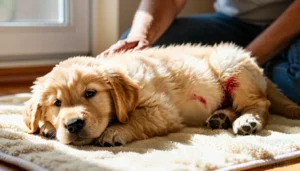
Most shedding during the coat change is completely normal, but sometimes the signs point to something worth checking out. Knowing the difference can save your pup a lot of discomfort.
Here’s what to watch for.
Bald Patches and Thinning Fur
Not all bare patches of skin are just "puppy stuff." True alopecia pattern types tell a story — round, defined bald spots often point to alopecia areata, while dermatophyte hair breakage leaves short, stubble-like patches with scaly edges.
Recognizing abnormal hair loss signs early matters.
Follicle inflammation markers and skin biopsy diagnostics help your vet pinpoint the cause quickly.
Itching, Redness, and Scaly Skin
Beyond bare patches, watch for excessive scratching, red or inflamed skin, and dry scaly patches — these often signal barrier dysfunction, where the skin loses its protective seal. Contact irritants like shampoos or yard chemicals can trigger a plant-induced rash or atopic dermatitis flare.
Canine dermatology calls this the "itch-scratch cycle" — scaly skin worsens with every scratch.
Parasites, Allergies, and Infections
Sometimes that itch-scratch cycle has a culprit with legs — literally. Skin parasites like fleas, mites, and ringworm fungi can hijack your puppy’s coat health fast.
Watch for these red flags:
- Flea Allergy Dermatitis: intense itching from just one flea bite
- Mite Infestations: crusty, rapid-onset mange or dandruff-like flakes
- Bacterial Pyoderma: pustules, odor, and patchy fur loss
- Ringworm Contagion: round scaly patches — contagious to you, too
- Hot Spot Management: localized inflamed areas triggered by licking
Flea and tick prevention isn’t optional — it’s your first line of defense for dog coat health monitoring and signs of trouble.
Hormonal and Nutritional Causes
Not all shedding comes from the outside. Sometimes the problem runs deeper — like Thyroid Dysfunction, where poor hormone output dulls the coat and triggers diffuse hair loss.
Cushing’s disease and other hormone imbalance issues disrupt normal Hormonal Puberty Timing, causing irregular cycles.
Meanwhile, low Protein Intake and missing Balanced Micronutrients weaken hair shafts. Estrogen Influence also shifts shedding patterns, especially post‑spay.
The nutritional impact on dog coat health is real — the role of a balanced diet in coat development starts in the food bowl.
When to Call The Vet
If your puppy shows sudden fever, unusual lethargy, or vomiting with itching, don’t wait it out — call your vet that day. Ear swelling, rapid weight loss, or spreading bald patches are clear veterinary signs of alopecia in puppies that need prompt vet consultation.
When signs that shedding is abnormal keep worsening after two weeks, health checks for excessive shedding — including vet recommended vitamins for coat health — become essential.
Frequently Asked Questions (FAQs)
Can coat color change during puppy transition?
Yes, coat color can shift, deepen, or lighten during puppy coat development to the adult coat.
Pigment maturation, breed color shifts, hormonal pigment influence, sunlight color variation, and nutrition-driven hue all shape your puppy’s final look.
Do short-haired breeds shed more than long-haired?
Not exactly.
Short-haired dogs often shed just as much — sometimes more — than long-haired ones. What really drives breed shedding ratio is whether your dog has a dense undercoat, not hair length.
How does indoor lighting affect shedding patterns?
Indoor lighting disrupts photoperiod cues, flattening melatonin rhythm and shifting seasonal shedding patterns toward year-round, lighter shedding.
Blue-spectrum light extends the biological "day," while consistent indoor light scheduling helps stabilize your dog’s coat cycle.
What are secondary versus primary hair types?
Think of follicle hierarchy like a construction crew: primary hairs form the tough top coat, while secondary hairs create soft undercoat.
texture balance — coarse protection above, fine warmth below — defines your dog’s entire coat layer composition.
Does adult shedding predict puppy shedding volume?
Not really.
Adult shedding depends on genetic determinants, hormonal regulation, dietary fatty acids, stress triggers, and indoor lighting effects — not your puppy coat change.
Breed-specific coat shedding differences matter more than early patterns.
Conclusion
Congratulations—you’re now officially fluent in puppy coat change shedding, a language spoken entirely in fur and mild panic. All those clumps on your couch were never chaos; they were biology doing its job.
Keep the brushing consistent, the nutrition solid, and your vet on speed dial if something looks off.
Your puppy’s coat tells a story about their health every single day. Learn to read it, and you’ll always be one step ahead.
- https://www.purina.com/articles/dog/puppy/health/do-puppies-shed
- https://majesda.com/en-gb/blogs/coats/when-do-puppies-shed-their-puppy-coat
- https://www.americaspawspaw.com/what-changes-in-my-puppys-coat-can-i-expect-as-they-grow-into-an-adult-dog/
- https://vroomgrooms.com/2024/11/11/puppy-coat-and-coat-change/
- https://doodwoof.com/blogs/grooming/doodle-coat-changes-from-puppy-to-adult