This site is supported by our readers. We may earn a commission, at no cost to you, if you purchase through links.
Some dogs treat the brush like a threat—stiffening, backing away, or snapping before the bristles even touch their coat.
After years of grooming dogs in a professional setting, I’ve learned that this reaction almost never means a dog is simply ‘difficult’. More often, it means something about the grooming process once caused them pain, fear, or both.
The good news: that association can be rebuilt. With the right environment, the correct brush for your dog’s coat type, and a structured desensitization approach, brushing becomes manageable.
Brushing a dog that hates grooming becomes something you can genuinely manage at home—even with the most resistant dogs.
Table Of Contents
Key Takeaways
- A dog that resists brushing isn’t being difficult—something in the grooming process once hurt or scared it, and that association can be rebuilt with patience and a structured approach.
- Setting up a calm, quiet space with non-slip footing, soft lighting, and treats within arm’s reach does more for a nervous dog than any brush technique alone.
- Desensitization works in small steps: let your dog sniff the brush first, reward every calm moment, mark each stroke with a "yes" or click, and always stop before stress tips into shutdown.
- Matching the right brush to your dog’s coat type—rubber curry for short coats, a rake for double coats, a slicker for curly fur—cuts session time and reduces the discomfort that makes dogs dread grooming in the first place.
Create a Calm Brushing Setup
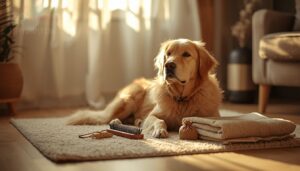
Before you even pick up a brush, the space around your dog matters more than you might think. A nervous dog picks up on everything — the floor, lighting, noise, and energy in the room.
Setting up a calm, familiar spot before you start can make all the difference — here’s a full walkthrough on how to brush your dog without causing pain or panic.
Here’s how to set the stage so your dog feels safe before brushing even starts.
Choose a Quiet, Low-traffic Room
Where you groom matters as much as how you groom. A quiet, low-traffic room — like a spare bedroom — cuts startling sounds by up to 70%, giving your dog room to breathe. Room soundproofing, lighting ambience, temperature regulation (68–72°F), and minimalist furnishings collectively create a calm grooming environment.
Door locking eliminates interruptions, while a pre-grooming short walk or play session — known as exercise before grooming — helps reduce anxiety effectively.
Use a Non-slip Mat or Towel
Once you’ve got the right room, the surface under your dog matters more than you’d think. A Non-Slip Mat or towel or soft bed gives your dog stable footing — better balance means less panic.
For Material Selection, rubber or silicone-backed options grip tile floors best. Flat Placement Technique keeps edges from bunching, ensuring safety and stability.
Wash it regularly as part of your Maintenance Routine, since worn backing loses grip fast.
Keep Treats and Toys Nearby
A stable surface helps, but what really keeps your dog engaged is what you’ve got within arm’s reach. Clip a treat pouch to your belt for instant reward timing — fumbling through a bag breaks the rhythm. Position a Kong filled with peanut butter directly in front of your dog for toy distraction positioning.
Reward-based dog brushing strategies work best when your grooming kit organization means everything’s already there.
Reduce Harsh Light and Sudden Noise
What’s in your hand matters — but so does what’s hitting your dog’s eyes and ears. A bright overhead bulb or a TV blaring in the background can unravel even the calmest setup.
- Switch to dimmable LED lighting for easy brightness control
- Hang blackout curtains to block shifting sunlight and reflections
- Use indirect side lighting to eliminate sharp shadows
- Lay down sound-absorbing rugs to soften echo and sudden sounds
- Run a white noise machine to mask unpredictable noise spikes
A quiet, low-traffic area with thoughtful lighting adjustment to reduce shadows gives your dog fewer reasons to flinch before you’ve even picked up the brush.
Pick The Safest Position for Your Dog’s Size
Where you place your dog shapes the whole session. Small dogs do best in a chest-supported hold — the Small Dog Cradle position — kept close to your body so they can’t twist free. Medium dogs require a Medium Dog Two-Arm hold that secures both chest and hind end. Large dogs stay safest on the floor using Large Dog Floor positioning.
These safe grooming practices are foundational to dog grooming safety and smart dog handling strategies.
Brush After Exercise for a Calmer Session
A Walk‑Before Grooming routine can quietly transform your whole session. When you burn off your dog’s extra energy first, Post‑Exercise Fatigue does the hard work for you — a tired dog simply has less fuel for resistance. Let your dog settle for a few minutes after playtime, then start a Short Grooming Session.
This Exercise‑First Routine pairs naturally with Positive Reinforcement and stress reduction techniques to keep things calm.
Desensitize Your Dog to The Brush
Getting your dog comfortable with the brush takes patience, but it’s more straightforward than most people expect. The goal is to build trust one small step at a time, so your dog stops seeing the brush as something to fear.
Here’s how to make that happen.
Let Your Dog Sniff The Brush First
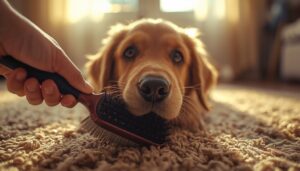
Before your dog ever feels a brush, let them sniff the brush first. Hold it at nose level, about six inches away — this nose-level introduction lets your dog gather scent information and triggers natural investigative behavior.
If they hesitate, set it on the floor and let them approach. Gradual proximity steps like these are the foundation of scent association training and gradual desensitization to grooming tools.
Reward Calm Behavior Before Brushing
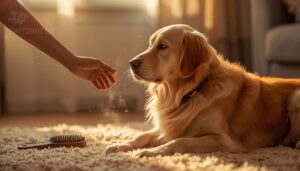
Think of the treat as a Pre-Brush Cue — a signal that says "something good is coming." Before reaching for the coat, practice Calm Signal Recognition: watch for a relaxed body, still posture, and a soft face.
The moment your dog shows calm behavior, use Instant Treat Delivery.
Soft Praise Reminders and Micro Reward Intervals reinforce positive reinforcement before the brush even makes contact.
Start With One Gentle Touch
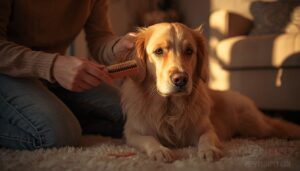
Your first contact sets the tone for every session that follows. Rest the brush lightly against your dog’s shoulder — that’s your First Contact Cue.
Use Pressure Control and steady Hand Positioning to deliver one brief, gentle touch with clear Sensory Feedback.
Touch Timing matters here: pause, let your dog process it, then reward.
That single stroke is enough for today.
Use Mark-and-reward After Each Stroke
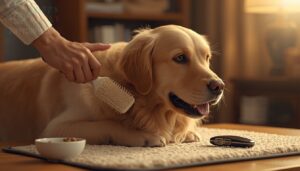
Marker Timing is everything — mark the exact moment bristles leave the fur, not a beat later. Say "yes" or click softly; verbal versus clicker both work, but stay consistent. Marking Consistency builds trust over time.
Keep treats pea-sized for quick delivery, and log each session in a Progress Log. The Mark and Reward method turns every stroke into a small win.
Build Positive Associations With High-value Treats
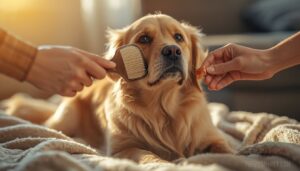
Treat timing and flavor selection matter more than most people realize.
High-value treats — meat-based, soft, small — create faster emotional shifts than ordinary kibble because the stronger aroma competes with grooming stress.
Reserve your dog’s absolute favorites strictly for brushing practice.
Fast delivery keeps reward-based training momentum going, so positive reinforcement lands where it counts.
Consistent reward scaling, matched to each small win, builds the association you’re working toward.
Stop Before Your Dog Becomes Overwhelmed
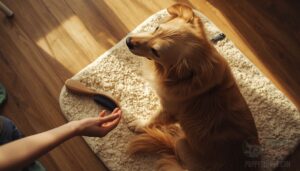
Knowing when to stop is just as important as knowing how to start. Watch your dog closely — stress shows up before a snap or shutdown. Key signals include:
- Lip licking or yawning signals early discomfort
- Stiff posture or tucked tail means ease off
- Freezing or pulling away calls for a calm-down interval
- Short sessions beat one long, overwhelming stretch
- Consistent owner cues build trust over time
End on calm, not chaos.
Brush Gently in Short Sessions

Once your dog accepts the brush without backing away, it’s time to actually start grooming — but slowly.
The way you handle these early sessions will shape how your dog feels about brushing for years to come.
Keep things gentle, low-stress, and moving in the right direction.
Start With Easy-to-tolerate Body Areas
When your dog dreads the brush, where you start matters as much as how you start. The back and shoulders are your safest entry points — most dogs flinch the least there. Begin with short back brushing strokes and gentle shoulder introductory touches, followed by chest soothing passes and soft neck strokes to build tolerance quickly.
Progress to side gentle sweeps next. Reward them for tolerating the brush each time, and positive reinforcement does the rest.
Brush One Small Section at a Time
Once you’ve identified the areas your dog accepts, keep your focus tight. Brush in small areas — one patch at a time rather than sweeping the whole coat. This approach facilitates gradual desensitization to grooming tools and gives you early tangle detection before knots become mats.
Your section progress log might look like this:
- Right shoulder — 3 gentle strokes, calm response
- Left shoulder — consistent holding stance maintained, no flinching
- Mid-back — precise pressure guidance applied, light contact only
- Upper neck — incremental time scaling, stopped at 90 seconds
Pause Often for Treats and Praise
Every few strokes, stop and reward. That’s the micro‑break technique in practice — timed reward intervals that keep your dog’s stress from climbing. High‑value snack timing matters here; deliver the treat the second that calm behavior happens.
Pair it with a consistent praise cue like "good," and those session reset signals tell your dog the moment passed safely.
Reward-based dog brushing strategies work because they build trust, one pause at a time.
Match The Brush to Coat Type
The brush you choose matters as much as technique. A short coat brush — like a rubber curry — glides over Beagles and Boxers without scratching bare skin. Selecting the appropriate brush for different coat types cuts session time and stress.
Double-coat breeds require a rake for undercoat removal. Silky-coat pin brushes protect fine hair on Yorkies, while curly-coat slickers open dense curls. Wire-coat stripping tools preserve harsh texture.
Each tool targets specific needs: rakes for undercoats, pin brushes for delicacy, slickers for curls, and strippers for texture. This tailored approach ensures efficiency and comfort during grooming sessions.
Handle Mats and Tangles Without Pulling
Mats don’t have to mean a meltdown. Start with finger detangling — your bare hands can feel tension better than any tool. Use a base grip close to the skin so pulling pressure never reaches your dog.
Work the outside-in technique, teasing edges first. This approach prevents discomfort while systematically loosening knots.
A light mist of detangling spray softens stubborn knots. Finish with safe mat-splitting using blunt-tip scissors, ensuring a stress-free process.
Watch for Stress, Pain, or Aggression
Your dog’s body never lies. Subtle shifts in Body Tension — like a stiffened back, tucked tail, or shallow breathing — are early escalation triggers you can’t afford to miss during dog grooming anxiety moments.
Watch closely for:
- Pain indicators: flinching, guarding a limb, or sudden withdrawal
- Verbal warning signs: growling or snapping
- Aggressive behavior during dog grooming: biting or lunging
Stop immediately and seek professional help if these persist.
Gradually Increase Brushing Time Over Days
Think of it as microstep duration increase — you’re building trust one second at a time. Start with 5–10 seconds, then add a minute every few days through incremental increases in session length.
This gradual desensitization to grooming tools, paired with consistent positive reinforcement training and short grooming intervals, turns daily grooming into something your dog expects without dread.
Know When to Call a Vet or Groomer
Some dogs don’t hate brushing — they’re telling you something hurts. Knowing when to stop and call a professional groomer or vet can protect your dog from serious harm.
When your dog resists brushing, they may not hate the brush — they might be telling you something hurts
Watch for these signs that home brushing isn’t the right move:
- Medical warning signs like pale gums or rapid breathing during grooming
- Severe matting too tight to brush without causing skin infections or pain
- Painful grooming reactions — snapping, freezing, or yelping despite gentle technique
- Mobility limitations that make positioning unsafe or stressful
- Underlying medical issues such as rashes, lumps, or persistent odor needing a vet check for skin issues
Top 5 Brushes for Fearful Dogs
The right brush makes a bigger difference than most people realize, especially for a dog that already dreads grooming time.
Not every brush is built with nervous dogs in mind, but a few stand out for their gentleness, ease of use, and ability to get the job done without added stress. Here are five worth keeping on your radar.
1. Kong Zoom Groom Dog Brush
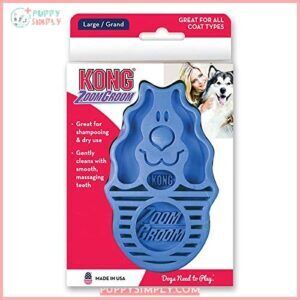
Reaching anxious dogs starts with the right feel, and the KONG ZoomGroom delivers exactly that. Its flexible silicone fingers—about ¾ inch deep—work through the coat like a gentle massage rather than a scraping comb. That’s why nervous dogs often tolerate it when they won’t sit still for anything else.
You can use it dry or lather shampoo right through it at bath time, making grooming efficient and stress-free. The tool’s design ensures a soothing experience, whether for routine care or deep cleaning.
It comes in two sizes, allowing you to match it perfectly to your dog’s build, ensuring comfort and effectiveness for pets of all shapes and sizes.
| Best For | Dog owners with anxious or sensitive pets who need a gentle grooming tool that works for both dry brushing and bath time. |
|---|---|
| Weight | 4.16 oz |
| Coat Compatibility | Short to medium |
| Shedding Reduction | Yes |
| Skin Friendliness | Gentle massage action |
| Multi-Pet Use | Dogs only |
| Ease of Cleaning | Rinse or wipe |
| Additional Features |
|
- The soft silicone fingers feel more like a massage than grooming, so nervous dogs tend to actually enjoy it.
- Works wet or dry — you can lather shampoo right through it, which makes bath time a lot faster.
- Super easy to clean; hair doesn’t get trapped in the bristles like it does with traditional brushes.
- Not great for long, thick, or matted coats — it won’t get deep enough to tackle tangles.
- Extended use can get uncomfortable for your hand, especially during longer grooming sessions.
- Loose hair scatters around instead of staying collected, so expect a bit of cleanup afterward.
2. Swihauk Self Cleaning Slicker Brush
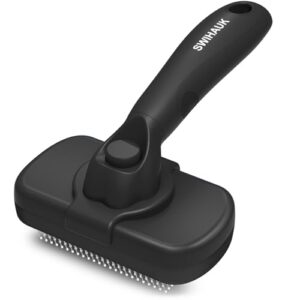
The Swihauk Self-Cleaning Slicker Brush operates with precision, contrasting with tools that rely on feel. Its soft, round-tipped bristles glide gently across the coat without irritating sensitive skin—an added benefit for dogs that flinch at the slightest pressure.
The TPR ergonomic handle ensures a steady grip during extended grooming sessions, minimizing hand fatigue. Its standout feature, a push-button self-cleaning mechanism, ejects trapped fur in seconds, streamlining the process.
Priced at $16.98, this brush offers a practical, skin-friendly solution for pets that dread brushing, combining comfort with efficiency.
| Best For | Pet owners with sensitive or anxious animals—puppies, small breeds, and cats who hate being groomed. |
|---|---|
| Weight | 8.82 oz |
| Coat Compatibility | Short and long |
| Shedding Reduction | Yes |
| Skin Friendliness | Soft round-head bristles |
| Multi-Pet Use | Dogs, cats, rabbits |
| Ease of Cleaning | Self-cleaning button |
| Additional Features |
|
- The self-cleaning button makes hair removal quick and easy—no picking fur off the bristles by hand.
- Soft, round-tipped bristles are gentle enough for sensitive skin and skittish pets.
- Lightweight and ergonomic, so longer grooming sessions don’t wear out your hand.
- Doesn’t dig deep into thick undercoats or matted fur, so it’s not a full grooming solution for heavy shedders.
- The self-cleaning button can take a few extra presses when there’s a lot of hair built up.
- Large, thick-coated dogs may be a tough match—it glides better on finer or shorter coats.
3. SleekEZ Dog Shedding Brush
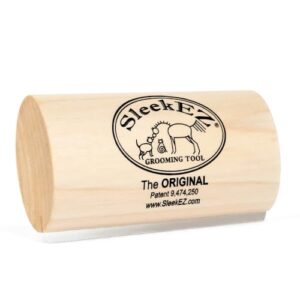
The SleekEZ Dog Shedding Brush takes a completely different approach from tools like the Swihauk. Its 5-inch metal comb uses a patented wave-tooth pattern that lifts loose hair near the coat tips, avoiding painful tugging at the root. This eliminates panic-inducing discomfort for anxious dogs.
Weighing just 4 oz with a poplar wood handle, the brush is easy to maneuver in short passes. Its design ensures hair falls away cleanly, eliminating the need for hand-stripping.
This efficiency enables faster cleanup, reducing the time required to keep a squirmy dog still.
| Best For | Pet owners with dogs of all coat types who want a quick, low-stress grooming routine that cuts down on shedding and household hair. |
|---|---|
| Weight | 4 oz |
| Coat Compatibility | All fur types |
| Shedding Reduction | Up to 95% |
| Skin Friendliness | Gentle metal teeth |
| Multi-Pet Use | Dogs, cats, horses |
| Ease of Cleaning | Shake or blow off |
| Additional Features |
|
- Lifts loose hair without tugging at the root, so even anxious dogs stay calm during grooming
- At just 4 oz, it’s light enough to use in short passes without your hand getting tired
- No manual hair removal needed—just shake or blow it off and keep going
- The metal teeth can be too aggressive for long or delicate outer coats, risking breakage with overuse
- Hair gets expelled into the air, so grooming indoors can leave a mess if you’re not careful
- Teeth can dull over time, which means performance will gradually drop with heavy use
4. Dipoo Self Cleaning Deshedding Brush
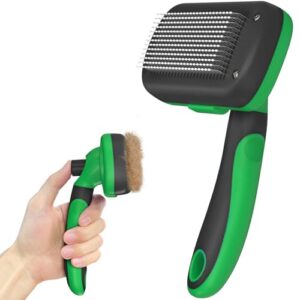
The Dipoo Self-Cleaning Deshedding Brush goes a layer deeper than the SleekEZ, targeting loose undercoat with stainless-steel bristles while ensuring gentle contact via soft, rounded plastic tips—ideal for sensitive skin and fearful dogs. This design prioritizes comfort without compromising efficiency.
A single press of the self-cleaning button instantly removes collected fur, eliminating manual cleanup. Meanwhile, the lightweight TPR handle minimizes fatigue, allowing shorter, calmer grooming sessions for better control.
| Best For | Pet owners with multiple animals or sensitive, fearful dogs who want a gentle, low-fuss grooming tool that works across different coat types. |
|---|---|
| Weight | 5.29 oz |
| Coat Compatibility | Short and long |
| Shedding Reduction | Yes |
| Skin Friendliness | Soft plastic bristles |
| Multi-Pet Use | Dogs, cats, horses, rabbits |
| Ease of Cleaning | Self-cleaning button |
| Additional Features |
|
- The self-cleaning button makes fur removal instant — no picking bristles clean by hand.
- Soft, rounded tips keep grooming comfortable for pets with sensitive skin.
- The ergonomic TPR handle cuts down on hand fatigue, especially when grooming multiple pets.
- Struggles with short-haired dogs that have dense double coats — it just doesn’t grab enough fur.
- Heavy or thick coats can bend the bristles over time, which hurts performance.
- The compact size means more passes needed on larger dogs, which takes longer.
5. Maxpower Double Sided Pet Grooming Rake
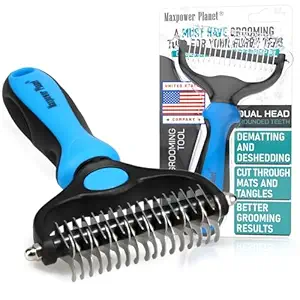
For thick, double-coated dogs that resist being groomed, the Maxpower Double Sided Pet Grooming Rake offers precise control. Its 9-tooth side breaks up stubborn mats and tangles, while the 17-tooth side clears loose undercoat after dematting.
Rounded tips ensure comfortable skin contact, crucial for easing anxious pets. The non-slip rubber handle maintains a secure grip during extended grooming sessions.
At $9.99, this tool combines practicality with durability, making it ideal for managing dense coats without fuss.
| Best For | Pet owners with medium to long-haired dogs or cats that deal with heavy shedding, mats, or thick double coats. |
|---|---|
| Weight | 4 oz |
| Coat Compatibility | Medium to long |
| Shedding Reduction | Up to 95% |
| Skin Friendliness | No cutting or irritating |
| Multi-Pet Use | Dogs and cats |
| Ease of Cleaning | Hand-wash only |
| Additional Features |
|
- Double-sided design handles both loose undercoat and stubborn tangles in one tool
- Wide brush surface covers more ground per stroke, so grooming takes less time
- Light and affordable at just $9.99 — easy to toss in a bag for travel
- Not great for short or fine-haired pets — the teeth are built for thicker coats
- Heavy mats may need multiple passes, and serious cases still call for a pro
- No built-in hair collection — you’ll need to pull fur off the brush by hand after each session
Frequently Asked Questions (FAQs)
How to groom a dog who doesn’t like to be groomed?
Start small and stay patient. Set up a calm space, let your dog sniff the brush first.
Reward every calm moment, and keep sessions under five minutes until trust builds naturally.
How often should I brush my dog?
It depends on your dog’s coat. Long-haired dogs need daily brushing, while short-haired dogs do fine once a week. Double-coated breeds need more during shedding season.
Can I brush my dog at home safely?
Yes, you can brush your dog at home safely.
To ensure a positive experience, keep sessions short, use the right brush for your dog’s coat, stay calm, and stop immediately if your dog shows signs of stress or pain.
What age should I start grooming my puppy?
You can start grooming your puppy as early as 8 weeks old. Keep sessions under five minutes.
Use soft bristles and pair every touch with a treat to build trust from day one.
Does brushing help with dog allergies in humans?
Brushing acts like a filter — it traps loose hair and dander before they scatter.
It does reduce allergens in your home, but it works best alongside regular baths and air purifiers.
Should I bathe my dog before or after brushing?
Always brush before the bath. Dry brushing removes loose fur and prevents mats from tightening when wet. It also lets shampoo reach the skin more effectively.
Conclusion
Brushing a dog that hates grooming isn’t really about the brush at all—it’s about rebuilding trust, one calm session at a time. Every stroke your dog tolerates is a small agreement between you both.
Start slowly, read their signals, and let patience do the heavy lifting. The right tools, the right approach, and consistent repetition will carry you further than force ever could.
Your dog is already telling you what they need—listen closely.
- https://shooby.eu/blogs/blog/how-to-brush-a-dog-that-hates-being-brushed
- https://www.petscare.com/news/faq/what-is-the-best-brush-for-dogs-that-dont-like-to-be-brushed
- https://www.akc.org/expert-advice/health/dog-not-like-being-brushed/
- https://www.houndtherapy.com/blog/desensitization-techniques-grooming-dogs/
- https://heronscrossing.vet/articles/brushing-a-dog-that-hates-to-be-brushed/