
This site is supported by our readers. We may earn a commission, at no cost to you, if you purchase through links.
Most dogs don’t hate being brushed—they hate being brushed badly. A too-stiff brush, too much pressure, or rushing straight into a tangle can turn grooming into something your dog dreads.
After years working alongside veterinarians, I’ve watched confident dogs shut down mid-session simply because the technique was off.
The good news: a few small adjustments make a bigger difference than any expensive tool.
Knowing how to brush a dog without hurting them comes down to matching the right brush to their coat, reading their body language, and working with patience over speed.
Table Of Contents
Key Takeaways
- Matching the brush to your dog’s coat type — rubber curry for short, slicker for long, undercoat rake for double coats — makes a bigger difference than any single technique.
- Prep your dog before you brush: let them sniff the tool, offer a treat, pick a quiet spot, and read their body language before the first stroke.
- Always brush in the direction of hair growth using light pressure, work in small sections, and stop the moment the brush catches or your dog stiffens.
- Short, consistent sessions beat long occasional ones — daily for long-haired breeds, weekly for short coats, and more often during shedding season.
Pick The Right Brush
The brush you grab matters more than you might think — the wrong one can scratch skin, miss tangles, or make the whole session miserable for your dog.
If you’re unsure where to start, this guide to deshedding brushes for professional groomers breaks down which tools actually work for different coat types.
Coat type is your starting point, and from there, it gets pretty straightforward. Here’s what to look for.
Match Brushes to Coat Type and Length
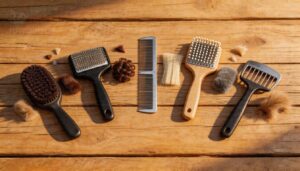
The right brush depends entirely on your dog’s coat — get this wrong, and you’re asking for trouble. Here’s a quick guide:
- Short Coat Tools — rubber curry brush for short-haired breeds
- Long Coat Options — slicker brush for long-haired breeds
- Double Coat Matching — undercoat rake for thick, dense fur
- Curly Coat Brushes — slicker or pin brush for tangles
- Seasonal Shedding Tools — de-shedding rake during heavy shed cycles
Finish every session with a metal comb.
Using a bristle brush for short coats helps distribute natural skin oils and reduces shedding.
Use Soft-tipped Pins for Sensitive Skin
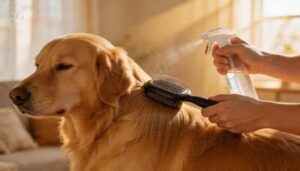
Once you’ve matched the brush to your dog’s coat, check the pin tips. A soft slicker brush with rounded or plastic-tipped pins uses tip material safety and pin spacing design to spread contact evenly — that’s pressure distribution control in action.
A flexible brush head follows the body’s curves without harsh scraping. Pair it with detangling spray for gentle brushing techniques to avoid skin irritation.
Choose Slicker, Rake, Pin, or Bristle Brushes
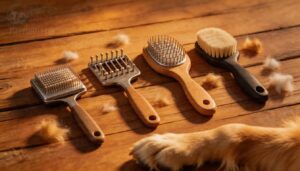
Each brush type has a specific job. A slicker brush handles mats and loose undercoat in medium to long coats. An undercoat rake separates dense, tangled fur with less tugging. A pin brush smooths and finishes without heavy pulling. A bristle brush adds shine to lighter coats.
Brush size selection and an ergonomic handle design matter too — the right fit means gentle brushing techniques to avoid skin irritation and stay consistent throughout.
Use a Rubber Curry Brush for Short Coats
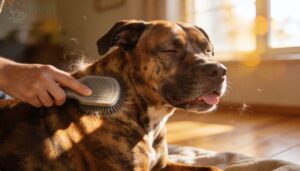
For shorthaired breeds, a rubber curry brush is your go-to tool. Use circular motions for shedding reduction and to work through the coat — this gentle, consistent brushing also delivers real massage benefits, stimulating circulation and supporting natural oil distribution.
It’s easy to rinse clean, so your cleaning routine stays simple.
With proper care, durability tips apply: store it away from direct sun, and it’ll last for years.
Follow Brushing With a Metal Comb
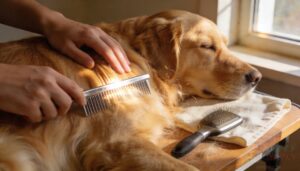
Once the brush is done, don’t put it down just yet. A metal comb is your post-brush inspection tool — and it’s worth using every time.
Run it through each section with light pressure, using short strokes in the direction of hair growth.
If the comb glide feels smooth, you’re clear. If it catches, that’s your knot detection signal to pause and work that spot gently before moving on.
Prepare Your Dog to Relax
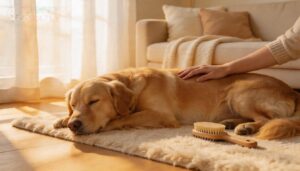
Before you even pick up the brush, your dog needs to feel safe — not ambushed. A little prep goes a long way toward making grooming something your dog tolerates, or even enjoys.
A little prep before brushing goes a long way toward making grooming something your dog actually enjoys
Here’s how to set the mood before the first stroke.
Let Your Dog Sniff The Brush First
Before you ever touch your dog’s coat, let them meet the brush on their own terms. Tool handling distance matters — don’t push it toward them. Just hold it out calmly and let curiosity do the work.
If a skunk encounter derails your grooming session, this guide on removing skunk smell from dogs walks you through a simple soak-and-rinse routine before you ever pick up the brush.
- Keep the sniffing session length short: 30–60 seconds is enough
- Use a calm voice tone throughout — your dog reads your energy
- Practice predictable routine timing so the brush stops feeling like a surprise
- Watch body language; stiff posture means slow down
Use Treats and Praise Before Brushing
Think of treats as a handshake before the work begins. Offering them before you brush sets the tone immediately.
| Moment | What to Do |
|---|---|
| Before first stroke | Offer a high value treat |
| During calm tolerance | Use calm praise voice |
| Near sensitive spots | Increase reward frequency |
| After tough sections | Immediate positive reinforcement |
| End of session | Final treat plus praise |
Timing of rewards matters more than quantity. Reward small wins — even letting you hold the brush nearby counts.
Choose a Calm, Quiet Grooming Space
Your dog reads the room before you ever pick up a brush. Creating a calm grooming environment starts with choosing the right spot — a low traffic corner, away from the TV, other pets, and foot traffic.
- Use soft lighting instead of harsh overhead bulbs
- Maintain a comfortable temperature — not too warm, not drafty
- Prioritize noise reduction with rugs, curtains, or soft background music
- Keep an organized tool layout so nothing startles them mid-session
- Clear clutter to lower visual stress and dog anxiety management challenges
A predictable, secure environment tells your dog: this is safe.
Position Small and Large Dogs Safely
How you hold your dog matters just as much as how you brush.
For small dogs, use the Cradle Hold Technique — one arm under the chest, the other supporting the hindquarters.
For larger dogs, Chest Support, with your body close, gives them stability. Always use a Step-Up Surface when possible, and practice Knee Bending to stay controlled. Leg Stabilization keeps paws from shifting mid-stroke.
Watch for Stress Signals Before Starting
Before you pick up that brush, take a moment to read your dog’s body language. Body Tension, stiff posture, or subtle Eye Cues like whale-eye are early warnings worth catching.
Watch for:
- Vocal Warnings — whining or growling at first contact
- Breath Changes — sudden panting unrelated to heat
- Avoidance Behaviors — turning away or freezing
Spot these signals early, and you’ll handle dog anxiety before it escalates.
Brush Gently, Section by Section

Once you’ve got your dog settled, it’s time to start brushing — and how you do it matters just as much as what tool you use. A few simple habits can make the difference between a session your dog dreads and one they barely notice.
Here’s what to keep in mind as you work through their coat.
Brush in The Direction of Hair Growth
Always brush in the direction your dog’s hair naturally grows — root-to-tip strokes reduce pulling and keep your dog comfortable. Different coat flow zones, like the neck, hips, and belly, each have their own growth direction.
Run your hand across the coat to find which way feels smoother. That’s your gentle detangling path.
Follow it every time.
Use Light to Medium Pressure Only
Once you’ve found that smooth growth direction, pressure becomes your next ally — or your biggest mistake.
Think of it like petting with purpose. Light to medium pressure keeps bristle compression minimal and your dog relaxed. Watch for these skin sensitivity cues:
- Flinching or pulling away
- Skin visibly indenting under the brush
- Fur dragging instead of gliding
- Stiffening or freezing mid-session
- Sudden panting or wide eyes
Slow your speed adjustment naturally through denser coat sections. Gentle consistent brushing — not force — is proper brush technique direction.
Lift The Coat With Your Free Hand
Your free hand does more than just rest there. Grip the fur close to the skin — that’s your hand placement technique at work.
Spread your fingers wide enough to avoid pinching, then lift just enough to create slack. This lift brush rhythm keeps the brush gliding through the coat, not dragging against skin, naturally preventing matting in dog coats before it starts.
Work in Small Sections to Avoid Pulling
Think of your dog’s coat as a grid — a simple Quadrant Brushing Plan that keeps you organized and thorough.
- Use a Targeted Area Focus on one palm-sized patch at a time
- Apply smooth gentle strokes with an Incremental Stroke Approach
- Practice Progressive Knot Release by working tangles outward gradually
- Mini Section Timing means spending just 20–30 seconds per patch
Small sections reduce brush tension and go a long way toward preventing matting in dog coats.
Keep Sessions Short to Prevent Fatigue
Even a 2- to 3-minute session counts. Short grooming sessions for dog comfort matter more than marathon brushing that leaves your dog drained.
Session Timing is simple — stop before stress sets in. Watch Stress Indicators, like lip-licking or looking away.
Calm Endings build trust over time, and Positive Reinforcement keeps the experience positive.
Gradual Build-up across daily short sessions works far better than one long, overwhelming attempt.
Handle Tangles and Sensitive Areas
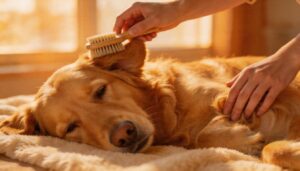
Some parts of your dog’s body need a little extra care during brushing. Thin-skinned spots like the belly, ears, and paws can be surprisingly easy to irritate if you rush through them.
Here’s how to handle tricky areas — and what to do when a tangle decides not to cooperate.
Brush Carefully Behind Ears and Under Legs
Behind the ears and under the legs are classic friction zone mats waiting to happen. Hair there rubs constantly during movement, so tangles build fast.
Use short, gentle strokes with a soft-tipped brush — light stroke technique matters here because the skin is thin.
Always angle your brush away from the skin, check these spots routinely, and apply detangling spray before you start.
Go Slowly Around Paws, Belly, and Tail
Paws, belly, and tail demand your full attention — these spots are genuinely reactive. Slow paw brushing matters because pads and toe skin are thin, and debris trapped there makes things worse.
Keep belly pressure light with short, calm strokes.
Tail handling calmly signals trust. stiffness or shifting — that’s sensitive area observation in real time. Gradual desensitization through positive reinforcement during grooming builds lasting comfort.
Stop Immediately if The Brush Catches
When the brush catches, stop — don’t push through. Forcing it causes pain detection to kick in quickly, and your dog will remember that discomfort.
Check for redness monitoring under the coat, and assess mat severity before continuing.
immediate pause protects grooming safety and prevents a spike in anxiety.
If the tangle feels tight against the skin, groomer referral is the right call.
Loosen Small Tangles With Comb and Spray
A small tangle doesn’t need force — it needs the right approach. Mist the knot lightly with a detangling spray like Misty Spray Comb by FurGo to improve the spray slip ratio and soften the strands.
Let it sit a moment, then use a fine-tooth comb with gentle pressure control, working from the ends upward. Pre-comb dampening makes knot detection light work, and the tangle releases cleanly.
Never Cut Mats With Household Scissors
Household scissors are one of the grooming safety risks you’ll face. Dog skin is thin and shifts easily — a quick snip can catch skin hidden beneath the mat before you realize it.
Skip the scissors entirely. Professional clippers, a mat splitter tool, or detangling sprays are far safer mat removal techniques.
Groomer intervention is the smartest call when a mat sits tight against the skin.
Know When to Call a Professional Groomer
Sometimes home grooming just isn’t enough. Severe matting, fearful grooming reactions, or visible skin irritation are clear signs it’s time to call a professional groomer.
- Mats tightened against skin need a Professional Mat Removal vs Home Grooming solutions
- Fearful Grooming behavior that turns unsafe requires a fear-free pro
- Skin Irritation, rashes, or flaking signal Health Concerns beyond brushing
- Nail Overgrowth affecting your dog’s gait needs professional pet grooming
- When to seek professional grooming: when you’re unsure, go sooner
Keep a Consistent Brushing Routine

Brushing your dog once and calling it done won’t cut it — consistency is what actually keeps their coat healthy long-term.
How often you brush depends on few key factors, from coat length to your dog’s age and the time of year.
Here’s what to keep in mind when building a routine that works for both of you.
Brush Short-haired Dogs Weekly
For short-haired dogs, once a week is truly all you need. A quick 5-to-10-minute session with a rubber curry brush hits the sweet spot — removing dead hair, controlling allergens, and delivering real massage benefits that boost circulation and spread natural oils for genuine coat luster.
Stick to that routine timing consistently, and you’ll notice less fur on your furniture almost immediately.
Brush Long-haired Dogs More Often
Long-haired breeds need daily brushing — that’s just the reality of the coat they carry. Without it, mat prevention techniques fall apart fast, and tangles tighten before you know it.
Use a slicker brush and follow up with a metal comb for coat health monitoring. A quick detangling spray usage on high-friction spots keeps Long-haired breeds comfortable and their coat condition assessment simple.
Increase Frequency During Shedding Season
Shedding season timeline usually hits in spring and fall — and daily undercoat raking becomes your best tool for managing seasonal shedding.
Brush frequency guidelines recommend three to four times weekly normally, but bump that to daily when the coat starts blowing. Post-brush vacuuming helps too.
Bath frequency adjustment every four to six weeks loosens dead fur, making regular brushing far more effective.
Watch for seasonal stress signs during longer sessions.
Adjust for Puppies and Senior Dogs
Puppies and senior dogs need a slightly different approach than healthy adult dogs.
- Session Length — Keep grooming for puppies under five minutes; seniors do best with short, frequent visits too.
- Pressure Adjustment — Light strokes only; both age groups have delicate or developing skin.
- Tool Softness — Start with softer brushes before graduating to firmer tools.
- Sensory Desensitization — Use positive reinforcement during grooming and let them sniff equipment first.
Add Baths and Drying to Reduce Loose Fur
Bathing works hand-in-hand with brushing to cut down on loose fur. Use a deshedding shampoo with oatmeal or aloe, and leave it on for five minutes before rinsing.
A high-velocity dryer clears trapped undercoat in about 15 minutes.
Once the coat is fully dry, post-bath brushing removes whatever the water loosened — it’s one of the most effective deshedding techniques you can use.
Check Skin, Lumps, and Irritation While Brushing
Every brushing session is a chance to catch problems early. Slow down and look closely as you work through the coat — your hands will notice things your eyes might miss.
Watch for these skin health red flags:
- Redness detection — flushed skin after light strokes signals too much pressure or hidden sensitivity
- Lump identification — new or growing bumps need prompt veterinary referral
- Hot spot spotting — moist, hairless, or angry-looking patches often hide near paws and ears
- Skin irritation signs — flaking, crusting, or weeping mean stop brushing immediately
- Skin blood flow changes — warm or swollen areas can indicate early infection
Catching these early makes all the difference.
Frequently Asked Questions (FAQs)
How to groom a dog with hip dysplasia?
Gentle, gradual grooming works best for dogs with hip dysplasia. Use a low-height grooming station with a non-slip surface, allow rest breaks, and keep sessions short for your dog’s comfort.
Can diet improve my dogs coat quality?
Yes, absolutely.
A nutrient-rich diet with Omega-3 supplementation like salmon oil, high-quality protein, zinc enrichment, biotin sources, and Vitamin E antioxidants directly enhances dog nutrition and coat health from the inside out.
What products help prevent mats from forming?
A few simple products can save you hours of detangling. Detangling sprays, leave-in conditioners, anti-tangle shampoos, and dematting combs all work together to keep mats from forming between brushing sessions.
How do I brush a dog that bites?
Start with muzzle training basics and short session strategies. Use distraction techniques like a lick mat, and apply counter-conditioning steps with treats. Gradual exposure plan builds trust over time.
Should I brush my dog before or after bathing?
Brush before a bath and after. A prebath brush removes tangles and loose fur, improving shampoo penetration. A postbath brush while drying keeps the coat smooth and tangle-free.
How often should grooming tools be replaced?
brushes and combs roughly every six months with regular home use.
Watch for bent pins, rough edges, or tools that pull more than they glide — clear tool wear indicators that it’s time to swap.
Conclusion
Grooming is less a chore and more a conversation—one that your dog is always trying to have with you. Every calm session builds trust that carries far beyond the brush.
Now that you know how to brush a dog without hurting them, you have everything you need to make it a routine your dog actually welcomes.
Stay stay consistent, stay gentle, and pay attention. Your dog will tell you, in their own quiet way, that it’s working.
- https://petcorner.pangovet.com/pet-breeds/dogs/small-dog-breeds-that-dont-shed/
- https://chrischristensen.com/chris-christensen/
- https://www.facebook.com/events/517801505620724/
- https://www.coohom.com/article/designing-the-perfect-grooming-room
- https://paypromedia.com/zen-den-for-four-legged-friends-creating-calm-and-comfort-zones-for-pets/