This site is supported by our readers. We may earn a commission, at no cost to you, if you purchase through links.

That fluffy Corgi backside looks adorable until you part the fur and find a matted, damp mess underneath. The double coat that kept their Welsh herding ancestors comfortable in cold rain can quietly work against your dog when it compacts, traps moisture, and cuts off airflow to the skin.
Corgis’ thick undercoat problems often go unnoticed until redness, odor, or bald patches appear—by which point the skin is already irritated. Knowing what’s happening beneath that deceptively tidy exterior makes a real difference for your dog’s comfort and long-term skin health.
Table Of Contents
- Key Takeaways
- Corgi Thick Undercoat Problems
- Seasonal Corgi Shedding Patterns
- Fixing Thick Undercoat Issues
- Top 5 Corgi Undercoat Products
- Frequently Asked Questions (FAQs)
- How long do corgis live with degenerative myelopathy?
- How to groom a dog with a thick undercoat?
- Should you use a furminator on a corgi?
- What problems do purebred corgis have?
- Can Corgis safely wear cooling vests in summer?
- At what age does a Corgis undercoat fully develop?
- Do male and female Corgis shed differently?
- How does spaying or neutering affect undercoat thickness?
- Can diet changes reduce undercoat density over time?
- Conclusion
Key Takeaways
- A Corgi’s double coat can silently trap moisture and cut off airflow to the skin, turning a grooming issue into a real health problem—think bacterial infections, allergic dermatitis, and bald patches—long before you notice anything from the outside.
- Brushing two to three times a week year-round (and daily during seasonal "blowing coat" periods) is the single most effective thing you can do to prevent matting, overheating, and excess shedding.
- Abnormal shedding—patchy bald spots, brittle hair, sudden surges outside the usual seasons—usually signals something medical like a thyroid imbalance, parasites, or allergies, and deserves a vet visit rather than just more brushing.
- Diet genuinely shows up in your Corgi’s coat: a high-protein food with balanced omega-3 and omega-6 fatty acids supports skin barrier health and reduces excess shedding, though it won’t change the density that genetics have already set.
Corgi Thick Undercoat Problems

That thick, plush coat is one of the things people love most about Corgis — but it comes with real responsibilities. When the undercoat isn’t managed well, it can cause problems that go beyond just extra hair on your couch.
Staying on top of brushing routines is especially important for fluffier variants — if you’re not sure where to start, this guide to long coat corgi grooming and care covers exactly what to expect.
Here are the main issues every Corgi owner should know about.
Why Corgis Have Dense Double Coats
Your Corgi’s genetic heritage tells the whole story. These dogs evolved herding livestock in cold, wet climates, so their double coat wasn’t a fashion choice — it was survival gear. That outer guard layer blocks wind and rain, while the dense, woolly undercoat traps warmth against the skin.
Understanding the Corgi double coat means respecting what centuries of breed evolution built in. The undercoat traps air for insulation, a key thermoregulatory function of coats.
Impacted Undercoat and Poor Airflow
That survival gear we just talked about? It can quietly backfire. When dead hair compacts into the living coat, air channel blockage cuts off ventilation to the skin. Think of it like clogged vents — Microclimate Hotspots form, moisture retention increases, and skin pressure points develop.
The result is odor development, irritation, and poor heat regulation in dogs — all hidden under a coat that looks fine from the outside.
Mats Behind Ears, Elbows, and Tail Base
Mats form in specific spots—behind the ears, around the elbows, and at the tail base—because friction and moisture create perfect tangle conditions. These impacted areas don’t stay hidden for long, making early detection crucial.
Preventing ear mats starts with daily finger-checks in vulnerable zones. For elbows, friction control and proper brushing techniques using an undercoat rake help maintain coat health.
Consistent care keeps skin irritation at bay and avoids tight mats that later demand professional intervention. Addressing issues early ensures relief remains within reach.
Excessive Shedding From Loose Undercoat
Once you’ve dealt with mats, loose undercoat becomes the next challenge—and the source of all that fur on your couch. Undercoat compaction traps shed hair inside the topcoat instead of releasing it, making fabric hair transfer worse.
Causes of Corgi shedding include seasonal light cycle impact, not just temperature. Your tool selection strategy matters: an undercoat rake manages removal techniques far better than a slicker alone.
Heat Retention and Overheating Risk
Think of your Corgi’s double coat like a thermos — great at holding temperature in, not just out. That undercoat insulation works against them when humidity is high and sun exposure is intense, because panting can’t keep up with trapped heat.
Airflow management and temperature monitoring matter here. The undercoat’s density hinders natural cooling mechanisms, making external interventions critical during peak heat.
Summer coat regulation starts with keeping that undercoat loose so cooling strategies can actually reach the skin. Regular grooming ensures trapped heat dissipates efficiently, preventing overheating risks.
When Thick Undercoat Becomes a Health Concern
Neglect the undercoat long enough, and you’re no longer dealing with a grooming problem — you’re looking at a health one. Chronic moisture trapped under packed fur sets the stage for bacterial hotspots, allergic dermatitis, and skin barrier breakdown fast.
Neglected undercoat doesn’t stay a grooming problem — it becomes a health one
Watch for these warning signs:
- Redness or sores hidden beneath dense fur
- Paw pad irritation from debris-packed, slow-drying fur
- Dry skin with brittle, dull patches
- Bald spots signaling allergy and skin sensitivity in Corgis
Seasonal Corgi Shedding Patterns
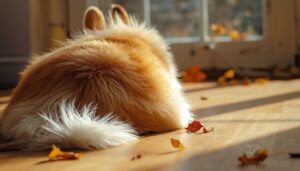
Corgis don’t just shed — they shed on a schedule, and knowing that schedule changes everything.
There’s a difference between normal seasonal shedding and something worth worrying about.
Here’s what the patterns throughout the year actually look like.
Spring and Fall Blow Coat Periods
Twice a year, your Corgi effectively redecorates your entire home in fur. Seasonal temperature shifts trigger these ‘blow coat’ events — spring shedding dumps the heavy winter undercoat, while fall shedding builds a fresh one. Daylight length drives the timing more than temperature alone, so expect coat clump accumulation during both windows.
| Season | What Happens | Heat Stress Prevention Tip |
|---|---|---|
| Spring | Blow their coat heavily | Daily undercoat removal techniques |
| Fall | Replace lighter coat | Brush before cold snaps arrive |
| Both | Peak loose hair volume | Consistent seasonal shedding management for Corgis |
Year-Round Shedding in Indoor Corgis
Indoor Corgis don’t get the seasonal "reset" that outdoor dogs do. Without meaningful light spectrum shifts or real temperature fluctuations, their coats shed more evenly all year — resulting in year-round shedding that leaves hair on furniture constantly.
Vacuum management and moisture control become essential hobbies. A regular undercoat rake session every few days helps prevent hair buildup from overtaking your couch.
When Corgis Start Shedding
Most Corgis kick off their first real shed around 6–10 months old, right when the puppy coat switch happens. Here’s what shapes that timing:
- Genetic shedding variance means no two dogs shed identically
- Photoperiod’s influence — daylight length — triggers seasonal shedding patterns in double-coated dogs
- Regional season timing shifts the calendar timing depending on your climate
- Indoor living smooths out shedding peaks
- Managing Corgi shedding early with an undercoat rake builds lifelong habits
Standard Vs Fluffy Corgi Shedding
Both shed — a lot. The real difference is visibility. Fluffy Corgis have longer guard hairs, so visible hair accumulation on your couch is hard to miss. Standard Corgis shed finer, shorter undercoat hairs, which sneak into everything more subtly.
Fluffy coats also carry a grooming frequency gap — they need daily attention to prevent matting. Same shedding engine, just a louder exhaust.
Signs Shedding is Abnormal
Normal shedding follows a rhythm. When that rhythm breaks—think Patchy Bald Spots, Brittle Hair, or Red Scabs—something else is driving it.
Dandruff itchiness, a Sudden Shedding Surge outside the usual seasons, or excessive shedding that just won’t stop are all signs worth taking seriously. These patterns often point to medical conditions rather than a simple coat cycle.
Hormones, Parasites, Allergies, and Stress
Behind abnormal shedding, there’s usually a biological trigger. Thyroid imbalance slows hair follicle turnover, while cortisol disrupts immune signaling in the skin. Hormone-immune crosstalk means hormonal changes ripple into skin reactivity.
Flea allergy dermatitis and demodectic mange drive intense scratching, accelerating coat loss. These conditions create a cycle of irritation and hair loss, requiring targeted intervention.
Managing parasites like fleas and ticks, stress-induced shedding, and allergy management together gives your Corgi’s coat a real chance to recover. Addressing these interconnected factors holistically supports skin health and fur regeneration.
Fixing Thick Undercoat Issues
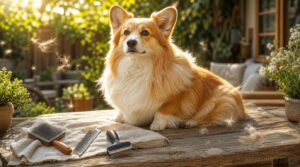
The good news is that a thick undercoat is very manageable with the right routine. Most of the fixes come down to consistent grooming, smart bathing habits, and feeding your Corgi well.
Here’s exactly what to do.
Brush 2–3 Times Weekly Year-Round
Even outside shedding season, brushing three times a week keeps your Corgi’s double coat from quietly turning into a matted mess. Think of it as routine maintenance, not damage control. Use proper brushing techniques in a calm environment; your sessions stay short and manageable.
Three things to do every session:
- Use undercoat removal tools with gentle brush pressure to reach the dense inner layer
- Work in sections — sectioned brushing ensures you don’t miss friction-prone spots
- Reward with positive reinforcement so your Corgi actually looks forward to Corgi double coat grooming
Brush Daily During Blow Coat

When blowing coat hits, bump that routine up to daily. Your Corgi can shed up to 30% more hair during these 2–4 week windows, and loose undercoat tangles fast if left sitting. Daily brushing with effective grooming techniques keeps that shedding manageable.
Pay attention to pressure control and brush angle technique — sensitive areas like the belly and ears require the most care during this time.
Use an Undercoat Rake First
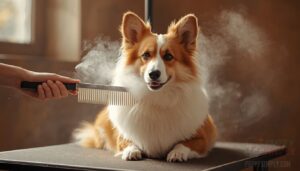
Starting with an undercoat rake is one of the smartest Corgi coat maintenance strategies you can use. On a dry coat, the rake’s tooth spacing reaches deep into the double coat, pulling out loose undercoat before it tangles.
Work in a sectioned grid using light pressure, following hair growth. Think of it as your pre-bath routine — clearing the bulk first makes every step after easier.
Finish With a Slicker Brush

Once the undercoat rake has done its job, a slicker brush takes over as your finishing tool. Its pin density separates and lifts the topcoat without digging into skin. The self-cleaning feature makes hair removal quick between strokes.
Use gentle wrist motion, working in horizontal layers across the body. Avoid sensitive areas like the face and belly. Light pressure is all you need.
Check Skin With a Metal Comb
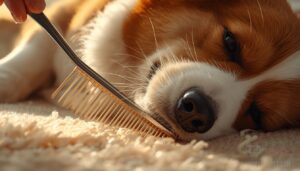
A metal comb is your skin-check secret weapon. After brushing, run it slowly through your Corgi’s coat — it tells you more than any other tool.
- Mat Resistance Test — Comb stops, signaling tight tangles pulling at the skin
- Redness Spot Detection — Parted undercoat reveals inflamed patches easily
- Parasite Comb Screening — Dark flecks or moving specks mean vet time
- Skin Irritation Signals & Hair Breakage Check — Flinching or snapping hair flags a real problem
Bathe Every 8–10 Weeks
Too many baths actually work against you. Washing your Corgi more than once every 8–10 weeks strips the natural oils that keep their Corgi’s coat healthy — and overbathing can spike visible shedding by around 15%.
| Bath Element | Best Practice |
|---|---|
| Shampoo Dilution Tips | Dilute before applying to avoid residue buildup |
| Fragrance-Free Shampoos | Choose these for sensitive or reactive skin |
| Proper Rinsing Technique | Rinse longer than you think — dense undercoat holds product |
| Bath Frequency Benefits | Every 8–10 weeks protects skin barrier integrity |
Dog bathing best practices matter more than frequency alone.
Dry The Undercoat Completely

Damp fur is a hot spot waiting to happen. After bathing, start with towel squeezing to pull moisture from dense layers, then use directional föhn airflow to push air down into the undercoat — not just across the surface.
- Part the coat and check moisture checkpoints at the belly, elbows, and behind the ears
- Use layered drying timing: towel first, then low-heat airflow
- Trust your fingers, not your eyes, for odor prevention
Feed Protein and Healthy Fats

Your Corgi’s coat quality starts in the food bowl. A high-protein, high-fat diet provides essential raw materials for skin tissue repair and steady hair growth.
| Nutrient | Why It Matters |
|---|---|
| Digestible Protein Levels | Rebuilds skin and hair structure |
| Protein Source Variety | Improves amino acid balance |
| Balanced Macro Distribution | Sustains energy and coat condition |
| Fatty Acid Ratio | Reduces dander, promotes softness |
| Healthy Fats | Carries vitamins A, D, E, K |
Add Omega-3 and Omega-6 Support

Diet gets you halfway there — supplements close the gap. Balanced fatty acids from omega-3 and omega-6 sources like fish oil and flaxseed support skin barrier reinforcement and deliver a real anti-inflammatory boost for irritated skin.
- Add fish oil daily for omega-3
- Include flaxseed for plant-based omega-6
- Time doses with meals for best dosage timing
- Combine both for true supplement synergy
Essential fatty acids work best together.
See a Vet for Redness or Bald Spots
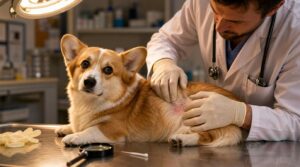
Supplements help, but they can’t fix everything. If you notice redness, bald spots, or persistent itching, it’s time for veterinary attention. These symptoms may indicate underlying issues such as allergies, parasites, or hormonal shifts, all of which require professional diagnosis.
Persistent hair loss in dogs demands proper evaluation, including allergy testing, hormone assessment, or fungal screening. A vet checkup, potentially involving a skin culture, is essential to safeguard your corgi’s long-term skin and coat health.
Top 5 Corgi Undercoat Products
Good tools make a real difference when you’re managing a Corgi’s thick undercoat. After testing what actually works, these five products stand out for their results. Here’s what earned a spot on the list.
1. FURminator Gray Undercoat Grooming Rake Dogs Cats
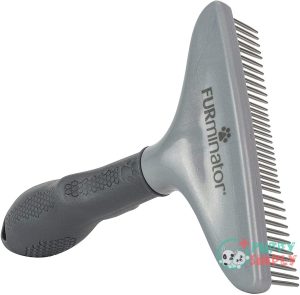
The FURminator Gray Undercoat Grooming Rake is an essential tool for your grooming kit. Its rotating metal teeth effectively penetrate the topcoat to remove loose undercoat hair without tugging on guard hairs—a critical feature for double-coated breeds like Corgis.
The rake’s ergonomic, non-slip handle ensures a steady grip, even when your dog becomes restless during grooming. This design helps maintain control and precision throughout the session.
However, avoid pressing too hard, as excessive pressure may irritate sensitive skin. Gentle use ensures a comfortable experience for your pet while maximizing the tool’s effectiveness.
| Best For | Pet owners with double-coated dogs or cats — think Golden Retrievers, Huskies, German Shepherds, or long-haired cats — who deal with heavy shedding year-round. |
|---|---|
| Product Type | Grooming Rake |
| Target Animal | Dogs & Cats |
| Coat Support | De-shedding & detangling |
| Skin Benefit | Massage-like stimulation |
| Ease of Use | Ergonomic handle |
| Key Limitation | Teeth may bend |
| Additional Features |
|
- Rotating metal teeth dig into the undercoat and pull out loose hair really effectively, without needing to yank or press hard.
- The ergonomic, non-slip handle makes longer grooming sessions way easier on your hand and wrist.
- Many pets actually enjoy it — the teeth give a gentle massage-like feel that’s a lot more tolerable than a wire slicker brush.
- The metal teeth can arrive bent or get misshapen over time, which basically makes the rake useless until you replace it.
- Press too hard and you risk cutting guard hairs or irritating sensitive skin — light-handed technique is a must.
- Loose hair tends to fly around during use, so expect a bit of cleanup in whatever area you’re grooming.
2. Hertzko Self Cleaning Slicker Brush

Once you’ve worked through the undercoat with the rake, you need something that manages the topcoat without roughing up your Corgi’s skin. That’s where the Hertzko Self Cleaning Slicker Brush earns its spot.
The fine, angled bristles detangle and lift remaining loose hair, while the rounded tips stay gentle on sensitive skin.
Cleanup? One button press retracts the bristles, and the fur just falls off. At $13.99, it’s a genuinely practical tool for daily sessions.
| Best For | Corgi owners and pet parents who groom regularly and want a brush that’s gentle on skin, handles both coats well, and cleans up in seconds. |
|---|---|
| Product Type | Slicker Brush |
| Target Animal | Dogs & Cats |
| Coat Support | De-shedding & shine |
| Skin Benefit | Gentle pin massage |
| Ease of Use | Comfort-grip handle |
| Key Limitation | Bulky for small cats |
| Additional Features |
|
- That self-cleaning button is a genuine time-saver — one press and the fur drops right off
- Rounded, angled bristles are soft enough for sensitive skin while still doing real detangling work
- Light at 3.2 oz, so longer grooming sessions won’t leave your hand aching
- Can feel a bit chunky if your cat is on the smaller side
- Not the best pick for short-haired dogs — some owners notice it just doesn’t grab as much
- A few users have had the handle crack under heavy use, so it may not hold up to rough daily grooming long-term
3. 4 Legger Organic Dog Shampoo
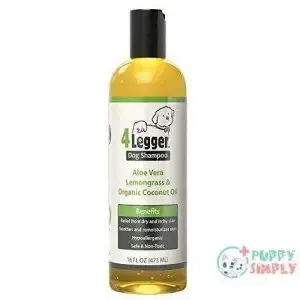
Bathing a Corgi with the wrong shampoo is like washing a wool sweater with dish soap — technically it works, but you’ll regret it. The 4 Legger Organic Dog Shampoo keeps things gentle.
Its USDA-certified organic blend of aloe vera, coconut oil, and lemongrass soothes itchy skin without stripping the natural oils your Corgi’s undercoat actually needs.
No sulfates, no parabens. At $17.98 for 16 oz, it’s a smart pick for dogs with sensitive or allergy-prone skin.
| Best For | Corgis and other dogs with sensitive, itchy, or allergy-prone skin whose owners want a clean, organic ingredient list without the chemical extras. |
|---|---|
| Product Type | Dog Shampoo |
| Target Animal | Dogs |
| Coat Support | Softens & detangles |
| Skin Benefit | Soothes itchy skin |
| Ease of Use | Concentrated formula |
| Key Limitation | Strong lemongrass scent |
| Additional Features |
|
- USDA-certified organic with aloe and lemongrass — genuinely soothes irritated skin and leaves the coat soft and shiny
- No sulfates, parabens, or synthetic fragrances, so it’s safe for dogs with skin sensitivities or allergies
- Concentrated formula means a little goes a long way, and it’s biodegradable for eco-conscious pet owners
- The lemongrass scent is strong — some dogs (and owners) may find it a bit overwhelming
- Watery consistency can feel slightly oily until fully rinsed out, so you may need an extra rinse or two
- At $17.98, it costs more than most drugstore shampoos, which could add up if you’re bathing a double-coated dog frequently
4. Wellness Complete Health Small Breed Turkey Oatmeal
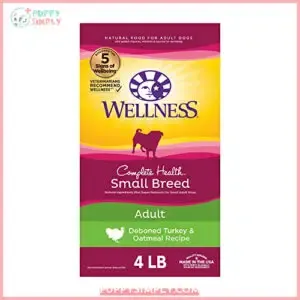
What your Corgi eats shows up in their coat — sometimes within weeks. Wellness Complete Health Small Breed Turkey & Oatmeal provides a solid nutritional foundation with 28% protein and omega-3 and omega-6 fatty acids, directly supporting skin barrier integrity and undercoat softness.
Deboned turkey leads the ingredient list, followed by salmon meal and chicken fat — real sources your dog’s follicles can actually use. No corn, wheat, or soy ensures a clean formula.
At roughly $17–$20 for 4 lbs, it’s a practical everyday option for small breed owners prioritizing coat health.
| Best For | Small-breed dog owners — especially Corgi parents — who want a grain-inclusive, high-protein kibble that supports coat health, joint function, and everyday energy. |
|---|---|
| Product Type | Dry Dog Food |
| Target Animal | Dogs |
| Coat Support | Omega-supported coat health |
| Skin Benefit | Omega 3/6 skin support |
| Ease of Use | Small kibble size |
| Key Limitation | Contains grains |
| Additional Features |
|
- Real animal proteins (deboned turkey, salmon meal, chicken fat) fuel lean muscle and give coats a noticeable shine
- Packed with joint-supporting extras like glucosamine, chondroitin, and omega fatty acids — great for active small breeds
- Free from corn, wheat, soy, and artificial preservatives, making it a clean pick for dogs with common sensitivities
- Contains grains, so it won’t work for owners specifically looking for a grain-free formula
- Some bags arrive with a fair amount of dust and fine particles, which can feel wasteful
- Kibble size is designed for small breeds only — not a fit if you have a mix of dog sizes at home
5. Zesty Paws Wild Alaskan Salmon Oil
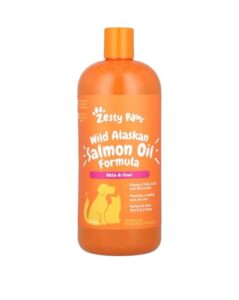
If your Corgi’s coat looks dull or sheds more than usual, diet alone might not be enough. Zesty Paws Wild Alaskan Salmon Oil fills that gap.
Sourced from wild-caught Alaskan salmon and pollock, it delivers EPA and DHA omega-3s that directly support skin barrier function and undercoat softness.
One pump per 10–20 lbs, mixed into food, makes dosing simple. Results take 8–12 weeks, but most owners notice a shinier, softer coat well before then.
| Best For | Pet owners with dogs or cats who need an easy, no-fuss way to boost coat health, joint support, and overall wellness through their daily meals. |
|---|---|
| Product Type | Fish Oil Supplement |
| Target Animal | Dogs & Cats |
| Coat Support | Shinier, softer coat |
| Skin Benefit | Reduces dandruff |
| Ease of Use | Precision pump dispenser |
| Key Limitation | Strong fish odor |
| Additional Features |
|
- Wild-caught Alaskan salmon and pollock means high-quality EPA and DHA without sketchy sourcing
- The pump makes dosing dead simple — no pills, no measuring, just mix it into their food
- NASC-certified, so you know it’s gone through a real quality audit, not just marketing fluff
- The fish smell is strong — some pets (and owners) aren’t fans, and it can linger after feeding
- The pump tip tends to drip and dry out, so cleanup becomes part of the routine
- Too much too fast can cause loose stools or upset stomachs, so you have to ease into it carefully
Frequently Asked Questions (FAQs)
How long do corgis live with degenerative myelopathy?
Most corgis with degenerative myelopathy live 12 to 36 months after diagnosis. Pembroke Welsh Corgis tend to progress more slowly than larger breeds, which can extend that window a little.
How to groom a dog with a thick undercoat?
Think of it like peeling layers off an onion.
Start with an undercoat rake to pull out deep dead hair, then follow up with a slicker brush to smooth everything out and catch what’s left.
Should you use a furminator on a corgi?
Yes, but carefully.
A furminator works well during blowing coat periods if you use light strokes and avoid sensitive spots. Too much pressure irritates the skin and can thin the topcoat over time.
What problems do purebred corgis have?
Purebred Corgis are prone to hip dysplasia, degenerative myelopathy, and eye conditions alongside their well-known coat challenges.
Their long backs also make them vulnerable to intervertebral disc disease, especially without weight management.
Can Corgis safely wear cooling vests in summer?
They can, as long as the vest stays damp.
A dry vest just adds layers and traps heat.
Wet it first, monitor your dog closely, and combine it with shade and water breaks.
At what age does a Corgis undercoat fully develop?
Most Corgis have their adult undercoat largely in place by around 6–8 months, but it won’t feel truly full and stable until closer to age
Do male and female Corgis shed differently?
Shall we compare? Male Corgis tend to have denser, fluffier coats, so they may shed a bit more.
Females shed slightly less, but hormonal cycles can spike shedding temporarily.
Individual genetics matter most.
How does spaying or neutering affect undercoat thickness?
Spaying or neutering can affect your dog’s coat hormones, sometimes causing the undercoat to grow longer and softer than guard hairs. Not every dog is affected, but when it happens, matting is more likely.
Can diet changes reduce undercoat density over time?
Diet won’t "thin the plot" on your Corgi’s undercoat — genetics set that baseline. Better nutrition improves coat quality and reduces excess shedding, but it won’t permanently lower undercoat density.
Conclusion
Picture your Corgi racing through the yard, coat gleaming, skin breathing freely beneath every fluffy layer. That image is completely within reach.
Corgi thick undercoat problems don’t have to become skin infections, bald patches, or sweaty summer misery. With the right brush routine, a solid bath schedule, and a diet rich in omega fatty acids, you’re giving your dog the one thing no product alone can replace—consistent, informed care.
- https://www.caninedesign.co.uk/news/matted-coats
- https://vcahospitals.com/know-your-pet/hot-spots-in-dogs
- https://www.expressvetskennesaw.com/blog/dermatology-services-managing-pet-skin-issues-in-humid-weather
- https://www.petmd.com/dog/general-health/hot-spots-dogs
- https://www.medvet.com/hot-spots-in-dogs/