
This site is supported by our readers. We may earn a commission, at no cost to you, if you purchase through links.

Somewhere between May and July, your furniture disappears under a layer of fur — and your lint roller becomes the most important tool you own.
Summer shedding dog breeds don’t just shed; they stage a full-scale coat evacuation. That dense undercoat, built to survive a Siberian winter, gets dumped in your living room whether you’re ready or not. The trigger isn’t random — it’s a hormonal response to longer daylight hours and rising temperatures, signaling the follicles to release the old insulating layer.
Knowing which breeds hit hardest and why gives you a real advantage when blowout season arrives.
Table Of Contents
Key Takeaways
- Summer shedding isn’t random — longer daylight hours trigger a hormonal response that tells your dog’s follicles to dump the old insulating undercoat fast.
- Double-coated breeds like Huskies, Malamutes, and German Shepherds hit hardest, but short-haired dogs like Labs hide a dense undercoat that quietly buries your couch by July.
- Daily brushing with the right tools — an undercoat rake for deep removal, a slicker brush for surface tangles — is the difference between managing blowout season and just surviving it.
- Indoor living blurs your dog’s natural shedding clock, turning two predictable seasonal blowouts into a steady, year-round fur storm you didn’t sign up for.
Breeds That Shed Most
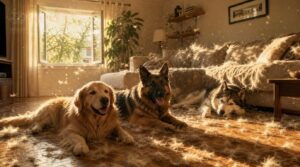
Some dogs don’t just shed — they remodel your furniture in fur. If your dog falls into the heavy-shedding category, summer turns that up a notch.
If you’ve got a plush coat dog, that thick double layer means shedding season basically never ends.
Here are the breeds most likely to leave their mark on everything you own.
Siberian Husky
If you own a Siberian Husky, you already know the drill — fur everywhere, twice a year, no mercy. Their double coat is a masterpiece of Winter Heat Retention, built from Sled Dog Heritage and Blue Eye Genetics lineage going back centuries.
Seasonal coat blowouts dump pounds of undercoat fast. Grab a deshedding tool and brush daily — grooming tips for double‑coated dogs start here.
Their origins trace back to the sled dog heritage, a legacy of endurance and speed.
Alaskan Malamute
Think the Husky sheds a lot? Meet the Alaskan Malamute — same double coat concept, bigger dog, bigger mess.
Built for Cold Climate Insulation, their dense undercoat traps air like a personal furnace. When spring hits, that personal furnace dumps its fuel — fast.
- Seasonal coat blowout lasts weeks, not days
- Guard Coat Role: outer hairs protect the soft undercoat beneath
- Coat Color Patterns range from gray-and-white to black-and-white with face masking
- Undercoat grooming best practices start with a deshedding tool, used multiple times weekly
A Protein Rich Diet helps keep that coat — and your sanity — intact.
German Shepherd
After the Malamute, the German Shepherd might feel like a step down — it’s not.
This breed runs on Intelligent Training and Protective Instincts, and its double coat backs that intensity with serious seasonal shedding cycles — two major blowouts yearly, plus consistent year‑round loss.
| Trait | Detail |
|---|---|
| Coat Color Variations | Black-and-tan, sable, solid black |
| Deshedding Tool | Use 2–3x weekly |
Health Screening and Exercise Requirements keep that coat — and temperament — balanced.
Golden Retriever
Golden Retrievers are the breed that makes you question your furniture choices.
That flowing double coat — ranging across Coat Color Variations from pale cream to deep amber — sheds heavily during seasonal shedding peaks.
That dense undercoat is the real culprit behind the mess, which is why many owners eventually explore large dog breeds with low-shedding coats as a more manageable alternative.
Exercise-Induced Fur release is real; active dogs shed more.
Use an undercoat rake regularly, consider Professional Grooming Services during blowouts, and watch Seasonal Dander Levels if Allergy Trigger Factors are a concern.
Labrador Retriever
Don’t let the short coat fool you — a Labrador Retriever can bury your couch in fur by July. That water-resistant double coat triggers intense summer shedding as the undercoat thins out seasonally.
Three things to stay ahead of it:
- Brush 3x weekly minimum
- Match exercise needs daily — active Labs shed more
- Watch weight management; obesity worsens skin health
That friendly temperament makes grooming sessions easy, at least.
Why Summer Shedding Peaks
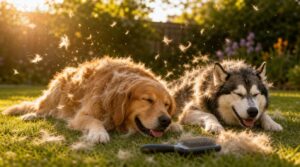
Summer isn’t just hot for you — your dog’s coat feels it too.
There’s a reason fur piles up faster once the temperatures climb, and it comes down to a few key triggers. Here’s what’s actually driving that seasonal shed.
Seasonal Coat Blowouts
Twice a year, your double coat dog’s undercoat releases in waves — this is blowout season.
Managing seasonal coat blowouts means understanding what’s driving them: hormonal fluctuations, stress triggers, and climate zone variations all influence molt timing prediction.
The blowout isn’t random. Hair loosens in clumps from the root, briefly making the coat look fuller before dropping heavily. Plan for it.
Temperature and Daylight Changes
Your dog’s body reads the environment like a clock. Longer daylight hours — photoperiod influence at work — trigger circadian thermoregulation shifts that accelerate seasonal shedding cycles in dogs.
Longer days don’t just bring more light — they trigger your dog’s body to shed on schedule
Rising temperatures compound this, pushing heat stress behavior like panting and shade-seeking. These environmental factors influencing dog shedding aren’t random; they’re your dog’s seasonal metabolic rate responding to UV exposure effects and warming days.
Undercoat Thinning Before Fall
Before fall even arrives, your dog is already preparing — shedding the summer undercoat to make room for denser winter growth. Daylight Length Reduction triggers a Melatonin Signal that kicks off this Hormonal Coat Change. The result? An Undercoat Density Drop that floods your floors with fur. Here’s what’s actually happening in the Pre-Fall Hair Cycle for double coat dogs:
- Follicles release the summer undercoat — loose hair builds up fast, especially if you’re not brushing regularly.
- New, denser undercoat begins growing — Managing seasonal coat blowouts now prevents matting later.
- Grooming tips for double-coated dogs apply here — undercoat grooming best practices like daily raking keep seasonal shedding cycles in dogs manageable.
Year-round Shedding in Heavy Shedders
Even between seasonal shedding cycles in dogs, heavy shedding dog breeds don’t get a break — and neither do you.
Indoor climate keeps temperatures steady year-round, disrupting the natural cues that would otherwise slow coat renewal.
Add hormonal influence, age-related shedding shifts, stress factors, and nutrition impact, and your dog’s follicles stay active constantly.
That’s why grooming tips for double-coated dogs emphasize consistent dog grooming frequency recommendations — not just seasonal ones.
Double-Coated Breeds to Know
Not all double-coated dogs shed the same way — the structure of their coat determines everything.
Some carry dense, woolly undercoats that practically explode in summer; others have long feathered layers or rough outer coats that change how shed hair moves and collects.
Here’s a breakdown of the main coat types you’ll encounter.
Dense Undercoat Shedding
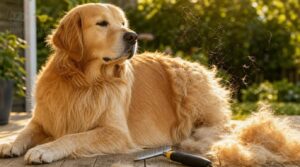
dense undercoat isn’t just extra fluff — it’s a built-in thermal insulation tradeoff, your dog’s body regulates automatically. Photoperiod triggers, meaning shifts in daylight length, signal the undercoat to release massively during seasonal shedding cycles in dogs.
Skip the undercoat rake during blowouts, and you risk undercoat matting, turning into painful compacted mats. Stay ahead of it.
Thick Topcoat Protection

The topcoat does more than look good — it’s your dog’s first line of defense. Guard Hair Density determines how well it shields the softer undercoat beneath.
Tighter, thicker guard hairs deliver real Heat Insulation, Moisture Shielding, and Dirt Repellent benefits year‑round. They also create Topcoat Friction Reduction, so fewer hairs embed in your furniture.
During seasonal shedding cycles in dogs, that protective layer works overtime.
Long Feathered Coats

Long feathered coats add another layer to the shedding equation. That undercoat — packed tight against the skin — manages Air Trapping Insulation, keeping long-haired dogs warm even in damp weather. But during seasonal shedding cycles in dogs, it releases quickly.
Watch these three zones closely:
- Feathered Ear Fringes trap loose hairs and mat quickly
- Leg Feathering Matting worsens when moisture meets friction
- Puff Volume Density means more hair hitting your floors
Directional hair flow matters for shedding management — always brush with the grain for effective grooming tips for double-coated dogs.
Rough or Curly Outer Coats
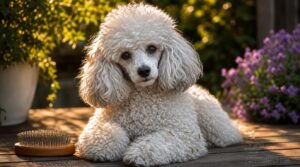
Rough or curly outer coats behave differently than feathered ones. Weather-resistant rough coats trap debris in coarse strands — a real debris trapping challenge after outdoor runs.
Curly coats, common in hypoallergenic curly breeds like Poodles, shed less visibly but carry serious matting risk management needs. Your coarse curl grooming routine should include regular brushing to prevent tangles, keeping seasonal shedding cycles under control for any double coat type.
Short-Haired Shedders Too

Short hair doesn’t mean light shedding — not even close. Some of the sneakiest shedders out there have coats you’d barely notice at a glance, yet they’ll cover your couch in fur by Tuesday.
Here’s what’s actually going on beneath those smooth, short coats.
Why Short Hair Still Sheds
Short hair doesn’t mean light shedding — that’s one of the biggest surprises new dog owners experience.
Even short-haired dogs experience a follicle cycle shift when seasonal hormonal triggers fire up in summer. Individual hairs complete their growth phase, retain their hair bulb, and drop cleanly.
Temperature hair thinning accelerates this cycle quickly. Grooming-induced shortening can also disguise breakage as shedding, so your shedding level often looks higher than expected.
Labrador Retriever Coat Traits
Labs look low-maintenance — and honestly, that water-resistant topcoat with its oily repellent surface earns that reputation in the pool. But underneath that sleek straight hair texture lies a dense double coat working hard year-round.
Black, yellow, chocolate — regardless of common coat colors, all Labs follow the same seasonal shedding cycles in dogs, quietly building toward a serious undercoat dump each summer.
Hair That Sticks to Fabrics
Here’s what makes Lab hair such a nightmare on your couch: static electricity. Those short, stiff strands carry a charge that locks them into fabric weave like tiny anchors.
Moisture impact is real too — dry air makes it worse. Color visibility on dark clothes amplifies the frustration.
For serious pet hair removal, a vacuum for pet hair with upholstery attachments is non‑negotiable.
Hidden Undercoat in Smooth Coats
Don’t let a sleek coat fool you — smooth dogs often hide a dense layer of down hairs right against the skin. That hidden undercoat drives serious Heat-Induced Shedding comes in summer.
Undercoat Grooming Best Practices for short-haired dogs:
- Use Coat Layer Scanning to feel for dense insulation beneath the guard hairs
- Apply Brush Technique Selection — undercoat rakes beat slicker brushes for removal
- Track Seasonal Coat Monitoring monthly to catch blowouts early
- Prioritize undercoat removal before fur migrates to your furniture
- Follow seasonal shedding cycles in dogs to time grooming sessions right
Summer Grooming That Helps
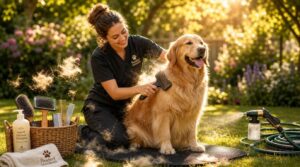
The good news is that summer shedding is manageable — you just need the right tools and a consistent routine. A few targeted changes to how you groom, feed, and bathe your dog can make a real difference.
what actually works.
Brushing Frequency for Heavy Shedders
During peak summer shedding, daily grooming routines for heavy shedders aren’t optional — they’re damage control. Dry coat brushing works best; wet hair clumps and hides loose undercoat.
targeted body zones: neck, behind ears, underbelly. fur reappears on furniture within a day, that’s your cue to increase grooming frequency.
seasonal brush adjustments prevent loose hair from compacting into mats.
Slicker Brushes and Undercoat Rakes
Two tools do the heavy lifting here — and knowing which to reach for matters. A slicker brush manages surface tangles on the outer coat, while an undercoat rake digs deep to pull loose fur before it hits your couch.
Both feature ergonomic handle design, rust-resistant coating, and self-cleaning mechanisms. Together, they tackle seasonal shedding cycles in dogs far more effectively than any single brush material choice alone.
Deshedding Tools and High-velocity Dryers
A deshedding blade design reaches past the topcoat to pull out what an undercoat rake misses. Vacuum Attachment Tools take it further — loose fur goes straight into the canister, not your carpet.
Follow up with a high-velocity dryer on low Heat Control Settings to blast remaining dead coat free.
Stick to a Tool Cleaning Routine after each session, and check for Noise Dampening Features if your dog spooks easily.
Bathing, Diet, and Hydration Tips
Bathing fits right into your deshedding routine — use lukewarm baths with a deshedding shampoo to loosen dead undercoat before brushing. Moisturizing post-bath keeps skin from drying out and flaking.
Back it up with nutrition:
- Omega-3 supplements visibly reduce shedding intensity over time
- omega-3 rich diet and water-rich foods support coat health
- hydration monitoring keeps skin supple through seasonal shedding cycles
Frequently Asked Questions (FAQs)
What dog breeds shed in summer?
Northern Working Dogs like the Siberian Husky, Alaskan Malamute, and Akita lead the pack.
German Shepherds and other High Energy Shedders follow closely — all showing intense Mid Season Shedding through Heat Responsive, Coat Color Contrast-revealing seasonal shedding patterns in double-coated dogs.
Can medications or supplements reduce summer shedding?
Think of supplements like a tune-up — they won’t stop shedding, but they can smooth it out. Omega-3 supplements, biotin supplementation, and zinc iron support help when deficiencies drive excess loss.
Do mixed-breed dogs shed as heavily as purebreds?
Mixed breeds aren’t automatically light shedders. Genetic coat inheritance from a high-shedding parent — like a Husky — means heavy coats can pass right along. Parent breed influence is everything.
How does indoor living affect a dogs shedding cycle?
Indoor living quietly rewires your dog’s shedding clock.
Indoor Temperature Stability, Artificial Light Exposure, and Air Conditioning Dryness all blur seasonal signals — turning predictable blowouts into steady, year-round fur storms, your vacuum never saw coming.
At what age do dogs start heavy seasonal shedding?
Most dogs hit their first seasonal molt around 4 to 6 months, when puppy coat change begins. That’s your early shedding window — when juvenile undercoat loss kicks off the lifelong cycle.
Does spaying or neutering change a dogs shedding patterns?
Yes — spaying or neutering shifts the hormone cycle, which can trigger post‑surgery shedding and stress‑induced hair loss temporarily. Veterinary monitoring helps.
Seasonal shedding patterns in double‑coated dogs usually return to normal with nutritional support.
Conclusion
Picture floors fur-free, your couch reclaimed, your lint roller retired to a drawer. That’s not fantasy — it’s what consistent grooming does for owners of summer shedding dog breeds.
You understand the biology now: longer days, hormonal triggers, undercoat evacuation. That knowledge changes how you respond.
Instead of chasing fur, you stay ahead of it. The right brush, the right schedule, the right diet — blowout season becomes manageable. You’re not fighting your dog’s coat anymore. You’re working with it.
- https://www.wisdompanel.com/en-us/blog/dog-breeds-that-shed-the-most
- https://coastalveterinarycare.vet/do-dogs-shed-more-in-summer/
- https://wagwalking.com/behavior/why-do-dogs-shed-more-in-the-summer
- https://www.animalfriendsdermatology.com/site/blog/2024/07/30/when-why-dogs-shed-most
- https://commons.wikimedia.org/wiki/File:German_Shepherd_Dog_with_disc.jpg