
This site is supported by our readers. We may earn a commission, at no cost to you, if you purchase through links.

Run your hand through a Samoyed’s coat and something clicks—it’s not quite fluffy, not quite sleek, but somehow both at once. That’s the plush coat doing exactly what it was built to do.
Beneath that soft, mid-length outer layer sits a dense undercoat working like a built-in climate system, insulating against cold and buffering heat.
Plush coat dog characteristics go deeper than good looks—they shape how a dog regulates temperature, how much fur ends up on your couch, and how much time you’ll spend with a brush in hand.
Knowing what you’re working with makes all the difference.
Table Of Contents
- Key Takeaways
- What Defines a Plush Coat?
- Key Plush Coat Traits
- Plush Vs Short and Long Coats
- Shedding and Seasonal Coat Changes
- Grooming Needs for Plush Coats
- Genetics, Breeds, and Daily Care
- Frequently Asked Questions (FAQs)
- How do dogs say "I love you"?
- What is the most clingy dog breed?
- What not to feed a German Shepherd?
- Can plush coats cause skin allergies or irritation?
- Do plush coats affect a dogs swimming ability?
- Are plush coat puppies born with their full coat?
- How does diet impact plush coat shine and texture?
- Can plush coat dogs live comfortably in apartments?
- Conclusion
Key Takeaways
- A plush coat’s two-layer system — coarse guard hairs on top, dense undercoat below — does real work, regulating your dog’s temperature year-round without the grooming burden of a full long coat.
- Twice a year, spring and fall, your dog’s coat blows completely, so brushing 2–3 times a week (daily during those seasons) isn’t optional — it’s what keeps mats and skin issues from sneaking up on you.
- Feathered areas like the chest, ears, legs, and tail mat faster than anywhere else, so those spots need targeted brushing and a detangling spray to stay healthy.
- Plush coats are written in your dog’s DNA — genes like FGF5 and RSPO2 control length, density, and feathering, which is why breeds like Samoyeds, Keeshonds, and Pomeranians all share that same soft, rounded silhouette.
What Defines a Plush Coat?
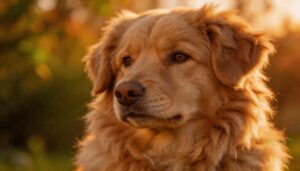
So what exactly makes a plush coat different from everything else? It comes down to a few specific physical traits that work together to create that signature look and feel.
The fur itself is noticeably thicker and denser than a standard coat, and you can explore how German Shepherd coat colors and genetics influence these traits across different varieties.
Here’s what actually defines it.
Mid-length Coat Between Short and Long
Think of a plush coat as the middle child — not too short, not too long. This mid-haired, medium-haired coat sits right in the sweet spot, usually measuring 1–2 inches.
That balanced coat length delivers real benefits:
- Fitted silhouette without bulk
- Seasonal insulation year‑round
- Style versatility with layering potential
Plus, fit and mobility stay easy. Grooming frequency? Totally manageable.
Dense Outer Coat and Soft Undercoat
That mid-length magic doesn’t happen by accident — it’s all about layers.
Your plush coat dog has two distinct ones working together: coarse guard hairs on top form a moisture barrier that sheds dirt and rain, while the dense, soft undercoat provides thermal insulation beneath.
Think of guard hair function like a roof, and the soft undercoat as the insulation inside the walls. layer interaction is everything.
During spring, seasonal undercoat shedding can be managed with regular brushing.
Why Plush Coats Are Considered Double Coats
So why exactly does a plush coat qualify as a double coat? Simple: the double-layer anatomy is right there when you part the fur.
Guard hairs sit on top; a dense undercoat hugs the skin below. That guard-to-undercoat ratio skews heavily toward the undercoat, creating thermal insulation through trapped air.
Thermographic studies even show cooler skin-surface temperatures compared to single-coat dogs — proof the protective undercoat is genuinely working.
The Fluffy Look Without Excessive Length
That insulation doesn’t come at the cost of practicality, though.
Soft plush coats pull off something pretty clever — they deliver serious volume without dragging the coat down with excessive length. The result? A compact plush profile with real silhouette softness, almost like a teddy bear aesthetic wrapped around a working dog’s frame.
You get that fluffy appearance and balanced insulation, without the grooming needs of a full long coat.
Key Plush Coat Traits

Once you see a plush coat up close, it’s hard to miss what makes it stand out. The details are actually pretty specific — from the texture and length to the way the coat shapes the dog’s whole look.
what you’ll notice most.
Typical Coat Length and Fullness
Plush coats sit right in the sweet spot — not stubbornly short, not long flowing fur.
They measure roughly 1–2 inches, following loose Length Ratio Guidelines that keep the silhouette neat but full.
That fluffy exterior comes from dense underfur with serious Air Trapping Capacity, creating natural Visual Plushiness Scale variety.
Seasonal Length Variation means your dog looks puffier in winter.
Fullness Assessment is simple: after brushing, soft plush coats practically balloon with volume.
Feathering on Chest, Ears, Legs, and Tail
Feathering is what gives your dog that polished, finished look — longer hair framing the chest, ears, legs, and tail like nature’s own styling job. But it’s not just decorative.
Each feathered area comes with its own grooming reality:
- Chest moisture traps — chest feathering holds water and mud after walks.
- Ear debris buildup — ear fringe tangles fast against collars and bedding.
- Leg seed entanglement — leg feathering catches burrs, twigs, and grass seeds constantly.
- Tail airflow shaping — tail feathering fans movement but mats near the base.
- Feathering visual framing — together, these areas define the soft plush condition’s signature silhouette.
This feathering is especially noticeable as a feathering characteristic in long coat German Shepherds, but it shows up across many double coat breeds. Coat maintenance in these zones isn’t optional — it’s the whole game.
Straight, Coarse Texture With a Soft Feel
Here’s what surprises most people: the guard hair structure feels firm between your fingers, yet the whole coat reads as soft. That’s coarse fiber diameter doing its job up top, while undercoat air trapping creates that cushioned feel underneath.
Texture perception is everything here.
Your soft plush coat maintenance routine keeps both layers balanced, which is exactly why consistent grooming defines soft and plush dog coat breeds.
Rounder, Fuller Body Outline
That coat isn’t just texture — it’s architecture. The plush coat builds a compact silhouette by combining three visual layers:
- A broad rib cage that adds natural width through the torso
- A deep chest that anchors body depth close to the elbows
- Soft fluffy fur that blurs sharp angles into smooth curves
Balanced weight distribution completes the luxury look — giving soft and plush dog coat breeds genuine visual fullness, not puffiness.
How Plush Coats Differ in Appearance From Standard Coats
A standard coat lies flat and close, showing the body’s clean lines. A plush coat does the opposite — its Undercoat Air Pocket lifts individual hairs outward, creating Silhouette Volume Contrast that makes the dog appear fuller.
This effect is enhanced by the Compact Tail Plume, Subtle Sheen, and rich Plush Visual Density, which together contribute to a soft, fluffy coat with a genuine luxurious appearance.
Plush Vs Short and Long Coats
Not all coats are created equal, and the differences between plush, short, and long coats go beyond just looks.
Each type has its own quirks, from texture and shedding to how much work your brush gets.
Here’s how they stack up across the details that matter most.
Length Differences at a Glance
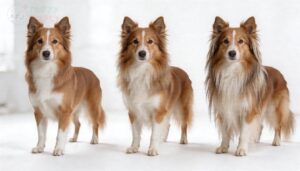
Think of coat length like a spectrum — and the plush coat sits right in the middle.
| Coat Type | Hair Length | Key Trait |
|---|---|---|
| Short coat | 0.5–1 inch | Sleek, flat guard hairs |
| Plush coat | 1–2 inches | Fuller, upright fur |
| Long coat | 2+ inches | Flowing feathered fringes |
That medium-haired, hair length variation hits the sweet spot — enough volume for show ring preference, without the drying time that a long coat demands.
Texture and Volume Comparisons
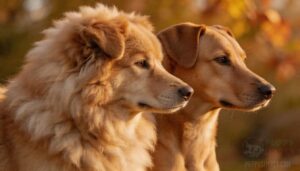
Length tells part of the story — but texture and volume seal the deal.
| Trait | Plush Coat vs. Others |
|---|---|
| Surface Softness | Softer feel than short, less wispy than long |
| Layering Effect | Dense undercoat creates natural Air Pocket Insulation |
| Volume Visualization | Rounder outline without heavy draping |
| Coat Light Reflection | Soft waves, not flat or glossy |
| Fluffy Topcoat | Cushioned, not shaggy |
That soft and plush dog coat breeds are known for. It’s pure luxurious fur — the luxurious fur layering effect working quietly underneath.
Grooming Differences by Coat Type
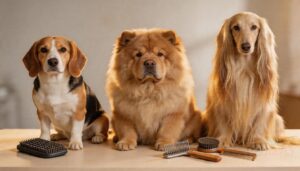
Grooming differences by coat type really come down to one thing: matching your tools to what’s underneath.
| Coat Type | Tool Selection Matrix | Bath Frequency Variance |
|---|---|---|
| Short | Bristle brush or mitt | Every 6–8 weeks |
| Plush | Undercoat rake + slicker | Every 6–10 weeks |
| Long | Slicker brush + comb | Regular scheduled baths |
Plush Coat grooming requirements for double-coated breeds add Dryer Speed Adjustment — dense undercoats trap moisture. Professional De-shedding Sessions and regular grooming keep shedding control manageable year‑round.
Shedding Visibility Across Coat Lengths
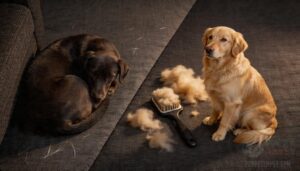
Not all shedding looks the same — and coat length plays a bigger role than you’d think. A short coat drops fine hairs that embed into furniture material and disappear until you sit down in black pants.
A plush coat’s double coat traps loose undercoat beneath the surface, so Hair Clump Size only becomes obvious at brushing time.
| Coat Type | Shedding Visibility |
|---|---|
| Short | Scattered, fine hairs on surfaces |
| Plush | Hidden until brushed out |
Which Coat Type Needs The Most Upkeep
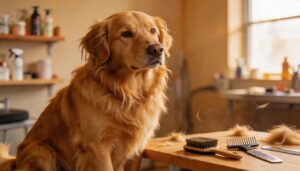
Hidden shedding doesn’t mean less work — it just means the work shows up later, all at once. Regarding Owner Labor Hours and Budget Considerations, long coats top the list. Plush coats land solidly in the middle.
| Coat Type | Grooming Skill Requirement | Seasonal Shedding Load |
|---|---|---|
| Short | Low | Light |
| Plush | Moderate | Heavy twice yearly |
| Long | High | Constant |
Brush 2 to 3 times a week minimum with a plush coat, or Coat Density Challenges will catch you off guard fast.
Shedding and Seasonal Coat Changes
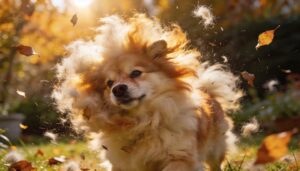
Plush coats are beautiful, but they come with a shedding reality you should know upfront.
The undercoat does a lot of behind-the-scenes work through every season, and that affects how much fur ends up on your couch.
Here’s what to expect regarding shedding and seasonal coat changes.
Year-round Shedding in Plush-coated Dogs
Your plush coat dog doesn’t take a break from shedding — not even in summer. That dense double coat keeps renewing itself year‑round, leaving fur on furniture, clothes, and floors daily. Indoor hair build‑up sneaks up fast.
- Daily brush routine catches loose fur before it spreads
- Dietary coat support keeps excessive shedding in check
- Deshedding tools handle what regular brushes miss
Heavy Shedding in Spring and Fall
Twice a year, your dog’s coat hits a full reset. Spring and fall trigger a coat blow — when daylight shifts, the body signals it’s time to swap coats entirely.
Outdoor dogs feel this hardest. Indoor dogs? Milder, but it still happens.
| Factor | Spring Shedding | Fall Shedding |
|---|---|---|
| Daylight Trigger | Longer days | Shorter days |
| Coat Goal | Lighter summer coat | Denser winter coat |
| Management Tip | Daily brushing | Deshedding tools |
How The Undercoat Traps Loose Fur
Your dog’s dense undercoat works like a net — loose fur tangles in the soft undercoat instead of falling free. That’s where airflow restriction and heat retention start.
Here’s what’s happening underneath:
- Shed hairs twist around neighboring strands, triggering mat formation
- Packed fur traps heat close to the skin, risking skin irritation
- Guard hairs hide the buildup, making undercoat management and tool efficiency critical
Seasonal Coat Density in Warm and Cold Weather
Your pup’s coat isn’t the same year-round — and that’s actually impressive biology. In cold weather, the undercoat thickens dramatically, boosting thermal insulation and metabolic efficiency by trapping still air close to the skin.
Come summer, that same undercoat thins out, improving heat dissipation and airflow management near the skin’s surface. It’s temperature regulation at its finest, driven by daylight shifts — not just the thermometer.
In summer, the undercoat thins naturally, regulating temperature through daylight shifts, not just the thermometer
Signs a Plush Coat Needs Extra Brushing
Your hands tell the story before the brush does. A lumpy coat, especially behind the ears or under the legs, means the undercoat is packing together.
Brush drag, dull appearance, or heavy loose fur clinging to your hands? Those are clear signals your plush coat needs more than a quick pass.
Sensitive skin reactions — flinching, licking, redness — mean dog coat maintenance has fallen behind. Aim to brush 2 to 3 times a week to keep that soft plush condition intact.
Grooming Needs for Plush Coats
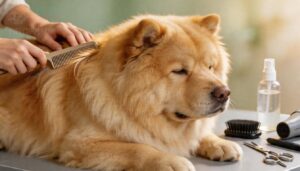
A plush coat looks gorgeous, but it doesn’t take care of itself. Keeping it healthy comes down to a few consistent habits that are easier than you might think.
Here’s what your grooming routine actually needs to cover.
Brushing Frequency for Healthy Coat Maintenance
Brushing a plush coat German Shepherd isn’t optional — it’s the backbone of dog coat maintenance. Brush 2 to 3 times a week as your baseline, then shift to daily brushing when spring and fall shedding hits hard. Skin Health Monitoring happens naturally here too — you’ll spot issues early.
Owner Consistency Tips for your Seasonal Brush Schedule:
- Brush after outdoor play to catch dirt before it packs in
- Increase sessions during shedding seasons for better Shedding Control Timing
- Keep sessions short and calm — your dog will thank you
Best Tools for Undercoat Removal
Once your brushing frequency is locked in, the right tools make all the difference.
For plush coats, Rake vs Slicker isn’t a debate — you need both.
Start with an undercoat rake to pull loose fur from deep down, then finish with a slicker brush on feathered areas.
For serious Deshedding Tool Selection, the Furminator is hard to beat.
A High Velocity Dryer blasts out what brushes miss.
Bathing Schedule and Drying Importance
Now that you’ve got the right tools, bath time is next on the list. For a plush coat, aim for every 6 to 10 weeks — bathing too often strips natural oils.
Water retention is real with double-coated breeds; that dense undercoat stays damp long after the surface feels dry.
Always dry down to the skin. Skipping that step risks hot spots and irritated skin.
Preventing Mats in Feathered Areas
Feathered areas — chest, ears, legs, tail — mat faster than the rest of the coat. Daily Feather Checks catch small knots before they tighten.
For grooming requirements for double-coated breeds, like the plush German Shepherd, prioritize these four steps:
- Use Targeted Brushing Technique — skin-out, small sections
- Apply Detangling Spray; use on stubborn spots
- Follow a Tool Rotation Schedule — pin brush, then comb
- Practice Friction Reduction Gear checks after walks
When Professional Grooming Helps Most
Even with daily upkeep, some situations call for a professional. A groomer’s Professional Deshedding Service pulls out trapped undercoat far more thoroughly than home tools can — especially during spring and fall coat-blow.
They also handle Moisture Management after bathing, ensuring your Plush Coat German Shepherd’s dense layers dry completely.
Skin Irritation Detection, Stress Free Grooming for anxious dogs, and Custom Tool Use make salon visits genuinely worth it.
Genetics, Breeds, and Daily Care
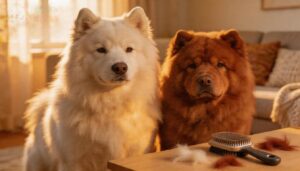
Your dog’s plush coat isn’t just luck — it comes down to genetics, breed history, and how well you keep up with daily care. A few key factors shape everything from how that coat looks to how comfortable your dog stays through the seasons.
Here’s what you need to know before bringing one home.
How Genetics Influence Plush Coat Appearance
That plush coat isn’t just luck — it’s a layered genetic recipe.
The FGF5 length gene controls overall hair length, while KRT71 curl variation adds subtle body and fullness. RSPO2 furnishings bring those signature feathered patches to the legs and face.
Regulatory DNA undercoat signals drive polygenic coat density, giving German Shepherd coat variations their rounded, double coat silhouette. Coat type truly starts at the DNA level.
Breeds Commonly Seen With Plush Coats
Several breeds wear the plush look naturally.
The Samoyed and American Eskimo carry that classic rounded, cloud-like fullness.
Keeshond and Chow Chow bring dense double coats with impressive ruffs.
Smaller breeds like the Pomeranian, Bichon Frise, Maltese, Havanese, and Coton de Tulear share that same soft, full-bodied silhouette — just in a more compact package.
Each one turns heads for exactly the same reason.
Climate Suitability of Double-coated Dogs
That double-layered coat isn’t just for looks — it’s built-in thermal insulation. Cold Weather Insulation is where plush coats truly shine, trapping warm air close to the skin like a natural parka.
But Heat Stress Management matters too. High humidity makes panting less effective, raising overheating risk fast.
Watch for these seasonal signals:
- Dense winter undercoat = peak Cold Climate Dog Breeds readiness
- Spring shedding signals Seasonal Coat Adjustment in progress
- Matting blocks Airflow Ventilation — brush it out immediately
Coat Care’s Role in Comfort and Skin Health
Regular brushing does more than keep your plush coat looking sharp — it’s the backbone of true skin health. Every stroke redistributes natural oils through Oil Redistribution, boosts Circulation Enhancement to follicles, and maintains Temperature Regulation year-round.
Skip it, and moisture builds fast, opening the door to infection.
Consistent Grooming requirements for double-coated breeds keep Skin Hydration balanced and Infection Control firmly in check.
What Owners Should Expect Before Choosing One
A plush coat is anything but a wash-and-go situation. Before you bring one home, be honest about your lifestyle.
These dogs need daily exercise, consistent training, and regular brushing — the grooming requirements for double-coated breeds are real.
Health screening matters too, and so does your budget.
They’re not hypoallergenic, but as a cuddle companion dog with solid dog coat health, they’re worth every bit of the commitment.
Frequently Asked Questions (FAQs)
How do dogs say "I love you"?
Your dog says "I love you" through tail wagging, belly exposure, soft eye contact, leaning contact, and gentle face licking — each a quiet, heartfelt signal that you’re their favorite cuddle companion dog.
What is the most clingy dog breed?
Think Velcro — but with paws.
The Vizsla tops most lists for Vizsla Attachment and clingy Velcro Dog Traits, while Cavalier Bonding makes that breed a close second for devoted, soft‑coated cuddle buddies.
What not to feed a German Shepherd?
Keep your German Shepherd away from onions, grapes, xylitol, caffeine, and dairy.
These trigger Allium Toxicity, Grape Kidney Risk, Xylitol Dangers, Caffeine Stimulation, and Dairy Intolerance — all serious threats to dog health.
Can plush coats cause skin allergies or irritation?
Yes, plush coats can cause skin irritation. Fabric irritation, chemical residues, moisture, heat, and dust allergens are common culprits.
Using low-risk materials and hypoallergenic grooming products keeps fur health in check.
Do plush coats affect a dogs swimming ability?
A plush coat can affect swimming. That dense undercoat absorbs water, increasing drag and reducing buoyancy impact. Post-swim drying takes longer, too.
Your dog can still swim — just expect less swimming endurance than water-resistant coat breeds.
Are plush coat puppies born with their full coat?
Like a rose that blooms gradually, no puppy arrives fully dressed.
Plush coat puppies are born with soft baby coat density — their double coat, feathering, and visual plush differences develop fully around the coat developmental age of six to twelve months.
How does diet impact plush coat shine and texture?
What your dog eats shows up in its coat fast.
Omega fatty acids, protein quality, vitamin support, mineral balance, and hydration all shape whether a plush coat looks silky or dull.
Can plush coat dogs live comfortably in apartments?
Absolutely — with the right owner commitment.
They’re not lap dogs or small dog breeds, but meet their exercise needs, manage indoor play, handle noise sensitivity, and stay on top of dog grooming.
Temperature management matters too.
Conclusion
Imagine your plush coat dog as a warm hug on a cold day, embodying comfort and joy.
Their plush coat dog characteristics make them a unique companion, requiring gentle care and attention.
As you brush their soft fur, remember: every moment is a chance to deepen your bond, creating a lifelong friendship that’s truly one-of-a-kind, filled with love and devotion.
- https://cardigancorgis.com/cwcca/breed/standard/
- https://pupford.com/blogs/all/double-coats-in-dogs-what-they-are-breeds-that-have-them-and-how-to-care-for-them-pupford
- https://www.akc.org/expert-advice/health/how-to-groom-a-double-coated-dog/
- https://bloomingpaws.net/grooming-double-coated-dogs/
- https://www.semanticscholar.org/paper/f2a7a231057d479d908e7f5dfdbba3515ddcb4c5