
This site is supported by our readers. We may earn a commission, at no cost to you, if you purchase through links.
Most dogs don’t shiver from drama—they shiver because their bodies are losing heat faster than they can replace it. Short-haired dogs skip the built-in insulation that double-coated breeds rely on, leaving them genuinely vulnerable the moment temperatures drop below 45°F.
Chihuahua standing on frozen pavement and a Labrador doing the same aren’t having the same experience.
One is fine. The other is fighting to stay warm.
Knowing which dogs need extra protection—and exactly what that protection looks like—makes winter walks safer for the dogs who feel the cold most.
Table Of Contents
Key Takeaways
- Short-haired dogs lose body heat fast, and once temps drop below 45°F, a coat isn’t a luxury—it’s a health necessity.
- Size, age, and breed all affect cold tolerance, with toy breeds, hairless dogs, puppies, and seniors at the highest risk.
- Your dog’s body signals danger before it becomes an emergency—shivering, paw lifting, hunched posture, and pale gums all mean it’s time to act.
- Good winter care goes beyond a coat: limit walk times by temperature, protect paws from salt and ice, and keep beds off cold floors indoors.
Which Short-Haired Dogs Need Coats?

Not every short-haired dog feels the cold the same way, and a few key factors make some dogs much more vulnerable than others. Breed size, age, and health all play a role in how well your dog tolerates winter temperatures.
Knowing why your dog refuses to walk in winter can help you spot the early signs that cold weather is becoming too much for them to handle.
Here’s a look at which dogs need a coat most.
Small Toy Breeds With Little Body Fat
Small toy breeds like Chihuahuas, Yorkshire Terriers, and Toy Poodles have very little body fat and minimal coat coverage — a tough combination when temperatures drop. Their small bodies lose heat faster than larger dogs, and poor body condition scoring only makes that worse.
That’s why winter coats aren’t optional for these short-haired dogs. Signs your dog is cold appear quickly, so layered clothing strategies matter.
Short-haired Medium Breeds on Winter Walks
Medium shorthaired dogs — Beagles, Vizslas, German Shorthaired Pointers — need winter protection too. Their lean frames and thin coats offer almost no buffer against cold air. Before heading out, run through these four winter walk basics:
- Pre-walk Warm-up — Let your dog move indoors first
- Windbreak Orientation — Walk with wind at their back
- Ground Contact Insulation — Use protective paw booties on cold pavement
- Post-walk Drying — Towel off immediately after snow or rain
Dogs with minimal undercoat face a higher risk of hypothermia in cold weather. Watch for signs your dog is cold — hunching, slowing down, or lifted paws signal it’s time to head in.
Winter clothing for shorthaired dogs should cover the chest and belly. Don’t skip paw pad hydration either; cold ground dries pads fast.
Hairless Breeds and Very Thin-coated Dogs
Hairless breeds like the Chinese Crested, Xoloitzcuintli, and American Hairless Terrier have basically no fur barrier — cold air hits skin directly. Thin fur makes cold intolerance in dogs worse than most owners expect.
Beyond a coat, these dogs need skin moisturizing to prevent winter dryness, sunscreen use on exposed skin, ear protection from wind chill, tail insulation, and paw pad warmers on frozen ground.
Puppies, Seniors, and Dogs With Arthritis
Age changes the cold equation. Puppies have almost no body fat and underdeveloped temperature control — cold stiffness prevention starts before their first winter walk.
Senior dogs with arthritis face a different challenge: joint warmth strategies matter most here, since cold tightens already-painful joints fast. Shorter senior walk breaks and a snug coat help with arthritis pain management before stiffness sets in.
Dogs That Shake, Shiver, or Hunch in Cold Weather
Your dog’s body doesn’t lie.
Shivering triggers an involuntary muscle response that generates heat — so if your shorthaired breed is trembling, that’s a clear sign of cold stress in dogs.
Watch for curling patterns (tight-ball postures), hunched posture, or heat-seeking behavior near radiators.
Ear temperature checks and paw cold detection help too — cold ears and paws mean it’s coat time.
Winter Temperature Limits for Dogs
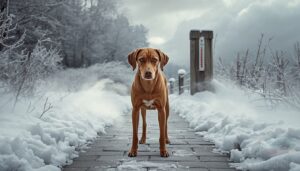
Not every cold day carries the same risk for your short-haired dog. Temperature, wind, and moisture all work together to affect how fast your dog loses body heat.
Knowing where the real limits fall helps you make smarter calls before you ever clip on the leash.
For leash-free moments indoors, checking out top-rated dog diapers for active pups can help you match absorbency and fit to your dog’s actual needs.
When Cold Starts to Feel Uncomfortable
For shorthaired breeds, discomfort can creep in faster than you’d expect. Once temperatures dip below 45°F, early behavioral cues appear — shivering, hunched posture, and paw pad sensitivity from cold ground contact.
Activity level impact matters too: a slow-moving dog loses heat faster than one trotting briskly. Even breathing brings cold air in, creating a breathing chill effect that chills tissues from the inside.
Watch for these signs of cold stress in dogs early.
How Wind Chill Changes Exposure Risk
Even a mild day can turn dangerous when the wind picks up.
Wind chill strips away the warm air layer sitting next to your dog’s skin — that’s convective heat loss at work.
shorthaired breeds, exposed skin areas like ears, belly, and paw pads cool fast.
Wind-driven moisture makes it worse.
Duration of exposure matters: the longer your dog stays out in open, gusty air, using wind shelter strategies like fences or building walls can meaningfully reduce cold stress signs in canines.
Safe Walk Times in 40°F, 30°F, and 20°F Weather
Temperature matters more than you might think. Walk Duration Guidelines shift fast as the mercury drops.
At 40°F, most short-haired dogs handle 10–20 minutes comfortably. At 30°F, shorten that to 5–15 minutes. At 20°F, keep it to a quick potty break — 3–10 minutes max.
Age Adjusted Times apply too: puppies, seniors, and small Breed Size Limits mean cutting each window shorter still.
Why Rain, Snow, and Humidity Matter
Rain and snow don’t just make walks unpleasant — they actively strip warmth from your dog. Wet coat conductivity pulls heat away from skin far faster than dry fur ever would.
Even light drizzle or humid air cause moisture heat loss that mimics much colder temperatures. Snow and ice precautions matter too: melting slush and salt water dampening leave short coats soaked and slow to dry.
When Indoor Time is The Safer Choice
Sometimes, staying inside is simply the smarter call. If your dog is already shivering or lifting paws, don’t wait it out.
Here’s when indoor time wins:
- Temperatures drop below 30°F — shift to indoor exercise like indoor fetch or mini agility courses
- Early cold signals appear — begin a gradual warm-up routine with blankets and monitoring essential signs
- Weather turns wet — controlled activity bursts indoors prevent dangerous heat loss
Signs Your Dog is Too Cold

Your dog can’t tell you when they’re cold, so their body language has to do the talking. Knowing what to watch for can make the difference between a quick coat-up and a trip to the vet.
Your dog’s body language speaks the cold truth—learn to listen before it becomes an emergency
Here are the key signs that your short-haired dog has had enough of the cold.
Shivering and Trembling
Shivering is your dog’s built‑in thermostat kicking in. When cold hits, vasoconstriction response kicks off first — blood vessels tighten to protect core warmth.
If that’s not enough, thermoregulatory shivering begins: rapid muscle heat generation that looks like trembling.
Shiver intensity levels rise as the colder your dog gets.
For short‑coat dog protection, treat any shivering as a clear sign of cold stress in dogs — don’t wait.
Lifting Paws and Seeking Warmth
After shivering, watch for paw lift indicators — your dog repeatedly lifting paws off icy ground is a clear signal of ice contact discomfort. They’re also seeking warm places instinctively, pulling toward shelter mid-walk.
- Lifting paws signals the ground is too cold
- Temperature-driven pauses mean circulation is already struggling
- Posture adjustment signals a need to head inside
Winter paw care and short coat dog protection start with acting early.
Hunched Posture and Slowed Movement
Beyond paw lifting, watch for thermal posture changes — a tucked tail, hunched back, and lowered head mean your dog is switching into energy conservation mode. Signs of cold stress in dogs also include walking slower or stiffly, with stride shortening and balance adjustments on slick ground. Joint stiffness makes movement careful, almost shuffled.
For shorthaired dog breeds, this guarded walk is winter protection running out fast.
Early Hypothermia Warning Signs
That shuffled, stiff walk can tip into something more serious quickly. When signs of cold stress in dogs progress, watch for:
- Pale gums and weak pulse
- Lethargic demeanor or confused responsiveness
- Unusual breathing — slow or shallow
- Shivering or trembling that suddenly stops
A dog that stops shivering isn’t warming up. That silence often means hypothermia is deepening.
Frostbite Symptoms on Ears, Paws, and Tail
Frostbite can sneak up fast on short-haired dog breeds.
Check ears for discoloration — pale, gray, or bluish skin signals reduced blood flow. Paws may develop blisters or ulcers as damage deepens, making paw pad protection essential. Tail swelling often appears during rewarming progress, when circulation returns. Pain numbness can mask early injury, so monitor closely even after your dog is back inside.
Best Winter Gear for Short Coats
Not all dog gear is created equal, and short-haired dogs need more than just any coat off the shelf.
The right winter gear targets specific weak points — thin fur, exposed belly, low body fat — so your dog stays genuinely warm, not just dressed up.
Here’s what to look for when shopping.
Insulated Coats for Subfreezing Temperatures
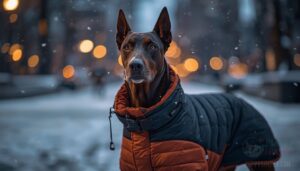
When temps drop below 30°F, your short-haired companion needs more than a sweater. Look for these features in an insulated dog coat:
- Down vs Synthetic fill — synthetic wins in wet conditions
- Hybrid Insulation Design — dry warmth where needed, moisture-resistance at the shoulders
- Quilted Baffle Panels — keep fill from shifting during walks
- Windproof Seam Construction with a soft Thermal Lining Material inside
Waterproof and Water-resistant Outer Shells

Rain doesn’t care how warm your dog’s insulation is — once wet, it’s useless. That’s where waterproof materials make all the difference.
| Feature | Why It Matters |
|---|---|
| Membrane Technology | Blocks water in, lets vapor out |
| Coating Advantages | Lighter, budget-friendly option |
| Seam Sealing Methods | Stops leaks at stitch lines |
| DWR Maintenance | Keeps water repellent fabric beading |
| Zipper Water Guard | Blocks rain at closures |
Look for insulated and waterproof dog apparel options with water-resistant or weatherproof shells for real winter protection.
Belly and Chest Coverage for Better Warmth
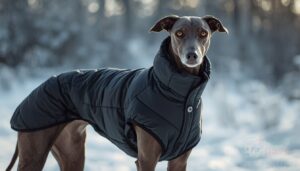
A coat that skips the belly leaves your dog’s most heat-sensitive area wide open to cold air. Full-coverage designs with Anatomical Panel Shaping wrap the chest and abdomen properly, ensuring critical protection.
Flexible Under-Belly Panels move with your dog’s stride, while Draft-Blocking Seams prevent cold air from sneaking through gaps, maintaining consistent warmth.
Moisture-Wicking Linings keep things dry when activity heats up, balancing insulation with breathability.
For short-haired dog breeds, this coverage isn’t optional—it’s essential for health and comfort in colder conditions.
Adjustable Fit for Comfort and Mobility
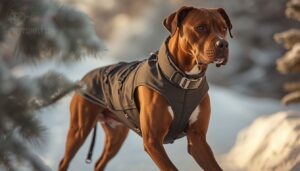
A good fit makes all the difference. Look for adjustable straps with precise Strap Tension control, Pull-Through Adjusters, and Buckle Micro-Sizing so the coat stays snug without restricting movement.
Side Gusset Design accommodates chest shape, while Joint Clearance at the shoulders lets your dog stride freely. Always check a size guide for dog coats — short-haired dog breeds vary widely in build.
Reflective Details for Dark Winter Walks
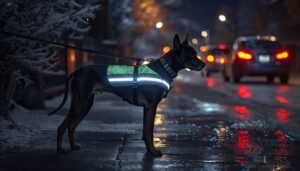
Winter walks get dark fast.
Reflective details on your dog’s gear create Headlight Catch Areas that alert drivers before they’re close.
Look for Gear Light Panels on the chest and torso, Collar Visibility Zones near the head, Leash Reflective Strips along the line, and Tail Reflective Trim at the rear.
These reflective safety features give your short-haired dog full-body dog safety light coverage when it matters most.
Extra Ways to Keep Dogs Warm

A good coat goes a long way, but it’s only part of the picture.
There are a few more things you can do — both outside and at home — to keep your short-haired dog genuinely comfortable all winter.
Here’s what actually matters.
Sweaters Versus Jackets in Dry or Wet Cold
Choosing between a dog sweater and a winter jacket comes down to one thing: what’s outside. Here’s how to match the gear to the weather:
- Dry cold – A dog sweater works well. Insulated fabrics trap heat close to the body.
- Wet cold – A waterproof winter jacket wins. Moisture management keeps your dog warm.
- Wind – Wind blocking matters more than thickness. A jacket’s woven shell outperforms open-knit sweaters.
- Active mobility – Layering approach: sweater underneath, jacket on top for short-haired dog breeds on the move.
Booties and Paw Balm for Snow and Salt
Your dog’s paws hit the ground first — and road salt can irritate pads fast. Booties offer solid Salt Barrier Protection and Ice Grip Performance, while Lick‑Safe Balm works for dogs that resist footwear.
| Feature | Dog Booties | Paw Balm |
|---|---|---|
| Bootie Sizing | Snug rubber sole fit | N/A |
| Application Frequency | Once per walk | Reapply hourly |
| Protection Type | Ice and salt injury prevention | Winter paw protection |
Proper paw care and frostbite prevention starts before you leave the door.
Safe Heated Beds and Blankets Indoors
Once dog’s paws are protected, warmth indoors matters just as much. A UL-Certified heating blanket with Overheat Protection Sensors and Auto Shutoff Timers is far safer than space heaters near curious dogs.
Look for Adjustable Temperature Settings and Water-Resistant Construction.
These dog comfort items for cold support thermal regulation in dogs, and are solid tools for hypothermia prevention in dogs.
Raising Beds Off Cold Floors
Even with a heating blanket nearby, cold floors can quietly steal warmth from a resting dog. Bed risers’ benefits go beyond height — they cut direct dog heat loss and support airflow optimization under the mattress.
Add insulated underlayers, like closed-cell foam, for stronger thermal regulation strategies for thin-furred dogs.
These bed positioning strategies and moisture barrier techniques turn any corner into warm indoor sanctuaries.
Indoor Exercise Ideas for Snowy Days
When the snow piles up outside, your short-haired dog still needs to move. Indoor activities to keep dogs active during winter don’t require much space — just a little creativity.
- Set up indoor agility courses using cushions and chairs
- Roll out puzzle toys and treat-dispensing balls for indoor mental stimulation
- Try Yoga Flow stretches or Balance Drills alongside your dog
- Use Strength Bands and Cardio Circuits in a cleared Space Safety zone
Frequently Asked Questions (FAQs)
Do short-haired dogs need jackets in winter?
Yes — most short-haired dogs genuinely need jackets in winter.
Poor coat insulation means their bodies lose heat fast, and winter protection for short-haired dog breeds isn’t optional once temperatures dip below 45°F.
Can short-haired dogs adapt to cold over time?
Short-haired dogs show some Acclimation Evidence and Hormonal Thermoregulation shifts, but Genetic Insulation Limits and minimal Seasonal Fat Changes mean Metabolic Adjustments can’t fully compensate.
Cold tolerance by breed stays largely fixed — your dog still needs protection.
How do I dry my dog after a snowy walk?
Start with a towel pat-down from back to belly, legs, and paws. Press — don’t rub. Check between toes for trapped moisture. A quick blow dryer on low finishes the job.
Should I adjust my dogs diet in winter?
Think of your dog’s winter diet like adjusting a thermostat — small, smart changes make a big difference.
Monitor portions, boost omega-3 benefits, and support hydration strategies as cold-weather energy requirements shift.
Are certain coat colors worse at retaining heat?
Coat color affects solar heat absorption in sunlight — dark fur warms surfaces faster than light fur. But shade or clouds, that advantage disappears.
For real dog coat insulation, thickness and coverage matter far more than color.
How often should I replace my dogs winter coat?
Replace your winter coat when you notice insulation compression, water resistance loss, fit degradation, safety feature fading, or odor and salt damage — usually every one to two seasons with regular use.
Conclusion
A sled dog thrives in a blizzard—built for it, bone-deep. Your Chihuahua or Greyhound wasn’t.
They’re the sprinters of the dog world: fast, lean, and completely exposed when winter bites.
Short-haired dogs‘ winter protection isn’t about pampering—it’s about understanding what your dog’s body actually needs.
The right coat, warm bedding, and knowing when to cut a walk short—these aren’t extras. They’re the difference between a dog that copes and one that truly thrives.
- https://www.thesprucepets.com/do-dogs-need-jackets-8758268
- https://www.aspcapetinsurance.com/resources/dogs-in-cold-weather-boots-and-coats-for-winter/
- http://cathyrosenthal.wpenginepowered.com/
- https://petzyo.com.au/blogs/news/shivers-and-shakes-is-it-cold-or-something-more
- https://www.webmd.com/pets/dogs/my-dog-shivering-trembling