This site is supported by our readers. We may earn a commission, at no cost to you, if you purchase through links.
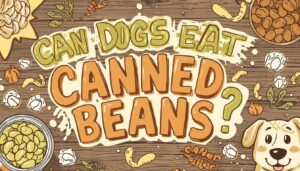
Your dog spots the open can on the counter, and those eyes lock onto it with the focus of a seasoned negotiator. Beans seem harmless enough—after all, they’re a staple in healthy human diets. But what’s good for you doesn’t always translate to your dog’s bowl.
Canned beans sit in a grey zone. Some varieties offer real nutritional value for dogs—plant-based protein, fiber, and minerals that support digestion and overall health. Others come loaded with sodium, garlic, or added sugars that can trigger serious health problems. The difference between a safe snack and a vet visit often comes down to what’s on the ingredient label.
Knowing which beans pass the test, how to prepare them, and how much to serve keeps your dog safe while giving you confidence at mealtime.
Table Of Contents
- Key Takeaways
- Can Dogs Eat Canned Beans?
- Nutritional Benefits of Beans
- Risks of Canned Beans
- Beans Dogs Can Eat Safely
- Beans Dogs Should Never Eat
- How to Prepare Beans Safely
- How Much Beans Can Dogs Eat?
- Signs Beans Upset Your Dog
- When to Call a Vet
- Frequently Asked Questions (FAQs)
- Can dogs eat beans?
- Can dogs eat canned navy beans?
- Can dogs eat kidney beans?
- Are baked beans bad for dogs?
- Why can’t dogs eat canned beans?
- What canned beans are safe for dogs?
- Can dogs eat canned beans and rice?
- Can my dog eat canned baked beans?
- Are canned beans nutritionally beneficial for dogs?
- Is it safe to give my dog beans every day?
- Conclusion
Key Takeaways
- Plain, low-sodium canned beans like black beans, chickpeas, and green beans are safe for dogs in small amounts, but only when rinsed thoroughly and served without any seasonings, sauces, or additives.
- Baked beans, refried beans, and any variety containing onion, garlic, or added sugar are genuinely dangerous — they can cause anemia, kidney strain, and serious digestive harm.
- Portion size matters: keep beans under 10% of your dog’s daily calories, and cap servings at 1–2 tablespoons for small dogs, ¼ cup for medium dogs, and ½ cup for large dogs, offered no more than 2–3 times per week.
- If your dog eats beans with toxic ingredients, shows vomiting, weakness, or breathing trouble, or has a pre-existing heart or kidney condition, call your vet or the Pet Poison Helpline (1-800-213-6680) right away.
Can Dogs Eat Canned Beans?

Yes, dogs can eat canned beans — but only under the right conditions. The type of beans, what’s in the can, and how much you serve all matter more than you’d think.
For a deeper look at what to watch for on the label, canned green beans safety tips for dogs breaks it down in plain terms.
Here’s what every dog owner should know before opening that pantry.
Short Answer for Dog Owners
Yes, dogs can eat canned beans — but only under the right conditions. Plain beans only, no seasonings, and always in a safe portion size based on your dog’s weight.
Watch for gas or loose stool after the first serving. If anything seems off, consult your vet.
Think of beans as an occasional snack, not a dietary staple.
daily exercise requirements can aid digestion and overall health.
When Canned Beans Are Okay
Plain, low-sodium canned beans work well as an occasional snack when you follow a few simple guidelines:
- Low Sodium Selection: Pick no-salt-added or low-sodium canned varieties and always check the label — label inspection helps you catch hidden seasonings quickly.
- Gradual Introduction: Start with a small test portion before committing to regular servings.
- Storage Guidelines: Refrigerate opened cans and use within 3–4 days.
Moderation matters most.
When to Avoid Them Entirely
Moderation has its limits, though.
Skip canned beans entirely if the label lists onion, garlic, spices, sugar, or sauces — these cause Severe Gastrointestinal Irritation and red blood cell damage.
High levels of sodium, Excess Fat Intake, and an Unbalanced Nutrient Ratio make seasoned or baked varieties harmful.
Coffee, Castor Bean Toxicity, and Caffeinated Bean Danger make those bean types life-threatening.
When in doubt, contact the ASPCA Animal Poison Control Center or Pet Poison Helpline immediately.
Nutritional Benefits of Beans

Beans aren’t just a cheap pantry staple — they actually pack a solid nutritional punch for dogs when served correctly. From protein to fiber to key minerals, they offer more than most people expect from a plant-based food.
Here’s what makes beans worth considering as an occasional treat for your dog.
Plant-based Protein Support
Beans aren’t a protein powerhouse the way chicken is, but they still bring real value to your dog’s diet. Canned beans offer plant-based protein built from a useful mix of amino acids.
Three things make them work best:
- Pair with grains for amino acid complementarity
- Spread servings across meals for better protein timing
- Rinse thoroughly — a simple digestibility enhancer
The nutritional benefits of beans in canine diets are real, just modest.
Fiber for Healthy Digestion
One of the quieter wins beans offer is their fiber.
Soluble fiber gel slows digestion, helping nutrients absorb more steadily. Insoluble fiber bulk keeps stool transit regularity on track.
Fermentation SCFA production in the colon feeds beneficial bacteria, supporting microbiome fueling and overall dog gastrointestinal health.
These fiber benefits for dogs are real — but small portions matter, especially with canned beans.
Vitamins and Minerals in Beans
Beyond fiber, beans bring a solid lineup of nutrients your dog can actually use:
- Potassium Benefits — promotes healthy nerve signaling and blood pressure
- Iron Absorption — helps red blood cells carry oxygen efficiently
- Magnesium Role — fuels enzyme reactions and steady energy metabolism
- Folate Support — aids cell division and red blood cell formation
- Phosphorus Health — strengthens bones alongside calcium
Vitamin A, vitamin C, and iron round out the package nicely.
Low-fat Treat Potential
If you’re watching your dog’s waistline, canned beans offer real low-fat treat potential. They’re naturally low in fat and low in cholesterol, with fiber satiety keeping your pup fuller longer. Their calorie density is modest enough that small portions still satisfy.
| Treat Type | Fat Content | Calorie Density |
|---|---|---|
| Plain canned beans | ~0.5g/100g | ~127 kcal |
| Commercial meat treat | 8–15g/100g | 300–400 kcal |
| Training treat use | Tiny portions | Easy to control |
Portion guidance matters — moderation keeps dog treat portion size sensible and helps weight management.
Risks of Canned Beans

Canned beans aren’t automatically a safe choice for your dog, even the plain-looking ones. The problem usually isn’t the beans themselves — it’s hiding in the can.
Here are the main risks worth knowing before you share any with your pup.
High Sodium Content
Salt is the hidden threat in most canned beans. Regular varieties can pack hundreds of milligrams per serving — far beyond what your dog’s kidneys can safely handle.
High sodium raises blood pressure and puts serious kidney stress risk on dogs with existing heart or renal issues.
Always check sodium label definitions: low sodium thresholds sit at 140 mg or less per serving. Don’t assume "reduced sodium claims" mean safe — they often don’t.
Added Sugar and Sauces
Sugar hides where you least expect it. Many canned beans — especially baked, chili, or barbecue‑style varieties — contain high sugar levels from hidden sweeteners like molasses or corn syrup.
Always check sauce sugar labels carefully:
- BBQ-style beans: 8–10 g sugar per serving
- Chili beans: often include spices and added sodium content
- Baked beans: heavy sweeteners raise blood sugar impact
- Refried beans: sodium toxicity risk plus hidden fats
- Low sugar alternatives: plain, rinsed canned beans only
Onion, Garlic, and Spice Dangers
Onions and garlic are a silent threat in canned beans. Both belong to the allium family, and even small amounts trigger allium toxicity that causes red blood cell damage — a condition called hemolytic anemia.
Symptoms like lethargy and pale gums can appear within 24 hours or be delayed up to a week.
Spice irritant risks from mixed seasonings compound the danger further.
Always check labels.
Stomach Upset and Gas
Even when canned beans are plain and rinsed, they can still cause digestive upset. Beans are high in fermentable carbohydrates, and your dog’s gut microbiota breaks these down into fermentation byproducts — mainly gas.
Fiber overload from too much too fast, combined with swallowed air during hurried eating, worsens bloating.
Dogs also lack the enzyme deficiency workaround humans develop, making gas or bloating, diarrhea, and gastrointestinal issues more likely.
Beans Dogs Can Eat Safely

Not all beans are off the table for dogs — several varieties are genuinely safe when prepared the right way. The key is knowing which ones made the cut and why.
Here are the beans your dog can enjoy without worry.
Green Beans
Green beans are one of the safest options you can offer your dog. Whether they grow on bush plants or climbing vine varieties, the bean pod anatomy is simple — a tender pod wall with soft developing seeds inside.
Serve them raw, steamed, or cooked.
If you’re using canned beans, rinse thoroughly to cut sodium.
Keep portions small and always skip the seasonings.
Black Beans
Black beans step up the nutritional game a bit more than green beans. They’re packed with about 8 grams of plant-based protein and 7 grams of fiber per half-cup — a solid satiety boost and blood sugar stabilizer in one.
Their dark color signals a rich phenolic compound profile, including anthocyanin antioxidants.
Serve plain canned beans, rinsed well, and only in moderation to avoid digestive upset.
Pinto Beans
Pinto beans bring a similar nutritional punch to black beans — solid protein, around 9 grams of fiber per 100 grams, and good potassium levels for heart support. Their mild flavor profile makes them easy to accept, and their nutrient density is real.
Stick to plain canned beans, rinsed thoroughly, and serve only in moderation to prevent digestive upset.
Kidney Beans Only Cooked
Kidney beans sit in a careful category of their own. Raw kidney beans are toxic to dogs — the culprit is PHA (phytohaemagglutinin), a lectin that destroys red blood cells.
PHA inactivation only happens with proper boiling; slow-cooker temperatures won’t cut it. Boiling time guidelines suggest at least 10–20 minutes of strong boiling.
Canned kidney beans are commercially cooked and safe, but always rinse thoroughly and serve in moderation.
Chickpeas and Navy Beans
Both chickpeas and navy beans are safe for dogs when served plain and cooked. They offer solid protein, B vitamins, and minerals like potassium and magnesium — a decent micronutrient profile for a treat. Keep portions small given their caloric density and starch content.
- Rinse canned beans well to cut sodium content
- Watch for allergen potential — introduce slowly
- Texture changes after cooking make them easier to digest
Beans Dogs Should Never Eat
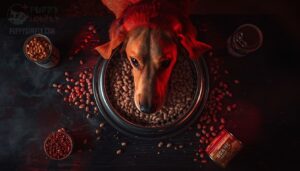
Not every bean belongs in your dog’s bowl — some can cause serious harm, even in small amounts. A few of them are dangerous raw, while others become toxic because of how they’re prepared or what’s added to them.
Here are the beans you should always keep away from your dog.
Raw Kidney Beans
Raw kidney beans are one of the most dangerous foods you can accidentally give your dog. They contain phytohaemagglutinin, a lectin that disrupts digestion and causes severe vomiting and diarrhea — often within one to three hours.
Toxin deactivation requires a full boil; slow cooking at low heat won’t cut it. Even small amounts of raw kidney beans carry real bean toxicity risk.
Raw Lima Beans
Lima beans might seem harmless, but raw lima beans carry serious risks most owners don’t expect. They contain compounds with cyanide potential — specifically linamarin, which releases hydrogen cyanide when chewed. They also harbor phytic acid and trypsin inhibitors that block nutrient absorption.
Never serve them raw. Always follow proper soaking guidelines first:
- Soak at least 8 hours
- Discard soaking water completely
- Boil until fully soft
Refried Beans With Seasonings
Refried beans might look like a simple mashed bean dish, but the ingredient list tells a different story. Most versions — canned or homemade — contain garlic, onion, cumin, paprika, and lard or bacon fat.
That seasoning-fat balance is exactly what makes them dangerous. High sodium content, added spices, and the pancreatitis risk from lard make refried beans a firm no for dogs.
Baked Beans With Sugar
Baked beans are a sugar trap in disguise. That sweet, sticky sauce combines brown sugar, molasses sweetness, and ketchup acidity through a caramelization process that locks in flavor — and loads in glycemic load, your dog doesn’t need.
A half-cup serving can hit 16 grams of sugar alongside worrying sodium content.
The pancreatitis risk alone makes baked beans, canned or homemade, completely off the table.
Coffee, Cocoa, and Castor Beans
These three aren’t food beans at all — they’re life‑threatening. Coffee beans carry serious caffeine toxicity, while cocoa beans trigger dangerous theobromine effects. Both fall under methylxanthine risks that disrupt your dog’s heart and nervous system. Castor beans contain ricin poisoning potential that’s fatal in tiny amounts.
Coffee, cocoa, and castor beans aren’t food for dogs — they’re poisons that can kill
- Coffee bean hazard: rapid heart rate, vomiting, collapse
- Theobromine effects: seizures, irregular heartbeat, death
- Ricin poisoning from castor beans: acute, often fatal gastroenteritis
- Call ASPCA Animal Poison Control (1-888-426-4435) immediately if ingested
How to Prepare Beans Safely
Getting beans ready for your dog doesn’t have to be complicated, but a few key steps make all the difference between a safe snack and a stomach ache. The good news is that most of the work comes down to simple habits anyone can follow.
Here’s what to keep in mind before you serve beans to your dog.
Choose Plain Canned Beans

Start with label reading — it’s your first line of defense. Reach for plain canned beans or low sodium canned varieties, and flip the can over.
The ingredient list on unseasoned canned beans should say beans and water, nothing else. That additive-free assurance matters for your dog’s safety.
Avoid anything with sauces or seasonings, and use opened cans within 3–4 days.
Rinse Away Excess Sodium

Even low-sodium canned beans carry leftover sodium worth rinsing out. Drain the can, then place the beans in a colander and run cold water over them for about 30 seconds — a steady water flow rate carries dissolved salt away from the surface.
This simple rinsing technique can cut sodium content by roughly 40%. After rinsing, drain well and refrigerate promptly for post-rinse storage.
Cook Dried Beans Fully

If canned beans aren’t available, dried beans work fine — but preparation matters more than you’d think.
Raw beans contain lectins, natural compounds that are toxic until fully broken down by heat.
Soaking time should be at least 8 hours.
Then simmer at around 90–95°C until completely soft.
- Discard soaking water before cooking
- Monitor simmer temperature — no rolling boil
- Do a texture check: beans should crush easily between fingers
Pressure cooking cuts that down to 10–30 minutes.
Add no acidic ingredients during cooking — acid timing matters, as tomatoes or vinegar added too early can prevent beans from softening properly.
Safety considerations for feeding beans to dogs start right here, at the pot.
Skip Butter, Salt, and Spices

Plain is the whole point.
Once your beans are cooked, resist the urge to add anything — no butter, no salt, no spices.
Butter omission isn’t just about calorie management; dairy fat can trigger digestive upset. Sodium reduction matters because even low-sodium canned beans carry some salt. Spice elimination is non-negotiable — garlic and onion seasonings are toxic.
Flavor simplicity is the safety rule here.
How Much Beans Can Dogs Eat?
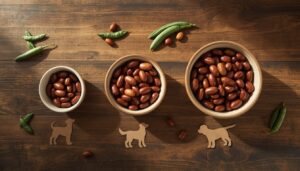
Portion size matters just as much as what’s in the bowl. Too many beans — even plain, well-cooked ones — can cause digestive trouble or push your dog past their daily calorie limit.
Here’s a simple breakdown based on your dog’s size.
Small Dog Portion Sizes
Small dogs have a tight calorie budget — even 15 extra grams can tip the scale. For dogs under 25 pounds, keep bean portions to 1–2 tablespoons of plain, low-sodium canned beans per serving.
Use portion measurement tools, not guesswork. Factor beans into your dog’s 10% treat limit, and practice smart meal timing by monitoring body condition scoring regularly to catch weight changes early.
Medium Dog Portion Sizes
Medium dogs — roughly 26 to 60 pounds — can handle a bit more than their smaller counterparts. Still, calorie allocation and body weight ratio matter here.
Aim for up to ¼ cup of plain, rinsed canned beans per serving, keeping treat percentage under 10% of daily intake.
- Weigh your dog first — portion scaling depends on it
- Split beans across two meals for easier digestion
- Start small; increase only if your dog tolerates them well
- Factor bean calories into total daily moderation goals
Large Dog Portion Sizes
Large dogs — over 60 pounds — can handle up to ½ cup of rinsed bean weight per serving, but bigger doesn’t mean unlimited.
Calorie budget management still applies. Use a meal splitting strategy across two meals, and practice gradual fiber increase to avoid gas or loose stool.
Weight monitoring frequency matters too — if the scale creeps up, cut back first.
| Dog Size | Weight Range | Max Bean Serving |
|---|---|---|
| Large | 61–90 lbs | ⅓ cup rinsed |
| Extra-Large | 91–110 lbs | ½ cup rinsed |
| Giant Breed | 110+ lbs | ½ cup rinsed |
Bean Treats Should Stay Under 10%
Think of bean treats the same way you’d think of dessert — a little goes a long way. Keeping beans under 10% of your dog’s daily calories helps weight management and nutrient balance without overloading sodium or fiber.
Here’s a simple frequency guideline:
- Track calories, not just volume
- Offer beans 2–3 times per week max
- Adjust serving size if weight creeps up
Signs Beans Upset Your Dog

Even plain, well-prepared beans can disagree with some dogs. dog’s digestive system is a little different, so it’s worth knowing what to watch for after a new food is introduced.
most common signs that beans aren’t sitting well with your dog.
Gas and Bloating
Beans are notorious for causing gas — and your dog’s gut is no exception. When dogs eat canned beans, intestinal bacteria break down the fiber through fermentation gas production, releasing hydrogen and methane.
Add swallowed air intake from fast eating, and bloating sensitivity triggers quickly follow. Gut motility changes can trap that gas longer.
Stick to moderation and watch the dietary fiber threshold closely.
Diarrhea or Loose Stool
Gas isn’t the only signal your dog’s digestive system is struggling. Frequent loose stools — sometimes watery and urgent — point to real digestive upset.
Diarrhea means faster water loss and electrolyte depletion, which compounds quickly with repeated trips outside. If gastrointestinal health worsens beyond a day or two, underlying infection could be involved, not just the beans.
Vomiting and Appetite Loss
Diarrhea can quickly give way to vomiting — a sign of acute GI irritation that deserves real attention. Your dog may refuse food entirely, partly from nausea, partly because dehydration effects dampen appetite.
Watch the pattern timing: vomiting right after eating canned beans signals a direct food poisoning risk. Blood in vomit is never normal — call your vet immediately.
Weakness or Breathing Trouble
Beyond vomiting, watch for something scarier: weakness, collapse, or labored breathing. An allergic reaction can trigger airway swelling fast.
High sodium strains dogs with heart conditions. Aspiration risk rises when dogs choke or regurgitate.
Anemia symptoms, neuromuscular weakness, and respiratory distress all signal a systemic problem — not a simple stomach ache.
If your dog can’t breathe normally, get to a vet immediately.
When to Call a Vet
Most bean mishaps stay minor, but some situations genuinely need a vet’s attention right away. Knowing when to make that call can make a real difference for your dog.
Here’s when you shouldn’t wait.
Large Bean Ingestion
If your dog got into a large portion of beans, don’t wait and watch. Bulk volume effects can trigger rapid transit through the gut, turning a mild snack into serious dog digestive upset.
Fermentable carbs flood the colon, producing gas and loose stool.
Frequent vomiting or diarrhea raises dehydration risk fast, potentially causing electrolyte imbalance.
Call your vet immediately — portion size matters more than most owners realize.
Toxic Ingredients Consumed
If your dog ate beans with onion, garlic, or spice-heavy sauces, call your vet right away — don’t guess at the risk.
Lectin toxicity from raw or undercooked beans, phytohemagglutinin risk from improperly prepared kidney beans, xylitol sweetener in sweet bean sauces, caffeine bean exposure, or castor ricin ingestion all require immediate emergency care.
Food toxicity in dogs moves fast.
Dogs With Kidney or Heart Issues
If your dog has kidney disease or heart failure, canned beans need extra scrutiny — even the “safe” ones.
Both conditions demand strict Fluid Retention Control and Low‑Salt Diets. Sodium concerns with canned beans for dogs become critical here:
- Kidney Function Monitoring worsens with added dietary salt
- Heart Failure Nutrition plans restrict sodium to limit fluid buildup
- Medication‑Bean Interactions may affect diuretic dosing
- Even rinsed kidney beans carry residual sodium
- Heart conditions in dogs can destabilize quickly with diet changes
Always consult your vet first.
Pet Poison Helpline and Emergency Help
If your dog eats something dangerous, don’t wait. Call your vet or the Pet Poison Helpline (1-800-213-6680) right away — they’re available 24/7, 365 days a year.
Write down your case number documentation; you’ll need it at the emergency clinic. Have toxic substance identification ready: what they ate, how much, and their weight.
These pet poison control resources for bean ingestion can save critical time.
Frequently Asked Questions (FAQs)
Can dogs eat beans?
Yes, dogs can eat beans — but not all types, and preparation matters.
Veterinary guidance points to plain, cooked varieties as the safest choice, with safety considerations for feeding beans to dogs always comes first.
Can dogs eat canned navy beans?
navy beans as the quiet, reliable friend in the legume world.
Yes, dogs can eat canned navy beans — plain, well-rinsed, and offered in small amounts as an occasional treat.
Can dogs eat kidney beans?
Kidney beans are safe for dogs, but only when fully cooked. Raw kidney beans contain phytohemagglutinin, a toxic lectin that causes vomiting and nausea. Always cook them thoroughly before serving.
Are baked beans bad for dogs?
Baked beans are bad for dogs. They contain onion, garlic, added sugar, and high sodium — ingredients that can cause anemia, digestive upset, and strain on the kidneys. Skip them entirely.
Why can’t dogs eat canned beans?
Canned beans aren’t automatically safe. High sodium causes blood pressure spikes, while lectin toxicity, added spices, and microbiome disruption pose real risks.
Caffeine hazards and obesity potential make many varieties genuinely dangerous for dogs.
What canned beans are safe for dogs?
Plain, unseasoned varieties are your safest picks.
Green beans, black beans, pinto beans, chickpeas, and navy beans all work well — just choose low-sodium options, rinse thoroughly, and skip anything labeled "seasoned".
Can dogs eat canned beans and rice?
Yes, dogs can eat plain canned beans and rice together in small amounts. Skip seasoned or sauced varieties.
Keep portions small, introduce slowly, and treat it as an occasional topper, not a full meal.
Can my dog eat canned baked beans?
Skip the baked beans. Most canned baked beans contain onion, garlic, sugar, and excess sodium — all harmful to dogs.
Ingredient transparency matters: always check the label before sharing any canned beans with your dog.
Are canned beans nutritionally beneficial for dogs?
They’re not just filler.
Canned beans offer real micronutrient density — plant protein, folate, iron, and fiber — supporting your dog’s gut microbiome support and tissue repair through a solid amino acid profile, in moderation.
Is it safe to give my dog beans every day?
Daily beans aren’t ideal. Even plain canned beans carry sodium concerns that build up over time.
Moderation is the smarter rule — treat beans as an occasional addition, not a daily staple.
Conclusion
The safest thing in your pantry might already be sitting next to the most dangerous one. Canned beans follow the same rule—plain black beans and chickpeas can actually support your dog’s health, while baked beans with sugar or garlic can be harmful; warnings make clear they are off‑limits.
Rinse thoroughly, skip the seasonings, and keep portions small.
One smart label check takes seconds and keeps your dog’s bowl both nutritious and safe.
- https://en.wikipedia.org/wiki/Lectin
- https://www.ndsu.edu/agriculture/extension/publications/all-about-beans-nutrition-health-benefits-preparation-and-use-menus
- https://www.hsph.harvard.edu/nutritionsource/anti-nutrients/lectins/
- https://pmc.ncbi.nlm.nih.gov/articles/PMC9268622/
- https://hfhealth.care/articles/what-is-the-impact-of-dietary-fiber-on-gut-health-and-overall-well-being