This site is supported by our readers. We may earn a commission, at no cost to you, if you purchase through links.
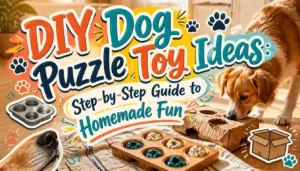
Your dog inhales dinner in ninety seconds flat, then stares at you like you’ve personally wronged them. Sound familiar? Dogs are natural foragers, built to sniff, dig, and work for every bite, and skipping that step leaves a lot of pent-up energy with nowhere to go.
Here’s the good news: you don’t need a fancy pet store haul to fix it. A muffin tin, an old towel, even that Amazon box in your recycling bin can become enrichment gold. These diy dog puzzle toy ideas turn nap-time boredom into happy, focused snuffling, and I’ll walk you through exactly how to build them, step by step.
Table Of Contents
Key Takeaways
- Everyday household items like muffin tins, cardboard boxes, towels, and plastic bottles can be turned into effective DIY dog puzzle toys without any special tools or skills.
- Always supervise puzzle play, check for sharp edges or loose parts, and size the toy and treats to your dog’s breed and chewing strength to keep enrichment safe.
- Building difficulty gradually, starting with easy hides and adding complexity over time, keeps dogs engaged without causing frustration or boredom.
- Rotating puzzle types every 7 to 10 days and keeping treats under 10% of daily calories helps maintain your dog’s interest while supporting their overall health.
DIY Dog Puzzle Toy Supplies
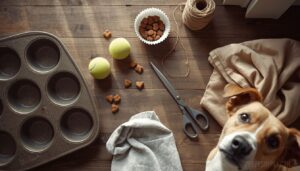
Before you build anything, let’s talk supplies. Good news: most of this stuff is already sitting in your kitchen or recycling bin. Here’s what you’ll want to gather first.
Treats and Kibble
Grab a mix of treats before you build anything—soft chews, crunchy biscuits, even jerky bits work great for DIY dog puzzles. Check labels for calories, since treats should stay under 10% of daily intake. Meaty, aromatic flavors (chicken, salmon, peanut butter) keep dogs engaged longer.
Cutting treats into pea-sized pieces stretches puzzle time without piling on calories—this guide on choosing the right training treat size breaks down exactly how small to go.
Store treats in a cool, dry spot to protect freshness, and always match texture to your dog’s chewing style. Using long-lasting chews can help improve a dog’s emotional wellbeing during periods of separation.
Muffin Tin and Balls
Once treats are sorted, dig out a 12-cup muffin tin—stainless steel sanitizes best. Add 1 to 1.5 inch balls, matched to cup depth so nothing gets stuck.
Quick tips:
- Rotate ball placement patterns to keep dogs guessing
- Pick durable, chew-safe materials
- Wash tins after every round
This simple setup turns snack time into real dog enrichment activities—no fancy gear required!
Cardboard Boxes
Once the muffin tin’s dripping dry, raid your recycling bin. Any sturdy cardboard box—an old Amazon box, a LaCroix box, even a spare destruction box—works great for upcycled dog toys.
Check the durability grade on heavier boxes for tougher chewers; flute profile affects how well it holds up. Recycled material keeps things eco-friendly. When it’s shredded, recycle it properly—safe disposal matters too!
Towels and Fleece
Once the box is shredded and recycled, dig through your linen closet next. An old washcloth or dish towel becomes the base for a towel rollup, while worn fleece blankets make a cozy snuffle mat.
- Cotton absorbs 20-25x its weight
- Fleece dries faster, resists pilling
- Wash fleece separately to avoid transfer
Skip fabric softener—it kills absorbency over time!
Plastic Bottle Basics
Not every empty water bottle makes the cut for a Waterbottle Gyro. Look for PET (recycling code #1)—lightweight, tough, and easy to cut without cracking.
| Material | Best For |
|---|---|
| PET | Clear, cuttable bottles |
| HDPE | Skip—too rigid |
Rinse recycled plastic bottles well; smooth edges keep this DIY pet project safe and chew-friendly!
Easy Homemade Dog Puzzle Ideas
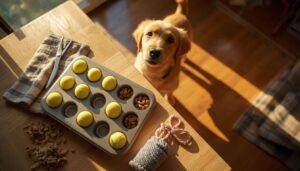
Now that you’ve got your supplies gathered, it’s time for the fun part. You don’t need fancy tools or a woodworking degree to make your pup work for a treat. Here are five easy puzzles you can put together this afternoon.
Muffin Tin Treat Puzzle
Nose meets know-how here. Grab a 12-cup muffin tin, drop treats in each cup, then cover with tennis balls. Start easy: half covered, half open.
This simple dog treat dispenser builds sniffing skills while boosting sensory enrichment. Rotate flavors to keep noses curious, wipe balls clean after play, and set the tin on a mat—no sliding, no spills, just happy foraging!
Busy Box Foraging Game
Grab a cardboard box—cereal, soda, or shipping size all work—and turn it into a foraging jackpot. Toss in toys, treat-filled items, and loose kibble, then lightly close it up.
For extra staying power, tuck in a few treat-stuffed Kongs—our Kong box review breaks down which sizes and fillings keep dogs digging longest.
- Crinkly paper
- Soft fleece scraps
- Hidden kibble pockets
- Small toy compartments
- Cardboard flaps to nose open
This satisfies natural foraging instincts and serious mental stimulation. Stick to safe materials—no staples, no sharp edges!
Towel Roll-up Puzzle
Ever notice how a rolled towel turns into a treat vault your dog has to work for? Grab a clean bath towel, tuck a few treats inside, and roll it tight for progressive compression that slows the unraveling.
Tighter rolls mean harder puzzles.
| Towel Type | Best For |
|---|---|
| Hand towel | Small dogs |
| Bath towel | Medium dogs |
| Thick blanket | Large breeds |
| Microfiber | Easy cleanup |
| Cotton | Durability |
Always check for loose threads first!
DIY Snuffle Mat
Nothing engages a dog’s inner detective quite like a DIY snuffle mat. Tie fleece strips through a rubber sink-grid backing, hiding treats deep in the folds to obstruct scent paths.
- Denser strips mean tougher puzzles
- Check knot security often
- Machine wash on gentle, air dry
This tea towel snuffle mat alternative makes great dog foraging toys for lasting enrichment.
Water Bottle Treat Roller
Turn your empty water bottle into a dog treat dispensing toy that’s perfect for portable hiking play. A silicone sleeve gives wide mouth compatibility with 32oz bottles, using variable resistance so treats release slowly as your dog rolls it.
| Feature | Benefit |
|---|---|
| Silicone sleeve | Easy cleanup |
| Collapsible design | Travel friendly |
| Textured grip | Better rolling |
| Adjustable holes | Custom difficulty |
Step-by-Step Puzzle Directions
Alright, you’ve got your supplies ready, so let’s get building! These five puzzles come together fast, and none of them need special tools or skills. Grab what you need and follow along step by step below.
Hide Treats Under Balls
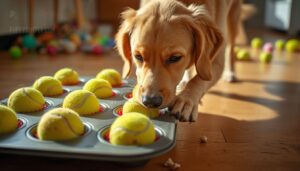
Drop a treat into each muffin cup, then cap it with a tennis ball—this simple tennis ball dispenser trick beats boredom fast.
- Use non-toxic, sturdy balls
- Match treat size to cup opening
- Cover half the cups first
- Add balls gradually to prevent frustration
Rotating hiding spots stops habituation, keeping your pup sniffing and guessing every session!
Fill and Close Box
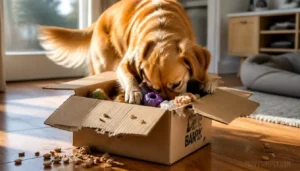
Grab a sturdy cardboard box—cereal box, Amazon box, whatever’s on hand—and load it up with toys, treat-filled items, and a few loose kibbles tossed in for good measure.
Close the flaps loosely, no tape needed. Let your dog dig, sniff, and tear their way in. This Busy Box foraging game mimics natural hunting instincts, and reusing boxes cuts down on waste too!
Roll Treats in Towel
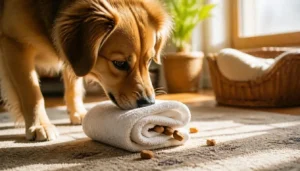
Once the box game’s wound down, keep the enrichment going with a towel roll-up—my personal favorite for lazy afternoons.
Roll small treats into a clean washcloth, dish towel, or old blanket. Wrap loosely at first so your dog gets quick wins.
- Use a lint-free towel—loose threads are a swallowing hazard
- Space treats evenly for continuous sniffing
- Wash after each session to keep things fresh
Tie Fleece to Backing
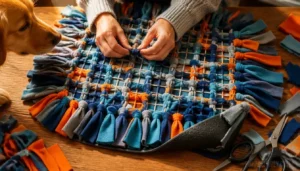
Ready to level up? Fleece snuffle mats are a favorite for dog sensory play.
Lay two fleece layers right sides together, backing pinned underneath. Cut fringe 4-6 inches, then tie square knots in a grid pattern—tight and secure. Choose a matching-fiber backing (fleece or cotton) so shrinkage stays even.
Wash gentle-cycle, cold water, air dry. That’s a solid dog toy DIY win!
Cut Bottle Treat Holes
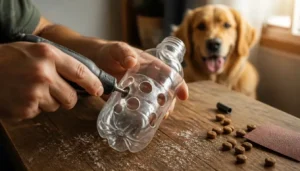
Turning an empty water bottle into a treat roller takes five minutes and a steady hand.
- Mark holes with non-permanent marker, 6-12mm wide
- Drill or heat-cut, working from both sides
- Smooth edges with sandpaper to prevent snagging
Test kibble flow before sealing—treats should drop, not jam. Skip the toilet paper roll for gulpers. This DIY puzzle boosts dog enrichment fast!
Safety, Sizing, and Difficulty
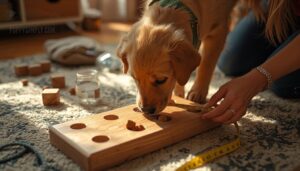
Now that your puzzles are built, let’s make sure they’re actually safe and fun to use. A few quick checks can save you a vet trip and keep your dog begging for more playtime. Here’s what to watch for before you hand over any homemade toy.
Supervise Every Puzzle Session
Never walk away once the puzzle’s out, even for "just a second." Your job is monitoring dog behavior—tail wags, lip licks, stiff posture—while watching how they solve problems and managing frustration before it boils over.
Never walk away during puzzle time—watching tail wags and body language matters more than the treats themselves
Stay close, offer calm cues if she’s stuck, and jot quick notes on pacing. Good dog puzzle safety isn’t a bonus step; it’s what turns DIY dog puzzles into real enrichment instead of a chewed-up mess.
Avoid Sharp Materials
Grab that box cutter with care, because raw cardboard edges are basically tiny paper cuts waiting to happen. Round every corner and tape rough seams before your dog gets near them—smart Cardboard Safety Tips for any upcycled materials.
- Sand fabric or wood edges smooth
- Skip staples; use pet safe glue instead
- Choose fleece over stiff, fraying fabric
Good Fabric Edge Finishing and corner rounding keep DIY dog puzzles fun, not risky.
Check for Loose Parts
Before you call it done, do a quick once-over: inspect small components like beads or loose bits, and remove button batteries entirely—those are choking hazards, plain and simple.
Give a light tug to check fasteners (secure fasteners check), scan for check plastic cracks, and confirm verify enclosure latches hold tight. A few seconds now saves an emergency vet trip later!
Adjust for Dog Size
A Chihuahua and a Lab shouldn’t get the same puzzle, that’s just asking for frustration or a swallowing hazard. Measure chest girth and muzzle width before building anything.
For small dog toys, keep openings low-profile and materials chew-resistant. Large dog toys need reinforced fabrics, sturdy plastics, and non-slip bases so 50-plus pounds of enthusiasm doesn’t send the whole thing sliding across your kitchen!
Increase Challenge Gradually
Dogs get bored with puzzles fast, so Gradual Puzzle Scaling keeps things fresh. Start simple: one hiding spot, then add one more each session. Extend work time by 30-60 seconds gradually, and introduce new elements after two solid wins.
Watch for wagging tails versus pawing or avoidance. That’s your cue to slow down, speed up, or take a breather.
Top 6 Helpful Puzzle Items
Ready to skip a few DIY steps? These six ready-made picks make your puzzle projects easier and sturdier. Grab one (or all six) and let’s get building.
1. Euro Plastic Sink Protector Grid
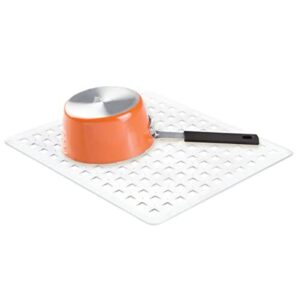
Here’s a tool most folks overlook for snuffle mat building: the Euro Plastic Sink Protector Grid. That open PVC grid, sized around 11" x 12.5", makes a ready-made backing so you skip cutting cardboard yourself.
Water drains right through the holes, it resists cracking, and it’s light at under half a pound. Tie fleece strips through those gaps and you’ve got sturdy bones for a puzzle that’ll survive slobbery noses and repeated washing without falling apart.
| Best For | Pet owners looking for a durable, ready-made grid base to craft a DIY snuffle mat without cutting their own backing. |
|---|---|
| Material | Polyvinyl Chloride |
| Primary Use | Dish Drying |
| Maintenance | Wipe Clean |
| Target User | All Pet Owners |
| Portability | Lightweight, Flat |
| Durability | Moderate |
| Additional Features |
|
- Open grid lets water drain freely, keeping the mat cleaner and reducing bacteria buildup
- Durable PVC construction resists cracking and holds up to repeated washing
- Lightweight (under half a pound) and easy to weave fleece strips through
- Fixed 11" x 12.5" size limits customization for larger or smaller mat projects
- Not built for high-temperature exposure, so machine drying on high heat isn’t advisable
- Plastic may grow brittle over time with prolonged moisture exposure
2. Soft Fleece Throw Blanket
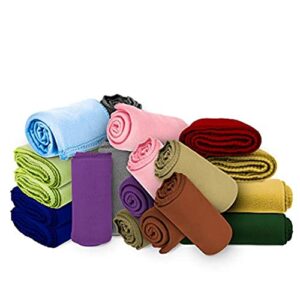
Once your grid’s tied off, that fleece can’t just be scraps — grab a soft fleece throw blanket instead. A 50×60" polyester fleece gives you plenty of strips to cut and tie, with enough leftover to make a second mat later.
The 180 GSM weight holds up to knotting without fraying, and since it’s machine washable, you can toss muddy mats right in with the laundry. Bonus: leftover fabric doubles as cozy pet bedding.
| Best For | DIYers making no-sew fleece mats who want soft, durable material that ties easily and doubles as pet bedding or a cozy throw. |
|---|---|
| Material | Polyester Fleece |
| Primary Use | Pet Bedding |
| Maintenance | Machine Washable |
| Target User | All Pet Owners |
| Portability | Lightweight, Foldable |
| Durability | Moderate |
| Additional Features |
|
- Machine washable, so muddy mats or messes clean up without hassle
- Lightweight and travel-friendly, great for camping, dorms, or extra warmth on the go
- Sturdy 180 GSM weight holds knots well without fraying
- Colors are assorted, so you can’t pick a specific shade
- Not waterproof, meaning spills need extra protection
- May start pilling with frequent washing over time
3. KONG Gyro Interactive Treat Toy
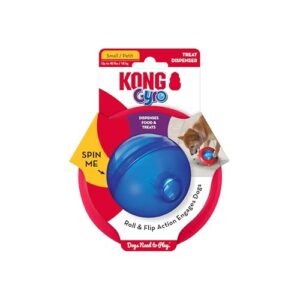
Not every enrichment toy needs glue or scissors — sometimes you just buy the clever one. The KONG Gyro has a see-through center orb that spins and dispenses treats as your dog noses it around, while an outer ring creates that wobbly, unpredictable roll dogs can’t resist chasing.
Twist the top off, fill it with kibble, and let problem-solving take over. It comes in small and large sizes, so pups over 15 pounds and up can all get in on the fun. Just supervise early sessions and skip it for aggressive chewers.
| Best For | Small dogs who need mealtime slowed down and could use extra mental stimulation during the day. |
|---|---|
| Material | Plastic |
| Primary Use | Treat Dispensing |
| Maintenance | Manual Refill |
| Target User | Small Dogs |
| Portability | Compact, Handheld |
| Durability | Low |
| Additional Features |
|
- Turns feeding time into an engaging foraging activity
- Wobble design keeps dogs moving and mentally stimulated
- Helps manage weight by extending mealtime naturally
- Only suitable for small breeds, not larger dogs
- Plastic build may not hold up to heavy chewers
- Requires manual refilling since it’s not automatic
4. JW Pet Roller Dog Toy
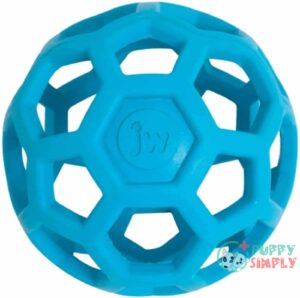
Sometimes the best toy isn’t a gyro or a gadget — it’s a simple rubber lattice ball. The JW Pet Roller stuffs with kibble or peanut butter snacks, letting your pup work treats through the open weave.
Smooth edges mean no mouth injuries, and it comes in sizes from mini to jumbo. I love that it doubles as a fetch toy, too. Just match the size to your dog’s jaw strength, and check regularly for cracks or chew damage.
| Best For | small dogs who need extra mental stimulation and enjoy working for their treats. |
|---|---|
| Material | Natural Rubber |
| Primary Use | Treat Dispensing |
| Maintenance | Hand Wash |
| Target User | Small Dogs |
| Portability | Compact, Handheld |
| Durability | Moderate |
| Additional Features |
|
- Flexible, open design makes stuffing with treats or toys quick and easy
- Doubles as a treat dispenser and a fun rolling toy for active play
- Natural rubber construction is gentle on floors and other surfaces
- Not built to withstand heavy or aggressive chewing
- Only suitable for small dogs; larger breeds could break it
- Needs supervision so dogs don’t swallow small treat pieces
5. KONG Classic Stuffable Dog Toy
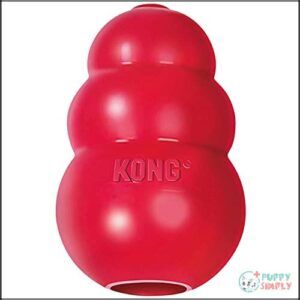
This little red rubber icon has earned its spot in vet offices and training bags everywhere. Stuff it with peanut butter, kibble, or KONG treats, then freeze it for a challenge that lasts.
The natural rubber holds up to average chewing and bounces unpredictably, which makes it fun for fetch too. At $11.96, it’s a budget-friendly staple. Wash it, refill it, repeat. Just size it to your dog’s weight, since medium works best for medium pups, not toy breeds or heavy destroyers.
| Best For | Medium-weight dogs who are average chewers and need mental stimulation through stuffable treat play, training, or fetch. |
|---|---|
| Material | Natural Red Rubber |
| Primary Use | Chewing And Fetch |
| Maintenance | Dishwasher Safe |
| Target User | Medium Dogs |
| Portability | Compact, Handheld |
| Durability | High |
| Additional Features |
|
- Durable, vet-recommended natural rubber that’s safe and dishwasher-friendly
- Stuffable and freezable design extends playtime and helps with crate enrichment or anxiety relief
- Unpredictable bounce makes it versatile for fetch, training, and scent games
- Not built to withstand extreme or heavy chewers over time
- Strong rubber smell out of the box, though washing or boiling helps
- Medium size isn’t a fit for toy breeds or very small puppies
6. Gluten Free Dog Treat Cookbook
Once your dog’s puzzle game is strong, treats become the real bottleneck. This 186-page cookbook packs 60 gluten-free, grain-free recipes — biscuits, jerky, pupcakes, veggie chips — using coconut or chickpea flour instead of wheat.
No artificial preservatives, no mystery ingredients. It’s ideal for dogs with sensitive tummies, though you’ll need basic cooking skills and occasional specialty items. Bake a batch, stuff your muffin tin puzzle or busy box, and watch your pup work twice as hard for treats you actually trust.
| Best For | Dog owners who want to bake healthy, gluten- and grain-free treats at home for pups with food sensitivities or picky tummies. |
|---|---|
| Material | Paper |
| Primary Use | Treat Recipes |
| Maintenance | N/A |
| Target User | All Dog Owners |
| Portability | Book Format |
| Durability | N/A |
| Additional Features |
|
- 60 varied recipes covering biscuits, jerky, pupcakes, and veggie chips
- No artificial preservatives or questionable ingredients
- Great for training rewards, puzzle toys, and special occasions
- Requires sourcing and prepping ingredients yourself
- Some recipes call for specialty ingredients or equipment
- Not ready-made, so basic cooking skills are needed
Frequently Asked Questions (FAQs)
How often should I rotate my dogs puzzle toys?
Variety is the spice of life — and your dog’s brain craves it too. Rotate every 7 to 10 days for most dogs, every 2-3 days for high-energy pups, and 10-14 days for seniors happy with old favorites.
Can puzzle toys help with separation anxiety in dogs?
Puzzle toys redirect anxious energy into focused problem-solving, easing stress during short absences. Pairing them with your departure routine builds a positive association, helping your dog link alone time with rewards instead of worry.
What if my dog loses interest quickly?
Boredom breeds indifference fast. Rotate puzzle formats weekly, mix textures like rubber and cloth, and keep sessions short—3 to 8 minutes. Sprinkle in scented treats for fresh motivation, and always end on a win!
How many treats should I use per session?
Aim for 5–15 small treats per session, staying under 10% of daily calories. A 10-pound pup tops out near 30 calories total—count pieces, not handfuls, and break bigger treats into tiny bits!
Conclusion
That empty muffin tin sitting in your cabinet? It’s really a treasure map, waiting for you to hide the gold. Every towel, box, and bottle in your house holds the same quiet magic.
These diy dog puzzle toy ideas aren’t just games; they’re a way to hand your dog a job again. Start small, watch her dig in, and you’ll see it: a tired, satisfied pup, and a floor free of guilt-inducing stares.