
This site is supported by our readers. We may earn a commission, at no cost to you, if you purchase through links.

About 10–15% of dogs develop food allergies at some point in their lives, and treats are often the hidden culprit—not the main meal.
You spend weeks troubleshooting your dog’s itchy skin or upset stomach, switching kibble brands, only to find the problem was hiding in those tiny training rewards all along.
Finding the right dog training treats for dogs with allergies isn’t just about avoiding beef or chicken—it means reading labels carefully, understanding novel proteins, and knowing which ingredients quietly trigger reactions.
The good news: safe, effective options exist, and your dog doesn’t have to miss out on reward-based training to stay comfortable.
Table Of Contents
- Key Takeaways
- Top 10 Allergy-Friendly Training Treats
- 1. Blue Buffalo Salmon Skin Coat Treats
- 2. Natural Balance Limited Ingredient Venison Dog Biscuits
- 3. Portland Pumpkin Dog Treats Grain Free
- 4. Natural Balance Venison Dog Treats
- 5. Cadet Gourmet Sweet Potato Duck Dog Treats
- 6. Smart Cookie Rabbit Pumpkin Dog Treats
- 7. Merrick Salmon Power Bites Dog Treats
- 8. Pet Craft Water Buffalo Dog Chews
- 9. Cosori Food Dehydrator with Adjustable Temperature
- 10. Silicone Dog Paw and Bone Molds
- Common Dog Treat Allergens
- Ingredients That Keep Treats Safe
- Homemade Treats for Sensitive Dogs
- Vet Steps for Allergy Relief
- Frequently Asked Questions (FAQs)
- Conclusion
Key Takeaways
- Treats are often the hidden cause of your dog’s itchy skin or upset stomach — not the main meal — so checking treat labels matter just as much as checking kibble.
- Novel proteins like salmon, duck, venison, and rabbit work best for sensitive dogs because their immune systems haven’t been exposed to them before, making reactions far less likely.
- A elimination diet lasting 8–12 weeks, using single-protein hypoallergenic treats and nothing else, is the most reliable way to pinpoint exactly what’s triggering your dog’s allergies.
- Making treats at home — using a dehydrator or simple molds with one or two clean ingredients — gives you complete control and removes the guesswork that comes with commercial labels.
Top 10 Allergy-Friendly Training Treats
Finding the right training treat when your dog has allergies doesn’t have to feel overwhelming. Each option on this list was chosen with sensitive stomachs and itchy skin in mind — think novel proteins, short ingredient lists, and nothing artificial.
Here are ten treats worth trying.
1. Blue Buffalo Salmon Skin Coat Treats
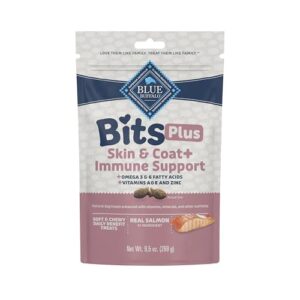
Blue Buffalo Salmon Skin Coat Treats are a solid first pick for dogs with food sensitivities. Real salmon is the first ingredient, and the formula skips corn, wheat, soy, and poultry by-products entirely.
Each soft morsel delivers omega-3s from flaxseed and omega-6s from canola oil, which directly support skin barrier health — a big win if your dog struggles with itching or dull coat.
The bite-sized, chewy texture makes them easy to break apart during training sessions.
| Best For | Dogs with food sensitivities, dry or itchy skin, or owners looking for a soft, high-value training treat. |
|---|---|
| Grain Free | Yes |
| Protein Source | Salmon |
| Artificial Additives | None |
| Country of Origin | USA |
| Allergy Friendly | Yes |
| Package Weight | 9.5 oz |
| Additional Features |
|
- Real salmon is the first ingredient, with no corn, wheat, soy, or poultry by-products — great for picky or sensitive stomachs.
- Omega-3 and Omega-6 fatty acids work together to support a healthier coat and less itchy skin over time.
- Soft, chewy texture is easy to break apart — perfect for training or puppies still figuring out the whole chewing thing.
- The 9.5 oz bag goes fast, especially if you’re using them as daily training treats or have a bigger dog.
- Not safe for dogs with fish allergies, and worth double-checking the full ingredient list if your pup has other sensitivities.
- These are treats, not a meal replacement — you’ll need to factor them into your dog’s daily calorie count.
2. Natural Balance Limited Ingredient Venison Dog Biscuits

If salmon isn’t your dog’s thing, venison is a great alternative. Natural Balance Limited Ingredient Venison Dog Biscuits keep the formula simple — venison is the only animal protein, paired with sweet potatoes and potato protein for digestible carbs.
There’s no grain, corn, soy, wheat, or artificial flavors. The crunchy texture even helps scrape plaque during training. At $12.98 for 14 oz, you’re getting a clean, batch-tested treat your sensitive dog can enjoy without the guesswork.
| Best For | Dogs with food sensitivities or allergies who need a simple, single-protein treat for training or everyday rewards. |
|---|---|
| Grain Free | Yes |
| Protein Source | Venison |
| Artificial Additives | None |
| Country of Origin | USA |
| Allergy Friendly | Yes |
| Package Weight | 14 oz |
| Additional Features |
|
- Single animal protein (venison) with no grain, corn, soy, or wheat — great for sensitive stomachs
- Crunchy texture helps scrape plaque, so treat time doubles as dental care
- Batch-tested from production to packaging, so you know exactly what you’re feeding your dog
- Too hard for puppies or dogs with dental problems — you’d need to break pieces up first
- Potato-heavy formula may be worth monitoring given ongoing FDA research into grain-free diets and heart health
- It’s a treat, not a meal — overfeeding can add up in calories fast
3. Portland Pumpkin Dog Treats Grain Free
Sometimes you want something closer to the kitchen than the lab.
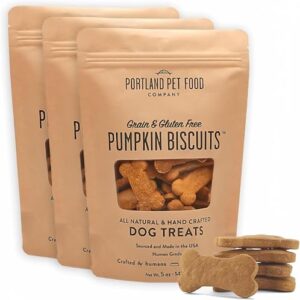
Portland Pumpkin Dog Treats Grain Free does exactly that — five simple ingredients: garbanzo bean flour, real pumpkin puree, peanut butter, molasses, and cinnamon.
No wheat, dairy, chicken, BHA, BHT, or artificial anything.
Each crunchy biscuit snaps easily into smaller pieces, making it handy for tiny breeds during training.
Hand-crafted in the USA and packed in a BPA-free resealable bag, this one’s a solid pick for dogs with grain or common protein sensitivities.
| Best For | Dogs with food sensitivities, allergies, or grain intolerance who need a clean, simple-ingredient treat for training or everyday snacking. |
|---|---|
| Grain Free | Yes |
| Protein Source | Peanut Butter |
| Artificial Additives | None |
| Country of Origin | USA |
| Allergy Friendly | Yes |
| Package Weight | 5 oz (x3) |
| Additional Features |
|
- Only five real ingredients — no fillers, artificial colors, or mystery preservatives
- Biscuits snap apart easily, so they work for small and large dogs alike
- Made in the USA and packed in a resealable, BPA-free bag
- Pricey for a 5 oz bag, especially if you have a treat-hungry dog
- Biscuits run on the larger side, so small breeds like Yorkies will need them broken down
- Contains peanut butter, which rules it out for dogs with peanut allergies
4. Natural Balance Venison Dog Treats

If your dog reacts to chicken or beef, venison is worth a serious look. Natural Balance Limited Ingredient Venison Dog Treats keep things simple — venison, sweet potatoes, potatoes, and potato protein. That’s it. No grains, no soy, no gluten.
The crunchy biscuit texture holds up well during training, and the hickory smoke flavor makes them genuinely appealing to most dogs.
At 8 oz per bag, you get enough treats to work through a solid training session without burning through the bag in a week.
| Best For | Dogs with food sensitivities or allergies who need a simple, limited-ingredient treat for training. |
|---|---|
| Grain Free | Yes |
| Protein Source | Venison |
| Artificial Additives | None |
| Country of Origin | USA |
| Allergy Friendly | Yes |
| Package Weight | 8 oz |
| Additional Features |
|
- Single animal protein (venison) makes it easy to pinpoint and avoid allergens
- Grain-free, soy-free, and gluten-free — great for sensitive stomachs
- Crunchy, bite-sized, and hickory-smoked flavor dogs actually go for
- Some batches come out rock-hard and crumble into powder when broken
- Still a bit big for very small or toy breeds without manual breaking
- Potato protein and canola oil could be an issue for dogs with specific fat or legume sensitivities
5. Cadet Gourmet Sweet Potato Duck Dog Treats
Duck is one of those proteins that work surprisingly well for dogs who react to chicken or beef.
Single-ingredient duck options, like these freeze-dried dog treats sorted by flavor, keep things simple and clean for sensitive pups.
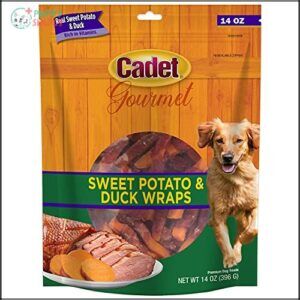
Cadet Gourmet Sweet Potato Duck Treats keep the ingredient list short — duck, sweet potato, vegetable glycerin, and a few preservatives. No artificial flavors.
The duck delivers around 20% protein, and sweet potato adds fiber for digestive support. They’re chewy and flavorful, which helps during training.
Just cut them up for smaller dogs, since the texture can be firm.
| Best For | Dogs with chicken or beef allergies who need a simple, grain-free treat for training or everyday rewards. |
|---|---|
| Grain Free | Yes |
| Protein Source | Duck |
| Artificial Additives | Contains preservative |
| Country of Origin | USA |
| Allergy Friendly | Partial |
| Package Weight | 14 oz |
| Additional Features |
|
- Short ingredient list with real duck and sweet potato — no artificial flavors or fillers
- High-protein and fiber-rich, good for digestion and keeping dogs satisfied
- Works for all life stages and both small and large breeds
- Treats can be hard and dry, so smaller dogs need them cut up to avoid choking
- Contains sugar, salt, and sodium metabisulfite, which might not suit sensitive dogs
- Not safe for dogs with duck or sweet potato allergies
6. Smart Cookie Rabbit Pumpkin Dog Treats
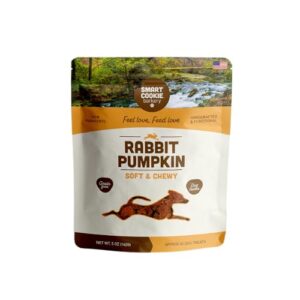
Rabbit is one of the best novel proteins you can offer a sensitive dog — and Smart Cookie builds their treat around exactly that. Each soft, chewy bite contains just a handful of ingredients: rabbit, pumpkin, lentils, and natural preservatives.
No chicken, no beef, no grains, no artificial additives.
The pumpkin adds gentle digestive support, while the soft texture works well for puppies and senior dogs alike.
At $11.99 for a 5 oz bag, it’s a clean, trustworthy option for dogs with tricky food histories.
| Best For | Dogs with food allergies, sensitive stomachs, or a history of reacting badly to common proteins like chicken or beef. |
|---|---|
| Grain Free | Yes |
| Protein Source | Rabbit |
| Artificial Additives | None |
| Country of Origin | USA |
| Allergy Friendly | Yes |
| Package Weight | 5 oz |
| Additional Features |
|
- Rabbit is a true novel protein — great for dogs that struggle with more common meat sources
- Soft, chewy texture works for all life stages, including puppies and seniors
- Clean ingredient list with no grains, gluten, soy, or artificial additives
- Treats are on the larger side, so you’ll need to break them up for training
- At $11.99 for 5 oz, it’s pricier than most everyday treat options
- Not ideal for dogs on low-fat diets due to fat content concerns
7. Merrick Salmon Power Bites Dog Treats
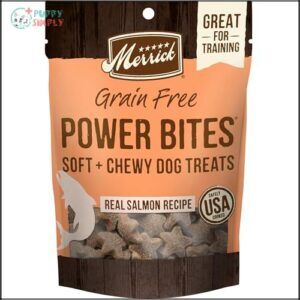
Salmon sits at the top of the ingredient list in Merrick Power Bites — and that matters. When your dog reacts to chicken or beef, novel protein like salmon gives their immune system a clean break.
soft, chewy star-shaped bites are grain-free, corn-free, and free from artificial preservatives.
Each piece clocks in at about 5.3 kcal, so they work well for frequent training rewards without packing on extra calories.
The resealable pouch keeps things fresh on the go.
| Best For | Dogs with food sensitivities or allergies to common proteins like chicken or beef, especially those needing a grain-free, training-friendly treat. |
|---|---|
| Grain Free | Yes |
| Protein Source | Salmon |
| Artificial Additives | None |
| Country of Origin | USA |
| Allergy Friendly | Yes |
| Package Weight | 6.08 oz |
| Additional Features |
|
- Salmon is the first ingredient — great for dogs with chicken or beef sensitivities
- Soft, chewy texture works well for picky eaters, seniors, or dogs with dental issues
- Small calorie count (~5.3 kcal) makes them easy to use as frequent training rewards
- Pricier than most standard dog treats on the market
- Star-shaped pieces may be too big for toy or small breeds without breaking them up first
- Contains peas, potatoes, and whey, which could trigger reactions in dogs with specific allergies
8. Pet Craft Water Buffalo Dog Chews
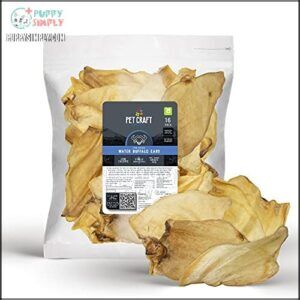
If your dog tears through most chews in minutes, water buffalo ears might finally hold their attention. Pet Craft’s single-ingredient chews are made from grass-fed, free-range buffalo — no additives, no fillers, no grains.
That makes them a solid pick for dogs with beef or pork sensitivities. The slow-roasted texture promotes dental health by naturally scrubbing teeth during chewing. At 16 ears for $25.95, the value is reasonable.
Just supervise closely — some ears run small, which can pose a choking risk.
| Best For | Dogs that are aggressive chewers or have sensitivities to pork or beef, especially those who need help with dental hygiene. |
|---|---|
| Grain Free | Yes |
| Protein Source | Water Buffalo |
| Artificial Additives | None |
| Country of Origin | USA |
| Allergy Friendly | Yes |
| Package Weight | 6.64 oz |
| Additional Features |
|
- Single-ingredient, grass-fed buffalo with no additives, grains, or fillers — great for sensitive dogs
- Durable texture helps clean teeth and massage gums naturally
- 16 ears for $25.95 is solid value for a long-lasting chew
- Ear sizes vary and some run small, which can be a choking hazard for little dogs
- Sharp edges can develop as the chew breaks down, so supervision is a must
- Non-refundable and non-returnable, so you’re committed once you buy
9. Cosori Food Dehydrator with Adjustable Temperature
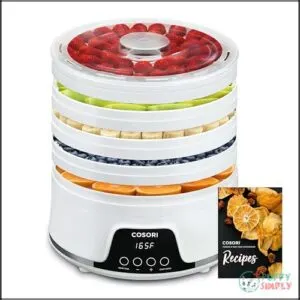
Sometimes the best treat is one you make yourself. The Cosori Food Dehydrator gives you full control over every ingredient — no hidden fillers, no mystery proteins.
Set the temperature anywhere from 95°F to 165°F in single-degree steps, and let the 48-hour timer do the work. It runs quietly (under 47 dB), so overnight batches won’t wake anyone.
Five BPA-free trays handle salmon strips, sweet potato slices, or duck pieces with ease. For dogs with tricky allergies, this kind of transparency is hard to beat.
| Best For | Pet owners and home cooks who want full control over ingredients, especially those managing food allergies or looking for healthier homemade snacks and treats. |
|---|---|
| Grain Free | N/A |
| Protein Source | N/A |
| Artificial Additives | N/A |
| Country of Origin | N/A |
| Allergy Friendly | N/A |
| Package Weight | N/A |
| Additional Features |
|
- Wide temperature range (95°F–165°F) with precise single-degree control, so you can dry everything from delicate herbs to thick meat strips
- Super quiet at under 47 dB — run it overnight and nobody’s losing sleep
- Five BPA-free trays with adjustable height slots fit bulky cuts, and you can expand to seven trays if you need more space
- Extra trays cost more than you’d expect given the base unit price, which stings if you want to max out capacity right away
- The 165°F max temp is borderline for meat safety standards — you may need to pre-cook or finish in the oven to hit recommended pathogen-reduction temps
- Some users have reported early failures and even water leaking into the electronics, so long-term durability is a question mark
10. Silicone Dog Paw and Bone Molds

If you’re already controlling every ingredient, why stop at the protein? These silicone paw and bone molds let you shape frozen pumpkin blends, yogurt mixes, or single-protein treats right at home.
The set includes four BPA-free trays — two paw, two bone — safe from -40°F all the way to 466°F. That means freezer pops in summer, baked biscuits in winter.
Cleanup is simple: rinse or toss them in the dishwasher. Full control, zero guesswork.
| Best For | Dog owners who love making homemade treats and want a simple, versatile mold set for both frozen and baked recipes. |
|---|---|
| Grain Free | N/A |
| Protein Source | N/A |
| Artificial Additives | N/A |
| Country of Origin | USA |
| Allergy Friendly | Yes |
| Package Weight | 0.24 kg |
| Additional Features |
|
- Four molds in one pack (paw bone shapes) cover everything from frozen yogurt pops to baked biscuits
- BPA-free silicone flexes easily so treats pop out clean — no prying or greasing needed
- Dishwasher-safe and oven/freezer-ready, so cleanup and switching between hot and cold recipes is effortless
- The thin silicone needs a cookie sheet underneath in the oven, or the trays won’t hold their shape
- Bone molds hold less volume than paw molds, so bigger batches mean more rounds
- Very sticky or soft mixtures can be stubborn to release and may need a little extra coaxing
Common Dog Treat Allergens

Most dogs don’t react to treats out of nowhere — something in the ingredient list is usually the culprit. Knowing which ingredients trigger reactions is the first step to finding treats your dog can actually enjoy.
Here are the most common allergens to watch for.
Beef, Chicken, Dairy, and Wheat
The four biggest offenders in most dog treat aisles are beef, chicken, dairy, and wheat. Even if a treat lists just one of these, your dog can still react — protein cross-reactivity means beef and chicken allergies often overlap. Watch for these label red flags:
- "Beef" or "beef byproducts"
- "Chicken" or "chicken meal"
- "Milk," "whey," or "cheese"
- "Wheat flour" or "wheat gluten"
- Shared-facility manufacturing contamination risks
Skin reaction indicators and digestive sensitivities usually follow within hours. For reference, many human menu items contain four or more allergens, like Cajun Chicken Alfredo with five.
Soy, Corn, and Eggs
Beyond the big four, soy, corn, and eggs quietly show up in more treats than you’d expect. Soy label variants like soy flour and soy protein, corn derivative terms like cornmeal and corn starch, and egg protein forms including egg albumen all hide in plain sight.
Cross-contact risks from shared equipment make even "clean" limited-ingredient dog treats tricky — so always scan the full ingredient list.
Preservatives, Flavors, and Colors
Additives are sneaky. Even when a treat clears the soy-corn-egg hurdle, preservatives, flavors, and colors can still trigger reactions. Look for these on labels:
- BHA/BHT — chemical antioxidants used for shelf-life extension strategies
- Artificial flavor compounds — listed simply as "flavor"
- Synthetic colorants — regulated under color additive regulations
- Vague "natural flavor sources" — still added, still functional
- Unlisted preservative functions — labeling transparency requirements exist for a reason
limited ingredient dog treats with no artificial preservatives, no artificial flavors, and no artificial colors for safer dog training treats.
Itchy Skin, Hives, and Hot Spots
Skin reactions are often the first clue. Your dog might scratch constantly, develop raised hives, or suddenly show a weeping hot spot.
These aren’t just cosmetic issues — broken skin invites bacterial infection fast, making Rapid Veterinary Intervention important. Environmental Triggers, Flea Allergy Dermatitis, and Stress-Induced Itch can all look similar, so switching to limited ingredient dog treats with omega‑3 fatty acids helps narrow things down.
Vomiting, Diarrhea, and Gas
When your dog’s gut is in full revolt — vomiting, loose stools, and post‑meal gas — food is almost always a suspect. Acute GI upset and bacterial gastroenteritis can both follow a troublesome treat. Parasite diarrhea adds another layer of risk.
Watch for these digestive issues in dogs:
- Vomiting before diarrhea starts
- Watery stools within hours of eating
- Bloating and visible discomfort
- Electrolyte dehydration from fluid loss
Switching to hypoallergenic dog treats or limited-ingredient dog treats promotes gut health in dogs better than any guesswork.
Ingredients That Keep Treats Safe

Once you know what to avoid, the next step is knowing what to look for. The right ingredients can make a big difference for dogs with sensitive systems.
Here are the key things that make a treat genuinely safe for your allergic pup.
Novel Proteins Like Salmon, Duck, and Venison
Think of novel protein sources as your dog’s fresh start. Salmon brings omega-3s that calms inflamed skin while supporting amino acid balance.
Duck and venison offer digestive tolerance for dogs that struggle with chicken or beef.
These hypoallergenic dog treats rely on sustainable sourcing and pass real palatability testing — making them among the best training treats for dogs with sensitivities.
Limited-ingredient Formulas With One Protein
One protein changes everything. Limited-ingredient, single-protein hypoallergenic dog treats give you real allergen tracking power — when your dog reacts, you know exactly what to investigate.
Single-protein treats give you the power to know exactly what triggered your dog’s reaction
Look for label transparency on the ingredient panel: the protein should appear at the top. Protein consistency across training sessions keeps variables controlled.
Processing methods vary, so choose the best training treats for dogs with clear, minimal formulas.
Grain-free Carbs Like Sweet Potato and Pumpkin
Swapping grains for smarter carbs is a significant improvement for sensitive dogs. Sweet potato carries about 20g of carbs per 100g — a higher carb load compared to pumpkin’s modest 6g — making that carb load comparison worth noting.
Pumpkin wins on glycemic index variability, offering more consistent blood sugar impact batch to batch.
Both provide excellent moisture binding and fiber content benefits, replacing wheat-based fillers in hypoallergenic dog treats like Natural Balance Rewards Venison Sweet Potato and Portland Pet Food Company Pumpkin Biscuits.
No Artificial Preservatives or Fillers
Labels don’t lie — if BHA, BHT, or synthetic dyes appear on the ingredient list, they’re in the treat. That’s why ingredient transparency matters so much for dogs with allergies.
True preservative-free treats rely on natural shelf life methods and manufacturing controls to stay fresh.
Fewer, cleaner ingredients mean fewer triggers.
Limited ingredient dog treats built on natural ingredients are your most reliable allergy-free training rewards.
Human-grade and Cross-contamination Controls
Human-grade ingredients follow human food safety standards — and that changes everything. Facilities making allergy-friendly pet food use dedicated equipment lines, facility sanitation protocols, and allergen testing procedures to prevent cross-contact.
Batch traceability systems link every lot back to its raw materials, while supplier verification standards confirm what’s actually inside. When you choose human-grade treats, you’re getting allergen-free treats backed by real accountability.
Homemade Treats for Sensitive Dogs
Making treats at home gives you full control over what goes into your dog’s bowl. You get to pick every ingredient, skip the fillers, and tailor each bite to your dog’s specific needs.
Here are five easy homemade options worth trying.
Coconut Flour Pumpkin Biscuits

These grain-free biscuits are a go-to for sensitive dogs. Coconut flour’s high absorbency demands careful moisture balance — pumpkin puree does the heavy lifting here.
Let the dough rest briefly before cutting so it hydrates evenly.
Your limited-ingredient, allergy-friendly dog treats need just:
- Coconut flour + unsweetened pumpkin puree
- One egg (or egg substitutes like flax)
- Coconut oil for tenderness
- Parchment-lined pan, 400°F until set
Cool completely before packaging.
Frozen Strawberry-banana Treats

After baking, a cool frozen option works beautifully for warm-weather training. Slice one banana and a handful of strawberries thinly, freeze them on a tray for about two hours — this grain-free, limited-ingredient combo keeps allergen exposure low.
Pre-portioning before freezing gives you consistent portion size guidance per cue.
Two ingredients, zero dog food allergens, and naturally smooth texture—your sensitive dog will love.
Low-allergen Single-ingredient Recipes

Sometimes the simplest recipe is the most powerful one. A single-ingredient treat—plain cooked salmon, sliced duck breast, or venison pieces—gives you full protein source purity with nothing to second-guess.
When a reaction happens, you know exactly what caused it.
These allergy-friendly dog treats support moisture content management and portion size standardization naturally, making them reliable hypoallergenic dog training rewards that your sensitive dog can safely enjoy.
Dehydrated Training Treats at Home

Dehydrating takes single-ingredient treats one step further. Set your dehydrator between 135–150°F, practice uniform slicing for even drying, and leave space between pieces for proper airflow management. Most thin cuts finish in 6–10 hours. Always do a moisture testing check before airtight storage—tacky means more time needed.
Dehydrated cod skins are a favorite for training purpose, and homemade limited-ingredient dog treats truly shine here.
Portion-friendly Bite-sized Homemade Rewards

Size matters more than you think. Cut your homemade limited-ingredient dog treats into uniform, single-bite pieces — small enough for rapid hand delivery without fumbling between reps.
Measure each batch with a tablespoon for portion control and batch consistency. Store moist treats sealed in the fridge for moisture control.
These hypoallergenic dog treats keep training session pacing smooth, and they’re best for small dogs who need tiny, allergy-safe rewards.
Vet Steps for Allergy Relief

When your dog keeps scratching or having stomach trouble despite treat swaps, it’s time to bring a vet into the picture.
A proper plan makes all the difference — and it’s more straightforward than most people expect.
Here are the key steps vets use to get to the bottom of food allergies and help your dog feel better.
Elimination Diets With Novel Proteins
An elimination diet is your best diagnostic tool when your dog won’t stop scratching.
- Select a single novel protein your dog has never eaten
- Follow Trial Duration Guidelines — at least 8–12 weeks of strict feeding
- Apply Owner Compliance Strategies by eliminating all other treats, chews, and table scraps
During this window, hypoallergenic dog treats with limited ingredient, novel protein formulas — like salmon or venison — become essential.
This Protein Rotation Protocol, guided by Nutrient Adequacy Monitoring and Skin‑Gut Response Mapping, helps confirm whether allergy‑friendly pet food is making a real difference.
Sequential Food Challenge Testing
Once the food elimination trial is complete, sequential food challenge testing tells you exactly what’s causing the problem.
| Challenge Step | What Happens |
|---|---|
| Incremental Dosing | Small amounts increase gradually with each timed dose |
| Observation Window | Your dog is monitored between doses for any reaction |
| Reaction Stopping Rules | Dosing halts immediately if symptoms appear |
Clinicians use test food matching and sometimes a blinded placebo to reduce bias. Think of it like detective work — each dose either clears an ingredient or flags it. Allergy testing kits for dogs can complement this, but structured challenge testing remains the clearest path to finding the right hypoallergenic or limited-ingredient dog treats for your pup.
Tracking Skin and Stomach Reactions
Keeping a reaction log is one of the most useful things you can do. Note Reaction Timing carefully — skin irritation in dogs can appear within minutes, while digestive issues in dogs may take up to three days.
Track Severity Scoring (mild, moderate, severe), Stool Consistency, and Treat Dose Tracking per session.
Photo Documentation of affected areas helps your vet spot patterns in allergy symptoms faster, especially with limited-ingredient or hypoallergenic dog treats.
Using Omega-3 Support for Skin Health
Omega-3 fatty acids work quietly in the background — but their impact on dog allergy symptoms is real. Through Cell Membrane Integration, EPA and DHA shift how skin cells regulate inflammation. Their Anti-inflammatory Benefits reduce redness, while Barrier Lipid Enhancement keeps skin from drying out.
Add Oxidative Stress Defense, and you’ve got meaningful inside-out support. Look for skin health supplements or hypoallergenic dog treats with Omega-3 Sources like salmon oil.
Monitoring Symptoms After Diet Changes
Once you switch to hypoallergenic dog treats, tracking matters as much as the treat itself. Use a Daily Reaction Checklist to note skin redness, vomiting, or ear changes each day.
A Symptom Timing Log helps you spot patterns — did symptoms appear hours later or the next morning?
Dose-Response Tracking, Escalation Thresholds, and Environmental Exposure Notes round out smart Allergy symptom management during any elimination diet for dogs.
Frequently Asked Questions (FAQs)
Why Do Dogs Become Allergic to Certain Ingredients?
Your immune system can turn against the very food keeping them alive.
When it misreads a protein as a threat, sensitization begins — and every future bite triggers a bigger reaction.
How many treats per day is safe?
Aim for no more than 10% of your dog’s daily calories from treats.
That’s your daily treat limit — use body weight guidelines and portion size control to stay within that calorie budget.
Can allergy-friendly treats help with training focus?
Yes — like a clear signal cutting through static, allergy-friendly treats sharpen focus by eliminating itch-driven distractions.
Skin Comfort enhances Cognitive Engagement, and stable Energy Consistency keeps Behavioral Memory intact, making every Reward Timing moment count.
Are hypoallergenic treats safe for puppies?
Most hypoallergenic dog treats are generally safe for puppies, but Puppy Gut Sensitivity means you should introduce them slowly, verify labels carefully, and keep portions small to avoid triggering early reactions.
Do allergy treats cost more than regular ones?
Usually, yes. Ingredient sourcing cost, manufacturing overhead, and brand premium pricing all push prices up. Novel proteins and limited-ingredient dog treats simply cost more to make than standard options.
Can two dogs share the same allergy treats?
Sometimes, but only if both dogs share the same individual allergen history.
Always do label verification and separate portioning during shared training to avoid cross‑contamination from trace ingredients in hypoallergenic dog treats.
Conclusion
A Labrador named Max scratched constantly until his owner swapped out standard chicken treats for single-ingredient salmon bites—within weeks, his skin cleared. That kind of turnaround is possible for your dog too.
Choosing the right dog training treats for dogs with allergies means reading every label, rotating novel proteins carefully, and staying consistent through elimination trials.
Your dog’s comfort isn’t a guessing game anymore. You now have the knowledge to make every treat count.
- https://bulkdogtreats.com/2024/12/15/how-to-choose-the-best-treats-for-dogs-with-allergies/
- https://petdogexpert.com/dog-treats-for-dogs-with-allergies/
- https://www.novexaio.com/treats-for-dogs/
- https://www.naynayspuppers.com/blog/-how-to-choose-safe-treats-for-allergic-dogs-a-complete-guide-for-pet-parents
- https://www.rover.com/blog/best-grain-free-treats/