This site is supported by our readers. We may earn a commission, at no cost to you, if you purchase through links.
Most dog owners grab whatever brush is nearby and hope for the best. That works fine until your Golden Retriever starts leaving tumbleweeds of fur across every room, or your Doodle’s coat turns into one solid mat behind the ears. The tool in your hand matters more than most people realize.
A slicker brush and a deshedding tool look similar enough to cause confusion, but they work on completely different parts of the coat. One smooths and detangles the surface; the other pulls loose fur from deep within the undercoat before it ends up on your couch. Using the wrong one doesn’t just waste time—it can damage the coat, irritate skin, or miss the actual problem entirely.
Knowing the difference between these tools puts you in control of your dog’s coat health, whether managing seasonal blowouts or maintaining tidiness between professional grooms.
Table Of Contents
- Key Takeaways
- Slicker Brush Vs Deshedding Tool
- What Slicker Brushes Do
- What Deshedding Tools Do
- Key Differences in Design
- Best Tool by Coat Type
- When to Use Both
- Safe Grooming Frequency and Technique
- Common Mistakes to Avoid
- Frequently Asked Questions (FAQs)
- What is the best grooming tool for shedding dogs?
- Is a FURminator a slicker brush?
- What’s the point of a slicker brush?
- Can deshedding tools work on wet dog coats?
- At what age should puppies start being brushed?
- Are slicker brushes safe for dogs with skin conditions?
- How do grooming tools affect dog allergies in humans?
- Should grooming tools be sanitized between multiple dogs?
- Conclusion
Key Takeaways
- A slicker brush handles surface-level detangling and coat maintenance, while a deshedding tool reaches deep into the undercoat to pull out loose fur before it ends up on your furniture.
- Using the wrong tool for your dog’s coat type—like running a deshedding blade over a curly or single-coated breed—can cause real damage, including hair breakage, bald spots, and skin irritation.
- For double-coated heavy shedders like Huskies or Golden Retrievers, using both tools in the right order (slicker brush first, deshedding tool second) can cut shedding by up to 90% during peak seasons.
- Overusing either tool is a common mistake—too many sessions strip natural oils, thin the coat, and teach your dog to dread grooming time.
Slicker Brush Vs Deshedding Tool
Most dog owners grab whatever brush is nearby and hope for the best — but the tool you choose matters a lot. A slicker brush and deshedding tool look similar, yet they do very different jobs for your dog’s coat.
Knowing which dog brush works best for your breed takes the guesswork out of grooming and keeps the wrong tool from damaging your dog’s coat.
Here’s what sets them apart.
The Core Purpose of Each Tool
These two tools aren’t interchangeable — they’re built for completely different jobs.
| Tool | Core Purpose |
|---|---|
| Slicker Brush | Routine coat care and detangling knots |
| Deshedding Tool | Undercoat management and shedding prevention |
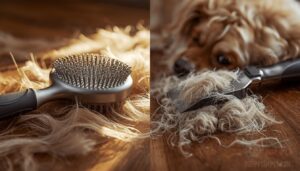
A slicker brush manages topcoat maintenance: smoothing, detangling, and tidying. A deshedding tool goes deeper, targeting loose undercoat in heavy shedders. Knowing this purpose differentiation saves you time and protects your dog’s coat.
The Biggest Difference in Coat Penetration
Think of it like this: a slicker brush skims the surface, while a deshedding tool reaches underneath.
The difference comes down to pin bending versus teeth gap — slicker pins flex gently through the topcoat, while wider-spaced deshedding teeth slip past it entirely for deep undercoat extraction.
| Feature | Slicker Brush | Deshedding Tool |
|---|---|---|
| Penetration Control | Topcoat only | Reaches undercoat |
| Angle of Approach | Angled, flexible pins | Straight metal edge |
| Skin Proximity | Light surface contact | Closer to skin base |
Which Problem Each Tool Solves Best
Each tool fixes a different problem. A slicker brush addresses Mat Prevention, surface debris, and Coat Shine Boost through oil distribution — ideal for curly and long coats.
A deshedding tool focuses on Undercoat Bulk Removal and Fur Drop Reduction for heavy shedders.
Understanding the differences between slicker brushes and deshedding tools helps you pick the right one.
| Problem | Best Tool | Benefit |
|---|---|---|
| Tangles and knots | Slicker brush | Detangling knots with slicker brushes |
| Heavy seasonal shedding | Deshedding tool | Undercoat removal for heavy shedders |
| Sensitive Skin Comfort | Slicker brush | Gentle surface grooming |
Quick Answer for Dog Owners
Once you know which problem you’re solving, the Quick Tool Pick becomes simple. Got tangles? Reach for the slicker brush. Heavy shedding filling your couch? That’s a Deshedding job.
| Your Dog’s Need | Best Tool |
|---|---|
| Mats and knots | Slicker brush |
| Loose undercoat buildup | Deshedding tool |
| Both coat types | Use both |
What Slicker Brushes Do
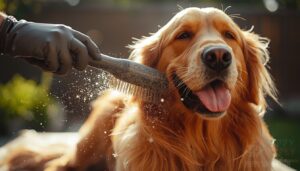
A slicker brush does a lot more than just smooth out your dog’s coat. It’s one of the most multi-purpose grooming tools you can own, especially if your dog has long, curly, or dense hair.
Here’s a closer look at what it actually tackles.
Detangling Knots and Light Mats
A slicker brush is your go-to for detangling knots and light mats before they turn into a real problem. Here’s how to get the best results:
- Start with Finger Detangling to feel tight spots first
- Apply Conditioner Aid for Knot Softening on stubborn areas
- Use the Sectioning Technique to isolate each mat
- Follow the End-First Method, working toward the roots
- Brush gently to detangle knots without skin irritation
Removing Surface Debris and Loose Hair
After a muddy walk, a quick post-walk cleanup with your slicker brush makes outdoor dirt removal easy. The pin density impact is crucial—closely spaced pins effectively catch grass seeds, dust, and shedding hair before they settle deeper. It’s your travel grooming kit MVP, offering practical convenience on the go.
Beyond immediate cleaning, the allergy control benefits are significant: reducing loose hair minimizes airborne allergens, promoting cleaner air at home.
| Debris Type | Slicker Brush | Deshedding Tool |
|---|---|---|
| Surface dirt | Excellent | Poor |
| Loose fur | Good | Excellent |
| Deep undercoat | Ineffective | Excellent |
Distributing Natural Oils for Coat Shine
Brushing does more than detangle — it moves sebum from the skin down each hair shaft, a process called Sebum Transfer Mechanics. Slicker brushes excel at this gentle oil spread because their fine pins make close contact with the outer coat. The result? Cuticle Smoothing Benefits you can actually see.
Since coat texture varies so much in this hybrid, tailoring your brush strokes to your dog’s specific fur type makes all the difference — explore what works best for your Golden Retriever Pitbull mix’s unique coat.
- Distribute coat oils evenly with long, light strokes
- Best coat shine appears 24–48 hours after Oil Balance Timing resets post-bath
- Use a slicker as your finishing brush after detangling
Best Uses for Long, Curly, and Dense Coats
If your dog has curly, wavy, or long dense fur, a slicker brush is your go-to tool. It manages pre-bath detangling, post-bath fluffing, and volume-boosting strokes with ease.
Use targeted zone grooming behind ears and legs, where knots hide first.
| Coat Type | Best Slicker Use |
|---|---|
| Curly (Poodle, Doodle) | Daily mat prevention |
| Long (Shih Tzu, Yorkie) | Seasonal mat prevention |
Where Slicker Brushes Fall Short
Even the best slicker brushes have their limits. They fail to reach deep undercoat layers in heavy shedders like Huskies, leaving behind up to 80% of loose fur during seasonal shedding phases.
Slicker brushes can miss up to 80% of loose fur in heavy shedders like Huskies during peak shedding season
Mat skipping is also a limitation: thick tangles near the skin resist the pins entirely. Bristle wear frequency is high, requiring frequent replacements to maintain effectiveness.
Overuse poses risks, particularly brush burn and skin irritation on sensitive areas. This makes prolonged or aggressive use unsuitable for pets with delicate skin.
What Deshedding Tools Do
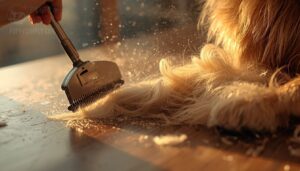
Deshedding tools work differently than slicker brushes — they go deeper, past the outer coat, to pull out the loose hair hiding underneath. If your dog leaves fur on every couch cushion and your lint roller is basically a household staple, this tool was made for that problem.
Here’s exactly what deshedding tools do and where they genuinely shine.
Lifting Loose Undercoat Hair
Think of your dog’s undercoat like a second sweater worn beneath the outer coat — and when shedding season hits, that inner layer begins releasing in waves.
A deshedding tool is built for exactly this moment. Its teeth reach past the topcoat surface, targeting loose undercoat with high hair capture efficiency.
Unlike a slicker brush, it grabs ready-to-release fibers before they end up on your couch.
Reducing Seasonal Shedding Around The Home
All that loose undercoat has to go somewhere — and without regular deshedding, it lands on your furniture, clothes, and floors. Used weekly, a deshedding tool can dramatically reduce shedding before it spreads.
Pair it with furniture covers, lint removal routines, air purifiers, and a solid vacuum scheduling plan, and your weekly cleaning burden drops significantly during peak seasonal shedding periods.
Best Uses for Double-coated Breeds
Double-coated breeds like German Shepherds, Huskies, and Golden Retrievers carry a coat built for cold weather insulation, heat regulation, and mud protection — not just good looks. That natural outdoor endurance comes with a price: serious shedding. A deshedding tool is your best tool for these breeds. Here’s where it earns its place:
- Pulling loose undercoat before it mats down
- Supporting herding efficiency by keeping the coat functional and clean
- Reducing shedding by up to 90% during spring and fall
- Maintaining the topcoat’s protective barrier without damage
Why Deshedding Tools Are Not Detanglers
Deshedding tools have one job: reaching deep and pulling loose undercoat. Their undercoat-only focus means they are not built to detangle knots. The blade spacing limitation allows small tangles to slip through, and the absence of flexible pins to tease strands apart results in built-in surface knot neglect.
What’s worse, mats aggravate pressure against a dog’s skin, making detangling with a deshedding tool genuinely painful.
Risks of Overusing Undercoat Tools
Too much of a good thing can still cause harm. Overusing undercoat tools leads to real problems — ones that aren’t always obvious until the damage is done.
- Dermatitis Risk: Excessive pressure strips the skin’s protective barrier, triggering inflammation.
- Patchy Regrowth: Over-scraping removes healthy hair, leaving uneven, thin sections.
- Behavioral Resistance: Repeated discomfort builds grooming anxiety fast.
- Tool Dullness: Worn blades increase friction and skin irritation.
- Undercoat Health Decline: Over-removal disrupts natural insulation and coat balance.
Key Differences in Design
Once you understand what each tool is built to do, the design differences start to make sense. From the bristles to the blades, every detail shapes how the tool behaves on your dog’s coat.
Here’s a closer look at what sets them apart.
Wire Pins Versus Teeth or Blades
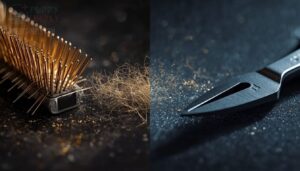
The hardware inside each tool tells the whole story. Slicker brushes rely on fine wire bristles with careful pin angulation — they flex slightly, which is the flexibility factor that makes them feel gentler against skin.
Deshedding tools use metal hardness to do their job, with teeth or blades built to grip and pull. That grip sensation and noise production feels noticeably different to your dog.
How Each Tool Moves Through The Coat
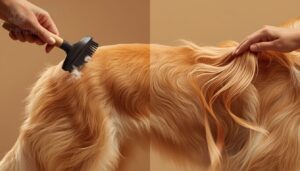
Each tool has its own rhythm across your dog’s coat. A slicker brush works in row-by-row traversal, moving section by section with pressure-release pauses when it meets resistance. A deshedding tool follows longer, grain-aligned passes for undercoat removal.
- Slicker uses arc-based leg grooming around curves
- Angle-tuned penetration adjusts stroke depth per area
- Staggered section timing prevents over-brushing one spot
- Deshedding tools glide over, never force through tangles
- Differences between slicker brushes and deshedding tools show clearly in motion
Depth of Grooming in Topcoat and Undercoat
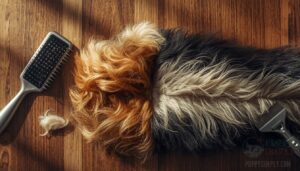
Think of your dog’s coat as two separate zones. A slicker brush manages to reach the topcoat, smoothing the surface, lifting debris, and catching tangles near the top. A deshedding tool goes deeper, targeting access to the undercoat where loose, dead hair hides beneath guard hairs.
Understanding the coat layers—topcoat versus undercoat—shapes your entire grooming strategy. The differences between slicker brushes and deshedding tools directly impact the coat’s health, as each tool addresses distinct layers and grooming needs.
Comfort, Pressure, and Skin Sensitivity
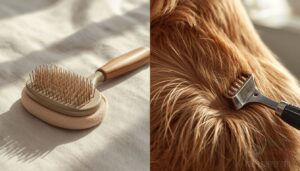
Slicker brushes spread pressure across many fine pins and a cushioning pad, making them a safer choice for sensitive zones like the belly and inner thighs.
Deshedding tools concentrate force on fewer contact points, raising the irritation risk.
Use soft strokes and gentle pressure with either tool, and always ease up if your dog flinches or pulls away.
Self-cleaning Features and Tool Maintenance
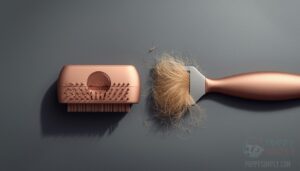
Many slicker brushes include a self-cleaning button with a spring release mechanism that retracts the pins so fur lifts away instantly. Deshedding tools need manual hair clearing after every pass.
Keep both tools sharp with these habits:
- Inspect bristle wear weekly
- Store tools in moisture-free conditions after cleaning
- Perform a deep sanitizing routine monthly
- Track replacement part lifespans
Clean tools simply work better.
Best Tool by Coat Type
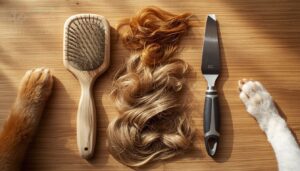
Not every dog needs the same brush — and honestly, coat type is the biggest factor in getting grooming right. The wrong tool can cause tangles, skin irritation, or a dull coat no matter how carefully you use it.
Here’s what works best for each coat type.
Curly and Wavy Coats
Curly or wavy fur traps loose hair inside the coat instead of letting it fall. That’s why a slicker brush is your go-to — it lifts tangles and keeps curls open. Deshedding tools aren’t built for this job.
| Feature | Slicker Brush | Deshedding Tool |
|---|---|---|
| Tames curls | Yes | No |
| Allergy considerations | Reduces trapped hair | Minimal effect |
| Water resistance coats | Safe to use | Can disrupt structure |
Long-haired Breeds Prone to Mats
Long-haired breeds like Afghan Hounds, Shih Tzus, and Yorkies are mat magnets. Collar friction mats, ear base tangles, and moisture-induced mats can form fast if brushing is skipped even a few days.
A slicker brush is the right call here — it manages breed-specific coat care without the damage a deshedding tool causes. For longhaired breeds, mat prevention starts with daily slicker sessions.
Double-coated Heavy Shedders
Double-coated heavy shedders — think Huskies, German Shepherds, and Golden Retrievers — operate on a different level entirely. Their undercoat insulation drives serious seasonal blowout timing twice a year, and that’s when breed shedding peaks hit hardest.
A deshedding tool is your go-to for managing the hair growth cycle and temperature regulation. Pair it weekly with a slicker brush, and you’ll stay ahead of the shed.
Short-haired Light Shedders
Short-haired light shedders like Beagles, Vizslas, and smooth Dachshunds don’t need heavy-duty tools. Their minimal undercoat presence means the differences between slicker brushes and deshedding tools barely matter here — neither is your best pick.
A rubber curry brush or nylon bristle brush manages shedding effectively. A simple weekly brushing routine maintains glossy coats, while calm, consistent sessions keep stress shedding under control.
Mixed Coats and Doodle-type Coats
Doodle-type coats—think Cockapoos and Goldendoodles—fall into a category all their own. Unlike predictable coats, their texture and layering vary from dog to dog.
Here’s what works best:
- Use a slicker brush 3–4 times weekly for allergy-friendly grooming
- Apply detangler spray before each session on friction zone care areas
- Reserve deshedding tools for spring shedding only
- Plan a trim schedule every 6–8 weeks
Both tools earn their place here.
When to Use Both
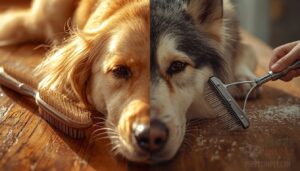
Sometimes one tool just isn’t enough, and that’s completely okay. Knowing when to reach for both — and in what order — makes a real difference in your dog’s coat health.
Here’s exactly when combining the two tools works best.
Combining Detangling With Undercoat Removal
Using both tools together is where the real magic happens. The spray‑first method softens knots, allowing you to detangle them before the deshedding blade touches the coat. Then, the dual‑pass technique removes undercoat without snagging. Combining slicker brushes and deshedding tools cuts grooming time nearly in half.
| Step | Benefit |
|---|---|
| Spray + Slicker | Skin‑soothing conditioning, zero pulling |
| Deshedder Pass | Deep undercoat removal |
Ideal Grooming Order for Best Results
Start with pre-brush preparation — work the slicker brush through the coat first to loosen knots and lift surface debris. That layered grooming flow sets up a clean path for the de-shedding tool to follow. Tool shift timing matters here: don’t switch until tangles are gone.
Apply gentle pressure guidelines throughout, ensuring comfort and effectiveness. This step prevents discomfort while maximizing debris removal.
Finish with a final coat check to confirm smoothness, verifying that all knots and loose fur have been addressed.
Seasonal Routines for Spring and Fall
Spring and fall bring the heaviest shedding, so your grooming routine needs to shift with the seasons. In spring, follow a bath schedule every two to four weeks using a deshedding shampoo, then target peak shedding zones like hips and shoulders. Fall moisture care keeps skin healthy as humidity drops.
Keep sessions time-boxed to ten minutes and monitor for allergy flare-ups weekly.
Cases Where One Tool is Enough
Not every dog needs a full grooming arsenal. For curly breeds like Poodles, solo curly care with a daily slicker brush manages everything — no undercoat, no deshedding tool needed. That’s single-tool efficiency in action.
Short-haired, minimal shed routine dogs like Beagles stay tidy with occasional light brushing alone. One-tool winters are realistic for these breeds, keeping simplified grooming both practical and effective.
Signs Your Dog Benefits From Both
Your dog’s coat tells you exactly what it needs—you just have to listen. Persistent ear knots, clumped undercoat patches, and red skin hotspots all signal it’s time for both tools.
- Bumpy coat texture that won’t smooth out
- Excess fur accumulation despite regular brushing
- Loose fur and seasonal shedding that never fully clears
Combining slicker brushes and deshedding tools makes a real difference in undercoat removal and long-term coat health.
Safe Grooming Frequency and Technique
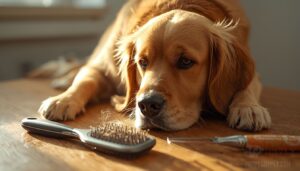
Knowing which tool to use is only half the battle — knowing how often and how gently to use it makes all the difference. Too much brushing can irritate your dog’s skin, and too little means mats and loose fur accumulate.
Here’s what a safe, consistent grooming routine actually looks like.
Note: Corrected "win" to "accumulate" to resolve grammatical inconsistency and clarify meaning while preserving the original intent. Reorganized into two paragraphs for logical flow.
How Often to Use a Slicker Brush
How often you use a slicker brush depends on your dog’s coat.
Curly breeds like Poodles require daily grooming, whereas short-haired dogs like Beagles do fine with weekly sessions.
For puppies, follow a gentle puppy brush schedule — twice a week initially.
Adjust for seasons, activity level, and skin sensitivity. Ultimately, breed-specific cadence matters more than a universal rule.
How Often to Use a Deshedding Tool
Deshedding tool frequency follows a different rhythm than slicker brushing. Most double-coated breeds thrive with once-weekly sessions, but seasonal shedding management during peak shedding periods requires 2–3 times weekly grooming.
Watch for hair accumulation signs to guide your schedule:
- Clumps releasing from the coat
- Visible loose fur after light petting
- Increased furniture hair
- Dull, heavy-feeling coat texture
Light Strokes and Brushing With Hair Growth
Once you’ve nailed your deshedding schedule, technique becomes the next critical step.
Mastering the method involves using light, sectioned strokes aligned with your dog’s hair growth direction. This approach ensures a gentle, friction-reducing motion that mimics a pressure-free massage, stimulating scalp circulation. Think of it as brushing with your dog’s coat, not against it.
| Technique | Slicker Brush | Deshedding Tool |
|---|---|---|
| Stroke Direction | Follow hair growth | Follow hair growth |
| Pressure Level | Light, gentle | Minimal, controlled |
| Section Size | Small sections | Broad passes |
Avoiding Brush Burn and Coat Damage
Good technique only protects your dog if you’re also managing pressure and coat condition. A dry coat strategy—lightly misting with a grooming spray—reduces friction, allowing the brush to glide instead of drag.
Use a light brushing technique with a sectioned grooming approach, and match tool firmness to your dog’s coat. Too much pressure causes brush burn fast.
Keeping Dogs Calm During Grooming Sessions
Technique alone won’t get you far if your dog is tense. A calm environment — quiet space, non-slip mat, soft lighting — makes a real difference.
Use desensitization steps by letting your dog sniff the brush first. Watch for stress signals like panting or freezing.
Positive reinforcement and smart session pacing keep grooming stress reduction consistent and the whole experience genuinely stress-free.
Common Mistakes to Avoid
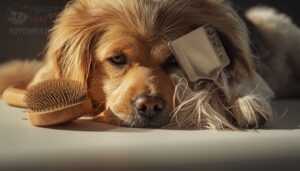
Even with the right tools in hand, small grooming habits can quietly work against you. A few common slip-ups show up again and again, and most are easy to fix once you know what to watch for.
Here’s what to avoid when using a slicker brush or deshedding tool.
Using a Deshedding Tool on The Wrong Coat
Using a deshedding tool on a single-coated breed is like using a rake on fresh grass — it tears what it should protect. On curly coats like Poodles or Bichon Frisés, the blades cause hair breakage spikes, coat elasticity loss, and skin redness fast.
Bald spots can form along the spine within just a few sessions. These tools are built for double-coated breeds only — understanding coat types and grooming needs protects your dog’s heat regulation and skin health.
Pressing Too Hard on Sensitive Areas
Too much grooming pressure doesn’t just hurt — it teaches your dog to dread the brush. Watch for these nerve pain cues and skin irritation signs:
- Flinching or pulling away suddenly
- Muscle stiffening over bone area pressure points
- Redness appearing after strokes
- Whimpering near ears, elbows, or belly
- Refusing handling in later sessions
Keep strokes light. Gentle handling techniques protect sensitive tissue and build trust.
Over-brushing Until The Coat Looks Thin
Over-brushing is one of the fastest ways to wreck a healthy coat. Too many sessions trigger oil depletion, leaving fur dry and brittle.
Hair breakage follows, and shedding cycle disruption makes thinning worse. Visible thinning can appear within days, and regrowth failure is a real risk.
Both slicker brushes and deshedding tools cause damage when overused — less is genuinely more.
Skipping Mats Before Deshedding
Running a deshedding tool over unaddressed mats is a mistake that sets off a real stress cascade. The blades snag on knots, tighten them against the skin, and cause immediate pain — sometimes leading to yelping or fear of future sessions.
Always detangle knots first with a slicker brush. That simple grooming sequence prevents tool snagging, reduces infection risk, and cuts your session time roughly in half.
Ignoring Cleaning and Upkeep of The Tools
A dirty brush is a broken brush. Packed hair and oils cause performance loss, making pins snag instead of glide. Leftover moisture triggers rust formation and tool corrosion, roughening the metal teeth. That rough surface raises the risk of skin irritation with every stroke.
Use the self-cleaning button after each session, rinse weekly, and dry completely to prevent bacterial growth and protect your grooming tool’s durability.
Frequently Asked Questions (FAQs)
What is the best grooming tool for shedding dogs?
Think of your dog’s coat like a two-story house — the slicker brush cleans upstairs, while the deshedding tool manages the basement. The right tool depends entirely on your dog’s coat type and shedding level.
Understanding the slicker brush benefits can help you choose the right tool for double-coated breeds.
Is a FURminator a slicker brush?
FURminator isn’t automatically a slicker brush. The brand manufactures both tool types.
When people say "FURminator," they usually mean the deShedding tool, not the slicker brush, which is a separate product entirely.
What’s the point of a slicker brush?
A slicker brush does a million things at once. It detangles, removes loose hair, boosts skin circulation, and preps the coat for a perfect finish — all in one pass.
Can deshedding tools work on wet dog coats?
Deshedding tools work best on dry coats. Moisture Grip Loss and Blade Slippage reduce effectiveness on Damp Hair Clumps. Always prioritize Pre-groom Drying for clean undercoat removal.
At what age should puppies start being brushed?
You can start brushing your puppy as early as 8 to 12 weeks old. Keep early handling gentle, sessions short, and always reward calm behavior to build a positive routine.
Are slicker brushes safe for dogs with skin conditions?
It’s a "ruff" question, but yes — a slicker brush can be safe.
Use a soft pin design with cushioned backing, perform a pre-groom skin check, and keep strokes light to avoid skin irritation.
How do grooming tools affect dog allergies in humans?
Both tools stir up allergens during use. Staying back reduces Grooming Proximity Effects, while Post‑Grooming Cleanup like vacuuming limits Allergen Airborne Release and Tool Surface Residue settling on furniture.
Should grooming tools be sanitized between multiple dogs?
Yes, always sanitize between dogs. Remove hair, wash with soap and water, then apply 70% isopropyl alcohol. This prevents cross-contamination, especially if one dog has a skin infection.
Conclusion
The right tool at the right time makes all the difference—and that’s no coincidence. Understanding the difference between slicker brush and deshedding tool means you’re no longer guessing. You’re grooming with purpose.
A slicker brush smooths and detangles surface fur, while a deshedding tool clears undercoat buildup. Use each tool where it belongs, stay consistent with your routine, and your dog’s coat will reflect the results of proper grooming.
- https://www.akc.org/expert-advice/health/types-dog-brushes-shedding/
- https://www.akcpetinsurance.com/blog/6-tips-to-control-dog-shedding
- https://headsupfortails.com/blogs/dogs/ways-to-control-dog-shedding
- https://ginasgrooming.com/dog-grooming-guides/brushing-your-dogs-coat/
- https://www.fidofave.com/es/blogs/grooming-product-1/the-best-products-for-managing-dog-shedding