This site is supported by our readers. We may earn a commission, at no cost to you, if you purchase through links.
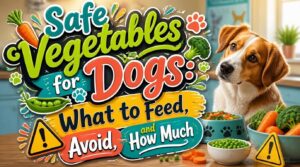
A dog at my clinic once ate half an onion off the counter and ended up needing emergency care for hemolytic anemia, a condition where red blood cells break down faster than the body can replace them. That single bite taught his owner something every dog parent needs to know: not all produce belongs in the bowl.
The truth is, safe vegetables for dogs can pack real nutritional punch, low-calorie fiber, hydration, vitamins your dog’s diet might be missing. But the line between healthy treat and trip to the vet is thinner than most people think.
So let’s sort out which veggies deserve a spot in the bowl, which ones to keep locked away, and how much is too much.
Table Of Contents
- Key Takeaways
- Best Safe Vegetables for Dogs
- More Dog-Friendly Veggie Options
- Benefits of Vegetables for Dogs
- Vegetables Dogs Should Avoid
- How to Serve Vegetables Safely
- How Much Dogs Can Eat
- Frequently Asked Questions (FAQs)
- What words do dogs love to hear the most?
- What vegetables can dogs eat?
- Can dogs eat canned vegetables?
- Can dogs eat fruit & vegetables?
- Can dogs eat raw vegetables?
- Can puppies eat vegetables safely?
- Which vegetables are best for senior dogs?
- Can vegetables replace part of a dogs meal?
- Are leafy greens safe for dogs?
- What should I do after toxic ingestion?
- Conclusion
Key Takeaways
- Carrots, green beans, pumpkin, cucumbers, and sweet potatoes are among the safest and most nutritious vegetables you can offer your dog, delivering fiber, vitamins, and hydration without excess calories.
- All allium family vegetables — onions, garlic, chives, and leeks — are genuinely dangerous to dogs in any form, including powdered or cooked, because they destroy red blood cells and can cause life-threatening anemia.
- How you prepare vegetables matters as much as which ones you choose: always wash thoroughly, cut into bite-sized pieces, remove seeds and stems, and serve plain with no seasonings, salt, or added fats.
- Follow the 10% rule for treats, introduce one new vegetable at a time, and call your vet immediately if your dog shows pale gums, bloody stool, or neurological symptoms after eating anything unfamiliar.
Best Safe Vegetables for Dogs
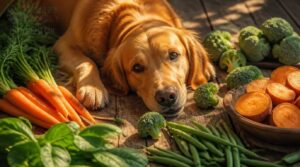
Not every vegetable in your fridge is fair game for your dog, but plenty are both safe and genuinely good for them. These five sit at the top of the list for a reason, offering real nutrition without the risks that come with sketchier choices. Here’s what to know about each one before you start sharing.
From crunchy carrots to leafy greens, the best vegetables dogs can safely eat span a wider range than most owners realize.
Carrots
Carrots are basically nature’s crunchy multivitamin for your pup. That bright orange color comes from beta-carotene, which your dog’s body converts into vitamin A for sharp eyesight and immune support.
With only 41 calories per 100g and 2.7g of fiber, raw carrots aid digestion while keeping treat time guilt-free and genuinely good for them. These vegetables also provide essential dietary fiber to help maintain healthy digestion.
Green Beans
Green beans are a great follow-up to carrots if you’re building a veggie rotation for your dog. They’re low-calorie, high-fiber snacks — roughly 31 calories per cup — making them one of the best healthy dog snacks around. Their fiber is both soluble and insoluble, supporting steady digestion without the bloating some vegetables cause.
They also deliver vitamin K and magnesium, both tied to bone metabolism.
Pumpkin
Pumpkin might be the most underrated item on this list. It’s 92% water and packed with beta-carotene, vitamin C, potassium, and dietary fiber — a genuinely impressive nutritional profile for something so easy to serve.
That fiber is what dog owners really love. It helps regulate both loose stools and constipation. Just choose plain canned pumpkin, never pie filling — those contain sweeteners that are toxic to dogs.
Cucumbers
Cucumbers take hydration to another level—about 96% water, so they’re basically a crunchy way to top off your dog’s water bowl.
- Vitamin K for bone and clotting health
- B-vitamins for energy
- Potassium and magnesium
- Fiber for digestion
- Only 16 calories per cup
Remove seeds, skip the salt, and you’ve got a safe, low calorie, nutritious treat for everyday dog wellness.
Sweet Potatoes
Think of sweet potatoes as your dog’s favorite cozy carbohydrate source, packed with beta carotene for those orange hues and steady energy. Always serve cooked, never raw—raw starch is tough to digest.
Skin off if tough, no butter or sugar added. Plain and mashed works great mixed into meals, offering fiber and digestive support without the upset stomach raw versions can cause.
More Dog-Friendly Veggie Options
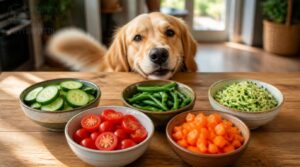
Once you’ve got the basics down, it’s worth widening the menu a bit. Your dog’s bowl can handle more variety than you might think, as long as you know what’s safe. Here are five more veggies worth keeping on hand.
Bell Peppers
Crunchy, sweet, and almost entirely water (about 92%), bell peppers are safe for dogs and genuinely good for them. Red varieties pack the biggest antioxidant punch, offering more vitamin C, A, and E than green ones.
With only 26 calories per 100 grams and 2 grams of fiber, they’re a hydrating, low-calorie volume treat—just keep it an occasional, moderate addition, seeds and stems removed.
Zucchini
Zucchini is about as low-drama as vegetables get—low in calories, mostly water, and genuinely easy on a dog’s stomach. It delivers vitamin C, carotenoids, and a little fiber to support digestion without overloading the gut.
Serve it plain and cooked, cut into small pieces, cooled down first. A few bites as an occasional treat is plenty.
Always remove seeds, stems, and leaves before serving, and check out this guide on safe ways to feed dogs bell peppers and onions for more prep tips.
Celery
Celery is about 90% water—a quietly hydrating treat on any afternoon. Each stalk delivers three useful things:
- Vitamin K for normal blood clotting
- Dietary fiber to support regular digestion
- Potassium to keep electrolytes balanced
Serve it plain and cut into small pieces. Too much fiber can cause gas or loose stools, so keep portions modest and watch how your dog responds.
Broccoli
Broccoli punches well above its weight. Those small green florets carry vitamin K, sulforaphane, and fiber — a trio that helps with blood clotting, fights inflammation, and keeps digestion moving. The catch? Broccoli’s bioactive sulfur compounds can trigger gas in sensitive dogs, so portions matter.
Steaming softens florets and eases digestion far better than raw. Serve plain, no butter.
| Form | Digestibility | Key Consideration |
|---|---|---|
| Raw florets | Moderate | Harder to chew; may increase gas |
| Steamed florets | High | Softer texture; easier on the stomach |
| Raw thick stems | Low | Tough; choking risk for smaller dogs |
| Steamed chopped pieces | High | Best option for most dogs |
| Large portions (any form) | Poor | Risk of vomiting or gastrointestinal upset |
Peas
Tiny but mighty, peas pack fiber, iron, magnesium, and protein into every spoonful. Garden, snow, and snap varieties are all safe for dogs, fresh, frozen, or thawed.
- Steam or boil plain
- Skip canned (sodium-heavy)
- Limit portions
- Watch for DCM links
Recent research has flagged legume-heavy diets in DCM (dilated cardiomyopathy) cases, so treat peas as an occasional nutritional boost, not a staple.
Benefits of Vegetables for Dogs
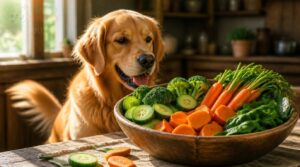
Vegetables aren’t just a healthy filler—they can actually bring real nutritional value to your dog’s bowl. From supporting digestion to delivering vitamins your dog might otherwise miss, the benefits are more varied than you’d expect. Here’s a closer look at what vegetables can do for your dog’s health.
Low-Calorie Treats
Most weight management snacks hide surprising calories — but vegetables don’t. Non-starchy choices like carrots, cucumbers, and green beans are naturally low in fat and sugar, making them smart healthy treat alternatives your dog will actually enjoy.
That’s why calorie-conscious snacking with safe veggie snacks works so well — you can reward your dog in moderation without quietly padding their daily intake.
Digestive Fiber
Vegetables like pumpkin and green beans bring something calorie counts can’t show — dietary fiber for pets that actually works in the gut.
Soluble fiber forms a gel that slows digestion, smoothing blood sugar spikes, while insoluble fiber bulks up stool and keeps intestinal transit time consistent. Gut bacteria ferment what’s left, producing short-chain fatty acids that quietly protect your dog’s intestinal lining.
Extra Hydration
Fiber keeps things moving, but water-dense vegetables keep your dog refreshed too. Cucumbers, carrots, and pumpkin all pack natural moisture into every bite:
- Cucumbers (96% water)
- Carrots
- Green beans
- Pumpkin
- Sweet potatoes
These hydrating veggie snacks support fluid intake alongside regular water bowls, especially during hot weather or low appetite spells—nature’s gentle backup hydration plan.
Vitamins and Antioxidants
Hydration covers the basics, but color on your dog’s plate often means antioxidant power underneath. Carotenoids like beta-carotene and lycopene guard cells from oxidative stress, while vitamin C helps with collagen and iron absorption.
| Vegetable | Key Nutrient | Antioxidant Role |
|---|---|---|
| Carrots | Beta-carotene | Cell protection |
| Tomatoes | Lycopene | Free-radical defense |
| Broccoli | Vitamin C | Oxidative damage shield |
Weight Management Support
Trading high-calorie treats for crunchy veggies is one of the easiest dog weight management wins out there. Fiber-rich options boost satiety without piling on calories, helping portion control stay realistic.
Try these low calorie swaps:
- Cucumber slices
- Green beans
- Steamed pumpkin
- Carrot sticks
Adjust meal volume gradually, and always coordinate calorie replacement strategies with your vet for steady, healthy progress.
Vegetables Dogs Should Avoid
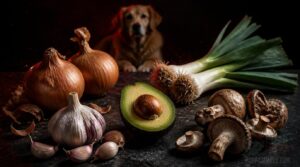
Not every vegetable in your kitchen belongs in your dog’s bowl, and some can do real harm. While most veggies offer great nutrition, a handful carry serious risks, from kidney damage to red blood cell destruction. Here are five you’ll want to keep far away from your pup’s dinner plate.
Onions and Garlic
Onions and garlic are two of the most dangerous foods you can share with your dog — and the risk is far more common than most pet owners realize.
Both belong to the Allium plant family, and both contain organosulfur compounds that attack your dog’s red blood cells. These compounds basically trick your dog’s immune system into destroying its own red blood cells, a process called hemolysis. The result is hemolytic anemia — a condition where the body can’t replace those cells fast enough to keep up with the damage.
| Warning Sign | What It May Mean |
|---|---|
| Pale or white gums | Red blood cell loss from anemia |
| Weakness or exercise intolerance | Oxygen not reaching muscles |
| Rapid breathing or fast heart rate | Body compensating for low oxygen |
| Vomiting or diarrhea | Early gastrointestinal irritation |
Here’s the part that catches many owners off guard: powdered forms are far more concentrated than fresh. One teaspoon of garlic powder is roughly equivalent to eight cloves of fresh garlic, making it far easier for a dangerous dose to slip into a single meal. Onion powder carries the same concentrated risk — and both show up in soups, gravies, sauces, and even some baby foods.
Cooking doesn’t neutralize the danger. Raw, roasted, sautéed, or dried — all forms remain toxic to dogs. Symptoms may not appear for several days after ingestion, which is exactly why you shouldn’t wait to see how your dog feels before calling your vet. If your dog has eaten anything containing onion or garlic, contact a veterinarian right away.
Store all onion and garlic products — fresh bulbs, powders, frozen portions, and leftovers — in sealed containers well out of reach. Check ingredient labels on any prepared human food before letting your dog near it, because even a small amount used as seasoning can be enough to cause harm.
Chives and Leeks
Chives and leeks don’t get nearly as much attention as onions and garlic, but they carry the same toxic threat — and they’re hiding in far more of your meals than you might expect.
Both are allium family members, meaning they contain the same organosulfur compounds that trigger red blood cell damage in dogs. Those compounds cause oxidative hemolysis — basically, your dog’s red blood cells get destroyed faster than the body can rebuild them, leading to hemolytic anemia. Watch for these warning signs after any accidental exposure:
- Pale or white gums, signaling significant red blood cell loss
- Weakness or lethargy, as oxygen delivery to muscles drops
- Rapid heart rate or labored breathing, as the body scrambles to compensate
- Vomiting or reduced appetite, which can appear within 24 hours
What makes chives and leeks especially tricky is cumulative toxicity. Repeated small exposures build up over time, so a dog quietly licking a leek-seasoned bowl a few nights a week can develop the same anemia as one that ate a large amount at once. Cooking changes nothing — the sulfur compounds survive heat completely intact.
These two ingredients turn up constantly in soups, stews, casseroles, and sauces, which makes accidental food exposure genuinely easy to miss. If your dog ate anything containing chives or leeks, stop access immediately, note the time and estimated amount, and call your veterinarian — don’t wait to see how they feel, because symptoms often don’t peak until several days after ingestion.
Wild Mushrooms
Wild mushrooms are one of the most unpredictable hazards your dog can encounter, and the danger isn’t just in the eating — it’s in how impossible safe identification really is.
North America is home to roughly 100 toxic mushroom species out of more than 10,000 total, and many of them look strikingly similar to harmless ones. Cap color, gill pattern, and stem markings can all shift with rain, light, and growth stage, making a single glance — or even a photo — genuinely unreliable. Even seasoned foragers get it wrong, which means your dog certainly can’t sniff out the difference.
The most dangerous offenders are Amanita species like the Death Cap, which carry amatoxins that quietly destroy the liver. What makes these especially cruel is the timeline: your dog may seem perfectly fine for 6 to 24 hours, then crash into full liver failure within days. Other species target the kidneys, nervous system, or heart — vomiting, tremors, seizures, jaundice, and collapse are all possible outcomes depending on what was eaten.
Amanita mushrooms may leave a dog seemingly fine for hours before triggering fatal liver failure within days
Exposure is also harder to prevent than most owners expect. Mushrooms can appear overnight after rain, often hidden in tall grass before you’ve had a chance to spot and remove them. Spore fragments and soil near a fruiting body can linger even after the mushroom itself is gone.
If your dog eats any wild mushroom, don’t wait for symptoms — call your veterinarian or an emergency animal hospital immediately. Bring a sample if you can collect it safely, and note the time of ingestion. Because toxic species vary so widely and some cause delayed damage, a "wait and see" approach can cost precious time when it matters most.
Green Tomatoes
That tomato salad you’re snacking on isn’t off-limits to dogs, but the green ones sitting in your garden are a different story. Unripe fruit contains solanine and tomatine, glycoalkaloids that drop sharply as tomatoes ripen.
Symptoms include vomiting, drooling, and lethargy. If your dog grabs one off the vine, call your vet rather than waiting to see what happens.
Raw Green Potatoes
Green potatoes carry two glycoalkaloid toxins — solanine and chaconine — concentrated mostly in the green skin and the tissue just beneath it. That bitter taste you might notice? It’s the potato’s own warning label, and it’s one your dog can’t read.
Because dogs weigh so much less than adults, even a small amount delivers a proportionally higher toxin dose. Symptoms — vomiting, diarrhea, lethargy, or worse, neurological changes like tremors — can take 8–10 hours to appear. Raw starch makes digestion even harder, compounding the gut irritation. If your dog eats a green potato, call your vet immediately.
How to Serve Vegetables Safely
Choosing the right vegetables is only half the job — how you prepare them matters just as much for your dog’s safety. A few simple steps before serving can make the difference between a healthy snack and a trip to the vet. Here’s what to do every time you share vegetables with your dog.
Wash Produce Well

Before every carrot stick or cucumber slice reaches your dog’s bowl, wash it under cool running water for at least 15 to 20 seconds — dirt, pesticide residue, and surface bacteria don’t rinse themselves off. Use your hands to gently rub smoother vegetables, but grab a soft brush for rougher-skinned produce like sweet potatoes or carrots to dislodge embedded debris.
Skip the dish soap entirely. It leaves a residue that’s unsafe to ingest, and plain water with good technique does the job just as well. Cool water works best here, since warm water can actually degrade delicate vegetables and loosen surface residues in the wrong direction.
Once washed, pat produce dry with a clean paper towel before cutting or serving. Excess moisture speeds up mold growth, which matters especially if you’re prepping a batch ahead of time. Store washed pieces separately from unwashed produce, and always use a clean cutting board — cross-contamination can undo everything you just did.
Cut Bite-Sized Pieces
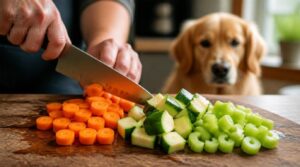
Once the produce is clean and dry, your knife becomes the next line of defense. Cutting vegetables into bite-sized pieces isn’t just a nicety — it directly lowers the chance your dog swallows a chunk too large to chew safely.
Think of it this way: a thick carrot round or a long celery stick can catch at the back of the throat before a dog even realizes it needs to chew. Smaller, consistent chunks fit more comfortably in the mouth, giving your dog a real chance to break the piece down before swallowing.
For fibrous vegetables like celery, cut across the natural strands rather than along them — this shortens the stringy fibers and makes the texture far less likely to tangle or lodge. Firmer vegetables like raw sweet potato benefit most from especially small cuts, while softer options like steamed zucchini can be slightly larger and still stay manageable.
Keeping piece sizes consistent also makes portioning genuinely easier. When every chunk is roughly the same size, you can count pieces rather than guess weights, which helps you stay within your dog’s treat limits without much mental math.
Remove Seeds and Stems
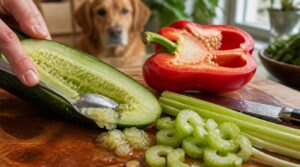
Once the pieces are cut, take a moment to check what’s still attached. Seeds and stems hiding inside a vegetable are easy to overlook, but they’re worth removing every time — for texture, safety, and your dog’s comfort.
Cucumber seeds, bell pepper seeds, and stringy celery fibers are the usual suspects. Tough stems and hard seeds are more difficult to chew and can irritate the mouth or throat before the piece even reaches the stomach.
Celery’s stringy fibers deserve special attention — cut across the stalk, not along it, so those strands don’t tangle during swallowing. For broccoli, skip the stem entirely and stick to the softer florets.
Serve Plain Only
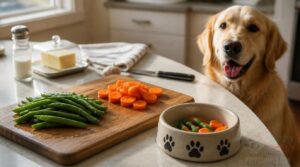
Once you’ve trimmed the seeds and stems, the next step is just as straightforward — keep it plain.
No salt, butter, oil, or seasoning belongs anywhere near your dog’s vegetables. That includes garlic powder, onion powder, and even a light sprinkle of pepper, since these can cause real harm. Garlic and onion powder are actually more concentrated than fresh forms, meaning a small pinch carries more risk than it looks.
Hidden seasonings are the sneakiest problem. Broths, frozen veggie blends, and pre-cut packages often contain added flavoring you won’t notice at first glance — so check the label every time.
The same caution applies to your cutting board. If it was just used for seasoned chicken or a garlic-rubbed steak, rinse it thoroughly before prepping your dog’s carrots or green beans.
Steam for Easier Digestion

Steaming is one of the gentlest ways to prepare cooked vegetables for your dog.
Here’s why it works so well:
- Softens plant fibers so your dog’s digestive system doesn’t have to work as hard
- Reduces chewing effort, which matters for older dogs or smaller breeds
- Maintains vegetable hydration, keeping each bite moist and easy to swallow
- No added fats required — just water vapor doing all the work
How Much Dogs Can Eat

Knowing which vegetables are safe is only half the battle — portion size matters just as much for your dog’s health. Even the healthiest snack can cause stomach upset or weight gain if you’re not paying attention to how much you’re offering. Here are five simple guidelines to help you get the amounts right.
Follow The 10% Rule
A good rule of thumb: treats shouldn’t exceed 10% of your dog’s total daily calories — and yes, vegetables count. A small dog eating 400 calories a day gets roughly 40 treat calories, while a larger dog has more wiggle room.
Different vegetables also carry different calorie densities, so portion size matters even when the snack seems harmless.
Start With Small Portions
Think of it like a taste test — start with just a bite or two the first time you offer any new vegetable. A small first serving lets you monitor stool consistency, watch for gas, and catch any sensitivity before it becomes a problem.
If your dog takes to it well, you can gradually increase the amount while keeping overall calorie intake balanced.
Introduce One at a Time
When you’re introducing vegetables to your dog’s diet, resist the urge to offer a sampler platter. Introduce one new vegetable at a time, waiting a few days before trying the next. That way, if your dog develops loose stool or gas, you know exactly what caused it — and what to pause.
Watch for Gas
Some vegetables, especially broccoli, peas, and cauliflower, produce gas through gut fermentation — your dog’s bacteria break down fiber and release it as bloating or flatulence. Watch for belly swelling or gurgling after introducing something new.
If symptoms worsen over several hours, pull that veggie from the menu. Severe distension, restlessness, or labored breathing, though, means skipping the wait and calling your vet immediately.
Call Your Veterinarian
Some situations just need a professional opinion, not Google. Call your vet immediately if your dog can’t keep water down, shows blue or pale gums, has bloody diarrhea, or starts seizing.
Have details ready: what vegetable, how much, and when symptoms began. Don’t induce vomiting or force food unless instructed — just keep your pup calm, comfortable, and closely watched until help arrives.
Frequently Asked Questions (FAQs)
What words do dogs love to hear the most?
"Walkies" tops the list, spiking heart rates by 36%, with food cues, "treat," "get it," and "fetch" close behind. Praise phrases like "good boy" round things out—proof your tone matters as much as your vegetables dogs can eat.
What vegetables can dogs eat?
Think of your dog’s bowl as a small garden — carrots, green beans, pumpkin, cucumbers, and sweet potatoes all earn a safe spot, offering real nutrition without the risks that come with other produce.
Can dogs eat canned vegetables?
Yes, but drain that liquid first—it’s loaded with excess sodium. Check labels for added salt or seasonings, skip oily linings when possible, and stick to plain, occasional servings rather than a daily habit.
Can dogs eat fruit & vegetables?
Picture a snack drawer filled with crunchy carrots, not candy. Many fruits and vegetables dogs can eat safely, supporting canine nutrition, but some fruits dogs should avoid—grapes, raisins—stay locked away for true pet wellness and dietary variety.
Can dogs eat raw vegetables?
Many vegetables dogs can eat work fine raw, but digestive sensitivity varies by dog. Watch individual tolerance levels—some dogs digest raw fiber easily, others need cooking for better nutrient absorption rates.
Wash thoroughly for surface bacteria risks, cut small for choking hazard prevention, and watch individual tolerance levels.
Can puppies eat vegetables safely?
Like toddlers exploring a new playground, puppies need a gentle hand with new foods. Their digestive systems are still developing, so introduce vegetables slowly and in small amounts, watching stool consistency closely to keep their diet balanced and gut happy.
Which vegetables are best for senior dogs?
Cooked carrots, green beans, pumpkin, and sweet potatoes offer soft veggie textures easier on aging teeth. Cucumbers add hydration, while gentle fiber helps with slowing canine digestive health—keep portions small to match lower caloric senior needs.
Can vegetables replace part of a dogs meal?
Vegetables can fill in part of your dog’s bowl, but they can’t stand in for complete dog food. They lack essential amino acids and fatty acids your dog needs daily.
Are leafy greens safe for dogs?
Think of spinach the way Popeye did — great in theory, but your dog isn’t Popeye. Romaine lettuce is the safer choice, while spinach risks oxalate kidney stones. Always lightly steam rather than serve raw.
What should I do after toxic ingestion?
Call poison control or your vet immediately. Remove your dog from the source, note what they ate and how much, and don’t induce vomiting unless a professional specifically tells you to.
Conclusion
Like Hippocrates said, let food be thy medicine — but only when it’s the right food. Choosing safe vegetables for dogs isn’t complicated once you know the rules: wash everything, cut it small, and skip anything from the onion family entirely.
Your dog doesn’t need a salad bowl. A few smart bites of carrot or green bean go a long way. Small choices, made consistently, are what keep a healthy dog healthy.
- https://kika-usa.com/blogs/news/what-vegetables-can-dogs-eat
- https://us.ziwipets.com/blogs/digestive-health/raw-vegetables-for-dogs-which-are-safe-and-beneficial
- https://www.rootedpromise.com/blogs/herb-gardening/what-herbs-and-vegetables-are-safe-for-dogs
- https://uvhvets.com?p=2819
- https://toegrips.com/vegetables-dogs-can-eat