This site is supported by our readers. We may earn a commission, at no cost to you, if you purchase through links.

Your dog sniffs his bowl, turns away, and stares at you like you’ve personally offended him. Again. Up to 25% of dogs demonstrate selective eating behaviors at some point in their lives, and while it’s easy to chalk it up to stubbornness, the reality is often more complex.
Medical conditions like hypothyroidism or dental pain, behavioral triggers from inconsistent routines, and simple food preferences all play a role in why your pup refuses what’s in front of him.
The good news? Choosing the right dog food can transform mealtime from a daily battle into something your finicky eater actually looks forward to—but only if you understand what makes certain formulas irresistible to even the most selective snouts.
Table Of Contents
- Key Takeaways
- Why Some Dogs Are Picky Eaters
- Key Features of Dog Food for Picky Eaters
- Top 9 Dog Food Brands for Picky Eaters
- Best Dog Food Formats for Finicky Dogs
- Matching Dog Food to Dietary Needs
- Feeding Tips for Picky Eaters
- When to Seek Veterinary Advice
- Frequently Asked Questions (FAQs)
- Are dogs picky eaters?
- What are the best tasting dog foods for picky eaters?
- What are the best dog food brands for picky eaters?
- What can dogs eat if they are picky?
- What dog food do picky eaters like best?
- What do you feed a picky eater dog?
- What’s the best food for a fussy dog?
- What dog food do dogs love the most?
- How can I identify my dogs taste preferences?
- What role does age play in dog food selection?
- Conclusion
Key Takeaways
- Up to 25% of dogs show selective eating behaviors driven by medical conditions (hypothyroidism, dental pain, GI issues), behavioral triggers (routine changes, stress), or sensory preferences (texture and aroma), not just stubbornness.
- The most effective dog foods for picky eaters combine high-quality named animal proteins (chicken, beef, salmon) as the first ingredient, moisture levels of 70-85%, limited ingredient formulas to reduce allergens, and natural flavors from whole-food sources.
- Wet and fresh food formats consistently outperform dry kibble for finicky dogs due to stronger aromas and palatability, while air-dried, bone broth-coated, and freeze-dried toppers offer practical solutions to boost acceptance rates.
- Successful feeding strategies require gradual transitions over 7-14 days, consistent meal timing twice daily, warming food to release aromas, and veterinary consultation when dogs show sudden appetite loss, weight changes, or persistent refusal beyond behavioral pickiness.
Why Some Dogs Are Picky Eaters

Your dog’s sudden disinterest in their bowl isn’t always stubbornness—it often has a real cause behind it. From hidden health issues to simple flavor fatigue, picky eating stems from medical, behavioral, and sensory factors you can actually address.
Let’s break down the three main reasons your dog might be turning their nose up at mealtime.
Medical Reasons Behind Fussy Appetites
Sometimes fussy appetites signal deeper health concerns. Hypothyroidism can suppress your dog’s hunger, while gastrointestinal issues like inflammatory bowel disease cause nausea that makes picky eaters even more selective. Dental problems make chewing painful, and neurological disorders alter taste perception. Chronic infections drain energy and appetite.
Food allergies in dogs often present as stomach sensitivity, requiring sensitive stomach solutions. Don’t ignore persistent pickiness—canine health issues demand veterinary attention to restore proper dog nutrition and health.
Behavioral and Environmental Triggers
Beyond illness, environmental stress and household dynamics shape your dog’s eating habits. Routine changes—new work schedules, visitors, or loud noises—trigger mealtime anxiety that transforms even healthy dogs into picky eaters. Feeding routines matter: irregular mealtimes disrupt hunger signals, while sensory cues like strong scents or distractions reduce food interest.
- Stressful events (travel, visitors) decrease meal intake
- Irregular feeding times worsen selective eating
- Environmental distractions (TV, other pets) lower consumption
- Owner reactions (coaxing, praising) condition food avoidance
Consistent feeding tips for picky eaters include scheduled meals in quiet spaces, addressing both sensitive stomach solutions and behavioral patterns for better pet care and wellness. Understanding the importance of clear science writing can help pet owners develop effective strategies for their pets.
Food Texture and Aroma Preferences
Your dog’s nose and mouth drive what ends up in her bowl. Aroma enhancement from poultry and fish boosts initial interest—intake velocity jumps when strong scents meet slightly warm food.
Texture variety matters too: softer mouthfeel preferences suit seniors with dental issues, while crunchy formats stimulate picky eaters when paired with palatability factors like moisture.
Grain-free options with bold flavor profiles often win over sensitive stomachs through that critical texture-aroma synergy. Understanding research findings is essential in developing effective dog food.
Key Features of Dog Food for Picky Eaters

Not all dog foods are created equal when it comes to winning over a selective eater. The right formula combines specific nutritional qualities that appeal to your dog’s senses while meeting their health needs.
Let’s look at the four key features that make dog food irresistible to even the fussiest pups.
High-Quality Protein Sources
Your picky eater needs named animal protein—not vague “meat” terms—to thrive. Look for chicken, beef, turkey, or salmon as the first ingredient, ensuring complete amino acid profiles your dog can actually digest.
Picky eaters thrive on named animal proteins like chicken or salmon—not vague meat labels—as their first ingredient
High-quality protein sources from identifiable meat deliver 18–30% crude protein in dry formulas, boosting palatability while supporting lean muscle. Grain-free or grain-inclusive both work if the animal protein is premium and clearly labeled.
Moisture and Palatability Factors
Moisture levels around 70–85% in wet dog foods deliver higher palatability scores than dry kibble, with gravy-style coatings boosting aroma enhancement and voluntary intake. Food texture—soft, chunky, or coated—shapes mouthfeel and flavor profiles that appeal to picky eaters.
Warming meals slightly releases stronger aromas, triggering sensory appeal. Higher moisture correlates directly with better acceptance in finicky dogs.
Limited Ingredient Formulas
You’ll notice many veterinary nutritionists recommend limited ingredient diets for picky eaters with suspected food sensitivities. These simplified recipes feature a single protein—often beef, chicken, or novel proteins like venison—alongside a short list of digestible carbohydrates.
By removing common allergens (corn, wheat, soy), hypoallergenic diets reduce sensory overwhelm and stomach upset. Grain-free or minimal-ingredient formulas improve acceptance in finicky dogs through cleaner flavor profiles and easier digestion.
Natural Flavors and Whole-Food Ingredients
Recognizable whole-food ingredients—real chicken, sweet potatoes, fresh vegetables—trigger stronger flavor profiles that appeal to picky eaters. Natural preservatives and thoughtful ingredient sourcing support nutrient balance without artificial additives. Many grain-free formulas emphasize fresh ingredients and transparent labeling. You’ll want to verify:
- Specific protein sources on the label
- Minimal processing methods
- Third-party quality certifications
- Absence of synthetic flavor enhancers
- Whole-food carbohydrate options
Top 9 Dog Food Brands for Picky Eaters
After testing dozens of formulas with finicky dogs, we’ve identified nine brands that consistently win over even the most stubborn eaters.
Each option below offers high palatability, quality ingredients, and nutritional completeness backed by veterinary nutritionists.
Whether your dog prefers wet food, dry kibble, or fresh options, you’ll find a vet-approved choice that works.
1. Whole Grain Chicken Dog Food
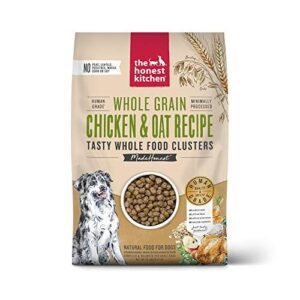
The Honest Kitchen’s Chicken & Oat formula shows you why grain benefits matter for picky eaters. This whole food recipe pairs real chicken nutrition with digestible oats and barley—ingredients that support pet digestion without triggering sensitivities common in grain-free diets.
The pellet form releases enticing aromas when rehydrated, making it work as a complete meal or flavor-boosting topper.
You’ll find balanced recipes here: human-grade ingredients, no fillers, and a limited ingredient approach that respects your dog’s stomach while delivering complete nutrition across all life stages.
| Best For | Dog owners with picky eaters or dogs with sensitive stomachs who want human-grade, whole food nutrition that works as either a complete meal or flavor-boosting topper. |
|---|---|
| Brand | The Honest Kitchen |
| Age Range | All Life Stages |
| Primary Flavor | Chicken & Oat |
| Form | Pellet |
| Made in USA | Yes |
| Weight | 20 Pounds |
| Additional Features |
|
- Human-grade chicken and whole grains (oats, barley) support healthy digestion without common grain-free diet issues
- Versatile pellet form rehydrates to release enticing aromas, making it effective for finicky dogs when used alone or mixed with kibble
- Complete nutrition for all life stages means one formula works for puppies, adults, and nursing mothers
- Higher price point compared to standard dog food options
- Bag design has resealing issues that make storage less convenient
- Some shipments arrive with broken pellets or excessive dust at the bottom of the bag
2. JustFoodForDogs Turkey Dog Food
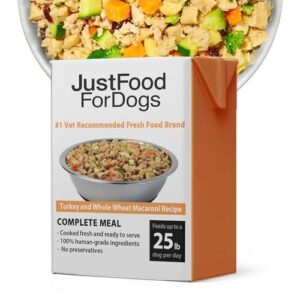
JustFoodForDogs Turkey & Whole Wheat Macaroni delivers the fresh ingredients and nutrient retention that picky eaters need most. You’re getting 100% human-grade dog food—gently cooked to preserve delicate vitamins while achieving 40% better digestibility than standard kibble.
Turkey nutrition shines here as a single-protein option that tackles dog food allergies without sacrificing palatability factors. The shelf-stable pate works as a complete meal or topper, and veterinary nutrition experts consistently recommend this brand for sensitive stomachs.
Real turkey liver, vegetables, and whole grains mean your finicky dog finally gets excited at mealtime.
| Best For | Dog owners with picky eaters or pets dealing with food sensitivities who want human-grade nutrition that’s easy to digest and actually gets their dog excited about meals. |
|---|---|
| Brand | JustFoodForDogs |
| Age Range | All Life Stages |
| Primary Flavor | Turkey & Whole Wheat Macaroni |
| Form | Pate |
| Made in USA | Yes |
| Weight | 12.5 Ounces |
| Additional Features |
|
- 40% more digestible than kibble with fresh, whole-food ingredients that improve coat shine and energy levels
- Works as both a complete meal and a topper, giving you flexibility for finicky eaters or gradual transitions
- Single-protein turkey formula that’s gentle on sensitive stomachs while meeting AAFCO standards
- Significantly more expensive than traditional kibble or canned options
- Some dogs experience digestive upset including diarrhea, so gradual introduction is critical
- Quality control issues reported by customers, including difficult packaging and occasional spoiled products
3. Just Food For Dogs Chicken Recipe
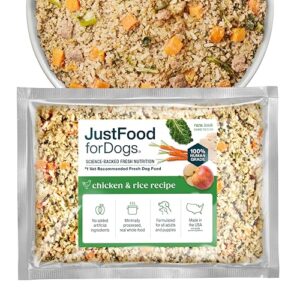
When your dog turns up their nose at dinner, you need more than generic kibble—you need JustFoodForDogs Chicken & Rice. This 100% USDA certified chicken recipe delivers exceptional pet palatability through gently cooked whole ingredients that preserve nutrient balance and support digestive health.
The pate format proves 40% more digestible than standard dog food, making it ideal for picky eaters with food allergies. Veterinary nutrition specialists consistently recommend this formula because chicken nutrition paired with real vegetables meets both pet nutrition requirements and finicky appetites in one bowl.
| Best For | Dog owners with picky eaters or pets who have sensitive stomachs and need highly digestible, human-grade food made from whole ingredients. |
|---|---|
| Brand | JustFoodForDogs |
| Age Range | All Life Stages |
| Primary Flavor | Chicken & Rice |
| Form | Pate |
| Made in USA | Yes |
| Weight | 7.88 Pounds |
| Additional Features |
|
- 40% more digestible than kibble with gentle cooking that preserves nutrients and supports better absorption
- Made with 100% USDA certified chicken and human-grade ingredients, offering quality you can actually see and trust
- Works for all life stages and can be used as a complete meal, topper, or training treat
- Higher price point that can add up quickly, especially if you’re feeding a larger dog
- Some customers report fulfillment and delivery problems that make it unreliable as a sole food source
- May cause digestive upset or diarrhea if introduced too quickly or fed in large amounts
4. High Protein Large Breed Dog Food
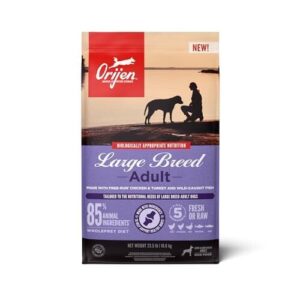
Your large breed companion needs serious muscle support, and ORIJEN Original delivers 85% quality animal ingredients—chicken, turkey, whole herring, and salmon—in a WholePrey formula that picky eaters actually crave.
This high protein dog food balances nutrient-rich organs with naturally occurring omega-3 fatty acids for joint health and digestive support through probiotics and fiber blends.
While it’s pricier than grain-free alternatives, veterinary nutritionists favor its complete protein sources and mineral ratios customized specifically for large breed adults who refuse ordinary kibble.
| Best For | Large breed adult dogs who are picky eaters and need high-quality animal protein to support muscle maintenance, joint health, and a shiny coat. |
|---|---|
| Brand | ORIJEN |
| Age Range | Adult |
| Primary Flavor | Large Breed Adult Recipe |
| Form | Dry Kibble |
| Made in USA | Yes |
| Weight | 23.5 Pounds |
| Additional Features |
|
- 85% quality animal ingredients with real chicken, turkey, herring, and salmon as primary protein sources
- WholePrey formula includes organs and naturally occurring omega-3s for joint and digestive support
- Specially balanced calcium and phosphorus ratios designed for large breed nutritional needs
- Significantly more expensive than standard large breed dog food options
- May cause digestive upset or diarrhea in dogs with sensitive stomachs during transition
- High protein and rich formula can be too intense for some dogs, requiring gradual introduction
5. Grass Fed Beef Dog Food

Open Farm’s pasture-raised formula gives your selective eater 27% animal protein from grass-fed beef—a sustainable sourcing choice that boosts palatability factors with natural beef flavor and aroma.
This grain-free recipe includes non-GMO vegetables and probiotics for digestive health, appealing to dogs who won’t touch conventional kibble.
While it’s not raw feeding, the ethically sourced beef nutrition mirrors whole-prey ratios that picky eaters instinctively prefer, making it worth the $61.99 investment for your finicky companion.
| Best For | Dog owners with picky eaters or dogs with food sensitivities who want ethically sourced, grain-free nutrition and don’t mind paying premium prices for traceable ingredients. |
|---|---|
| Brand | Open Farm |
| Age Range | All Life Stages |
| Primary Flavor | Grass-Fed Beef |
| Form | Pellet |
| Made in USA | Yes |
| Weight | 11 Pounds |
| Additional Features |
|
- High-quality grass-fed beef provides 27% protein with complete amino acids and natural flavors that appeal to selective eaters
- Grain-free formula with non-GMO vegetables and probiotics supports dogs with allergies or sensitive stomachs
- Transparent sourcing and sustainable practices give you full traceability on where your dog’s food comes from
- At $61.99 for 11 pounds, it’s significantly more expensive than most mainstream dog food brands
- Some dogs may reject the kibble size or texture, and expiration dates can arrive sooner than expected
- Requires a gradual 7-14 day transition period to avoid digestive upset, which means you’ll need to buy your old food alongside this one
6. Duck And Pear Dog Food
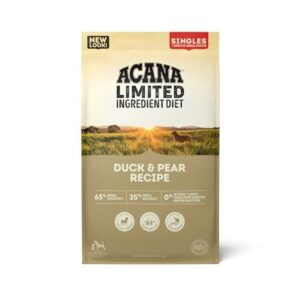
Looking for a novel protein that sidesteps poultry sensitivities? FirstMate’s duck and pear formula delivers 65% quality duck ingredients—duck, duck meal, and duck liver—alongside fiber-rich pears for digestive health support.
This grain-free, limited ingredient recipe simplifies tracking dietary responses in picky eaters, while the single animal protein reduces allergen exposure.
At 22.5 pounds for around $70, you’re investing in natural aroma enhancers and whole-food nutrition that meets AAFCO guidelines without synthetic additives—perfect when your dog refuses everything else.
| Best For | Dogs with poultry sensitivities or picky appetites who need a limited-ingredient, grain-free option that supports digestive and skin health. |
|---|---|
| Brand | Ziwi Peak |
| Age Range | All Life Stages |
| Primary Flavor | Duck & Pear |
| Form | Dry Kibble |
| Made in USA | Yes |
| Weight | 22.5 Pounds |
| Additional Features |
|
- 65% duck ingredients provide a single, novel protein source that reduces allergen exposure and works well for dogs with food sensitivities
- Fiber-rich blend of pears, sweet potatoes, and pumpkin supports healthy digestion and stool quality
- Made in the USA with natural ingredients and no synthetic additives, meeting AAFCO guidelines for all life stages
- Expensive at around $70 for 22.5 pounds compared to other dog food options
- Some dogs may experience digestive upset or diarrhea during the transition period
- Not all dogs find the taste or smell appealing, which can be an issue for extremely picky eaters
7. High Protein Dog Food Topper
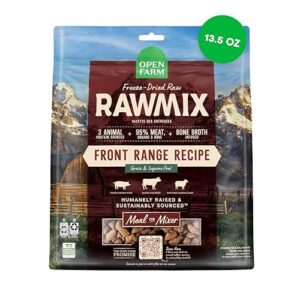
When your dog turns up their nose at kibble alone, Open Farm’s gently freeze-dried topper transforms mealtime with 95% real meat, organs, and bones infused with bone broth.
This Front Range Recipe blends beef, pork, lamb, and non-GMO superfoods to boost protein and palatability without grain-heavy fillers—ideal for raw feeding enthusiasts or dogs needing nutrient boosters.
At $37.20 for 13.5 ounces, it’s pricey, but many picky eaters finally clean their bowls when you sprinkle these high-protein morsels over their regular food.
| Best For | Dog owners with picky eaters or those wanting to add raw nutrition and high protein to their dog’s regular kibble without switching foods entirely. |
|---|---|
| Brand | Open Farm |
| Age Range | All Life Stages |
| Primary Flavor | Front Range Recipe |
| Form | Freeze-dried Raw |
| Made in USA | Yes |
| Weight | 13.5 Ounces |
| Additional Features |
|
- Made with 95% real meat, organs, and bones plus bone broth for maximum nutrition and flavor
- Works for all life stages and can help even stubborn dogs get excited about mealtime
- Traceable ingredients with non-GMO fruits and veggies, supporting both animal welfare and digestive health
- Expensive at $37.20 for just 13.5 ounces, making it a pricey daily habit
- Some dogs experience digestive issues like loose stool or simply refuse to eat it
- May require careful portion control since overfeeding can trigger gastrointestinal problems
8. Hill’s Sensitive Stomach Dog Food
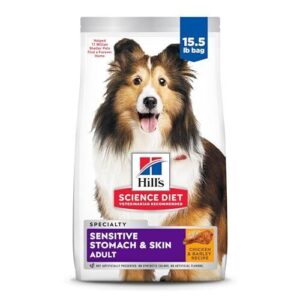
For dogs battling sensitive stomachs and picky palates, Hill’s Science Diet Sensitive Stomach & Skin formula delivers clinical precision in every bite. You’ll find 20–22% crude protein paired with prebiotic fiber that fuels beneficial gut bacteria—essential for pet digestion and canine health.
The chicken-based kibble uses brewers rice for easy breakdown, while omega-6 fatty acids support skin issues often linked to food allergies.
Veterinarians widely recommend this mid-priced option because feeding studies confirm improved stool quality, and many finicky dogs accept the small, easy-to-chew pieces when digestive comfort matters most.
| Best For | Dogs with sensitive stomachs or skin issues who need highly digestible ingredients and prebiotic support to improve stool quality and coat health. |
|---|---|
| Brand | Hill’s Science Diet |
| Age Range | Adult 1-6 |
| Primary Flavor | Chicken |
| Form | Dry Food |
| Made in USA | Yes |
| Weight | 15.5 Pounds |
| Additional Features |
|
- Veterinarian-recommended formula with prebiotic fiber that supports gut bacteria and firmer stools
- Omega-6 fatty acids and vitamin E help dogs with skin sensitivities maintain a healthy, shiny coat
- Small kibble size and consistent texture make it easier for picky eaters to accept
- Some dogs may still refuse the food despite its palatability features
- Results can be mixed—not all dogs see complete resolution of stomach or skin problems
- Higher price point compared to standard dog foods may strain some budgets
9. Hill’s Natural Dog Training Treats
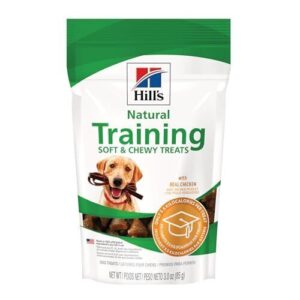
When training sessions demand constant reinforcement, Hill’s Natural Dog Training Treats deliver veterinary recommendations backed by real chicken and whole-grain oats—no artificial flavors to trigger sensitive stomachs. Each low-calorie morsel (under 3 calories) keeps your picky eater engaged without derailing pet nutrition advice on weight management.
The palatability factors shine during repetition, and you can crumble these healthy additions over dog food for finicky dogs. Just reseal quickly; natural ingredients dry fast once exposed to air.
| Best For | Dog owners who need reliable, low-calorie training rewards for frequent reinforcement sessions, especially those managing weight-conscious or food-sensitive pets. |
|---|---|
| Brand | Hill’s |
| Age Range | All Life Stages |
| Primary Flavor | Chicken |
| Form | Treats |
| Made in USA | Yes |
| Weight | 3 Ounces |
| Additional Features |
|
- Made with real chicken and natural ingredients without artificial flavors or preservatives, making them safe for dogs with dietary sensitivities
- Each treat contains under 3 calories, perfect for training sessions that require multiple rewards without impacting weight management
- Veterinarian recommended and highly palatable, keeping dogs motivated during repetitive training exercises
- Treats can dry out quickly once the bag is opened if not resealed properly due to natural ingredients
- Some users report the texture is harder than expected, which may slow down fast-paced training sessions
- Small 3-ounce bag size comes at a premium price compared to other training treat options
Best Dog Food Formats for Finicky Dogs
The format you choose can make or break your picky eater’s interest in mealtime. Some dogs won’t touch dry kibble but devour wet food, while others prefer the satisfying crunch of air-dried options.
Let’s look at the most effective formats that consistently win over finicky dogs.
Wet Vs. Dry Vs. Fresh Food Options

When choosing the right dog food for picky eaters, you’ll find three main formats. Wet dog foods deliver 70-90% moisture content and enhanced palatability factors, making them ideal for finicky dogs who crave aroma and soft food texture.
Dry kibble offers convenience and longer shelf life but lower moisture.
Fresh options optimize nutrient retention with minimal processing, though they’re pricier and require careful handling.
Air Dried and Oven Baked Choices

Air-dried foods and oven-baked options provide concentrated flavor profiles that entice picky eaters with jerky-like textures and enhanced palatability factors. These formats often feature grain-free or single-protein formulas, recommended by Dog Food Advisor for their digestibility.
Rehydration methods can adjust texture to match your dog’s texture preferences, while maintaining excellent nutritional balance compared to heavily processed kibbles. Most require no refrigeration before opening.
Bone Broth Coated Kibbles

Bone broth coating transforms ordinary kibble into a savory experience your picky eater won’t refuse. This moisture-rich enhancement boosts palatability factors through concentrated aroma and flavor, though regulatory oversight of exact formulations varies across pet food reviews.
Consider these coating benefits before choosing:
- Enhanced appetite appeal through natural savory scents
- Nutrient retention from gentle processing methods
- Digestive support for sensitive stomachs
- Shelf stability with proper storage practices
- Grain-free compatibility in many formulas
Dog Food Advisor recommends checking ingredient lists for bone broth confirmation. You’ll want gradual introduction if your dog shows food sensitivities.
Matching Dog Food to Dietary Needs

Your picky eater’s dietary needs matter just as much as their taste preferences. Some dogs thrive on single-protein recipes, while others need grain-free options or formulas designed for sensitive digestion.
Here’s how to match your dog’s specific nutritional requirements with foods they’ll actually eat.
Protein Variety (Beef, Chicken, Turkey, Salmon)
Your picky eater needs the right protein to thrive. Beef delivers high biological value amino acids with strong palatability, while chicken offers excellent digestibility and moderate fat content. Turkey provides lean nutrition for fat-sensitive dogs, and salmon brings EPA and DHA omega-3s that support skin and coat health.
Single-protein formulas let you identify which animal protein your dog prefers, making mealtime predictable and stress-free.
Grain-Free, No Corn/Wheat/Soy Options
Many grain-free diets exclude corn, wheat, and soy to reduce allergen exposure in picky eaters. Limited ingredient formulas with novel protein sources like salmon or turkey minimize potential irritants while boosting palatability factors through natural broths and meat-first recipes.
These grain-free benefits include improved acceptance and better digestive comfort. If your dog shows signs of food sensitivity, grain-free dog food ingredients offer a targeted solution worth exploring.
Sensitive Stomach and Digestive Health Diets
If your dog has sensitive stomachs alongside picky eater tendencies, veterinary-recommended digestive health diets emphasize inflammation reduction through moderate fat (8–15% dry matter). Look for dog food ingredients with probiotic benefits, digestive enzymes, and single-source proteins to support gut health.
Hydrolyzed protein formulas minimize food sensitivities, while prebiotic fibers balance the microbiome—making grain-free or limited-ingredient options ideal for comfort and acceptance.
Single-Protein and Limited Ingredient Diets
Single-source protein formulas tackle both food sensitivities and finicky appetites by reducing novel-scent overwhelm. Studies confirm limited ingredient diets with turkey, lamb, venison, or salmon help dogs accept meals more readily while minimizing allergen exposure. Before switching, consult your veterinarian to verify nutritional balance.
Key benefits include:
- Hypoallergenic diets replace corn, wheat, and soy with simpler starches
- Novel proteins like duck or bison spark interest in picky eaters
- GrainFree options support digestive comfort and ingredient transparency
Feeding Tips for Picky Eaters

Even the best dog food won’t help if your feeding approach works against your picky eater’s natural instincts. Small changes to how and when you serve meals can make a surprising difference in your dog’s willingness to eat.
Here are four practical strategies that work consistently with selective eaters.
Gradual Transition to New Foods
Switching your dog’s diet too fast can backfire—upset stomachs often make picky eater solutions even harder. Start with a 75% current food, 25% new food ratio for three to seven days. Gradually shift to 50/50, then 25/75 over the following weeks.
This slow approach helps manage food sensitivities and improves palatability factors. Monitor stool quality and appetite daily throughout your dietary adjustments.
Using Toppers and Mixers for Flavor
Flavor enhancement transforms mealtimes when your finicky friend refuses to eat. Toppers deliver aroma boosters and palatability factors that most picky eaters can’t resist—especially when combined with wet dog foods.
Effective Mixer Strategies:
- Warm bone broth or meat liquids to release stronger aromas that stimulate appetite immediately.
- Choose freeze-dried single-protein toppers for nutrient preservation while identifying tolerated flavors.
- Start with low-calorie options to avoid unintended weight gain during picky eater solutions.
- Monitor stool consistency after introducing new mixers to confirm mixer compatibility and digestive tolerance.
Portion Control and Scheduled Feeding
Consistent meal timing regulates your dog’s hunger cues and prevents mealtime anxiety. Most veterinary-recommended feeding schedules call for twice-daily portions spaced 8–12 hours apart, supporting steady caloric intake without overfeeding.
Use measuring tools to verify portion sizes match your picky eater’s energy needs—treats count toward daily totals.
Feeding routines build predictability, making mealtimes less stressful for finicky dogs while helping you monitor appetite shifts that signal health changes.
Enhancing Aroma and Texture
Warming your dog’s food to room temperature releases aromatic compounds that stimulate appetite—slightly heated meals boost palatability factors more effectively than cold portions.
Texture modifiers like broth coatings or freeze-dried toppers add moisture levels that appeal to picky eaters, especially those with sensitive stomachs on grain-free diets.
These simple adjustments improve flavor profiles without changing your dog food formula.
When to Seek Veterinary Advice

Not every picky eater is just being stubborn—sometimes refusing food signals a deeper health problem that needs professional attention. Your vet can identify underlying medical issues, recommend prescription diets for sensitive stomachs, and help you track whether your dog’s getting proper nutrition.
Here’s when it’s time to schedule that appointment.
Signs of Health Issues in Picky Eaters
If your dog suddenly refuses meals they once loved, something deeper may be at play. Vomiting causes, food allergies in dogs, and digestive issues often masquerade as picky eaters. Watch for health complications like lethargy, weight loss, or nutrient deficiencies.
Sensitive stomachs can trigger repeated begging without weight gain. Veterinary recommended evaluations help distinguish true behavioral issues from underlying dog health problems requiring medical intervention.
Prescription Diets for Sensitive Dogs
When standard foods fail sensitive stomachs, veterinary-recommended prescription diets step in. These formulas target food allergies in dogs and digestive health issues with novel proteins and limited ingredients.
Your vet will guide you toward highly digestible options customized for picky eaters with sensitive stomachs. Shift gradually over 7–14 days, and schedule regular check-ins to monitor tolerance and nutritional response.
Monitoring Weight and Nutritional Balance
Track your picky eater’s weight weekly for 4–8 weeks using a digital scale, aiming for stability within 1–2% per week.
Keep feeding records that log caloric intake, body scoring (ideal range: 4–5 on a 9-point scale), and any changes in nutrient-dense recipes or grain-free diets.
If weight shifts beyond targets or appetite drops despite balanced dog food, contact your vet to safeguard dog wellness.
Frequently Asked Questions (FAQs)
Are dogs picky eaters?
Yes, around 40 to 50 percent of dogs show selective eating at some point. Puppies and senior dogs are more prone to fussy feeding habits than healthy adults.
What are the best tasting dog foods for picky eaters?
Even skeptics discover that commercial formulas with real meat listed first, combined with high moisture content and warming to boost aroma, consistently drive acceptance in picky eaters through excellent palatability factors.
What are the best dog food brands for picky eaters?
Hill’s Science Diet, JustFoodForDogs, Orijen, and Blue Buffalo Basics lead in palatability and nutrient balance.
Their limited-ingredient, high-protein formulas with appealing flavor profiles address picky eaters’ needs while supporting ideal pet nutrition and digestive health.
What can dogs eat if they are picky?
Most picky dogs thrive on highly palatable, single-protein wet foods or fresh recipes with clear ingredient lists. Warming meals slightly or adding low-sodium broth enhances aroma and encourages eating consistently.
What dog food do picky eaters like best?
Most picky eaters prefer wet or fresh foods with high-quality animal proteins like chicken, turkey, or salmon.
Moisture-rich formats, natural aroma enhancers, and limited ingredient formulas consistently improve acceptance rates in finicky dogs.
What do you feed a picky eater dog?
You’ll want a complete, balanced formula with strong aroma and varied texture. Options include moisture-rich wet diets, gently cooked fresh meals, or high-palatability dry kibble enhanced with flavorful toppers to support nutrient balance.
What’s the best food for a fussy dog?
Your fussy dog thrives on wet or semi-moist options with higher fat content and novel proteins, paired with gradual transitions.
Limited ingredients and consistent routines reduce selective behaviors while supporting nutrient balance and digestive health.
What dog food do dogs love the most?
Most dogs prefer wet foods with strong meat-based flavor profiles—chicken, beef, or turkey. Palatability depends on aroma, temperature, and texture. Warming food releases enticing scents that boost acceptance, especially for picky eaters.
How can I identify my dogs taste preferences?
About 60% of owners misjudge their dog’s true taste preferences.
Run structured food trials—changing one protein at a time—and log feeding observations like aroma preferences and palatability cues to decode what your picky eater actually craves.
What role does age play in dog food selection?
Age shapes your dog’s nutritional requirements dramatically. Puppies need energy-dense puppy nutrition for growth, adults require maintenance formulas, and senior diets address reduced metabolism.
Each life stage feeding approach directly influences canine development and overall health.
Conclusion
The next time your dog circles his bowl with suspicion, you’ll know exactly what to reach for. Switching to the right dog food brands for picky eaters isn’t about indulging bad behavior—it’s about meeting legitimate nutritional and sensory needs.
Whether you choose fresh options, moisture-rich formulas, or high-protein toppers, you’re giving your selective eater what his biology craves. That empty bowl? It’s closer than you think.