
This site is supported by our readers. We may earn a commission, at no cost to you, if you purchase through links.

A five-pound Chihuahua burns through calories almost twice as fast, pound for pound, as a Labrador. That faster metabolism means small breeds need denser nutrition packed into tiny kibble, not a scaled-down version of large-breed food.
Get the ratios wrong and you’ll see it fast: dull coats, picky eating, or weight creeping on despite small portions. Your dog’s mouth, gut, and energy needs work differently than a big dog’s, so the best food for small dog breeds has to match that biology, not just the bag size.
I’ve spent years reading feeding trials and ingredient panels so you don’t have to. Here’s what actually holds up under scrutiny, and what’s mostly clever packaging.
Table Of Contents
- Key Takeaways
- Top 10 Small Breed Dog Foods
- 1. Cesar Small Breed Beef Dry Dog Food
- 2. Hills Multi Benefit Prescription Dog Food
- 3. Royal Canin X Small Puppy Food
- 4. Blue Buffalo Small Breed Chicken
- 5. Nutro Small Breed Chicken Dry
- 6. Natures Recipe Grain Free Small Breed
- 7. Taste of the Wild Venison Dog Food
- 8. Purina One Small Bites Beef Dog Food
- 9. Wellness Core Small Breed Food
- 10. Purina Pro Plan Small Breed Shredded Chicken
- Small Dog Nutrition Needs
- How to Choose Small Breed Food
- Ingredients Worth Checking
- Feeding Small Breeds Safely
- Frequently Asked Questions (FAQs)
- What is the healthiest food to feed a small dog?
- What kind of dog food is best for small breeds?
- What is the best dog food for pancreatitis?
- What is the best dog food for congestive heart failure?
- What’s the best food to feed a small dog?
- Is dry food better for small dogs?
- What is a balanced diet for a small dog?
- How often should I feed my small breed dog?
- How much exercise is enough for a small breed dog?
- What are the signs of hypoglycemia in small breed puppies?
- Conclusion
Key Takeaways
- Small dogs burn nearly twice the calories per pound of large breeds, so they need calorie-dense food (35-40 kcal/lb daily) rather than a scaled‑down version of large‑breed kibble.
- Look for named animal proteins (like chicken or beef) listed first, small kibble, sized 6–10 mm for tiny jaws, and AAFCO "complete and balanced" verification on the label.
- Watch out for artificial preservatives (BHA, BHT, TBHQ) and dyes, and know that grain‑free formulas carry a risk of taurine deficiency linked to heart disease (DCM) unless medically necessary.
- Feed small breeds two to three measured meals a day, transition foods gradually over 7–10 days, and check your dog’s body condition regularly since even a few extra kibbles can add real weight over time.
Top 10 Small Breed Dog Foods
Small dogs need more than a shrunk-down version of regular dog food. They burn calories fast and need kibble sized right for tiny mouths. Here are ten formulas that get the balance right, starting with a budget-friendly favorite.
If you’ve got a Maltipoo at home, this guide on choosing the best dog food for Maltipoos breaks down exactly what to look for in a small-breed formula.
1. Cesar Small Breed Beef Dry Dog Food
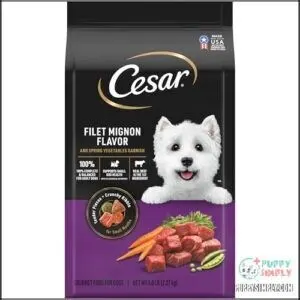
If your dog is a picky eater, this one’s worth a look. Real beef leads the ingredient list, and the kibble’s sized for small mouths.
Nutritionally, it sits at 26% protein, 12-13% fat — adequate, not excellent. My concern: it uses BHA and artificial dyes (Red 40, Yellow 5/6), preservatives linked to health risks in some studies.
It’s affordable and palatable. Just know you’re trading some ingredient quality for that lower price tag.
| Best For | Owners of adult small-breed dogs, especially picky eaters, who want an affordable, palatable food with real beef as the first ingredient. |
|---|---|
| First Ingredient | Real beef |
| Kibble Size | Bite-sized small kibble |
| Bag Weight | 5 lb |
| Target Breed Size | Small breed adult |
| Digestive Support | Firm stools support |
| Skin & Coat | Shiny coat support |
| Additional Features |
|
- Real beef is the number one ingredient, with no artificial flavors or high-fructose corn syrup
- Bite-sized pieces and crunchy kibble are easy for small mouths to chew while helping reduce plaque buildup
- Delivers a complete, balanced diet with 26 essential nutrients, and is gentle on sensitive stomachs
- Contains preservatives like BHA along with artificial dyes (Red 40, Yellow 5/6, Blue 2) that some owners prefer to avoid
- Only offered in one flavor, and the 5 lb bag isn’t resealable, which can affect freshness once opened
- Costs more per unit than many generic small-breed formulas
2. Hills Multi Benefit Prescription Dog Food
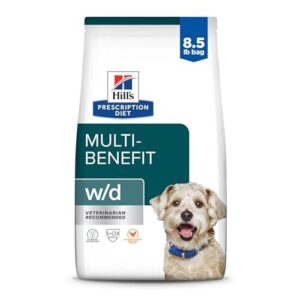
On the opposite end of the spectrum sits this one: a prescription-only formula for dogs already facing weight or metabolic issues.
It targets four things at once — weight, glucose, urinary health, digestion — using elevated L-carnitine to burn fat while preserving lean muscle. Soluble and insoluble fiber keep stool quality steady and appetite in check.
You’ll need vet sign-off to buy it, and it costs more. Worth it if your dog’s condition calls for it. Not a casual swap.
| Best For | Dogs with diagnosed weight, blood sugar, urinary, or digestive issues that need a vet-directed nutrition plan. |
|---|---|
| First Ingredient | Chicken (formula) |
| Kibble Size | Standard dry kibble |
| Bag Weight | 8.5 lb |
| Target Breed Size | Adult (vet-directed) |
| Digestive Support | Digestive management fiber |
| Skin & Coat | Not emphasized |
| Additional Features |
|
- Tackles four health concerns at once — weight, glucose, urinary health, and digestion
- Elevated L-carnitine helps burn fat while preserving lean muscle
- Fiber blend supports steady digestion and consistent stool quality
- Requires veterinary approval before you can buy it
- Pricier than standard, non-prescription dog food
- Contains wheat, corn, and soy, which could bother dogs with food sensitivities
3. Royal Canin X Small Puppy Food
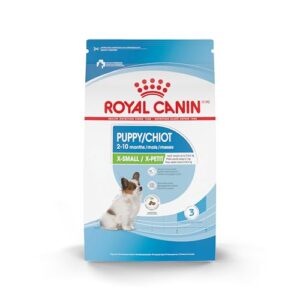
Royal Canin X Small Puppy goes tinier than most: built for adult weights under 4 kg, so think Chihuahuas and Yorkies, not just "small."
The kibble is genuinely miniature, shaped for tiny jaws that can’t handle standard puppy bites. DHA from algae helps brain development, while FOS, MOS, and beet pulp feed healthy gut bacteria.
Yucca schidigera helps with stool odor, a small but appreciated detail. It’s AAFCO-verified for growth, priced at a premium.
| Best For | Owners of tiny-breed puppies (adult weight under 8 lb) who want a formula supporting brain development and digestive health during rapid puppy growth. |
|---|---|
| First Ingredient | Chicken by-product meal |
| Kibble Size | Small puppy kibble |
| Bag Weight | 3 lb |
| Target Breed Size | Small-breed puppy ≤8 lb |
| Digestive Support | Prebiotics for digestion |
| Skin & Coat | Not emphasized |
| Additional Features |
|
- Contains DHA and omega-3s to support healthy brain development
- Prebiotics and highly digestible proteins promote good digestion and regularity
- Antioxidants like vitamins E and C help support a growing immune system
- Contains corn, wheat, and chicken by-product meal, which could be an issue for dogs with sensitivities
- Only comes in a 3 lb bag, so multi-puppy households may need to restock often
- Not suitable for adult dogs or breeds expected to weigh more than 8 lb
4. Blue Buffalo Small Breed Chicken
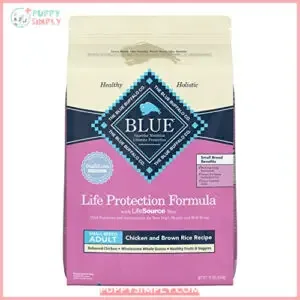
Once puppies graduate to adulthood, Blue Buffalo’s small breed chicken formula picks up where growth diets leave off.
Deboned chicken leads the ingredient list, backed by chicken meal for added protein density without bulking up the bag. Brown rice and oatmeal supply digestible energy, while fish oil covers your dog’s omega needs.
Kibble stays small and crunchy, built for compact jaws. It’s AAFCO-approved for maintenance, though the grain content rules it out for dogs needing grain-free diets.
| Best For | Adult small-breed dogs up to 20 lb who need lean muscle support, immune-boosting nutrition, and joint care in one everyday kibble. |
|---|---|
| First Ingredient | Real chicken |
| Kibble Size | Small-breed kibble |
| Bag Weight | 15 lb |
| Target Breed Size | Small breed up to 20 lb |
| Digestive Support | Prebiotic fiber |
| Skin & Coat | Omega-3/6 coat support |
| Additional Features |
|
- Real chicken as the first ingredient, plus antioxidant-rich LifeSource Bits for immune support
- Added Omega-3/6 fatty acids and glucosamine promote healthy skin, coat, and joints
- Prebiotic fiber from chicory root and beet pulp supports gentle, consistent digestion
- Pricier than many mainstream dry dog foods
- Contains grains (brown rice, barley, oatmeal), so it’s not an option for grain-free diets
- Some dogs may still react to chicken-based ingredients despite the "real chicken" label
5. Nutro Small Breed Chicken Dry
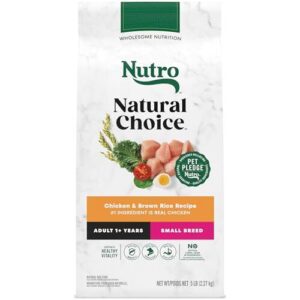
Chicken tops the ingredient list here, and that’s not marketing fluff—it’s a real animal protein dogs digest efficiently. Chicken meal backs it up, concentrating amino acids into a small kibble sized right for tiny jaws.
Beyond protein, essential nutrients missing from many dog diets like fatty acids and probiotics round out the formula, keeping digestion smooth and nutrient absorption on track.
Barley, brown rice, and oatmeal round out the carbs. No corn, wheat, soy, or by-product meal. Skip it if your dog needs grain-free, since barley and oatmeal stay on the menu here.
| Best For | small-breed adult dogs whose owners want an affordable, chicken-first kibble with grain-based nutrition and dental-friendly crunch. |
|---|---|
| First Ingredient | Real chicken |
| Kibble Size | Small kibble |
| Bag Weight | 5 lb |
| Target Breed Size | Small breed adult |
| Digestive Support | Digestion support |
| Skin & Coat | Healthy skin/coat |
| Additional Features |
|
- Real chicken is the first ingredient, backed by chicken meal for concentrated protein
- Small kibble size and crunchy texture make it easy to chew and support dental health
- Non-GMO with no corn, wheat, soy, or chicken by-product meal
- Contains grains like barley, brown rice, and oatmeal, so it’s not suitable for dogs needing a grain-free diet
- Possible trace allergen cross-contact from the manufacturing environment
- Some users have reported the resealable bag closure failing
6. Natures Recipe Grain Free Small Breed
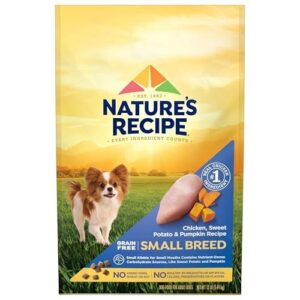
If grain sensitivity is your dog’s issue, this one’s built for it. Real chicken leads the ingredient list, backed by chicken meal for concentrated protein.
Sweet potato and pumpkin replace grains entirely, offering digestible fiber without the corn, wheat, or soy. Taurine helps heart health, while omega fatty acids keep skin and coat in good shape.
One catch: chicken meal, peas, and canola meal still appear, so allergy-prone dogs need label checks first.
| Best For | Small-breed dogs (including seniors) with grain sensitivities or picky appetites who need a real-chicken-first recipe. |
|---|---|
| First Ingredient | Real chicken |
| Kibble Size | Reduced kibble size |
| Bag Weight | 12 lb |
| Target Breed Size | Small breed all life stages |
| Digestive Support | Fiber for digestion |
| Skin & Coat | Not emphasized |
| Additional Features |
|
- Real chicken as the first ingredient, plus chicken meal for extra protein
- Grain-free with sweet potato and pumpkin for easy-to-digest carbs
- No artificial flavors, colors, or preservatives, supporting digestion and immune health
- Pricier than entry-level dry dog foods
- Can be harder to find in physical stores, often requiring online purchase
- Contains chicken meal, peas, and canola meal, which may trigger allergies in sensitive dogs
7. Taste of the Wild Venison Dog Food
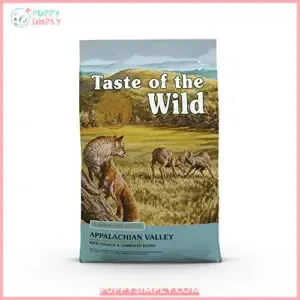
When your dog needs something different from chicken or beef, pasture-raised venison leads this formula as the first ingredient. It’s a novel protein, easier to digest for dogs with sensitivities.
Species-specific probiotics, added after cooking, support gut health. Chicory root supplies prebiotic fiber. Fish oils bring omega fatty acids for skin and coat.
One caveat: peas and lentils appear too, so dogs with legume sensitivities should check labels first.
| Best For | small-breed dogs, especially active pups or those with sensitive stomachs who need a grain-free, novel-protein diet. |
|---|---|
| First Ingredient | Real venison |
| Kibble Size | Small-size kibble |
| Bag Weight | 14 lb |
| Target Breed Size | Small breed adult |
| Digestive Support | Probiotics for digestion |
| Skin & Coat | Omega fatty acids coat |
| Additional Features |
|
- Real venison as the first ingredient supports muscle, bone, and joint health while being gentle on sensitive digestion
- K9-specific probiotics and prebiotic fiber aid digestion and help reduce stool odor
- Small kibble size and omega fatty acids support easy chewing plus healthy skin and coat
- Contains garbanzo beans, peas, and lentils, which may cause gas or upset in legume-sensitive dogs
- Higher protein and fat content may not suit low-activity or overweight dogs
- Priced at a premium compared to standard grain-based dry foods
8. Purina One Small Bites Beef Dog Food
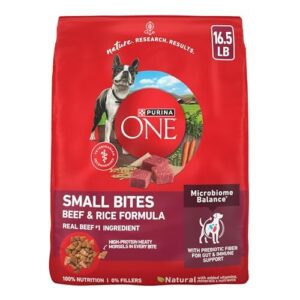
Real beef leads the ingredient list here, giving your small dog quality muscle-building protein without leaning on vague "meat" fillers. The kibble stays small and easy to chew, which matters for tiny jaws.
Prebiotic fiber helps digestion, while glucosamine helps joints stay flexible. Omega-6 fatty acids keep skin and coat healthy too.
One catch: it contains corn, soy, and wheat, plus chicken by-product meal. Dogs with grain sensitivities may need a different formula.
| Best For | small-breed adult dogs who need easy-to-chew kibble along with support for muscle, digestion, and joint health. |
|---|---|
| First Ingredient | Real beef |
| Kibble Size | Small kibble bites |
| Bag Weight | 16.5 lb |
| Target Breed Size | Small breed adult |
| Digestive Support | Prebiotic fiber |
| Skin & Coat | Omega-6 glossy coat |
| Additional Features |
|
- Real beef as the first ingredient for quality protein
- Prebiotic fiber and glucosamine support digestion and joint flexibility
- Small kibble size makes chewing easier for tiny mouths
- Contains corn, soy, and wheat, which may bother sensitive dogs
- Includes chicken by-product meal rather than being 100% meat
- Not a grain-free option, so it won’t suit every dietary preference
9. Wellness Core Small Breed Food
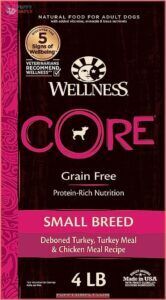
Deboned turkey tops the list here, with turkey meal and chicken meal backing it up for a 47% protein punch on a dry matter basis.
Chicory root adds soluble fiber, while probiotics keep digestion steady. Glucosamine and chondroitin support joints, and taurine backs heart function.
Smaller kibble helps with portion control and slower eating—no gulping, less bloat risk. No artificial colors, no preservatives. Just clean, purposeful nutrition built around your dog’s actual size.
| Best For | small-breed adult dogs who need a grain-free diet, joint support, and portion-controlled kibble sized for their smaller mouths. |
|---|---|
| First Ingredient | Turkey/chicken |
| Kibble Size | Small kibble |
| Bag Weight | 4 lb |
| Target Breed Size | Small breed adult |
| Digestive Support | Probiotics and fiber |
| Skin & Coat | Omega fatty acids coat |
| Additional Features |
|
- 47% high-quality protein from turkey and chicken supports lean muscle without any corn, wheat, or soy fillers
- Glucosamine, chondroitin, and omega fatty acids work together to support joints, skin, and coat health
- Small kibble size and added probiotics make portion control and digestion easier for smaller dogs
- Contains chicken meal, so it’s not suitable for dogs with poultry allergies
- Costs more than standard mass-market dog foods
- Made in a facility that also processes grains, which could be a concern for dogs with severe sensitivities
10. Purina Pro Plan Small Breed Shredded Chicken
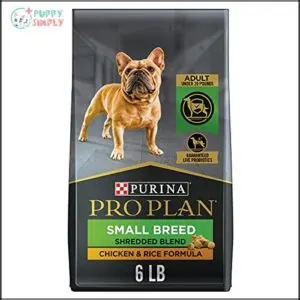
Chicken, listed first on the label, anchors this formula at roughly 29% crude protein. That’s leaner than some competitors, but paired with 17% fat, it still meets AAFCO’s complete and balanced standard for adult small breeds.
The shredded texture mixed with kibble adds variety dogs seem to enjoy. Guaranteed live probiotics plus prebiotic fiber support digestion, while rice and beet pulp aid palatability. Watch for corn, wheat, and poultry by-product meal if your dog has known sensitivities.
| Best For | Adult small-breed dogs up to 20 lb who need a protein-rich diet with digestive support and enjoy a mixed kibble-and-shredded texture. |
|---|---|
| First Ingredient | Real chicken |
| Kibble Size | Bite-size kibble |
| Bag Weight | 6 lb |
| Target Breed Size | Small breed up to 20 lb |
| Digestive Support | Probiotics and fiber |
| Skin & Coat | Omega-6 skin support |
| Additional Features |
|
- Real chicken as the first ingredient delivers solid protein (about 29%) to help maintain muscle mass
- Guaranteed live probiotics and prebiotic fiber support healthy digestion and immune function
- Shredded pieces mixed with kibble add texture variety that many dogs find appealing
- Contains corn, wheat, soy, and poultry by-product meal, which may not sit well with sensitive dogs
- Protein level is on the leaner side compared to some competing formulas
- Not appropriate for puppies, large breeds, or dogs over 20 lb
Small Dog Nutrition Needs

Small dogs aren’t just little versions of big dogs. Their bodies burn energy differently, and that changes what you should look for on a label. Here’s what actually matters when you’re checking if a food fits your dog’s needs.
Calories Per Pound
Ounce for ounce, a small dog burns more fuel than a Great Dane ever will. Small breeds need 35-40 kcal per pound daily, versus just 20-30 for large ones.
That’s simple math: a 5kg pup needs roughly 220 kcal a day. Faster metabolic rates in tiny bodies mean calorie-dense food matters more than volume ever could.
Protein for Lean Muscle
Calories tell you how much to feed. Protein tells you what that food should actually do once it’s in your dog’s body.
Small dogs need 2.0 to 3.0 grams of protein per kilogram daily for lean muscle. High-quality animal protein delivers complete amino acid profiles for real muscle protein synthesis, not just calorie filler. Split meals across the day for steady amino acid delivery.
Healthy Fat Levels
Fat matters as much as protein, but in smaller doses. Look for 8-15% crude fat in adult formulas, aiming for a fat-to-protein ratio under 60%.
- Omega-3s support a shiny coat and joint comfort
- Fish oil sources bring real fatty acid benefits
- Unsaturated fats beat energy-dense fillers that pack on weight
Too much fat, even "healthy" fat, still means extra calories.
Puppy Versus Adult Needs
Puppy growth nutrition looks nothing like adult maintenance. Growth spurts push energy needs to 2-2.5x maintenance levels.
A balanced calcium‑phosphorus ratio is essential to prevent growth‑related skeletal issues.
| Life Stage | Key Difference |
|---|---|
| Puppy | 22-28% protein, higher calcium |
| Adult | 18-25% protein, stable minerals |
| Both | Omega-3s for brain, joint support |
Mineral balance matters too—excess calcium risks skeletal problems. Shift gradually over 7-10 days when maturity hits.
Senior Small Dog Needs
Once your dog hits her senior years, her engine idles slower. Energy needs drop 15-20%, so yesterday’s portion becomes today’s weight gain.
Lean muscle still needs quality protein, easily digested. Add omega-3s for joints and brain, plus vitamins C and E for immune support.
Smart senior formulas combine gut-friendly fiber with controlled minerals, protecting kidneys while keeping her sharp, comfortable, and genuinely herself.
How to Choose Small Breed Food
Picking a food isn’t about grabbing the prettiest bag on the shelf. You need a way to sort real nutrition from clever marketing. Here are the five things worth checking before your dog’s bowl gets filled.
AAFCO Complete and Balanced

Three little words, huge nutritional weight: complete and balanced. AAFCO sets minimum protein, fat, and mineral limits for each life stage, then verifies compliance two ways:
- Formulated to meet nutrient profiles
- Feeding trials with live animals
- Guaranteed analysis on the label
- Life stage statement near it
Feeding trials prove real-world results. Formulated diets meet math on paper. Both count—check the statement yourself.
Small Kibble Size

Size matters more than owners think. A 6-10mm diameter kibble fits a small jaw without forcing your dog to gnaw or gulp. That range aids choking prevention, dental plaque reduction, and digestion speed all at once.
| Kibble Trait | Function | Benefit |
|---|---|---|
| Small size | Smallmouth kibble design | Choking prevention |
| Pitted texture | Grip during pickup | Portion accuracy |
| Firm crunch | Dental plaque reduction | Texture variety |
Quality Protein Sources

Not all protein sources are created equal. What matters is amino acid profile and digestibility, not just the percentage on the bag.
Animal proteins like chicken, fish, and eggs deliver complete amino acid profiles naturally. Plant proteins often fall short unless combined thoughtfully.
Check for DIAAS scoring when available. Scores above 0.8 signal high bioavailability, meaning your dog actually absorbs what’s on the label.
Digestibility and Probiotics

Here’s a gut check: not every "probiotic" label means much. Look for specific strain IDs, like Lactobacillus acidophilus, not vague genus names.
Real strains survive digestion and produce short-chain fatty acids, boosting nutrient absorption and protein digestibility. That’s genuine microbiome support.
Dosing safety matters too. Ask your vet which strains suit your small dog’s gut health before switching foods.
Wet, Dry, or Fresh

Every texture has a job. Moisture content in wet food helps hydration; dry kibble’s crunch helps dental health through mechanical chewing action.
Fresh diets pack real ingredients but need freezer space and quick use. Aroma matters too—stronger scents entice picky small dogs.
Try rotation feeding: mix textures gradually over a week. Always confirm AAFCO compliance on labels, whatever you choose.
Ingredients Worth Checking
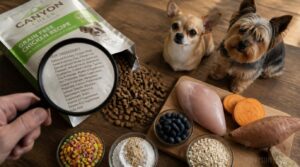
The ingredient list tells you more than the marketing copy ever will. Some additives are harmless fillers, others carry real health risks worth knowing about. Here’s what to look for before you flip that bag over.
Named Meat Sources
Beef. Chicken. Venison. Real names, real animals — no guessing games.
That specificity matters. Meat label transparency means you know exactly what’s feeding your dog, not some vague "meat" filler. Protein source quality improves when named meats sit first on the ingredient list — that’s meat weight importance in action.
Fresh turkey, fresh chicken, novel proteins like venison: each helps allergen identification if your dog reacts. Look for ingredient sourcing USA whenever possible.
Artificial Colors and Flavors
Bright kibble looks appealing to you — not your dog. Synthetic dye risks include Red 40 and Yellow 5, additives scrutinized for behavioral concerns. Natural pigment benefits? Beta carotene and beet powder color food without synthetic chemistry.
Flavors mask poor-quality bases. That’s palatability vs nutrition tension. Check pet food labeling standards: artificial flavors listed plainly signal transparency. Choose minimal, natural additives.
BHA, BHT, TBHQ
BHA, BHT, and TBHQ are synthetic antioxidants that fight lipid oxidation — the process that turns fats rancid. Studies flag possible hepatotoxic and neurotoxic effects at high exposures.
Look for natural preservative alternatives like tocopherols (vitamin E) or rosemary extract instead. Decoding the label matters: these controversial ingredients often hide under "preservatives." When you spot BHA, BHT, or TBHQ, know you have safer options on the shelf.
Grain-free Diet Concerns
Preservatives aren’t the only label worth scrutinizing. Grain-free diets carry their own risk profile, tied to taurine deficiency and DCM heart health concerns.
Legume-heavy formulas—peas, lentils—can shift nutrient bioavailability. Regulatory agencies flagged this pattern in dogs without genetic risk factors.
Grain exclusion isn’t inherently dangerous. But without medical reason, most vets favor grain-inclusive formulas with proven AAFCO-verified completeness.
Allergy-friendly Formulas
Itchy paws, red skin, chronic ear infections… food sensitivity in small dogs often hides behind these signs. Hydrolyzed protein benefits come from breaking proteins into peptides too small to trigger immune reactions.
When that’s not enough, amino acid formulas offer the lowest allergy risk. Look for probiotic gut support and specialized fat blends too—both ease digestion while managing canine allergic dermatitis through true hypoallergenic diets or a limited ingredient diet.
Feeding Small Breeds Safely

Picking the right food is only half the job. How you feed it matters just as much for your dog’s health. Here’s what to get right, step by step.
Daily Portion Control
Two extra kibbles a day sounds harmless. Over a year, it’s five extra pounds on a ten-pound frame.
Two extra kibbles a day seems harmless, but over a year it can add five extra pounds to a ten-pound dog
Small breeds need precise calorie requirement calculations—not guesswork. Use a labeled measuring cup, adjust for activity level, and never eyeball toy breed portions.
- Watching your dog beg between meals
- Feeling guilty saying no
- Seeing ribs disappear under fat
Weigh food. Weigh your dog. Adjust monthly.
Two to Three Meals
Splitting meals matters more than most owners think. Feeding two to three times daily keeps energy steady and stomachs comfortable in small breeds.
Three meals suit puppies and active dogs; two works for seniors or gulpers. Either way, split protein evenly—roughly 20-30 grams per meal—to fuel muscle repair around the clock.
Slow Food Transitions
Rushing a food swap upsets sensitive stomachs fast. Use a 7-10 day diet change schedule: mix 25% new food with 75% old for two days, then shift ratios gradually until full swap.
Seasonal ingredient shifts (rotating proteins, sourcing regional produce) support biodiversity and local producers. Choose sustainably sourced formulas matching your dog’s small breed nutrition requirements and calorie needs—gut health stays steady when change comes slowly, not suddenly.
Monitor Body Condition
Your hands know more than any scale. Run them along the ribs — you should feel each one easily, without pressing hard.
- Check body condition score (ideal: 4-5 of 9)
- Palpate ribs weekly
- Feel for a visible waistline
- Track weight monthly
- Watch for muscle mass loss
Small dog obesity creeps in quietly. Catch shifts in metabolic rate before they show on the scale.
Ask Your Veterinarian
No bag label knows your dog’s bloodwork. That’s why individualized calorie targets and organ function screening matter more than any star rating.
| Your Vet Confirms | Why It Matters |
|---|---|
| Disease-specific diets | Kidney, allergy, or GI needs |
| Supplement safety checks | Avoids over-supplementation |
| Medical adjustment plans | Prevents stomach upset |
Bring your dog’s current food label to the appointment. It’s the fastest path to true veterinary nutritional adequacy.
Frequently Asked Questions (FAQs)
What is the healthiest food to feed a small dog?
Small dogs burn 35-40 kcal per pound daily, nearly double large breeds.
The healthiest option delivers AAFCO-verified balance: 25-35% named-protein, moderate fat, real omega fatty acids, and calorie density suited to tiny stomachs—not just marketing claims.
What kind of dog food is best for small breeds?
Look for calorie-dense, small breed specific formulas with AAFCO compliance, 18-25% protein, and small kibble.
Faster metabolic rate and tiny stomachs demand nutrient density over volume—so frequent, portioned meals meeting precise energy requirement calculations beat generic adult food every time.
What is the best dog food for pancreatitis?
An ounce of prevention beats a pound of cure.
Low-fat, moderate-protein prescription diets like Hill’s i/d Low Fat or Royal Canin GI Low Fat manage chronic inflammation, easing digestion and lowering pancreatitis flare-ups—always confirm with your vet first.
What is the best dog food for congestive heart failure?
Your vet will likely prescribe a low-sodium cardiac diet with added taurine and L-carnitine for muscle support, plus omega-3s (EPA/DHA) for heart health.
Highly digestible, calorie-appropriate formulas help maintain body condition without straining an already compromised heart.
What’s the best food to feed a small dog?
Picture a teacup-sized stomach next to a marathon runner’s metabolism—that’s your small dog.
The best food matches calorie density to body size, balances protein-to-fat ratios, and carries AAFCO compliance for small breed specific nutrition your dog’s tiny frame actually needs.
Is dry food better for small dogs?
For most small dogs, yes.
Dental plaque reduction comes from crunchy kibble texture, small kibble size fits tiny jaws, and higher calorie density simplifies weight management ease—plus better storage and convenience versus fresh or wet options.
What is a balanced diet for a small dog?
Feed a fish tank instead of a dog and you’d still get more balanced nutrition labeling.
A true balance means calorie density for small dogs, quality animal protein, healthy fats, digestible carbs, and complete minerals—all backed by an AAFCO nutritional adequacy statement.
How often should I feed my small breed dog?
Two to three meals daily fit most adult small dogs, thanks to their fast metabolism and tiny stomach capacity.
Puppies need four meals after weaning, tapering to two by adulthood.
Seniors often do best with two smaller meals for steady glucose stability.
How much exercise is enough for a small breed dog?
About 20 to 60 minutes daily, split into two or three sessions—adjust for age, breed energy, and weight goals. Watch for limping or heavy panting, skip peak heat, and match intensity to your dog’s small breed metabolism.
What are the signs of hypoglycemia in small breed puppies?
Watch for puppy lethargy signs, wobbly or uncoordinated steps, disorientation, glassy eyes, and appetite loss. Seizures or collapse signal an emergency. These reflect small dogs’ fast metabolic needs and low calorie reserves—get veterinary help immediately if they appear.
Conclusion
Small bites carry big consequences. Choose the best food for small dog breeds, and you’re not just filling a bowl. You’re fueling tiny engines that run hot and fast, built on protein your dog can actually use.
Skip the guesswork. Read labels like a map, not decoration. Your dog’s energy, coat, and years ahead depend on choices made at the food aisle. Feed with precision, and watch the payoff show up in a wagging tail.
- https://www.bestlife4pets.com/en-us/blogs/pet-blog-tips/best-small-dog-food
- https://www.furrylicious.com/premium-dog-food-small-breeds
- https://www.nbcnews.com/select/shopping/best-puppy-food-rcna342981
- https://petcarepartners.co/7-best-dog-foods-in-2025-recommended-by-vets
- https://www.aafco.org/consumers/understanding-pet-food/reading-labels/