This site is supported by our readers. We may earn a commission, at no cost to you, if you purchase through links.
Your dog spots the hash brown on your plate and locks eyes with you—that irresistible stare that’s gotten him extra bites of plenty of things he probably shouldn’t have eaten.
Hash browns seem harmless enough: they’re just potatoes, right?
But a single serving packs excess salt, deep-fried oils, and often hidden onion or garlic powder, all of which hit a dog’s system far harder than they’d hit yours. The risks range from an upset stomach to something far more serious, depending on what’s in that crispy little cake.
Table Of Contents
- Key Takeaways
- Can Dogs Eat Hash Browns?
- Why Hash Browns Are Unsafe
- Salt and Seasoning Dangers
- Potato Risks for Dogs
- Fast-Food and Frozen Hash Browns
- Signs of Hash Brown Toxicity
- What to Do After Hash Brown Ingestion
- When to Call The Vet
- Safer Treat Alternatives
- Dog-Safe Hash Brown Recipe
- Frequently Asked Questions (FAQs)
- Can dogs eat hash browns?
- Can dogs eat Subway’s hash browns?
- Are frozen hash browns safe for dogs?
- Can you eat hash browns if you have an upset stomach?
- Are hash browns safe for dogs?
- Are hash browns bad for dogs?
- Can dogs eat cashews?
- Can dogs eat frozen hash browns?
- Can dogs eat hash brown potatoes?
- Can dogs eat hash brown patties?
- Conclusion
Key Takeaways
- Hash browns aren’t safe for dogs because they combine deep-fried fats, excess sodium, and hidden seasonings like onion and garlic powder that can trigger pancreatitis, salt poisoning, or red blood cell destruction.
- Even a small serving can cause vomiting, lethargy, and excessive thirst—and in serious cases, tremors, seizures, or collapse that needs immediate vet attention.
- Fast-food and frozen varieties are especially risky because ingredient labels hide toxic compounds under vague terms like "natural flavors" and "spice blend," making it easy to miss what’s actually in them.
- If your dog needs a crunchy treat, plain cooked sweet potato or carrot are genuinely safe swaps—or you can bake an unseasoned homemade hash brown, they can actually enjoy without the risk.
Can Dogs Eat Hash Browns?

No, dogs shouldn’t eat hash browns. It’s one of those foods that looks harmless but carries real risks — from digestive enzyme load to gut microbiome impact and allergic reaction potential.
The same goes for sugary sides — feeding dogs brown sugar quietly sets the stage for obesity, diabetes, and dental decay over time.
Hash browns combine high fat, excess salt, and common seasonings that don’t mix well with a dog’s system.
Veterinary nutrition guidance is clear: the safety of feeding hash browns to dogs is poor at best.
Even a small bite can trigger symptoms of food poisoning in dogs. The high sodium content can lead to salt poisoning in dogs.
Why Hash Browns Are Unsafe

Hash browns might seem harmless — they’re just potatoes, right? The problem is what goes into making them: the fats, the calories, and the cooking method all add up quickly.
Here’s why that combination is bad news for your dog.
Deep-fried Fats and Oils
What makes hash browns so harmful starts with the oil. Deep-frying drives oil oxidation and polymerization buildup, producing free fatty acids and raising the peroxide value with every batch. These degradation products cling to the food through oil absorption.
The saturated fats, trans fats, and inflammatory vegetable oils that result put real pressure on a dog’s system, directly increasing dietary fat and the risk of pancreatitis.
Excess Calories in Small Servings
Fat isn’t the only problem. Calorie density means even a small hash brown delivers 200–300 calories—a portion size illusion that catches owners off guard. High-fat foods pack 9 calories per gram, so:
- Energy creep adds up fast across the day
- Low fullness signals encourage repeat snacking
- High calories quickly exceed safe treat limits
That’s a serious concern for dog obesity.
Obesity and Pancreatitis Risk
Excess calories don’t just add weight—they quietly set the stage for something more serious. Visceral fat inflammation builds slowly, and pancreatic fat deposition increases the risk of pancreatitis triggered by fatty meals. Even a single high-fat meal can trigger it.
| Risk Factor | What It Means for Your Dog |
|---|---|
| Visceral fat inflammation | Inflames organs, including the pancreas |
| Pancreatic fat deposition | Worsens injury during flare-ups |
| Systemic inflammatory response | Affects multiple organs at once |
| Triglyceride pancreatitis | High fat raises blood lipids dangerously |
| Obesity and related diseases in dogs | Increases diabetes and heart disease risk |
Managing dog weight and health isn’t optional—it’s protective.
Salt and Seasoning Dangers
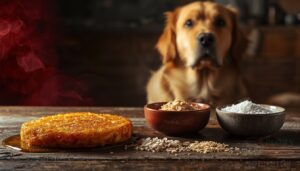
The fat content in hash browns is only part of the problem. What’s added to them—salt, onion, garlic, and various spices—can be just as dangerous, and in some cases more so.
Here’s a closer look at the specific seasoning risks your dog faces.
Onion and Garlic Toxicity
Onion and garlic are genuinely dangerous for dogs — not just mildly irritating, but toxic at the cellular level. Allium toxicity in canines works by triggering thiosulfate damage inside red blood cells, leading to Heinz body formation and oxidative hemolysis.
Onion and garlic don’t just upset a dog’s stomach — they destroy red blood cells from the inside out
What makes this tricky is delayed symptom onset: your dog may seem fine for days.
- Onion or garlic powder is more concentrated than fresh — small amounts matter
- Dose dependent toxicity means even modest exposure causes harm in smaller dogs
- Seasonings like onion and garlic as dog toxins remain dangerous after cooking
- Red blood cell destruction builds quietly, then hits hard
Too Much Sodium
Hash browns carry a sodium load that most dogs simply can’t handle. A single commercial serving can push well past a small dog’s entire safe daily limit — and high sodium triggers Fluid Retention, Hypertension Risk, and Kidney Strain fast.
If your dog ate hash browns and starts acting lethargic or unusually thirsty, these signs your dog is behaving strangely after eating are exactly when a vet call shouldn’t wait.
| What Happens | Why It Matters |
|---|---|
| Cardiovascular Stress | Heart works harder against rising pressure |
| Sodium Toxicity | Seizures or collapse in severe cases |
Processed Food Sodium sneaks in everywhere, so always check labels.
Spices and Flavor Additives
Beyond the onion and garlic danger, commercial hash browns hide a cocktail of spices and flavor additives that can trigger real trouble. Many contain umami enhancers like MSG, artificial flavoring blends, and pepper compounds — all potentially problematic for sensitive dogs.
Watch for these common culprits:
- Pepper Irritation — piperine inflames a dog’s GI tract quickly.
- Coriander Sensitivity — may cause stomach upset in reactive dogs.
- Turmeric — anti‑inflammatory in humans, but untested for dogs in processed form.
- Spice Allergy Triggers — paprika and chili blends can prompt vomiting.
- Umami Enhancer Safety — MSG and nucleotides aren’t regulated for canine consumption.
Potato Risks for Dogs

Potatoes themselves aren’t automatically off the menu for dogs, but hash browns introduce specific concerns worth knowing. The way the potato is prepared and its condition both matter more than most people realize.
Here’s what to watch for.
Solanine in Potatoes
Potatoes belong to the nightshade family, and they carry a natural defense compound called solanine — a glycoalkaloid that’s toxic to dogs in sufficient amounts. Glycoalkaloid levels tend to rise with peel concentration, storage stress, and light greening.
Cooking helps, but solanine reduction through frying or boiling isn’t complete.
Solanine poisoning from potatoes can trigger vomiting, weakness, and even cardiac symptoms.
Green or Sprouted Potatoes
Green or sprouted potatoes carry a hidden danger worth knowing. As potatoes sprout or turn green, solanine and related glycoalkaloid concentrations rise sharply—accumulating in the peel, sprouts, and green-tinged flesh. That green color isn’t harmless: it’s a chlorophyll indicator signaling elevated toxin levels. A bitter taste may follow as a warning sign, but don’t rely on it.
Watch for these red flags before using any potato near your dog:
- Green skin or flesh — discard immediately; solanine poisoning from potatoes is a real risk.
- Any sprouts present — toxin concentration peaks here first.
- Bitter smell or taste — glycoalkaloids from the nightshade family are already elevated.
- Poor storage conditions — proper light management is crucial; keep potatoes cool and dark to slow greening.
Even removing the peel won’t fully eliminate risk once greening has spread inward. Potatoes toxic to dogs don’t announce themselves loudly—so when in doubt, toss it out.
Cooked Vs. Raw Potatoes
Cooking makes a real difference. Raw potatoes contain more resistant starch, which is harder to digest and can cause bloating. Cooking triggers texture softening, a digestibility boost, and microbial reduction—making potatoes gentler on your dog’s stomach.
| Factor | Raw Potato | Cooked Potato |
|---|---|---|
| Digestibility | Poor | Better |
| Glycemic response | Lower | Higher |
| Solanine risk | Higher (especially green potatoes) | Reduced, not eliminated |
Plain cooked potatoes are safer—but solanine poisoning from potatoes remains possible regardless.
Fast-Food and Frozen Hash Browns

Fast-food and frozen hash browns might seem like a harmless scrap to toss your dog, but what’s inside them tells a very different story. These products often carry a long list of hidden ingredients that most owners never think to check.
Here’s what you need to watch out for.
Hidden Ingredients
What’s actually inside that fast-food or frozen hash brown? The ingredient list tells only part of the story. Terms like "natural flavors" and "spice blend concealments" hide onion, garlic, and other harmful compounds without naming them outright.
Coating emulsifiers hidden beneath the crispy exterior add fat, while derived starch additives and flavor enhancers quietly deliver extra salt and preservatives your dog doesn’t need.
Preservatives and Additives
Those "natural flavors" aren’t the only concern. Frozen and fast-food hash browns routinely contain artificial preservatives that raise real food ingredient safety questions for dogs:
- BHA/BHT toxicity — these antioxidant preservatives slow fat rancidity but may trigger reactions in sensitive dogs
- EDTA chelating compounds preserve color and freshness, with uncertain long-term effects
- Nitrate/nitrite concerns — cured-style hash brown products use nitrites for shelf stability
- Artificial flavor enhancers like sodium inosinate boost savory taste while adding hidden sodium
- Preservative synergy — multiple additives combined often intensify each other’s effects
That combination is simply too much for your dog’s system.
Label-reading Warnings
The ingredient list tells a clear story once you know how to read it. Ingredients appear in order by weight — so if salt or oil shows up early, there’s a lot of it.
Check Sodium Per Serving carefully, scan Allergen Statements, and don’t ignore May Contain Warnings or Hidden Sweeteners like dextrose.
| What to Check | Why It Matters for Dogs |
|---|---|
| Ingredient Order Weight | First few ingredients dominate the recipe |
| Sodium Per Serving | High sodium risks salt toxicity quickly |
| Allergen Statements | May reveal onion, garlic, or dairy |
| May Contain Warnings | Signals cross-contact with toxic seasonings |
Signs of Hash Brown Toxicity

When a dog eats hash browns, their body usually sends signals pretty quickly.
The symptoms can range from mild stomach upset to something far more serious, depending on what was in those hash browns.
Here’s what to watch for.
Vomiting and Diarrhea
Vomiting and diarrhea are usually the first signs something’s wrong after a dog eats hash browns. Gastrointestinal irritation sets in fast, and repeated episodes cause fluid dehydration and electrolyte imbalance that worsen quickly.
Dogs shouldn’t eat hash browns partly because the digestive upset can spiral. The rapid onset of symptoms underscores the risk of complications if left unaddressed.
If symptoms persist beyond a few hours, anti-emetic therapy and probiotic support may be necessary to stabilize the dog’s condition.
Thirst, Lethargy, and Weakness
Excessive thirst and lethargy often follow salt poisoning more quietly than vomiting does — but they’re just as serious. Excess sodium disrupts your dog’s water balance, triggering excessive thirst, dehydration, and electrolyte imbalance that drains energy fast.
Metabolic weakness sets in as circulation slows. Lethargy causes your dog to seem unusually unresponsive, flat, or dull.
If your dog drinks constantly but still seems exhausted, that’s your signal to act.
Tremors, Seizures, or Collapse
When things escalate beyond thirst and lethargy, you’re looking at neurologic toxicity — and it moves fast. High sodium levels disrupt electrolyte balance severely enough to trigger tremors and seizures.
Atonic collapse can follow, where your dog’s muscles simply give out. Hypoglycemia seizures may also appear, especially in smaller dogs.
These are emergency symptoms — don’t wait.
What to Do After Hash Brown Ingestion

Finding out your dog just ate hash browns can send you straight into panic mode—but staying calm and taking the right steps matters more than worrying.
Before you do anything else, there are a few quick things you should check and do. Here’s where to start.
Check The Ingredient List
Grab the packaging before you throw it away.
Scan the ingredients list for fat ingredient order—oils listed early mean high fat content. Watch for sodium naming variations like "salt," "sodium phosphate," or "broth."
Allium ingredient detection matters too: onion or garlic anywhere on the list is a red flag.
Also do a preservative list check and look for compound seasoning breakdown entries that may hide toxic components.
Monitor Your Dog Closely
Once your dog has eaten hash browns, the next few hours are your window to catch problems early. Stay close and keep a mental log of what you’re seeing.
Watch for these clinical signs of toxicity:
- Energy levels dropping suddenly or showing unusual stillness
- Vomiting or loss of appetite within the first hour
- Stool changes like diarrhea or straining
- Breathing effort increasing at rest
- Gum moisture and heart rate feeling off
Save The Packaging
The packaging is actually your best diagnostic tool right now. Tuck it somewhere safe before it ends up in the trash.
| What to Check | Why It Matters |
|---|---|
| Ingredient list | Flags onion, garlic or excess salt |
| Sodium per serving | Reveals hidden toxicity risk |
| Preservatives listed | Identifies BHA/BHT or nitrates |
| Product type noted | Confirms frozen hashbrowns vs. restaurant-made hash browns |
Your vet needs those exact details.
When to Call The Vet

Knowing when to call the vet can make a real difference in how your dog recovers. Some situations need professional attention right away, not a wait-and-see approach.
Here are the scenarios where you shouldn’t hesitate to pick up the phone.
Large Amounts Eaten
If your dog ate a significant portion of hash browns, call your vet right away — don’t wait for symptoms. A high-fat meal creates real pancreatic stress, and a heavy salt load risks serious electrolyte imbalance and salt poisoning.
Cumulative toxin load from onion or garlic compounds the danger fast. Digestive overload and metabolic strain can escalate quickly, especially after large amounts.
Any Symptom That Starts
Even one symptom warrants a call. Early gastrointestinal upset — vomiting, diarrhea, or abdominal pain — can escalate quickly after a fatty or salty meal.
Sudden increased thirst, unexpected behavioral shifts, or an increased heart rate all signal your dog’s body is struggling.
Rapid respiratory changes and abrupt neurologic signs are urgent. Don’t wait to see if it passes.
Puppies and Dogs With Health Issues
Puppies and dogs with existing health conditions need a vet call faster than healthy adults. A puppy’s small body can’t handle the sodium load, Blood Sugar Management becomes harder after fatty meals, and dehydration from Gastrointestinal upset sets in quickly.
- Dogs on a Kidney Sensitive Diet face compounded strain from excess salt
- Heart Health Monitoring matters more after high-sodium snacks in cardiac patients
- Pancreatitis caused by fatty meals hits prior-diagnosis dogs especially hard
dogs shouldn’t eat hash browns if they’re already managing any chronic condition — the risk simply isn’t worth it.
Safer Treat Alternatives

Your dog doesn’t have to miss out just because hash browns are off the table. Plenty of whole, simple foods make genuinely satisfying treats without the fat, salt, or toxic seasonings.
Here are a few worth keeping on hand.
Plain Carrots and Green Beans
Carrots and green beans are two of the safest swaps when dogs shouldn’t eat hash browns or any risks from high-fat foods for dogs. Both offer a fiber boost and gentle digestion support. Carrots bring a solid vitamin A source and antioxidant content, too.
Just wash, trim, and cut everything into bite-size safety pieces — no salt, no seasoning, nothing extra.
Cooked Sweet Potato
Sweet potato is another solid pick. It brings a potassium boost, solid fiber benefits for digestion, and acts as a natural vitamin A source through beta-carotene.
soft texture suitability makes it easy for older dogs, too.
Watch calorie density, though — roughly 249 kcal per cup adds up fast. Keep portions small, plain, and cooked.
Lean, Dog-safe Proteins
Protein doesn’t have to come from the treat bin. These nutrient‑rich foods check the box without the grease:
- Plain Chicken — plain cooked chicken breast, skinless and unseasoned, is one of the cleanest low‑fat dog treats available.
- Lean Turkey — skinless white meat covers protein requirements for dogs without heavy fat.
- White Fish — cod or haddock, plainly cooked, delivers healthy alternatives to fatty snacks.
- Egg Whites or Low-Fat Cottage cheese — both offer solid protein in small, controlled portions.
Dog-Safe Hash Brown Recipe
Good news — you don’t have to leave your dog out of the fun entirely. With a few simple swaps, you can make a hash brown your dog can actually enjoy safely.
Here’s what to keep in mind when you make a batch.
Use Plain Potato or Sweet Potato

The base of any dog-friendly hash brown recipe starts with one simple choice: plain potato or sweet potato. Both work, but they behave differently.
| Feature | Plain Potato | Sweet Potato |
|---|---|---|
| Texture Comparison | Firm, starchy | Softer, more moist |
| Cooking Methods | Bake or boil | Bake or steam |
| Nutrient Benefits | Potassium, B6 | Beta‑carotene, fiber |
| Skin Options | Peel for safety | Peel for sensitive stomachs |
| Portion Guidelines | Thumb-sized piece | Thumb-sized piece |
Sweet potato hash browns for dogs offer a gentler texture and extra nutrients. A plain potato puree works just as well in a dog‑friendly hash brown recipe. Either way, fully cooked, peeled, and plain is your foundation.
Skip Salt, Onion, and Garlic
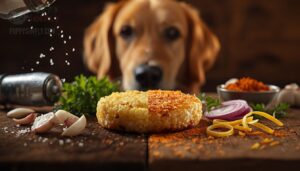
Once you’ve chosen your potato base, seasoning is where things get dangerous fast. Salt causes salt poisoning in dogs, and onion toxicity and garlic are serious—Allium toxicity in canines can destroy red blood cells. Skip all three completely.
Instead, try Herb Flavor Alternatives like parsley, a Citrus Zest Boost, Umami Mushroom Powder, Low-Sodium Broth, or any Allium-Free Seasoning blend. Dogs shouldn’t eat hash browns seasoned for humans—ever.
Bake Instead of Frying
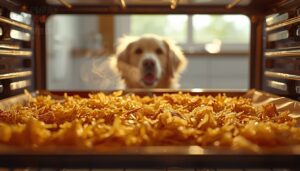
Baking is the safer finish for your dog-friendly hash brown recipe. Dry heat cooking on a sheet pan pulls moisture from the surface, delivering crisp without grease—no oil absorption required.
Spread your seasoned shreds thin for controlled portion size and bake at 375°F until golden. These baked hash browns come out low-fat dog treats, your pup can actually enjoy safely.
Frequently Asked Questions (FAQs)
Can dogs eat hash browns?
No, dogs shouldn’t eat hash browns.
They’re loaded with fats, excess sodium, and toxic seasonings like onion and garlic powder — a combination that poses serious food toxicity in dogs and long-term health risks.
Can dogs eat Subway’s hash browns?
No, your dog shouldn’t eat Subway’s hash browns.
They’re deep-fried, loaded with salt, and may contain onion or garlic seasonings — classic fast food hash browns risks that make food toxicity in dogs a real concern.
Are frozen hash browns safe for dogs?
Frozen hash browns aren’t safe for dogs.
Sodium content variability across brands means hidden salt risks, and high fat content can trigger pancreatitis.
Always follow vet advice — dogs shouldn’t be allowed to eat hash browns.
Can you eat hash browns if you have an upset stomach?
Not really.
Hash browns are fried and greasy, which can worsen nausea, bloating, or diarrhea. If your stomach’s off, bland cooking and small portions of plain boiled potato are far gentler on digestion.
Are hash browns safe for dogs?
Hash browns aren’t safe for dogs. They’re loaded with fat, excess sodium, and seasonings that are toxic to dogs — making even a small portion a real health risk for your pet.
Are hash browns bad for dogs?
Yes, hash browns are bad for dogs. The high fat content alone raises metabolic load concerns and pancreatitis risk.
Add toxic seasonings and excess sodium, and you’ve got a snack dogs shouldn’t eat.
Can dogs eat cashews?
Cashews aren’t toxic to dogs, but their high fat content, choking hazard, allergy risk, and salted varieties make portion control essential.
Stick to plain, unsalted ones—just a couple at most.
Can dogs eat frozen hash browns?
No, dogs shouldn’t eat frozen hash browns. They’re loaded with salt, oil, and seasonings that can cause vomiting, pancreatitis, or worse.
The risks of high-fat foods for dogs make even one patty a bad idea.
Can dogs eat hash brown potatoes?
Think of hash brown potatoes as a loaded trap — crispy outside, problematic inside.
No, your dog shouldn’t eat them.
The fat, salt, and seasonings create real digestive enzyme load and gut microbiome shift risks.
Can dogs eat hash brown patties?
Hash brown patties aren’t safe for your dog.
The heavy frying, excess salt, and hidden seasonings create real risks — from digestive enzyme impact to pancreatitis caused by fatty meals — with zero nutritional payoff.
Conclusion
That stare your dog gives you hasn’t changed—but your answer has. Now you know that regarding whether dogs can eat hash browns, real danger hides in what you can’t see: the salt, the oils, and the garlic powder buried in the recipe.
plain bite of potato won’t end badly. But a hash brown? It’s never just a potato. Keep the crispy ones on your plate, and make something safer for theirs.
- https://www.petmd.com/dog/nutrition/fats-for-dogs
- https://www.aspca.org/pet-care/animal-poison-control/people-foods-avoid-feeding-your-pets
- https://dogleashpro.com/dog-food/dog-nutrition/can-dogs-eat-hash-browns/
- https://www.merckvetmanual.com/toxicology/salt-toxicosis/salt-toxicosis-in-animals
- https://dogadvisorycouncil.com/can-dogs-eat-hash-browns/