This site is supported by our readers. We may earn a commission, at no cost to you, if you purchase through links.

Your dog’s diet might meet industry minimums, but those standards were designed for shelf stability and cost efficiency—not peak health. Human grade dog food flips that equation. Every ingredient passes the same safety protocols as your dinner: USDA-certified facilities, strict handling procedures, and zero tolerance for the byproducts or chemical preservatives that slip into conventional kibble.
The difference shows up in measurable ways—better digestibility rates, fewer allergic reactions, and coats that actually shine instead of just looking passable.
We’ve evaluated seven brands that earned genuine human grade certification (not just marketing claims) across fresh, freeze-dried, and dehydrated formats, comparing their nutritional profiles, ingredient sourcing, and real-world performance to help you choose what actually works for your dog’s specific needs.
Table Of Contents
- Key Takeaways
- What is Human Grade Dog Food?
- Health Benefits of Human Grade Dog Food
- 7 Best Human Grade Dog Foods Reviewed
- How to Choose The Best Human Grade Dog Food
- Tips for Switching to Human Grade Dog Food
- Frequently Asked Questions (FAQs)
- What are the best human grade dog food brands?
- What ingredients are in human-grade dog food?
- What is the healthiest human food for dogs?
- Is human grade food best for dogs?
- What is the number 1 vet recommended dog food?
- What dog food is considered the healthiest?
- Are there any risks associated with human-grade dog food?
- Is human grade dog food safe for puppies?
- Does human grade dog food need refrigeration?
- How long does human grade dog food last?
- Conclusion
Key Takeaways
- Human-grade dog food meets USDA facility standards and FDA oversight—the same safety protocols as your dinner—which translates to measurably better digestibility rates (often above 85%), fewer allergic reactions, and shinier coats compared to conventional kibble that relies on feed-grade ingredients and high-heat processing.
- The certification isn’t just marketing fluff: legitimate human-grade products use AAFCO-compliant formulas with transparent ingredient sourcing, third-party audits (GAP, GMP, HACCP), and batch-level testing for pathogens, while conventional options can include rendered meals and fillers that wouldn’t pass human consumption standards.
- Fresh, freeze-dried, and dehydrated formats each offer distinct advantages—fresh provides 60-70% moisture for hydration and digestion, freeze-dried preserves 40%+ protein with shelf stability, and air-dried concentrates nutrients without cooking out vitamins—so your choice should match your dog’s specific needs and your lifestyle constraints.
- Switching requires a gradual 2-week transition (starting at 10% new food, increasing to 50%) with close monitoring of stool consistency and energy levels, plus veterinary consultation to ensure the formula matches your dog’s life stage, activity level, and any health conditions like allergies or kidney disease.
What is Human Grade Dog Food?
You’ve probably heard the term “human grade” thrown around in pet food circles, but what does it actually mean for your dog’s bowl? The label isn’t just marketing fluff—it refers to ingredients and manufacturing processes held to the same safety standards as food meant for people.
Let’s break down what makes dog food truly human grade, how it differs from conventional kibble, and why ingredient sourcing matters more than you might think.
Definition and Regulatory Standards
Human grade dog food meets the same safety and handling standards as food you’d eat yourself. This means ingredients are sourced, processed, and stored in USDA-certified facilities under FDA oversight. Many brands now offer human-grade formulas tailored to specific breeds, like premium options designed for Collies that meet these rigorous production standards.
Here’s what makes it truly human grade:
- AAFCO labeling compliance ensures accurate nutritional claims
- Ingredient transparency from farm to bowl
- Food safety protocols match human food manufacturing
- Certification standards verify quality at every step
- Regulatory oversight prevents misleading claims
Ensuring the quality of dog food involves a scientific study review to guarantee the best for your pet. You’re giving your pup food that’s genuinely safe for both of you.
Key Differences From Conventional Dog Food
So what sets human grade apart from the kibble sitting on most store shelves? The differences run deeper than you might think.
| Aspect | Human Grade | Conventional |
|---|---|---|
| Regulatory Oversight | USDA facility standards | Basic pet food safety rules |
| Processing Methods | Gentle cooking, minimal heat | High-temperature extrusion |
| Ingredient Sourcing | Human-consumption-approved | Feed-grade materials allowed |
| Nutritional Standards | AAFCO + transparency | AAFCO minimum requirements |
| Labeling Compliance | Strict FDA verification | Less stringent enforcement |
Conventional dog food ingredients often include rendered meals and fillers that wouldn’t pass muster for your dinner plate. Human grade dog food flips that script entirely—fresh proteins, whole vegetables, and natural dog food components that meet pet food safety standards you can actually trust. If you’re feeding a Doberman, choosing human-grade options tailored to their athletic build ensures they get the protein and nutrients they need without unnecessary fillers.
Ingredient Sourcing and Quality
Where do those high-quality ingredients actually come from? Reputable human-grade dog food brands rely on verified suppliers with documented audits—think GAP, GMP, and HACCP certifications that track every lot from farm to bowl. You’ll find USDA-inspected proteins, third-party organic and non-GMO validations, and regular microbial testing for Salmonella and Listeria. Many owners compare human-grade versus conventional kibble formulations to see whether the premium sourcing translates into visible health improvements.
- Supply chain transparency: Ingredient maps and supplier lists let you trace origin and processing methods
- Quality metrics tested per batch: Moisture, protein, fat, and ash levels confirm consistency with label claims
- Regulatory compliance built in: AAFCO nutritional adequacy plus FDA labeling verification guarantee food safety and quality
Health Benefits of Human Grade Dog Food

Switching to human-grade dog food isn’t just about better ingredients—it’s about measurable improvements in your dog’s health and quality of life.
From easier digestion to support for dogs with allergies, the benefits extend well beyond what’s in the bowl.
Let’s break down the key health advantages you can expect when making this change.
Improved Digestibility and Palatability
One of the most measurable benefits you’ll notice is how well your dog processes human-grade dog food. Digestion rates improve markedly, leading to better stool quality and enhanced nutrient absorption—clear signs of excellent gut health.
Palatability factors also play a huge role; fresh dog food with natural pet food ingredients simply tastes better, supporting overall dog health and wellness through high-quality dog nutrition.
Allergy and Sensitivity Support
If your dog’s been scratching or battling digestive issues, allergy triggers like beef, dairy, and wheat may be the culprit. Human-grade dog food with limited ingredients and gentle processing aids skin health while reducing exposure to food intolerances and nutrient sensitivities.
Following dog nutrition guidelines and choosing natural pet food can markedly improve dog health and wellness through smarter pet nutrition advice. Many owners now turn to a homemade dog food delivery service for fresh, vet-formulated meals tailored to their dog’s specific nutritional needs.
Nutritional Value and Freshness
Freshness truly matters when you’re feeding your pup. Human-grade dog food delivers exceptional nutritional integrity through minimal processing and quality protein sources, helping your dog absorb more of what they need.
- Protein sources like fresh chicken and beef offer digestibility rates above 85%, outperforming many conventional kibbles.
- Nutrient retention stays higher with gentle cooking methods that preserve vitamins and amino acids.
- Bioavailability factors improve when quality fats and fresh ingredients work together.
- Freshness indicators include use-by dates and refrigeration requirements that protect nutritional value.
Potential Impact on Longevity and Wellness
Quality nutrition shapes your dog’s future in measurable ways. Studies link high-digestibility diets to better body condition and reduced obesity-related risks over time, supporting longevity factors that matter.
Quality nutrition shapes your dog’s future—high-digestibility diets support better body condition, reduce obesity risks, and improve longevity over time
Fresh, minimally processed human-grade dog food may influence the aging process through improved nutrient balance and lower inflammation markers.
Regular veterinary guidance ensures health optimization aligned with your dog’s wellness outcomes and pet nutrition needs.
7 Best Human Grade Dog Foods Reviewed
Now that you understand what human-grade dog food offers, let’s look at some specific products that meet these standards.
I’ve reviewed seven options that span different formats—from fresh and freeze-dried to dehydrated and treat options—so you can find what works best for your dog’s preferences and your lifestyle.
Each choice below brings something unique to the table while maintaining that human-grade quality you’re looking for.
1. Fresh Human Grade Dog Food
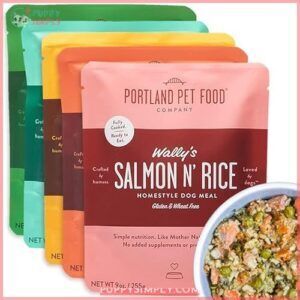
If you’re exploring Fresh Human Grade Dog Food options, you’re looking at meals prepared with ingredients that meet human food safety standards—think USDA-inspected meats and whole vegetables processed in facilities designed for people. These fresh diets skip the harsh heat treatments typical of kibble, preserving nutritional integrity and offering higher moisture content—often 60-70%—which aids hydration and digestibility.
Popular brands like The Farmer’s Dog and Nom Nom deliver adjusted, refrigerated meals designed to your pup’s age and health needs, combining convenience with transparent ingredient sourcing.
| Best For | Dog owners who want to give their pets restaurant-quality meals with traceable ingredients, especially helpful for picky eaters or dogs with sensitive stomachs who need easily digestible, moisture-rich food. |
|---|---|
| Form | Wet |
| Primary Protein | Mixed |
| Age Range | All Life Stages |
| Grain Status | Limited Ingredients |
| Made In | USA |
| Use Case | Meal/Topper |
| Additional Features |
|
- Ingredients are USDA-inspected and processed in human-grade facilities, giving you the same food safety standards you’d expect for your own meals
- High moisture content (60-70%) helps keep dogs hydrated and makes digestion easier compared to dry kibble
- Transparent labeling shows exactly where ingredients come from, with detailed batch numbers and feeding guidelines tailored to your dog’s specific needs
- Price point can be steep, especially if you’re feeding a large breed as a complete meal rather than a topper
- Requires refrigeration and careful handling, which limits convenience for travel or long-term storage
- Some dogs may need a gradual transition period to avoid digestive upset like diarrhea when switching from conventional food
2. Whole Grain Chicken Dog Food
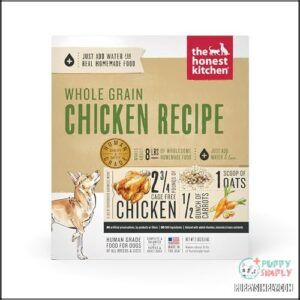
You might wonder if grains really belong in your dog’s bowl—they absolutely do when sourced right. Whole grain chicken formulas combine high-quality protein with soluble and insoluble fiber that maintains stool regularity and sustained energy release.
Brands meeting AAFCO nutrient profiles deliver nutrient balance through minimal processing, preserving natural pet food options your pup can actually digest.
If you’re managing dog allergies or food sensitivities, grain-inclusive diets often work beautifully when paired with transparent sourcing—that’s the hallmark of genuine human-grade ingredients promoting long-term dog health.
| Best For | Dog owners looking for transparent, human-grade nutrition with whole grains and free-range chicken—especially helpful if your pup has a sensitive stomach or you want complete meal flexibility. |
|---|---|
| Form | Dehydrated |
| Primary Protein | Chicken |
| Age Range | Puppy & Adult |
| Grain Status | Whole Grain |
| Made In | USA |
| Use Case | Meal/Topper |
| Additional Features |
|
- Rehydrates to 4x its weight, so a small 2 lb box stretches into 8 lbs of fresh food—great value and storage convenience.
- No preservatives, fillers, GMOs, corn, wheat, or soy, with full ingredient transparency from farm to bowl.
- Works as a complete meal or topper, and the whole grain fiber supports digestive health and regular stools.
- Higher carb content might cause constipation in some dogs, and the moderate protein may not suit highly active pups or growing puppies.
- More expensive upfront compared to conventional kibble, even with the rehydration factor.
- Some dogs need a gradual transition or extra flavor boosters to fully take to dehydrated food.
3. Acana Freeze Dried Turkey Dog Food
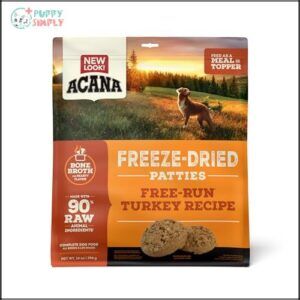
When you’re looking for shelf-stable nutrition that doesn’t compromise freshness, Acana’s freeze dried turkey formula hits the mark. The freeze dried process locks in nutrients and turkey protein at peak quality—you’re getting over 40% protein on a dry matter basis, which fosters strong muscles and sustained energy.
These bite-sized patties mix beautifully with warm water or crumble over kibble, making mealtimes flexible. With 90% animal ingredients and minimal processing, you’re feeding your dog something that respects both pet food safety standards and their carnivorous nature.
| Best For | Dog owners seeking a high-protein, grain-free option that works as a complete meal or topper, especially helpful for picky eaters or dogs needing extra nutrition during travel. |
|---|---|
| Form | Wafer |
| Primary Protein | Turkey |
| Age Range | Adult |
| Grain Status | Grain-Free |
| Made In | USA |
| Use Case | Meal/Topper |
| Additional Features |
|
- Over 40% protein from quality turkey and herring supports muscle health and energy
- Flexible feeding options—mix with water for a meal or crumble over kibble as a flavor boost
- Freeze-dried process preserves nutrients without artificial additives while staying shelf-stable
- Higher price point compared to traditional kibble may not fit every budget
- Requires refrigeration or freezing after opening to maintain freshness
- Some dogs may be sensitive to the varying smell and texture between batches
4. Ziwi Peak Air Dried Dog Food
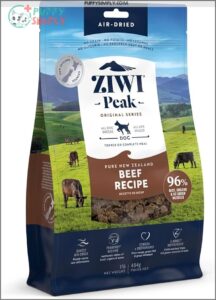
Air-dried food takes a different path than freeze-drying—and Ziwi Peak’s beef recipe shows why that matters. Slow air-drying at low temperatures preserves nutrient retention without cooking out the good stuff, giving you raw dog food benefits with better food safety.
You’re feeding over 96% free-range beef, organs, and New Zealand green mussels—real protein sources that support joints and digestion. This human-grade dog food skips grains entirely, concentrating nutrients into dense, aromatic chunks your pup won’t ignore.
| Best For | Dog owners seeking a nutrient-dense, grain-free option for pups with food sensitivities or those wanting raw food benefits without the mess and safety concerns of traditional raw feeding. |
|---|---|
| Form | Chunk |
| Primary Protein | Beef |
| Age Range | All Life Stages |
| Grain Status | Grain-Free |
| Made In | New Zealand |
| Use Case | Meal/Topper/Treat |
| Additional Features |
|
- Over 96% meat content with ethically sourced New Zealand beef, organs, and green mussels that support joint health and digestion
- Air-dried processing preserves nutrients while eliminating pathogens, giving you raw food benefits with better shelf stability
- Works as a complete meal, topper, or treat for all life stages, making it versatile for multi-dog households
- Premium pricing puts it well above conventional kibble, which can strain budgets for larger dogs or multi-pet homes
- Some dogs experience digestive upset during transition or lose interest over time despite initial enthusiasm
- Non-returnable policy and reported quality issues like white film formation after extended storage raise concerns about long-term value
5. Dehydrated Human Grade Dog Food
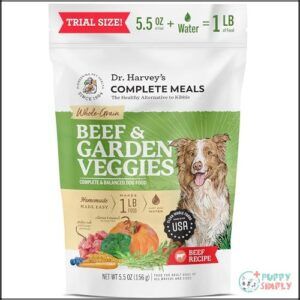
Dehydrated dog food concentrates nutrients through gentle moisture removal—preserving nutritional integrity without the freezer space. When you add warm water, you’re bringing back palatability and digestibility in minutes.
This human-grade dog food format offers impressive shelf life while skipping the heavy processing of kibble, so your pup gets closer to raw dog food benefits with better convenience. Look for packaging innovations like resealable pouches that guard against humidity.
Beef-first formulas like these deliver 20% crude protein minimum, supporting muscle health without fillers or rendered meals.
| Best For | Dog owners seeking minimally processed, nutrient-dense food for pups with sensitive stomachs or those who want human-grade quality without the hassle of raw feeding. |
|---|---|
| Form | Dehydrated |
| Primary Protein | Beef |
| Age Range | Adult |
| Grain Status | Whole Grain |
| Made In | USA |
| Use Case | Complete Meal |
| Additional Features |
|
- Real beef as the first ingredient delivers 20% protein with whole-food nutrition and easy 3-minute prep by adding warm water
- Prebiotics and probiotics support gut health, making it ideal for dogs with digestive sensitivities or food allergies
- Long shelf life without refrigeration and made in USA facilities meeting human food-grade standards since 1984
- Higher price point at $9.99 for 5.44 oz may not offer the best value compared to traditional kibble options
- Some dogs reject the taste or smell, and the product is non-returnable so you’re taking a risk on the trial size
- Inconsistent batches reported with varying meat-to-veggie ratios and larger vegetable chunks that some dogs won’t eat
6. Human Grade Dog Food
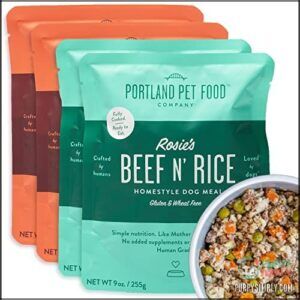
Crafted by Humans Loved by Dogs brings pet wellness straight to your bowl with real beef and chicken—no mystery meals or fillers. This human-grade dog food meets strict food safety protocols in USDA kitchens, so each grain-textured bite nourishes canine diet needs while matching standards you’d expect in fresh dog food.
It’s a breakthrough for picky seniors and active pups alike, doubling as a kibble topper that encourages consistent, healthy feeding. Dog nutrition purists appreciate the transparent human-grade ingredients and zero off-smell promise.
| Best For | Owners of picky eaters or senior dogs who want human-grade ingredients and flexible meal options, either as a full meal or a topper to spark interest in dry kibble. |
|---|---|
| Form | Grain |
| Primary Protein | Beef/Chicken |
| Age Range | Senior |
| Grain Status | Grain |
| Made In | USA |
| Use Case | Topper |
| Additional Features |
|
- Real meat and vegetables with no artificial additives or off-putting smell, meeting human food safety standards
- Works well as a standalone meal or kibble topper, giving you flexibility to encourage consistent eating in fussy dogs
- Transparent ingredient sourcing and grain texture that many dogs find palatable, especially helpful for small breeds and seniors
- Higher price point compared to conventional kibble or canned options, which adds up over time
- Delivery timing can be inconsistent, making it harder to plan restocking for fresh or refrigerated varieties
- Not all flavor varieties appeal to every dog, and may not suit dogs with specific allergies or dietary restrictions
7. Grass Fed Beef Jerky Dog Treats
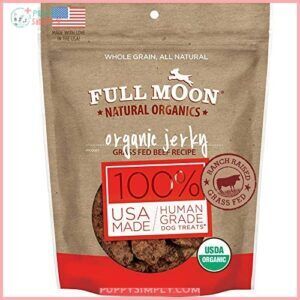
Full Moon’s grass-fed beef jerky treats flip the script on training snacks—you won’t find glycerin, grains, or fillers here. Each chunk delivers honest protein from USDA-certified beef, slow-cooked in small batches to lock in flavor and nutritional integrity.
That transparency matters when you’re looking at organic dog food with genuine grass-fed nutrition credentials. Some pet parents flag concerns about consistency and occasional mold reports, so inspect each bag carefully.
Still, for human-grade dog food standards in a portable pet snack, it’s a protein-packed win.
| Best For | Pet owners who want human-grade, organic training treats for dogs of any size or age and are willing to pay a premium for grass-fed, filler-free ingredients. |
|---|---|
| Form | Chunk |
| Primary Protein | Beef |
| Age Range | All Life Stages |
| Grain Status | Grain-Free |
| Made In | USA |
| Use Case | Treats/Snacks |
| Additional Features |
|
- USDA-certified organic beef with no glycerin, grains, or artificial additives keeps ingredient lists clean and simple
- Small-batch cooking preserves nutritional value and flavor while meeting human-grade food standards
- Works well as both everyday snacks and high-value training rewards for active dogs
- Higher price point compared to conventional dog treats may not fit every budget
- Some customers report inconsistent texture, smell, or occasional mold contamination in bags
- Limited availability in certain stores can make restocking inconvenient
How to Choose The Best Human Grade Dog Food
You’ve seen the top picks, but walking down the pet food aisle can still feel overwhelming when every bag promises the best for your dog. The truth is, choosing human-grade food isn’t just about finding the fanciest label—it’s about understanding what your specific dog actually needs and making sure the product delivers on its promises.
Let’s walk through the key factors that’ll help you make a confident, informed choice.
Assessing Nutritional Completeness (AAFCO Standards)

You want your dog’s food to meet complete and balanced standards, so look for a clear AAFCO compliance statement on the label. This tells you the formula delivers proper nutrient profiles for your dog’s life stage—whether puppy, adult, or senior.
AAFCO doesn’t regulate ingredient quality, but it ensures nutritional balance, bioavailability standards, and regulatory oversight that support your pet’s health.
Ingredient Transparency and Certifications

Third-party certifications—like NSF or USDA facility approval—confirm that brands follow strict HumanGrade standards and Regulatory Compliance.
Check packaging for clear Ingredient Sourcing details: where proteins come from, how they’re processed, and whether HumanGrade Ingredients meet FDA and AAFCO Certification Standards.
Label Accuracy matters, too. Complete ingredient lists and Transparency Metrics help you verify what’s actually in the bowl.
Matching Food to Your Dog’s Needs

Life Stage Nutrition and Activity Levels define how much energy your dog actually needs—puppies burn fuel fast, while seniors slow down. Breed Specific differences matter, too; a Chihuahua won’t thrive on Great Dane portions.
Health Conditions like allergies or sensitivities shape Feeding Strategies, so match HumanGrade Dog Food to your pet’s unique profile for peak Pet Health and Wellness.
Comparing Price, Value, and Brand Reputation

Cost Analysis reveals that human-grade options run 2.5–4.5 times pricier than kibble, yet nutrient density often justifies the spend. Market Trends show that transparent sourcing and recall-free histories build trust.
Weigh Price Comparison against Brand Loyalty and Customer Reviews. In the Pet Food Industry, Fresh Dog Food brands with third-party certifications deliver measurable value.
Consult Dog Food Reviews and match your budget to your dog’s Pet Nutrition needs.
Tips for Switching to Human Grade Dog Food

Switching your dog to human-grade food isn’t something you want to rush. Your dog’s digestive system needs time to adapt to new ingredients and formulations, and watching for changes along the way helps guarantee the shift goes smoothly.
Here’s what you need to know to make the switch safely and successfully.
Gradual Transition Techniques
Your dog’s digestive system needs time to adapt, so think of this as introducing flavors to a cautious friend. Start by mixing 10% fresh dog food with their current diet for three to five days, monitoring stool consistency closely.
Gradually increase to 25%, then 50% over two weeks, introducing one protein at a time to identify any food intolerance while providing digestive support throughout all shift phases.
Monitoring for Digestive or Health Changes
Once you’ve started the shift, keep a close eye on your dog’s response—stool consistency, appetite shifts, and energy levels tell you everything. Track any digestive issues like vomiting or diarrhea within the first 24 to 72 hours, and don’t hesitate to seek veterinary guidance if symptoms persist beyond five days.
Health monitoring and thoughtful nutrition planning protect your dog’s wellness throughout dietary changes.
Adjusting Portions and Feeding Frequency
After you’ve watched for digestive changes, fine-tune how much and how often you feed. Calorie calculation starts with your dog’s weight and activity level—most adults do well on two meals daily, but seniors or puppies may need adjusted portions. Portion control matters: use these feeding schedules to dial in the right amount:
- Calculate daily energy needs based on body weight and life stage
- Split total calories evenly across two or three meals
- Weigh food portions with a kitchen scale for accuracy
- Monitor body condition score every two to four weeks
- Adjust portions by five to ten percent if weight shifts
Meal frequency and digestive monitoring go hand in hand—consistency bolsters gut health and keeps energy steady. If your dog’s body condition changes or appetite drops, tweak portions gradually and track the results. When in doubt, your veterinarian can guide pet nutrition and health decisions customized to your dog’s unique needs.
Consulting With Your Veterinarian
Once you’ve dialed in portions, partner with your veterinarian for diet planning that protects pet health. Veterinary guidance ensures human-grade options match your dog’s age, weight, and medical history. They’ll provide nutrition counseling on AAFCO profiles, ingredient quality, and health monitoring during the switch. Regular veterinary advice and recommendations keep nutrition safe—especially if kidney disease or allergies complicate your pet’s nutrition needs.
| What Your Vet Reviews | Why It Matters for Pet Safety |
|---|---|
| Nutrient balance & calorie levels | Prevents deficiencies or weight issues |
| Existing health conditions | Avoids ingredients that worsen symptoms |
| Shift timeline & portions | Minimizes digestive upset |
| Label claims & certifications | Confirms quality and regulatory compliance |
| Follow-up schedule | Tracks long-term wellness markers |
Frequently Asked Questions (FAQs)
What are the best human grade dog food brands?
You’ll find top-rated brands like The Farmer’s Dog, Nom Nom, Ollie, and Just Food For Dogs leading fresh dog food options.
Each offers transparent ingredient quality and veterinary-designed feeding guidelines customized to your dog’s needs.
What ingredients are in human-grade dog food?
You’ll find high-quality protein sources like chicken, beef, turkey, and fish paired with wholesome carbs—brown rice, sweet potatoes, and oats—plus healthy fats from fish oil for nutrient balance and ingredient transparency.
What is the healthiest human food for dogs?
Lean cooked chicken, plain yogurt with probiotics, and cooked eggs offer complete protein and digestibility. Carrots and green beans provide low-calorie fiber, while salmon delivers omega-3s for coat health and overall pet wellness.
Is human grade food best for dogs?
Human grade food isn’t universally ‘best’—it depends on your dog’s dietary needs and proper nutrient balance. Quality matters more than label claims, so consult your vet to confirm canine wellness and food safety are met.
What is the number 1 vet recommended dog food?
There isn’t a single “number one” choice—veterinarians tailor dog nutrition recommendations to each pet’s unique health profile, life stage, and specific needs.
They prioritize AAFCO-compliant foods with quality ingredients and transparent sourcing.
What dog food is considered the healthiest?
The healthiest dog food meets AAFCO standards for nutrient balance, features high-quality animal proteins, and includes whole-food ingredients with transparent sourcing.
These elements collectively support dog wellness through fresh, minimally processed formulas customized to your pet’s life stage.
Are there any risks associated with human-grade dog food?
Yes, potential risks include pathogen contamination, nutrient imbalance if formulations aren’t complete, allergen exposure from novel proteins, and feeding inconsistencies. You’ll want to consult your veterinarian before switching.
Is human grade dog food safe for puppies?
Like the saying goes, the proof’s in the pudding—puppy nutrition thrives on balanced diets. Veterinary advice confirms safe feeding during growth stages when formulas meet standards, supporting canine health and wellness through proper human-grade dog food benefits.
Does human grade dog food need refrigeration?
Most fresh human-grade dog food requires refrigeration to maintain food safety and nutritional integrity.
Freeze-dried or dehydrated formats stay shelf-stable until opened, then follow storage guidelines to preserve freshness and prevent spoilage.
How long does human grade dog food last?
Unopened human-grade dog food generally lasts 12–24 months, guided by expiration dates on packaging.
Once opened, refrigerate portions and use within 2–5 days for best food safety, nutritional integrity, and fresh dog food quality.
Conclusion
The timing couldn’t be better—just as pet owners are scrutinizing ingredient labels more closely, truly certified options have finally become accessible.
Choosing the best human grade dog food isn’t about jumping on trends; it’s about recognizing that digestive health, coat quality, and long-term vitality start with what’s in the bowl.
Your dog can’t read labels or advocate for better nutrition. That responsibility falls to you, and now you’ve got the roadmap.