This site is supported by our readers. We may earn a commission, at no cost to you, if you purchase through links.
Pit bulls carry more muscle mass per pound than most breeds their size, and that muscle demands fuel—specifically, animal protein in amounts many mainstream kibbles simply don’t deliver. Their short coats and lean builds also mean skin issues show up fast when a diet falls short on omega-3s or runs heavy on fillers.
That’s why so many owners find themselves standing in the pet store aisle, label in hand, unsure what "complete and balanced" really guarantees. Protein percentage alone won’t tell you if a food helps joint health or triggers a food sensitivity six months down the road.
Choosing the best dog food for pit bulls comes down to matching ingredients, life stage, and activity level, not just picking whatever bag has a pit bull on the front. Here’s a closer look at ten formulas worth your consideration, along with what actually makes them work.
Table Of Contents
- Key Takeaways
- 10 Best Dog Foods for Pit Bulls
- 1. Honest Kitchen Chicken Oat Dehydrated Dog Food
- 2. Nutro Ultra High Protein Dog Food
- 3. JustFoodForDogs Beef Potato Wet Dog Food
- 4. Open Farm Grain Free Dog Food
- 5. Blue Buffalo Chicken Brown Rice Dog Food
- 6. Open Farm Senior Chicken Turkey Kibble
- 7. ACANA Limited Ingredient Lamb Pumpkin Dog Food
- 8. Blue Buffalo Digestive Care Chicken Dog Food
- 9. Portland Pet Food Fresh Dog Pouches
- 10. Natural Balance Low Calorie Dog Food
- Pit Bull Nutrition Needs
- Best Food by Life Stage
- Choosing Safe Pit Bull Food
- Switching Your Pit Bull’s Food
- Frequently Asked Questions (FAQs)
- What is the best dog food for Pitbulls?
- What should I Feed my Pitbull if he is not eating well?
- How do I choose the right food for my Pitbull?
- What should a pit bull eat?
- Can Pitbulls eat grains?
- What dog food should a blue nose Pitbull eat?
- What is the best dog food for pitbulls?
- What should pit bulls not eat?
- Is Purina One a good dog food for pitbulls?
- What treats work best for pitbull training?
- Conclusion
Key Takeaways
- high named-animal-protein diets (roughly 25-32% for adults) plus adequate omega-3s and healthy fats to support muscle, skin, and coat health.
- nutritional needs shift by life stage, with puppies needing around 38% protein for growth, seniors needing 28-40% protein with moderate fat for muscle preservation, and active dogs needing higher-fat, rotated diets for stamina.
- Joint-supporting nutrients like glucosamine, chondroitin, and omega-3s help protect pit bulls’ hips and joints from the strain of their dense muscle mass.
- verify the AAFCO adequacy statement, check recall history, ensure named meat is the first ingredient, and transition gradually over four weeks while monitoring stool and skin for reactions.
10 Best Dog Foods for Pit Bulls
Pit bulls have real nutritional needs, from muscle-supporting protein to joints that hold up over years of activity.
Getting these basics right early on can make a real difference, as this guide on what shapes an American Pit Bull Terrier’s lifespan explains in more detail.
You want a food that matches your dog’s life stage, energy level, and any sensitivities without guesswork.
Here are ten options worth putting on your radar, each suited to a different set of needs.
1. Honest Kitchen Chicken Oat Dehydrated Dog Food
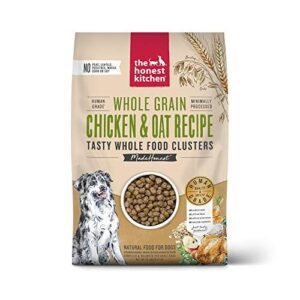
When a bag of kibble expands to four times its size in your kitchen, you know you’re feeding something different. This dehydrated formula starts with real cage-free chicken, oats, carrots, and apples, prepared in human-grade facilities.
Flax and kelp round out the omega and mineral profile, supporting coat and joint health. It suits all life stages, including gestating and lactating females, making it a handy pantry staple for multi-dog households or breeders managing varied nutritional demands.
| Best For | Multi-dog households, breeders, and owners of puppies, adults, or gestating/lactating dogs who want a complete, human-grade meal with no artificial preservatives or fillers. |
|---|---|
| Form | Dehydrated kibble |
| Life Stage | All life stages |
| Primary Protein | Chicken |
| Weight | 20 lb |
| Grain Content | Whole-grain |
| Artificial Additives | None |
| Additional Features |
|
- Made with real, human-grade ingredients like cage-free chicken, oats, and salmon oil, with no artificial preservatives or GMOs
- Suitable for all life stages, including gestating and lactating dogs, and ready to serve in about 3 minutes
- Supports digestive, coat, and joint health through fiber, probiotics, and omega-3 fatty acids
- Costs more per pound than standard dry kibble
- Requires rehydrating with water before serving, so it’s not as quick as pouring straight from the bag
- Not a fit for dogs that need low-protein or grain-restricted diets
2. Nutro Ultra High Protein Dog Food
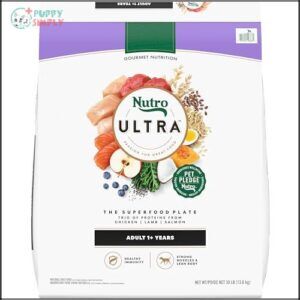
If dehydrated food isn’t your style, this kibble covers similar ground with a trio of proteins: chicken, lamb, and salmon. Real chicken leads the ingredient list, and 14 superfoods like blueberries and kale add antioxidant support beyond basic AAFCO minimums.
Flaxseed supplies omega fatty acids, while beet pulp aids digestion. It’s grain-inclusive though, with sorghum and oatmeal, so dogs sensitive to grains may need a different formula.
| Best For | Adult dogs who need gourmet, high-protein nutrition to support lean muscle, along with healthy skin, coat, and digestion. |
|---|---|
| Form | Dry kibble |
| Life Stage | Adult |
| Primary Protein | Chicken |
| Weight | 30 lb |
| Grain Content | Contains grains |
| Artificial Additives | None |
| Additional Features |
|
- Trio of animal proteins (chicken, lamb, salmon) plus 14 superfoods for added antioxidant support
- Non-GMO formula free from corn, wheat, and soy, with omega 3 & 6 fatty acids for skin and coat health
- Natural fibers support digestive health, while antioxidants help bolster immune function
- Grain-inclusive recipe (sorghum, barley, oatmeal, brown rice) isn’t ideal for dogs with grain sensitivities
- Contains chicken by-product meal alternatives and isn’t formulated specifically for puppies
- Needs to be stored in a cool, dry place to stay fresh
3. JustFoodForDogs Beef Potato Wet Dog Food
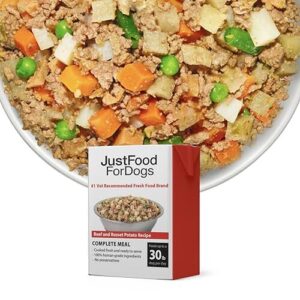
Ground beef takes top billing here, paired with russet and white potatoes for digestible energy. Beef liver rounds things out with vitamin A and iron, while fish or algae oil covers your omega-3 needs for coat health.
This recipe runs moderate-to-high protein with a higher moisture content, which helps hydration and makes it easy on sensitive stomachs. It comes ready-to-serve in pouches or cans, so portioning stays simple whether you’re feeding a full meal or boosting an existing bowl.
| Best For | This is a great fit for dog owners who want a shelf-stable, human-grade meal or topper for dogs with sensitive stomachs or chicken allergies. |
|---|---|
| Form | Wet (Tetra Pak) |
| Life Stage | All life stages |
| Primary Protein | Beef |
| Weight | 12.5 oz x12 |
| Grain Content | Grain-inclusive (potato) |
| Artificial Additives | None |
| Additional Features |
|
- Made with 100% human-grade ingredients like lean ground beef and beef heart, gently cooked for better nutrient absorption
- Shelf-stable Tetra Pak packaging needs no refrigeration until opened, making it great for travel or camping
- Highly digestible (40% more than standard kibble) and supports skin, coat, and digestive health
- Costs more than standard dry kibble
- Texture comes out as a homogenized paste rather than distinct chunks
- Packaging can be tricky to open and may require opening over a sink to avoid a mess
4. Open Farm Grain Free Dog Food
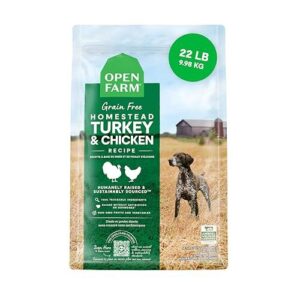
If your pit bull does better without grains, this one’s worth a look. Open Farm builds its recipes around pasture-raised, ethically sourced beef, lamb, or pork, with full farm-to-bowl traceability you can actually verify.
Sweet potato and peas supply gentle carbs instead of grains, while pumpkin and coconut oil support digestion and coat quality. Added omega fatty acids round out the skin benefits.
Just remember: grain-free formulas warrant a conversation with your vet given ongoing DCM research.
| Best For | Dogs with sensitive stomachs or skin/coat issues who thrive on a grain-free diet rich in real animal protein. |
|---|---|
| Form | Pellet kibble |
| Life Stage | All life stages |
| Primary Protein | Turkey/Chicken/Whitefish |
| Weight | 22 lb |
| Grain Content | Grain-free |
| Artificial Additives | None |
| Additional Features |
|
- Made with real turkey, chicken, and ocean whitefish meal, plus non-GMO fruits, veggies, and superfoods like pumpkin and turmeric
- Fully traceable, third-party certified ingredients with no corn, wheat, soy, artificial flavors, or preservatives
- Supports skin, coat, and digestive health, with DHA and added vitamins suitable for all life stages
- Higher price point than many mainstream dry dog foods
- Elevated mineral and protein levels may lead to struvite crystals in some dogs
- Bag can appear less full than expected compared to its weight
5. Blue Buffalo Chicken Brown Rice Dog Food
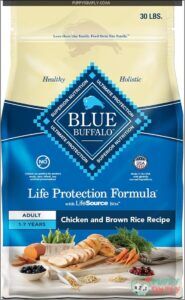
Deboned chicken tops the ingredient list here, with chicken meal adding extra protein behind it, so your dog gets solid muscle support without relying on fillers.
Pairing this protein-rich formula with joint-support nutrients like glucosamine and chondroitin can make a real difference for smaller breeds, especially when you consider factors that shape a Jack Chi’s lifespan and long-term health.
Brown rice, barley, and oatmeal supply steady energy, while LifeSource Bits deliver a precise antioxidant and mineral mix for immune health.
Flaxseed and chicken fat provide omega-3s and omega-6s for skin and coat, and added glucosamine helps cushion joints, an easy win for active pit bulls prone to hip strain.
| Best For | active adult dogs, including breeds like pit bulls, that need natural muscle support, joint care, and steady energy from a grain-inclusive formula. |
|---|---|
| Form | Dry kibble |
| Life Stage | Adult |
| Primary Protein | Chicken |
| Weight | 30.28 lb |
| Grain Content | Contains grains |
| Artificial Additives | None |
| Additional Features |
|
- Real deboned chicken as the first ingredient supports lean muscle mass
- LifeSource Bits and added glucosamine promote immune health and joint mobility
- Free from corn, wheat, soy, poultry by-product meals, and artificial preservatives
- Contains grains like brown rice, barley, and oatmeal, which won’t work for grain-free diets
- Packaging may look slightly different from online photos
- Needs careful storage to keep the nutrients from breaking down over time
6. Open Farm Senior Chicken Turkey Kibble
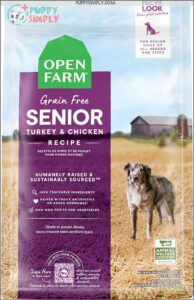
Once your pit bull hits the graying-muzzle years, this recipe from Open Farm earns its keep. Humanely raised turkey leads the ingredient list, backed by chicken, with glucosamine and chondroitin built in for aging joints.
Green lipped mussel adds omega-3s, while pumpkin and chicory root support digestion. It’s grain-free, sourced from welfare-certified farms, and genuinely traceable—not just a marketing claim.
For seniors slowing down but still deserving quality nutrition, this one’s a thoughtful, transparent choice.
| Best For | Senior pit bulls (or other aging dogs) dealing with joint stiffness who need a grain-free diet backed by transparent, ethically sourced ingredients. |
|---|---|
| Form | Pellet/Kibble |
| Life Stage | Senior |
| Primary Protein | Chicken/Turkey |
| Weight | 22 lb |
| Grain Content | Grain-free |
| Artificial Additives | None |
| Additional Features |
|
- Built-in glucosamine and chondroitin from turkey and chicken support hip and joint mobility
- Green lipped mussel and salmon oil provide omega-3s and DHA for overall wellness
- 100% traceable, ethically sourced ingredients with no corn, wheat, soy, or artificial preservatives
- Formulated specifically for senior dogs, so it’s not suitable for puppies or adults
- Grain-free recipe won’t work for dogs that do better with grain-inclusive diets
- Contains seafood ingredients like ocean whitefish and herring meal, which may not suit dogs with fish sensitivities
7. ACANA Limited Ingredient Lamb Pumpkin Dog Food
Skin flare-ups and food sensitivities are common in the breed, and this recipe covers both by keeping the ingredient list short. Lamb, lamb meal, and pumpkin form the backbone, with 60% animal ingredients balanced against 40% grains like oats and sorghum.
You’ll find added glucosamine and probiotics, useful for joint support and gut health alike. It’s grain-free of corn, wheat, and soy, making it a solid pick if your pit bull reacts poorly to chicken or common fillers.
| Best For | This recipe is best for pit bulls (and other dogs) with chicken allergies or sensitive stomachs who need a limited-ingredient, single-protein diet. |
|---|---|
| Form | Dry kibble |
| Life Stage | All life stages/Adult |
| Primary Protein | Lamb |
| Weight | 22.5 lb |
| Grain Content | Contains grains |
| Artificial Additives | None |
| Additional Features |
|
- High animal-protein content (60%) from deboned lamb and lamb meal supports strong muscles
- Prebiotics and probiotics aid digestive wellness, while Omega-3 and Omega-6 fatty acids support skin and coat health
- Corn-free, wheat-free, soy-free, and gluten-free, making it gentle on sensitive stomachs
- Higher price point compared to standard dog food recipes
- Kibble size may be too large for small dogs or seniors with dental issues
- May contain trace amounts of fish due to shared manufacturing equipment
8. Blue Buffalo Digestive Care Chicken Dog Food
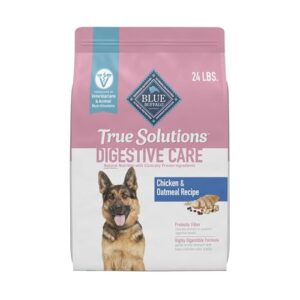
Some pit bulls just have sensitive stomachs, and this formula was built with that in mind. Real chicken leads the ingredient list, followed by prebiotic fiber that helps stool quality and balanced gut microflora.
Brown rice and oatmeal offer gentle, digestible energy, while flaxseed and canola oil supply omega-3 and omega-6 fatty acids for skin and coat health. There’s no corn, wheat, soy, or by-product meals here, making it a dependable option if digestion has been a recurring issue.
| Best For | Adult pit bulls with sensitive stomachs or ongoing digestive issues who need gentle, nutrient-dense food that’s easy on the gut. |
|---|---|
| Form | Dry kibble |
| Life Stage | Adult |
| Primary Protein | Chicken |
| Weight | 24.24 lb |
| Grain Content | Contains grains |
| Artificial Additives | None |
| Additional Features |
|
- Real chicken is the first ingredient, paired with clinically proven prebiotic fiber to support gut health and stool quality
- Free of corn, wheat, soy, and poultry by-product meals, reducing common triggers for digestive sensitivity
- Formulated by veterinarians and animal nutritionists, with flaxseed and canola oil adding omega-3 and omega-6 for skin and coat health
- Packaging may look different from the images shown online, which can cause confusion at purchase
- Name change from "Blissful Belly" might make it harder for past buyers to recognize the product
- Includes various supplements and mineral chelates, which some owners may want to research further before feeding
9. Portland Pet Food Fresh Dog Pouches
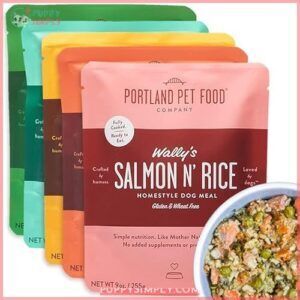
No fridge space? No problem. These pouches skip refrigeration entirely, making them a practical grab-and-go option for pit bull owners short on freezer room.
Each recipe uses 11 or fewer ingredients, pairing named proteins like salmon or beef with rice, yams, or potato. That limited list matters for dogs prone to sensitivities.
Serve them straight, warmed in the microwave-safe pouch, or as a kibble topper. With five flavors in one pack, you get variety without guesswork—handy for picky eaters or rotational feeding.
| Best For | Dog owners who want a convenient, no-fridge-needed meal option with simple, high-quality ingredients for picky eaters or dogs with sensitive stomachs. |
|---|---|
| Form | Wet food |
| Life Stage | All life stages |
| Primary Protein | Salmon/Beef/Chicken/Turkey/Pork |
| Weight | 5 pouch pack |
| Grain Content | Rice/Yam based |
| Artificial Additives | None |
| Additional Features |
|
- Shelf-stable and easy to store without refrigeration or freezer space
- Limited ingredient recipes make it easier to manage food sensitivities
- Five flavor variety pack offers options for picky eaters or rotational feeding
- Owners with allergy-prone dogs still need to check ingredients carefully
- Only formulated for dogs, so households with cats need a separate product
- Wet food format may not suit owners who prefer dry or freeze-dried options
10. Natural Balance Low Calorie Dog Food
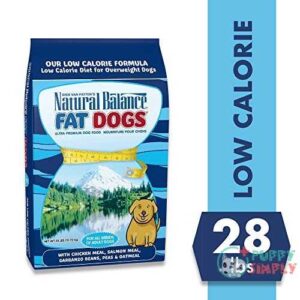
Weight creeping up? This formula cuts calories by 25% while keeping chicken meal and salmon meal as primary proteins, so muscle mass stays intact during a diet.
L-carnitine helps fat metabolism, and a pea-and-oat fiber mix keeps dogs feeling satisfied between meals rather than begging by dinnertime.
At 28 pounds, it suits multi-dog households needing portion control. Just know it’s built for weight management, not performance—active, high-energy pit bulls may need a calorie-denser diet instead.
| Best For | Overweight adult dogs of small, medium, or large breeds who need a calorie-controlled diet without sacrificing muscle mass. |
|---|---|
| Form | Dry kibble |
| Life Stage | Adult |
| Primary Protein | Chicken meal |
| Weight | 28 lb |
| Grain Content | Contains grains |
| Artificial Additives | None |
| Additional Features |
|
- 25% fewer calories than original recipes, paired with chicken meal and salmon meal to help maintain muscle during weight loss
- Fiber and protein blend, plus L-carnitine, work together to support satiety and healthy fat metabolism
- Batch-tested through the Feed with Confidence program, so you can trust the quality and safety of each bag
- Grains and legumes like garbanzo beans, peas, and barley may not work for dogs with specific grain allergies
- Not calorie-dense enough for high-energy or highly active dogs, such as working breeds
- Packaging may differ from what’s shown in product images
Pit Bull Nutrition Needs
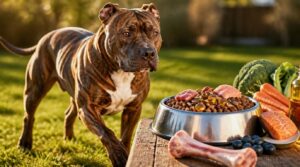
Pit bulls are athletic, muscular dogs, and their bodies burn through nutrients faster than you might expect.
Getting the right balance of protein, fat and joint-supporting ingredients isn’t guesswork, it’s rooted in what science tells us these dogs actually need. Here’s look for on that label before you make your next purchase.
High-quality Animal Protein
Real protein, not meal or byproduct, should anchor your pit bull’s bowl.
Look for named animal sources like chicken or beef first on the label, since these offer complete essential amino acids and stronger muscle synthesis support than plant alternatives.
Animal vs plant sources also differ in protein digestibility metrics and nutrient absorption rates, making high-quality protein essential for a lean, active pit bull.
Research shows that most animal source foods achieve DIAAS values ≥1, reflecting high-quality animal protein compared to many plant proteins.
Healthy Fats for Energy
Protein builds muscle, but healthy fats fuel the effort. Your pit bull needs an energy-dense diet with a solid protein to fat ratio, roughly 25-32% protein to 20-30% fat.
- Monounsaturated fats (olive oil, avocado)
- MCTs for quick-burning energy
- Omega 3 fatty acids for sustained metabolism
- Fats that aid fat-soluble vitamin absorption
Omega3 supplementation helps even more than energy, which brings us to fatty acids specifically.
Omega Fatty Acids
EPA and DHA do more than sustain energy; they’re literally built into every cell membrane in your dog’s body, including neural tissue. These omega-3s calm inflammation pathways, support eicosanoid signaling, and lower triglycerides.
EPA and DHA are built into every cell membrane, calming inflammation and lowering triglycerides
Look for fish oil sources rather than relying on omega-6-heavy formulas alone.
The payoff shows up fastest in skin and coat health. A shinier coat within weeks is a good sign it’s working.
Joint-support Nutrients
Pit bulls carry dense muscle on a mid-sized frame, which puts real load on hips and joints over time.
Glucosamine and chondroitin rebuild cartilage’s cushioning matrix, while MSM helps connective tissue integrity. Curcumin and boswellia calm inflammation.
Look for formulas naming these directly on the label—they’re your best defense against hip dysplasia, especially in active or large-breed-leaning dogs.
Digestive Support Ingredients
Bully breeds often run into sensitive stomachs despite their tough exterior, so digestive health for dogs deserves real attention. Look for prebiotic fiber types like inulin and scFOS, which feed beneficial gut bacteria.
Quality formulas layer in:
- Digestive enzyme blends (proteases, betaine HCl)
- Probiotic gut health cultures
- Low-FODMAP resistant starches like tapioca
Insoluble fiber adds bulk for regularity—especially helpful in a limited ingredient diet.
Best Food by Life Stage
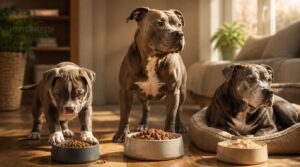
Your pit bull’s nutritional needs shift as they move through life, from bone-building puppy months to the slower metabolism of their senior years. Feeding the same formula at every stage can leave gaps, whether that’s not enough calcium during growth or too many calories once activity slows down.
Here’s how to match the right food to each stage, activity level, and body condition.
Pit Bull Puppy Food
{"role":"assistant","content":null,"refusal":null,"annotations":null,"audio":null,"function_call":null,"tool_calls":[],"thoughts":" Input: A short paragraph about pit bull puppy nutrition.n Task: Reorganize for readability (paragraphs with double newlines) and correct grammar/spelling.n Constraints: Preserve original content, meaning, style, and formatting (bolding). No commentary. No additions or removals of existing words.nn "Growing pit bull puppies burn through calories fast, so their food needs to keep pace with rapid bone and muscle growth without overshooting the puppy growth curve. Look for formulas near 38% protein, balanced calcium-phosphorus ratios for skeletal development, and glucosamine for early joint support. Feed 3-4 times daily, matching calorie density to weight, and adjust portions monthly as your puppy grows."nn Sentence 1: "Growing pit bull puppies burn through calories fast, so their food needs to keep pace with rapid bone and muscle growth without overshooting the puppy growth curve."n Sentence 2: "Look for formulas near 38% protein, balanced calcium-phosphorus ratios for skeletal development, and glucosamine for early joint support."n Sentence 3: "Feed 3-4 times daily, matching calorie density to weight, and adjust portions monthly as your puppy grows."nn Grammar/Spelling: The text looks correct already.n Formatting: puppy growth curve, skeletal development, early joint support, calorie density must be kept.n Organization:n Paragraph 1: General needs/growth context.n Paragraph 2: Specific nutritional requirements.n Paragraph 3: Feeding schedule/adjustment.nn Growing pit bull puppies burn through calories fast, so their food needs to keep pace with rapid bone and muscle growth without overshooting the puppy growth curve.nn Look for formulas near 38% protein, balanced calcium-phosphorus ratios for skeletal development, and glucosamine for early joint support.nn Feed 3-4 times daily, matching calorie density to weight, and adjust portions monthly as your puppy grows.nn Preserve original content? Yes.n Double newlines? Yes.n Bold formatting preserved? Yes.n Grammar corrected? Yes (no errors found).n * No commentary? Yes.nnGrowing pit bull puppies burn through calories fast, so their food needs to keep pace with rapid bone and muscle growth without overshooting the puppy growth curve.nnLook for formulas near 38% protein, balanced calcium-phosphorus ratios for skeletal development, and glucosamine for early joint support.nnFeed 3-4 times daily, matching calorie density to weight, and adjust portions monthly as your puppy grows."}
Adult Pit Bull Food
Once your pup reaches full maturity around 12-14 months, their needs shift toward muscle mass maintenance rather than rapid growth.
Aim for 25-32% protein and roughly 20% fat, adjusting calories to your dog’s actual activity level.
This balance provides steady energy, healthy skin and coat, and reliable digestive regularity—while keeping caloric intake monitoring simple enough to catch weight changes before they become a real problem.
Senior Pit Bull Food
Gray muzzles don’t mean slowing appetites or interest in food—but their needs do change. Senior Pitbulls need 28-40% protein to preserve muscle mass, with moderate fat (12-16%) keeping calories in check.
Look for glucosamine and chondroitin for joint stiffness relief, omega-3s for cognitive health, and digestible fiber for gut comfort. Palatants help when appetite dips, keeping mealtime appealing through the senior diet change.
Active Pit Bull Diets
Does your Pit Bull treat every walk like a training session?
Active dogs thrive on 25 to 30 percent protein, rotated every 6-8 weeks to prevent sensitivities. Fats near 12-18 percent fuel stamina, while omega-3s and MCTs aid recovery. Prebiotics support gut health during high output.
Watch caloric intake closely—muscle development demands fuel, not excess.
Weight-control Feeding Needs
Carrying extra weight strains a Pit Bull’s joints fast, so calorie intake control matters as much as protein quality.
Look for a lowfat weightcontrol dog food with 300-360 calories per cup, 25-34% protein for muscle preservation, and 6-12% fiber for satiety.
Feed 2-3 consistent meals daily, weigh your dog weekly, and adjust portions before dog obesity prevention becomes damage control.
Choosing Safe Pit Bull Food
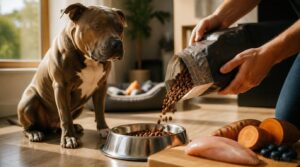
Picking the right bag of food takes more than reading the front label. You need to know what’s happening beneath the marketing claims, from ingredient order to recall records. Here’s what to check before you commit to a bag.
AAFCO Adequacy Statement
Flip any bag over, and you’ll find a small line that tells you everything: whether that food is truly complete and balanced. This nutrient adequacy statement confirms AAFCO compliance through feeding trials or formulation testing, and names the life stage it covers.
Skip a food without one — that’s your first red flag for regulatory standards.
Named Meat First
Once that adequacy statement checks out, look at the ingredient panel itself. The first ingredient should be a named animal protein—chicken, beef, salmon—not a vague "meat meal."
This labeling transparency standard signals real protein, higher protein density, and fewer fillers.
- Chicken first
- Beef first
- Lamb first
- Turkey first
- Named cuts
It’s also a handy allergy screening cue for sensitive dogs.
Grain-free Diet Cautions
Grain-free isn’t automatically healthier for your pit bull. The FDA investigated grain-free diets after linking them to dilated cardiomyopathy, especially formulas heavy in peas or lentils.
These pulse ingredients can alter amino acid balance, sometimes affecting taurine synthesis. Results vary by dog and recipe, so grain-free labeling truths matter more than marketing buzzwords.
When in doubt, choose grain-inclusive or verify complete nutrition with your vet.
Recall History Checks
Before buying, run a quick dog food recall check through a safety registry like Dog Food Advisor’s Recall Alert. Compare brand recall history: Earthborn Balanced has past entries, while Bully Max reports zero since launch.
Verify manufacturer data against FDA and USDA standards, and watch for open recalls. Ongoing monitoring catches new alerts before they affect your dog—or resale value if you’re reselling supplies.
Calorie Density Comparison
Since pit bulls thrive on activity, their food needs enough calorie density to fuel it without tipping into excess. High-protein commercial kibble often runs 1,600-1,800 calories per pound—energy dense, but easy to overfeed.
Check calorie density per cup, not just protein percent. Balance fat-to-calorie ratios with fiber for satiety, and adjust portion size as weight maintenance demands, especially for less active dogs.
Switching Your Pit Bull’s Food
Switching foods too fast is one of the most common reasons pit bulls end up with tummy trouble. Even a great new food needs to be introduced the right way, giving your dog’s gut time to adjust. Here’s what you should watch for, step by step, as you make the change.
Four-week Transition Plan
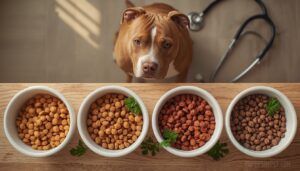
Switching foods too fast is the number one reason pit bulls get an upset stomach. A gradual diet switch protects their gut bacteria and prevents adverse reactions.
- Week 1: 25% new, 75% old
- Week 2: 50/50 mix
- Week 3: 75% new, 25% old
- Week 4: 100% new food
- Throughout: monitor stool and skin
Watch for digestive changes daily—this vet-approved pacing keeps upset bellies at bay.
Portion Size Monitoring
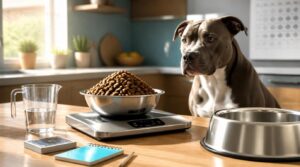
Once you’ve settled on a new food, portion accuracy matters just as much as the recipe itself. A digital kitchen scale beats scoops for precision—calorie density varies widely between brands. No scale? Compare portions to a fist or deck of cards.
Track calories with an app, feed on a consistent schedule, and reassess body condition score monthly to catch overfeeding before it becomes a habit.
Watch Stool Changes
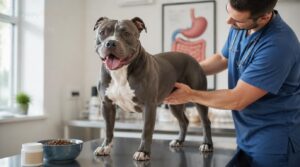
Your dog’s stool tells you more than you’d think. Firm, sausage-shaped logs mean digestion is calm; loose or watery stools past 24-48 hours, mucus, or dark tarry color signal trouble.
Frequency shifts—suddenly going three-plus times daily—often trace back to the new food. Dogs with sensitive stomachs benefit from probiotics and gradual dietary variety, especially if food allergies are suspected.
Track Skin Reactions
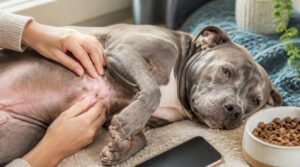
Skin often reveals sensitivities before the gut does. Watch for redness, bumps, or flakiness on paws, ears, belly, or muzzle.
Rate severity 1-10, note the location, and snap close-up and wide photos in consistent lighting. A dated log connects flares to feeding changes, helping you and your vet identify true food sensitivities versus coincidental skin allergies.
When to Call Veterinarians

Most change hiccups settle on their own, but some signs mean stop and call immediately: bloody vomit, choking or gagging without result, blue-tinged gums, breathing distress, or seizures and collapse. Toxic food ingestion also warrants urgent contact.
For milder concerns, online veterinary nutrition consults or a dog allergy testing kit can clarify whether you’ve found a truly vet-recommended diet fit.
Frequently Asked Questions (FAQs)
What is the best dog food for Pitbulls?
There’s no single winner here — it depends on your dog’s life stage, allergies, and activity level. Look for named animal protein first, balanced fat around 12-22%, and transparent ingredient sourcing to avoid nutritional gaps.
What should I Feed my Pitbull if he is not eating well?
Try low-sodium broth or warm water for moisture enrichment, plus plain cooked chicken as a safe topper.
But persistent appetite loss often signals dental discomfort or illness—rule out medical causes with a vet-approved exam before assuming picky eating.
How do I choose the right food for my Pitbull?
Look for named animal protein sources, life-stage-specific formulation, and verified ingredient quality.
Match caloric intake to your dog’s activity level, confirm AAFCO adequacy statements, and prioritize brands with clean recall histories to support your muscular breed’s long-term health safely.
What should a pit bull eat?
Protein-packed, purposeful portions define pitbull nutrition: named animal proteins deliver essential amino acids for muscle building, while balanced fats support skin coat health.
Nutrient density matters most, matched to caloric intake balance for this muscular breed’s lifestage-specific nutrition needs, from pitbull puppy feeding through adulthood.
Can Pitbulls eat grains?
Yes, most tolerate rice, oats, and barley fine, gaining digestible energy and fiber for regularity. A minority show grain sensitivity symptoms like itching or loose stool, worth investigating through controlled grain reintroduction before assuming a grain-free diet is necessary.
What dog food should a blue nose Pitbull eat?
A blue nose Pitbull needs the same nutrient-dense diet as other Pitbulls—coat color doesn’t change requirements.
Choose named-meat-first formulas with 24-30% protein, omega-3s for skin health, and moderate fat, rotating protein sources to support gut microbiome balance and muscle maintenance.
What is the best dog food for pitbulls?
There’s no single answer that fits every dog. Best Overall Dog Food For Pitbulls balances 25-32% protein, omega-3s, and joint support—like Farmer’s Dog Fresh—while accounting for allergies, activity level, and calorie management specific to your pit bull’s life stage.
What should pit bulls not eat?
Keep chocolate, grapes, raisins, onions, and garlic off the menu—these cause toxic reactions, kidney failure, or anemia. Watch for xylitol in sugar-free treats and fatty scraps, which trigger pancreatitis. If eaten, call your vet immediately.
Is Purina One a good dog food for pitbulls?
It can work well: protein levels around 24-30% and 14-18% fat suit active dogs, plus probiotic gut support.
Check ingredient quality and recall history first—Purina Pro Plan Sensitive Skin & Stomach Salmon Rice is a solid, vet‑approved choice.
What treats work best for pitbull training?
Picture a bite-sized reward so irresistible your pit bull forgets the squirrel across the yard. High-value rewards—soft, meat-based, 2-5 calories each—work best.
Rotate flavors, skip xylitol, and match calorie-controlled treats to your dog’s high energy and muscle development needs.
Conclusion
A dog’s bowl is a foundation, not an afterthought, and every brick matters. The best dog food for pit bulls isn’t the flashiest bag on the shelf; it’s the one matching your dog’s muscle, energy, and gut to real, named protein sources.
Read labels like a vet would. Watch the coat, the stool, and the waistline.
Small adjustments now prevent bigger problems later. Feed with intention, and your pit bull’s health follows naturally.
- https://happyhoundscbd.com/blogs/the-happy-pets-blog/what-s-a-good-dog-food-for-pit-bulls
- https://www.spotandtango.com/blog/pitbull-allergies
- https://www.dogfoodadvisor.com/best-dog-foods
- https://www.californiadogkitchen.com/blogs/info/the-best-dog-food-for-pitbulls
- https://vetster.com/en/wellness/the-best-foods-for-dogs-with-allergies