
This site is supported by our readers. We may earn a commission, at no cost to you, if you purchase through links.

That cottony white coat hides a surprisingly small stomach with big demands. Cotons pack a lively, muscular frame onto a body that rarely tops 13 pounds, which means every kibble needs to punch above its weight nutritionally.
Get the formula wrong, and you’ll see it fast: itchy skin, loose stools, or a coat that loses its signature fluff. Vets increasingly point to breed-specific factors, like a predisposition to patellar luxation and sensitive digestion, as reasons why generic "small breed" bags don’t always cut it.
Finding the best dog food for coton de tulears comes down to matching real nutritional science to your dog’s exact needs. The picks ahead break down which brands actually deliver on protein quality, joint support, and gut health, so you’re not left guessing at the pet store aisle.
Table Of Contents
- Key Takeaways
- Top 10 Dog Foods Reviewed
- 1. Canidae Petite Salmon Small Breed Food
- 2. Honest Kitchen Chicken Small Breed Dog Food
- 3. Nutro Ultra High Protein Dog Food
- 4. JustFoodForDogs Beef and Potato Wet Dog Food
- 5. Open Farm Chicken Turkey Small Breed
- 6. Blue Buffalo Chicken Brown Rice Dog Food
- 7. Open Farm Senior Chicken Turkey Kibble
- 8. Acana Lamb and Pumpkin Dry Dog Food
- 9. Blue Buffalo Digestive Care Chicken Dog Food
- 10. Portland Pet Food Fresh Dog Pouches
- Coton De Tulear Nutrition Needs
- Key Ingredients to Prioritize
- Health Concerns and Diet Support
- Choosing The Right Formula
- Feeding Your Coton De Tulear
- Frequently Asked Questions (FAQs)
- What is the best dog food for my Coton de Tulear?
- What do Coton de Tulear eat?
- Are Coton de Tulear a good dog breed?
- What should Coton de Tulear eat?
- What are the downsides of Coton de Tulear?
- Do Coton de Tulears have sensitive stomachs?
- What is the #1 healthiest dog food?
- How often should I feed my Coton De Tulear?
- Are food allergies common in this breed?
- When should I switch to senior dog food?
- Conclusion
Key Takeaways
- Coton de Tulear need calorie-dense, meat-first formulas with 18-30% protein since their small frames burn energy faster than larger breeds despite weighing under 13 pounds.
- The breed’s predisposition to patellar luxation, sensitive digestion, and skin allergies makes joint-supporting nutrients like glucosamine and chondroitin, along with novel proteins and omega-3s, especially important dietary priorities.
- Small kibble sized 3-8mm, gradual food transitions over 14 days, and portion control based on weight (roughly 1/2 to 1 1/4 cups daily for dogs under 10 lbs) help prevent common digestive and weight issues.
- Feeding needs shift significantly across life stages, from frequent small meals for puppies to twice-daily adult feeding to reduced-calorie, joint-friendly diets for seniors experiencing slower metabolisms.
Top 10 Dog Foods Reviewed
Finding the right food for your Coton de Tulear doesn’t have to feel overwhelming, even with so many bags promising the world on their labels.
You want a formula that respects their small size, sensitive stomach, and that signature cottony coat, without cutting corners on quality. Here are ten options worth your consideration, each reviewed with your Coton’s specific needs in mind.
If you’re also caring for a different breed, this guide on choosing the best food for Basset Hounds breaks down similar considerations for their unique needs.
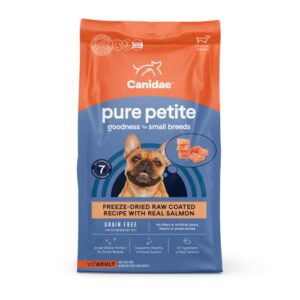
1. Canidae Petite Salmon Small Breed Food
 View On Amazon
Small mouths need small kibble, and this formula gets that right. Real salmon leads the ingredient list, giving your Coton lean, digestible protein without relying on cheap fillers like corn or soy.
The limited-ingredient approach helps if your pup’s prone to itchy skin or tummy trouble. Omega fatty acids support that signature cottony coat, while added probiotics keep digestion steady. At 10 lbs and made in the USA, it’s a trustworthy everyday choice for adult small breeds.
| Best For | adult Coton de Tulears and other small-breed dogs with sensitive stomachs or skin who need a grain-free, limited-ingredient diet. |
|---|---|
| Life Stage | Adult |
| Form | Dry Kibble |
| Primary Protein | Salmon |
| Grain Content | Grain-Free |
| Weight | 10 lbs |
| Digestive Support | Probiotics |
| Additional Features |
|
- Real salmon as the first ingredient delivers lean, digestible protein
- Small kibble size is easy for tiny mouths to chew
- Probiotics and omega fatty acids support digestion, skin, and coat health
- Grain-free formula isn’t ideal for dogs needing grains in their diet
- Only suitable for adult dogs, not puppies or seniors
- Limited to small breeds, so it won’t work for larger dogs
2. Honest Kitchen Chicken Small Breed Dog Food
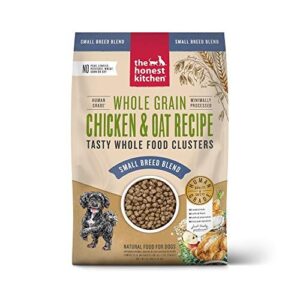
If salmon’s not on the menu, cage-free chicken works just as well as a lean, single-source protein. Honest Kitchen takes it further with human-grade ingredients, cold-pressed and slow-roasted to lock in nutrients rather than cooked away.
Small batches mean fresher bags reach your Coton, and the built-in probiotics keep digestion smooth. Bite-sized kibble suits petite jaws, and you can rehydrate it with water for pups who prefer softer meals or have dental sensitivities.
| Best For | small-breed dogs with sensitive stomachs or dental issues who need a gentle, easy-to-chew meal. |
|---|---|
| Life Stage | All Life Stages |
| Form | Dry Clusters |
| Primary Protein | Chicken |
| Grain Content | Whole Grain |
| Weight | 10 lbs |
| Digestive Support | Probiotics |
| Additional Features |
|
- Human-grade ingredients with no by-products, preservatives, or GMOs
- Built-in probiotics support healthy digestion and immune function
- Can be rehydrated with water for a softer, easier-to-eat meal
- Higher price point than standard feed-grade dog foods
- Kibble quality can be inconsistent, with occasional burnt pieces
- Picky eaters may need a transition period to adjust
3. Nutro Ultra High Protein Dog Food
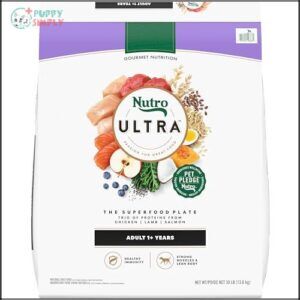
Nutro Ultra High Protein leans on a trio of proteins—chicken, lamb, and salmon—to deliver well-rounded amino acid support for lean muscle. Fourteen superfoods, including blueberries and kale, round out the antioxidant profile nicely.
Beet pulp and whole grains keep digestion steady, while zinc and vitamin E support immunity and coat health. It’s non-GMO and skips corn, wheat, and soy.
One catch: it’s formulated for adult dogs, not puppies, so keep that in mind before switching your Coton over.
| Best For | adult dogs needing a protein-rich diet to support lean muscle, healthy skin, and overall immune function. |
|---|---|
| Life Stage | Adult |
| Form | Dry Kibble |
| Primary Protein | Chicken |
| Grain Content | Contains Grains |
| Weight | 30 lbs |
| Digestive Support | Natural Fiber |
| Additional Features |
|
- Three quality animal proteins (chicken, lamb, salmon) support strong muscle maintenance
- 14 superfoods plus antioxidants promote a healthy coat and immune system
- Non-GMO formula avoids corn, wheat, and soy for easier digestion
- Not formulated for puppies, so it’s only suitable for adult dogs
- Contains grains like sorghum, barley, and oatmeal, which may not suit grain-sensitive pups
- Needs to be stored in a cool, dry place to stay fresh
4. JustFoodForDogs Beef and Potato Wet Dog Food
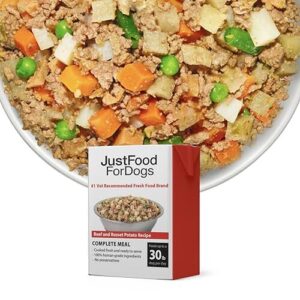
If your Coton needs something gentler than kibble, this one’s worth a look. JustFoodForDogs uses ground beef and whole potatoes as its base, with carrots and green beans adding fiber and micronutrients—a true meat-first formula.
Fish or algae oils supply omega fatty acids for skin and coat support, while the moisture-rich texture aids hydration and digestion. It meets AAFCO maintenance guidelines, so it’s nutritionally complete. Serve it as a full meal or a flavorful topper for picky eaters.
| Best For | dogs with sensitive stomachs, chicken allergies, or picky appetites who need an easily digestible, human-grade meal or topper. |
|---|---|
| Life Stage | All Life Stages |
| Form | Wet/Gently Cooked |
| Primary Protein | Beef |
| Grain Content | Grain-Free |
| Weight | 12.5 oz x12 |
| Digestive Support | High Digestibility |
| Additional Features |
|
- 100% human-grade ingredients like lean ground beef and beef heart, gently cooked for better nutrient absorption
- Shelf-stable Tetra Pak packaging lasts up to 2 years unopened and needs no refrigeration until opened
- 40% more digestible than standard kibble, supporting skin, coat, and digestive health
- Higher price point than standard dry kibble
- Texture is a homogenized paste rather than distinct chunks, which some dogs (or owners) may find unappealing
- Packaging can be tricky to open and may require opening over a sink to avoid a mess
5. Open Farm Chicken Turkey Small Breed
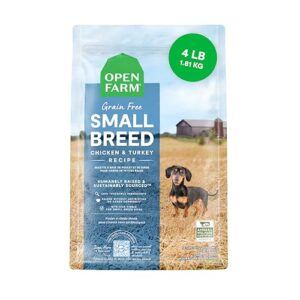
Traceability is the real selling point here, with humanely raised chicken and turkey backed by farm-level transparency and antibiotic-free sourcing.
Small kibble suits your Coton’s petite jaw, while chicory root and functional additions like green lipped mussel support joints and digestion. It’s grain-free, skips corn and soy, and works across life stages. Pricier than average, yes, but the ingredient sourcing offers genuine peace of mind for owners who want to know exactly where dinner came from.
Beyond kibble size, checking the label for named meat proteins over vague "meal" fillers matters just as much, a point covered well in this guide to choosing high-protein dog food for large breeds.
| Best For | small breed dogs, like Cotons, who need a high-protein, grain-free diet with joint support and full ingredient transparency. |
|---|---|
| Life Stage | All Life Stages |
| Form | Dry Kibble |
| Primary Protein | Chicken/Turkey |
| Grain Content | Grain-Free |
| Weight | 4 lbs |
| Digestive Support | Chicory Root |
| Additional Features |
|
- Small kibble size designed specifically for petite jaws and small breeds
- Grain-free recipe with joint-supporting green lipped mussel and chicory root
- 100% traceable, ethically sourced, antibiotic-free chicken and turkey
- Higher price point compared to standard dry dog foods
- Contains fish meal and salmon oil, which may not suit dogs with seafood allergies
- Formulated for small breeds only, so it’s not suitable for larger dogs
6. Blue Buffalo Chicken Brown Rice Dog Food
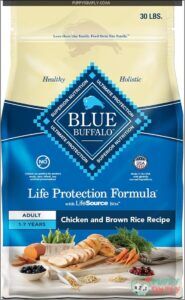
A grocery-store staple for a reason, this formula puts deboned chicken first and follows with chicken meal to keep muscles well-fed. Brown rice, barley, and oatmeal supply steady energy without corn, wheat, or soy in the mix.
The real standout is LifeSource Bits, a cold-formed mix of antioxidants and vitamins scattered through every bag. Flaxseed rounds things out with omega fatty acids for that soft Coton coat. It’s dependable, AAFCO-compliant nutrition, just not grain-free if that’s a priority.
| Best For | Adult dogs whose owners want a widely available, grain-inclusive kibble built around real chicken and natural ingredients for everyday nutrition. |
|---|---|
| Life Stage | Adult |
| Form | Dry Kibble |
| Primary Protein | Chicken |
| Grain Content | Contains Grains |
| Weight | 30.28 lbs |
| Digestive Support | Prebiotic Fiber |
| Additional Features |
|
- Real chicken as the first ingredient supports lean muscle maintenance
- LifeSource Bits deliver a precise mix of antioxidants, vitamins, and minerals for immune support
- Omega 3 & 6 fatty acids plus glucosamine promote healthy skin, coat, and joint mobility
- Contains grains like brown rice, barley, and oatmeal, so it’s not suitable for grain-free diets
- Packaging may look slightly different from online photos
- Needs proper storage to keep the nutrients fresh and effective
7. Open Farm Senior Chicken Turkey Kibble
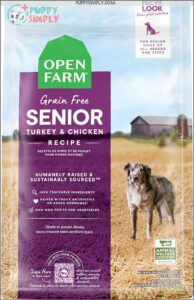
Twelve years is a long stretch for those little joints to hold up, and this recipe was built with that in mind. Turkey and chicken lead the ingredient list, delivering glucosamine and chondroitin naturally rather than relying solely on supplements.
Salmon oil adds DHA for cognitive support, while sweet potato and pumpkin keep digestion gentle for aging guts. You won’t find corn, wheat, or artificial preservatives here—just ethically sourced proteins with calorie counts clear enough to help you manage your senior Coton’s waistline without guesswork.
| Best For | senior dogs, like aging Cotons, who need extra hip and joint support along with a gentle, easy-to-digest diet. |
|---|---|
| Life Stage | Senior |
| Form | Pellet/Kibble |
| Primary Protein | Chicken/Turkey |
| Grain Content | Grain-Free |
| Weight | 22 lbs |
| Digestive Support | Functional Ingredients |
| Additional Features |
|
- Real turkey and chicken provide natural glucosamine and chondroitin for joint health
- Salmon oil delivers DHA to support brain function in older dogs
- Free from corn, wheat, soy, and artificial preservatives, with fully traceable, ethically sourced ingredients
- Formulated only for senior dogs, so it won’t work for puppies or adults
- Grain-free recipe isn’t ideal for dogs that do better with grains in their diet
- Contains seafood like ocean whitefish and herring meal, which may not suit dogs with fish sensitivities
8. Acana Lamb and Pumpkin Dry Dog Food
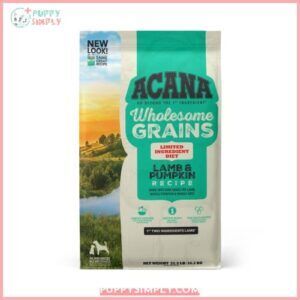
Simplicity done right—that’s what this recipe offers, built around deboned lamb as the sole animal protein for Cotons prone to chicken sensitivities. Peas and pumpkin supply digestible fiber, while omega fatty acids support that signature cottony coat.
You won’t find corn, wheat, or artificial preservatives in the mix. It’s formulated across life stages, though the kibble size runs larger, so soaking may help smaller-jawed or senior Cotons manage it comfortably. Expect a higher price point, but the limited-ingredient approach often pays off for sensitive stomachs.
| Best For | Coton de Tulear owners seeking a limited-ingredient, single-protein lamb recipe for dogs with chicken sensitivities or sensitive stomachs. |
|---|---|
| Life Stage | All Life Stages/Adult |
| Form | Dry Kibble |
| Primary Protein | Lamb |
| Grain Content | Grain-Free Option |
| Weight | 22.5 lbs |
| Digestive Support | Prebiotics/Probiotics |
| Additional Features |
|
- Single-source lamb protein helps avoid common chicken allergies while delivering high protein content
- Omega-3 and omega-6 fatty acids support healthy skin and a shiny, cottony coat
- Prebiotics, probiotics, and fiber-rich ingredients like pumpkin promote digestive wellness
- Larger kibble size may be tough for small-jawed or senior Cotons to chew comfortably
- Priced higher than standard dry dog food recipes
- May contain trace amounts of fish from manufacturing, which could concern dogs with fish sensitivities
9. Blue Buffalo Digestive Care Chicken Dog Food
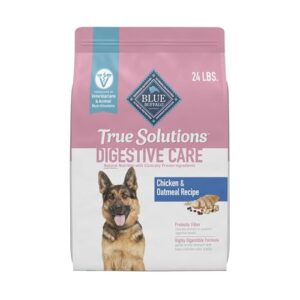
A sensitive stomach can turn mealtime into a guessing game, and that’s where this formula earns its keep. Real deboned chicken leads the ingredient list, paired with prebiotic fiber clinically shown to support stool quality and gut health.
Brown rice and oats replace corn, wheat, and soy, giving your Coton digestible energy without common triggers. Flaxseed and canola oil contribute omega fatty acids for coat health. Formerly called Blissful Belly, it’s veterinarian-formulated for adults needing gentle, dependable digestive support.
| Best For | Adult dogs with sensitive stomachs who need gentle, everyday nutrition to keep digestion on track. |
|---|---|
| Life Stage | Adult |
| Form | Dry Kibble |
| Primary Protein | Chicken |
| Grain Content | Contains Whole Grains |
| Weight | 24.24 lbs |
| Digestive Support | Clinical Prebiotic Fiber |
| Additional Features |
|
- Real deboned chicken as the first ingredient, backed by clinically proven prebiotic fiber for gut health
- Free from corn, wheat, soy, and poultry by-product meals, using brown rice and oats instead
- Omega 3 and 6 fatty acids from flaxseed and canola oil support a healthy coat
- Packaging may look different from the images shown online
- Contains mineral chelates and added supplements, which some owners prefer to avoid
- Rebranding from Blissful Belly to Digestive Care could confuse returning customers
10. Portland Pet Food Fresh Dog Pouches
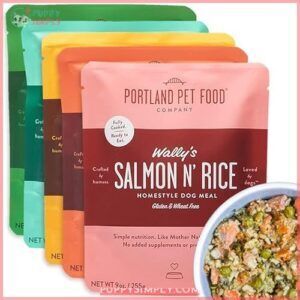
Rounding out the list is something entirely different: fresh food in a pouch. Portland Pet Food Company skips the kibble bowl altogether, offering shelf-stable, human-grade meals in flavors like Chicken & Yams and Salmon N’ Rice, with 11 or fewer ingredients each.
No refrigeration, no mess. Just microwave, serve, or use as a topper for picky eaters. It’s gentle on sensitive stomachs and suited to every life stage, making it a genuinely handy addition to your Coton’s rotation.
| Best For | Coton owners who want a fresh, human-grade meal option for picky eaters or sensitive stomachs without the hassle of refrigeration or thawing. |
|---|---|
| Life Stage | All Life Stages |
| Form | Wet Food |
| Primary Protein | Salmon/Beef/Chicken/Turkey/Pork |
| Grain Content | Gluten-Free |
| Weight | 5 pouch pack |
| Digestive Support | Gentle Formula |
| Additional Features |
|
- Shelf-stable and microwave-safe, so there’s no prep, thawing, or mess involved
- Made with human-grade, limited ingredient recipes sourced and produced in the USA
- Flexible enough to use as a full meal, mixer, or topper for any life stage
- Only available for dogs, so cat owners will need a separate product
- Owners of pets with allergies will need to check ingredients closely
- Variety pack flavors may not suit dogs with very specific taste preferences
Coton De Tulear Nutrition Needs

Your Coton’s small frame comes with specific nutritional demands that most generic dog foods simply weren’t built to meet.
From calorie counts to protein ratios, getting these numbers right matters more than you might think at every life stage. Here’s what you need to know before choosing a bowl to fill.
Small Breed Calorie Needs
Ounce for ounce, your Coton burns more energy than a Labrador ever will—small bodies simply run hotter metabolically.
Ounce for ounce, a small dog’s metabolism runs hotter and burns more energy than a much larger breed’s
Most adults need 30 to 40 calories per pound daily, so a 9-pound Coton lands around 270-360 calories.
You can use a dog calorie calculator to determine precise nutritional needs.
- Calculate RER (70 × weight in kg^0.75)
- Multiply by 1.4-1.8 for activity level
- Add calories in cold months
- Adjust for indoor, low-activity lifestyles
Ideal Protein and Fat
Those calories need to work hard, so protein quality matters more than quantity alone. Aim for 30% protein and 18% fat, favoring lean meat-based proteins like Taste of the Wild’s Appalachian Valley formula.
High-quality, digestible protein helps maintain lean mass preservation during caloric restriction, delivers essential amino acids, and fuels fat-burning states—keeping your Coton’s energy steady without unwanted weight gain between meals.
Puppy Growth Requirements
Your Coton puppy will double that tiny birth weight within 10 to 14 days, then hit rapid growth spurts between weeks 3 and 12. This demands caloric density roughly double an adult’s needs per pound.
Look for DHA-enriched formulas supporting brain development, plus balanced calcium-phosphorus ratios for bone development. Weaning transitions gradually over 7-14 days, so a small breed puppy formulation eases that shift naturally.
Adult Maintenance Nutrition
Once your Coton settles into adulthood, growth calories give way to steady maintenance nutrition built around 350 to 450 daily calories.
Protein around 20-25% preserves lean muscle, while fat stays near 10-20% for coat and energy.
- Complete and balanced food with named animal proteins
- Omega-rich fats for skin health
- Calcium-phosphorus ratios supporting bone density
Twice-daily feeding keeps energy steady.
Senior Weight Support
Slower metabolisms mean older Cotons need 15-25% fewer calories than their adult counterparts, so watch the scale closely.
Keep protein at 25-35% to protect muscle, pair meals with joint-friendly walks, and recheck body condition score every month.
Fiber-rich veggies boost fullness, while glucosamine helps with comfortable movement as weight and joints shift together.
Key Ingredients to Prioritize

Once you know how many calories and how much protein your Coton needs, the next question is what those calories are actually made of. Not every ingredient on a label carries the same weight for your dog’s health, and some matter far more than others. Here’s what to look for on the ingredient list before anything else.
Meat-first Protein Sources
Real meat isn’t a marketing buzzword—it’s biology. Animal protein sources deliver complete amino acid profiles that plant fillers simply can’t match, driving muscle protein synthesis in your Coton’s petite frame.
Look for named meats first on labels, not "meal" or "by-product." High-quality protein means better heme iron absorption and bioavailable mineral content, plus the essential leucine levels small breed nutrition depends on for lean, healthy muscle.
Omega Fatty Acids
Softness starts from within, and your Coton’s signature coat depends on essential fatty acids working at the cellular level.
Marine oil benefits shine here—fish-derived omega3 fatty acids support membrane health role and skin and coat health simultaneously.
- Omega ratio balance matters for inflammation control
- Omega6 fatty acids come from vegetable oils
- Aim for anti-inflammatory omega fatty acid ratios
Digestible Carbohydrates
Not all carbs are created equal, and your Coton’s energy depends on choosing ones his small body can actually use.
Starch digestion rates vary widely, so favor gently cooked grains over refined fillers for steadier blood glucose stability and better satiety signaling effects. Lower glycemic index impact means fewer energy crashes, supporting nutrient absorption efficiency alongside his digestible proteins for lasting digestive health.
Probiotics and Prebiotics
Think of your Coton’s gut as a garden—it needs both the right seeds and the right soil. Probiotics and prebiotics work as a team: beneficial bacterial strains colonize his gut while prebiotic fiber feeds them, creating true synbiotic gut balance.
This partnership builds microbial colonization resistance, protects gut barrier integrity, and boosts short-chain fatty acid production—all quietly supporting his microbiome health and everyday digestive comfort.
Joint-support Nutrients
Small joints carry big responsibility, especially in a breed prone to patellar luxation. Look for glucosamine and chondroitin working together, often paired with MSM sulfur support for connective tissue, plus omega-3s for inflammation and vitamin C for collagen synthesis.
- Glucosamine hydrochloride and chondroitin sulfate
- Fish oil (EPA/DHA)
- Calcium-phosphorus mineral bone balance
Preventative care now protects mobility, joint health, and eye health for years ahead.
Health Concerns and Diet Support

Cotons are generally hardy little dogs, but their breed still carries a few predictable health tendencies worth knowing about.
From skin sensitivities to joint and eye concerns, the right diet can genuinely ease or worsen these issues over time. Here’s what to watch for, and how your food choice plays a direct role in each one.
Sensitive Skin and Allergies
Cotons carry that signature cotton-soft coat, but their skin underneath can be allergy-prone, reacting to chicken, beef, or dairy with itchiness and irritation.
That’s why novel protein sources like duck or lamb matter so much for identifying dietary triggers. Hydrolyzed protein benefits extend to severe sensitivities, while omega-rich, hypoallergenic formulas support gut microbiome health and manage skin itch from the inside out.
Patellar Luxation Support
Skin issues aside, this breed’s petite frame makes it prone to patellar luxation, which can cause hindlimb lameness ranging from occasional hitching to full weight-bearing avoidance.
Glucosamine and chondroitin help maintain joint health, while omega-3s aid inflammation reduction. Nutritional care paired with joint stabilization exercises helps manage symptoms. Should surgery become necessary, proper diet aids surgical recovery protocols. Preventative pet care, including brace fit importance when used, protects long-term mobility and comfort.
Eye Health Nutrients
Joints aren’t the only delicate structure in that petite frame—your Coton’s eyes deserve equal attention.
Omega-3 fatty acids support retinal tissue, while lutein and zeaxanthin filter damaging light. Vitamin A maintains normal vision, and vitamin C and zinc provide antioxidant protection against oxidative stress. Together, these nutrients form smart preventative care against progressive retinal atrophy, supporting lifelong ocular wellness.
Digestive Upset Prevention
Good vision protects your Coton from within, but so does a calm, well-managed gut.
Feeding slowly cuts down on swallowed air that leads to gas and bloating, while smaller, more frequent meals ease digestive load. Keep the last meal 2-3 hours before bedtime, and always provide plenty of fresh water—it softens stool and keeps everything moving comfortably.
Weight Management Strategies
Watching those extra pounds creep on? Trim daily calorie intake by just 5–15% for gradual loss, paired with consistent meal timing and 150 minutes of weekly activity.
Choose small breed dog food with lean protein for satiety and moderate fiber for fullness. Weigh weekly, adjust portions if progress stalls, and track activity—your Coton’s joints and metabolic needs will thank you.
Choosing The Right Formula
With so many bags on the shelf claiming to be "the best," picking the right one for your Coton comes down to a few practical decisions. You’ll want to weigh things like grain content, ingredient lists, and kibble size against your dog’s specific needs. Here’s what to actually look for before you commit to a formula.
Grain-free Versus Grain-inclusive

Grain-free versus grain-inclusive isn’t a one-size-fits-all decision for your Coton. Grain-free formulas using peas or lentils offer dense energy but may affect nutrient absorption efficiency and heart health. Grain-inclusive diets with rice or oats support glycemic response stability and digestion.
- Legume-based carbs boost palatability
- Whole grains add B vitamins
- Processing affects digestibility more than grain type
- Monitor your dog’s individual tolerance
Limited Ingredient Diets

Limited ingredient diets simplify troubleshooting when your Coton’s itchy skin or upset stomach points to food allergies and sensitivities. These formulas pair one novel protein, like duck or venison, with a single simple carbohydrate, minimizing cross-reactivity.
Label reading tips matter here: check that your chosen protein appears first, confirming it’s the dominant ingredient rather than a minor addition buried in fine print.
Small Kibble Size

Ever watch a tiny dog wrestle with kibble too big for its mouth? That’s why jaw structure compatibility matters so much for Cotons. Pieces sized 3-8mm support proper mastication efficiency and easier chewing, while reducing choking hazards during swallowing.
Smaller bites also improve texture and palatability, encouraging thorough chewing that boosts nutrient absorption—simple, practical proof that the best dog food for Coton de Tulears fits their small mouth chewing needs.
Wet Food Versus Dry

Wet food offers 70-85% moisture versus kibble’s 10%, meaningfully boosting hydration and supporting digestive health support and urinary function.
Dry dog food wins on caloric density, dental abrasion, and storage convenience—no refrigeration needed.
Texture variety matters too: many Cotons prefer wet food’s aromatic pate or chunks, especially picky eaters. Mixing both often balances hydration benefits with practical, affordable feeding.
AAFCO Nutritional Adequacy

That little "complete and balanced" phrase on the bag carries real weight. It means the food meets AAFCO nutrient profiles for growth or adult maintenance—not the same thing. Feeding trials offer more rigor than lab analysis alone.
- Check the life stage claim
- Verify lab-tested or trial-tested
- Match profile to your Coton’s age
- Avoid "all life stages" if only one profile’s met
Feeding Your Coton De Tulear

Picking the right food is only half the job, since how and when you feed it matters just as much for your Coton’s health.
Portion sizes, meal timing, and how quickly you switch foods all shift as your dog moves from puppyhood through the senior years. Here’s exactly how to get feeding right at every life stage.
Daily Portion Guidelines
Six pounds of Coton fits neatly into daily portions—usually 1/2 to 1 1/4 cups dry kibble, split into two meals.
| Weight | Daily Portion |
|---|---|
| Under 10 lbs | 1/2–1 1/4 cups |
| 10–15 lbs | 1–1 3/4 cups |
| 15–20 lbs | 1 3/4–2 1/2 cups |
Use a measuring cup, not guesswork, and recheck weight every 4–6 weeks to prevent creeping obesity.
Puppy Feeding Schedule
Puppy portions shrink, but frequency climbs. A Coton de Tulear puppy needs meals matched to metabolism, not just age:
- Under 3 months: 4–6 small meals
- 3–6 months: 3 meals, 5–6 hour gaps
- 6–12 months: 2 meals daily
- Growth spurts: nudge portions upward
Watch calorie targeting and hydration timing around mealtimes—water helps digestion just as much as food does.
Adult Feeding Routine
Once your Coton settles into adulthood, twice-daily meals about 12 hours apart keep energy steady. Meal timing consistency helps with digestion and predictable stool patterns.
Measure portions precisely—don’t eyeball it. A dedicated feeding spot, free from distractions, encourages calmer eating. Reassess every few weeks, and always wait 30-60 minutes after exercise before serving that complete and balanced meal.
Senior Feeding Adjustments
Aging Cotons often eat less, so caloric density management matters more than portion size. Offer smaller, nutrient-rich meals with easily digestible protein, and try soft or moistened textures if dental comfort is an issue.
Warming food slightly can spark appetite in picky eaters. Add broth for hydration, and watch weight monthly to catch changes before they become problems.
Safe Food Transition Steps
Switching foods too fast is the top cause of tummy trouble in small breeds. Follow mixing ratios of 25% new food for three days, then 50%, 75%, and full switch by day 14.
Monitoring stool daily catches trouble early—loose stools mean slowing down. This gradual pace grips novelty shock, helps with gastrointestinal sensitivity, and maintains calorie targets, protecting your Coton’s digestive health through smart, preventative nutrition.
Frequently Asked Questions (FAQs)
What is the best dog food for my Coton de Tulear?
Small breed, small stomach, big needs: your Coton thrives on calorie-dense, meat-first formulas like Canidae Petite Salmon or Honest Kitchen Chicken, balanced at 18-28% protein, with novel proteins and omega-3s supporting his signature cottony coat.
What do Coton de Tulear eat?
Your Coton’s daily menu should center on lean animal protein, healthy fats, and digestible carbs like pumpkin or rice—balanced for small breed metabolism, calorie needs (20-30 kcal/lb), and hydration, whether through quality kibble, wet food, or a thoughtful mix of both.
Are Coton de Tulear a good dog breed?
Picture a shadow with fur, trotting happily at your heels — that’s a Coton. Yes, they’re a wonderful family breed: affectionate, playful, easygoing with kids and pets, and well-suited to apartment living when paired with proper diet and daily engagement.
What should Coton de Tulear eat?
Your Coton’s diet should feature lean animal protein first, moderate fat from fish oil, and digestible carbs like sweet potato.
Prioritize high protein density, balanced mineral ratios, and appropriate caloric intake—avoiding nutrient-poor fillers—to meet their small breed dietary needs.
What are the downsides of Coton de Tulear?
Real talk: these dogs face patellar luxation, progressive retinal atrophy, and spinal sensitivity from jumping. Add frequent grooming demands, obesity risk, and skin sensitivities—your Coton’s diet and daily care routine matter more than most breeds require.
Do Coton de Tulears have sensitive stomachs?
Yes, many do — soft stools or occasional vomiting often signal food sensitivities. Novel proteins and gut microbiome support help. Stool consistency monitoring during transitions catches problems early, so gradual diet changes matter more than most owners realize.
What is the #1 healthiest dog food?
There’s no single winner—your Coton’s ideal formula depends on individualized nutritional profiles matching life stage and sensitivities.
That said, Canidae Petite Salmon Small Breed consistently ranks highest for bioavailable protein quality, complete and balanced nutrition, and gentle digestion suited to small-breed needs.
How often should I feed my Coton De Tulear?
Twice daily works best for adult Cotons; puppies need three to four meals for steady growth. Seniors often thrive on two smaller portions.
Match frequency to life stage and calorie intake, and always avoid free feeding to prevent overeating.
Are food allergies common in this breed?
Is your Coton immune to itchy skin? Not quite—food allergies vary by individual, not breed. Watch for dermatologic allergy signs and try elimination diet protocols with hypoallergenic dog food to pinpoint protein trigger culprits like chicken or beef.
When should I switch to senior dog food?
Around 8 to 10 years old is typical, but watch for aging behavioral signs first—slower play, weight gain without more food, or joint mobility changes. These individual health cues matter more than a birthday for smart senior nutrition timing.
Conclusion
Picture that white coat catching the afternoon light after a walk, still soft, still full, with no itching underneath and steady energy in every step. That’s what the right bowl builds, one meal at a time.
Choosing the best dog food for coton de tulears isn’t about chasing trends; it’s about matching real nutrition to a small body with big needs. Get that right, and you’ll feed more than a dog. You’ll feed a happy, healthy companion for years.
- https://www.thefarmersdog.com/breed/coton-de-tulear
- https://www.borrowmydoggy.com/doggypedia/dog-breed-guides-coton-de-tulear
- https://www.petmd.com/dog/nutrition/bland-diet-for-dogs
- https://www.justanswer.com/pet-dog/16rjj-coton-de-tulear-s-food-use-lbs.html
- https://yourcaninenutritionist.com/blogs/news/diets-for-dogs-with-sensitive-stomachs