
This site is supported by our readers. We may earn a commission, at no cost to you, if you purchase through links.

Jackfruit is having a moment. The massive tropical fruit—some specimens tip the scales past 80 pounds—has gone from niche Asian grocery staple to trendy meat substitute at backyard barbecues across the country. And wherever human food trends go, curious dogs usually follow, noses first.
If your dog snagged a fallen chunk off the cutting board, or you’re wondering whether to share a bite intentionally, the answer isn’t a flat yes or no. Ripe jackfruit flesh is generally safe for dogs in small amounts—but the fruit carries real hazards hiding in its rind, seeds, and processed forms that every pet owner should know before serving any.
Table Of Contents
- Key Takeaways
- Can Dogs Eat Jackfruit?
- Yes, Dogs Can Eat Jackfruit Flesh
- Jackfruit Parts Dogs Must Avoid
- Is Jackfruit Good for Dogs?
- Jackfruit Risks for Dogs
- How to Prepare Jackfruit Safely
- How Much Jackfruit is Safe?
- Jackfruit Products Dogs Should Avoid
- When to Call Your Vet
- Frequently Asked Questions (FAQs)
- Can dogs eat jackfruit chips?
- What happens if a dog eats jackfruit?
- Can dogs eat jackfruit rinds?
- Can dogs eat jackfruit seeds?
- How much jackfruit can a dog eat?
- Can dogs eat jackfruit skin?
- Can puppies safely eat jackfruit or only adults?
- Does jackfruit interact with any canine medications?
- Is canned or packaged jackfruit safe for dogs?
- Can jackfruit affect dogs with sensitive stomachs differently?
- Conclusion
Key Takeaways
- Dogs can safely eat ripe jackfruit flesh in small amounts, but the rind, seeds, latex sap, and fibrous core are genuinely dangerous and must be removed completely before serving.
- Keep portions under 10% of your dog’s daily calories, offered no more than once or twice a week, and always start with a single bite to watch for digestive reactions over 48 hours.
- Processed jackfruit products — canned in syrup, dried, chipped, or seasoned — carry concentrated sugars, hidden toxins like xylitol, and additives that make them unsafe choices for dogs.
- Call your vet immediately if your dog swallows a seed or rind, shows a swollen belly, struggles to pass stool, or develops any facial swelling or breathing difficulty after eating jackfruit.
Can Dogs Eat Jackfruit?

Yes, dogs can eat jackfruit — but only certain parts, and only in the right amounts. Before you share a piece with your pup, there are a few important things to know. Here’s what every dog owner should keep in mind.
For a full breakdown of which parts are safe and how much is too much, this guide on feeding jackfruit to dogs covers everything you need.
Ripe Flesh Only
Jackfruit flesh is only safe for dogs when you use the golden pulp texture from ripe fruit. Avoid rind, seeds, and sap. Check for spoilage scent—anything sour or “off” isn’t safe. Make sure the texture consistency is soft, not sticky or fibrous. Here’s what to look for:
- Golden-yellow pulp
- No rind
- No seeds
- No sap
- No mold
Occasional Treat
Once you’ve confirmed the flesh is ripe and clean, the next question is how often to offer it.
Jackfruit flesh works best as an infrequent reward — not a daily habit. Keep it under 10% of daily calories to protect caloric balance and dietary variety.
| Dog Size | Max Piece Count | Serving Frequency |
|---|---|---|
| Small | 1–2 pieces | Once a week |
| Medium | 3–4 pieces | Once a week |
| Large | 5–6 pieces | Twice a week |
Sugar moderation matters here — natural fruit sugars add up quickly with repeated servings.
Not a Meal Replacement
Keeping portions small is smart — but replacing meals with jackfruit entirely isn’t. Jackfruit flesh doesn’t provide the complete protein, calcium, or essential amino acids your dog’s body depends on daily.
- No controlled caloric density
- Missing key macronutrient balance
- Unreliable micronutrient consistency
- Can’t substitute canine nutrition needs
Think of it as a snack, not a solution.
Vet Approval First
Before your dog gets even one bite, check in with your vet. Medical history consultation matters here — dogs with diabetes, gastrointestinal tract disease, food allergies, or digestive sensitivities face real risks from fruit sugars and fiber. Puppies, seniors, and pregnant dogs need life stage considerations too.
A quick call keeps pet safety guidelines working in your favor. You can also ask about core vaccination requirements during your visit.
Yes, Dogs Can Eat Jackfruit Flesh

The good news is that jackfruit flesh is safe for dogs when it’s prepared the right way. A few simple guidelines make all the difference between a healthy snack and a stomach upset. Here’s what to keep in mind before you offer your dog a piece:
Plain Ripe Fruit
When choosing jackfruit for your dog, only the ripe flesh qualifies as safe. Look for that golden color, soft texture, and sweet aroma — signs the fruit has peaked. Ripe flesh offers:
- A gentle, palatable mouthfeel
- Natural sugars in small portions
- No harsh astringency
Avoid anything unripe. Serve plain — no sauces, no extras.
Small Bite-sized Pieces
Every piece you cut matters. Bite-sized portions — roughly pea-to-dime sized — reduce choking risk and help your dog chew thoroughly before swallowing.
Smaller jackfruit flesh pieces also mix more evenly with saliva, supporting digestive ease. They keep treat portions controlled, so you’re not accidentally overfeeding. Think of it as pacing — small amounts, safe in small amounts, every time.
Cooked or Uncooked
Both options work. Ripe jackfruit flesh can be served raw or lightly steamed — each has trade-offs worth knowing:
- Raw jackfruit preserves heat-sensitive nutrients but requires careful hygiene — wash surfaces, hands, and utensils before cutting.
- Cooked jackfruit softens texture, easing digestion for sensitive stomachs.
- Heat may reduce some vitamins but improves nutrient bioavailability by breaking down plant cell walls.
- Skip frying — plain steaming or baking is always the safer choice.
No Seasonings Added
Plain means plain — no exceptions. Salt, garlic powder, onion, butter, soy sauce, spice blends — none of these belong near jackfruit you’re serving your dog. Even small amounts of garlic or onion are toxic to dogs.
Seasonings also mask digestive reactions, making it harder to tell whether jackfruit itself caused loose stool or gas.
Jackfruit Parts Dogs Must Avoid
Not every part of a jackfruit is safe for your dog — in fact, some parts can be genuinely dangerous. Before you share this fruit, it’s worth knowing exactly what to keep away from your pet. Here are the specific parts you’ll want to avoid.
Spiky Outer Rind

The jackfruit rind is built like natural armor — its spiky outer surface can cut your dog’s mouth, gums, and tongue before a single swallow happens. Those defensive spines aren’t decorative; they’re tough, sharp projections that cause real discomfort on contact.
Remove the skin completely before your dog gets anywhere near this fruit.
Large Hard Seeds

Jackfruit seeds are large, dense, and hard enough to become serious choking hazards — especially for smaller breeds. If swallowed whole, they can cause intestinal blockages that require emergency surgery.
Raw seeds also contain lectins and cyanogenic glycosides, both genuinely toxic compounds. Their seed coat impermeability means digestive fluids can’t break them down easily. Remove every seed before serving.
White Latex Sap

Seeds aren’t the only risk lurking inside the fruit. That milky, sticky fluid coating the pods — white latex sap — is a natural plant defense, produced to deter animals from feeding on it. Direct contact with your dog’s mucous membranes can cause irritation quickly.
Watch for these signs after exposure:
- Drooling or persistent pawing at the mouth
- Nausea or stomach upset
- Gastrointestinal tract discomfort
- Refusal to eat after contact
Remove it thoroughly before serving.
Fibrous Inner Core
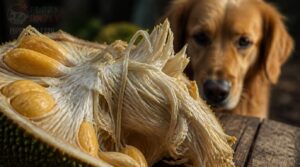
The pith running through the center of a jackfruit isn’t soft or juicy — it’s tough, stringy, and fibrous. Those thread-like strands cling together and resist breaking apart, even with chewing.
Dogs often gulp food rather than chew it thoroughly, so large pith chunks can reach the stomach nearly intact, where dense fiber bulk strains digestion and risks causing discomfort or a blockage.
Choking and Blockage Risks

Those fibrous strands don’t just strain digestion — they can become choking hazards when swallowed in chunks. Hard seeds are especially dangerous, capable of lodging in the throat and causing airway obstruction before you even notice something’s wrong. Silent choking shows no coughing or sound.
Dogs that eat quickly face the highest risk of intestinal blockage from seeds or rind fragments.
Is Jackfruit Good for Dogs?

When jackfruit is prepared correctly, it actually brings a few real nutritional perks to your dog’s snack rotation. The ripe flesh contains several vitamins and minerals that can quietly support your dog’s overall health in small ways. Here’s a closer look at what’s inside.
Vitamin a Benefits
Vitamin A is one of the quieter nutrients doing real work behind the scenes. In dogs, it promotes retinal health, helping the eyes form the visual pigments needed for normal sight.
It also strengthens epithelial tissue — the thin cellular lining that protects the gut, lungs, and skin. Think of it as your dog’s internal maintenance crew, keeping surfaces intact and immune barriers ready.
Vitamin C Support
Jackfruit’s vitamin C content does quiet but meaningful work in your dog’s body — supporting immune cell function, helping white blood cells do their job, and acting as an antioxidant against oxidative stress.
- Boosts collagen synthesis for tissue repair and healthy skin
- Aids iron absorption from plant-based foods
- Helps protect cells from free radical damage
That’s a solid return for a small treat.
B Vitamins
Ripe jackfruit flesh contains B vitamins — including thiamin (B1), which helps convert food into usable energy, and B6, which helps nerve function and protein metabolism.
Niacin backs DNA maintenance, folate helps healthy red blood cell formation, and riboflavin keeps cellular energy running smoothly. Small doses, but for a treat-sized portion, that’s a meaningful contribution to your dog’s nutritional value.
Potassium and Magnesium
Two minerals tucked into every bite of ripe jackfruit — potassium and magnesium — do quiet but important work. Potassium helps maintain cellular electrical gradients, helps nerve signal transmission, and keeps heart rhythm steady. Magnesium assists muscle contraction and electrolyte balance.
- Potassium: ~303 mg per 100g serving
- Magnesium: helps enzyme reactions and energy metabolism
- Together: they stabilize excitable tissue function
That’s real nutritional value, even in a small treat portion.
Fiber and Hydration
Fiber does more than keep things moving — it actually works two ways in your dog’s gut. Soluble fiber slows digestion and softens stool; insoluble fiber adds bulk that keeps bowel movements regular.
Jackfruit’s high water content pairs naturally with both, helping everything pass comfortably. Without enough hydration alongside fiber, stool can firm up and cause discomfort.
Jackfruit Risks for Dogs

Even with its nutritional perks, jackfruit isn’t without its risks for dogs. Too much of it — or the wrong parts — can lead to some real digestive trouble, and a few concerns go beyond an upset tummy. Here’s what to watch for before adding jackfruit to your dog’s treat routine.
Upset Stomach
Some dogs handle new foods without a fuss — others don’t. When your dog tries jackfruit for the first time, gastrointestinal upset can show up as nausea, abdominal discomfort, or even vomiting. That’s your dog’s digestive system pushing back on something unfamiliar.
Watch for restlessness, lip-licking, or a hunched posture — early signs that something isn’t sitting right.
Diarrhea and Gas
Jackfruit’s high fiber content can overwhelm a dog’s gut — especially on the first introduction. When fiber moves through too quickly or isn’t fully absorbed, bacterial fermentation kicks in, producing gas and loose stools.
Sensitive dogs may show watery diarrhea or bloating within hours. That’s the large intestine responding to undigested carbohydrates it wasn’t ready to handle.
Sugar Concerns
Ripe jackfruit contains natural sugars that can trigger blood glucose spikes after digestion — a real concern for dogs managing diabetes or insulin sensitivity.
Those sugars also feed oral bacteria, raising the risk of dental plaque formation. Dogs prone to yeast issues may see symptoms worsen too, since excess dietary sugar can encourage yeast overgrowth in ears and skin.
Allergy Symptoms
Sugar isn’t the only risk. Some dogs develop allergic reactions after eating jackfruit for the first time, and the signs can range from mild to alarming.
Watch for skin hives, facial swelling, or itchy welts. Mouth swelling or a swollen tongue needs immediate attention — it can affect your dog’s ability to breathe or swallow safely.
Intestinal Obstruction
Allergic reactions are serious — but a gastrointestinal blockage can be life-threatening within hours.
If your dog swallows a seed or chunk of rind, it can cause a mechanical intestinal obstruction, blocking normal bowel movement entirely. Symptoms include vomiting, abdominal distension, and failure to pass stool. Without treatment, impaired intestinal perfusion risks tissue death. This isn’t a wait-and-see situation.
A swallowed jackfruit seed can block your dog’s gut entirely — and without treatment, tissue death follows
How to Prepare Jackfruit Safely

Getting jackfruit ready for your dog doesn’t have to be complicated, but a few key steps really do matter. How you prepare it makes the difference between a safe snack and an unnecessary trip to the vet. Here’s what to do before you offer your dog even a single bite.
Remove Rind Completely
The rind is where preparation either goes right or wrong. Use a sharp knife to trim the outer skin in strips, following the fruit’s surface contours closely.
- Discard any piece that still feels firm or textured like the outer layer
- Watch for white latex sap — it irritates skin and sensitive membranes
- Inspect trimmed flesh carefully for remaining tough edges before serving
Take Out Every Seed
Seeds hide more than you’d expect. Once you’ve trimmed the rind, pull apart each pod and remove every seed by hand before anything reaches your dog’s bowl.
Jackfruit seeds are firm, large, and can’t break down safely in a dog’s gut — making them a genuine choking and blockage risk. After deseeding, run your fingers through the flesh to catch any hidden fragments.
Cut Into Tiny Pieces
Chunk the flesh down to pea- or dime-sized pieces before serving — size matters more than you might think. Dogs chew less thoroughly than humans, so a piece that’s too large can get gulped whole, raising the risk of choking or intestinal obstruction.
Smaller cuts also mean better saliva contact and more predictable digestion through your dog’s GI tract.
Serve Plain Only
Plain jackfruit flesh, no salt, sugar, or seasoning — that’s the only version safe for your dog. Pure fruit, nothing else.
Many pet owners assume a little flavoring won’t matter, but even small amounts of garlic or onion powder are toxic. Hidden additives in pre-seasoned or marinated jackfruit can trigger serious reactions.
Steam for Sensitive Stomachs
If your dog has a sensitive stomach, lightly steaming the jackfruit flesh before serving is worth considering. Moist heat softens plant fibers, making the fruit easier to break down — and no oils or seasonings are needed to cook it this way. Just plain fruit, gentle steam, nothing added.
How Much Jackfruit is Safe?

Even the healthiest treat can cause trouble if you give too much of it — and jackfruit is no different. Portion size really does matter here, especially since dogs aren’t built to handle large amounts of fruit sugar or fiber at once. Here’s what to keep in mind when deciding how much to offer your dog.
Start With One Bite
If you’re wondering whether dogs can eat jackfruit safely, start smaller than you think — one bite, not one slice. That first small piece lets you watch for initial reaction monitoring: vomiting, loose stool, or unusual restlessness within hours.
It also helps with testing texture tolerance before offering more. If your dog begs for another piece, hold off until you’ve evaluated stool quality the next day.
Follow Treat Limits
Jackfruit belongs in the treat category — not a daily snack. Keep it under 10% of daily calories, offered no more than a few times per week.
- Limit portions to prevent sugar spikes
- Avoid frequency that masks digestive reactions
- Space treats across days, not meals
- Track stool consistency after each serving
- Stop if gas or loose stool appears
Consistency in limits protects your dog’s digestive health long-term.
Small Dogs Need Less
Size matters more than you’d think. Small dogs burn calories faster relative to their body weight — their higher surface-area-to-body-weight ratio raises their metabolic rate, making even tiny portions of sugary fruit count heavily.
A bite-sized piece for a Chihuahua should be noticeably smaller than what you’d offer a Beagle. When in doubt, err smaller.
Avoid Daily Feeding
Even with good portion control, daily feeding of jackfruit adds up fast. Treat frequency matters as much as serving size — fruits like jackfruit should stay occasional, not routine.
Offering it too often increases your dog’s total sugar and carbohydrate load, which can quietly disrupt consistent meal schedules and make digestive upsets harder to trace back to the source.
Monitor for 48 Hours
How often you feed jackfruit matters — but so does what happens after.
Watch your dog closely for 48 hours post-feeding, tracking these signs:
- Loose, watery, or more frequent stools
- Vomiting, gas, or abdominal discomfort
- Dry gums or reduced water intake
- Unusual lethargy or energy level changes
- Facial swelling or trouble breathing
Contact pet emergency care immediately if symptoms appear.
Jackfruit Products Dogs Should Avoid
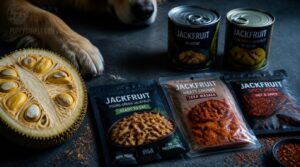
Fresh jackfruit flesh might be fine as an occasional treat, but the packaged and processed versions are a different story. Many jackfruit products on store shelves contain ingredients that can genuinely harm your dog. Here’s what to keep out of reach.
Canned Jackfruit Syrup
Canned jackfruit packed in syrup is one product you should keep well away from your dog. The syrup usually runs 40 Brix or higher — that’s a concentrated sugar load that can spike blood glucose dangerously. Some syrups also contain citric acid and processing additives.
If plain fresh flesh is unavailable, water-packed versions are a far safer alternative.
Dried Jackfruit
Dried jackfruit packs a hidden punch. Dehydration removes water but leaves sugars and fiber concentrated — meaning each bite delivers far more than fresh flesh would.
Watch for these risks:
- Sugar spikes from concentrated natural sugars
- Digestive upset from dense dietary fiber
- Choking hazards from chewy, firm texture
- Hidden additives like salt or sweeteners on ingredient labels
Stick to fresh flesh instead.
Jackfruit Chips
Jackfruit chips might look like a harmless snack, but they’re not safe for dogs. Concentrated sugars and salt from frying make them far richer than fresh flesh.
Even vacuum-fried versions — designed to reduce oil — still carry excess sodium and high sugar loads that can spike blood glucose. Skip the chips and offer plain, fresh jackfruit flesh instead.
Seasoned Jackfruit Meat
Seasoned jackfruit meat — the kind pulled, spiced, and sauced for human meals — is off-limits for dogs entirely.
- Onion and garlic often hide in marinades and remain toxic even after cooking
- Barbecue sauces carry added sugar, salt, and sometimes xylitol
- Chili and black pepper can irritate your dog’s stomach lining
Stick to plain, unseasoned flesh only.
Sweeteners and Additives
Not every processed jackfruit product is safe — many hide sweeteners dangerous to dogs.
| Sweetener | Type | Risk |
|---|---|---|
| Xylitol | Intense sweetener | Toxic to dogs |
| Erythritol | Polyol substitute | GI upset |
| Sucralose | Artificial additive | Blood glucose disruption |
Diabetic dogs face the greatest danger here. Even very tiny amounts of intense sweeteners can spike blood glucose levels dangerously fast. Always carefully check ingredient labels first.
When to Call Your Vet

Most of the time, a small piece of ripe jackfruit flesh won’t cause your dog any serious trouble. But there are certain signs that mean it’s time to stop waiting and call your vet right away. Watch for any of the following after your dog eats jackfruit.
Swallowed Seeds or Rind
If your dog swallowed a jackfruit seed or rind, call your vet right away — don’t wait to see what develops.
- Straining without producing stool
- Sensitivity when the belly is touched
- Swollen or tender abdomen
- Restlessness or crouching low
Seeds don’t digest easily and can form a bezoar — a hard mass that blocks the gut. That’s a medical emergency needing prompt veterinary care.
Vomiting or Diarrhea
Vomiting and diarrhea together drain your dog’s body fast. Both strip fluids and electrolytes — sodium, potassium, chloride — and that imbalance can affect muscle function and even heart rhythm.
Dry or sticky gums are an early dehydration warning. If symptoms don’t ease within 24 hours, or your dog can’t keep water down, call your vet.
Bloated Painful Belly
A tight, swollen belly after eating jackfruit is a warning sign you shouldn’t wait on. Trapped gas or intestinal blockage — especially from seeds or rind — can stretch the intestines and cause real abdominal pain.
If your dog’s belly looks distended and they seem restless or uncomfortable, that’s not typical gas. Call your vet.
Trouble Passing Stool
Straining to pass stool — or passing nothing at all — deserves attention. Hard, dry stool can press against the rectum and cause real discomfort, especially after eating high-fiber fruit.
If your dog keeps squatting without success or seems to feel like they can’t fully empty their bowels, call your vet. Rectal blockage from undigested material won’t resolve on its own.
Swelling or Breathing Issues
Swelling is a different kind of alarm. If your dog’s face, lips, or throat start to puff up after eating jackfruit, that’s a potential anaphylactic reaction — and it moves fast.
Watch for:
- Labored or noisy breathing
- Visible facial swelling
- Excessive drooling or pawing at the mouth
- A bluish tint to the gums
Don’t wait. Call your vet immediately.
Frequently Asked Questions (FAQs)
Can dogs eat jackfruit chips?
Jackfruit chips aren’t a safe choice for dogs. The added oil, potential seasonings, and concentrated sugars make them harder to digest than fresh flesh — and the crunchy texture raises choking concerns.
What happens if a dog eats jackfruit?
Like tossing a coin, the outcome depends on what part they ate. Ripe flesh usually causes no harm, but seeds or rind can trigger vomiting, intestinal blockages, or dangerous allergic reactions quickly.
Can dogs eat jackfruit rinds?
No, dogs can’t eat jackfruit rinds. The tough, spiky exterior is indigestible, risks choking, and can cause intestinal blockages. The latex sap also irritates the mouth and stomach.
Can dogs eat jackfruit seeds?
No, dogs can’t eat jackfruit seeds. They’re a choking and blockage hazard, and raw seeds may contain cyanogenic compounds. Contact your vet immediately if your dog swallows one.
How much jackfruit can a dog eat?
A little goes a long way. Small dogs get 1–2 cubes; medium dogs (10–25 kg), up to 1 tablespoon; large dogs, 1–2 tablespoons — offered no more than once weekly.
Can dogs eat jackfruit skin?
No, dogs can’t eat jackfruit skin. The tough, fibrous rind resists digestion and can cause intestinal blockages. Even small swallowed pieces may trigger vomiting or abdominal pain — contact your vet immediately if ingestion occurs.
Can puppies safely eat jackfruit or only adults?
Ripe flesh, tiny pieces, solid food first — puppies can try jackfruit cautiously once eating normally, but their sensitive digestive systems demand far smaller portions than adults. Stop at any sign of digestive upset.
Does jackfruit interact with any canine medications?
Yes — jackfruit can interact with diabetes, blood-thinning, sedative, blood pressure, and thyroid medications. Always consult your vet before offering it to any dog on prescription drugs.
Is canned or packaged jackfruit safe for dogs?
Canned jackfruit can be safe, but only if it’s packed in water with no added salt, sweeteners, or preservatives. Always check the ingredient label before offering any packaged fruit to your dog.
Can jackfruit affect dogs with sensitive stomachs differently?
Dogs with sensitive stomachs can react more sharply to jackfruit’s fiber and natural sugars. Even small portions may trigger upset stomach, gas, or loose stool — so start slow and monitor closely.
Conclusion
When in doubt, leave it out." That adage fits perfectly here. Can dogs eat jackfruit? Yes—but only the ripe, plain flesh, prepared carefully and offered sparingly. The rind, seeds, and processed versions aren’t worth the risk.
Your dog doesn’t need jackfruit; it’s a bonus, not a staple. Start small, watch closely, and let your vet guide any questions about your dog’s specific needs. Thoughtful choices now prevent emergency calls later.
- https://a-z-animals.com/blog/can-dogs-eat-jackfruit
- https://www.caninecraving.com/blogs/blog/can-dogs-eat-jackfruit
- https://baileyscbd.com/blogs/dog-nutrition/jackfruit-and-dogs-canine-diet-caution
- https://www.masterclass.com/articles/can-dogs-eat-jackfruit
- https://mywoof.com/blogs/articles/are-jackfruit-pieces-good-for-dogs-the-surprising-benefits-of-jackfruit-for-your-pups-health