This site is supported by our readers. We may earn a commission, at no cost to you, if you purchase through links.

Your dog just grabbed a beet off the cutting board, and now you’re wondering if tonight turns into a vet visit. Most people assume beets are strictly human food, but dogs can eat beets safely when served the right way.
Plain, cooked, and cut small—that’s the short answer.
The longer one involves a few real risks worth knowing, like oxalates, blood sugar spikes, and that alarming red stool that’ll have you reaching for your phone at midnight.
Understanding what beets offer and where they fall short helps you make a smarter call for your dog’s specific needs.
Table Of Contents
Key Takeaways
- Dogs can safely eat plain, cooked beets in small amounts — think 1–2 teaspoons for small dogs, up to 3–4 tablespoons for large breeds, offered just 2–3 times a week.
- Beets bring real nutritional value to your dog’s bowl, including fiber, vitamin C, folate, potassium, and antioxidants that support digestion, immunity, and coat health.
- If your dog has kidney disease, a history of bladder stones, or diabetes, skip beets entirely — the oxalates and natural sugars can make those conditions worse.
- Red‑tinted poop or urine after beets is usually harmless and clears within 48 hours, but persistent discoloration, vomiting, or diarrhea means it’s time to call your vet.
Can Dogs Eat Beets Safely?

Yes, dogs can eat beets — but like most good things, it comes with a few conditions worth knowing. Whether beets are a safe snack for your dog depends on their health history, how the beets are prepared, and how much you’re giving them. Here’s what to keep in mind before tossing a beet slice into your dog’s bowl.
Just as preparation and moderation matter with beets, the same logic applies to processed snacks — feeding dogs Pop Tarts and similar treats is generally a habit worth avoiding in favor of whole-food alternatives.
Quick Safety Answer
Yes, dogs can eat beets safely — but only in small amounts and prepared the right way.
Fresh beets offer real nutritional value, including fiber, vitamin C, and antioxidants. That said, they also carry risks like oxalates and natural sugars.
Always serve them plain, cooked, and in appropriate portions for your dog’s size. beet root powder reduces choking hazards in treats.
Best Served in Moderation
Beets work best as an occasional treat, not a daily habit. Think of them like a side dish — a little goes a long way. Treats should stay under 10% of your dog’s daily calories, and beets are no exception.
- Feed beets no more than 2–3 times per week
- Start with just one teaspoon to test tolerance
- Stick to plain, cooked portions only
- Adjust serving size to your dog’s weight
- Skip beet days if your dog ate other rich treats
When Beets Are Unsafe
While moderation helps in most cases, some situations make beets unsafe regardless of portion size.
Raw beet chunks larger than half an inch can cause choking, especially in smaller dogs.
Beets’ natural sugars can trigger pancreatitis if too much is eaten at once, with symptoms appearing within 24 hours.
Processed versions — pickled beets, canned beets with salt, and beet juice — introduce risks like sodium toxicity and sugar overload that plain beets don’t carry.
Dogs Who Should Avoid Them
Some dogs shouldn’t eat beets at all. If your dog has a history of bladder stones, kidney disease, or urinary crystals, the oxalic acid in beets can make things worse.
Breeds like Miniature Schnauzers, Yorkshire Terriers, and Lhasa Apsos carry a genetic predisposition to calcium oxalate stones.
Senior dogs and those on prescription kidney diets should also avoid them entirely.
Are Beets Good for Dogs?

Beets aren’t just safe for most dogs — they actually bring some solid nutrition to the table. Think of them as a small but mighty addition to your dog’s treat rotation. Here’s a closer look at what makes beets worth considering.
Fiber for Digestion
One of the quieter wins beets offer is their dietary fiber, which does real work in your dog’s gut.
Fiber adds bulk to stool, keeps things moving regularly, and feeds beneficial gut microbes through fermentation — producing short-chain fatty acids that support a healthy colon lining and calmer digestion overall.
Vitamin C Support
Raw beets deliver 4.6 mg of vitamin C per 100 grams — modest but meaningful for canine nutrition.
- Immune system modulation keeps your dog’s defenses strong
- Antioxidant cell protection fights harmful free radicals
- Collagen production aids skin, tendons, and tissue repair
- Skin barrier health improves moisture retention and coat quality
Folate and Potassium
Beets bring two standout nutrients to your dog’s bowl: folate and potassium. Folate — a B vitamin — promotes canine DNA synthesis and healthy red blood cell production, which helps your dog’s body carry oxygen efficiently. Potassium regulates muscle contraction support and maintains cellular fluid balance, keeping digestion and heart rhythm steady.
Together, these nutrients offer real nutrient synergy benefits for your dog’s overall health.
Antioxidant Betalains
The rich red color of beets isn’t just for show — it comes from betalain pigments, which work as antioxidants inside your dog’s body. These pigments, specifically betacyanins and betaxanthins, scavenge harmful free radicals before they can damage cells.
Betanin, the most studied betalain, shows strong radical‑scavenging activity, helping reduce inflammation and support your dog’s skin and coat.
Low Fat Treat Option
If your dog is carrying a few extra pounds, beets make a surprisingly smart low-calorie treat swap. A tablespoon of beet puree contains only about 6 calories and barely any fat.
That’s far lighter than cheese or peanut butter. Beet puree substitutes work well in homemade recipes too, cutting fat from 8g down to under 1g per serving.
Health Risks of Beets

Beets have a lot going for them, but they’re not without a few downsides worth knowing. Like most good things, they come with some trade-offs — especially for dogs with certain health conditions. Here’s what to watch out for before you add beets to your dog’s bowl.
Oxalates and Kidney Stones
One hidden beet risk surprises many owners: oxalic acid. Beets contain oxalates that bind calcium in your dog’s body, raising the risk of kidney and bladder stones.
When oxalate levels in urine climb too high, crystals form and can grow into painful stones. Dogs prone to oxalate stones should skip beets entirely.
Sugar and Diabetes Concerns
Sugar is the other side of the beet story. Beets contain natural sucrose, which behaves exactly like table sugar in your dog’s bloodstream — raising glucose levels the same way.
For diabetic dogs, even a small portion can push blood sugar above 200 mg/dL within an hour. Keep portions to 1–2 teaspoons per 15 pounds and always consult your vet first.
Gas or Diarrhea
Beets are moderately fermentable, meaning your dog’s gut bacteria break down the fiber and produce gas in the process.
Feed too much, and you’ll notice loose stools or diarrhea fairly quickly.
Start with a small piece to test tolerance, and monitor stool consistency closely. If things go soft or gassy, simply cut back the portion.
Red Urine or Stool
Something else you might notice after feeding beets is red-tinted urine or pink stool — and yes, it can look alarming. This is called beeturia, caused by betalain pigments passing through your dog’s system.
It’s usually harmless.
That said, if the discoloration persists beyond 48 hours after stopping beets, check with your vet to rule out bleeding.
Possible Allergic Reactions
While red stool is usually harmless, a true allergic reaction is a different story.
Some dogs can’t tolerate beets at all. Watch for itching, hives, or redness shortly after eating, especially around the paws, face, or belly. Vomiting or diarrhea can follow.
Rarely, breathing difficulties or facial swelling signal anaphylaxis — get to your vet immediately.
How to Serve Beets Safely

Beets can be a great little treat for your dog, but how you prepare them makes all the difference. A few simple steps go a long way toward keeping things safe and easy on your dog’s stomach. Here’s what to do before you serve them.
Wash, Peel, and Chop
Before your dog takes a single bite, a little prep work goes a long way. Wash and scrub each beet under running water to remove dirt and pesticide residues. Then peel the skin — it’s tough to digest and can trap contaminants. Finally, cut beets into small bite-sized pieces no larger than 1/8 inch to prevent choking.
- Organic beets still need scrubbing
- Peeling improves digestibility
- Uniform cuts prevent choking hazards
Cook Plain Beets Only
Once your beets are washed, peeled, and chopped, cooking them plain is the most important step. No oil, butter, or seasoning — ever. Steaming takes 10–15 minutes and preserves more nutrients, while boiling takes 30–40 minutes but works just as well.
| Method | Time |
|---|---|
| Steaming | 10–15 min |
| Boiling | 30–40 min |
| Roasting | Until tender |
| Baking | Slice-sized pieces |
Cook until completely fork-tender so there are no hard fibers left to upset your dog’s stomach.
Avoid Salt and Seasonings
Salt is sneakier than you’d think. Plain cooked beets need zero added flavor — but many store-bought options hide dangerous sodium levels inside.
Watch out for:
- Garlic and onion powders that damage your dog’s red blood cells
- Regular canned beets with 340 mg sodium per serving
- Seasoned beet mixes hiding up to 500 mg salt per serving
- Pickled beet brine combining salt, vinegar, and sugar
Choose only "no salt added" canned beets, and skip every seasoning entirely.
Dice or Puree Portions
Once beets are cooked and cooled, you have two solid options: dice or puree.
Diced beets should be cut into ⅛-inch pieces to prevent choking — especially for small dogs.
Pureed beets blend right into kibble, which is perfect for senior dogs or picky eaters.
Both forms work well; it just depends on your dog’s size and chewing ability.
Introduce Slowly First
Think of introducing beets the way you’d ease into a cold pool — one small step at a time. Start with just ¼ teaspoon of cooked beet mixed into your dog’s regular food.
Watch for soft stool, gas, or vomiting over the next 24 hours before offering more.
Keep a simple daily log to track portions and any changes.
Raw, Canned, and Pickled Beets
Not all beets are created equal for your dog’s bowl. The form they come in — raw, canned, or pickled — makes a real difference in whether they’re safe to share. Here’s what you need to know about each type before you serve them up.
Raw Beets Need Grating
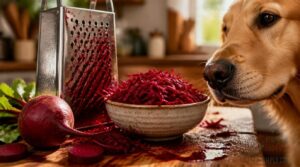
Raw beets are perfectly safe for dogs, but their dense, fibrous texture makes them a choking hazard if served in large chunks.
Grating breaks down the cellulose wall, making nutrients easier to absorb and gentler on digestion. It’s also ideal for senior dogs with dental wear, who can’t comfortably chew tougher pieces.
Keep pieces smaller than 1/8 inch.
Choose Unsalted Canned Beets

Canned beets are a convenient option, but not all varieties are dog-safe. Always reach for no salt added canned beets, and still check the nutrition label — "no salt added" doesn’t mean sodium-free.
Rinse the beets under cool water before serving, then portion them according to your dog’s size to keep treats well within safe limits.
Avoid Pickled Beets

Pickled beets are a hard no for dogs. They’re loaded with sodium, vinegar, and additives your dog’s body really can’t handle well.
| Risk | Why It Matters |
|---|---|
| High sodium | Up to 599mg per cup — dangerous for dogs |
| Vinegar acidity | pH ~3.5 irritates the gut lining |
| Toxic additives | Often contain onion or garlic |
Stick with plain, unsalted canned beets instead.
Skip Beet Greens

The root is fine, but beet greens are a different story. They carry up to 1,000 mg of oxalates per cup — far more than most vegetables.
Those oxalates bind with calcium in your dog’s urinary tract, raising the risk of bladder stone formation. Even cooking only reduces oxalate levels by 30–60%, so don’t count on heat to fix the problem. Just skip them entirely.
Limit Beet Juice

Juice takes everything risky about beets and concentrates it. One teaspoon of beet juice delivers the sugar equivalent of three to four whole beets — enough to cause a rapid blood glucose spike, especially in diabetic dogs. Puppies should get none at all.
Beet juice concentrates every beet risk — just one teaspoon spikes blood sugar like four whole beets
- Dilute it heavily: a few drops in the water bowl is plenty
- Skip bottled juice: concentrates contain added sugars harmful to dogs
- Watch for beeturia: red-stained urine signals it’s time to cut back
How Much Beet Can Dogs Eat?

Getting the portion right matters just as much as choosing the right food. Too much of even a healthy treat can upset your dog’s stomach or tip their diet out of balance. Here’s how to figure out the right amount based on your dog’s size and how often to serve it.
Follow The Ten Percent Rule
Think of beets as a treat, not a meal. The 10 percent rule keeps things simple: treats shouldn’t exceed 10% of your dog’s daily calories. That small slice is what separates a healthy bonus from an overindulgence.
| Treat Role | Limit |
|---|---|
| Daily calories from treats | 10% max |
| Beet servings per week | 2–3 times |
Toy and Small Dogs
Small dogs have faster metabolisms, but that doesn’t mean more beets.
Extra-small dogs (under 20 lbs) should get just 1–2 teaspoons of cooked beet puree per serving. Small dogs (21–30 lbs) can handle 2–4 teaspoons.
Stick to 2–3 times weekly, and always introduce beets gradually to protect their sensitive digestive tracts.
Medium Dog Portions
Medium dogs (31–50 lbs) do well with 1–2 tablespoons of cooked beet puree per serving, two to three times weekly.
Use a standard tablespoon for accuracy — one tablespoon weighs roughly 15 grams, so you’re always giving a consistent, safe amount.
Spoon it right over their kibble to keep mealtime simple and balanced.
Large Dog Portions
Large dogs (51–90 lbs) can handle 2–4 tablespoons of beet puree per serving, two to three times weekly.
For a 70-pound Lab, that’s around 3 tablespoons — roughly the size of a golf ball.
Stick to plain, cooked puree rather than chunks, and measure with a real tablespoon so portions stay consistent every time.
Weekly Feeding Frequency
More isn’t better here. Stick to 2 to 3 times a week for any breed size, since beets still count toward that 10% caloric limit for treats.
Using beets as training rewards? Factor that math in, and trim other snacks to match.
A simple weekly schedule, like Monday, Wednesday, Friday, keeps portions consistent and promotes steady digestion.
Top 3 Beet Products for Dogs
Not every dog owner wants to peel and chop fresh beets every week, and that’s okay. Plenty of trusted brands already pack beets into food and treats made just for dogs. Here are three worth a look next time you’re shopping.
1. Wellness Simple Lamb Oatmeal Dog Food
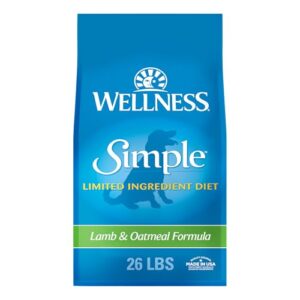
Beet pulp shows up in some surprising places, including this lamb and oatmeal recipe.
Wellness Simple uses lamb as its only protein, paired with oatmeal, brown rice, and beet pulp for fiber. This 26-lb formula skips corn, wheat, soy, dairy, and eggs, making it a solid pick for sensitive dogs.
Added prebiotics and omega fatty acids support digestion, skin, and coat health with every meal your dog eats.
| Best For | Dogs with food sensitivities or allergies to common proteins like chicken, beef, soy, wheat, or corn who need a simple, limited-ingredient diet. |
|---|---|
| Product Form | Dry kibble |
| Artificial Additives | None |
| Ingredient Simplicity | Limited ingredient formula |
| Digestive Support | Added prebiotics |
| Net Weight | 26 lb (11.8 kg) |
| Life Stage | Adult dogs, all sizes |
| Additional Features |
|
- Single animal protein (lamb) makes it easy to identify and manage food sensitivities
- Free from corn, wheat, soy, dairy, and eggs — one of the cleaner limited-ingredient options available
- Added prebiotics, omega fatty acids, and taurine support digestion, skin, coat, and heart health
- At around $89 per 26-lb bag, it’s on the pricier end for everyday feeding
- Not grain-free — contains oatmeal and brown rice, which may not suit dogs with grain sensitivities
- Made in a facility that also processes grains, so cross-contamination is a risk for highly reactive dogs
2. K9 Granola Beet Dog Chips
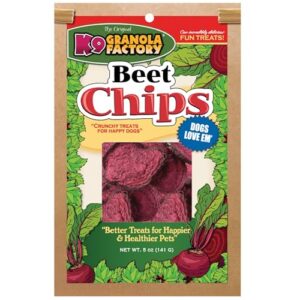
If you prefer something simpler than a cooked beet, K9 Granola Beet Chips are worth a look. Made in the USA from 100% dehydrated beets, they contain no added salt, preservatives, or flavors.
A crunchy, low-calorie snack, they suit dogs on weight-management diets and can double as a food topper.
One thing to note — some dogs find the texture crumbly or slightly greasy, so picky eaters may need them mixed into a meal.
| Best For | Dogs on weight-management diets whose owners want a clean, single-ingredient treat that doubles as a food topper or dental snack. |
|---|---|
| Product Form | Chip treats |
| Artificial Additives | None |
| Ingredient Simplicity | Single ingredient formula |
| Digestive Support | Natural beet fiber |
| Net Weight | 6 oz (170 g) |
| Life Stage | All dogs |
| Additional Features |
|
- Made in the USA from 100% dehydrated beets with no added salt, preservatives, or artificial flavors
- Low-calorie and crunchy, making it a good fit for weight-conscious feeding routines
- Versatile enough to serve as a standalone treat or mixed into meals as a food topper
- Some dogs may reject the slightly greasy mouthfeel, especially picky eaters
- Packaging can leave treats crumbly or broken by the time they reach the bowl
- May need to be mixed with other food to get fussier dogs to accept it
3. Olewo Red Beet Dog Topping
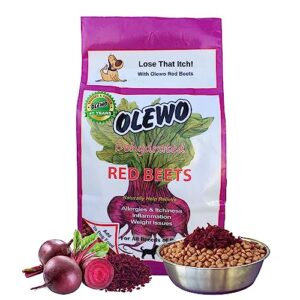
For dogs that need beet nutrition every single day, Olewo Red Beet Dog Topping makes that routine easy. It’s 100% dehydrated red beets — no fillers, no additives, nothing extra.
Just scoop and mix it into kibble, raw food, or canned meals. You can serve it dry or soaked in warm water for two minutes. It’s gluten-free, soy-free, and dairy-free, so it works for dogs with common sensitivities.
| Best For | Dogs with nutritional-deficiency-related itching, dull coats, or sensitive stomachs who need a simple, whole-food daily supplement. |
|---|---|
| Product Form | Dehydrated powder |
| Artificial Additives | None |
| Ingredient Simplicity | Single ingredient formula |
| Digestive Support | Prebiotic fiber blend |
| Net Weight | 5.5 lb (2.5 kg) |
| Life Stage | All breeds and ages |
| Additional Features |
|
- Single-ingredient formula with no fillers, additives, or common allergens — safe for dogs with multiple sensitivities
- Supports skin health, coat shine, and gut function all at once through natural prebiotic fiber and antioxidants
- Easy to serve — just mix into any meal dry or rehydrated, works with kibble, raw, or canned food
- May temporarily increase itching during an initial cleansing phase, which can be alarming for owners
- Not ideal for dogs with yeast overgrowth or sugar sensitivities due to the natural sugar content in beets
- Results vary by dog and it’s not a replacement for veterinary care when a medical condition is involved
When to Call Your Vet

Beets are a pretty forgiving treat for most healthy dogs, but there are times when a quick call to your vet is the smarter move. Certain health conditions make beets riskier than they seem, and it’s worth knowing the signs before you hit a problem. Here’s when you should pick up the phone.
History of Urinary Stones
If your dog has a history of urinary stones, call your vet before offering beets. Beets contain oxalates, which can encourage calcium oxalate crystal formation in the kidneys or bladder. Dogs who’ve had stones before are more vulnerable to a repeat. Your vet can tell you whether beets are safe for your specific dog.
Kidney Disease Concerns
Kidney disease adds another layer of concern.
Beets are naturally high in potassium, and dogs with failing kidneys can’t filter it properly — a condition called hyperkalemia that strains the heart.
Beets also contribute to phosphorus buildup and metabolic acidosis, both complications of declining kidney function.
If your dog has been diagnosed with kidney disease, check with your vet first.
Diabetes or Obesity
If your dog has diabetes or struggles with weight, beets deserve a second thought.
- Blood sugar spikes happen when beets are overfed
- Soluble fiber slows glucose absorption between meals
- Obesity raises insulin resistance, complicating diabetes
- Stick to the 10% treat rule for caloric intake management
A quick vet call keeps things safe.
Vomiting or Diarrhea
If your pup vomits or has diarrhea after eating beets, call your vet right away. Both symptoms cause fluid loss quickly, and dehydration risk climbs quickly — especially in smaller dogs.
Watch for blood or mucus in the stool, which signals GI irritation. Vomiting lasting more than eight hours, or any sign of toxin ingestion, needs urgent attention.
Persistent Red Discoloration
Red-tinted urine after beets is usually harmless beeturia — beet pigment excretion that clears within 24–48 hours.
But if urine discoloration in your dog persists beyond 48 hours, or shows up alongside straining, fever, or frequent urination, call your vet.
Those signs point toward hematuria or infection, not pigment metabolism.
Don’t wait to find out which one it is.
Frequently Asked Questions (FAQs)
Can dogs eat red beets?
Yes, red beets are safe for dogs in moderation. They deliver fiber, vitamin C, and antioxidants, but their oxalate content means small, cooked portions work best — never raw, pickled, or overseasoned.
Can dogs eat canned beets?
Yes, dogs can eat plain, unseasoned canned beets — just check the label for no added salt, seasonings, or preservatives. They make a convenient, soft food topper in small amounts.
Can dogs eat beet leaves?
Beet greens are packed with vitamins A, C, and K — but they’re higher in oxalates than the root. That makes them risky for puppies or dogs with kidney or bladder stones.
Can dogs eat beet greens?
In moderation, beet greens offer real leafy nutrient benefits—vitamins A, C, K, plus fiber that aids dog dietary fiber needs. But oxalates raise kidney stone risk, so steam, chop finely, and monitor stool for changes.
Can dogs eat beets or its harmful?
Dogs can safely enjoy beets in moderation. They offer fiber, antioxidants, and vitamins, but oxalates pose risks for stone-prone dogs. Serve plain, cooked, and in small portions only.
Can dogs taste beets?
Your dog can absolutely taste beets. With around 1,700 taste buds, they detect beet sweetness and earthiness — mostly through smell, which drives 70% of their flavor perception.
Can you feed beets to dogs?
Yes, you can feed beets to your dog. They’re a safe vegetable snack for most healthy dogs when served plain and in moderation — offering fiber, antioxidants, and hydration in every bite.
Are cooked beets toxic to dogs?
Plain cooked beets aren’t toxic — the oxalic acid stays stable and safe in normal amounts. Danger comes from toxic seasonings like onion or garlic, or excess sugar, not beet pigments, which only tint stool harmlessly.
Can my dog eat cooked beets?
Oddly enough, something that sounds like a dinner side dish turns out to be a solid snack for your pup. Cooked beets are safe for dogs when served plain and in moderation.
How much beet can I give my dog?
Portion size depends on your dog’s weight — extra-small dogs get about 1 teaspoon, large dogs up to 3 tablespoons, offered 2–3 times weekly, always staying under 10% of daily calories for safe, balanced portion control.
Conclusion
Funny how a vegetable that turns your dog’s stool red is actually one of the safer table scraps you can share. Can dogs eat beets? Yes—and done right, they earn their place as a genuine, nutrient-packed treat.
Keep portions small, skip the salt, and cook them plain. Your dog doesn’t need beets to thrive, but, served smart, this humble root adds real value to the bowl without the midnight panic.
- https://wildearth.com/blogs/dog-knowledge/can-dogs-eat-beets
- https://www.petplace.com/article/general/pet-health/can-dogs-cats-eat-beets
- https://www.akc.org/expert-advice/nutrition/can-dogs-eat-beets
- https://shopdogged.com/blogs/news/can-dogs-eat-beets-a-vibrant-superfood-for-your-pup
- https://mywoof.com/blogs/articles/are-beets-good-for-dogs-discover-the-surprising-benefits-and-smart-ways-to-serve-them