This site is supported by our readers. We may earn a commission, at no cost to you, if you purchase through links.
Most dogs don’t fail their owners—owners fail their dogs.
Not out of cruelty, but out of unpreparedness.
A dog joins the household, and suddenly there’s a mismatch: too little time, the wrong breed for the space, no plan for training.
The dog acts out, the owner grows frustrated, and relationship that should bring joy becomes a source of stress for both.
Being a responsible dog owner starts before the dog ever walks through your door—and it continues every single day after.
Table Of Contents
- Key Takeaways
- Choosing a Dog Responsibly
- Prepare Your Home and Supplies
- Meet Daily Health Needs
- Train and Socialize Consistently
- Plan for Safety and Lifelong Care
- Frequently Asked Questions (FAQs)
- What is the 3-3-3 rule with dogs?
- Which animal is man’s best friend?
- What makes a responsible dog owner?
- What is the biggest responsibility of owning a dog?
- What’s the 90/10 rule for dogs?
- What are the qualities of a responsible pet owner?
- What are the legal implications of owning a dog?
- What are the financial costs of owning a dog?
- How do I choose the right dog for my lifestyle?
- What are the most effective ways to prevent dog bites?
- Conclusion
Key Takeaways
- Choosing the right dog starts before you fall in love — honest self-assessment of your time, budget, and energy prevents the mismatch that breaks most dog-owner relationships.
- Your home, your schedule, and your supplies should all be ready before your dog walks through the door, because preparation is the first act of responsible ownership.
- Daily consistency in feeding, grooming, training, and vet care isn’t a burden — it’s the foundation of a healthy, trusting bond that grows stronger over time.
- Safety never stops: ID tags, leash laws, emergency planning, and senior care are lifelong commitments, not one-time checkboxes.
Choosing a Dog Responsibly

Getting a dog is exciting, but the decision deserves more thought than a quick "yes". Before you fall in love with a face at the shelter or a breeder’s website, it’s worth asking yourself some honest questions.
If allergies or mess are a factor, browsing low-shedding family dog breeds can help you narrow things down before your heart gets ahead of you.
Here’s what responsible dog selection actually looks like.
Assess Your Time, Budget, and Energy
Before anything else, be honest with yourself. A responsible dog owner starts with a simple Time Audit: can you genuinely spare one to two hours daily for walks, play, and training?
Then run a Budget Forecast — monthly costs average 150 to 450 euros once you factor in food, grooming, vet visits, and Dog Training Classes and Obedience.
Energy Balance matters too. Your lifestyle needs to match your dog’s exercise requirements.
Match Breed Traits to Your Lifestyle
Once your lifestyle is mapped out, breed selection becomes much clearer. Energy Compatibility is the real starting point — a border collie needs 60-plus minutes of vigorous daily activity, while a bulldog is happy with two short walks.
Consider Space Requirements, Temperament Fit, and Grooming Demands alongside Health Longevity.
Dog Breed That Fits Your Lifestyle shapes everything: exercise requirements, dog behavior management, and responsible dog ownership long-term.
Review breed-specific health considerations(https://dogloversfestival.com.au/blog/how-to-choose-the-right-dog-breed-for-your-lifestyle/) before deciding.
Research Breeders, Rescues, and Health Screening
Once you’ve found your breed match, who you get the dog from matters just as much. A responsible breeder offers full Breeder Transparency — Health Test Documentation for both parents, CHIC Certification records, and Genetic Marker Screening results.
Rescues follow structured Rescue Intake Protocols, including vet checkups and health screening to help prevent disease. Always ask for documentation before committing.
Consider Adult Dogs and Adoption Benefits
Adult dogs are often overlooked, but they bring real advantages. Their Established Temperament means you know what you’re getting — shelters describe personality traits clearly, making matches easier.
You’ll also benefit from a Known Health History and Reduced Puppy Demands.
Dog adoption from rescue organizations creates Shelter Space Relief and gives a dog a Second Chance Impact worth taking seriously.
Prepare Your Home and Supplies
Before your dog even steps through the door, your home needs to be ready for them. A little preparation now saves a lot of stress later.
Here’s what to get in order before bringing your new dog home.
Dog-proof Rooms, Cords, and Hazards

Before your dog sets one paw inside, dogproof your house room by room.
Cord Concealment matters more than you’d think — tape down loose wires, hide cords behind furniture, and use pet-safe cord covers.
Window Guarding and Balcony Barriers prevent dangerous falls, so secure screens and block open ledges.
Add Fireplace Barriers, lock away chemicals for Toxic Storage safety, and you’ve got solid home preparation for pets.
Set Up a Safe Sleeping Area

Your dog needs a spot that feels like theirs. Choose a low-traffic spot away from drafts, heat sources, and kitchen smells.
A firm flat surface with a secure cover keeps the bed stable and easy to wash. Clear surroundings matter too — no cords, furniture gaps, or tangled blankets nearby.
Good airflow management and clean dog bedding complete your home preparation for pets.
Buy Food, Leash, Collar, and Toys

A few key purchases set the tone for everything ahead. Check nutrient labels and look for an AAFCO statement — that’s your assurance that the dog food meets basic nutritional standards.
For dog leash options, durable leash materials like nylon hold up well. Pair that with an adjustable collar fit, using the two-finger rule.
- interactive puzzle toys to support healthy dog playtime and mental stimulation
- eco-friendly packaging when buying dog nutrition products
- ID tags before your dog’s first walk outside
Create a Household Care Schedule

A shared schedule keeps everyone on the same page. Assign a Morning Walk Slot and an Evening Play Time to specific people so dog exercise doesn’t fall through the cracks.
Build in a Water Refill Schedule, a weekly Grooming Routine, and a Supply Inventory Check.
Track your vaccination schedule and regular veterinary checkups here too.
Consistency in dog training and dog grooming starts with a written plan.
Meet Daily Health Needs

Keeping your dog healthy day-to-day isn’t complicated, but it does take consistency.
Think of it as building small habits that add up to a long, happy life together.
Here’s what your dog needs from you every single day.
Feed a Balanced, Age-appropriate Diet
What you put in your dog’s bowl changes everything. Life Stage Nutrition isn’t just a label — it’s how you match canine nutrition to exactly where your dog is in life.
- Puppies need higher Protein Energy Balance for rapid growth.
- Adults need Calorie Adjustment to maintain healthy weight.
- Seniors benefit from joint-supporting, lower-calorie dog food.
- Any Food Change Plan should span 7–14 days.
Skip Supplement Guidance unless your vet recommends it.
Measure Portions and Manage Treats
Even small treats add up faster than you’d think.
Use Portion Weighing Tools like a kitchen scale to stay on top of Treat Calorie Tracking every day. Set Scheduled Treat Times to build routine and avoid mindless giving.
For weight management for dogs, swap high-calorie rewards with Low-Calorie Substitutes and honor Training Treat Limits — simple habits that make obesity prevention in companion animals genuinely achievable.
Keep Fresh Water Available at All Times
Portions handled — now let’s talk water. Hydration is critical, and it’s easy to overlook.
Here’s how to get it right:
- Refresh the bowl daily — saliva and debris build up fast
- Prioritize Bowl Sanitizing weekly to remove biofilm
- Practice smart Bowl Placement in shaded, cool spots
- Set up Multiple Access Points across floors
- Adjust for seasons — Seasonal Water Management keeps fresh clean water safe year-round
Maintain Grooming, Dental Care, and Clean Coats
Clean water sorted — now let’s talk grooming.
Dog Grooming and Hygiene Essentials keep your dog comfortable and healthy between vet visits.
| Grooming Task | Quick Tip |
|---|---|
| Coat Brushing Frequency | Daily for long coats; weekly for short coats |
| Bathing Water Temperature | Lukewarm only — hot water irritates skin |
| Nail Trimming Tips | Trim small amounts to avoid the quick |
Ear Hygiene Practices matter too — wipe the outer ear weekly.
For Dental hygiene for dogs, use pet-safe toothpaste and add Dental Chew Selection as backup support.
Schedule Routine Veterinary Checkups and Vaccines
Grooming keeps your dog feeling great — but regular vet visits keep them truly healthy.
Your veterinarian is your dog’s first line of defense. Build your routine around these checkpoints:
- Puppy Vaccine Series — Start around 6–8 weeks, with boosters every 2–4 weeks through 16 weeks.
- Annual Physical Exam — Every adult dog needs at least one full checkup yearly.
- Senior Health Screening — Older dogs benefit from twice-yearly visits to catch age-related changes early.
- Parasite Prevention Plan — Review flea, tick, and heartworm protection at every appointment.
A solid Vaccination Schedule and consistent preventive veterinary medicine make all the difference in long-term dog health care and preventive measures.
Train and Socialize Consistently

A well-trained dog is a joy to live with — and the good news is you don’t need to be a professional to get there. Consistent training and early socialization build the trust and confidence your dog needs to thrive in any situation.
Here’s what looks like in practice.
Teach Basic Obedience Commands
Four commands form the backbone of every solid training program: sit, stay, come, and down. Teach one at a time during short sessions of 5–15 minutes, and always end with a release word like "ok." Family coordination matters — mixed cues slow everything down.
| Command | Cue Consistency Tip | Distraction Training Stage |
|---|---|---|
| Sit | One word, every person | Start indoors, add noise gradually |
| Stay | Hold, then release word | Increase duration before distance |
| Come | Same tone, never punish | Long line in fenced area first |
| Down | Full body drop only | Practice across different rooms |
Use Positive Reinforcement Methods
Positive reinforcement training works because your dog learns faster when rewards follow the right behavior instantly. Marker timing is everything — a clicker or "yes" bridges the gap between action and treat.
For dog behavior training, build your reward system like this:
- Use high-value treats for new or distracting situations
- Apply intermittent reinforcement once the behavior is solid
- Adjust reward scheduling when mistakes increase
Socialize With People, Dogs, and Environments
Socializing your dog well means starting in Neutral Territory — a park or open space where neither dog feels like the boss. People Introductions work best when your dog sets the pace.
Try a Playdate with a calm, friendly dog to build real Playdate Cues. Layer in Environment Exposure gradually.
Watch Body Language closely; early stress signals tell you everything before a situation escalates.
Enroll in Obedience or Training Classes
Joining a training class does more than teach sit and stay — it builds the foundation your dog needs to thrive. Look for obedience classes with clear instructor qualifications, reasonable membership fees, and scheduling flexibility that fits your life.
Many programs have class prerequisites and graduation requirements tied to Canine Good Citizen standards. Positive reinforcement and consistent dog obedience work make every session count.
Supervise Children, Strangers, and Playtime
Every dog-child interaction needs your eyes on it. Active supervision means staying close enough to step in fast — not just glancing from across the room. Scan the play area for tension, redirect rough games early, and set clear stranger interaction rules before issues arise.
Never leave your dog alone with any young child. Group conflict management starts with you, not the dog.
Plan for Safety and Lifelong Care
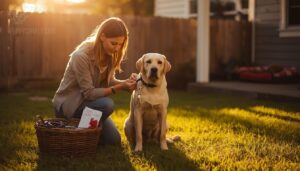
Bringing a dog into your life is a long-term promise — one that stretches from puppyhood all the way to their final years. Keeping them safe, legal, and cared for takes a few practical steps that every owner should have in place.
Here’s what responsible lifelong care actually looks like.
Use ID Tags and Microchips
Your dog’s best shot at coming home starts with two simple tools: an ID tag and a microchip. Tag visibility means anyone — a neighbor, a stranger — can call you instantly. But if the collar slips off, microchip registration takes over. Together, dual identification gives your dog a safety net that holds.
An ID tag brings your dog home fast; a microchip brings them home for certain
- Keep your emergency contact current in the microchip registry
- scanner-compatible chips (FDX-B standard) so any shelter can read them
- Replace tags immediately when your number changes
Follow Leash Laws and Waste Rules
Leash zone awareness isn’t just about following rules — it protects your dog and everyone nearby. In Germany, legal leash length and seasonal leash restrictions vary by municipality, so always check local laws before you walk.
Obey local laws, clean up after your dog using waste bag etiquette, and use public bin access to dispose properly. Good dog park etiquette and legal responsibilities around leash laws keep shared spaces safe for all.
Travel Safely With Crates or Harnesses
Safe on the road means more than just buckling yourself in. Use crash-tested crates or a properly fitted restraint with vehicle anchor installation to keep your dog secure.
Run restraint fit checks before every trip — two fingers should slide easily under the strap.
Pre-trip acclimation builds calm, and post-trip cleaning prevents odor and skin irritation.
Smart car safety for pets protects everyone.
Prepare for Emergencies and Disasters
Car safety gets you home.
But what if home isn’t safe?
Build your pet emergency plan now, before disaster strikes.
Pack Emergency Kit Essentials — food, water, pet first aid supplies, and your First Aid Kit — into one labeled bin.
Your Evacuation Plan should include a Disaster Shelter Setup option and a Communication Strategy for reaching emergency contacts.
Keep Dog Safety Identification and Microchipping current, and maintain a pet emergency fund for unexpected costs.
Commit to Senior Care and End-of-life Decisions
Your emergency plan is ready. think further ahead.
As your dog ages, quality of life matters more than longevity for its own sake. Talk to your veterinarian early about pain management, hospice support, and advance directives so decisions don’t catch you off guard.
- Track appetite, mobility, and breathing weekly
- Keep current medication planning log
- Write down your end-of-life wishes now
Frequently Asked Questions (FAQs)
What is the 3-3-3 rule with dogs?
Like a new employee finding their footing, a dog needs time to decompress.
The 3-3-3 rule maps three days of adjustment, three weeks of learning routine, and three months of confidence settling.
Which animal is man’s best friend?
The dog. This bond isn’t accidental — it’s built on thousands of years of Canine Evolutionary Bond, Cross Species Communication, and Cultural Symbolism that no other animal comes close to matching.
What makes a responsible dog owner?
Owning a dog means showing up every single day — with your time, your wallet, and your energy.
Financial planning, consistent time management, and a real energy commitment define the heart of responsible pet ownership.
What is the biggest responsibility of owning a dog?
biggest "leash" on your freedom? Consistency.
Responsible dog ownership means showing up every single day—for dog health, dog training socialization, and emotional bonding—no matter what life throws at you.
What’s the 90/10 rule for dogs?
The 90/10 rule keeps your dog’s calorie split simple: 90% comes from complete dog food, and 10% from treats. For an 800-calorie daily food allocation, that’s just 80 treat calories.
What are the qualities of a responsible pet owner?
responsible pet owner is a tall order — but it comes down to empathy and patience, financial foresight, lifelong learning, and the adaptability to grow alongside your dog every day.
What are the legal implications of owning a dog?
Dog ownership comes with real legal weight.
You’ll need to handle Dog Registration, follow Animal Welfare Laws, and in some areas, secure a Dangerous Dog Permit, meet Fencing Requirements, and carry Liability Insurance to protect against Civil liability.
What are the financial costs of owning a dog?
Owning a dog costs more than most expect.
Between dog food, vet bills, grooming costs, training supplies, adoption fees, spaying and neutering, and pet insurance, solid pet financial planning keeps surprises manageable.
How do I choose the right dog for my lifestyle?
Start by thinking honestly about your life — your schedule, your space, and who shares your home.
The right match comes down to Family Dynamics, Space Constraints, Allergy Considerations, Noise Sensitivity, and Travel Frequency.
What are the most effective ways to prevent dog bites?
Like a storm that builds before it breaks, biting rarely happens without warning.
Early Bite Prevention starts with reading body language—stiff posture, whale eye, tucked tail. Catch those signals, redirect calmly, and most incidents never happen.
Conclusion
The dog you rescue ends up rescuing you—that’s the quiet truth most owners only discover later.
Being a responsible dog owner isn’t about excellence. It’s about showing up daily, making informed choices, and adapting as your dog grows.
Every walk, every vet visit, every patient training session builds something real between you.
That bond doesn’t happen by accident. It’s built, deliberately and consistently, one small decision at a time.