
This site is supported by our readers. We may earn a commission, at no cost to you, if you purchase through links.

Most training treats share a dirty secret: the ingredient list reads like a chemistry exam. Artificial preservatives, unnamed by-products, filler grains—packed into a pouch marketed as a "reward." And since dogs can receive dozens of treats per session, what’s inside those tiny bites adds up fast.
The good news is that reading a label isn’t complicated once you know what actually matters. Protein source, ingredient count, preservative type—these three factors alone separate a treat that promotes focus and recovery from one that just keeps your dog interested for thirty seconds.
Here’s exactly what to look for.
Table Of Contents
Key Takeaways
- The first ingredient on a training treat label should be a named, real meat source like deboned chicken or beef — anything else is a red flag worth walking away from.
- Xylitol (also called birch sugar or E967) is outright toxic to dogs in even tiny amounts, so scanning for both names before buying isn’t optional, it’s essential.
- Natural preservatives like mixed tocopherols and rosemary extract do the same freshness job as BHA or BHT without the long-term risks to your dog’s liver and kidneys.
- Keeping total treat calories under 10% of your dog’s daily intake — across the whole day, not just one session — is the simplest way to train generously without quietly feeding your dog into weight trouble.
Best Ingredients for Training Treats
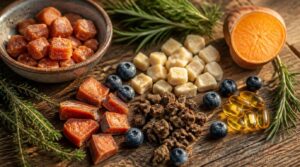
The label on a training treat tells you more than you might think — and knowing what to look for makes all the difference. A few key ingredients separate treats that actually support your dog’s health and focus from ones that just take up space in the bag. Here’s what to prioritize when you’re scanning that ingredient panel.
If you’re ever unsure whether a specific snack fits the bill, checking whether certain human snacks are safe treats for dogs can help you avoid sneaking in empty calories between sessions.
Real Meat First
When a training treat lists deboned chicken or beef as its first ingredient, that’s your clearest signal of quality.
Muscle meat delivers concentrated, bioavailable protein — the kind that actually promotes focus and recovery.
Brands committed to sourcing transparency often include traceability details, so you know exactly what your dog is eating, not just a vague "meat meal". Understanding the real meat definition helps you see that the term is largely marketing, not a regulated standard.
Single Protein Sources
Knowing exactly which protein your dog is eating isn’t a luxury — it’s peace of mind. Single-protein treats contain one identifiable animal source, making allergen identification straightforward and elimination diets far less stressful. If a reaction occurs, you know precisely what to remove.
They also deliver a consistent amino acid profile, supporting muscle repair and steady focus throughout every session.
Limited Ingredient Formulas
Single-protein treats take the guesswork out of allergen tracking, and limited ingredient formulas take it a step further.
By keeping the ingredient list under ten items — one protein, one or two carbohydrates, and minimal extras — these recipes reduce exposure to hidden triggers while making labeling transparency simple to verify at a glance.
Whole Fruits and Vegetables
Beyond ingredient simplicity, what goes into those limited slots matters just as much. Whole fruits and vegetables — sweet potatoes, blueberries, pumpkin, carrots — deliver real nutritional value that synthetic fillers simply can’t replicate.
Here’s why they earn a spot in quality training treats:
- Fiber-rich rewards like carrots (roughly 3.6g fiber per cup) support steady energy release during long sessions.
- Antioxidant-rich snacks featuring blueberries supply anthocyanins that support cognitive function — exactly what focused training demands.
- Hydration via produce matters more than most owners realize; cucumbers and watermelon are around 92–95% water, helping dogs stay alert.
- Pumpkin puree creates smooth, easy-to-ingest bites while adding digestive fiber.
- Fruit texture tips: freeze or dry fruit pieces to achieve chewy consistency without added sugar.
Preparation counts too. Wash produce thoroughly, remove seeds from fruits, and introduce new natural ingredients gradually to catch any digestive sensitivities early.
Natural Preservatives
Regarding shelf-life preservation, the preservative list tells you a lot about a brand’s priorities.
Mixed tocopherols (vitamin E), rosemary extract, and ascorbic acid protect fats from oxidation without the risks tied to artificial preservatives like BHA or BHT.
Rosemary’s carnosic acids actively inhibit lipid breakdown, keeping treat quality intact from bag to reward.
Nutrients That Support Training
Good ingredients are only part of the equation — what those ingredients actually do for your dog matters just as much. The right nutrients keep your dog focused, energized, and physically ready to work through a full training session. Here’s what to look for on the label.
If your dog has sensitivities, choosing a formula free from corn, wheat, and soy — like options featured in this guide to dog food for heart disease and ingredient sensitivities — can make a real difference in how they feel and perform.
Lean Protein for Focus
Lean protein is the backbone of training performance.
When treats contain high-quality protein from real meat — think chicken breast at 31g per 100g, or lean beef sirloin around 22g — your dog’s body has the amino acids it needs to produce neurotransmitters that drive attention and focus.
Bioavailable protein from whole meat sources absorbs efficiently, supporting both sustained mental engagement and muscle repair between sessions.
Omega-3 Fatty Acids
Omega-3 fatty acids — particularly DHA and EPA from fish oil — do far more than support a shiny coat. DHA embeds directly into brain cell membranes, improving cognitive function and focus during training.
Unlike ALA from flaxseed, DHA and EPA are preformed and immediately usable. They also reduce pro-inflammatory signaling, keeping joints comfortable and the immune system balanced session after session.
Digestible Complex Carbohydrates
Think of complex carbohydrates as your dog’s slow-burn fuel. Ingredients like sweet potatoes, pumpkin puree, and rolled oats release glucose gradually, preventing the energy spikes and crashes that disrupt focus mid-session.
Cooking these sources dramatically improves digestibility, making their energy reliably available. Pairing them with protein slows digestion further, producing a steadier glycemic response that keeps your dog engaged longer.
Fiber for Healthy Digestion
Fiber might not be the first thing you check on a treat label, but it quietly does some heavy lifting for your dog’s gut.
Soluble fiber — found in pumpkin and oats — dissolves in water, slows digestion, and feeds beneficial bacteria like Bifidobacterium.
Insoluble fiber adds stool bulk, keeping things moving consistently without loose stools or straining.
Vitamins and Minerals
Training treats can quietly chip away at your dog’s nutrient density if you’re not paying attention to what’s inside them.
Here are four key micronutrients worth scanning for on the label:
- Antioxidant Vitamin C — neutralizes free radicals and promotes cognitive health during aging
- Bone-building Vitamin D — regulates calcium and phosphorus for skeletal strength
- B-complex energy vitamins — fuel focus and stamina through energy metabolism
- Kelp trace minerals — deliver iron, zinc, and omega-3 fatty acids for immune function and coat health
Ingredients to Avoid
Knowing what to look for is only half the equation — the other half is knowing what to walk away from. Some ingredients that show up in popular training treats can quietly undermine your dog’s health, trigger allergies, or worse. Here’s what to keep off your shopping list entirely.
Xylitol and Birch Sugar

Of all the sweeteners hiding in pet products, xylitol is the most dangerous. Also sold as birch sugar or labeled "E967," it’s toxic to dogs even in tiny amounts — a dose as small as 0.1 g/kg can trigger severe hypoglycemia or liver failure.
Xylitol, also sold as birch sugar, is so toxic to dogs that even a tiny dose can cause fatal hypoglycemia or liver failure
Always scan the ingredient list for both names before buying any training treat.
Artificial Colors and Flavors
Xylitol isn’t the only additive worth scrutinizing.
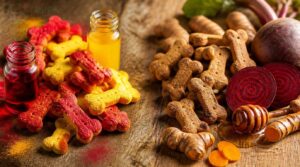
Artificial colors and flavors — things like Red 40, Yellow 5, and synthetic meat mimics — add zero nutritional value to your dog’s treat.
Some dogs show sensitivity reactions, and concerns around hyperactivity and potential carcinogenicity have prompted many brands to shift toward natural color alternatives like beet juice or turmeric.
Look for a clear "no artificial colors/flavors" label.
Corn Wheat and Soy
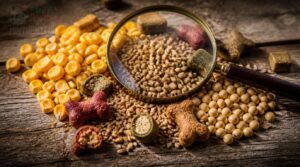
Corn, wheat, and soy are common food fillers that quietly inflate ingredient lists without delivering meaningful nutrition.
For dogs with sensitivities, they can trigger grain sensitivity signs like itching, loose stools, or chronic gas. Soy also contains isoflavones with biological activity that may disrupt certain dogs.
Scan past the marketing — if any of these appear early in the list, keep looking.
BHA BHT Ethoxyquin
Fillers aren’t the only concern hiding in ingredient lists. BHA, BHT, and ethoxyquin are synthetic antioxidants added to fats to slow rancidity — but prolonged exposure raises real questions about liver and kidney health in dogs.
Many brands now replace these with vitamin E or rosemary extract. Look for labels stating no artificial preservatives.
Excess Fat and Fillers
Even though most pet owners focus on protein quality, excess fat and fillers deserve equal scrutiny. Fillers dilute real meat nutrition, push calorie density higher per piece, and complicate weight management over time. Watch for three red flags:
- Fat content varies by batch
- Unnamed byproducts with inconsistent nutrients
- Starchy fillers causing digestive upset
These make precise feeding harder.
Top 5 Training Treat Options
Knowing what to look for is one thing — finding products that actually check all the boxes is another. Each of these five options was chosen based on ingredient quality, calorie density, texture, and real-world palatability that holds up during serious training sessions. Here’s what made the cut.
1. Honest Kitchen Beef Salmon Treats
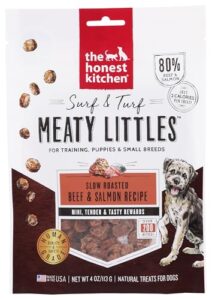
The Honest Kitchen Beef & Salmon Meaty Littles check nearly every box a training treat needs to fill. At just 2 calories per piece, you can reward freely and often without eating into your dog’s daily caloric budget.
Beef and salmon head the ingredient list, delivering around 25–28% protein alongside natural DHA for cognitive support — particularly valuable for puppies still building focus. There’s no corn, wheat, soy, or artificial preservatives, just mixed tocopherols keeping things fresh.
| Best For | Dog owners who train frequently and want a low-calorie, clean-ingredient treat that supports brain health across all life stages. |
|---|---|
| Protein Source | Beef & Salmon |
| Net Weight | 3.99 oz |
| Calories Per Treat | 2 kcal |
| Grain Content | Grain-free |
| Life Stage | All life stages |
| Texture | Soft thin slices |
| Additional Features |
|
- Only 2 calories per treat, so you can reward generously during training without worrying about weight gain
- Human-grade beef and salmon with natural DHA — no corn, wheat, soy, GMOs, or artificial anything
- Thin, easy-to-break slices work great for small breeds and puppies
- Packaging isn’t very sturdy, so treats can arrive crushed or crumbly
- Low caloric density makes them a poor fit for high-energy or working dogs with bigger fuel needs
- Contains salmon, which rules them out for dogs with fish allergies
2. Open Farm Beef Training Treats
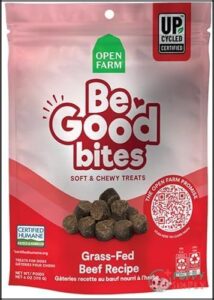
Open Farm’s Beef Training Treats earn their spot through single-protein simplicity — real beef listed first, no mixed meat sources, no guesswork for owners managing protein sensitivities. Each piece clocks in under 2.5 calories, and with roughly 180 soft chews per resealable pouch, you’re well-stocked for extended sessions.
The formula skips corn, wheat, and soy, relying instead on mixed tocopherols and rosemary extract to maintain freshness naturally — a clean trade-off that keeps sensitive stomachs settled.
| Best For | Dog owners who want low-calorie, protein-focused training treats and prefer clean, eco-conscious formulas without corn, wheat, or soy. |
|---|---|
| Protein Source | Turkey |
| Net Weight | 5.82 oz |
| Calories Per Treat | Under 2.5 kcal |
| Grain Content | Contains barley & sorghum |
| Life Stage | Adult dogs |
| Texture | Soft chews |
| Additional Features |
|
- Single-protein beef formula makes it easy to manage food sensitivities without guessing
- Under 2.5 calories per chew with ~180 per pouch, so you can train longer without overfeeding
- 30% upcycled ingredients and no artificial flavors or preservatives for a cleaner, more sustainable choice
- Small pellet size may not feel rewarding enough for larger breeds
- Contains barley and sorghum, so it won’t work for dogs on a strict grain-free diet
- Citric acid and mixed tocopherols, while natural, could still be a concern for dogs with certain sensitivities
3. Cloud Star Liver Training Treats
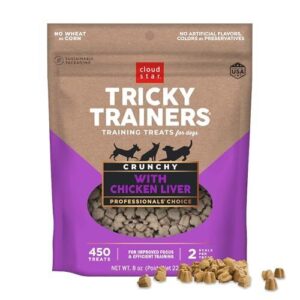
Cloud Star’s Liver Training Treats solve one of training’s quietest problems: liver’s magnetic palatability at just 2 calories per piece.
Each crunchy bite features dried chicken liver as the primary protein, with pearled barley and oat flour binding everything together — a short ingredient list you can actually read. No wheat, corn, soy, artificial colors, or BHA/BHT. Mixed tocopherols handle preservation naturally.
At roughly 450 treats per 8-ounce pouch, you’re equipped for weeks of consistent, high-frequency reward sessions without nudging your dog toward weight gain.
| Best For | Trainers and dog owners who run frequent, reward-heavy sessions and want a low-calorie, clean-ingredient treat that keeps dogs engaged without the mess or the extra pounds. |
|---|---|
| Protein Source | Chicken Liver |
| Net Weight | 8 oz |
| Calories Per Treat | 2 kcal |
| Grain Content | Contains barley & oat |
| Life Stage | All life stages |
| Texture | Crunchy |
| Additional Features |
|
- Only 2 calories per treat, so you can reward generously through long training sessions without worrying about weight gain
- Short, readable ingredient list — real chicken liver, no artificial additives, and free from wheat, corn, soy, and dairy
- Crunchy texture and strong liver scent keep dogs locked in and focused, plus they don’t leave your hands smelling like a fish market
- The tiny size might not feel satisfying to larger breeds or dogs that expect a more substantial reward
- Contains pearled barley and oat flour, making them a no-go for dogs with grain sensitivities
- Only one flavor option, so if your dog isn’t into liver — or you’re just tired of it — there’s nowhere else to go
4. Full Moon Human Grade Beef Treats
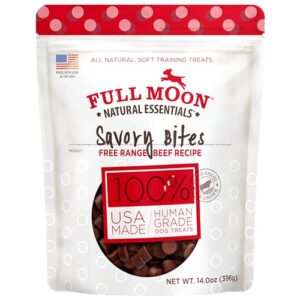
Full Moon’s human-grade beef treats set a high bar by starting with USDA-approved free-range beef — the kind of sourcing that actually means something on a training field. The all-natural recipe keeps things tight: cassava root, celery, and rosemary extract, with no grains, corn, soy, or artificial anything.
One thing to watch: these contain cane sugar, so monitor portions carefully with small dogs, since overconsumption can trigger loose stools.
| Best For | Dog owners who prioritize clean, high-quality ingredients and want a reliable, allergen-friendly treat for training, senior dogs, or small breeds. |
|---|---|
| Protein Source | Beef |
| Net Weight | 14 oz |
| Calories Per Treat | Not listed |
| Grain Content | Grain-free |
| Life Stage | All life stages |
| Texture | Soft bite-size |
| Additional Features |
|
- Starts with USDA-approved, human-grade free-range beef — genuinely premium sourcing, not just marketing language
- Grain-free and free from corn, soy, gluten, and artificial additives, making it a solid pick for dogs with sensitivities
- Small, uniform bite-size pieces are perfect for high-repetition training sessions or as a kibble topper
- Contains cane sugar, which warrants portion control — especially for smaller dogs prone to digestive upset
- Not meant to replace a complete diet, so it’s strictly a treat or supplement
- Piece size can vary slightly, and the treats need sealed storage to stay fresh and avoid drying out
5. Onward Hound Soft Bison Treats
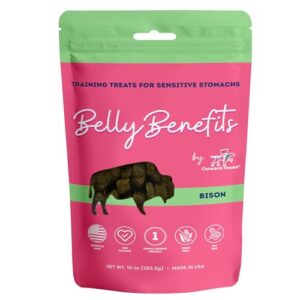
Bison is a novel protein source, meaning most dogs haven’t developed sensitivities to it — which makes Onward Hound’s single-protein formula a smart pick for dogs with reactive stomachs. At roughly 3.5 kcal per treat, you can reward frequently without overshooting daily calorie limits.
The soft, bite-sized texture works across puppies, seniors, and small breeds alike. It’s corn-free, soy-free, and wheat-free, though dogs with egg or fat sensitivities should sit this one out.
| Best For | Dogs with sensitive stomachs or food allergies who need a low-calorie, novel-protein treat for training or enrichment. |
|---|---|
| Protein Source | Bison |
| Net Weight | 10 oz |
| Calories Per Treat | ~3.5 kcal |
| Grain Content | Grain-free |
| Life Stage | All ages |
| Texture | Soft bite-size |
| Additional Features |
|
- Single-source bison protein is rarely an allergen, making it a great option for dogs with reactive digestive systems
- At ~3.5 kcal per treat, you can reward generously during training without worrying about weight gain
- Soft, small size works well for puppies, seniors, and small breeds — plus fits easily in puzzle feeders and enrichment toys
- Contains eggs and animal fats, so dogs with those specific sensitivities will need to skip it
- Only comes in bison flavor, which could be a dealbreaker for picky eaters who need variety
- Premium pricing puts it above budget-friendly treat options on the market
Frequently Asked Questions (FAQs)
What ingredients should I avoid in dog training treats?
Avoid xylitol, BHA, BHT, and artificial colors — these range from mildly inflammatory to outright toxic. Skip corn, wheat, and soy fillers too, as they dilute nutrient quality and trigger sensitivities in many dogs.
How many treats should I give per session?
Most trainers aim for 10–20 small treats per session, keeping total treat calories under 10% of your dog’s daily intake. If you’re training frequently, track across the whole day, not just one session.
Can training treats replace my dogs meals?
No, training treats are a supplement, not a substitute. They should stay under 10% of daily calories, with regular meals adjusted slightly when treat use is high during intensive sessions.
How do I store soft training treats properly?
Keep soft training treats refrigerated after opening — they’ll stay fresh for up to two weeks. Use an airtight container, label it with the opening date, and freeze extras in small portions for up to six months.
Are training treats safe for puppies and seniors?
Yes — with the right adjustments. Soft, pea-sized pieces keep puppies safe from choking, while calorie-controlled, low-phosphorus options protect seniors with slower metabolisms or kidney concerns.
How often should I rotate my dogs treat flavors?
Rotate your dog’s treat flavors every 2–3 months for training treats, or every 4–6 weeks for general variety. Dogs with sensitive stomachs do better on a slower 8–12 week cycle.
Conclusion
Every treat you hand over is a small investment—one that compounds across hundreds of sessions.
When you understand what ingredients to look for in training treats, you’re not just optimizing rewards; you’re quietly shaping your dog’s long‑term health with each tiny bite.
Real meat, clean preservatives, limited fillers—these aren’t premium luxuries.
They’re the baseline your dog deserves.
Choose ingredients you’d scrutinize for yourself, and the label will always tell you whether a treat earns its place.
- https://www.pawsomepark.dog/blog/the-best-high-protein-dog-treat-recipe
- https://www.pawstruck.com/blogs/pawstruck-press/a-guide-to-high-value-dog-treats-that-make-training-easier-and-tastier
- https://vcahospitals.com/know-your-pet/using-food-and-treats-for-training-dogs
- https://petjope.com/blogs/dog-weight/healthy-low-calorie-treats-for-dogs-for-weight-loss
- https://www.nbcnews.com/select/shopping/dogs-favorite-treats-ncna1234429