This site is supported by our readers. We may earn a commission, at no cost to you, if you purchase through links.

Most dogs develop some form of dental disease by age three—and for many owners, a daily dental chew feels like a reasonable fix. It’s convenient, dogs love them, and the packaging makes bold promises about cleaner teeth. But knowing how often dogs should have dental chews isn’t as straightforward as tossing one over each morning.
The right frequency depends on your dog’s size, weight, chewing habits, and current oral health. A chew that works perfectly for a healthy adult Labrador could cause digestive trouble for a senior Chihuahua on a calorie-restricted diet. Getting it right means understanding what these chews actually do—and where their limits are.
Table Of Contents
- Key Takeaways
- Dogs Can Have Dental Chews Daily
- Why Daily Chewing Helps Teeth
- When Less Frequent Chews Work
- Factors That Change Chew Frequency
- Calories Matter With Dental Chews
- Choosing Safe Dental Chews
- Risks of Too Many Chews
- Dental Chews Versus Tooth Brushing
- Signs Your Dog Needs Help
- Best Dental Chew Routine
- Frequently Asked Questions (FAQs)
- Conclusion
Key Takeaways
- Most healthy dogs do well with one dental chew per day, but your dog’s size, age, weight, and any existing dental issues can shift that number up or down.
- Dental chews slow plaque buildup through mechanical scraping and saliva stimulation, but they can’t replace brushing or professional cleanings for full gum and tooth protection.
- Each chew carries 50 to 200 calories, so count them as part of your dog’s daily food budget—especially if your dog is small, senior, or on a weight management plan.
- Always look for the VOHC Seal of Acceptance, match chew size to your dog’s weight and jaw strength, and supervise every session to avoid choking or tooth fractures.
Dogs Can Have Dental Chews Daily

Most vets agree that once a day is the sweet spot for dental chews. That said, the right routine depends on a few things specific to your dog. Here’s what to keep in mind before making it a daily habit.
If you’re still figuring out which chews work best, browsing a curated guide to the best rawhides for dogs can help you pick one that fits your dog’s size and chewing style.
One Chew Per Day
Most vets recommend one dental chew per day as the standard starting point for your dog’s daily dental routine. That single chew gives teeth consistent contact time to disrupt plaque before it hardens into tartar.
Skipping days lets buildup get ahead of you, so keeping a steady daily schedule makes a real difference for gum disease prevention. This is important because dental disease affects dogs by age three.
Follow Package Directions
The label on your dog’s dental treats isn’t just packaging — it’s the actual guide to getting results safely.
Follow label timing carefully, whether that means offering the chew after meals or at a set time each day. Observe serving size strictly, and use the weight-based dosing chart to pick the right size for your dog’s bracket.
Ask Your Veterinarian
Your veterinarian is the one person who can tell you whether daily dental chews are actually right for your dog. Package directions give general guidance, but your vet factors in your dog’s age, chewing habits, oral health, and any underlying conditions.
A quick check-in before starting a new routine makes preventative veterinary care practical, not just theoretical.
Adjust for Your Dog
Every dog is a little different. Chew size, firmness, and calories all need to match your dog’s weight, bite strength, and daily diet. A senior dog with sensitive gums needs something softer than an active younger Lab.
If your dog gulps chews or gets loose stool, adjust frequency or size. Look for the VOHC Seal of Acceptance to confirm what you’re choosing actually works.
Why Daily Chewing Helps Teeth

Daily chewing does more than just keep your dog busy — it actually works on their teeth in several real, measurable ways. Think of it like a light scrub your dog’s mouth gets every single day. Here’s why that consistent routine matters so much.
Scrapes Away Soft Plaque
When a dog chews, mechanical scraping action works against the tooth surface, loosening soft plaque before it has a chance to harden. The abrasive texture effect of dental chews creates friction that lifts that sticky biofilm layer away.
Meanwhile, chewing triggers saliva flow — a natural saliva plaque wash that carries loosened debris away, supporting your dog’s oral hygiene with every chew.
Slows Tartar Buildup
Plaque doesn’t stay soft forever. Within just three days, it mineralizes into tartar — a hardened deposit that regular chewing can’t remove.
Plaque hardens into tartar within just three days — and no amount of chewing can remove it after that
Regular Chew Sessions break that cycle before it starts. Dental chews use Mechanical Plaque Removal, Enzyme Tartar Control, and the Saliva Buffering Effect together, giving your dog’s oral health maintenance a daily fighting chance against buildup.
Freshens Dog Breath
Bad breath is often the first sign something’s off in your dog’s mouth.
Daily dental chews help tackle this by neutralizing sulfur compounds — the real culprits behind that unpleasant odor. Many chews also stimulate saliva, which naturally rinses bacteria away and keeps breath fresher between meals.
Supports Gum Health
Your dog’s gums are quietly doing a lot of work, and they need consistent support. Daily dental chews provide gentle gumline massage through chewing motion, which helps disrupt plaque before it hardens. Enzyme formula chews go further by targeting the bacteria in oral biofilm linked to gingivitis.
Here’s what regular chewing provides:
- Plaque disruption along tooth surfaces before buildup sets in
- Reduced gum inflammation through consistent oral bacteria control
- Saliva stimulation, which naturally buffers acids near the gumline
- Lower long-term risk of periodontal disease and tooth loss
- Easier early detection when your veterinarian recommendation guides chew selection
Choosing the right chew size matters too — a properly fitted chew stays in your dog’s mouth longer, maximizing contact time with the gums and teeth.
When Less Frequent Chews Work

Daily dental chews work well for most dogs, but not every dog fits that mold. Some pups do better with less frequent chews, and that’s completely okay. Here are the situations where cutting back actually makes more sense for your dog.
Sensitive Stomachs
Some dogs have a stomach that treats every new chew like an experiment. If your dog is one of them, daily chews may cause digestive upset — vomiting, loose stools, or discomfort.
Try offering a smaller portion every other day, watch stool consistency closely, and always provide fresh water. A veterinarian can help you find chews with digestible ingredients your dog tolerates well.
Low-calorie Diets
Dental chews commonly carry 50 to 200 calories each — a number that adds up fast for a dog on a calorie-restricted plan. If your veterinarian has recommended weight management, daily chews may quietly push your dog over their calorie intake limit.
Offering a chew every other day, while adjusting portion control across meals, keeps dental benefits without derailing the diet.
Small or Senior Dogs
Small and senior dogs often need a gentler approach. Smaller mouths and shorter jaw leverage make breaking down chews harder, and senior dogs may have worn or fragile teeth that can’t handle the same pressure.
For these dogs, every other day is often safer. Always ask your veterinarian to help find the right fit for their size and comfort level.
Existing Dental Problems
If your dog already has gingivitis, periodontitis, or a chipped tooth, daily chews may do more harm than good. Inflamed gums are sensitive, and hard chewing against damaged tissue can worsen irritation. Think of it like pressing a bruise.
- Cracked teeth need rest, not pressure
- Swollen gums bleed more easily during chewing
- Dental decay spreads faster without careful management
- Bad breath often signals deeper infection needing treatment
Ask your vet before starting any chew routine.
Factors That Change Chew Frequency

Not every dog fits the same routine, and that’s completely normal. A few key factors can shift how often your dog actually needs a dental chew. Here’s what to look at before settling on a schedule.
Dog Size and Weight
Your dog’s size and weight shape how often dental chews fit safely into their daily dental routine. A small dog has a lower calorie intake budget, so even one chew takes up a noticeable slice of their daily allowance. Larger dogs can handle more chewing mass, but portion limits still apply.
| Dog Size | Recommended Daily Chews |
|---|---|
| Small | 1 (lower end) |
| Medium | 1 (per weight range) |
| Large | 1–2 (per product) |
| Senior/Overweight | Reduce regardless of size |
Matching size-based chew selection to your dog’s weight class also affects how long the chew lasts. If the chew disappears too quickly, resist offering another — ask your veterinarian about breed-specific chew duration options instead. Growth stage adjustments matter too, especially if your dog recently moved into a new weight category.
Chewing Strength
Just as size shapes frequency, chewing strength changes everything about which chew works and how often to offer it.
A powerful chewer can fracture a chew that’s too hard, risking tooth fractures or dental damage. A gentle chewer may give up before the mechanical scrubbing even begins.
Matching chew hardness to your dog’s jaw strength keeps chewing effective and safe.
Activity Level
How active your dog is shapes how well they tolerate daily dental chews and when to offer them. More active dogs chew more intensely, which means chew duration can drop fast — sometimes too fast for real plaque-scrubbing to happen. If your dog finishes a chew in seconds, the size isn’t right.
Activity timing matters too. Offering chews after exercise, when your dog naturally settles, promotes steadier chewing and better digestion. But don’t mistake a high activity level for a free pass on extras — caloric intake from chews still counts, even on busy days.
Dental Disease History
A dog’s dental disease history is one of the most overlooked factors in setting chew frequency. If your dog has a history of gingivitis or periodontitis, daily chews become more critical — but so does closer supervision. Past extractions mean fewer teeth to maintain, yet the remaining ones face higher plaque and tartar buildup risk.
Diet and Treats
What your dog eats every day shapes how often dental chews fit into the picture. Dental chews count toward their daily calorie budget, so if your dog already gets training treats, you’ll want to swap rather than stack. A simple way to keep canine nutrition balanced:
- Replace one daily treat with a dental chew
- Track total treat calories alongside meals
- Ask your veterinarian if chew frequency needs adjusting
Calories Matter With Dental Chews

Dental chews do more for your dog than just clean teeth — they also add calories to the daily total, and that number adds up faster than you’d think. A single chew can pack anywhere from 50 to 200 calories, which matters a lot if your dog is already watching their weight.
Here’s what to keep in mind when balancing dental health with a healthy diet.
Count Chew Calories
Think of a dental chew like a small meal — it carries real calories that add up. Label Calorie Calculation starts with the package: find the calories per chew, then fold that number into your dog’s daily calorie integration.
For small breeds especially, even 50 extra calories daily can quietly lead to weight gain over time.
Reduce Extra Treats
When you add a dental chew to your dog’s day, cut back on other treats to keep calories balanced. Offer the chew after a meal and skip any extra snacks that session. Let praise or a short play session fill the reward gap instead.
One chew, one daily slot — that simple swap protects your dog without sacrificing the bond you’re building.
Prevent Weight Gain
Weight gain sneaks up gradually — a few extra calories from dental chews each day can quietly add up over weeks. Track chew calories alongside meals, not separately. If your dog’s routine includes daily preventative chews, those calories count. Monitor weight monthly and watch for slow upward trends. Here’s what helps:
- Log dental treat calories daily
- Compare chew calorie content against your dog’s total budget
- Adjust chew size when weight trends upward
- Balance activity levels with treat amounts
- Schedule regular weigh-ins to catch early changes
Choose Lighter Options
Once you’ve tracked calories, the next step is choosing a chew that works smarter, not harder. Lighter dental chews tend to use mild ingredients that are easier on digestion and lower in fat.
| Chew Type | Benefit |
|---|---|
| Soft chews | Gentler on sensitive teeth |
| Vegetable-based | Low calorie, digestible |
| Gentle formulas | Reduce stomach upset |
| Low fat options | Support healthy weight |
| Enzymatic chews | Break down plaque efficiently |
Ask your veterinarian which digestive-friendly option fits your dog’s calorie budget without sacrificing dental benefit.
Choosing Safe Dental Chews

Not all dental chews are created equal, and picking the wrong one can do more harm than good. Safety comes down to a few key factors that are easy to check before you buy. Here’s what to look for when choosing a chew your dog can actually benefit from.
Correct Chew Size
Size is one of the most important safety details when choosing a dental chew. A chew should be larger than your dog’s closed mouth so they can’t gulp it whole.
Match the chew’s size and density to your dog’s weight and chewing strength — too small means choking risk, too big means poor grip and less contact with teeth.
VOHC-approved Products
Once you’ve confirmed the right size, look for the VOHC Seal of Acceptance on the packaging. The Veterinary Oral Health Council awards this seal only to dental chews proven to reduce plaque and tartar buildup through controlled testing. It’s your clearest signal that a product actually works, not just one that claims to.
Digestible Ingredients
Beyond the VOHC seal, look closely at what the chew is actually made of. Digestible ingredients — like enzymatic chews, vegetable-based blends, and soluble fiber — break down safely after swallowing. Carbohydrate matrices and protein binding give the chew its shape while still degrading during digestion.
That means no hard fragments left behind, just a clean chewing experience your dog can handle comfortably.
Avoid Hard Materials
Steer clear of antlers, bones, and rawhide chews — they’re too hard for daily use and can chip or fracture teeth under strong bite force.
A safer chew should feel firm but breakable, not rock-like. If it splinters into sharp, glassy fragments, put it away. Supervise every session, and when in doubt, ask your vet about the right texture for your dog.
Match Chewing Style
Every dog has its own chewing personality, and matching the chew to that style makes a real difference.
Gentle chewers do better with softer dental sticks that crumble gradually, while aggressive chewers need firmer options — like bully sticks — that last long enough for real tooth contact. The wrong match can mean choking hazards or zero dental benefit.
Risks of Too Many Chews

Too many dental chews can actually do more harm than good, even when your intentions are right. Your dog’s digestive system, teeth, and airways all have limits that are easy to overlook. Here are the key risks worth knowing before you reach for that extra chew.
Upset Stomach
Too many dental chews can upset your dog’s stomach faster than you’d expect. Chew flavor sensitivity plays a real role here — fats, binders, and certain sweeteners in dental treats can irritate sensitive digestive systems. Meal timing effects matter too; offering a chew on an empty stomach increases the risk of nausea.
When in doubt, ask your veterinarian.
Diarrhea or Vomiting
Diarrhea or vomiting can follow when you introduce dental chews too quickly or offer them too often. New chews introduced gradually help your dog’s gut adjust without protest.
Watch for dehydration warning signs like dry mouth, fatigue, or decreased urination — these signal the situation is worsening. If symptoms persist beyond 24 hours, contact your veterinarian promptly.
Choking Hazards
Choking is a real risk when a chew breaks apart unexpectedly. Fragment breakage risk increases as chews wear down, crack, or thin out — especially with strong chewers. Watch for these warning signs during every session:
- Visible cracking or splitting along the chew
- Pieces small enough to slip past the back teeth
- Aggressive gulping instead of steady chewing
Chew shape safety and matching size to your dog matter just as much as frequency. Always practice supervision practices — remove the chew the moment it becomes dangerously small.
Tooth Fractures
Hard chews — antlers, bones, and dense nylon toys — can crack your dog’s teeth more easily than you’d expect.
Enamel fractures may look minor, but they deepen over time under biting pressure. Dentin exposure causes real sensitivity and pain. A vertical crack can silently worsen with every chew session.
If your dog seems reluctant to chew or paws at their mouth, that’s your cue to call a veterinary dentist.
Intestinal Blockage
Tooth fractures are serious, but intestinal blockage can be life-threatening. When dogs swallow large, unchewed chunks of dental chews, those pieces can cause a foreign body obstruction that stops digestion entirely. Watch for these warning signs:
- Vomiting that won’t stop
- Inability to pass stool
- Visible abdominal swelling
- Sudden, severe lethargy
Always supervise your dog’s chewing sessions for their pet safety.
Dental Chews Versus Tooth Brushing
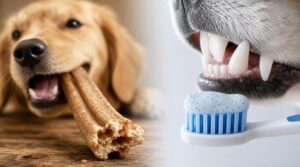
Dental chews do a lot of good, but they’re not the whole story about your dog’s oral health. Think of them as a helpful teammate, not the star player. Here’s how chews and brushing work together to keep your dog’s mouth in great shape.
Chews Support Brushing
Dental chews work best as a between brush sessions companion, not a replacement. Their consistent chew action delivers mechanical plaque removal across tooth surfaces, and textured ridges provide a gum massage effect that brushing alone can miss. Think of them as your daily teammate — keeping plaque and tartar buildup in check until the toothbrush takes over.
| Feature | Dental Chews | Brushing |
|---|---|---|
| Plaque removal | Mechanical scraping | Direct cleaning |
| Gum contact | Chew texture benefits | Bristle pressure |
| Best timing | Between brush sessions | Daily routine |
Brushing Cleans Gumlines
Chews handle the surfaces, but brushing your dog’s teeth is the only way to target the gumline directly.
Angling the bristles at a 45-degree angle toward the gum lets them reach where plaque and tartar buildup quietly starts. Use a gentle brushing technique — no hard scrubbing — to protect gum health and keep gum disease from taking hold.
Use Dog Toothpaste
Once you’re brushing your dog’s teeth regularly, the toothpaste you use matters more than most people realize. Always choose a dog-safe toothpaste — human toothpaste contains fluoride and xylitol, both toxic to dogs.
Look for enzyme formulas with glucose oxidase that break down bacteria, tartar agents like sodium hexametaphosphate, and mild abrasive ingredients to support plaque and tartar buildup removal without damaging enamel. A non-foaming paste keeps things comfortable and mess-free during daily brushing.
Build a Routine
Think of your daily dental routine like bookending a meal — brush before bed, offer the dental chew right after dinner. That consistent anchor chew timing gives your dog something to expect and helps you stay on track.
Supervise every session, count one chew per day, and check in with your veterinarian if plaque and tartar buildup or gum disease symptoms appear.
Signs Your Dog Needs Help

Even with the best dental chew routine, some dogs still develop oral health problems that need attention beyond what a daily chew can fix.
Your dog can’t tell you when something hurts, but their behavior and mouth often give it away. Watch for these signs that it’s time to call your vet.
Bad Breath
Bad breath in dogs is often the first sign something’s wrong. Bacteria in the mouth break down debris and produce volatile sulfur compounds — the same gases behind that unpleasant smell.
If your dog’s breath is noticeably off, it’s worth paying attention. A veterinarian can help determine whether the cause is plaque, tartar, or something deeper.
Swollen Gums
Swollen gums are a quiet warning sign that’s easy to miss. When plaque builds up along the gumline, it triggers inflammation — the early stage of gingivitis.
Gums may look red, puffy, or feel tender. If your dog resists having its mouth touched, swollen gum tissue could be the reason.
A vet exam helps identify the cause before gum disease progresses.
Bleeding Mouth
Blood in your dog’s mouth is never something to brush off. It can signal gum disease, oral trauma, an ulcer, or even a bleeding disorder — all of which need a vet’s eye.
Watch for these common causes:
- Post-procedure bleeding after dental cleanings or extractions
- Chewing trauma from hard treats damaging soft oral tissue
- Infected gums made fragile by oral bacteria
- Open sores or ulcers irritated by teeth and gums contact
Dropping Food
When a dog starts dropping food while eating, it’s often more than a picky moment — it’s a quiet signal that something in the mouth hurts. Pain from gum disease or dental decay can make chewing feel too uncomfortable to push through. If you notice this regularly, don’t wait. Book a veterinary exam soon.
Loose Teeth
A loose tooth in your dog isn’t something to brush off. Periodontal disease gradually destroys the bone and ligaments holding teeth in place, making them shift or wobble. Dental trauma and bruxism can cause similar damage.
Your vet may recommend splint stabilization or bone grafting to save affected teeth — or extraction if the damage is too far gone.
Best Dental Chew Routine
Building a solid dental chew routine doesn’t have to be complicated. A few consistent habits can make a real difference in your dog’s oral health over time. Here’s what a good daily routine actually looks like.
Offer After Meals

Timing your after meal chew matters more than most owners realize. Once your dog finishes eating, their stomach is settled and their urge to gulp slows down — making chew pace control much safer.
Pairing dental chews with a fixed meal time pairing also builds consistency, which helps you track how plaque and tartar respond over days.
Supervise Every Chew

Consistency after meals only works when you’re actually present. Constant close supervision means staying within arm’s reach the entire session — not stepping away for a minute, not checking your phone.
- Remove the chew when it shrinks to a swallowable size.
- Stop immediately if your dog gulps rather than chews.
- Check for mouth injury signs like pawing, gagging, or new drooling.
Provide Fresh Water

After supervising each session, make fresh water your next move. Chewing stirs up mouth bacteria and loosens debris, so hydration after chews helps rinse the mouth naturally.
| Water Habit | Why It Matters |
|---|---|
| Fresh water access | Flushes oral bacteria post-chew |
| Water bowl hygiene | Prevents bacterial buildup in bowl |
| Safe water storage | Keeps water clean between refills |
| Dental water additives | Support ongoing oral bacteria reduction |
Schedule Yearly Dental Exams
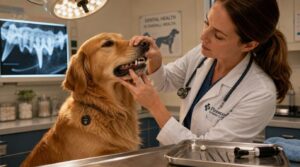
Fresh water sets your dog up well, and a yearly dental exam takes that care even further. Your vet will visually inspect the teeth and gums, assess tooth mobility, and may recommend dental radiographs to catch hidden disease below the gumline. Think of it as a full status report for your dog’s mouth.
A thorough exam usually covers:
- Checking for tartar, gingivitis, and gum swelling along the gumline
- Evaluating bite alignment and spotting any unusual growths or lesions
- Reviewing radiographs to assess tooth roots and any subsurface dental disease
After the visit, your vet will share a specific care plan — whether that means adjusting your dog’s chew type, starting toothbrushing, or scheduling a professional cleaning.
Track Dental Changes

Over time, small changes in your dog’s mouth can tell you a lot.
Take clear, dated photos from the same angles each time — before and after chews — so you can spot shifts in plaque buildup or gum color. Note chew duration and stool changes in a simple journal, since both can signal whether your routine is working.
Frequently Asked Questions (FAQs)
Can dental chews replace professional veterinary cleanings?
No, dental chews can’t replace professional cleanings. They help slow plaque buildup, but veterinary dental care reaches areas chews never touch, like below the gumline where serious dental disease quietly develops.
Are dental chews safe for pregnant or nursing dogs?
Pregnant and nursing dogs deserve extra caution. Always consult your veterinarian before offering dental chews, as ingredients, choking hazards, and digestive upset risks shift markedly during pregnancy and lactation.
Which dog breeds benefit most from dental chews?
Small breeds, brachycephalic dogs, and seniors benefit most from dental chews. Their crowded teeth and softer gums make daily mechanical cleaning especially valuable. Always match the chew size to your dog’s weight.
Do dental chews interact with any dog medications?
Yes, dental chews can interact with dog medications. They may affect medication absorption, trigger GI upset alongside NSAIDs, or interfere with probiotic-containing formulas during antibiotic treatment. Always ask your vet before combining chews with any prescription.
At what age can puppies start having dental chews?
Most puppies can start dental chews around six months old, when adult teeth have come in. Always match the chew to your puppy’s size, and ask your vet if teething is still causing sensitivity.
Conclusion
Somewhere, a dog is staring at the pantry, fully convinced one more chew is absolutely medically necessary—and honestly, their case is surprisingly compelling. Knowing how often dogs should have dental chews separates genuine care from well-intentioned overindulgence.
Daily works for most healthy dogs: one chew, the right size, vet-approved. But size, age, and calories all shift that answer. Pair chews with brushing, and your dog’s smile will outlast their impressive talent for dramatic begging.
- https://www.houndsy.com/pages/hearty-hound
- https://citydentalnyc.com/common-dental-problems-and-tooth-diseases/
- https://www.joinkwikly.com/blog/top-10-problems-in-dentistry-and-how-to-solve-them
- https://smileeverydaydentistry.com/common-dental-health-issues-how-to-treat-them/
- https://www.oldhamdds.com/blog/1299675-a-guide-to-common-dental-issues-symptoms-treatment-and-prevention