This site is supported by our readers. We may earn a commission, at no cost to you, if you purchase through links.
Most dog owners spend more time reading the back of a cereal box than the label on their dog’s kibble. That’s worth pausing on—because what goes into your dog’s bowl every single day shapes their energy, coat, digestion, and long-term health far more than any occasional treat or supplement.
A bag that looks premium on the shelf can still be packed with fillers, vague protein sources, and preservatives you’d never want near your own food. Knowing what ingredients dry dog food should have puts you back in control—and your pup’s next meal can be a genuinely nourishing one.
Table Of Contents
- Key Takeaways
- Read The Dog Food Label First
- Dry Dog Food Should Have Balanced Nutrients
- Choose High-Quality Protein Ingredients
- Look for Healthy Carbs and Fats
- Whole Grains Such as Brown Rice, Oats, Barley, or Wheat
- Grain-free Options Like Sweet Potato, Pumpkin, or Peas
- Fiber Sources Such as Beet Pulp, Chicory Root, Inulin, or Pumpkin
- Chicken Fat as a Concentrated Energy Source
- Fish Oil for EPA and DHA Omega-3 Fatty Acids
- Flaxseed, Canola Oil, or Soybean Oil for Added Fatty Acids
- Balanced Omega-6 and Omega-3 Support for Skin and Coat
- Avoid Unsafe or Low-Quality Ingredients
- Artificial Preservatives Such as BHA, BHT, and Ethoxyquin
- Toxic Ingredients Like Chocolate, Garlic Powder, and Certain Nuts
- Excessive Fillers With Little Nutritional Value
- Unnamed Meats, Fats, or Protein Sources
- Too Much Added Sugar or Salt
- Raw Meat Ingredients in Standard Kibble Formulas
- Ingredients Your Dog is Sensitive or Allergic To
- Frequently Asked Questions (FAQs)
- What is the best dry dog food?
- What should a dog eat if he eats a wet dog food?
- What is the first ingredient in dog food?
- What ingredients are in dog food?
- What ingredients should I look for in dry dog food?
- What should top 3 ingredients be in dog food?
- What is the best dog food for congestive heart failure?
- Can dry dog food expire or go stale?
- How often should I rotate my dogs food brand?
- Does kibble need to be supplemented with wet food?
- Conclusion
Key Takeaways
- Always check for a named animal protein (like chicken, beef, or salmon) as the first ingredient, since vague terms like "meat meal" or "animal fat" are red flags for poor quality and hidden allergens.
- The AAFCO Nutritional Adequacy Statement is your first checkpoint on any bag — it confirms the food actually meets established nutrient standards for your dog’s life stage.
- Healthy fats from fish oil and chicken fat aren’t just energy — they drive coat health, reduce inflammation, and help your pup absorb fat-soluble vitamins, so don’t skip past them on the label.
- Ingredients like BHA, BHT, ethoxyquin, added sugar, excess salt, and unnamed protein sources quietly chip away at your dog’s long-term health and are worth avoiding whenever possible.
Read The Dog Food Label First
Before you even open the bag, the label tells you a lot about what’s inside. Knowing what to look for makes the whole process much less overwhelming.
Once you’ve cracked the label code, digging into the actual ingredients is your next move—organic dog food options worth knowing can help you see exactly what quality looks like in the bag.
Here’s what to check first.
Look for The AAFCO Nutritional Adequacy Statement
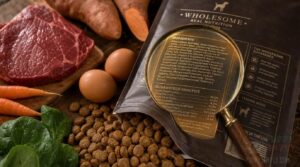
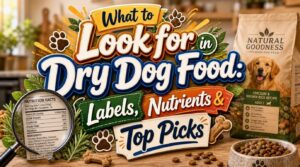
Start by flipping the bag over and finding the Nutritional Adequacy Statement — it serves as your first checkpoint when reading dog food labels. This small block of text carries the AAFCO adequacy claim language, confirming the product meets either a nutrient profile basis or feeding trial substantiation.
The statement also includes the product name requirement, tying that exact formula to AAFCO standards for consumer comparison guidance.
The label often highlights the real beef ingredient, indicating a primary protein source.
Match The Formula to Your Dog’s Life Stage

Once you’ve confirmed the AAFCO statement, check which life stage the formula targets. Puppy, adult, and senior formulas each address distinct nutritional requirements.
Puppy Growth Needs differ considerably from an Adult Maintenance Profile or Senior Joint Support formula. A pup requires more calories, calcium, and protein than an adult dog. These adjustments ensure proper development during critical early stages.
Active Dog Calories are higher too, reflecting increased energy demands. Prioritizing life-stage transitions—by aligning age and breed-specific nutritional needs—maintains a nutritionally balanced diet throughout your dog’s life.
Check The Guaranteed Analysis for Protein, Fat, Fiber, and Moisture
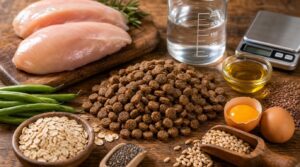
The Guaranteed Analysis lists four key numbers: protein (a floor, meaning the actual amount meets or exceeds it), fat (also a minimum), fiber (an upper limit, so it won’t exceed that level), and moisture (a maximum too). These values provide critical nutritional benchmarks for pet food.
For dry kibble, the moisture upper limit typically sits around 10%. To enable meaningful Protein Floor Comparison or Fat Minimum Limits across brands, convert all values to a Dry Matter Basis. This adjustment accounts for moisture content differences, ensuring accurate nutrient comparisons.
Review Calorie Content and Feeding Guidelines
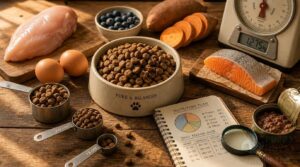
Start by reviewing the Guaranteed Analysis, then examine calorie content and feeding guidelines. Calorie Calculation matters more than you’d think—Energy Density varies widely between brands, even when protein levels appear similar.
Implement Portion Scaling based on your dog’s weight and Activity Adjustment for active pups. Consistent Weight Monitoring keeps things honest.
AAFCO-approved Life Stage Specific Dog Food Formulas include feeding guidelines as a solid starting point.
Remember Ingredients Are Listed by Weight
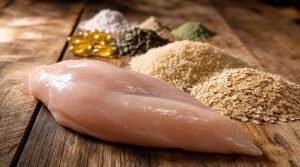
The ingredients list on any dog food label follows a simple weight hierarchy — heaviest ingredients appear first, lightest last. This means that chicken listed before rice provides meaningful information.
Here are a few key nuances to understand:
- Moisture impact shifts fresh meat’s ranking higher than its actual protein contribution.
- Blend order reflects the formula as mixed, not after cooking.
- The 2% rule allows minor additives to appear in any order at the bottom.
Dry Dog Food Should Have Balanced Nutrients
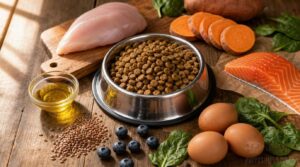
Good nutrition starts with getting the balance right, not just picking a bag with a nice label. Every nutrient in your dog’s food plays a specific role, from building muscle to keeping that coat shiny.
Here’s what a well-balanced dry dog food should actually contain.
Adequate Crude Protein for Muscle Maintenance
Protein fills a bowl and builds and preserves your dog’s lean muscle mass. Aim for at least 18% crude protein on the label, but protein per calorie matters just as much as the percentage itself.
| Factor | Why It Matters |
|---|---|
| Protein Sources | Named meats supply reliable essential amino acids |
| Amino Acid Balance | Facilitates complete muscle protein synthesis |
| Leucine Content | Triggers muscle maintenance pathways directly |
| Digestibility Rate | Determines protein actually absorbed, not just listed |
| Feeding Frequency | Spreads amino acids for consistent muscle turnover |
Identifying high-quality protein sources means checking that animal proteins lead the ingredient list. Protein digestibility drops when formulas rely on poorly processed or unnamed sources — even if crude protein numbers look fine.
Watch out for sneaky fillers too — products like imitation crab meat in dog diets often hide low-quality proteins and excess sodium behind misleading labels.
Healthy Fats for Energy, Skin, and Coat
Fats do more than fuel your dog’s day — they’re the foundation of healthy skin and a gleaming coat. Essential fatty acids like EPA and DHA from fish oil act as anti-inflammatory lipids, calming irritation and supporting the lipid skin barrier. Chicken fat delivers omega fatty acids for coat strength, contributing to overall dermal resilience.
Fats are the foundation of your dog’s healthy skin and gleaming coat, not just a fuel source
Coconut oil provides hydration and medium-chain triglycerides, offering quick energy alongside skin-moisturizing benefits. Critically, healthy fats and oils also enable fat-soluble vitamin transport, making them indispensable for nutrient absorption and systemic health.
Digestible Carbohydrates for Daily Fuel
Carbohydrates are your dog’s primary energy source — and quality matters. Wholesome carbohydrates from whole grains like brown rice and oats offer a low glycemic load, supporting steady fuel without energy crashes. Vegetables like sweet potatoes add digestible starch with real nutrients.
Smart starch processing and carb timing around activity aid glycogen replenishment. Together, these carbohydrate and fiber sources balance energy density throughout the day.
Moderate Fiber for Digestion and Stool Quality
Fiber is the quiet workhorse of your dog’s digestive system. The right balance of soluble vs insoluble fiber keeps stools firm without becoming hard — that stool softness balance matters more than most pet owners realize.
- Beet pulp and chicory root offer fermentable fiber benefits and gut microbiome support as prebiotic sources
- Pumpkin provides gentle dietary fiber that aids regularity
- Gradual fiber introduction prevents digestive upset when switching kibble
Carbohydrate and fiber sources work together for lasting gut health.
Essential Vitamins and Minerals for Whole-body Health
Think of vitamins and minerals as your dog’s internal maintenance crew — quietly keeping everything running. Complete and Balanced Nutrition means your pup gets Essential Nutrients for Canine Health without relying on separate vitamin supplementation.
| Nutrient Group | Key Nutrients | What They Do |
|---|---|---|
| Antioxidant Vitamins | Vitamins A, E | Protect cells, support skin and immunity |
| Vision Vitamins | Vitamin A, Zinc | Support healthy eyesight and tissue integrity |
| Energy B Vitamins | B1, B2, B6, B12 | Fuel metabolism and nervous system function |
| Immune Micronutrients | Selenium, Iron, Zinc | Strengthen immune response and oxygen delivery |
| Bone Mineral Support | Calcium, Phosphorus, Vitamin D | Build and maintain strong skeletal structure |
Vitamins and Minerals for Dogs aren’t optional — they’re foundational.
Moisture Content Typical of Dry Kibble
Vitamins and minerals keep your dog’s body healthy — and moisture keeps the kibble safe for storage. Dry dog food usually holds 6–10% water, which matters more than you’d think.
- Shelf stability improves when moisture stays low, slowing microbial growth
- Crunchiness impact varies — drier kibble means firmer texture
- Dry matter conversion helps you compare nutrient levels accurately
- Energy concentration increases as moisture decreases
Choose High-Quality Protein Ingredients
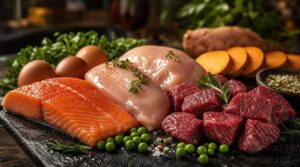
Protein is the foundation of your dog’s diet, and not all sources are created equal. The type and quality of protein in kibble directly affect how well your pup builds muscle, recovers, and thrives day to day.
These factors play a critical role in your dog’s overall health and vitality.
When examining labels, prioritize protein ingredients worth looking for, as they ensure optimal nutrition and support your dog’s well-being.
Named Animal Proteins Like Chicken, Beef, Lamb, Turkey, or Salmon
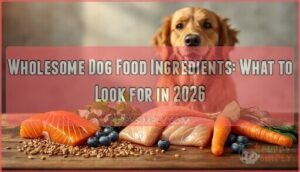
When scanning the ingredient list, look for whole meats like chicken, beef, lamb, turkey, or salmon listed first.
These named animal proteins matter because their complete amino acid profile supports your dog’s muscle maintenance and overall health.
Higher protein digestibility comes with whole meats, and source transparency tells you exactly what your pup is eating — no guesswork.
Meat Meals Such as Chicken Meal or Salmon Meal
Don’t overlook meat meals — they’re some of the most concentrated protein sources in dog food ingredients. The rendering process removes moisture, leaving behind a nutrient-dense powder with a complete amino acid profile your dog’s muscles actually need.
Look for these high-quality protein sources on the label:
- Chicken meal for all-around, everyday nutrition
- Salmon meal for mineral enrichment and omega-3s
- Named meals for palatability boost and flavor consistency
- Traceable sourcing for allergen considerations
- Higher protein density than fresh meat per pound
Eggs as a Highly Digestible Protein Source
Eggs stand apart from most other protein sources in dry dog food. Their biological value is a perfect 100, meaning your dog’s body uses nearly all the protein it gets.
The digestibility rate clocks in above 90 percent, delivering a real satiety boost with fewer calories.
Eggs also offer a solid choline supply and show strong allergy tolerance in most pups.
Organ Meats Like Liver or Kidney in Appropriate Amounts
Liver and kidney offer serious nutritional value, including B-vitamin density, iron provision, and amino acid completeness all in one ingredient. They support Vitamin A regulation and round out protein sources in dog food nicely.
However, purine load management is crucial. Excessive organ meat can upset the balance, so good dry kibble uses controlled amounts, keeping whole meats the primary ingredient to ensure complete and balanced nutrition for your pup.
Plant Proteins Only as Secondary Ingredients
Plant-based proteins play a supportive role in dog food, acting as backup singers rather than headliners. When used correctly alongside whole meats, they enhance the overall quality of the product.
Their key contributions include:
- Binding Function – Improves kibble cohesiveness during extrusion
- Water Retention – Enhances texture and palatability
- Cost Efficiency – Reduces reliance on pricier animal ingredients
- Digestibility Boost – Increases when blended with high-quality protein sources
Additionally, plant-based proteins introduce allergen diversity by varying protein sources. Ensure they are listed after named animal proteins in ingredient lists—never first.
Look for Healthy Carbs and Fats
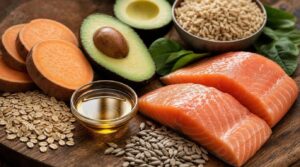
Carbs and fats aren’t just fillers — they’re what keeps your dog energized, comfortable in their skin, and running smoothly day-to-day. Choosing the right sources makes a real difference in how well your dog absorbs nutrients and feels overall.
Here’s what to look for on the label.
Whole Grains Such as Brown Rice, Oats, Barley, or Wheat
Whole grains like brown rice, oats, barley, and wheat are genuinely wholesome carbohydrates your dog can use. Their micronutrient profile includes B vitamins, iron, and magnesium, offering essential nutrients for canine health.
Oats, in particular, deliver beta-glucan benefits—a soluble fiber that aids digestion and stabilizes blood sugar, contributing to overall well-being.
Grain cooking tips matter too: proper processing in kibble significantly improves digestibility, ensuring dogs can fully utilize these nutrients.
Unless your dog has confirmed gluten sensitivity, whole grain nutrition plays a solid role in canine health, providing balanced and functional dietary support.
Grain-free Options Like Sweet Potato, Pumpkin, or Peas
Not every pup thrives on grain inclusion — and that’s okay. Sweet potato, pumpkin, and peas are wholesome carbohydrates that fill the gap naturally.
- Sweet Potato Binding keeps kibble firm while delivering low glycemic energy and a beta‑carotene boost for immune support
- Pumpkin Moisture improves palatability and adds digestible complex carbohydrate sources
- Peas contribute plant protein and pea glucosamine for joint care
- These wholefood ingredients help dogs avoid grain‑related sensitivities without sacrificing complete nutrition
Fiber Sources Such as Beet Pulp, Chicory Root, Inulin, or Pumpkin
Fiber does more than bulk up your dog’s stool — it feeds the gut itself. Beet pulp, chicory root, inulin, and pumpkin are wholesome carbohydrates that drive prebiotic fermentation, producing short-chain fatty acids that nourish colonocytes and support the gut microbiome.
They also deliver a quiet satiety boost and consistent digestive health.
| Fiber Source | Primary Benefit | Key Function |
|---|---|---|
| Beet Pulp | Stool softening | Regulates bowel transit time |
| Chicory Root / Inulin | Prebiotics support | Feeds Lactobacillus and Bifidobacterium |
| Pumpkin | Digestive health | Slows gastric emptying via pectin |
Chicken Fat as a Concentrated Energy Source
Chicken fat is one of the most efficient fat sources in dry dog food — packing about 9 kcal per gram for an impressive caloric density.
Its fatty acid profile promotes palatability boost, making kibble more appealing to picky eaters.
It also delivers natural vitamin enrichment through vitamins A and D, contributing meaningfully to your dog’s metabolizable energy without unnecessary bulk.
Fish Oil for EPA and DHA Omega-3 Fatty Acids
Fish oil goes a step further than chicken fat — it’s your pup’s best source of preformed EPA and DHA omega-3 fatty acids. Unlike plant oils, fish oil delivers these long-chain omega-3s directly, with no conversion needed.
Look for these on the label:
- Triglyceride form — better absorbed than ethyl ester versions
- Oxidation control — fresh, stable oil matters for anti-inflammatory benefits
- EPA DHA ratio — confirms real omega-3 fatty acids, not just total fat
Salmon oil is a particularly rich option.
Flaxseed, Canola Oil, or Soybean Oil for Added Fatty Acids
Plant oils like flaxseed, canola, and soybean oil round out your dog’s fat sources beyond fish oil. Each brings meaningful Alpha-Linolenic Acid (ALA) content—a plant-based omega-3 fatty acid—supporting skin and coat health.
| Oil | Key Fatty Acids | Coat Luster Benefits |
|---|---|---|
| Flaxseed | High ALA omega-3 | Strong anti-inflammatory support |
| Canola | Balanced omega-6/omega-3 | Steady skin moisture |
| Soybean | Rich omega-6 fatty acids | Membrane and coat integrity |
Ideal Inclusion Levels and Antioxidant Synergy matter here—Plant Oil Stability depends on proper manufacturing and storage to protect these fats from oxidation.
Balanced Omega-6 and Omega-3 Support for Skin and Coat
Those plant oils supply omega-6 fatty acids, but balance is what actually drives skin and coat health. A target omega-6 to omega-3 ratio near 4:1 keeps fatty acid competition in check, letting omega-3s support anti-inflammatory pathways without getting crowded out. Better linoleic barrier support and coat gloss indicators—less flaking, softer fur—follow naturally when fat sources and omega fatty acids stay proportional in your pup’s diet.
Avoid Unsafe or Low-Quality Ingredients
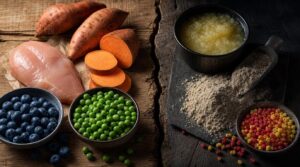
Knowing what to include is only half the job—what you leave out matters just as much. Some ingredients can quietly undermine your dog’s health or even cause serious harm.
Here’s what to watch out for when reading that label.
Artificial Preservatives Such as BHA, BHT, and Ethoxyquin
Artificial preservatives like BHA, BHT, and ethoxyquin extend shelf life, but their regulatory classification raises real questions. Ethoxyquin is actually regulated as a pesticide by the FDA — not a food additive.
These are ingredients to avoid in dog food when possible, given their potential health risks:
- Dry skin and allergic reactions
- Liver and kidney stress
- Long-term oxidative byproduct buildup
Natural preservative alternatives like mixed tocopherols are a better choice.
Toxic Ingredients Like Chocolate, Garlic Powder, and Certain Nuts
Chocolate triggers methylxanthine toxicity, disrupting your pup’s heart and nervous system — darker varieties hit hardest.
Garlic powder carries serious Allium compound danger, even in small amounts.
Certain nuts, especially old or moldy ones, raise aflatoxin contamination concerns and can cause neurological symptoms.
These toxic ingredients represent real food safety risks you can’t ignore.
Excessive Fillers With Little Nutritional Value
Too many fillers quietly push out the nutrients your dog actually needs. Corn, wheat gluten, and animal byproducts are classic ingredients to avoid in dog food — they drive calorie dilution and protein displacement without delivering real value. Nutrient dilution follows, and obesity risk climbs when your pup eats more just to feel satisfied.
Watch for these excessive fillers:
- Corn and wheat gluten listed early in the ingredient panel
- Animal byproducts replacing named meat proteins
- High carbohydrate content with low crude protein on the label
- Fiber filler impact from beet pulp or cellulose added for bulk
- Multiple grain derivatives stacked to mask poor protein quality
Unnamed Meats, Fats, or Protein Sources
Generic terms like "meat meal" or "animal fat" are ingredients to avoid in dog food — they’re red flags for poor protein source transparency. Without a named source, you can’t assess digestibility variance or allergen risk, especially for sensitive pups.
| Label Term | What It Hides | Your Risk |
|---|---|---|
| Meat byproducts | Unknown animal origin | Allergen triggers |
| Animal fat | Unnamed rendered source | Omega imbalance |
| Meat meal | Unspecified species | Digestibility variance |
| Poultry byproducts | Mixed bird sources | Supply chain traceability gaps |
| Protein blend | Multiple unnamed sources | Regulatory labeling gaps |
Choose high-quality protein sources — chicken, salmon, beef — listed clearly by name.
Too Much Added Sugar or Salt
Added sugar and salt might seem harmless, but they’re genuine ingredients to avoid in dog food. Sugar-induced obesity, insulin spikes, and dental decay risk are real consequences of sweeteners hiding as corn syrup or molasses.
Meanwhile, sodium-related hypertension and kidney strain follow excess salt intake.
Check labels for "sodium chloride" and any syrup-based pet food additives — your pup’s long-term health depends on it.
Raw Meat Ingredients in Standard Kibble Formulas
Raw meat in standard kibble sounds appealing, but it carries real salmonella risk for both your dog and your household. Commercial dry formulas rely on controlled processing temperatures to eliminate pathogens—something whole meats alone can’t guarantee.
Meat fat variability and moisture complicate extrusion, which is why binding aids and meat meals remain the safer, more consistent high-quality protein sources in dry diets.
Ingredients Your Dog is Sensitive or Allergic To
Even a wholesome ingredient can become the wrong one for your dog.
Food allergies in dogs most commonly involve beef allergy, dairy sensitivity, wheat intolerance, soy reaction, or a lamb trigger. Managing food sensitivities and allergies starts with knowing which food allergens your pup reacts to.
Common ingredients to avoid in dog food for a sensitive stomach diet:
- Beef or beef by-products
- Milk, casein, or whey
- Wheat flour or wheat gluten
- Soy protein isolate
- Lamb meal
Frequently Asked Questions (FAQs)
What is the best dry dog food?
There’s no single "best" dry dog food—it depends on your dog.
Look for complete and balanced nutrition, AAFCO standards compliance, high-quality protein sources, and ingredients matched to your pup’s life stage.
What should a dog eat if he eats a wet dog food?
If your dog eats wet food, choose a complete and balanced formula. It already covers protein, fat, and nutrient requirements.
Just follow the feeding guidelines for proper calorie adjustment and keep fresh water available for hydration balance.
What is the first ingredient in dog food?
The first ingredient on a dog food label is the protein source listed by weight before cooking.
Ingredient order rules require a named animal protein — like chicken, beef, or salmon — to appear first.
What ingredients are in dog food?
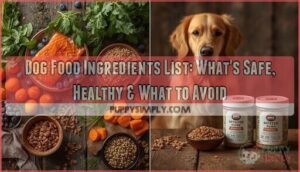
Dry dog food ingredients commonly include protein sources, carbohydrates, fats, fiber, vitamins, and minerals.
Understanding these helps you evaluate nutrient bioavailability and make smarter choices for your pup’s long-term health.
What ingredients should I look for in dry dog food?
Not all bags are created equal. Look for named proteins, wholegrains, natural preservatives, and antioxidant sources.
Skip fillers, artificial additives, and anything toxic. Your dog’s health starts with what’s on that label.
What should top 3 ingredients be in dog food?
The top three ingredients should be a named animal protein, a quality fat source, and a digestible carbohydrate. That combination drives protein hierarchy, nutrient synergy, and real label transparency.
What is the best dog food for congestive heart failure?
Heart disease demands a careful balance. Look for Prescription Cardiac Diets offering Sodium Restriction, Taurine Enrichment, Omega‑3 Balance, and Phosphorus Management.
Ensure these diets meet AAFCO standards to support your dog’s heart gently.
Can dry dog food expire or go stale?
Yes, it can. Unopened kibble usually lasts 12–18 months, but once opened, use it within 6–8 weeks.
Watch for rancidity, moisture, or off smells — clear spoilage indicators that your pup’s food has turned.
How often should I rotate my dogs food brand?
Rotating every two to three months works well for most dogs. Using a gradual adjustment, monitoring stool consistency, and adjusting calories if needed ensures a smooth transition.
Always check the ingredient list for allergens before switching to avoid adverse reactions.
Does kibble need to be supplemented with wet food?
No, a complete and balanced dry dog food doesn’t need wet food.
That said, adding it can offer a hydration boost, appetite enhancement, or calorie adjustment—just watch your pup’s total intake.
Conclusion
Every bag of kibble is a quiet promise you make to your dog each day. Knowing what ingredients dry dog food should have means you can finally read that label with confidence—not guesswork. The right bowl won’t just fill them up; over time, it builds them up, meal by meal.
Named proteins, wholesome fats, digestible carbs, and clean preservatives aren’t premium extras; they’re the baseline your pup deserves. This foundation ensures nourishment that goes beyond mere sustenance, fostering long-term health and vitality.
- https://www.akc.org/expert-advice/nutrition/essential-dog-food-ingredients-for-healthy-dogs/
- https://www.kwikpets.com/blogs/dog/high-protein-dog-food-guide?srsltid=AfmBOopiJZPNg5Hat3LGGreqt7ugfylM1rdu7dQpJUuulEY3MX3JPJGt
- https://www.whole-dog-journal.com/food/whats-the-best-dry-dog-food/
- https://www.spotandtango.com/blog/high-protein-dog-food?srsltid=AfmBOorlXEodQye58BnBtOepQJ0WmiDbbvXa8AOr3__y30DepDYmu-2K
- https://animalwellnessmagazine.com/healthy-grains-for-dogs-and-cats/