This site is supported by our readers. We may earn a commission, at no cost to you, if you purchase through links.
Many dog owners reach for a carrot stick or a spoonful of pumpkin and assume all vegetables are fair game. They aren’t.
Some support digestion, hydration, and weight control, while others can damage red blood cells, upset the stomach, or cause more serious toxic reactions.
That line between helpful and harmful matters more than most people think, especially when you’re sharing food from your own kitchen. Knowing which are truly safe vegetables for dogs, how to prepare them, and when to stop feeding them can turn a healthy snack into a smart habit instead of a gamble at feeding time.
Table Of Contents
- Key Takeaways
- Best Vegetables for Dogs
- Vegetables Dogs Should Avoid
- Benefits of Vegetables for Dogs
- How to Prepare Vegetables Safely
- How Much Should Dogs Eat?
- Signs a Vegetable Isn’t Safe
- Frequently Asked Questions (FAQs)
- What vegetables can dogs eat?
- Can dogs eat canned vegetables?
- Can dogs eat fruit & vegetables?
- Can dogs eat raw vegetables?
- Can puppies eat vegetables safely?
- Which vegetables are best for senior dogs?
- Can vegetables replace part of a dogs meal?
- Are leafy greens safe for dogs?
- What should I do after toxic ingestion?
- Conclusion
Key Takeaways
- Safe vegetables like carrots, green beans, pumpkin, cucumber, zucchini, bell peppers, peas, sweet potatoes, celery, and broccoli can be healthy low-calorie treats for dogs when served plain, in small amounts, and prepared to reduce choking and stomach upset.
- Toxic or higher-risk vegetables and plant parts, especially onions, garlic, chives, leeks, shallots, wild mushrooms, unripe tomatoes, and green or sprouted potatoes, can cause serious harm and should be kept completely off your dog’s menu.
- Preparation matters as much as the vegetable itself, so wash produce well, serve it plain without salt, butter, onion, or garlic, remove risky seeds, skins, and stems when needed, and cut everything into bite-sized pieces.
- Start with small portions, keep vegetables under about 10% of your dog’s daily intake, introduce one at a time, and stop feeding right away and call a vet if you notice vomiting, diarrhea, gas, itching, lethargy, or other signs of a bad reaction.
Best Vegetables for Dogs
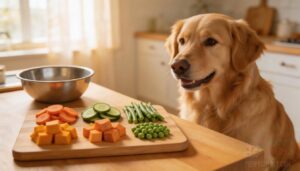
Some vegetables can make a low-calorie add-on to your dog’s usual diet when you choose and prepare them carefully. The best options are easy to serve, gentle on the stomach, and useful as simple treats or meal toppers.
If you want another crunchy option, this guide to dogs eating green peppers safely is worth a quick read.
Here are the vegetables most often worth keeping in the mix.
Carrots
Although simple, carrots are one of the best safe vegetables for dogs. Their beta-carotene provides vitamin A, while fiber helps digestion without adding many calories.
For choking risk mitigation, serve them finely chopped, grated, or lightly steamed. Raw or cooked, both work, but keep portions small, since too many carrots can raise fiber and sugar intake, especially in sensitive dogs.
Green Beans
Like carrots, Green beans are another standout among Safe vegetables for dogs. In Dog nutrition, their Fiber content helps the Gut Microbiome and steadier Blood Sugar, while staying a low-calorie snack.
Serve them plain, soft, and chopped for easier Dental Chewing.
They won’t directly improve Joint Health, but healthy weight helps.
Fresh or frozen, Seasonal Availability makes them practical year-round.
Pumpkin
Green beans help, yet Pumpkin stands out among Safe vegetables for dogs. Its fiber shows the Nutritional benefits of vegetables in canine diets.
Think of Pumpkin Puree Uses, Pumpkin Label Checking, Pumpkin Shelf Life, Pumpkin Seasonal Availability, Pumpkin Seed Nutrition, plus Guidelines for feeding dogs vegetable treats and Safe preparation methods for dog foods: choose plain, unsweetened pumpkin, then serve sparingly.
Cucumber
After pumpkin, Cucumbers offer a crisp Cooling Effect and excellent Hydration benefits of high-water vegetables for dogs. Among safe vegetables for dogs, they suit warm-weather Seasonal Harvest snacks.
How to prepare vegetables for dogs, peel if needed, reduce seeds, and mind Slice Size and Texture Preference. Storage Tips help manage the Risks of feeding dogs raw or seasoned vegetables.
Zucchini
Garden zucchini has a gentle Nutrient profile, making Zucchini one of the safe vegetables for dogs. The Nutritional benefits of vegetables in canine diets include fiber, potassium, and vitamin C.
To prepare vegetables for dogs, use plain slices, simple cooking methods, sensible Storage methods, Seasonal sourcing, DIY zucchini recipes, and ignore Zucchini safety myths when feeding your dog.
Bell Peppers
Because Bell peppers are dog-friendly vegetables, they offer dog health benefits of vegetables through Color Nutrient Variation, plus Potassium Muscle Support.
The Nutritional benefits of vegetables in canine diets include fiber and vitamin C, but preparing vegetables for canine consumption means removing seeds and stems for Seed Hardness Risks, serving small plain pieces, watching Shelf Life, and noting Allergy Potential.
Celery
Crunchy Celery fits well among dog-friendly vegetables when you serve it plain, washed, and finely chopped for Choking Risk Management. Nutrient Profile is modest, yet it offers a useful Fiber source and Hydration for dogs.
Seasonal Availability is broad, and Storage Tips help keep it crisp. Skip soups or dips; Palatability Enhancers aren’t needed, unlike Toxic vegetables for dogs.
Peas
Small but useful, Peas are among Vegetables Dogs Can Eat when served plain. They offer a gentle Fiber source, plus Pea Protein, Pea Starch for energy, and Pea Micronutrients with Antioxidant properties.
Pea Seasonal Availability is excellent in fresh, frozen, or canned forms.
Watch Pea Allergy Risks, skip salty cans, and keep Vegetables Dogs Should Avoid separate from them entirely.
Sweet Potatoes
Want a gentler veggie with substance?
Plain, cooked sweet potatoes give your dog a useful Fiber source, steady Vitamin A benefits, and clear Beta‑Carotene Benefits.
Their Carbohydrate content and Starch Content mean Portion Control matters, especially for Blood Sugar Impact and Dog obesity prevention.
Serve soft, bite-sized pieces, skip seasonings, and follow simple Storage Tips to avoid spoilage at home.
Broccoli
Broccoli earns its place on the list. Among vegetables that dogs can eat, it offers sulforaphane benefits, a useful glucosinolate profile, potassium content, and manganese mineral.
Oxalate levels aren’t the main issue; fiber is.
Serve soft, bite-sized pieces.
That balance promotes health benefits of vegetables for dogs, without drifting toward toxic vegetables for dogs or ignoring moderation in canine treats.
Vegetables Dogs Should Avoid
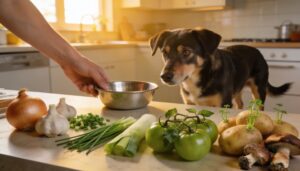
Some vegetables are fine for dogs, but others can cause real problems. A few are clearly toxic, while others become risky because of the part of the plant, how ripe it’s, or how it’s prepared.
Here’s what to keep off your dog’s menu.
Onions
Because Onions trigger Organosulfur Toxicity, they’re among the most important Toxic vegetables for dogs. This Allium family toxicity in dogs can damage red blood cells and cause Hemolytic Anemia.
Dose Sensitivity matters, and Onion Powder Danger is real because it’s concentrated.
Symptoms Timeline varies, from stomach upset affecting Dog gastrointestinal health to later Dog health emergencies after any onion exposure.
Garlic
Garlic, one of the toxic vegetables for dogs, carries allium family toxicity and Organosulfur Toxicity, which raise Hemolytic Anemia Risk. Garlic Symptoms Timeline may begin with vomiting or diarrhea, then weakness.
Garlic Dose Guidelines matter, especially with powder. For dog gastrointestinal health and to avoid dog health emergencies, choose Safe Flavor Alternatives, like plain pumpkin or carrots, instead of garlic.
Chives
Much like garlic, chives carry Allium Toxicity and belong on any list of toxic vegetables for dogs.
- Chive Exposure Sources include gardens, garnish, dips, soups, eggs, and omelets.
- Accidental Ingestion can trigger Red Blood Damage and dog health emergencies.
- For dog nutrition, follow Garden Management Tips: block access, skip table scraps, and remove chives quickly from kitchen counters and beds.
Leeks and Shallots
That same warning applies to Leeks and Shallots. Both are Allium ingredients, so Allium Toxicity, including Heinz Body Anemia, remains a Dose-Dependent Risk with no known safe amount.
Early Digestive Signs, like vomiting, diarrhea, gas, or poor appetite, can come first.
They aren’t dog-friendly vegetables, but toxic vegetables and foods for dogs, requiring Veterinary Emergency Protocol if eaten promptly.
Wild Mushrooms
Because wild mushrooms are a gamble, keep them off your dog’s path and bowl:
- Mushroom Toxicity can injure the liver, kidneys, or nerves.
- Identification Risks are high.
- Foraging Exposure happens in yards, mulch, and woods.
- Gastrointestinal Symptoms may start fast.
- Delayed Organ Damage can follow, even after seeming early recovery, so toxic mushrooms and foods for dogs need urgent vet care.
Unripe Tomatoes
Although ripe tomato flesh is less concerning, unripe tomatoes raise Nightshade toxicity and solanine risk. Their Green Plant Parts carry more Solanine Toxicity, and a Bitter Taste Indicator often signals trouble.
Expect Early GI Signs, like vomiting or diarrhea.
For Toxic vegetables for dogs, not Safe vegetables for dogs, use Safe Harvest Practices: keep unripe tomatoes away from curious mouths.
Raw or Green Potatoes
Because green or sprouted potatoes bring nightshade toxicity and solanine risk, they’re among toxic vegetables to avoid for dogs, even when cooked or tucked into mashed leftovers.
- Green Spot Detection matters: green skin means Glycoalkaloid Toxicity.
- Sprout Removal isn’t enough; Solanine Symptoms can still follow.
- Peel Before Feeding only plain, non-green potatoes, never raw vegetables, since solanine toxicity can linger.
Risky Vegetable Parts
Some parts matter more than the vegetable itself.
Identifying toxic plant parts for dogs helps you avoid toxic vegetables for dogs, from tomato leaves and rhubarb leaves to undercooked beans, green potatoes, and sprouted potatoes.
| Part | Risk | Note |
|---|---|---|
| Tomato leaves | tomatine | Nightshade toxicity and solanine risk |
| Rhubarb leaves | Oxalic acid | kidney stress |
| Onions, garlic, chives, and shallots | anemia | avoid all |
Avoid unripe tomatoes because they contain solanine in tomato fruit, which can be toxic to dogs.
Benefits of Vegetables for Dogs
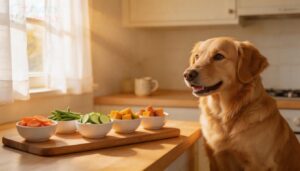
When you choose the right vegetables and serve them properly, they can add more than variety to your dog’s diet. Some can be a smart, simple way to support your dog’s everyday health without adding much fuss.
The right vegetables, served properly, can be a simple, low-fuss way to support your dog’s everyday health
Here are the main benefits to know before you start offering them.
Low-Calorie Treat Options
Think of vegetables as the light side dish of treat time: with Portion Control, dog-friendly vegetables like carrots, cucumber, zucchini, pumpkin, and green beans make smart low-calorie treats and low-fat snacks for dogs.
Seasonal Veggie Choices, Texture Variety, DIY Frozen Treats, and a little Low-Sugar Fruit help you balance Vegetables Dogs Can Eat with Vegetables Dogs Should Avoid safely.
Fiber for Digestion
Fiber works like a broom in your dog’s gut:
- dietary fiber firms stool.
- Soluble Fiber Benefits include water absorption.
- Insoluble Fiber Role adds bulk.
- Fermentation Benefits feed colon cells.
- Gut Motility Support eases straining.
Use carrots, green beans, or pumpkin for digestive health for dogs, but practice fiber gradual introduction, since excess can loosen stools.
Hydration From Water-Rich Veggies
After fiber, water-rich, dog-friendly vegetables can help hydration for dogs. Cucumbers and Celery support Moisture Retention, gentle Urine Dilution, and Thermoregulation Support, especially in warm weather.
| Veggie | Hydration Timing | Benefit |
|---|---|---|
| Cucumbers | anytime | crisp moisture |
| Celery | small bites | extra water |
| Zucchini | with meals | Electrolyte Balance |
That captures the Hydration benefits of high-water vegetables for dogs, without upsetting most healthy adult dogs.
Vitamins and Antioxidants
Along with hydration, dog-friendly vegetables add antioxidants that help protect cells from everyday wear. They offer:
- Vitamin C Sources, a vitamin C source for Antioxidant Synergy
- Vitamin E Benefits and Beta-Carotene Function, linked with vitamin A benefits
- Selenium Enzyme Role, supporting Vitamin and mineral requirements for canine health
Together, these nutrients support healthy tissues gently in many colorful, safe choices.
Weight Management Support
Those same nutrients also help with dog weight management. Low Calorie Density vegetables, used as a low-calorie snack, support dog obesity prevention through portion control and treat limits for dogs.
Their dietary fiber benefits can curb begging between Meal Timing points, while Weight Monitoring and Exercise Integration keep progress honest. No vegetable creates a Metabolic Boost, but consistency works best.
Skin, Coat, and Eye Health
That same nutrient density can help more than weight. For dog skin and coat health, Omega-3 Benefits, Zinc Support, Vitamin A Role, Antioxidant Protection, and Hydration Impact all matter.
Together, they support softer skin, a shinier coat, less irritation, and better eye health nutrition. Think colorful vegetables, antioxidants, and vitamin A as steady support, not a quick fix over time.
How to Prepare Vegetables Safely
Even safe vegetables need a little prep before they go in your dog’s bowl. A few simple steps can make them easier to chew, digest, and enjoy.
Here’s what to do before you serve them.
Wash Produce Thoroughly
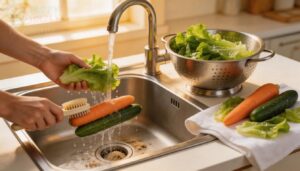
Think of dirt like grit in a shoe; remove it. For safe food preparation for dogs, use Running Water Rinse, Separate Leafy Greens, and Use Clean Colander. Apply a Brush Scrubbing Technique to produce; finish with Air Drying Produce.
These dogfriendly preparation methods support dog food safety, food safety for pets, and best practices for washing and storing dogsafe produce.
Serve Vegetables Plain
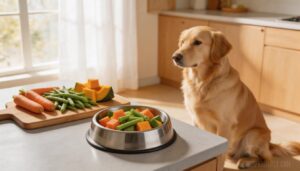
Although Vegetables Dogs Can Eat seem simple, Seasoning-Free Serving matters. Use Additive-Free Preparation, no salt, butter, oils, garlic, onion, or blends, because these include toxic vegetables to avoid for dogs.
For Digestive health for dogs, keep Temperature Safety, Texture Consistency, Choking Hazard Reduction, plus Portion control and treat limits for dogs in mind, following Guidelines for feeding homemade dog snacks.
Raw Vs Cooked Options
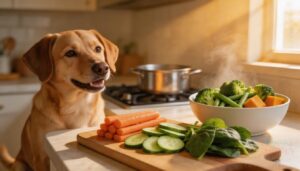
Because dogs vary, Raw vs cooked vegetable preparation methods affect Digestive Tolerance, Texture Preference, Microbial Safety, and Nutrient Bioavailability. Cooked vegetables are gentler on the gut and help chewing, while raw food safety needs care because washing doesn’t remove risk.
Watch Cooking Time; steaming preserves nutrients, but boiling nutrient loss changes effects of cooking methods on vegetable safety for dogs.
Steamed and Boiled Choices
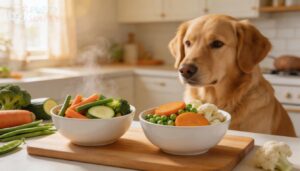
Of the two cooking methods, steamed options often support Nutrient Retention and Flavor Preservation, while boiled ones give more Texture Softening and a stronger Digestibility Boost.
Keep Cooking Time short, serve plain, and use these approaches for dog-friendly vegetables, not Harmful vegetables for dogs, which should never be offered.
Remove Seeds, Skins, and Stems
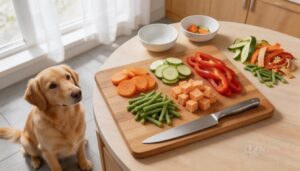
Seed Removal Benefits, Skin Peeling Effects, and Stem Trimming Safety all support Choking Risk Reduction and Digestive Tolerance Improvement in dog-friendly vegetables.
Remove seeds, ends, stems, and sweet-potato skins.
This improves Digestive health for dogs and fits Feeding guidelines and moderation for canine veggies, unlike Harmful vegetables for dogs or Choking hazards and proper cutting sizes.
Cut Bite-Sized Pieces
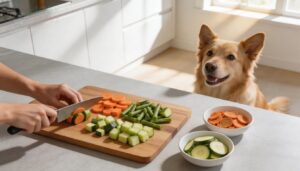
For how to prepare vegetables for dogs, cut dog-friendly vegetables into uniform, bite-sized pieces for Uniform Size Benefits, Choking Risk Reduction, and Portion Consistency Strategies.
Follow Texture Safety Guidelines and Moisture Control Tips, especially with carrots or wet zucchini.
Choking hazards and proper cutting sizes matter for dog treat enrichment, dog dietary fiber sources, and digestion.
Safe Canned and Frozen Options
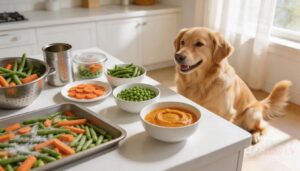
After chopping pieces small, choose canned vegetables with low-sodium labeling; Rinsing canned veggies helps further. Pick unsalted frozen picks for frozen vegetable treats for dogs, and follow thawing temperature safety.
Dog-friendly vegetables, including dog-specific canned pumpkin, keep the nutritional benefits of vegetables for dogs without extra salt. Use shelf-life storage tips, refrigerate leftovers, discard damaged packages within a few days.
How Much Should Dogs Eat?

Even safe vegetables can cause problems if your dog gets too much at once. The right amount depends on your dog’s size, usual diet, and how well they handle extra fiber.
Here’s how to keep portions sensible as you go through the guidelines below.
Follow The 10% Treat Rule
One simple guardrail is the 10 Rule: dog-friendly vegetables still count toward your Daily Calorie Budget. Calorie Tracking and Treat Portion Control protect Weight Management, because even a low-fat snack adds up.
Use portion control for pets, moderation treats, and Activity Adjustments so treats stay below ten percent. That helps meals stay balanced and avoids quiet calorie creep over time.
Start With Small Portions
After that budget, begin with a Teaspoon Measurement, about 1 to 2 teaspoons, using Timing With Meals to support Monitoring Digestive Response.
This Incremental Feeding Schedule allows Gradual Portion Increase while protecting digestive health, dog weight management, and portion control for pets.
vegetables as moderation treats, because the risk of overfeeding fiber to dogs is real for some dogs.
Adjust by Dog Size
Once you’ve started small, use Portion Scaling for dog-friendly vegetables: small dogs need less because Fiber Sensitivity, Hydration Needs, Calorie Limits, and Metabolism Differences vary. For dog weight management with low-calorie snacks, serve raw, steamed, or boiled bites.
The nutritional benefits of vegetables for dogs still count, while Nightshade toxicity and solanine risk demand extra caution in larger, active dogs.
Introduce One Vegetable at a Time
Five steps make Gradual Introduction simple:
- Pick dog-friendly vegetables.
- Use a single veg trial.
- Keep consistent preparation.
- Allow a 24-hour wait.
- Record symptoms.
These pet owner tips for introducing new vegetables connect the nutritional content of dog-friendly vegetables with your dog vegetable toxicity guide and moderation feeding, so you can spot trouble early and safely, then stop the right food.
Avoid Too Much Fiber
Watch fiber, because even safe vegetables can upset digestion when portions jump too fast. Gradual Fiber Increase, Fiber Water Balance, and Monitoring Stool Consistency help protect Digestive health for dogs.
| Sign | Action |
|---|---|
| Firm stool | Hold steady |
| Soft stool | Cut Fiber-Rich Food Pairing |
| Gas or bloating | Slow Dog dietary fiber sources and digestion |
| Watery stool | Risks of overfeeding fiber to dogs |
Special Caution for Diabetic Dogs
Because diabetic dogs do best on routine, keep low-calorie treats small, timed with meals, and matched to carbohydrate content. During diabetes management, note the impact of high-sugar veggies on diabetic dogs and avoid extra snacks.
Carb load monitoring, Blood sugar tracking, and Insulin dose timing support glycemic control in dogs.
Exercise impact matters too, since sudden changes raise hypoglycemia risk.
Signs a Vegetable Isn’t Safe
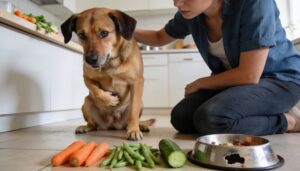
Even safe vegetables can be a bad fit if your dog’s body doesn’t handle them well. The key is noticing early changes after a new food, or after too much of one.
Here are the signs to watch for so you know when to stop and when to get help.
Vomiting and Diarrhea
Sudden vomiting or repeated loose stool is a dog’s sign of Gastrointestinal upset. Check Stool Consistency, Vomiting Frequency, and use Hydration Monitoring, because fluid loss can trigger Electrolyte Imbalance.
These are Medical Red Flags, often tied to Digestive issues caused by inappropriate foods. Protect Digestive health for dogs with Digestive health support through fiber, not Flatulence and digestive issues in dogs.
Gas and Bloating
A gassy belly can speak volumes. With vegetables, bloating causes include fermentation gas from excess fiber content benefits gone too far, plus swallowed air from gulping treats.
Signs of gas and bloating in dogs:
- tight belly
- burping, flatulence
- digestive bloat
For gas relief, pause food; digestive health for dogs needs digestive health support through fiber, not overload.
Loss of Appetite
When your dog turns away from food after vegetables, don’t shrug it off.
| Clue | Meaning |
|---|---|
| Dehydration Signs | hydration benefits of high-water vegetables for dogs reduced |
| Blood Sugar Drop | Medication Side Effects |
| Pain Nausea | Infection Fever |
| Digestive Health | gastrointestinal upset, fiber content benefits, nutrient absorption |
Less eating can mean less drinking, and trouble may build quickly, silently.
Itching or Sensitivity Signs
If appetite dips and itching appears, look closer.
Ear Redness, Paw Chewing, Facial Swelling, Hives Development, and Skin Irritation can point to allergic reactions and food sensitivities in dogs, including dog dietary allergies from allergic foods for dogs. Even immune system boosting foods for dogs can upset skin and coat health when a dog reacts after a new vegetable treat.
When to Stop Feeding
If itching shows up, stop that vegetable at once. Also stop for Unusual stool color, Persistent coughing, Decreased water intake, Sudden lethargy, or Obstruction signs.
These changes can signal allergic reactions and food sensitivities in dogs, toxic foods for dogs, poor digestive health, or trouble with obesity prevention and kidney health considerations.
Don’t offer it again after one small serving.
When to Call a Veterinarian
If those signs appear, call your veterinarian right away. Blood in vomit, excessive drooling, pale gums, rapid heart rate, or sudden collapse can signal toxic foods for dogs or trouble identifying toxic plant parts for dogs.
A veterinarian response to toxic vegetable ingestion may include the Pet Poison Helpline and veterinary emergency response, especially after onions, garlic, mushrooms, or potatoes.
Frequently Asked Questions (FAQs)
What vegetables can dogs eat?
Carrots, green beans, pumpkin, cucumber, zucchini, bell peppers, peas, celery, sweet potatoes, broccoli, even cooked white potatoes can work, depending on Texture Preferences, Seasonal Availability, Allergy Screening, Nutrient Density, and Nutritional content of dog-friendly vegetables.
Can dogs eat canned vegetables?
Like a pantry with hidden traps, canned vegetables can suit dogs only after Label Inspection: check Sodium Levels, Added Sugar, and Seasoning Ingredients. Be wary of high sodium content in canned veggies.
Rinsing Benefits help.
Choose Dog-specific canned pumpkin or plain canned dog treats.
Can dogs eat fruit & vegetables?
Yes, dogs can eat fruit and vegetables if portions stay small and plain.
Choose Safe fruits for dogs and Dogfriendly vegetables, watch Fruit Toxicity Indicators, Toxic fruits for dogs, Food Allergy Risks, and Nutrient Balance.
Can dogs eat raw vegetables?
Many dogs can eat raw raw dog-friendly vegetables if Digestive Tolerance, Texture Preference, Breed Sensitivity, and Owner Monitoring align.
vegetable feeding guidelines for canines and dog vegetable toxicity guide help avoid vegetables to avoid for dogs.
Can puppies eat vegetables safely?
Veggie training wheels: puppies can try a dog-safe vegetable when weaned, using Age-appropriate Portions, Texture Considerations, Allergy Monitoring, and Veterinarian Guidance;
bites aid Puppy Digestive Tolerance and nutrient absorption, while avoiding foods and allium toxicity.
Which vegetables are best for senior dogs?
Carrots, green beans, pumpkin, cucumber, and zucchini are strong choices for senior dog health, offering a low-fat snack, fiber source, Joint Health Support, Immune System Aid, and antioxidant-rich foods for senior dogs as treats.
Can vegetables replace part of a dogs meal?
Partly.
Nutritional Balance and Protein Complement need meat; use a dogsafe vegetable for Calorie Density, Satiety Impact, Digestive Adjustment, fiber source, nutrient density for dogs.
Avoid veggie based dog diets; plant based protein for dogs.
Are leafy greens safe for dogs?
Like a caution-tagged salad, some leafy green types are fine.
Lettuce and cabbage often work; Spinach and Kale, despite antioxidant properties, carry oxalic acid, higher Oxalate Content, and Kidney Stone Risk in some sensitive dogs.
What should I do after toxic ingestion?
Act fast: give Immediate First Aid, Contact Poison Control or Pet poison helpline, Monitor Symptoms, and seek Veterinary emergency response.
Prevent Future Exposure, note what and when were eaten, then get Veterinary Follow-Up advice promptly.
Conclusion
As you peel back the layers of what’s safe for your furry friend, imagine a garden where some veggies are sunshine for their health, while others are hidden weeds. By knowing the difference, you can nurture their well-being with every crunchy bite.
When introducing new treats, remember that safe vegetables for dogs, like carrots and green beans, can be a healthy delight. Make informed choices to help your dog thrive, one veggie at a time, every day.
- https://www.akc.org/expert-advice/nutrition/fruits-vegetables-dogs-can-and-cant-eat/
- https://www.petmd.com/dog/nutrition/what-vegetables-can-dogs-eat
- https://a-z-animals.com/pets/dogs/dog-facts/vegetables-that-can-poison-dogs/
- https://blog.homesalive.ca/dog-blog/what-vegetables-can-dogs-eat
- https://www.carecredit.com/well-u/pet-care/healthy-food-for-dogs/