This site is supported by our readers. We may earn a commission, at no cost to you, if you purchase through links.
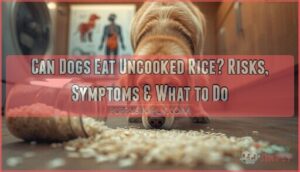
Your dog knocked over the pantry shelf, and now there’s a trail of uncooked rice scattered across the kitchen floor—and your pup’s already licking up the leftovers. Most dog owners don’t think twice about dry rice sitting in the cupboard, but those hard, uncooked grains can actually cause serious digestive problems when your dog swallows them.
Unlike cooked rice, which is soft and easily digestible, raw rice kernels can expand in your dog’s stomach, leading to blockages, irritation, and painful swelling. While small amounts won’t poison your pet, they’re still risky enough to warrant concern, especially for dogs with sensitive stomachs.
Understanding what happens inside your dog’s digestive system when they eat uncooked rice helps you respond quickly and prevent future incidents.
Table Of Contents
- Key Takeaways
- Can Dogs Eat Uncooked Rice?
- Why is Uncooked Rice Risky for Dogs?
- Symptoms After Eating Uncooked Rice
- What to Do if Your Dog Eats Uncooked Rice
- Safe Rice Options and Alternatives for Dogs
- Preventing Dogs From Eating Uncooked Rice
- Frequently Asked Questions (FAQs)
- Can dogs eat rice cakes or rice crackers?
- Is it safe to feed dogs jasmine or basmati rice?
- How do I transition my dog back to their regular diet?
- Can rice be used as a training treat for dogs?
- What are the signs of rice allergy in dogs?
- Can puppies eat any type of rice?
- How much cooked rice is too much?
- Does rice help with dog food allergies?
- Can rice replace regular dog food completely?
- Are rice cakes or puffed rice safe?
- Conclusion
Key Takeaways
- Uncooked rice swells in your dog’s stomach when it absorbs moisture, which can lead to digestive blockages, choking hazards, and gastrointestinal irritation—especially dangerous for dogs with sensitive stomachs or existing gut issues.
- Watch for warning signs like persistent vomiting beyond 12 hours, bloody stools, severe bloating, or lethargy, and contact your vet immediately if symptoms escalate since partial blockages can worsen over 12–24 hours.
- Cooked white or brown rice is safe and beneficial for dogs when prepared plain, offering digestible carbohydrates that soothe upset stomachs and firm stools, but it should make up no more than 10% of their daily calorie intake.
- Prevent accidents by storing uncooked rice in sealed containers on high shelves or locked cabinets, and use positive reinforcement training to teach your dog what’s off-limits around food preparation areas.
Can Dogs Eat Uncooked Rice?

The short answer is no—dogs shouldn’t eat uncooked rice, even though it’s not toxic in the traditional sense. While your dog might sneak a few grains without immediate disaster, uncooked rice poses real digestive risks that cooked rice simply doesn’t.
If you’re exploring other human foods for your pup, check out whether dogs can safely eat mung beans to avoid similar digestive concerns.
Let’s clear up what actually happens when dogs eat it and separate the myths from the facts you need to know.
What Happens When Dogs Eat Uncooked Rice
When your dog swallows uncooked rice, the grains hit stomach moisture and start to swell—though not as dramatically as some pet owners fear. This swelling can slow digestion and cause discomfort, especially if your dog ate a generous handful.
In sensitive dogs or those with existing gut issues, the dry grains may irritate the digestive lining, leading to vomiting, a bloated stomach, or loose stools. It’s important to be aware that intestinal blockages and other risks can result from dogs eating uncooked rice.
Myths and Facts About Uncooked Rice for Dogs
Sorting fact from fiction helps you protect your dog’s gastrointestinal health. Many myths about uncooked rice and canine nutrition circulate online, but understanding starch breakdown and rice digestion clears up confusion:
- Uncooked rice won’t explode in your dog’s stomach—it swells with moisture, but the canine digestive system manages expansion differently than folklore suggests.
- Small amounts aren’t toxic—food safety concerns focus on choking and gut irritation, not poison.
- Cooking matters for gut health—proper preparation transforms hard grains into digestible fuel for your dog’s diet.
For a deeper look at, veterinary advice can help pet owners make safe choices.
Why is Uncooked Rice Risky for Dogs?

Uncooked rice poses specific dangers to your dog’s digestive system that cooked rice simply doesn’t. The risks range from minor stomach upset to serious blockages that require emergency care.
Let’s look at the three main reasons uncooked rice can harm your dog.
Digestive Blockages and Swelling
When uncooked rice hits your dog’s stomach, it absorbs moisture and expands—sometimes doubling in size. This swelling can create an intestinal blockage, trapping gas and fluids that cause abdominal distension. The GI tract becomes distended, and in severe cases, pressure on bowel walls raises the risk of gut perforation.
Uncooked rice swells in your dog’s stomach, potentially doubling in size and creating dangerous blockages that can lead to gut perforation
Here’s what digestive swelling looks like:
| Sign | What You’ll Notice | Why It Matters |
|---|---|---|
| Hard, bloated belly | Abdomen feels firm to touch, visibly larger | Indicates trapped gas and fluid behind obstruction |
| Restless pacing | Can’t settle, frequent position changes | Waves of cramping pain from blocked intestines |
| No bowel movements | Hasn’t passed stool or gas for hours | Suggests complete or partial bowel blockage |
| Worsening after drinking | Swelling increases when water is consumed | Fluids accumulate, can’t move through digestive system |
Intestinal obstruction from uncooked rice isn’t always immediate—partial blockages may worsen over 12–24 hours as more material accumulates. That’s why monitoring your dog’s gastrointestinal health closely matters, especially if they’ve eaten a substantial amount.
If you’re wondering about safe portions and preparation methods, check out our guide on whether dogs can safely eat rice and beans.
Choking and Gastrointestinal Irritation
Beyond the swelling concern, dry grains pose immediate mechanical threats. Airway blockage can occur when rice grains lodge in the trachea, leading to rapid oxygen deprivation. Esophageal damage from rough textures triggers gagging, while aspiration risks arise if your dog inhales particles during hurried eating. Watch for these choking and gastrointestinal issues:
- Sudden coughing or difficulty breathing from tracheal obstruction
- Gagging reflex triggered by esophageal irritation
- Gastrointestinal pain manifesting as cramping and restlessness
- Swallowing difficulties accompanied by drooling or pawing at mouth
- Aspiration pneumonia developing from inhaled material reaching lungs
Dogs With Sensitive Stomachs
Digestive health becomes even more precarious when your dog already struggles with gut issues. Food allergies or chronic stomach problems make uncooked rice especially problematic, since hard grains irritate inflamed intestinal linings and trigger flare-ups.
Here’s how sensitive stomach dogs react differently:
| Digestive Challenge | Why Uncooked Rice Worsens It |
|---|---|
| Grain sensitivities | Raw particles trigger inflammatory responses and diarrhea |
| Chronic gut inflammation | Hard texture scrapes intestinal walls, causing bleeding |
| Compromised digestion | Poorly functioning system can’t break down resistant starches |
Dogs with known canine digestive issues need cooked, easily digestible foods that support canine nutrition without added stress.
Symptoms After Eating Uncooked Rice

If your dog has eaten uncooked rice, you’ll want to know what signs to watch for and when to act. Most dogs experience mild digestive upset that resolves on its own, but some reactions can become serious quickly.
Here’s what to look for, from common symptoms to red flags that require immediate veterinary care.
Mild Reactions (Bloating, Vomiting, Diarrhea)
Most dogs show gastrointestinal issues within 6 to 24 hours after eating uncooked rice. You’ll likely notice bloating first, as the rice swells in your dog’s stomach, causing visible discomfort and a distended abdomen.
Vomiting often follows within 2 to 8 hours as the digestive system tries to expel the indigestible material. Diarrhea with loose, watery stools completes the trio of canine digestive issues.
Severe Signs (Blockage, Bloody Stools, Lethargy)
Watch for escalating danger signals that demand veterinary intervention. Blockage symptoms include persistent abdominal distension, straining without passing stool, and frequent vomiting that won’t stop. Bloody stool—whether bright red or dark—signals GI tract damage requiring emergency care.
Lethargy signs like sudden weakness, pale gums, or unresponsiveness point to serious canine digestive issues. Don’t induce vomiting at home if you suspect blockage.
When Symptoms Require Urgent Care
Certain situations escalate from “watch closely” to canine crisis territory. Contact urgent care immediately if your dog shows:
- Repeated vomiting beyond 12 hours — this strains the GI tract and causes rapid dehydration
- Bloody diarrhea with weakness — indicates tissue damage requiring veterinary care
- Difficulty breathing or collapse — signals potential dog trauma needing pet first aid
Never induce vomiting without vet emergency guidance.
What to Do if Your Dog Eats Uncooked Rice

If your dog just polished off a bowl of uncooked rice, don’t panic—but don’t ignore it either. Your next steps depend on how much they ate and whether they’re showing any symptoms.
Here’s what you need to do to keep your dog safe and know when it’s time to call the vet.
Immediate At-Home Steps
If your dog ate uncooked rice, quick action can prevent digestive issues. First, calmly assess your pet and remove any visible rice from their mouth using clean fingers. Offer small sips of lukewarm water to help wash down loose grains. Place your dog in a quiet area and monitor for choking, persistent coughing, or gagging—these emergency response signs need immediate attention.
| First Aid Tips | Home Care Actions |
|---|---|
| Remove rice from mouth gently | Offer small sips of water |
| Check for choking signs | Monitor breathing and vocalizing |
| Keep dog calm and still | Observe for distress symptoms |
When to Contact Your Veterinarian
Not every incident needs urgent care, but some signs demand veterinary advice within hours. Contact your vet if vomiting continues beyond 12 hours or if you notice bloody stools, severe abdominal bloating, or lethargy lasting more than a day.
Sudden collapse, difficulty breathing, or inability to pass stools requires immediate animal hospital attention—these are vet emergency situations where pet insurance and dog first aid won’t suffice.
Veterinary Treatments for Complications
Once at the clinic, your vet will assess severity through diagnostic procedures like abdominal radiographs or ultrasound. Medical therapy often starts with intravenous fluid therapy at 5 to 10 ml/kg to maintain hydration and correct electrolyte imbalances from vomiting.
If blockage occurs, surgical interventions may be necessary:
- Endoscopic retrieval for accessible obstructions
- Gastric lavage for decompression
- Surgical removal for complete blockages
- Postoperative management with gradual bland diet reintroduction
Emergency veterinary care prioritizes stabilization first.
Safe Rice Options and Alternatives for Dogs
The good news is that cooked rice can actually be a healthy addition to your dog’s diet when prepared properly. You just need to know which type works best for your pet and how to serve it safely.
There are also several other grains and foods you can offer if you’re looking for nutritious alternatives to rice.
Benefits of Cooked Rice

Unlike its raw counterpart, cooked rice acts as a healthy stomach soother and adaptable dog food alternative. You’ll find it delivers a canine energy boost through easily digested carbohydrates while firming stools during mild digestive upset.
This cooked rice nutrition makes it an excellent base for mixing veterinary-approved proteins, supporting your dog’s health without the risks uncooked grains pose to canine nutrition and dog diet balance.
Brown Vs. White Rice for Dogs
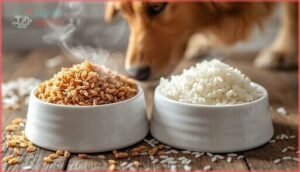
When choosing cooked rice for your dog’s diet, brown rice nutrition delivers higher fiber content and B vitamins that support dog digestion and canine health, while white rice offers gentler grain options for sensitive stomachs recovering from upset.
Brown rice provides 3.5 grams of fiber per cup versus white’s 0.6 grams, making white rice the better short-term choice during digestive issues, though both prevent the risks of uncooked rice ingestion when properly prepared.
Other Dog-Safe Grains and Foods

Beyond rice, your dog can thrive on alternative grains that support canine digestion and meet diverse dietary needs. Oatmeal benefits include soluble fiber for gut health, while quinoa nutrition delivers complete protein with all nine essential amino acids. For dogs with grain allergies, grain-free diets featuring sweet potato or pumpkin work well as pet food options that increase canine diet variety.
- Oats and barley – These grains offer beta glucans for immune support and steady energy from complex carbohydrates
- Quinoa and amaranth – Complete proteins rich in iron, calcium, and magnesium for overall metabolism
- Sweet potato and pumpkin – Moisture-rich, low-fat options that regulate stool consistency and provide beta carotene
- Blueberries and green beans – Low-calorie additions with antioxidants and fiber for balanced pet nutrition
Preventing Dogs From Eating Uncooked Rice

The best way to protect your dog is to keep uncooked rice completely out of reach in the first place. A few simple changes around your home can prevent accidental snacking and give you peace of mind.
Here’s how to create a safer environment and reduce the temptation.
Storage and Household Safety Tips
The simplest way to protect your dog’s health is to keep uncooked rice completely out of reach. Store bags in secure food storage areas like sealed containers inside safe cabinets—think of it as pet-proofing your pantry the same way you’d childproof it.
Treat dry grains as hazardous material: high shelves, locked doors, and emergency preparedness mean always rechecking lids after cooking.
Supervising and Training Your Dog
Consistent training sessions using positive reinforcement teach your dog what belongs off-limits—a foundation of responsible pet owner responsibilities. Understanding canine communication helps you redirect unwanted scavenging before it happens.
Practice leash training during meal prep so your canine companion learns calm behavior around food.
Dog socialization and behavior training protect your dog’s health by building impulse control that lasts beyond the kitchen.
Creating a Balanced, Satisfying Diet
A well-rounded diet rooted in nutrient balance and careful meal planning satisfies your dog’s dietary needs while curbing their desire to raid your pantry.
Include healthy snacks like cooked vegetables and lean proteins to support ideal dog health and prevent canine digestive issues.
Proper pet nutrition adjusted to your dog’s food sensitivities creates dietary management that keeps them content—and less likely to scavenge uncooked rice.
Frequently Asked Questions (FAQs)
Can dogs eat rice cakes or rice crackers?
Picture a crispy snack crumbling between your fingers—plain rice cakes and crackers won’t harm your dog in small amounts, but flavored varieties containing salt, garlic, or xylitol pose serious food toxicity risks.
Is it safe to feed dogs jasmine or basmati rice?
Yes, cooked jasmine or basmati rice is safe for dogs and offers digestible grain benefits. Both varieties provide gentle starch content that aids canine digestive issues when prepared plain, avoiding food toxicity concerns linked to uncooked rice.
How do I transition my dog back to their regular diet?
After stomach soothing with a bland diet, start a gradual shift by mixing 25 percent regular food with 75 percent bland diet for two days.
Monitor digestive wellness daily, adjusting meal portioning based on stool consistency.
Can rice be used as a training treat for dogs?
Think of rice as a gentle handshake rather than a high-five—cooked white rice works as a low-calorie training treat when portioned into small, bite-sized pieces, helping reinforce positive behaviors without overwhelming your dog’s daily nutrition.
What are the signs of rice allergy in dogs?
Rice allergy symptoms in dogs include itchy skin, ear infections, vomiting, diarrhea, and sneezing. Watch for paw licking, hot spots, or breathing difficulty.
An elimination diet helps confirm food sensitivities affecting your dog’s health.
Can puppies eat any type of rice?
A curious golden retriever puppy recently swallowed a spoonful of uncooked basmati—her owner panicked, but mild monitoring was enough.
Puppies can eat rice, but only when it’s fully cooked and plain to protect digestive health and prevent canine digestive issues.
How much cooked rice is too much?
For most dogs, cooked rice should make up no more than 10% of their daily calorie intake.
A half-cup serving once daily is safe for medium-sized dogs when balanced with protein and vegetables.
Does rice help with dog food allergies?
Cooked rice won’t directly address food sensitivities in dogs, and uncooked rice may complicate existing canine digestive issues.
A proper rice allergy test and veterinarian-guided grain-free diets for dogs provide better allergy prevention for your pet.
Can rice replace regular dog food completely?
No—rice can’t provide complete nutrition for dogs. Your dog needs protein, fats, vitamins, and minerals that rice alone doesn’t offer.
A balanced diet prevents nutritional imbalances, digestive issues, and long-term canine health problems.
Are rice cakes or puffed rice safe?
Puffed snacks may seem harmless, but rice cakes pose canine digestive issues if swallowed whole. Salt content and choking risks make them poor dog snack safety choices—stick to proper dog food for canine nutrition tips.
Conclusion
Uncooked rice sits in your dog’s stomach like a ticking time bomb—small and harmless at first, but potentially dangerous as it absorbs moisture and swells.
Now that you understand whether dogs can eat uncooked rice and the risks involved, you’re equipped to respond quickly if your pup sneaks a mouthful. Keep dry grains stored securely, watch for warning signs, and when in doubt, contact your veterinarian before complications develop.