
This site is supported by our readers. We may earn a commission, at no cost to you, if you purchase through links.

Your dog spots the spinach leaf that fell from your cutting board and swallows it before you can react.
Most pet owners brace for the worst, but the truth is more nuanced than a simple yes or no.
Spinach sits in that gray zone of human foods—packed with vitamins A, C, and K, yet carrying oxalic acid that can stress the kidneys over time.
The difference between a harmless snack and a health concern often comes down to how much, how often, and how it’s prepared. Getting those details right is what separates a smart treat choice from an accidental risk.
Table Of Contents
Key Takeaways
- Spinach is safe for dogs in small, occasional amounts, but oxalic acid builds up over time and can quietly stress the kidneys, so it should never become a daily habit.
- Always serve spinach plain, washed, and lightly steamed — garlic, onion, butter, and salt turn a harmless leaf into a real health risk.
- Keep spinach within the 10% treat rule and size portions to your dog’s weight, since even healthy snacks can cause digestive upset when overfed.
- Dogs with kidney disease, a history of urinary stones, or sensitive stomachs should skip spinach entirely and stick to vet-approved alternatives.
Can Dogs Eat Spinach?

Yes, dogs can eat spinach, but there’s a bit more to it than a simple yes or no. A few key factors determine whether it’s a safe choice for your dog.
Things like portion size and your dog’s health history matter, so it’s worth checking out what vets say about dogs eating baby spinach before you toss any in their bowl.
Here’s what you need to know before tossing a leaf their way.
When Spinach is Safe for Dogs
Spinach is safe for dogs when it’s plain, properly prepared, and served in amounts that respect each dog’s oxalate threshold. Wash it thoroughly, steam it until wilted, and chop it into small pieces before serving.
Storage safety matters too — refrigerate unused portions.
Small breed tolerance varies, so consult your vet before introducing spinach, especially if your dog has any underlying health concerns.
Be aware of high oxalate levels, which can increase kidney stone risk.
Why Spinach Should Be an Occasional Treat
Even with all its nutritional benefits of spinach for dogs, keeping it occasional is the smarter long-term call. Think of it like a seasonal treat — something your dog gets now and then, not every day. Over time, regular feeding raises oxalic acid consumption in dogs, which quietly stresses the kidneys.
Spinach earns its place in your dog’s bowl as an occasional treat, not a daily staple
Keep these in mind:
- Treats, including spinach, shouldn’t exceed 10% of daily calories
- Weekly servings help maintain long-term nutrient balance without oxalate buildup
- Behavioral reward timing works better when treats stay special and infrequent
- Veterinary advice on vegetable inclusion helps you personalize how often spinach fits your dog’s diet
Plain Spinach Vs Seasoned Spinach
What goes into dog’s spinach bowl matters as much as the spinach itself. Plain cooked spinach keeps Oxalate Levels lower and avoids the Sodium Intake and Seasoning Additives that make seasoned versions risky.
| Factor | Plain vs. Seasoned |
|---|---|
| Palatability Differences | Plain is blander; seasoned triggers overeating |
| Digestive Tolerance | Plain is gentler; butter/spices cause upset |
| Safety | Avoid adding salt, garlic, onions, butter, or seasonings |
| Preparation | Steaming it plain follows proper preparation methods for canine spinach treats |
Raw Vs Cooked Spinach at a Glance
Raw and cooked spinach both offer value, but they don’t behave the same way in your dog’s body. Cooking delivers better Oxalate Reduction and improved Mineral Bioavailability, while raw spinach holds an edge in Vitamin C Retention.
Steaming it also improves Texture Digestibility, making leaves easier to chew.
That Portion Volume Shift after cooking means smaller servings pack more nutrition.
Is Spinach Good for Dogs?

Spinach isn’t just filler—it actually brings real nutritional value to the table for dogs.
The key is knowing what’s inside those dark green leaves and how each nutrient can work in your dog’s favor.
Here’s a closer look at what spinach offers.
Vitamins and Minerals in Spinach
Think of spinach as a small but mighty nutrient package. It delivers vitamins A, B, C, and K, where the Vitamin K role centers on healthy blood clotting, and Beta Carotene benefits your dog’s vision and immune response.
Folate promotes cell growth and repair, while iron absorption fuels oxygen transport.
Magnesium nerve function keeps muscles firing correctly, and potassium promotes heart rhythm.
Antioxidants That Support Canine Health
Spinach brings a solid lineup of antioxidants that quietly protect your dog’s cells every day. Beta-carotene and lutein shield the eyes and reduce tissue inflammation, while Vitamin C aids antioxidant recycling during stress. These antioxidant benefits for canines go beyond the basics—think cellular armor.
Selenium support and Coenzyme Q10 further protect mitochondrial function, and Omega-3 antioxidants help keep oxidative stress in check.
Pairing these supplements with nutrient-dense foods like spinach for dogs’ antioxidant support can give your dog’s mitochondrial health an extra natural boost.
Fiber and Hydration Benefits
Spinach contains both soluble and insoluble fiber, and each type plays a distinct role in dog digestive health.
Soluble fiber acts as a gel forming fiber, drawing water into the gut to support a stool softening mechanism that keeps bowel movements comfortable.
Insoluble fiber adds bulk, helping maintain a regular bowel rhythm.
Combined with spinach’s high water content, this water fiber balance aids hydration through vegetables and hydration boosted digestion, naturally.
Low-calorie Snacking for Weight Control
At just 23 kcal per 100 g, spinach fits naturally into dog weight management as one of the better low-calorie snacks you can offer. Its fiber-rich profile works as a satiety booster, helping your dog feel fuller without extra calories.
Pair it with a protein source for better satisfaction, but always remember: portion control and treats for dogs still apply — keep servings small.
Can Dogs Absorb Spinach Nutrients?

Knowing spinach is nutritious is one thing — knowing whether your dog can actually use those nutrients is another.
A few factors determine how much your dog’s body pulls from each bite.
Here’s what affects spinach nutrient absorption in dogs.
How Digestion Affects Nutrient Uptake
Even plain spinach has to earn its way through your dog’s digestive tract before any benefit lands. Here’s how that process unfolds:
- Stomach Acid Role & Mineral Ionization — Stomach acid dissolves and ionizes minerals like iron and calcium, making nutrient absorption in dogs possible.
- Enzyme Activation — Pancreatic enzymes break proteins and carbohydrates into absorbable molecules.
- Bile Emulsification Process — Bile salts disperse fat-soluble vitamins so the intestinal lining can take them up.
- Fiber Transit Time — Fiber and canine digestion interact closely; too much fiber speeds transit, leaving less time for uptake.
- Soluble Oxalates — Raw vs cooked vegetables for dogs matter here; oxalates can bind minerals mid-digestion, quietly reducing what actually gets absorbed.
Why Cooked Spinach is Easier to Handle
Cooking makes a real difference in how well your dog tolerates spinach. Heat breaks down the tough leaf cell walls, delivering Softened Leaf Texture that’s gentler on digestion — especially for small dogs or heavy gulpers. It also triggers Reduced Oxalate Activity, meaning oxalic acid binds fewer minerals mid‑digestion, which matters for kidney health and spinach intake in dogs.
| Benefit | Raw Spinach | Steamed Spinach |
|---|---|---|
| Leaf Texture | Crisp, stringy | Soft, tender |
| Oxalate Activity | Higher | Reduced |
| Moisture Shrinkage Benefits | Minimal | Significant shrinkage |
| Easier Portion Control | Harder to measure | Simple to portion |
| Improved Food Mixing | Leaves clump | Blends smoothly |
That shrink effect from Moisture Shrinkage Benefits also simplifies proper preparation methods for canine spinach treats — you measure with less guesswork, more consistency. When comparing raw vs cooked vegetables for dogs, steamed spinach wins on digestibility every time.
Limits of Spinach as a Nutrient Source
Steamed spinach is easier to digest, but it still hits a ceiling fast. Oxalic acid creates an Iron Bioavailability Gap, meaning your dog absorbs less iron than the numbers suggest.
Feed too often, and the Oxalate Load Threshold creeps up, raising calcium oxalate and kidney damage risks.
Add Goitrogenic Risk and Fiber Saturation Point concerns, and Nutrient Imbalance Risk becomes real.
Small amounts work — always consult your vet.
Why Spinach Should Not Replace Dog Food
Spinach simply can’t carry the full weight of canine nutrition. It’s missing complete amino acids, essential fats, and the balanced calcium-phosphorus ratio your dog needs daily.
Add an ongoing oxalate load, and you’re risking mineral imbalance over time.
Balancing canine diets with low-calorie vegetable snacks works — but spinach is a side character, never the main act.
Spinach Risks for Dogs

Spinach isn’t without its downsides, and that’s worth knowing before you share any with your dog. A few specific risks can make this leafy green a poor choice for some dogs, depending on their health history.
Here’s what you need to watch out for**.
Oxalic Acid and Kidney Concerns
One thing worth knowing about spinach is oxalic acid content, which directly affects kidney health and spinach intake in dogs. When your dog eats spinach, oxalate absorption adds to the renal oxalate load the kidneys must clear.
If that load builds up, oxalate crystal toxicity can trigger kidney inflammation pathways, causing real kidney damage over time — especially in dogs with already reduced kidney function.
Urinary Stones and Calcium Binding
Beyond kidney inflammation, oxalic acid also disrupts calcium absorption by binding free calcium in the gut and urine — a process called calcium binding. That bound calcium cannot stay in solution, so it crystallizes instead.
Over time, this promotes oxalate kidney stones in dogs, and Randall plaque deposits form as calcium phosphate solubility drops, quietly setting the stage for serious renal health problems.
Digestive Upset From Overeating Spinach
Even a dog-friendly food like raw spinach can cause real trouble when portion control goes out the window. Too much at once triggers gas bloating, loose stools, and diarrhea — a classic case of portion overload effects.
Fiber pulls extra water into the digestive tract, while oxalate irritation and magnesium diarrhea add to the discomfort.
For digestive health in dogs, smaller amounts matter.
Dangers of Garlic, Onion, Butter, and Salt
Seasoned spinach is where things get dangerous fast. Garlic and onion — even in powdered form — trigger Garlic Hemolytic Anemia and Onion GI Upset through Allium Blood Toxicity, breaking down your dog’s red blood cells. Butter Fat Pancreatitis is a real risk with added fats, and Sodium Hypertension Risk climbs with any added salt.
Vegetable safety for pets, always serve spinach plain.
How to Prepare Spinach for Dogs
Getting spinach ready for your dog doesn’t take much effort, but a few simple steps make a real difference in safety and digestibility. Skipping even one of them can turn a healthy snack into an upset stomach.
Here’s exactly what to do before spinach ever hits your dog’s bowl.
Washing Spinach Before Serving

Before anything touches your dog’s bowl, wash the spinach. A cold water rinse under the tap removes dirt, pesticides, and surface bacteria — simple food safety for pets that takes seconds.
Separate the leaves, give each a gentle leaf rinse, then pat drying with a clean towel finishes the job. Use clean utensils throughout, and avoid cross contamination by keeping spinach away from raw meat.
Steaming Spinach Until Wilted

Steaming is the gentlest cooking method for spinach, and the timing depends on leaf type. Use a lidded pot with a few inches of water and watch for the Visual Wilting Cue — bright green, fully wilted leaves:
- Baby spinach: 2–3 minutes
- Fresh mature spinach: 4–5 minutes
- Steamed frozen spinach: 5–6 minutes
- Stop before leaves turn dull or mushy
Chopping Leaves Into Small Pieces

Once your spinach is steamed, size really does matter. Aim for a uniform cut size — dime-sized or smaller — to make it bite-friendly, shredding your dog can actually chew safely.
Practice stem separation first, since tough stems need smaller cuts than tender leaves. Chop finely along the grain direction, cutting, then pre-chop portions before measuring small amounts for reliable portion control.
Cooling and Serving Plain Spinach

After steaming, spread the spinach in a thin layer on a plate — this rapid cooling technique brings it to room temperature quickly and safely. Gently press moisture out using a clean towel, then portion it using the serving sizes for your dog’s weight.
Store leftovers in a sealed container below 5°C and use within a few days.
How Much Spinach Can Dogs Eat?

Even good things need limits, and spinach is no different. How much your dog can safely eat depends on their size, weight, and how often you’re offering it.
Here’s what you need to know before you start portioning.
The 10 Percent Treat Rule
A simple rule of thumb keeps treat feeding on track: spinach and every other snack should make up no more than 10 percent of your dog’s daily calorie intake. The remaining 90 percent covers their core nutrient distribution through balanced meals.
This weight control strategy also applies to training rewards, chews, and toppers—all count toward that treat frequency limit.
Serving Sizes by Dog Weight
Once you’ve got that 10 percent calorie ceiling in mind, weight-based portions make it easy to stay within it. Small dog guidelines start modestly: extra-small dogs under 20 pounds get roughly ¼ teaspoon, while small breeds up to 30 pounds can handle ½ teaspoon.
Incremental scaling moves larger breed servings up to 1 tablespoon for dogs over 90 pounds—calorie proportioning done simply.
How Often to Feed Spinach
Portion size is only half the picture — how often you serve spinach matters just as much. For most healthy dogs, once or twice a week fits comfortably within safe oxalate intake limits.
A simple rotating greens schedule — swapping spinach with other dog-safe vegetables — keeps variety up and cumulative oxalate load down. Post-meal timing also helps digestion stay predictable.
How to Introduce Spinach Slowly
Once frequency is sorted, the next step is getting your dog used to spinach at all.
Start with a small amount — about one teaspoon of steamed, plain spinach mixed into regular food. This regular food mix approach eases the texture adjustment without overwhelming the digestive system.
Keep a 24-hour observation period, watch for loose stool or vomiting, then use stepwise exposure with gradual portion increase from there.
Which Dogs Should Avoid Spinach?

Spinach is safe for most healthy dogs, but it’s not the right snack for every pup. A few specific health conditions make spinach more of a risk than a reward.
If your dog falls into any of the categories below, it’s worth knowing before you reach for that leafy green.
Dogs With Kidney Disease
If your dog has kidney disease, spinach is one treat worth skipping. Kidney‑compromised dogs already struggle with electrolyte balance, blood pressure control, and fluid intake monitoring — and spinach adds oxalic acid to that burden, which stresses already taxed kidneys further.
Phosphorus management and protein restriction guide renal diets for good reason. Adding high-oxalate foods can quietly disrupt that careful balance.
Your vet’s approval matters here.
Dogs Prone to Urinary Stones
Some breeds carry a higher risk for calcium oxalate urinary stones — think Miniature Schnauzers, Bichons, and Lhasa Apsos — so breed predisposition matters when considering spinach.
Stone composition types vary, but oxalic acid consumption raises concern across urinary tract locations, from bladder to kidneys.
Age, sex, and infection association also influence risk.
If your dog has a stone history, skip spinach entirely.
Puppies and Dogs With Sensitive Stomachs
Puppies and dogs with sensitive stomachs need extra caution around spinach. Their digestive systems are still developing or already reactive, making dog gastrointestinal upset more likely, even with proper preparation methods for canine spinach treats.
Gentle feeding schedule, strict portion control and treats for dogs, and hydration monitoring help reduce stomach upset from large food amounts.
When in doubt, skip it.
When to Call Your Veterinarian
Some reactions move fast. If your dog shows breathing emergencies, seizure signs, persistent vomiting, or dehydration indicators after eating spinach, call your veterinarian right away.
These are signs of spinach toxicity in dogs that can’t wait.
For toxic exposure alerts, contact the Pet Poison Helpline immediately.
Consulting a veterinarian before adding new foods to a dog’s diet is always the smarter first step.
Top 3 Dog Foods and Treats
If you want to make spinach a little more exciting for your dog, pairing it with the right food or treat can help. Some products already include spinach or work well alongside it as part of a balanced routine.
Here are three options worth considering.
1. FreshPet Turkey Grain Free Dog Food
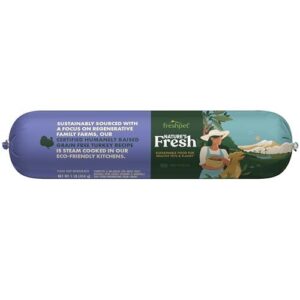
FreshPet Essential Grain-Free Turkey Roll is a solid option if your dog does well with spinach as part of a complete diet. It’s made with humanely raised turkey, real spinach, blueberries, and cranberries — all gently steam-cooked to keep nutrients intact.
There’s no grain, soy, or artificial filler, which makes it gentler on sensitive stomachs. At $5.58 per pound, it’s pricier than kibble, but the slice-and-serve format makes portion control easy.
| Best For | Dog owners with sensitive-stomached or grain-sensitive pups who want a fresh, minimally processed meal without a lot of prep work. |
|---|---|
| Contains Spinach | Yes |
| Artificial Additives | None |
| Grain Free | Yes |
| Made in USA | Yes |
| Primary Protein | Turkey |
| Price | $5.58 / 1 lb |
| Additional Features |
|
- Real turkey, spinach, blueberries, and cranberries — no fillers, no mystery ingredients
- Grain-free and soy-free, so it’s easy on dogs with food sensitivities
- Slice-and-serve format makes it simple to mix with kibble or serve on its own
- Needs to stay refrigerated and gets used up within 7 days of opening — not super convenient for everyone
- One pound goes fast, especially if you have a bigger dog or more than one
- At $5.58 a pound, it adds up quickly compared to dry kibble
2. Icelandic Cod Spinach Dog Treats

If you’re looking for a treat that keeps things simple, Icelandic+ Cod & Spinach Combo Sticks deliver exactly that — just two ingredients: wild-caught cod and spinach.
They’re slow-baked for a satisfying crunch, which can help scrape away plaque while your dog chews.
With 60% protein and omega-3s for skin and coat health, they’re a nutritious pick.
At $8.99 for six sticks, they cost more than standard treats, but the clean label makes them worth considering for dogs without fish allergies.
| Best For | Dogs without fish allergies whose owners want a clean, minimal-ingredient treat that supports coat health and dental hygiene. |
|---|---|
| Contains Spinach | Yes |
| Artificial Additives | None |
| Grain Free | Yes |
| Made in USA | Yes |
| Primary Protein | Cod |
| Price | $8.99 / 2 oz |
| Additional Features |
|
- Only two ingredients — wild-caught cod and spinach — with no fillers, artificial colors, or preservatives
- High in protein (60%) and omega-3s, making it a solid pick for skin, coat, and overall health
- The long, crunchy sticks encourage chewing, which helps clean teeth and keeps bigger dogs occupied
- Strong fish smell can be off-putting for owners, even if dogs love it
- Not an option for dogs with fish or cod allergies — there’s no protein alternative here
- At $8.99 for six sticks, it’s pricier than most conventional treats, which adds up over time
3. Fruitables Alaskan Salmon Jerky Bites

If salmon sounds more appealing to your pup than cod, Fruitables Whole Jerky Bites in Alaskan Salmon and Pear are worth a look. The limited ingredient list — just salmon, pears, and natural flavor — makes them a solid pick for dogs with grain or gluten sensitivities.
At around 21 calories per piece, they’re a bit higher in calories, so keep portions small.
A 5 oz bag runs $8.99 and is made in the USA.
| Best For | Dogs with grain or gluten sensitivities who need a high-protein, limited-ingredient treat for training or everyday snacking. |
|---|---|
| Contains Spinach | No |
| Artificial Additives | None |
| Grain Free | Yes |
| Made in USA | Yes |
| Primary Protein | Salmon |
| Price | $8.99 / 5 oz |
| Additional Features |
|
- Only three ingredients — real Alaskan salmon, pears, and natural flavor — so you know exactly what your dog is eating.
- Grain-free and gluten-free, making it a safe pick for dogs with food sensitivities or allergies.
- Small, bite-sized pieces are easy to pocket and great for quick training rewards on the go.
- At ~25 calories per piece, the calorie count adds up fast — not great for dogs watching their weight.
- The texture can run hard and dry, which may be tricky for dogs with dental issues or ones that tend to gulp.
- The 5 oz bag is on the pricier side at $8.99 and won’t last long if you have a bigger dog.
Frequently Asked Questions (FAQs)
Can dogs eat boiled spinach?
Yes, dogs can eat plain boiled spinach in small amounts. Keep it simple — no salt, butter, or seasonings. Serve it cool, chopped, and only occasionally as a treat.
Can dogs eat spinach dip?
No, dogs shouldn’t eat spinach dip. It almost always contains garlic, onion, salt, or dairy — ingredients that can cause digestive upset, toxicity, or worse.
Plain spinach is a different story entirely.
Can dogs eat frozen spinach?
Frozen spinach? Cool question. Yes, your dog can eat it — just keep it plain, thawed, and unseasoned.
Avoid any frozen varieties with added salt, garlic, or butter, and serve only small, occasional amounts.
Can dogs eat spinach stems?
Spinach stems are technically safe in small amounts, but they’re tougher and more fibrous than the leaves.
extra fiber can cause gas or stomach upset, so removing the stems is the smarter move.
Is spinach a laxative for dogs?
Not exactly. Spinach contains dietary fiber that can support regular bowel movements, but it isn’t classified as a laxative. Too much can actually cause diarrhea rather than relief.
Can dogs eat spinach leaves?
Yes, your dog can eat spinach leaves in small amounts. They’re safe for healthy dogs when served plain, washed, and finely chopped — just keep portions small to avoid digestive trouble.
Is it safe to consume spinach daily?
It’s funny—many people reach for spinach daily, thinking more is always better. For dogs, though, daily spinach isn’t recommended.
Once a week keeps the oxalate load manageable and the benefits real.
Is Spinach good for dogs?
In moderation, spinach can be a genuinely helpful addition to your dog’s snack rotation. It offers real vitamins, minerals, and antioxidants that support immune function, eye health, and healthy digestion.
Can a dog eat spinach too fast?
Yes, a dog can absolutely eat spinach too fast. Gulping large pieces raises the risk of choking, and eating too much at once can trigger gas, loose stools, or vomiting.
How much spinach should a dog eat a day?
Keep spinach to about 10% of your dog’s daily calories. Small dogs do well with 1–2 teaspoons; larger dogs can handle up to a tablespoon or two occasionally.
Conclusion
A mountain of spinach won’t turn your dog into a superfood success story, but a few carefully prepared leaves can be a genuinely smart addition to their diet.
Understanding whether dogs can eat spinach isn’t a yes-or-no question—it’s a how, how much, and how often conversation—puts you ahead of most pet owners.
Stick to the 10 percent rule, skip the seasoning, and when in doubt, your vet’s guidance is always the safest ingredient.
- https://www.sciencedirect.com/science/article/abs/pii/S0034528803000420
- https://veterinarypartner.vin.com/default.aspx?pid=19239&catId=254103&id=4951533
- https://pangovet.com/talk-to-a-vet-online-dog-ate-drank-something/?utm_source=dogster&utm_medium=article&utm_campaign=dog_eat_drink&utm_content=can-dogs-eat-spinach
- https://petcorner.pangovet.com/pet-nutrition/dogs/is-homemade-dog-food-better-than-store-bought/
- https://www.foodlorecentral.com/food-myths/are-oxalates-in-spinach-harmful-or-beneficial/