This site is supported by our readers. We may earn a commission, at no cost to you, if you purchase through links.

You might be surprised to learn that most dogs who need muzzles aren’t aggressive—they’re anxious, overstimulated, or recovering from medical procedures. Yet the stigma surrounding muzzles keeps many owners from using what’s actually one of the most humane safety tools available.
A properly fitted muzzle doesn’t just prevent bites; it creates freedom, allowing reactive dogs to safely experience walks, vet visits, and grooming without sedation or unnecessary stress. The challenge lies in finding one that your dog can pant in, drink through, and wear comfortably for extended periods—because a muzzle that restricts breathing or causes pain undermines its entire purpose.
From basket designs that accommodate thermoregulation to specialized options for brachycephalic breeds, the right choice depends on your dog’s specific anatomy, temperament, and the situations you’re handling together.
Table Of Contents
- Key Takeaways
- Types of Dog Muzzles Explained
- How to Choose The Right Dog Muzzle
- Top 10 Best Dog Muzzles Reviewed
- 1. Baskerville Ultra Dog Muzzle System
- 2. Large Breed Leather Dog Muzzle
- 3. Metal Dog Muzzle Basket
- 4. Small Dog Anti Bite Muzzle
- 5. Prime Soft Dog Muzzle Guard
- 6. Best Bully Sticks Natural Beef Chews
- 7. Breathable Leather Dog Muzzle System
- 8. Soft Mesh Dog Muzzle
- 9. Humane Dog Muzzle For Safety
- 10. Clear Plastic Dog Training Muzzle
- Key Features for Muzzle Safety and Comfort
- Common Myths About Dog Muzzles
- Frequently Asked Questions (FAQs)
- Which type of muzzle is best for dogs?
- What type of muzzle is best for a dog?
- Do vets recommend muzzles?
- What are the most comfortable muzzles for dogs?
- What can I use instead of a dog muzzle?
- Should I put a muzzle on my aggressive dog?
- What is the most dog friendly muzzle?
- What type of dog muzzle is best?
- What type of muzzle is best for an aggressive dog?
- What to use instead of a muzzle?
- Conclusion
Key Takeaways
- Basket muzzles are the safest choice for extended wear because they allow dogs to pant, drink, and thermoregulate while preventing bites—unlike soft sleeve designs that restrict breathing and create dangerous heat-stress risks during walks or training sessions.
- Proper muzzle fit requires measuring snout circumference and adding one to three inches for comfort, with breed-specific considerations like brachycephalic mask-style designs for flat-faced dogs or deeper baskets for long-nosed sighthounds to ensure both security and welfare.
- Muzzles function as proactive safety tools rather than punishment, enabling reactive or anxious dogs to safely experience vet visits, grooming, and public outings without sedation while owners address underlying behavioral issues through training.
- Quality muzzles combine durable materials like thermoplastic rubber, reinforced leather, or coated wire with adjustable multi-point straps, padded contact points, and adequate ventilation to balance bite prevention with canine comfort during supervised wear up to 60 minutes.
Types of Dog Muzzles Explained
Not all muzzles are built the same, and choosing the wrong style can leave your dog uncomfortable, overheated, or unable to pant properly.
Just like with coats and jackets designed for different breeds, muzzles need adjustable sizing to ensure proper airflow and comfort for your dog’s unique build.
The right design depends on your dog’s face shape, the situation you’re managing, and how long you need the muzzle in place. Here’s a breakdown of the four main types you’ll encounter, each with its own strengths and limitations.
Basket Muzzles
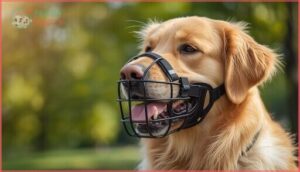
Basket muzzles use a cage-style shell—plastic, rubber, leather, or wire—that balances bite prevention with breathability features your dog needs for safe panting and thermoregulation.
Popular options like the Baskerville Ultra Muzzle or CollarDirect Leather Basket Dog Muzzle include adjustable straps, padded nose pieces, and open grids that allow treats through the bars, making muzzle training easier while keeping dog safety front and center during walks or vet visits.
Finding the perfect fit is essential, and a helpful basket muzzle sizing guide can simplify this important step.
Soft Sleeve Muzzles
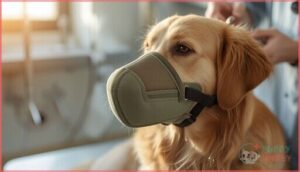
Unlike open basket designs, soft sleeve muzzles wrap lightweight fabric—usually nylon, neoprene, or mesh—snugly around your dog’s snout, holding the jaw mostly closed during brief procedures like nail trims or injections. While these sleeve designs cost less than options like the Baskerville Ultra Dog Muzzle, they severely limit panting and drinking, creating breathability issues and heat-stress risks that make them unsafe for walks or extended wear.
- Padded edges reduce rubbing on the nose and lips
- Adjustable straps buckle behind the head to prevent slipping
- Mesh-panel fabric choices improve airflow over solid nylon
Many pet parents are unaware of the heatstroke risks and restricted breathing associated with prolonged use of fabric dog muzzles.
Short-Snout and Brachycephalic Muzzles
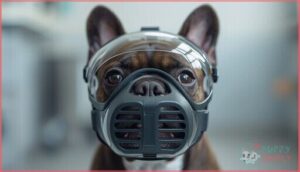
For flat-faced brachycephalic breeds like pugs and French bulldogs, short snout designs trade traditional basket cages for wide, mask-like shells that cover the entire front of the skull rather than gripping a long nose.
These breed specific muzzles feature flared cheek panels, large nostril clearance, and extra panting room—critical ventilation systems that help dogs with already-compromised airways breathe safely during vet visits or grooming.
Custom and Hybrid Designs
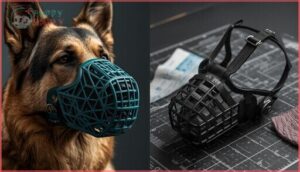
When off-the-shelf sizing falls short, custom muzzles like LiMuZZ use snout measurements—length, height, circumference—to 3D print a lightweight TPU basket that prevents the rubbing and pressure sores generic fits can cause.
Hybrid designs push flexibility further by combining features across types:
- Polymer-coated wire cages with BioThane modular straps you can reposition using Chicago screws
- Clear vinyl fronts paired with felt nose padding for longer wear without blocking airflow
- Custom color combinations and “don’t Pet” badges that support training while matching your gear aesthetic
- Optional safety straps behind ears or tethered to collars, securing the muzzle on strong dogs without sacrificing comfort
How to Choose The Right Dog Muzzle
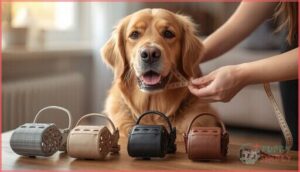
Choosing the right muzzle isn’t about grabbing the first option you see online—it’s about matching your dog’s unique needs, face shape, and the situations where you’ll actually use it.
A poorly fitted muzzle can cause discomfort, restrict breathing, or slip off entirely, which undermines the whole purpose of using one in the first place.
Here’s what you need to take into account to find a muzzle that keeps your dog safe, comfortable, and able to pant freely.
Sizing and Proper Fit
A muzzle that fits like a glove won’t help if your dog can’t pant. Start with proper measurements: measure snout circumference about half an inch below the eyes, then add one to three inches for comfort factors and thermoregulation.
Fit guidelines recommend choosing the larger size if measurements fall between two options. Strap adjustments keep the muzzle secure without sliding, while still allowing your dog to drink and breathe freely.
Material and Durability
Strong materials make the difference between a muzzle that lasts one season and one that protects for years. Your choice hinges on daily demands, climate, and how hard your dog tests gear.
- Rubber Durability: Thermoplastic rubber and PVC blends in basket muzzles like the Baskerville Ultra Dog Muzzle resist cracking and can be reshaped with hot water when needed.
- Leather Quality: Full-grain leather muzzles mold to your dog’s snout and handle impact well, though they require regular conditioning to prevent drying and cracking.
- Metal Strength: Wire basket muzzles with polymer coatings stay rigid under pressure and won’t bend when strong dogs lunge, making them ideal for reactive animals.
- Nylon Resistance and Biothane Flexibility: Nylon and mesh fabrics suit short vet visits but fray faster than biothane muzzles, which combine flexibility with long-term strength and easy cleaning.
Adjustability and Comfort
A buckle that won’t budge mid-walk or a strap that digs into fur can turn a safety tool into a source of stress. Multi-point adjustments across the crown, neck, and chin let you fine-tune Muzzle Fit so the basket stays stable without pinching. Hook-and-loop chin straps and elastic top sections reduce slipping, while nose-bridge padding and fleece-wrapped cheek straps prevent chafing during long wear.
| Comfort Features | Breathability Options | Padding Designs |
|---|---|---|
| Multi-strap adjustments | Open basket bars | Fleece nose-bridge wrap |
| Hook-and-loop chin fasteners | Wide mesh panels | Neoprene cheek sleeves |
| Elastic crown sections | Front vent patterns | Moleskin contact points |
Dog muzzles like the Baskerville Ultra Dog Muzzle combine roomy pant space with adjustable webbing, so you can tweak strap length without sacrificing airflow or Ease of feeding through the front. Padding at known rub points—nose bridge, chin, cheeks—spreads pressure and keeps the skin cool, reducing red marks even after extended walks.
Breed and Face Shape Considerations
A Greyhound’s delicate snout isn’t built like a Rottweiler’s broad jaw, so one-size-fits-all designs often fail. Snout length, jaw width, and facial structure drive muzzle depth and basket shape—sighthounds need 19 to 22 cm cages, bully breeds require wide fronts despite short noses, and brachycephalic faces demand mask-style designs that don’t compress nostrils.
- Long-nosed breeds like Whippets need deeper baskets extending past the nose without blocking vision.
- Broad-jawed dogs such as Pit Bulls fit wide-style muzzles with 12 to 14 inch circumferences.
- Flat-faced breeds including Pugs require short-snout face masks anchored by head straps.
Top 10 Best Dog Muzzles Reviewed
Now that you understand how to choose the right muzzle for your dog’s needs, let’s look at specific options that meet different requirements and budgets.
The following muzzles have been selected based on design quality, safety features, and real-world performance across various breeds and situations. Each option includes key details about materials, fit, and ideal use cases to help you make an informed decision.
1. Baskerville Ultra Dog Muzzle System
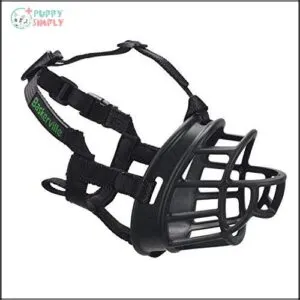
If you need a muzzle your dog can wear on hour-long walks without overheating, the Baskerville Ultra delivers. This thermoplastic rubber basket gives your dog full panting freedom, lets them drink water, and even accept small training treats through the openings.
The neoprene-padded nose bridge prevents rubbing, while the lockable neck strap, optional head strap, and collar loop keep the muzzle secure even when your dog shakes or paws at it. Available in six sizes, it fits breeds from Dachshunds to German Shepherds.
| Best For | Dog owners with reactive, aggressive, or mouthy dogs who need a secure muzzle that allows normal breathing, drinking, and treat-taking during walks and training sessions. |
|---|---|
| Material | Thermoplastic Elastomer |
| Weight | 8.18 ounces |
| Allows Panting | Yes |
| Allows Drinking | Yes |
| Adjustable Straps | Yes |
| Color | Black |
| Additional Features |
|
- Lets dogs pant, drink, and take treats without restriction, making it comfortable for extended wear
- Triple-security design with lockable neck strap, head strap, and collar attachment prevents removal
- Padded straps and heat-moldable fit reduce rubbing and customize to individual snout shapes
- Sizing can be tricky—may require trial and error to find the right fit for your dog’s breed
- Some persistent dogs still try to paw it off despite the security features
- Extended wear can cause snout discomfort if not monitored and adjusted regularly
2. Large Breed Leather Dog Muzzle
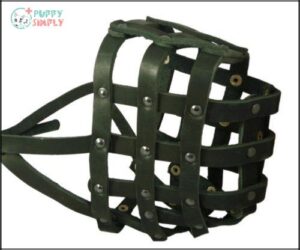
When you’re working with a powerful German Shepherd or Rottweiler, full-grain leather offers the durability rubber can’t match. This hand-stitched basket muzzle features 3.5–4.5mm thick cowhide that holds its shape under lunging forces, while multiple ventilation openings allow full panting and tongue extension for drinking.
Soft felt padding protects the nose bridge during long wear, and three adjustable leather straps create a custom fit behind the head and neck. With snout measurements of 18″ circumference and 4.7″ length, it suits large working breeds that need breathable, tear-proof protection for vet visits, off-leash walks, and training sessions.
| Best For | Owners of large, powerful breeds like German Shepherds and Rottweilers who need a durable, breathable muzzle for vet visits, training, or preventing unwanted eating during walks. |
|---|---|
| Material | Leather |
| Weight | 4.8 ounces |
| Allows Panting | Yes |
| Allows Drinking | Yes |
| Adjustable Straps | Yes |
| Color | Black |
| Additional Features |
|
- Heavy-duty genuine leather construction with reinforced rivets holds up to pulling and lunging
- Multiple ventilation openings allow full panting and drinking while wearing
- Soft felt padding on nose bridge prevents rubbing during extended use
- Sizing can be hit-or-miss—some large breeds find it too small or loose
- Limited strap adjustability may require DIY modifications that can weaken the leather
- Rigid design lacks flexibility, which can make getting the right fit tricky
3. Metal Dog Muzzle Basket
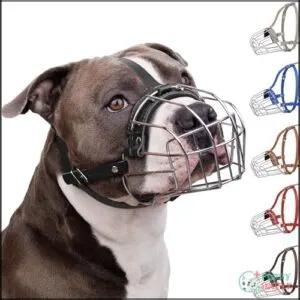
Stainless steel wire builds a cage that won’t collapse when your reactive dog lunges, making this metal basket muzzle the bite-proof choice for powerful breeds.
At 7.36 ounces with neoprene nose padding, it balances strength and comfort—welded joints hold firm while wide ventilation gaps let your dog pant freely. The adjustable leather straps secure a 12″ snout girth and 3.5″ length, fitting medium to large dogs during walks, grooming, or vet exams where you need dependable protection without sacrificing airflow.
| Best For | Owners of medium to large dogs with reactive behavior, aggression issues, or a tendency to bite who need a secure muzzle for walks, vet visits, or grooming sessions. |
|---|---|
| Material | Leather & Steel |
| Weight | 7.36 ounces |
| Allows Panting | Yes |
| Allows Drinking | Yes |
| Adjustable Straps | Yes |
| Color | Various |
| Additional Features |
|
- Sturdy stainless steel construction prevents collapse during lunging and provides reliable bite protection for powerful breeds
- Wide basket design allows dogs to pant, drink water, and accept small treats while wearing it
- Lightweight at 7.36 ounces with soft neoprene nose padding that keeps the dog comfortable during extended wear
- May not fit dogs with unusually short or long snouts, limiting its versatility across all breeds
- Some users have reported durability and sizing issues that required returns or adjustments
- Requires patient training and gradual introduction for dogs to accept wearing it comfortably
4. Small Dog Anti Bite Muzzle
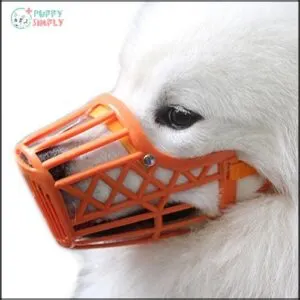
For toy breeds like Chihuahuas and Jack Russells, this nylon mesh muzzle weighs just 0.6 ounces—light enough that your 5-to-15-pound companion won’t fight it.
The mesh blocks bites while preserving 80% airflow for panting, which matters during quick vet visits or grooming sessions under 20 minutes. Dual quick-release buckles adjust from 6 to 10 inches around the neck, and padded edges prevent chafing on delicate skin, though you’ll want to monitor closely since smaller dogs can sometimes paw it loose if straps aren’t snug.
| Best For | Owners of toy breeds (Chihuahuas, Pomeranians, Jack Russells) who need a lightweight, breathable solution for short vet visits, grooming sessions, or preventing biting during brief stressful situations. |
|---|---|
| Material | Nylon & Plastic |
| Weight | 0.634 ounces |
| Allows Panting | Yes |
| Allows Drinking | Yes |
| Adjustable Straps | Yes |
| Color | Orange |
| Additional Features |
|
- Weighs only 0.6 ounces with mesh design that allows 80% airflow for panting and drinking
- Quick-release buckles and padded comfort strips make it easy to put on and adjust without irritating delicate skin
- Prevents biting, chewing, and eating unwanted items while keeping your small dog comfortable during short-term use
- Only safe for brief periods (up to 20 minutes), so it’s not suitable for extended wear or hot weather
- Small dogs can sometimes paw it loose if the straps aren’t tightened properly
- May not allow adequate panting in warm conditions, requiring close monitoring for signs of overheating
5. Prime Soft Dog Muzzle Guard
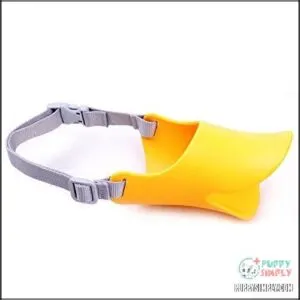
Prime’s Dupont nylon guard covers the entire nose and mouth with mesh at the tip, blocking scavenging and nipping during grooming or vet work without cutting off airflow.
Sizes range from extra small (6-inch snout circumference) to giant (16-inch), with adjustable neck straps and quick-release buckles you can snap on in seconds. At 0.81 ounces, it’s lighter than a basket but restricts jaw movement more, so limit sessions to under 30 minutes and supervise closely—this isn’t built for dogs that chew through gear.
| Best For | Small breed dog owners who need a lightweight, adjustable muzzle for short grooming sessions, vet visits, or preventing scavenging on walks. |
|---|---|
| Material | Nylon |
| Weight | 0.81 ounces |
| Allows Panting | Yes |
| Allows Drinking | Yes |
| Adjustable Straps | Yes |
| Color | Not specified |
| Additional Features |
|
- Breathable mesh design lets dogs pant and drink while preventing unwanted eating or nipping
- Quick-release buckles and adjustable straps make it easy to put on and secure in seconds
- Extremely lightweight at 0.81 ounces, so it won’t weigh down smaller dogs
- Not durable enough for long-term use or dogs that chew through materials
- Should only be used for sessions under 30 minutes since it restricts jaw movement
- Limited size range may not accommodate all breeds, and getting the right fit can be tricky
6. Best Bully Sticks Natural Beef Chews

If your dog stays calm during vet visits or grooming, a beef-pizzle chew can occupy a gentle chewer while you manage short stressors—think of it as edible distraction rather than restraint.
Best Bully Sticks Natural Beef Chews deliver 100% Angus beef pizzle from Brazil with no preservatives, scraping plaque as your dog works through the dense muscle fibers. Choose 6-inch sticks for small breeds or 12-inch thick versions for power chewers, and supervise closely to remove choking-risk end pieces.
| Best For | Dog owners with medium to strong chewers who want a natural, long-lasting treat that supports dental health without artificial additives. |
|---|---|
| Material | Beef (not muzzle) |
| Weight | 11.3 ounces |
| Allows Panting | N/A |
| Allows Drinking | N/A |
| Adjustable Straps | N/A |
| Color | Natural |
| Additional Features |
|
- Made from 100% natural Angus beef with zero preservatives, colors, or artificial flavors
- Helps scrape away tartar and plaque while your dog chews, promoting better dental hygiene
- Long-lasting and durable enough for power chewers, plus safer than rawhide alternatives
- Despite being labeled odorless, many customers report a noticeable smell
- Higher price point compared to similar beef chew products on the market
- Inconsistent sizing and thickness between sticks, and some dogs may reject the taste entirely
7. Breathable Leather Dog Muzzle System
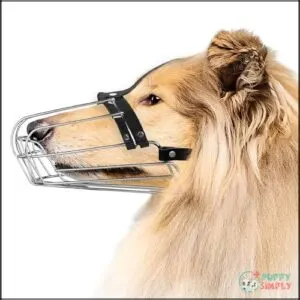
Working breeds log hours in the field, so you need a muzzle system that won’t cook your German Shepherd or Cane Corso when temperatures climb.
Breathable Leather Dog Muzzle Systems pair ventilated cut-outs across the basket with padded nappa or neoprene linings that cushion the nose bridge, preventing raw spots during patrol or protection training.
Multiple buckle points on the side and top straps let you fine-tune fit to your dog’s head shape, while quick-release closures open fast in emergencies without sacrificing security during normal use.
| Best For | Owners of large working breeds like German Shepherds or Cane Corsos who need a secure, breathable muzzle for training, vet visits, or public outings. |
|---|---|
| Material | Leather & Metal |
| Weight | 9.5 ounces |
| Allows Panting | Yes |
| Allows Drinking | Yes |
| Adjustable Straps | Yes |
| Color | Steel |
| Additional Features |
|
- Ventilated basket design with padded linings keeps dogs cool and prevents nose bridge irritation during extended wear
- Multiple adjustable buckle points and quick-release closures offer both customizable fit and emergency access
- Durable leather and stainless steel construction holds up to daily use in training and fieldwork
- Sizing can be tricky—some dogs find it too tight or too loose depending on breed-specific head shapes
- Top wires may overlap inside and cause abrasion if the protective pad wears down over time
- Delivery times reported as slow, with some orders taking nearly a month to arrive
8. Soft Mesh Dog Muzzle
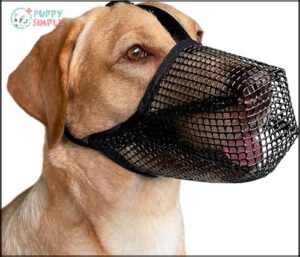
Vet clinics and groomers reach for soft mesh designs when they need temporary bite control during nail trims, ear exams, or quick injections.
These lightweight polyester or nylon muzzles secure with adjustable buckles so you can tighten the fit in seconds, and their open-weave construction keeps air circulating around your dog’s nose to reduce heat buildup.
Most mesh styles allow limited panting and small sips of water, but you should restrict continuous wear to fifteen or twenty minutes to prevent overheating, especially with brachycephalic breeds that already struggle with thermoregulation.
| Best For | Dog owners who need a temporary, breathable muzzle for short vet visits, grooming sessions, or quick training exercises with non-aggressive dogs. |
|---|---|
| Material | Mesh |
| Weight | Not specified |
| Allows Panting | Yes |
| Allows Drinking | Yes |
| Adjustable Straps | Yes |
| Color | Black |
| Additional Features |
|
- Lightweight mesh material allows airflow and limited panting, making it more comfortable than solid designs for brief use
- Adjustable straps let you get a snug fit quickly, which is helpful when you’re dealing with a squirmy dog at the clinic
- Easy to pack and carry since the soft material folds up small in your bag or car
- Only safe for 15-20 minutes of wear because the mesh still restricts airflow enough to cause overheating, especially in flat-faced breeds
- Won’t hold up against dogs that are serious chewers or strong enough to paw it off their snout
- Not appropriate for aggressive dogs or situations where you need reliable bite prevention, since the mesh can tear or shift
9. Humane Dog Muzzle For Safety
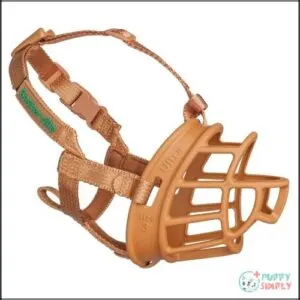
Often marketed under the Baskerville Ultra name, this humane basket design uses flexible thermoplastic rubber that molds to different snout shapes while allowing your dog to pant, drink water through the gaps, and accept treats during training sessions. You’ll find padded straps that reduce rubbing behind the ears, plus a lockable collar attachment and overhead strap that keep the basket centered even when your reactive dog pulls or shakes.
The roomy cage sits below the eyes so vision stays clear, and quick-release buckles let you remove it in seconds if needed.
| Best For | Owners of reactive or aggressive dogs who need a secure muzzle that allows their dog to pant, drink, and receive treats during training walks. |
|---|---|
| Material | Plastic |
| Weight | 0.24 pounds |
| Allows Panting | Yes |
| Allows Drinking | Yes |
| Adjustable Straps | Yes |
| Color | Tan |
| Additional Features |
|
- Heat-moldable design creates a custom fit for different nose shapes while letting dogs breathe, drink, and eat treats freely
- Triple security system with lockable collar clip, overhead strap, and neck buckle keeps the muzzle in place even when dogs pull or shake their heads
- Padded straps and rubberized basket eliminate metal parts that could hurt your dog’s face during extended wear
- Strap system and loop openings can be tricky to adjust properly, requiring patience during initial setup
- Dogs need an adjustment period to get comfortable wearing the basket on their face
- Proper sizing is critical—measuring your dog’s snout carefully is essential or the fit won’t be secure or comfortable
10. Clear Plastic Dog Training Muzzle
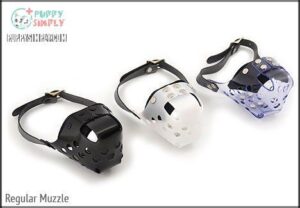
Transparent polyethylene baskets let you watch your dog’s lip tension, tongue color, and panting rate during high‑stress vet visits or protection work, which helps you spot overheating or anxiety before it escalates.
Most models include foam padding over the nose bridge and a three‑strap system that locks the basket in place, though ventilation holes are smaller than wire designs—so plan for supervised sessions rather than all‑day wear, especially in warm weather.
| Best For | Dog owners who need visibility during training sessions or vet visits to monitor their dog’s stress levels and prevent biting behavior. |
|---|---|
| Material | Plastic |
| Weight | 1.3 pounds |
| Allows Panting | Yes |
| Allows Drinking | Yes |
| Adjustable Straps | Yes |
| Color | Clear |
| Additional Features |
|
- Clear plastic lets you see your dog’s facial cues—lip tension, tongue color, panting—so you can catch overheating or anxiety early
- Basket design allows dogs to pant, drink water, and breathe comfortably during wear
- Adjustable three-strap system with foam padding keeps the muzzle secure without rubbing the nose bridge
- Smaller ventilation holes compared to wire muzzles mean it’s not safe for extended wear, especially in warm conditions
- Moisture can build up inside the plastic, leading to skin irritation if worn too long
- Some dogs can work the muzzle off if the fit isn’t tight enough, and cleaning around straps and attachments takes extra effort
Key Features for Muzzle Safety and Comfort
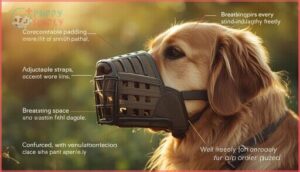
A well-designed muzzle does more than just prevent bites—it protects your dog’s health and wellbeing while they’re wearing it.
The difference between a safe muzzle and one that causes stress or injury often comes down to a few critical design features. Let’s look at the non-negotiables that separate a tool you can trust from one that compromises your dog’s comfort or safety.
Secure Straps and Fastenings
Your dog’s muzzle is only as reliable as the straps that keep it in place. Most basket muzzles, including the Baskerville Ultra Dog Muzzle, use a three-point strap layout with neck, cheek, and optional head straps positioned high behind the ears to prevent pawing or escape.
Plastic side-release buckles allow quick on-off access, while metal roller buckles offer fine-tuned adjustment. For short-snout dogs, forehead straps and chin loops add vital stability that standard two-strap designs can’t provide. When fitting, tighten one hole at a time and test security by gently pulling forward—the muzzle shouldn’t budge.
| Strap Materials | Best For |
|---|---|
| Nylon webbing | Strong, thin, resists stretching |
| Biothane | Water-resistant, easy to clean |
| Leather | Heavy-duty use, molds over time |
Many trainers recommend collar-loop attachments as a backup anchor, especially for dogs that have slipped muzzles before.
Breathability and Airflow
If your dog can’t pant freely, they can’t cool down—period. Proper airflow design prevents the heat stress that turns a training tool into a safety hazard, especially during walks or warm weather when thermoregulation is critical.
Dogs cannot cool down without free panting—proper airflow prevents heat stress during walks and warm weather
- Basket muzzles like the Baskerville Ultra Dog Muzzle use open ventilation systems with wide side gaps and front openings that let air circulate around the snout
- Breathable materials such as mesh in the Mayerzon Adjustable Mesh Dog Muzzle allow continuous air exchange across the entire surface
- Brachycephalic breeds need cooling mechanisms with extra vents because their compressed airways already limit breathing capacity
Space to Pant and Drink
Airflow means nothing if your dog’s mouth stays shut. A proper fit includes one to two centimeters of clearance in front of the nose, letting the tongue extend for panting cooling and water access.
Basket muzzle designs with front openings prevent overheating risk while allowing treat access during training—functionality that occlusion-style muzzles can’t match, which is why welfare experts prioritize pant space over compactness in muzzle design for pet comfort.
Duration and Supervision Guidelines
Even with perfect breathability, muzzle wear limits matter for pet safety. Basket styles work for about sixty minutes during calm activities, while soft muzzles need removal within ten to twenty minutes to prevent overheating—and that’s assuming someone’s watching.
- Never leave muzzled dogs unattended, as straps can snag or distress signals go unnoticed
- Shorten sessions in hot weather since brachycephalic breeds and fabric designs increase thermoregulation risks
- Build tolerance gradually through muzzle training, starting with two-minute intervals before extending activity timeframes
Supervision needs and weather restrictions aren’t optional safety protocols—they’re non-negotiable for dog behavior management and welfare.
Common Myths About Dog Muzzles
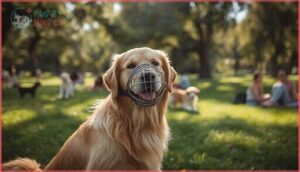
Dog muzzles carry a lot of stigma, and many well-meaning dog owners hesitate to use them because of outdated beliefs or misunderstandings about what they represent. The truth is that most concerns about muzzles stem from myths rather than evidence, and these misconceptions can actually prevent dogs and their families from accessing a tool that improves safety and quality of life.
Let’s clear up the most common myths so you can make informed decisions about whether a muzzle is right for your dog.
Muzzles and Aggression Misconceptions
One of the most damaging myths is that muzzles create aggression. In reality, muzzle stigma drives public perception, not canine behavior modification outcomes.
A properly fitted basket muzzle doesn’t trigger aggression signs—your dog’s body language (pinned ears, tucked tail) reflects stress from rushed training, not the tool itself. Muzzle benefits emerge when you pair positive dog muzzle training with treats, transforming equipment into a safety net rather than a stress source.
Muzzles as Safety Tools, Not Punishment
Shifting public perception starts with reframing muzzles as proactive safety measures, not reactive punishment. When you use muzzle training to prepare for vet visits, busy sidewalks, or emergencies before problems arise, you’re choosing pet safety tips that protect everyone—including your dog.
Muzzle benefits include reduced legal risk and calmer handling during stressful events, while thoughtful muzzle design and functionality prioritize dog comfort, airflow, and the ability to pant, drink, and accept treats throughout everyday outings.
Comfort and Welfare Concerns
Comfort sits at the heart of welfare-focused muzzle selection. When you prioritize dog wellbeing and animal ethics, you’re choosing muzzle materials and comfort designs that support canine health and wellness, not compromise it.
Quality dog muzzles protect pet safety without restricting panting, drinking, or normal behavior—because animal welfare demands that every pet care and safety tool honors both protection and comfort equally.
Frequently Asked Questions (FAQs)
Which type of muzzle is best for dogs?
Despite what owners hope, no universal “best” muzzle exists.
Basket muzzles dominate expert recommendations for their proper fit and breathability, yet situational suitability, breed specifics, and owner preferences ultimately determine the right choice for your dog.
What type of muzzle is best for a dog?
Basket muzzles are usually the best choice because they prevent bites while letting your dog pant, drink, and take treats, which makes them safer for walks, training, and longer wear.
Do vets recommend muzzles?
Yes, veterinarians actively recommend muzzles for fearful, painful, or reactive dogs during vet visits and handling.
They view properly fitted basket muzzles as essential safety tools that protect staff while preserving canine welfare and enabling necessary veterinary care.
What are the most comfortable muzzles for dogs?
The most comfortable dog muzzles use flexible basket designs like the Baskerville Ultra Dog Muzzle, soft neoprene padding, breathable materials, and proper sizing that allows natural panting, drinking, and stress-free movement.
What can I use instead of a dog muzzle?
Head halters like Gentle Leader, no-pull harnesses with front clips, and calming aids such as visual caps offer control or anxiety relief.
While consistent training and behavior modification address underlying issues without restricting your dog’s mouth.
Should I put a muzzle on my aggressive dog?
A muzzle can protect others while you address underlying behavioral issues through proper training methods and canine welfare practices, but it should complement professional behavior modification, not replace it, when managing aggressive behavior and dog safety concerns.
What is the most dog friendly muzzle?
A basket muzzle crafted from flexible rubber stands out as the benchmark for canine welfare, balancing bite prevention with essential functions like panting, drinking, and treat-taking during extended wear.
What type of dog muzzle is best?
For routine safety on walks or during behavior work, a basket muzzle offers the best combination of bite prevention and comfort because it allows your dog to pant, drink, and cool down naturally.
What type of muzzle is best for an aggressive dog?
For aggressive dog behavior and canine safety measures, a sturdy basket design—wire, biothane, or reinforced plastic—offers bite prevention while allowing panting and breathability, making it the safest choice for behavior modification and aggression prevention strategies.
What to use instead of a muzzle?
When your veterinary behaviorist suggests “two levels of control,” that’s code for layering tools together.
Head halters, calming wraps, enrichment toys, distance management, and barrier methods all reduce bite risk without covering the mouth.
Conclusion
A reactive dog who can’t safely greet strangers isn’t confined—they’re trapped by their own fear.
The best dog muzzles break that cycle, transforming high-risk situations into manageable ones while you address the underlying behavior.
Whether you’re handling vet visits, introducing a rescue, or simply buying your anxious dog time to decompress on walks, the right muzzle isn’t a cage—it’s the key that grants access to new experiences you thought were permanently closed.