
This site is supported by our readers. We may earn a commission, at no cost to you, if you purchase through links.

That thick double coat hides a metabolism built for Siberian winters, not your living room floor. Samoyeds burn energy differently than most breeds, and their skin barrier depends heavily on dietary fat quality to keep that famous white fluff from turning dull or flaky.
Genetics also load the dice for hip dysplasia and thyroid issues, so what fills the bowl matters more than most owners realize.
Choosing the best dog food for samoyeds means matching protein sources, fat ratios, and joint-support nutrients to a breed with specific vulnerabilities. Ahead, you’ll find ten vet-reviewed formulas plus the nutritional reasoning behind each pick, so you can feed with confidence instead of guesswork.
Table Of Contents
- Key Takeaways
- Top 10 Dog Foods for Samoyeds
- 1. Honest Kitchen Chicken Oat Dehydrated Dog Food
- 2. Nutro Ultra High Protein Dog Food
- 3. JustFoodForDogs Beef and Potato Wet Dog Food
- 4. Open Farm Turkey and Chicken Dog Food
- 5. Blue Buffalo Chicken Brown Rice Dog Food
- 6. Open Farm Senior Chicken Turkey Kibble
- 7. Acana Lamb and Pumpkin Dry Dog Food
- 8. Blue Buffalo Digestive Care Chicken Dog Food
- 9. Portland Pet Food Fresh Dog Pouches
- 10. Natural Balance Low Calorie Dog Food
- Samoyed Nutritional Needs
- Best Food by Life Stage
- Ingredients Samoyeds Need
- Ingredients Samoyeds Should Avoid
- Fresh, Dry, Wet, or Raw
- Feeding and Switching Samoyed Food
- Frequently Asked Questions (FAQs)
- What do you feed your Samoyed?
- What is the best vegetable for a dog?
- What dog food for pancreatitis?
- How many times a day should a Samoyed eat?
- What is the best dog food for Samoyeds?
- What foods are Samoyeds allergic to?
- How often should you feed a Samoyed?
- Is Royal Canin good for Samoyeds?
- How much should my Samoyed weigh at different ages?
- Can Samoyeds eat raw or homemade diets safely?
- Conclusion
Key Takeaways
- Samoyeds need high-quality protein, balanced fats, and joint-support nutrients like glucosamine to match their genetic risk for hip dysplasia and thyroid issues.
- Omega-3s and omega-6s from fish oil or flaxseed are essential for maintaining the breed’s dense double coat and healthy skin barrier.
- Nutritional needs shift by life stage, with puppies requiring 22-28% protein, adults needing 15-25% fat, and seniors benefiting from 25-30% protein plus joint support.
- Avoid fillers like corn, wheat, and soy, along with artificial dyes and preservatives like BHA/BHT, and always transition foods gradually over four weeks to prevent digestive upset.
Top 10 Dog Foods for Samoyeds
That fluffy double coat and food-motivated personality of yours mean your Samoyed deserves a bowl that actually earns its keep. You’ll want options that balance real protein, healthy fats, and digestibility without guesswork. Here are ten formulas worth putting on your shortlist.
Pair your pick with the right setup by browsing this guide to the best dog bowls for every size and eating style.
1. Honest Kitchen Chicken Oat Dehydrated Dog Food
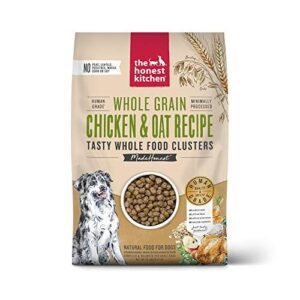
If your Samoyed does well on whole-food nutrition, this dehydrated formula is worth a look. Cage-free chicken leads the ingredient list, paired with oats for digestible, slow-release energy—gentle on sensitive stomachs and free of wheat gluten.
Just add warm water and wait three minutes; the clusters expand fourfold into a complete, human-grade meal. It works as a standalone diet or a nutrient-dense topper, delivering AAFCO-compliant nutrition without artificial preservatives, meat meals, or fillers.
| Best For | dog owners who want a whole-food, human-grade meal for puppies, adults, or nursing mothers and are willing to trade a little extra prep time and cost for higher-quality nutrition. |
|---|---|
| Form | Dehydrated kibble |
| Life Stage | All life stages |
| Weight | 20 lb |
| Primary Protein | Chicken |
| Artificial Preservatives | None |
| Skin/Coat Support | Yes |
| Additional Features |
|
- Human-grade ingredients like cage-free chicken, oats, salmon oil, and flaxseed, with no artificial preservatives, meat meals, GMOs, or fillers
- Quick and easy prep—just add warm water and wait about three minutes for a complete meal
- Supports digestion, coat health, and joints thanks to fiber, pre/probiotics, and omega-3s
- Requires water and rehydration time, so it’s not as grab-and-go as regular kibble
- Costs more per pound than standard dry dog food
- Not a fit for dogs that need low-protein or grain-restricted diets
2. Nutro Ultra High Protein Dog Food
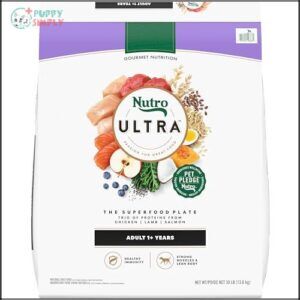
For Samoyeds needing more muscle-building power, this recipe leans on chicken, lamb, and salmon together, giving a fuller amino acid profile than single-protein diets.
A mix of 14 superfoods, think kale, chia, and blueberries, adds antioxidant support for skin and immunity. Omega fatty acids and glucosamine round things out, backing coat shine and joint mobility. It’s non-GMO and skips corn, wheat, and soy entirely, which matters if your dog’s stomach often gets finicky.
| Best For | Adult dogs needing high-protein, gourmet nutrition to support lean muscle, healthy skin, and a strong immune system. |
|---|---|
| Form | Dry kibble |
| Life Stage | Adult |
| Weight | 30 lb |
| Primary Protein | Chicken |
| Artificial Preservatives | None specified |
| Skin/Coat Support | Yes |
| Additional Features |
|
- Triple animal protein blend (chicken, lamb, salmon) plus 14 superfoods for well-rounded nutrition
- Non-GMO formula free from corn, wheat, and soy, great for dogs with sensitive stomachs
- Natural fibers and antioxidants support digestion and immune health
- Not formulated specifically for puppies
- Contains grains like sorghum, barley, oatmeal, and brown rice, which may not suit grain-free diets
- Needs to be stored in a cool, dry place to stay fresh
3. JustFoodForDogs Beef and Potato Wet Dog Food
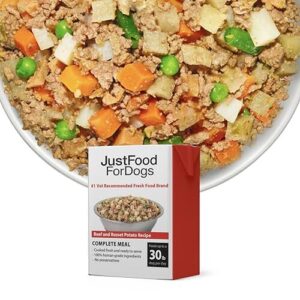
If your Samoyed does better with softer textures, JustFoodForDogs’ Beef and Potato recipe is worth a look. Ground beef leads the ingredient list, followed by potato and sweet potato for digestible energy, plus carrots and green beans for fiber.
Fish oil helps keep their coat healthy, and the formula hits AAFCO complete nutrition standards. It’s highly digestible, works as a full meal or a topper, and suits dogs with sensitive stomachs, though it costs more than standard kibble.
| Best For | This recipe is best for dogs with sensitive stomachs, chicken allergies, or picky appetites who need a highly digestible, easy-to-eat meal, including Samoyeds that prefer softer textures over kibble. |
|---|---|
| Form | Wet food |
| Life Stage | All life stages |
| Weight | 12.5 oz x12 |
| Primary Protein | Beef |
| Artificial Preservatives | None |
| Skin/Coat Support | Yes |
| Additional Features |
|
- Made with 100% human-grade ingredients like lean ground beef and beef heart, gently cooked for better nutrient absorption
- 40% more digestible than standard kibble, supporting healthy skin, a shiny coat, and good digestion
- Shelf-stable Tetra Pak packaging lasts up to 2 years unopened and needs no refrigeration until opened, making it great for travel or camping
- Costs more than standard dry kibble
- Texture comes out as a homogenized paste rather than distinct chunks, which some dogs (or owners) may find less appealing
- Packaging can be tricky to open and may require doing so over a sink to avoid a mess
4. Open Farm Turkey and Chicken Dog Food
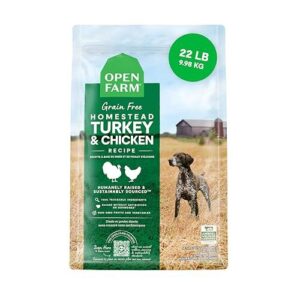
Traceability sets Open Farm apart — every batch links back to its source farm, so you know exactly where that turkey and chicken came from. Both proteins are certified humanely raised and antibiotic-free, with animal protein dominating the recipe rather than filler.
Coconut oil and pumpkin round things out, plus taurine for heart support. Fish meal and flaxseed supply omega-3s for your Samoyed’s coat. No corn, wheat, or soy, and it’s formulated for all life stages, from puppies to seniors.
| Best For | dog owners who want a traceable, high-protein grain-free food suitable for any life stage, from puppies to seniors. |
|---|---|
| Form | Pellet kibble |
| Life Stage | All life stages |
| Weight | 22 lb |
| Primary Protein | Turkey/Chicken |
| Artificial Preservatives | None |
| Skin/Coat Support | Yes |
| Additional Features |
|
- Full ingredient traceability, with every batch linked back to its source farm
- Real turkey and chicken as the dominant proteins, plus omega-3s from fish meal and flaxseed for coat health
- Grain-free and free from corn, wheat, soy, and artificial preservatives
- Grain-free formula isn’t ideal for dogs that do fine with or need grains in their diet
- Fish meal content could be an issue for dogs with seafood allergies
- Costs more than standard dry dog foods
5. Blue Buffalo Chicken Brown Rice Dog Food
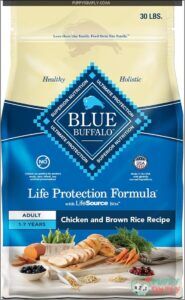
Deboned chicken leads the ingredient list here, backed by chicken meal for extra protein per cup. Brown rice, barley, and oatmeal supply digestible energy without leaning on corn, wheat, or soy.
LifeSource Bits deliver a precise antioxidant and vitamin mix for immune support, while flaxseed contributes omega-3s for your Samoyed’s coat. Glucosamine rounds out the joint-support angle.
It’s AAFCO-complete for adult dogs, making it a solid everyday choice if grains aren’t a concern for your pup.
| Best For | Adult dogs who do well on grain-inclusive diets and could use extra support for muscle, joints, and coat health. |
|---|---|
| Form | Dry kibble |
| Life Stage | Adult |
| Weight | 30.28 lb |
| Primary Protein | Chicken |
| Artificial Preservatives | None |
| Skin/Coat Support | Yes |
| Additional Features |
|
- Real deboned chicken plus chicken meal provide strong, concentrated protein for lean muscle support
- LifeSource Bits and omega 3 & 6 fatty acids work together to support immune health and a shiny, healthy coat
- Glucosamine is included to help support joint health and mobility in active adult dogs
- Contains grains like brown rice, barley, and oatmeal, so it’s not suitable for dogs on a grain-free diet
- Needs proper storage to keep nutrients from breaking down over time
- Packaging may look slightly different from what’s shown in online photos
6. Open Farm Senior Chicken Turkey Kibble
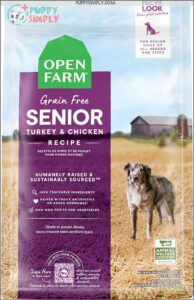
Once your Samoyed hits seven, humanely raised turkey and chicken take over as the primary proteins here, paired with glucosamine and chondroitin sulfate for aging joints. Sweet potato and ocean whitefish meal round out the grain-free recipe, dodging corn, wheat, and soy.
If you’re still navigating those early feeding stages, it helps to understand what to look for in puppy food before transitioning to this senior-focused recipe later on.
Fish oils and flaxseed supply omega fatty acids for coat and skin, while chicory root and pumpkin add gentle, prebiotic fiber. Calories run around 3600 kcal ME per kilogram — sensible for seniors who need joint support without extra weight gain.
| Best For | Senior Samoyeds who need extra joint support and a grain-free diet without sacrificing high-quality protein. |
|---|---|
| Form | Pellet kibble |
| Life Stage | Senior |
| Weight | 22 lb |
| Primary Protein | Chicken/Turkey |
| Artificial Preservatives | None |
| Skin/Coat Support | Yes |
| Additional Features |
|
- Real turkey and chicken deliver glucosamine and chondroitin for aging hips and joints
- Fish oil and flaxseed support healthy skin and a shiny coat
- Grain-free formula skips corn, wheat, and soy while adding pumpkin and chicory root for gentle digestion
- Not suitable for puppies or adult dogs, since it’s formulated specifically for seniors
- Contains seafood ingredients like ocean whitefish, which may not work for dogs with fish allergies
- Grain-free recipes aren’t ideal for dogs who actually thrive on grain-inclusive diets
7. Acana Lamb and Pumpkin Dry Dog Food
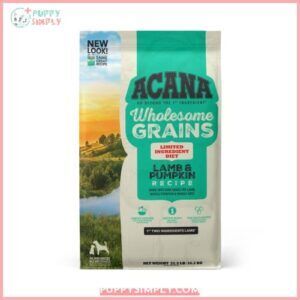
Limited ingredient diets shine here, with deboned lamb as the sole animal protein for Samoyeds prone to chicken sensitivities or itchy skin. 60% animal ingredients pair with oats, sorghum, and pumpkin for a fiber-friendly, gluten-free base.
Probiotics support gut health, while naturally occurring omega fatty acids keep that famous double coat glossy. The freeze-dried coating wins over picky eaters, though the 22.5-lb bag runs pricier than standard kibble — a fair tradeoff for dogs needing gentler, single-source nutrition.
| Best For | Samoyeds with chicken allergies, sensitive stomachs, or itchy skin who need a single-source protein diet with gentler, limited ingredients. |
|---|---|
| Form | Dry kibble |
| Life Stage | All life stages/Adult |
| Weight | 22.5 lb |
| Primary Protein | Lamb |
| Artificial Preservatives | Not specified |
| Skin/Coat Support | Yes |
| Additional Features |
|
- High 60% animal protein content from deboned lamb supports lean muscle and energy
- Omega-3 and Omega-6 fatty acids help maintain a shiny, healthy double coat
- Freeze-dried coating and single-source protein make it appealing for picky eaters
- Higher price point compared to standard dog food recipes
- Kibble size may be too large for small dogs or seniors with dental issues
- Requires a gradual transition period to avoid digestive upset like diarrhea
8. Blue Buffalo Digestive Care Chicken Dog Food
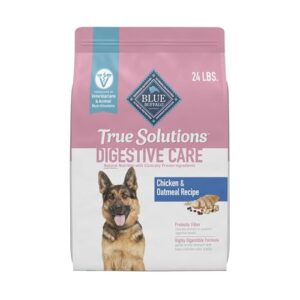
Sensitive stomach? This one’s built for it. Real chicken leads the ingredient list, paired with clinically proven prebiotic fiber that keeps stool quality consistent and the gut microbiome balanced.
Brown rice and flaxseed round things out, delivering omega-3s for coat health without taxing digestion. No corn, wheat, soy, or by-product meals here — just clean, digestible nutrition formulated by vets and animal nutritionists.
Formerly branded Blissful Belly, it’s a solid pick for adult Samoyeds needing gentler, gut-friendly kibble.
| Best For | Adult dogs with sensitive stomachs who need gentle, highly digestible nutrition to support consistent digestion and stool quality. |
|---|---|
| Form | Dry kibble |
| Life Stage | Adult |
| Weight | 24.24 lb |
| Primary Protein | Chicken |
| Artificial Preservatives | None |
| Skin/Coat Support | Yes |
| Additional Features |
|
- Real chicken as the first ingredient, backed by clinically proven prebiotic fiber for gut health
- Free from corn, wheat, soy, and poultry by-product meals, with whole grains included instead
- Formulated by veterinarians and animal nutritionists, with omega-3 and omega-6 support from flaxseed and canola oil
- At 24.24 pounds, it’s only offered in one bag size, which may not suit every household’s needs
- Contains various supplements and mineral chelates, which some owners may want to research further
- Packaging may differ from the images shown online, so the product on arrival might look a bit different than expected
9. Portland Pet Food Fresh Dog Pouches
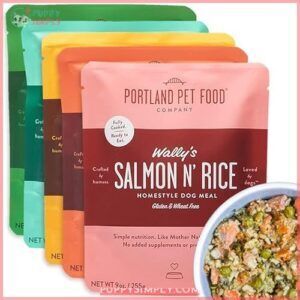
No fridge, no freezer, no fuss — these pouches earn their spot for busy Samoyed households. Each recipe uses 11 or fewer whole-food ingredients, sourced and made in the USA, with combos like salmon and rice or turkey and yams covering picky eaters and sensitive stomachs alike.
Microwave-safe and portion-controlled, they work as a full meal or a kibble topper. Suitable across life stages, from puppyhood through senior years, they’re a practical, human-grade option when convenience matters as much as nutrition.
| Best For | Busy Samoyed owners who want a convenient, no-prep, human-grade meal option that’s gentle on sensitive stomachs and appeals to picky eaters. |
|---|---|
| Form | Wet food |
| Life Stage | All life stages |
| Weight | 5 pouch pack |
| Primary Protein | Assorted |
| Artificial Preservatives | None specified |
| Skin/Coat Support | Yes |
| Additional Features |
|
- Shelf-stable and microwave-safe, so there’s no fridge, freezer, or thawing required
- Made with 11 or fewer human-grade, whole-food ingredients sourced and made in the USA
- Works for every life stage and any size dog, whether it’s a full meal or a topper
- Only formulated for dogs, so households with cats need a separate food plan
- Owners with allergy-prone pups need to check ingredient lists closely before switching flavors
- Variety pack format may mean extra cost compared to buying one flavor in bulk
10. Natural Balance Low Calorie Dog Food
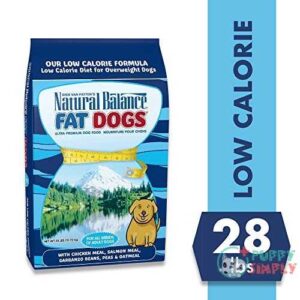
Not every Samoyed stays a lean, snow-loving athlete — some pack on pounds after spaying, neutering, or simply mellowing with age. Natural Balance’s Low Calorie formula answers that with 25% fewer calories than standard recipes, built around chicken and salmon meal to preserve lean muscle while trimming fat.
L-carnitine helps with fat metabolism, while a mix of beet pulp and plant fibers keeps your dog feeling satisfied. It’s a smart pick for weight-conscious Samoyed owners, though grain-sensitive dogs should check the ingredient list first.
| Best For | Samoyed owners whose dogs have gained weight after spaying, neutering, or slowing down with age and need a calorie-controlled diet without sacrificing muscle tone. |
|---|---|
| Form | Dry kibble |
| Life Stage | Adult |
| Weight | 28 lb |
| Primary Protein | Chicken meal |
| Artificial Preservatives | Not specified |
| Skin/Coat Support | Yes |
| Additional Features |
|
- 25% fewer calories than standard formulas, with chicken and salmon meal to help maintain lean muscle
- L-carnitine supports healthy fat metabolism during weight loss
- Fiber and protein blend keeps dogs feeling full and satisfied between meals
- Not ideal for high-energy or working Samoyeds who need more calorie-dense nutrition
- Contains grains and legumes that may not work for dogs with specific allergies
- Packaging shown may differ from what actually arrives
Samoyed Nutritional Needs

Your Samoyed’s fluffy coat and athletic build aren’t accidents of nature—they’re fueled by specific nutrients working together behind the scenes.
Getting the balance right means paying attention to protein, fat, fiber, and a few other key players before you ever check a label.
Here’s what actually matters when you’re sizing up a bag of food.
Protein for Lean Muscle
Under that fluffy coat, your Samoyed carries serious muscle, and quality protein sources keep it that way.
Look for complete amino acid profiles from chicken, lamb, or fish, with leucine-rich options driving muscle synthesis most efficiently.
Digestibility matters too, since animal proteins absorb better than plant fillers.
The best dog food for Samoyeds helps maintain lean mass preservation, especially in active, muscular dogs.
Healthy Fats for Energy
Fat fuels the zoomies. At nine calories per gram, quality fats give your Samoyed lasting energy for play, work, and cold-weather insulation.
- Omega-3s (fish oil) for anti-inflammatory support
- MCTs from coconut oil for quick energy
- Monounsaturated fats (avocado, olive oil) for steady release
- Fat-fiber pairing for stable energy throughout the day
Balanced omega 3 and 6 fatty acids also support skin and coat health alongside vitality.
Fiber for Digestion
Fiber rounds out the energy fats provide, keeping digestion moving smoothly. Soluble fiber (oats, pumpkin) gels in the gut, slowing digestion and supporting stool consistency, while insoluble fiber adds bulk for regularity.
Prebiotic fibers feed gut microbiome health through fermentation, producing short-chain fatty acids that nourish colon cells. Balanced fiber intake means firmer stools, fewer digestive upsets, and steady gastrointestinal health your Samoyed’s gut bacteria will thank you for.
Omegas for Coat Health
Good digestion sets the stage, but that famous Samoyed coat depends on omega fatty acids. EPA and DHA from marine oils like fish or krill support healthy skin and coat by boosting ceramide production, while plant-based ALA (flaxseed, camelina) offers a supplementary source. Aim for a balanced omega 6:3 ratio, and store oils properly to prevent oxidation and rancidity.
Maintaining a strong skin barrier is essential to prevent excessive water loss and irritant entry.
AAFCO Complete Nutrition
AAFCO complete and balanced pet foods aren’t marketing fluff — they’re the baseline for breed-specific nutrition. Look for nutrient profile validation or feeding trial protocols on the label, plus an adequacy statement confirming life-stage suitability.
- Verified essential amino acid patterns
- Mineral toxicity prevention through capped nutrients
- Feeding trial-tested formulas
- Clear adequacy statements
That’s your shortcut to nutritionally balanced meals meeting real nutritional standards.
Best Food by Life Stage

Your Samoyed’s nutritional needs shift as she moves through life, and what worked at four months won’t cut it at four years. Growth, activity level, and aging metabolism all call for different protein, fat, and calorie targets. Here’s what to look for at each stage, from playful puppy to gray-muzzled senior.
Samoyed Puppy Food Needs
Samoyed puppies grow fast, and their bodies need fuel to match. Aim for ideal protein ratios of 22–28% dry matter, rich in essential amino acids like lysine and methionine.
Fat supplies energy for brain development and growth milestones, while gentle fiber helps maintain gut microbiome balance. Don’t overlook bone development minerals—calcium-to-phosphorus ratios near 1.2–1.4:1 keep skeletal growth on track. AAFCO-complete puppy nutrition is non-negotiable.
Adult Samoyed Feeding
Once puppyhood fades, your Samoyed settles into steadier growth demands. Ideal protein ratios shift toward high-quality animal sources supporting lean muscle, paired with 15–25% fat for daily energy.
Daily feeding schedules of two measured meals suit adult metabolism best. Watch managing neutered metabolism—fixed dogs often need 5–15% fewer calories, so portion control tips and regular caloric adjustment strategies keep weight balanced within true breed-specific nutrition.
Senior Samoyed Nutrition
Grey muzzles deserve gentler fuel. Aim for 25-30% protein on a dry matter basis to fight sarcopenia, plus 5-7% fiber for gut microbiota balance.
- Glucosamine-rich joint support for stiff hips
- Omega-3s easing oxidative stress
- Broth-topped meals boosting senior hydration
This is life stage nutrition and preventative pet health working together, keeping senior Samoyeds comfortable, hydrated, and strong.
Active Working Samoyeds
Sledding, carting, weight pulls — a working Samoyed burns fuel like an athlete, and their bowl should reflect that.
Performance formulas with 28%+ protein and moderate fat sustain endurance training routines, while omega-3s aid recovery day muscle repair. Pair meals with hydration breaks to offset heat stress. Mental stimulation tasks matter too — a tired mind rests as deeply as tired legs.
Weight Management Diets
A fluffy coat hides a thickening waistline fast, so weigh your Samoyed monthly, not just at annual checkups.
A fluffy coat can hide a thickening waistline, so weigh your dog monthly, not just once a year
Aim for a calorie deficit of 10-20%, using portion control tools like gram scales for accuracy. Choose foods with satiety-boosting fibers (beet pulp, pumpkin) and lean protein to support lean muscle preservation while cutting caloric density. Consistent meal timing curbs begging and prevents mindless treat creep.
Ingredients Samoyeds Need

Once you know which life stage your Samoyed falls into, the next step is checking what’s actually inside the bag. Not every protein or fat source pulls its weight nutritionally, and some ingredients matter more than others for this breed’s joints, coat, and eyes. Here are the five you should always look for on the label.
Real Meat First
Whole muscle meat should top the ingredient list — think real chicken as the first ingredient, not meal or by-products. Look for grass-fed sourcing and clear meat-to-binder ratios, since these signal nutritional integrity and high-quality animal proteins.
For Samoyeds, that protein-based energy fuels lean muscle and coat health, making real meat first a genuine marker of quality when choosing the best dog food for Samoyeds.
Fish Oil and DHA
Fish oil and DHA matter as much as protein for that iconic double coat. EPA and DHA support skin barrier function and reduce shedding-related inflammation.
Look for:
- Fish oil sourced with purity screening
- Algal oil alternatives for sensitive stomachs
- Balanced omega-3 6 ratios
- Clear DHA/EPA dosage on labels
Absorption rates vary by form, so nutritional integrity here directly helps coat maintenance.
Glucosamine for Joints
Coat health is only half the equation—your Samoyed’s joints need equal attention, especially given the breed’s known predisposition to hip dysplasia.
Glucosamine acts as a building block for cartilage, the cushioning tissue that prevents bone-on-bone friction. Look for glucosamine sulfate or hydrochloride paired with chondroitin at consistent daily doses (around 1,500mg is typical), and flag shellfish allergy risks if your dog’s sensitive.
Antioxidants for Eye Health
Eyes work hard every day, and Samoyeds are no exception regarding age-related ocular oxidative stress. Retinal carotenoid protection from lutein and zeaxanthin filters damaging light, while vitamin C and E offer membrane shielding.
Look for foods supporting:
- Lutein and zeaxanthin sources
- Vitamin C and E blends
- Glutathione support systems
This antioxidant network is smart, preventative pet care for breed-specific health issues.
Minerals for Thyroid Support
Four trace minerals quietly run your Samoyed’s thyroid gland, and skipping any one throws off metabolic health. Iodine fuels hormone synthesis, selenium drives T4-to-T3 conversion, zinc helps enzyme function, and copper acts as a metabolic cofactor.
| Mineral | Thyroid Role | Food Source |
|---|---|---|
| Iodine | Hormone building | Seafood |
| Selenium | T4 conversion | Eggs, meat |
| Zinc | Enzyme support | Shellfish |
Iron matters too—it backs energy metabolism, easing fatigue mimicking hypothyroidism.
Ingredients Samoyeds Should Avoid

Reading a dog food label can feel like decoding a foreign language, but knowing what to skip is just as important as knowing what to look for.
Certain ingredients offer little nutritional value and can even trigger sensitivities or long-term health issues in your Samoyed. Here’s what to steer clear of when you’re scanning that ingredient panel.
Corn, Wheat, and Soy
Not all fillers are created equal. Corn gluten meal actually delivers real protein, but whole corn, wheat, and soy mainly add starchy bulk your Samoyed doesn’t need.
Watch for:
- Wheat gluten sensitivity causing itching or GI upset
- Soy linked to hormonal concerns
- Empty calorie fillers diluting protein quality
- Sourcing tied to questionable agricultural practices
Choose formulas prioritizing named meats over grain-heavy recipes.
Poultry By-product Meals
Rendered from carcass parts, poultry by-product meal isn’t automatically junk — it’s ground organs, heads, and feet, delivering roughly 60% crude protein.
| Factor | PBM | Named Meat Meal |
|---|---|---|
| Protein density | ~60% | Higher, consistent |
| Digestibility | Variable | Generally better |
| Sourcing clarity | Vague | Specific |
Quality varies wildly by manufacturer, so digestibility and fat stability aren’t guaranteed. When budget allows, choose named meat meals instead.
Artificial Colors and Flavors
Why add color your dog can’t even appreciate? Samoyeds see a limited color range, so dyes like Red 40 or Yellow 5 exist purely for your eyes, not nutritional benefit.
These synthetic dyes carry sensitivity risks and offer zero digestibility value. Watch for excessive licking or skin irritation.
Choose foods using natural alternatives like beet juice or turmeric instead, and always check labels for transparency on additives.
BHA and BHT
Synthetic antioxidant risks deserve a second look. BHA and BHT keep fats from going rancid through lipid oxidation prevention, but some studies flag possible carcinogenic concerns at high exposures.
Regulatory safety limits exist for good reason. Look for natural preservative alternatives instead—mixed tocopherols (vitamin E) or rosemary extract accomplish the same job without the chemical preservative impact linked to sensitivities in some dogs.
Excess Sugars and Starches
Sugar hides in plain sight. Corn syrup, molasses, and glucose polymers boost palatability but drive carbohydrate energy spikes and disrupt digestive microbiota balance.
White rice, potato starch, and tapioca add glycemic index impact with minimal fiber, raising starch-induced obesity risk.
Choose complex carbs, high-quality protein, and consult your vet—these hidden sweetener risks matter for your Samoyed’s balanced canine diet and long-term health.
Fresh, Dry, Wet, or Raw
Once you know what to avoid, the next question is what format actually works best for your Samoyed’s bowl. Fresh, dry, wet, raw, and dehydrated foods each come with their own texture, moisture level, and feeding logistics. Here’s how the main options stack up against each other.
Fresh Food Benefits

Feeding fresh means feeding closer to nature. Fresh dog food delivers wonderful nutrient density, natural enzymes, and hydration your Samoyed’s gut craves.
Benefits include:
- Higher protein bioavailability
- Gut microbiome support
- Reduced GI upset
- Better hydration
- Seasonal ingredient variety
Fresh proteins support lean muscle and digestive wellness, while ingredient quality stays high without fillers diluting nutritional value.
Dry Kibble Convenience

Dry kibble brings simplicity back into the picture. Precise portion control is easy with a scoop and the bag’s feeding chart, which helps with budget friendly feeding and weight management alike.
Sealed storage keeps high-quality kibble fresh for weeks, and its crunch helps with dental plaque reduction with every bite—no extra tools needed for a steady mealtime routine.
Wet Food Palatability

Wet food wins on aroma release, that first burst of savory scent that pulls a picky Samoyed to the bowl. Higher moisture creates mouth-coating juiciness, softer texture, and better digestibility for dogs with food sensitivities.
Umami notes from real meat broths and hydrolyzed proteins boost palatability further, meaning less plate waste and steadier nutrient intake at every meal.
Raw Food Considerations

Raw food appeals to owners chasing an ancestral menu of whole prey ingredients, but it demands rigor. Meat sourcing quality matters most: reputable suppliers, freezing for parasite prevention, and strict cross contamination prevention with dedicated cutting boards.
Freeze-dried raw offers a safer middle ground. Talk with your vet about nutritional balance risks before switching, especially for puppies or immunocompromised Samoyeds.
Dehydrated Food Options

Rehydrating a meal at the counter, water steaming into powder, feels almost like alchemy for picky Samoyeds.
Nutrient concentration runs high, so measure carefully. Follow rehydration techniques on the label—usually 5-15 minutes—and confirm moisture content safety below 15% for dried meats.
- Lightweight, easy storage
- Shelf life extension via airtight pouches
- Simple dehydrated meal preparation
- Meets breed-specific nutrition goals
Air-dried dog food offers genuine nutritional density for pet wellness.
Feeding and Switching Samoyed Food

Picking the right food is only half the job, since how and when you feed it matters just as much for your Samoyed’s health.
Meal timing, portion sizes, and switching schedules all play a role in keeping digestion smooth and coat quality strong.
Here’s what you need to know about feeding your Samoyed the right way, day in and day out.
Daily Feeding Frequency
Meal timing shapes how well your Samoyed digests, behaves, and burns energy. Puppies need three to four small meals daily; adults settle into two, spaced 8-12 hours apart.
| Life Stage | Meals/Day |
|---|---|
| Puppy (under 6 mo) | 3-4 |
| Adult | 2 |
| Senior | 2 (smaller) |
| Working/Active | 2 + snack |
| Weight Management | 2, controlled |
Seniors and working dogs often need adjusted frequency for digestion or sustained energy.
Choosing Calorie Counts
How many calories should your Samoyed actually eat? It depends on age, weight, and metabolic needs—not a one-size-fits-all number.
A dog calorie calculator offers a solid starting point, but pair it with body condition scoring and regular weigh-ins. Prioritize nutrient-dense calories over empty ones, weigh meals for accuracy, and adjust intake as activity shifts. Smart weight management hinges on precision, not guesswork.
Four-week Food Transition
Switching foods too fast is the number-one cause of gastrointestinal distress in Samoyeds.
Follow weekly step-by-step planning: Week 1, swap in one new protein; Week 2, add a vegetable; Week 3, introduce a second protein plus carbs; Week 4, finalize ratios.
This ingredient introduction strategy, paired with gradual macro adjustments, prevents dietary shock—track stool consistency and energy daily to catch food sensitivities early.
Safe Food Storage
Good nutrition doesn’t stop once the bag comes home—storage matters just as much.
Temperature control is non-negotiable: refrigerate fresh or opened wet food at 40°F or below, and freeze anything you won’t use within days.
Use airtight, food-grade containers to preserve guaranteed analysis and prevent digestibility loss.
Avoid cross contamination by keeping raw and dry foods separate, and always check storage timelines against dietary restrictions before serving.
Monitoring Coat and Weight
Your Samoyed’s coat is a report card for their diet. Run a Visual BCS Assessment monthly—check waist tuck and rib coverage. Watch for Coat Shine Indicators versus dullness, and track Shedding Pattern Changes beyond normal seasonal blow-outs.
Note any skin irritation signs—redness or flaking often signal nutritional gaps.
Combine this with weight trend analysis for smart weight management for dogs, keeping your Samoyed’s nutritional profile dialed in for a shiny coat.
Frequently Asked Questions (FAQs)
What do you feed your Samoyed?
Real meat first, healthy fats, moderate fiber, joint-friendly minerals — that’s the formula. I favor turkey and chicken-based recipes, occasionally rotating in fish for omega-3 variety, always checking that protein sources anchor the ingredient list above any grain or filler.
What is the best vegetable for a dog?
Pumpkin wins for versatility: its soluble fiber firms stools, while carrots support eye health, green beans stay low-calorie, and cucumbers add hydration. Rotate all four for balanced canine nutrition and digestive support suited to your dog’s individual needs.
What dog food for pancreatitis?
Look for prescription low-fat formulas like Hill’s i/d Low Fat (5% fat) or Royal Canin Gastrointestinal Low Fat, moderate protein, and added omega-3s. High digestibility matters most for managing flare-ups, so consult your vet before switching from OTC options.
How many times a day should a Samoyed eat?
Twice a day is the best approach, spaced roughly 12 hours apart, for adult feeding routines.
Puppy meal schedules need 3–4 daily feedings, tapering to two by age one. Adjust for activity level, senior digestion needs, and caloric intake as your dog matures.
What is the best dog food for Samoyeds?
There’s no single winner — it depends on your dog’s life stage, activity, and sensitivities. Generally, high-quality protein sources, balanced omega fatty acids, and AAFCO-compliant formulas from transparent brands like Honest Kitchen or JustFoodForDogs serve most Samoyeds well.
What foods are Samoyeds allergic to?
Say your Sam starts scratching after switching foods — often a sign of food allergies in dogs. Common triggers include beef, chicken, egg, wheat, and soy, causing itching, redness, vomiting, or diarrhea.
Choosing hypoallergenic dog food helps sensitive stomachs avoid recurring reactions.
How often should you feed a Samoyed?
Puppies need three meals daily; adults thrive on two, spaced 12 hours apart. Seniors often do best with two smaller portions. Splitting meals aids digestion, keeps energy steady, and helps prevent bloat in this deep-chested breed.
Is Royal Canin good for Samoyeds?
Roughly 70% of Samoyed owners report better stool quality on breed-specific kibble. Royal Canin’s jaw mechanics design and added omegas support skin barrier function reasonably well, though it’s a decent, not top-tier, choice for Samoyed nutrition.
How much should my Samoyed weigh at different ages?
Males usually reach 42 to 60 pounds near 12 months, settling into a 45–65 pound adult range. Females mature smaller, around 34–42 pounds at a year. Track your Samoyed’s growth curve monthly—steady gains matter more than hitting exact numbers.
Can Samoyeds eat raw or homemade diets safely?
With veterinary guidance, yes—but zoonotic bacteria risks like Salmonella demand strict hygiene. Homemade diets need precise nutrient balancing to avoid calcium imbalances. Choose raw bones over cooked ones, which splinter, and always consult your vet before switching.
Conclusion
A Samoyed’s coat is like a snowbank: dazzling on the surface, but only as strong as what’s underneath it. Feed the roots, not just the shine.
The best dog food for samoyeds blends quality protein, balanced fats, and joint-support nutrients your dog’s genetics demand. You don’t need to overhaul everything overnight—small, consistent choices build lasting health. Trust the ingredient panel over marketing claims.
Your Samoyed’s energy and coat will tell you when you’ve gotten it right.
- https://www.iams.com/dog/dog-articles/nutrition-and-your-senior-dogs-body
- https://www.petmd.com/dog/breeds/samoyed
- https://vcahospitals.com/know-your-pet/feeding-mature-and-senior-dogs
- https://www.greencrossvets.com.au/pet-library/dogs/breed-guides/samoyed-owners-guide
- https://www.samoyedclubofamerica.org/the-samoyed/health-and-care/feeding-and-diet