
This site is supported by our readers. We may earn a commission, at no cost to you, if you purchase through links.

An Irish Wolfhound’s stomach sits deep in a narrow chest cavity, and that anatomy makes gastric dilatation-volvulus, or bloat, a leading cause of death in the breed. Add a growth plate that doesn’t fully close until 18 months and joints supporting up to 180 pounds, and you’ll see why generic kibble falls short. This isn’t a breed you feed by guesswork.
Finding the best dog food for Irish Wolfhounds means balancing calcium ratios, fat percentages, and feeding schedules with real precision, not just picking whatever bag has a wolfhound on the label. Get the calorie density wrong or skip slow-feeder bowls, and you’re gambling with your gentle giant’s health.
The picks ahead cover every life stage and health concern your wolfhound will face.
Table Of Contents
- Key Takeaways
- Top 10 Dog Foods for Irish Wolfhounds
- 1. Honest Kitchen Chicken Oat Dehydrated Dog Food
- 2. Nutro Ultra High Protein Dog Food
- 3. JustFoodForDogs Human Grade Beef Potato Wet Dog Food
- 4. Open Farm Grain Free Dog Food
- 5. Blue Buffalo Chicken Brown Rice Dog Food
- 6. Open Farm Senior Chicken Turkey Kibble
- 7. ACANA Limited Ingredient Lamb Pumpkin Dog Food
- 8. Blue Buffalo Digestive Care Chicken Dog Food
- 9. Portland Pet Food Fresh Dog Pouches
- 10. Natural Balance Low Calorie Dog Food
- Irish Wolfhound Nutrition Needs
- Choosing Food by Life Stage
- Health Issues Diet Can Support
- Feeding and Switching Tips
- Frequently Asked Questions (FAQs)
- What is the best food for an Irish Wolfhound?
- How much should an Irish Wolfhound eat per day?
- What are Irish Wolfhounds prone to?
- How to prevent bloat in Irish Wolfhounds?
- How much water should my Irish Wolfhound drink daily?
- What treats are best for Irish Wolfhounds?
- How do I transition between different dog foods?
- Should I feed my Irish Wolfhound supplements?
- What genetic diseases are Irish Wolfhounds prone to?
- Are raw or homemade diets safe for wolfhounds?
- Conclusion
Key Takeaways
- Irish Wolfhounds’ deep chests and rapid growth make bloat, hip dysplasia, and joint stress serious risks, so calcium-phosphorus ratios, moderate fat, and 18%+ protein matter more than brand names.
- Feeding 2-3 smaller meals with slow-feeder bowls, avoiding exercise right after eating, and discouraging rapid drinking all help prevent life-threatening bloat.
- Nutritional needs shift by life stage, with puppies needing protein for controlled growth, adults for lean mass, and seniors needing joint support.
- Any diet change should happen gradually over 7-14 days to avoid digestive upset in a breed already prone to gastrointestinal sensitivity.
Top 10 Dog Foods for Irish Wolfhounds
Feeding a giant breed like an Irish Wolfhound means paying close attention to protein quality, calorie density, and joint support, not just picking whatever’s on sale.
Because Wolfhounds thrive with calm households and gentle handling, they consistently rank among the best large dog breeds for families with children.
The ten foods below cover a range of needs, from puppy growth to senior joint care to sensitive stomachs. Here’s a closer look at each one, starting with a longtime favorite among wolfhound owners.
1. Honest Kitchen Chicken Oat Dehydrated Dog Food
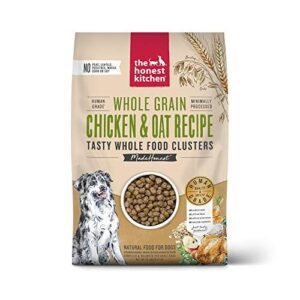
When a bag of kibble expands to four times its size, you know you’re feeding something different. This dehydrated formula uses cage-free chicken, oats, and flaxseed, rehydrating with warm water into a palatable meal in about three minutes.
At 24.5% protein and 485 kcal per cup, it suits your Wolfhound’s calorie needs efficiently. The human-grade ingredients and prebiotic support make it a smart choice for gentle giants with sensitive digestion, though the price per pound runs higher than standard kibble.
| Best For | This dehydrated Chicken & Oat formula is best for owners of large or giant breed dogs, like Wolfhounds, who want a human-grade, easy-to-prepare meal that supports digestive health and joint care. |
|---|---|
| Form | Dehydrated kibble |
| Primary Protein | Chicken |
| Life Stage | All life stages |
| Grain Status | Whole-grain |
| Weight | 20 lb |
| Preservatives | No artificial preservatives |
| Additional Features |
|
- Made with human-grade ingredients like cage-free chicken, oats, and flaxseed, with no artificial preservatives or fillers
- Rehydrates in about three minutes, expanding to four times its dry size for a fresh, palatable meal
- Supports digestive health and coat/joint condition through fiber, prebiotics, and omega-3 fatty acids
- Costs more per pound than standard dry kibble
- Requires water and prep time before feeding, unlike ready-to-serve kibble
- Not suitable for dogs needing low-protein or grain-restricted diets
2. Nutro Ultra High Protein Dog Food
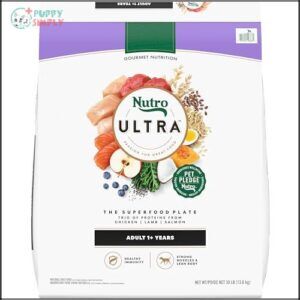
If your Wolfhound powers through kibble fast, this formula’s trio of animal proteins — chicken, lamb, and salmon — gives a broader amino acid profile than single-source diets.
Real chicken leads the ingredient list, and 14 superfoods (kale, blueberries, chia) supply antioxidants and fiber for coat and digestive support. Flaxseed adds omega-3s; zinc and vitamin E back up skin health.
It’s grain-inclusive, using sorghum and oatmeal rather than legume-heavy fillers, which some vets prefer for large-breed dogs given ongoing cardiomyopathy research.
| Best For | Adult large-breed dogs, like Wolfhounds, who need high-protein, gourmet nutrition to support lean muscle, a healthy coat, and steady digestion. |
|---|---|
| Form | Dry kibble |
| Primary Protein | Chicken |
| Life Stage | Adult |
| Grain Status | Contains grains |
| Weight | 30 lbs |
| Preservatives | Natural fibers/antioxidants |
| Additional Features |
|
- Trio of animal proteins (chicken, lamb, salmon) offers a broader amino acid profile than single-source formulas
- 14 superfoods plus flaxseed deliver antioxidants, fiber, and omega-3s for coat, skin, and digestive health
- Grain-inclusive recipe using sorghum and oatmeal, a option some vets favor for large breeds over legume-heavy fillers
- Contains chicken by-product meal alternatives and isn’t formulated for puppies
- Includes multiple grains (sorghum, barley, oatmeal, brown rice), which may not suit dogs needing grain-free diets
- Requires storage in a cool, dry place to maintain freshness
3. JustFoodForDogs Human Grade Beef Potato Wet Dog Food
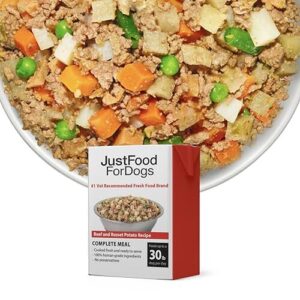
For picky eaters or dogs needing extra hydration, this 100% human-grade pâté swaps kibble crunch for a soft, gently cooked texture built from lean ground beef, beef heart, and russet potatoes.
Beef heart supplies natural taurine, backing cardiac health in a breed prone to dilated cardiomyopathy. Carrots and green beans round out fiber and micronutrients.
It’s formulated to AAFCO maintenance standards, works as a full meal or topper, and suits Wolfhounds with sensitive stomachs — refrigerate after opening and use within days.
| Best For | Picky eaters, dogs with sensitive stomachs or chicken allergies, and pet parents who want a shelf-stable, human-grade option for travel or camping. |
|---|---|
| Form | Wet food |
| Primary Protein | Beef |
| Life Stage | All life stages |
| Grain Status | Grain-inclusive |
| Weight | 12.5 oz x12 |
| Preservatives | Preservative-free |
| Additional Features |
|
- Made with 100% human-grade ingredients like lean ground beef and beef heart, gently cooked to preserve nutrients
- Shelf-stable Tetra Pak packaging stays fresh for up to 2 years without refrigeration until opened
- Highly digestible (40% more than standard kibble), supporting healthy skin, coat, and digestion
- Costs more than standard dry kibble
- Paste-like texture lacks the distinct chunks some dogs and owners may prefer
- Packaging can be tricky to open and may make a mess without care
4. Open Farm Grain Free Dog Food
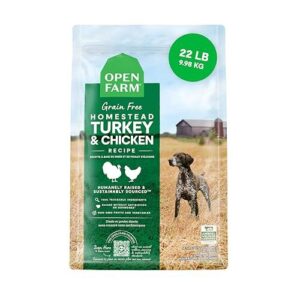
If your Wolfhound does better without grains, this one’s worth a look. It’s built on real turkey, chicken, and ocean whitefish meal, with pumpkin, coconut oil, and turmeric mixed in for digestive and immune support.
No corn, wheat, or soy, and every ingredient is traceable back to its source. The 22-lb bag works across life stages, though watch mineral-heavy formulas like this for struvite crystal risk in predisposed dogs — ask your vet if you’re unsure.
| Best For | large or giant breeds like Wolfhounds who need a grain-free diet with support for skin, coat, and digestive health. |
|---|---|
| Form | Pellet kibble |
| Primary Protein | Turkey/Chicken |
| Life Stage | All life stages |
| Grain Status | Grain-free |
| Weight | 22 lb |
| Preservatives | No artificial preservatives |
| Additional Features |
|
- Made with real turkey, chicken, and ocean whitefish meal as primary protein sources
- Includes pumpkin, coconut oil, and turmeric to support digestion and immune health
- Fully traceable, third-party certified ingredients with no corn, wheat, or soy
- Higher price point compared to many mainstream dry dog foods
- Elevated mineral and protein levels may raise struvite crystal risk in predisposed dogs
- Bag may appear less full than the weight suggests
5. Blue Buffalo Chicken Brown Rice Dog Food
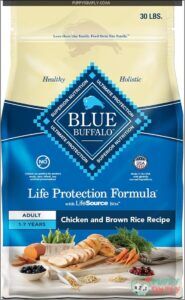
Deboned chicken leads the ingredient list here, backed by LifeSource Bits — a cold-formed mix of antioxidants, vitamins, and minerals that helps immune function.
Rounded out with rice for gentle, easy-to-digest energy, this formula fits nicely into a balanced feeding routine for Basenzis.
Brown rice, barley, and oatmeal supply steady, digestible energy, while glucosamine helps cushion aging joints common in giant breeds. You won’t find corn, wheat, soy, or by-product meals, which suits Wolfhounds prone to sensitivities.
At roughly 24% protein, it’s solid daily nutrition, though not a specialty formula for specific health conditions your vet may be managing.
| Best For | Adult dogs, including larger breeds like Wolfhounds, who need everyday nutrition without corn, wheat, soy, or poultry by-product meals. |
|---|---|
| Form | Dry kibble |
| Primary Protein | Chicken |
| Life Stage | Adult |
| Grain Status | Contains grains |
| Weight | 30.28 lbs |
| Preservatives | No artificial preservatives |
| Additional Features |
|
- Real deboned chicken as the first ingredient supports lean muscle mass
- LifeSource Bits deliver antioxidants, vitamins, and minerals for immune health
- Glucosamine and Omega 3 & 6 fatty acids support joint mobility and coat health
- Contains grains like brown rice, barley, and oatmeal, which won’t work for grain-free diets
- At around 24% protein, it’s general daily nutrition rather than a targeted formula for specific health issues
- Packaging may differ slightly from what’s shown online
6. Open Farm Senior Chicken Turkey Kibble
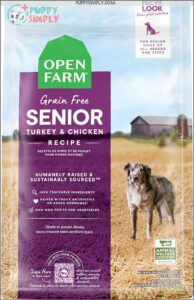
Once your gentle giant hits his senior years, joint comfort becomes priority one. Open Farm’s grain-free chicken and turkey recipe delivers glucosamine and chondroitin naturally through the meat, plus New Zealand green lipped mussel for added omega-3 support.
Pumpkin, sweet potato, and coconut oil round out digestion and coat health, while salmon oil supplies DHA. Every ingredient is traceable and ethically sourced—reassuring if you’re picky about sustainability. Skip it for grain-inclusive dogs, but it’s a strong pick for aging Wolfhounds needing mobility support.
| Best For | Senior large-breed dogs, like aging Wolfhounds, who need extra joint and mobility support from a grain-free diet. |
|---|---|
| Form | Pellet/Kibble |
| Primary Protein | Chicken/Turkey |
| Life Stage | Senior |
| Grain Status | Grain-free |
| Weight | 22 lbs |
| Preservatives | No artificial preservatives |
| Additional Features |
|
- Naturally delivers glucosamine and chondroitin through real chicken and turkey
- Includes green lipped mussel and salmon oil for omega-3s and DHA
- Uses 100% traceable, ethically sourced ingredients with no corn, wheat, soy, or artificial preservatives
- Formulated only for senior dogs, not suitable for puppies or adults
- Grain-free recipe won’t work for dogs that need grain-inclusive diets
- Contains seafood ingredients like ocean whitefish and herring meal, which may not suit dogs with fish sensitivities
7. ACANA Limited Ingredient Lamb Pumpkin Dog Food
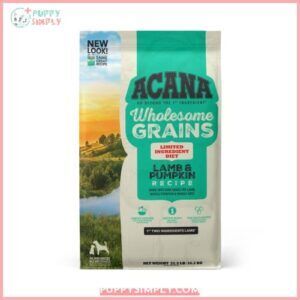
If chicken sensitivities have you scanning ingredient labels, this one’s worth a look. ACANA’s Singles formula uses lamb as the sole animal protein, delivering 27% minimum protein alongside oatmeal, sorghum, and pumpkin for gentle, digestible carbs.
Prebiotic chicory root and added probiotics support gut flora, while pumpkin fiber keeps stools regular. It’s corn-free, gluten-free, and chicken-free—useful for elimination diets.
Expect a higher price tag, and introduce it gradually to avoid loose stools during the switch.
| Best For | Dogs with chicken allergies or sensitive stomachs who need a single-source protein diet with digestive support. |
|---|---|
| Form | Dry kibble |
| Primary Protein | Lamb |
| Life Stage | All life stages |
| Grain Status | Grain-free options |
| Weight | 22.5 lbs |
| Preservatives | No artificial colors noted |
| Additional Features |
|
- Single-source lamb protein makes it easy to manage food sensitivities and allergies
- Prebiotics, probiotics, and pumpkin fiber support healthy digestion
- Grain choices like oatmeal and sorghum are gentle and easy for dogs to digest
- Priced higher than standard dog food recipes
- Kibble size may be too large for small breeds or seniors with dental issues
- May contain trace amounts of fish from cross-contact during manufacturing
8. Blue Buffalo Digestive Care Chicken Dog Food
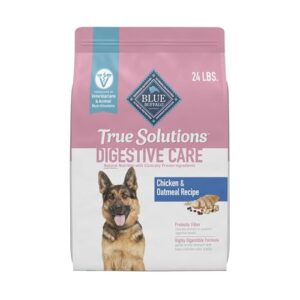
Sensitive stomachs get real attention here. Deboned chicken leads the ingredient list, backed by prebiotic fiber and fructooligosaccharides that nourish gut bacteria and firm up stool quality.
Brown rice, oatmeal, and beet pulp handle digestion gently, while flaxseed adds omega-3s for coat health. There’s no corn, wheat, or soy—just easily digestible nutrition for wolfhounds prone to loose stools.
Formerly sold as Blissful Belly, this formula suits adults needing consistent digestive support without sacrificing protein quality.
| Best For | Adult dogs with sensitive stomachs who need gentle, highly digestible nutrition to maintain firm, healthy stools. |
|---|---|
| Form | Dry kibble |
| Primary Protein | Chicken |
| Life Stage | Adult |
| Grain Status | Contains grains |
| Weight | 24.24 lbs |
| Preservatives | No artificial preservatives |
| Additional Features |
|
- Real deboned chicken as the first ingredient, paired with clinically proven prebiotic fiber for gut health
- Free of corn, wheat, soy, and poultry by-product meals, using whole grains like brown rice and oatmeal instead
- Formulated by veterinarians and animal nutritionists, with flaxseed and canola oil supplying omega-3 and omega-6 fatty acids
- Contains various supplements and mineral chelates that some owners may prefer to avoid
- Packaging may not always match the digital images shown online
- Name change from Blissful Belly could cause confusion for returning customers
9. Portland Pet Food Fresh Dog Pouches
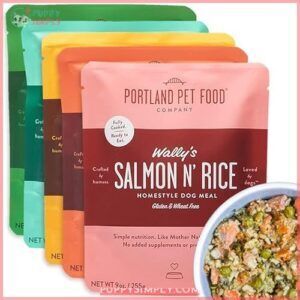
Freezer space is a real constraint in most kitchens, which makes this shelf-stable option worth a look. Each pouch holds 11 or fewer ingredients, human-grade and made in the USA, so you’re not decoding a chemistry label before dinner.
Five flavors—including Salmon N’ Rice and Beef N’ Rice—cover rotational feeding nicely. Microwave-safe packaging means quick warming, and the recipes work as a complete meal, topper, or mixer for finicky wolfhounds needing extra encouragement at the bowl.
| Best For | dog owners who want a convenient, human-grade meal option for picky eaters or dogs with sensitive stomachs, without the hassle of freezer storage. |
|---|---|
| Form | Wet food |
| Primary Protein | Salmon/Beef/Chicken/Turkey/Pork |
| Life Stage | All life stages |
| Grain Status | Rice-based |
| Weight | 5 pouch pack |
| Preservatives | No preservatives needed |
| Additional Features |
|
- Shelf-stable and microwave-safe, so there’s no thawing or refrigeration needed
- Simple, limited-ingredient recipes (11 or fewer) made with human-grade ingredients in the USA
- Flexible use as a complete meal, topper, or mixer, suitable for all life stages and breed sizes
- Pet parents with allergy-prone dogs need to check ingredient lists closely on each flavor
- Only five flavor options may limit long-term variety compared to other brands
- No cat formulas included, so multi-pet households need a separate product
10. Natural Balance Low Calorie Dog Food
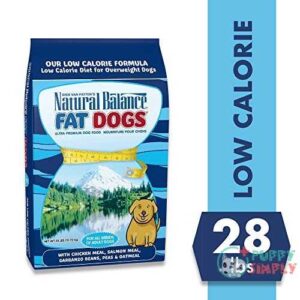
Weight creep is a legitimate risk for wolfhounds carrying that much frame, and this formula combats it directly with 25% fewer calories than standard recipes, built around chicken meal and salmon meal.
L-carnitine helps fat metabolism, while the added fiber mix—oats, barley, beet pulp—keeps your dog feeling satisfied between meals instead of pacing the kitchen. Garbanzo beans and peas round out the carb profile.
Available in 28-lb bags, it’s a practical pick once your vet flags body condition as an issue worth managing.
| Best For | Adult dogs of any size who need to shed extra pounds under a vet’s guidance, especially larger breeds prone to weight gain. |
|---|---|
| Form | Dry kibble |
| Primary Protein | Chicken meal |
| Life Stage | Adult |
| Grain Status | Contains grains |
| Weight | 28 lbs |
| Preservatives | Batch-tested safety |
| Additional Features |
|
- 25% fewer calories than standard formulas, using chicken and salmon meal to help maintain muscle while cutting weight
- L-carnitine plus a fiber-rich blend of oats, barley, and beet pulp supports fat metabolism and keeps dogs feeling full
- Batch-tested through the Feed with Confidence program for added safety and transparency
- Not built for high-energy or working dogs who need more calorie-dense nutrition
- Grains and legumes like garbanzo beans and peas may not work for dogs with grain sensitivities
- Bag packaging may look different than what’s pictured online
Irish Wolfhound Nutrition Needs

Irish Wolfhounds aren’t just big dogs, they’re giant-breed dogs with a distinct set of nutritional demands tied to their size and growth rate.
Getting the basics right matters more here than in most breeds, since even small imbalances can affect joints, bones, and heart health over time. Here’s what you need to know before picking a bag off the shelf.
High-quality Animal Protein
High-quality animal protein is non-negotiable for a giant breed carrying that much muscle mass. Look for named sources like chicken, lamb, or salmon meal with complete amino acid profiles and strong digestibility.
Higher DIAAS scores mean better absorption in the small intestine, supporting muscle protein synthesis. A protein-rich adult diet, at minimum 18%, keeps your wolfhound’s frame sturdy and well-maintained. Animal proteins commonly achieve high DIAAS values of 1 or higher, indicating excellent protein quality.
Moderate Fat Levels
Protein builds the frame, but fat fuels it. Giant breeds need at least 5% fat, with moderate levels around 25-35% of calories balancing energy density against appetite control.
Prioritize unsaturated sources, fish oils and modest monounsaturated fats, over saturated fillers. This helps fat-soluble vitamin absorption, steadier satiety between meals, and better metabolic health—without tipping calorie-dense kibble into weight-gain territory for your wolfhound.
Controlled Calcium and Phosphorus
Calcium and phosphorus work as a team, and giant breeds need that team tightly managed. Keep calcium under 1.2% and phosphorus below 1.0%, targeting a dietary calcium-phosphorus ratio near 1.1:1 to 1.4:1.
This controls bone growth regulation, limiting skeletal mineralization risks. Watch mineral bioavailability factors too—vitamin D and fat intake affect absorption, while proper renal phosphorus management protects kidney function long-term.
Joint-supporting Nutrients
Bones aren’t the only structure at risk—those joints carry enormous weight over a lifetime.
Glucosamine and chondroitin rebuild cartilage matrix and cushion joints, while MSM helps connective tissue. Omega-3s calm inflammation, and vitamin C aids collagen synthesis.
Together, these nutrients form real large-breed joint support, especially valuable as senior dog joint supplements once arthritis risk climbs in giant dogs.
Digestive Health Ingredients
Since a giant frame depends on steady digestion, gut health deserves as much attention as joints. Look for probiotic strains like Lactobacillus alongside prebiotic fiber sources such as inulin, which feed good bacteria and firm up stool.
Digestive enzymes help break down proteins and fats efficiently, while digestible carbs like rice reduce GI upset—key markers if you ever run a dog gut health test.
Choosing Food by Life Stage

Your wolfhound’s nutritional needs shift dramatically from bouncy puppyhood to those slower golden years, and the right food changes right along with them.
A growing pup, a lean adult, and an aging joint-sore senior each need a different balance of calories, protein, and support nutrients. Here’s how to match the bowl to the stage your gentle giant is actually in.
Irish Wolfhound Puppy Food
Growing a gentle giant takes precision, not guesswork. Puppies need 24-28% protein from named meats, plus a calcium-phosphorus ratio near 1.1:1 for safe skeletal mineral balance.
- High-quality animal protein for lean muscle
- Controlled calcium for orthopedic safety
- Omega-3s and glucosamine for early joint support
- Digestible carbs for weaning digestive care
Calories should scale with growth spurts, roughly 2,000-4,500 daily.
Adult Maintenance Diets
Once your wolfhound settles into adulthood, the game shifts from growth to sustained lean mass maintenance. Aim for 20-30% protein with named animal sources, 8-14% fat, and 3,500-4,000 kcal/kg dry matter for proper caloric density management.
Ideal protein ratios paired with essential amino acids like lysine support giant breed caloric needs without excess weight gain—key for long-term joint support and large breed nutrition success.
Senior Joint Support
By age seven or eight, your gentle giant’s joints have logged serious mileage, and the diet needs to catch up. Look for glucosamine and chondroitin paired with omega-3s for inflammation control, plus collagen peptides supporting cartilage directly.
Antioxidants like vitamin E work alongside these actives, not instead of them, while adequate protein preserves muscle mass that stabilizes aging joints—critical for large-breed joint support overall.
Weight Management Needs
A hundred extra pounds is one thing on a Great Dane’s frame, but on a wolfhound’s already-strained joints, it’s brutal.
Extra weight is tough on any big dog, but on a wolfhound’s joints, it’s brutal
Watch caloric density—Natural Balance Fat Dogs Low keeps calories controlled without starving your giant. Pair lean protein with fiber-rich veggies for satiety.
Use a dog calorie calculator, weigh portions rather than eyeballing them, and adjust for actual daily activity, not breed averages.
Sensitive Stomach Formulas
A gassy, gurgly gut can turn mealtime into a minefield.
Look for digestible protein sources like chicken, plus hydrolyzed protein or goat milk for tricky cases.
- Lactose reduction (under 2%)
- Probiotic strains (Lactobacillus)
- Beet pulp fiber for regularity
- Limited ingredient diet options
- Omega-3s for gut lining support
Blue Buffalo Digestive Care fits food sensitivities in dogs well—gentle, allergy-friendly, and built for real gastrointestinal health.
Health Issues Diet Can Support

Irish Wolfhounds carry some breed-specific health risks, and what’s in the bowl can make a real difference in managing them. From joints to heart function to skin sensitivities, the right nutrients act as everyday support rather than a cure. Here’s what to look for when you’re feeding for these common concerns.
Hip Dysplasia Support
Because their massive frames put constant strain on the hips, Irish Wolfhounds benefit from a hip dysplasia prevention diet rich in glucosamine and chondroitin, plus omega-3s for inflammation control.
| Benefits | Helps With |
|---|---|
| Glucosamine/chondroitin | Cartilage repair |
| Omega-3 fatty acids | Joint inflammation |
| Weight-load reduction | Less hip strain |
| Low-impact swimming | Joint-friendly movement |
Lean body condition remains essential largebreed joint support, alongside physical therapy guidance for senior dog joint support.
Bloat Prevention Feeding
Joints aren’t the only structural concern for these giants — their deep chests make them prone to gastric dilatation and volvulus, a life-threatening bloat.
Feed 2-3 smaller meals instead of one large sitting, using a slow feeder bowl to curb gulping. Keep bowls at floor level, limit activity within an hour of eating, and discourage rapid water chugging afterward.
Heart Health Nutrients
Bloat isn’t the only cardiac risk in giant breeds — Irish Wolfhounds also carry elevated rates of dilated cardiomyopathy.
Diets fortified with taurine and L-carnitine support heart muscle contraction, while omega-3 fatty acids from fish oil calm inflammation. Antioxidants like vitamin E guard cardiac tissue from oxidative stress. Balanced potassium keeps heartbeat rhythm steady — small nutrient details that add up to real protection.
Skin and Coat Health
A wolfhound’s coat reflects what’s on the plate. Essential fatty acids build skin barrier strength, sealing in moisture and blocking irritants.
Omega-rich fish meals supply EPA and DHA, cutting flakiness and boosting shine. Biotin thickens coat texture, while zinc and vitamin E support cell repair. Skip these micronutrients, and dullness follows fast.
Food Allergy Management
Since food allergies in dogs rarely announce themselves clearly, identifying triggers first matters more than swapping foods blindly.
- Try limited-ingredient formulas or hydrolyzed protein diets
- Practice strict cross-contact prevention
- Watch for GI upset or skin flares
- Screen for nutritional deficiencies during elimination
- Consider a dog allergy testing kit with your vet
Keep an emergency action plan ready, and monitor natural tolerance through periodic reassessment.
Feeding and Switching Tips
Choosing the right food is only half the job; feeding it correctly matters just as much for a giant breed prone to bloat.
Getting the calories, timing, and switching schedule right can make a real difference in your wolfhound’s comfort and long-term health. Here’s what you need to know before mealtime becomes second nature.
Daily Calorie Planning

Feeding a giant breed by guesswork is how weight problems start. Calculating TDEE (BMR × activity factor) gives you a real baseline—adult males usually need around 2,800 kcal daily.
Check the calorie density of dog foods you’re using, since values range from 340-485 kcal per cup. Track intake with a food scale or app, and reassess every 2-4 weeks based on weight trends.
Meal Frequency Guide

Twice-daily feeding works best for adult Irish Wolfhounds, splitting daily calories into two predictable meals rather than one large sitting that raises bloat risk. Puppies need three to four smaller meals until six months.
Build in post-meal rest windows—no vigorous activity for two hours—and avoid free-feeding, which invites calorie-controlled grazing and unpredictable weight gain in these gentle giants.
Safe Transition Schedule

Rushing a new food onto the menu is how bloat and diarrhea start. Use gradual mixing ratios—25/75, then 50/50, then 75/25—over 7 to 14 days, extending to 14 days for sensitive stomachs or seniors.
Puppy growth transitions and senior diet shifts both benefit from slower steps. Track digestive health daily: monitoring stool consistency on a 1–5 scale catches gastrointestinal trouble before it escalates.
Portion Control Tips

Precision beats guesswork with a breed this large. Weigh food on a kitchen scale rather than eyeballing cups—calorie density varies by formula (340–485 kcal/cup), so accuracy matters.
Compare portions to visual cues like a baseball for treats. Split daily calories into 2–3 measured meals, weigh your wolfhound weekly, and adjust rations by 5–10% based on trends, not guesswork.
When to Call Your Vet

Even the best diet plan can’t predict every emergency, so knowing the warning signs matters just as much as picking the right kibble.
- Gagging, blue gums, or nonstop coughing
- Bloated, hard belly with unproductive retching
- Collapse, circling, or sudden weakness
- Blood in vomit, stool, or urine
- Straining to pee with no results
Call immediately for respiratory distress, suspected poisoning exposure, gastrointestinal red flags, neurological collapse symptoms, or eye injuries—conditions like bloat, dilated cardiomyopathy, and osteosarcoma progress fast.
Frequently Asked Questions (FAQs)
What is the best food for an Irish Wolfhound?
No single "best" food exists, no perfect formula fits every wolfhound.
Human-grade, high-protein recipes with moderate fat and joint-supporting nutrients, like Honest Kitchen’s dehydrated chicken oat formula, best meet giant breed nutritional requirements while supporting bloat prevention and joint health.
How much should an Irish Wolfhound eat per day?
Most adult Wolfhounds need 400 to 800 calories daily, adjusted for activity level and body condition. Split into two meals, aiming for visible waist and palpable ribs. Weigh monthly, and recalculate calorie density (kcal/cup) if weight shifts unexpectedly.
What are Irish Wolfhounds prone to?
These gentle giants face hip dysplasia, bloat, dilated cardiomyopathy with heart rhythm irregularities, hypothyroidism, and pneumonia risk.
Deep chests and rapid growth make joint health, skeletal soundness, and anesthesia sensitivity ongoing concerns requiring proactive nutritional support and vigilant monitoring.
How to prevent bloat in Irish Wolfhounds?
Bloat can kill a wolfhound in under an hour, so prevention isn’t optional. Use slow feeder bowls, split meals into 2-3 smaller portions, delay exercise 1-2 hours post-meal, control water intake, and watch for retching or a swollen abdomen.
How much water should my Irish Wolfhound drink daily?
Aim for 1 ounce of water per pound of body weight daily — a 150 lb wolfhound needs roughly 150 oz. Adjust upward for heat, exercise, or working dogs; sudden changes in drinking warrant a vet check.
What treats are best for Irish Wolfhounds?
Funny enough, my own dog just spat out a jerky treat with the exact texture that works best for wolfhounds: soft, large-format chews, like Healthy Breeds Irish Wolfhound Jerky Bites in chicken or beef, plus glucosamine-rich joint snacks for training rewards.
How do I transition between different dog foods?
Switch gradually over 10-14 days: mix 25%, 50%, 75%, then 100% new food across stages lasting 3-4 days each. Watch stool consistency daily, stir portions evenly, and slow the pace if gastrointestinal upset appears.
Should I feed my Irish Wolfhound supplements?
Like a dial-up modem, patience matters here: only add joint support supplements or omega-3 fatty acids for a diagnosed need. Calcium excess risks growth abnormalities, and supplement overlap complicates things—introduce one at a time, and always loop in your vet.
What genetic diseases are Irish Wolfhounds prone to?
Genetics play a bigger role than most owners realize: dilated cardiomyopathy (heritability tied to specific loci), osteosarcoma (65% heritable), and atrial fibrillation (~69% heritable) run in wolfhound bloodlines, alongside hip dysplasia, FCEM, and a documented SERPINF2 bleeding-risk variant.
Are raw or homemade diets safe for wolfhounds?
Raw power, real peril: a raw BARF diet or homemade raw diet can suit giant-breed nutrient density, but bacterial contamination, bone injury hazards, and mineral imbalances make veterinary supervision essential, plus strict hygiene to prevent household cross-contamination.
Conclusion
Your wolfhound’s next decade hinges on choices you make at the food bowl today. The best dog food for Irish Wolfhounds isn’t the priciest bag or trendiest formula, it’s the one matching your dog’s age, joints, and gut to real nutritional science.
Calcium ratios and slow-feeder bowls aren’t optional extras. They’re safeguards against bloat and dysplasia. Feed with precision, and your gentle giant thrives well past what statistics predict.