
This site is supported by our readers. We may earn a commission, at no cost to you, if you purchase through links.

Most people picture a Chihuahua and get the same image: a round-skulled, bug-eyed dog trembling on someone’s lap. That’s the apple head — the show-ring standard. But a good chunk of Chihuahuas born every year look nothing like that.
The deer head Chihuahua has a longer muzzle, a gently sloping forehead, and legs that actually look proportionate to its body. It’s not a separate breed or a designer cross — it’s simply a natural variation that the AKC decided didn’t fit the mold. Breeders sidelined it. Owners kept falling for it anyway.
If you’re trying to figure out what you have, what to expect health-wise, or whether this dog fits your life, here’s what actually matters.
Table Of Contents
- Key Takeaways
- What is a Deer Head Chihuahua?
- Deer Head Chihuahua Appearance
- Deer Head Vs Apple Head Chihuahua
- History and Breed Recognition
- Temperament and Personality Traits
- Care Needs for Deer Heads
- Health Issues and Lifespan
- Cost and Buying Tips
- Frequently Asked Questions (FAQs)
- Where should a Chihuahua sleep at night?
- Are deer head Chihuahuas less aggressive?
- Is my Chihuahua an apple head or deer head?
- How much does a deer head Chihuahua puppy cost?
- How much should a deer head Chihuahua weight?
- What is a deer head Chihuahua?
- What are the personality issues with deer head Chihuahuas?
- What is the difference between a deerhead and apple head Chihuahua?
- Why are deer head Chihuahuas not recognized by AKC?
- How much do deer head chihuahuas cost to feed?
- Conclusion
Key Takeaways
- The deer head Chihuahua isn’t a separate breed — it’s just a natural shape variation within the Chihuahua gene pool that the AKC disqualifies from show rings, even though it’s 100% purebred.
- Its longer muzzle gives it a real health edge over the apple head: less dental crowding, easier breathing, and lower risk of the skull-related complications that come with a domed skull.
- Bold, loyal, and surprisingly independent, deer heads bond hard to one person and can tip into excessive barking or small-dog bossiness without consistent training and early socialization.
- Expect 14 to 16 years together, a first-year cost of roughly €700–1,500, and a daily routine built around two short walks, two measured meals, and regular vet checkups for knees, eyes, and heart.
What is a Deer Head Chihuahua?
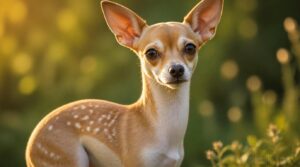
If you’ve ever seen a Chihuahua that looked a little less "purse dog" and a little more wild — longer nose, leggy build, ears like a baby deer — you’ve probably already met a deer head.
The deer head is actually one of two recognized head shapes — you can explore both types in this long-haired Chihuahua breed guide, alongside the rounder-faced apple head.
It’s not a separate breed, just a natural shape variation that gets a lot of people asking questions (and sometimes arguing on the internet). Here’s what you actually need to know.
Natural Chihuahua Variation
The deer head Chihuahua isn’t a separate breed — it’s a natural variation within the Chihuahua gene pool. Think of it like siblings who share the same parents but don’t look identical. Phenotype evolution and genetic diversity within the breed simply produced different head shapes and body proportions over generations.
Your dog is still 100% Chihuahua, just wearing a different face. These dogs often possess longer angular muzzles and generally weigh over 6 pounds.
Not a Separate Breed
No kennel club in the world lists the deer head as its own breed. The AKC classifies it purely as a phenotype — a physical variation within the Chihuahua breed. Pedigrees trace back through standard Chihuahua lineages, and genetic testing confirms the same heritage every time.
So if someone tries selling you a "rare deer head breed," that’s a red flag, not a feature.
Deer-like Head Shape
The name says it all. A deer head Chihuahua’s longer snout tapers gradually toward the nose, with the skull sloping gently rather than dropping at a sharp angle — nothing like the rounded dome of an apple head.
The angular facial profile, wider eye spacing, and flatter skull top all work together to create that distinctly slender, deer-esque silhouette you’d recognize instantly.
Common Owner Misconceptions
That sleek silhouette fools people into some surprisingly firm beliefs. Here are four misconceptions worth clearing up:
- Loyalty guarantees protection — it doesn’t; behavior depends on training.
- They’re hypoallergenic — no dog breed truly is.
- Deer head is a separate breed — it’s a head-shape variation, not a distinct classification.
- Special diets cure health issues — balanced portions help; miracles don’t exist.
Deer Head Chihuahua Appearance

The deer head Chihuahua has a look that’s hard to mistake once you know what you’re looking for. From the shape of the head down to the length of the legs, every feature tells you something about this dog. Here’s what makes their appearance stand out.
Long Muzzle
That elongated snout is one of the deer head Chihuahua’s most recognizable features. The long muzzle stretches the facial profile noticeably, giving the head shape a silhouette closer to a small fox than the domed look of an apple head.
It also allows slightly better airflow through the nasal passages and creates more room for teeth to sit without crowding.
Sloping Forehead
Right behind that long muzzle, the forehead angles back at 30 to 45 degrees, creating a smooth, sloping profile that mirrors a deer’s skull more than a dog’s domed crown.
This backward tilt of the frontal bone is what gives the breed its signature look — less pronounced brow ridge, gentler slope, a face that reads elegant rather than round.
Larger Upright Ears
Those large, upright ears — 2.5 to 3.5 inches tall — define the deer head Chihuahua’s fox-like look and canine morphology. Firm ear cartilage holds them erect. Here’s what they do:
- Rotate up to 40 degrees for sound localization
- Forward canals pinpoint directional noise
- Ear symmetry reinforces breed differentiation
- Ear height balances head shape and muzzle
- Rigid tips offer ear tip protection
Longer Legs
Those longer legs aren’t just a cosmetic quirk — they give the deer head Chihuahua a noticeably taller, leaner silhouette that sets it apart in breed differentiation at a glance.
Stride length benefits real movement too. More leg means more ground covered per step, so your dog walks efficiently without burning out. That extra power also sharpens jumping mechanics during play.
Coat Colors and Types
Your deer head’s coat surprises most people. Pigment gene basics drive every shade — eumelanin produces darks, pheomelanin creates reds and yellows.
- Solid colors: black, fawn, chocolate, or white
- Dilution color effects: blue or lilac shades
- White spotting patterns: piebald or tricolor
- Rare coat variations: merle or brindle
Both coat types — smooth coat or longhaired Chihuahua — shape your dog grooming routine.
Deer Head Vs Apple Head Chihuahua
People mix these two up constantly, and honestly, it’s an easy mistake to make. But once you know what to look for, the differences between a deer head and an apple head Chihuahua are pretty hard to miss. Here’s how they actually compare across the features that matter most.
Head and Muzzle Shape
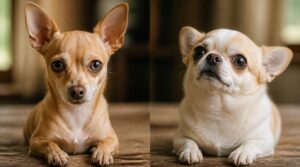
The gap between these two comes down to geometry. A deer head Chihuahua carries a longer snout with a gentle forehead stop, while the Apple Head Chihuahua has a steep stop and rounded skull.
| Feature | Deer Head vs Apple Head |
|---|---|
| Muzzle | Long vs short |
| Forehead stop | Gentle vs steep |
| Skull shape | Narrow vs rounded |
| Ear leather | Thin, erect vs varied |
| Cranial cap width | Slender vs broad |
Body Proportions

Where the head shape leaves off, the body picks up the contrast. Limb-to-body ratios run longer on the deer head — taller legs, a slimmer torso, and gait ergonomics that favor smooth, fluid movement. Skeletal growth patterns stabilize around one year, locking in that athletic frame. Size and weight stay small; the silhouette just reads taller and more elongated.
| Trait | Deer Head vs Apple Head |
|---|---|
| Leg length | Longer vs shorter |
| Torso | Slim vs stocky |
| Overall frame | Elongated vs compact |
Eye Prominence
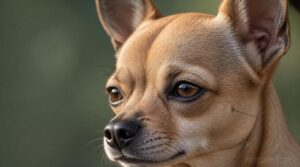
Those oval eyes sit deeper in the socket than an apple head’s. That difference traces back to orbital anatomy — the shape of the eye socket controls how far the globe protrudes forward. Apple heads show more visible sclera, lending that wide-awake, alert look. Corneal exposure risk climbs with prominence, so the deer head’s lower protrusion is a quiet health advantage.
| Feature | Deer Head | Apple Head |
|---|---|---|
| Eye shape | Oval | Rounder |
| Socket depth | Deeper | Shallower |
| Sclera visibility | Less | More |
| Corneal exposure risk | Lower | Higher |
| Visual alertness look | Subtle | Pronounced |
Breed Standard Differences

The AKC breed standard favors the apple head’s domed skull, rejecting the deer head’s 30–45-degree slope as non-conforming.
| Feature | Deer Head | Apple Head |
|---|---|---|
| Skull angle | 30–45° slope | Rounded dome |
| Muzzle proportion | Longer ratio | Shorter, compact |
| Show eligibility | Disqualified | Accepted |
| Ear carriage | High, erect | Moderate |
| Silhouette | Elongated, upright | Compact, squat |
Your deer head isn’t lesser — just outside official conformation rules.
Health Comparison
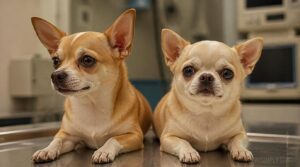
Breed standard differences don’t follow you home — but health differences do.
| Health Area | Deer Head Advantage |
|---|---|
| Dental crowding | Longer muzzle = more tooth space |
| Respiratory ease | Less structural compression |
| Neurological risk | Fewer skull-related complications |
Both types still face patellar luxation, hypoglycemia, and eye conditions. Weight management matters for both — excess pounds strain small joints fast.
History and Breed Recognition

The deer head Chihuahua has a longer history than most people realize, stretching back thousands of years before the breed ever had a name. Understanding where they came from — and why they’re treated the way they are today — puts a lot in perspective. Here’s what you should know about their origins, official standing, and cultural footprint.
Chihuahua Breed Origins
The Chihuahua’s story starts long before dog shows or breed registries existed. Archaeological evidence from Mexico dates tiny dogs matching the Chihuahua’s profile back to the 9th century CE.
- The breed name comes from the Mexican state of Chihuahua
- Spanish trade routes introduced new genetic material over centuries
- The AKC formally recognized the breed in the early 20th century
Ancient Techichi Ancestry
Long before pedigrees existed, the deer head Chihuahua’s roots trace back to the ancient Techichi, a dog woven into Toltec and Aztec daily life. These weren’t just pets — they were status markers and ritual companions, sometimes buried alongside their owners.
Trade networks spread Techichi dogs across Mesoamerica, gradually shaping the small, loyal companion you recognize today.
AKC Breed Standards
Here’s the thing: the AKC doesn’t recognize the deer head shape at all. Its official breed standard favors the rounded, apple-shaped skull — so deer heads are disqualified from conformation shows based on judging criteria alone.
That doesn’t affect purebred status, but it does mean standard compliance and breed type uniformity simply aren’t on the table for this head shape.
Purebred Status
A deer head Chihuahua can absolutely be purebred — AKC show eligibility and purebred status aren’t the same thing. Purebred recognition requires 87.5% traceable ancestry to the breed’s foundation stock, plus authenticated pedigree documentation with a registry-assigned number.
So even without breed standard conformity, a deer head with verified lineage papers is genuinely purebred — just ineligible for conformation showing.
Taco Bell Fame
Gidget, the Taco Bell mascot, debuted in 1994 and turned the deer head Chihuahua into a pop culture icon almost overnight. Her bold, sassy confidence matched the breed’s real personality to a tee.
- Compact yet fearless build
- Expressive, wide-set eyes
- Fiercely loyal to one owner
That campaign didn’t just sell tacos — it introduced millions to a breed they’d never considered.
Temperament and Personality Traits

Don’t let the small size fool you — deer head Chihuahuas have personality in spades. They’re loyal, bold, and surprisingly complex little dogs, and how they act depends a lot on how they’re raised and socialized. Here’s what you can expect regarding their temperament.
Loyal Owner Bonds
Few companion animals bond as selectively as a deer head Chihuahua — it picks you, and that’s that.
Their personality and temperament thrives on predictable routines. Building trust means responding consistently to your dog’s cues — this canine temperament rewards attentive handling with lasting loyalty.
| Bond Behavior | What Triggers It | How to Respond |
|---|---|---|
| Following room to room | Attachment and security-seeking | Accept calmly |
| Seeking closeness | Loud noises or travel | Offer quiet comfort |
| Alert barking | Protective instincts | Redirect with a calm command |
Reward training and routine consistency help manage dependency — essential companion animal traits to nurture early.
Bold and Confident Nature
That loyalty comes packaged with something unexpected: sheer audacity.
Your deer head Chihuahua operates like it didn’t get the memo about being small. Bold and assertive by nature, it makes decisions fast, holds its ground, and projects confidence that genuinely surprises first-time owners.
Think of it as authentic leadership presence in a 6-pound frame — unapologetic, direct, and completely unbothered.
Six pounds of pure audacity — unapologetic, direct, and completely unbothered by its own size
Independence Levels
That boldness has a quieter side too. Compared to apple heads, deer heads are much more independent by temperament — content to entertain themselves, patrol a room solo, or settle without constant reassurance.
Separation anxiety is still possible, but less intense with early exposure to alone time. They make decisions, hold social boundaries, and don’t demand your attention every waking minute.
Barking Tendencies
That independence doesn’t mean silence. Deer heads bark — territorially, alertly, and sometimes out of pure boredom — but the triggers matter:
- Territorial defense at boundaries
- Alarm barks for sirens or strangers
- Attention-seeking when understimulated
Consistent obedience training and puzzle toys reduce frequency fast. Anxiety barking, marked by repetitive yelping and tucked body language, needs gradual desensitization, not scolding.
Socialization Needs
Early bark training and socialization go hand in hand. Daily exposure to people, other dogs, and new environments builds the confidence a deer head needs to stay calm instead of reactive.
Positive reinforcement during introductions — treats, calm praise — works far better than correction. Start young, keep sessions short, and stay consistent. That routine alone shapes a well-adjusted, handling-tolerant dog.
Care Needs for Deer Heads

Deer head Chihuahuas are surprisingly low-maintenance, but they do have a few non-negotiable needs you’ll want to get right from day one.
Their small size doesn’t mean small responsibility — feeding schedules, grooming habits, and daily routines all matter more than most people expect. Here’s what caring for one actually looks like day to day.
Food and Feeding Schedule
Feed your deer head Chihuahua two measured meals daily — skipping free-feeding helps prevent hypoglycemia, a real risk for small breeds. Puppies need three to four meals spread through the day.
Keep treats under 10% of daily calories. Always leave fresh water out; dry kibble increases thirst. Introduce new foods gradually over a week to avoid digestive upset.
Daily Exercise Needs
Thirty minutes of daily movement is all your deer head needs — split into two short walks rather than one long haul.
Vary your route when you can. New smells and sights count as mental work, not just mileage. On hot days, cut intensity back; small dogs overheat faster than you’d expect. Avoid repeated jumping — their joints don’t forgive hard landings.
Grooming by Coat Type
Your deer head’s coat type drives everything.
Short smooth coats need just weekly brushing and a bath every four to six weeks. Long silky hair demands brushing twice weekly — skip the conditioner and you’ll fight tangles constantly. If yours has a double coat, plan for two to three brushing sessions weekly, especially during shedding season.
Dental Care Routine
Deer heads actually dodge the worst dental overcrowding that plagues apple heads — but that doesn’t mean you can skip brushing. Aim for daily tooth brushing using a soft-bristle brush and enzymatic pet toothpaste; never use human toothpaste, which contains fluoride unsafe for dogs to swallow.
Dental chews help scrape debris between sessions, though they supplement brushing — they don’t replace it. Schedule a professional dental exam yearly.
Apartment Living Suitability
Few toy breeds adapt to apartments as naturally as a deer head Chihuahua. Small footprint, big personality — they genuinely thrive in compact spaces.
Five reasons apartment life works:
- Two short daily walks satisfy their exercise needs
- Quiet hours align with their calm indoor temperament
- Pet-friendly policies increasingly include small breeds
- Soundproofing limits bark-related neighbor complaints
- Compact size fits any floor plan comfortably
Early socialization keeps barking manageable.
Health Issues and Lifespan

Deer head Chihuahuas are surprisingly sturdy little dogs, but they do come with some health considerations worth knowing before you commit. Their long lifespan — often 14 to 16 years — means you’ll be managing these issues for a long time, so it pays to know what you’re walking into. Here’s what to watch for.
Average Life Expectancy
Few dogs in this size category outlive a deer head Chihuahua — expect 14 to 16 years, with some reaching 20. That’s a serious long-term commitment worth planning for.
| Life Stage | Typical Age Range |
|---|---|
| Puppy | 0–1 year |
| Junior | 1–3 years |
| Adult | 3–8 years |
| Senior | 8–12 years |
| Geriatric | 12+ years |
Their healthspan gap matters here — aging care shifts noticeably after year 8. Consistent vet visits and adjusted nutrition help bridge lifespan and care through those final milestones.
Hypoglycemia Risk
That long lifespan comes with one recurring vulnerability: low blood sugar. Small body size means limited energy reserves, so skipping meals or spacing them too far apart can trigger weakness, trembling, or seizures within hours.
Feed two to three small meals daily on a consistent schedule. If your dog vomits or refuses food, act fast — glucose drops quickly in small breeds.
Patellar Luxation
Hypoglycemia isn’t the only thing working against those small legs. Patellar luxation — where the kneecap slips out of its femoral groove — is common in this breed. When it luxates, the knee can’t extend properly, causing that characteristic skipping gait.
Severity runs Grade 1 to 4. Repeated dislocation wears cartilage, eventually triggering joint inflammation and osteoarthritis.
Eye Problems
Those joints aren’t the only weak point. Eye problems hit this breed hard, often tied to its canine anatomy and genetics:
- Glaucoma silently injures the optic nerve before symptoms appear.
- Cataracts gradually cloud the lens, blurring vision over months or years.
- Corneal ulcers cause sharp pain, redness, and light sensitivity.
- Dry eye irritates the surface and raises your infection risk.
Heart Health Concerns
Heart disease is a breed-wide genetic risk Chihuahuas carry. Watch for reduced stamina, coughing when lying down, or faster resting breathing — these signal trouble.
| Warning Sign | Possible Meaning |
|---|---|
| Tiring quickly on walks | Reduced cardiac output |
| Coughing at rest | Heart strain or fluid buildup |
| Irregular heartbeat | Arrhythmia |
| Appetite loss | Serious heart disease |
A vet detects murmurs through auscultation, then confirms with an echocardiogram. Moderate controlled exercise stays safe once cleared — but sudden breathing changes during activity mean stop and call your vet.
Cost and Buying Tips

Bringing a deer head Chihuahua home comes with real costs worth knowing upfront. Whether you’re going through a breeder or checking local shelters, the numbers can vary quite a bit. Here’s what to look at before you commit.
Puppy Price Range
Deer head Chihuahua puppies from reputable breeders usually run $400 to $1,200, though lineage and breeder reputation push that ceiling higher fast. Regional demand matters too — urban breeders often charge more than rural ones.
Hidden costs add up quickly. Factor in early vet visits, supplies, and microchipping before committing to any price tag.
Adoption Costs
Adopting from a shelter runs $150 to $300 — a fraction of breeder pricing.
- Shelter fees often include spaying/neutering and initial vaccinations
- Home study costs can add $500 to $1,200 depending on the agency
- Legal processing fees range from $150 to $500 in some cases
That’s real savings, though the full process takes patience.
Breeder Red Flags
Not every seller with a cute litter photo deserves your trust. Missing health documentation alone should stop you cold — reputable breeders share genetic test results for at least two generations of pedigree characteristics.
| Red Flag | What It Looks Like | Why It Matters |
|---|---|---|
| Missing health records | No parent health test documentation | Masks genetic health issues |
| Poor kennel sanitation | Dirty facilities, strong odors | Raises disease and stress risk |
| Overbreeding signs | Multiple litters from the same dam | Compromises care and dog health |
| Unclear return policies | No written contract provided | Leaves the buyer unprotected |
| Lack of socialization | Puppies raised in isolation | Causes behavioral problems later |
Walk away if unclear return policies or poor kennel sanitation show up. A trustworthy breeder always follows breed standards and genuinely welcomes scrutiny.
Purebred Verification
Claiming "purebred" means nothing without proof. Request pedigree papers from at least three generations, then verify registration numbers through an AKC or UKC registry search.
- DNA breed testing confirms ancestry but works best alongside documented lineage
- Genetic screening results reveal breed-specific health risks early
- Breeder transparency — sharing records openly — is itself a green flag
Trust the paperwork, not the pitch.
First-year Expenses
The first year costs more than most expect. Between initial setup costs, vet visits, and supplies, expect €700–1,500 before your pup finishes a bag of kibble.
| Expense Category | Estimated Cost (€) |
|---|---|
| Initial Setup Costs | 150–310 |
| Veterinary Wellness Budget | 110–270 |
| Nutrition Monthly Expenses | 25–60/month |
| Grooming Supply Investment | 15–40 |
| Emergency Fund Planning | 200–500 |
Always build in an emergency fund — unexpected vet bills happen.
Frequently Asked Questions (FAQs)
Where should a Chihuahua sleep at night?
Your Chihuahua sleeps best in a warm, draft-free spot — a cushioned bed, a crate lined with fleece, or beside you. Just make sure they can’t roll off anything high.
Are deer head Chihuahuas less aggressive?
Think of aggression like a dial — environment and handling do most of the turning. Head shape plays almost no role. What shapes behavior is early socialization, consistent training, and how the dog feels physically.
Is my Chihuahua an apple head or deer head?
Look at your dog’s profile: a rounded, dome-shaped skull with an abrupt 90-degree stop means apple head. A gently sloping forehead that angles smoothly into a longer muzzle points to deer head.
How much does a deer head Chihuahua puppy cost?
Puppy prices usually run $400 to $1,200 from a reputable breeder. Shelters charge far less — usually $150 to $300. Long-haired deer head Chihuahuas often cost $100 to $300 more than their short-haired counterparts.
How much should a deer head Chihuahua weight?
Like a teacup that’s just right, a healthy adult weight sits between 4 and 6 pounds, though some reach Their longer legs can make them look slimmer than they are.
What is a deer head Chihuahua?
A deer head Chihuahua is a natural phenotype variation within the Chihuahua breed — not a separate classification. It’s named for its elongated muzzle and gently sloping forehead, which echo the facial proportions of a young deer.
What are the personality issues with deer head Chihuahuas?
Imagine leaving your dog alone most of the day — separation anxiety kicks in fast. Bold by nature, they can tip into small dog syndrome, showing excessive barking and stubborn streaks that need clear, firm boundaries.
What is the difference between a deerhead and apple head Chihuahua?
The main split comes down to skull shape. Apple heads have a rounded, dome-like skull with a near 90-degree muzzle junction. Deer heads show a gradual 45-degree slope, a longer muzzle, leaner body, and less prominent eyes.
Why are deer head Chihuahuas not recognized by AKC?
Ironically, being purebred isn’t enough. The AKC judges conformation show eligibility by phenotype — specifically the apple head’s rounded skull — so a deer head’s sloped forehead disqualifies it despite sharing identical genetics.
How much do deer head chihuahuas cost to feed?
Feeding one of these tiny dogs runs $15 to $30 monthly on quality small breed kibble — roughly $180 to $360 per year. Premium diets can push that closer to $60 a month.
Conclusion
Long before the AKC drew its lines, the deer head Chihuahua was already winning people over — just by being itself. No show-ring approval required. These dogs are small but structurally sounder than their apple-headed cousins, with fewer breathing issues and a body that actually fits together.
What they need from you is consistent training, early socialization, and regular vet visits. Give them that, and you’ll have a loyal, sharp-witted companion for 15 years or more.
- https://www.adoptapet.com/blog/breeds/apple-head-vs-deer-head-chihuahua
- https://dogacademy.org/breeds/deer-head-chihuahua
- https://www.wisdompanel.com/en-us/blog/deer-head-vs.-apple-head-chihuahua
- https://www.codapet.com/senior-pet-care/the-average-lifespan-of-a-chihuahua
- https://www.purelypetsinsurance.co.uk/blogs/how-long-do-chihuahuas-live