This site is supported by our readers. We may earn a commission, at no cost to you, if you purchase through links.
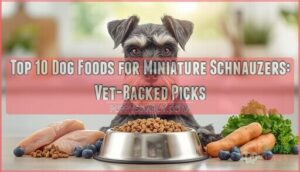
Your Miniature Schnauzer’s compact frame and energetic personality require precise nutritional balance—yet breed-specific vulnerabilities like pancreatitis and bladder stones make food selection more complex than simply choosing a premium brand. These dogs metabolize fats differently than other breeds, and their tendency toward obesity compounds health risks when dietary composition isn’t carefully managed.
The wrong protein-to-fat ratio can trigger inflammation in their sensitive pancreas, while insufficient fiber affects both glucose regulation and digestive efficiency. Getting nutrition right means understanding how whole protein sources, essential fatty acids, and balanced mineral content specifically support your Schnauzer’s immune function, coat health, and metabolic needs.
The products reviewed here meet AAFCO standards while addressing the distinct physiological requirements that separate Miniature Schnauzers from other small breeds.
Table Of Contents
- Key Takeaways
- What Makes Good Dog Food for Miniature Schnauzers
- Key Nutritional Needs by Life Stage
- Health Issues Affecting Food Choice
- Top 10 Dog Foods for Miniature Schnauzers
- 1. Honest Kitchen Whole Grain Chicken Dog Food
- 2. Nutro Ultra Adult Dog Food
- 3. JustFoodForDogs Beef Dog Food
- 4. Open Farm Grain Free Dog Food
- 5. Blue Buffalo Adult Dog Food
- 6. Open Farm Senior Dog Food
- 7. Acana Wholesome Grains Dog Food
- 8. Blue Buffalo Digestive Care Dog Food
- 9. Portland Pet Food Fresh Dog Meals
- 10. Natural Balance Low Calorie Dog Food
- How to Choose The Right Dog Food
- Transitioning Your Miniature Schnauzer’s Diet
- Feeding Tips for Miniature Schnauzer Health
- Frequently Asked Questions (FAQs)
- Conclusion
Key Takeaways
- Miniature Schnauzers require 8-14% dietary fat and controlled calories to prevent breed-specific pancreatitis and obesity, making fat management your primary nutritional consideration when selecting food.
- High-quality animal proteins (chicken, beef, fish) combined with 2-5% fiber content support your Schnauzer’s digestive health, lean muscle maintenance, and stable blood glucose without triggering common sensitivities.
- Life-stage nutrition matters significantly—puppies need 28-32% protein with 3-4 daily meals, adults require 18-28% protein twice daily, and seniors benefit from joint-supporting omega-3s with reduced calories after age seven.
- Gradual food transitions over 7-10 days prevent digestive crises in this sensitive breed, while portion control at 20-30 calories per pound daily and limiting treats to 10% of intake protect against weight-related complications.
What Makes Good Dog Food for Miniature Schnauzers

Your Miniature Schnauzer needs more than just any dog food—they need the right balance of nutrients that support their unique breed characteristics and health vulnerabilities. Understanding what separates quality nutrition from filler-packed formulas will help you make confident decisions at the pet store or your vet’s office.
Many vet-approved raw dog food delivery services now offer breed-specific formulations that take the guesswork out of meeting your Schnauzer’s nutritional requirements.
Let’s break down the essential nutritional components that should guide your search for the best food.
If your dog is dealing with liver issues, choosing the right nutrition becomes even more critical—foods designed for dogs with liver disease focus on easily digestible proteins and balanced minerals to support recovery.
Essential Nutrients for Miniature Schnauzer Health
Your miniature schnauzer’s dietary needs center on six core nutrients that work together like a well-tuned engine. Protein sources build tissue, while healthy fats fuel energy and nutrient absorption.
A good homemade dog food plan for schnauzers ensures these nutrients work in harmony to support your pup’s long-term health.
Balance calcium and phosphorus at roughly 1.2:1 to support strong bones, and verify zinc reaches 150–200 mg/kg for coat health.
Many owners find that high-quality Akita formulas already balance these minerals correctly, saving you from manual supplementation.
Don’t overlook hydration—fresh water bolsters every bodily function in canine nutrition.
For breed-specific guidance on balanced meals and proper water intake, explore these Cavalier King Charles Spaniel homemade food recipes that prioritize hydration alongside nutrition.
Importance of High-quality Protein and Healthy Fats
Quality protein sources—like whole chicken, beef, or fish—maintain your schnauzer’s lean muscle and immune defenses while improving stool consistency. Pair that with essential fatty acids such as linoleic and alpha-linolenic acids to nourish skin, coat, and cognitive health.
This nutrient balance promotes fat metabolism and energy needs without tipping the scale toward obesity, safeguarding miniature schnauzer health across every life stage.
Role of Fiber and Digestibility
Fiber benefits your miniature schnauzer’s digestive health by regulating gut motility and improving stool quality. Soluble fibers like beet pulp slow gastric emptying and stabilize blood glucose, while insoluble fibers such as cellulose support nutrient absorption and add fecal bulk.
You’ll want foods with 2–5% fiber content to promote healthy digestion without triggering gas or soft stools—striking that balance matters for your dog’s comfort.
Avoiding Harmful Ingredients and Additives
Beyond fiber, you need to scrutinize dog food labels for ingredients that harm your Miniature Schnauzer’s health. Avoid artificial colors like Red 40 and preservatives such as BHA or BHT—these additives trigger allergies and sensitivities in some dogs.
Ingredient transparency and contaminant testing matter; choose brands with AAFCO statements and traceable sourcing. Vet-approved, additive-free diets minimize risks and support safe sourcing practices your schnauzer deserves.
Key Nutritional Needs by Life Stage

Your Miniature Schnauzer’s nutritional needs aren’t static—they shift markedly as your dog moves from playful puppy to active adult to their golden years. Feeding the same formula throughout their entire life won’t provide the targeted support their changing body requires at each stage.
Let’s break down what your Schnauzer needs during puppyhood, adulthood, and their senior years so you can adjust their diet accordingly.
Puppy-specific Dietary Requirements
Your Miniature Schnauzer puppy’s first year of life demands a nutritional foundation that’s fundamentally different from what adult dogs need, as their rapidly developing bodies require precise ratios of protein, fat, calcium, and phosphorus to support healthy growth without triggering future health complications. During weaning methods and growth stages, puppy nutrition becomes your primary focus for breed-specific nutrition success.
- Look for puppy food formulated with 28-32% protein and 15-20% fat to fuel rapid development
- Feed three to four times daily until six months, then shift to twice-daily feeding schedules
- Choose calcium-to-phosphorus ratios between 1:1 and 1.8:1 to prevent skeletal abnormalities
- Avoid dietary supplements unless your veterinarian identifies specific deficiencies during puppy development
- Select AAFCO-approved formulas marked “for growth” to guarantee complete dog nutrition
Nutritional Needs for Adult Miniature Schnauzers
Once your Miniature Schnauzer reaches maturity, you’ll need to recalibrate their diet with 18-28% protein sources and 8-12% fat requirements to maintain lean muscle without excess weight gain.
Carbohydrate needs should include digestible grains or vegetables for sustained energy, while mineral balance—especially calcium and phosphorus ratios—aids long-term joint health.
Vitamin supplements are usually unnecessary with quality pet food options designed for breed-specific nutrition.
Special Considerations for Senior Miniature Schnauzers
As senior dogs age past seven years, your Miniature Schnauzer needs strategic dietary adjustments to maintain health and wellness. Veterinary recommendations emphasize three age-related priorities:
- Joint health support through omega-3 fatty acids and glucosamine for mobility
- Calorie-controlled small breed dog food preventing weight gain that stresses aging joints
- Dental care-focused kibble supporting oral hygiene as chewing ability declines
Regular health monitoring ensures senior nutrition meets individual needs.
Health Issues Affecting Food Choice

Miniature Schnauzers are predisposed to several health conditions that directly impact what you should feed them, and choosing the wrong food can turn a manageable issue into a serious problem.
Understanding these breed-specific concerns helps you select a diet that nourishes your dog’s health rather than compromising it.
Let’s look at the most common health issues that should guide your food choices for your Miniature Schnauzer.
Preventing Pancreatitis and Managing Fat Intake
Pancreatitis ranks among the most serious digestive threats facing Miniature Schnauzers, and fat management becomes your first line of defense. You’ll want to target 8–14% dietary fat for most adults, choosing vet-approved formulas with single-source animal fats rather than heavily processed blends.
Split daily meals into 2–3 smaller portions to ease digestion, and make dietary adjustments gradually over 1–2 weeks to prevent flare-ups.
Managing Diabetes and Weight Control
Diabetic Miniature Schnauzers need consistent feeding schedules to stabilize blood glucose levels and prevent dangerous post-meal spikes. Weight control becomes critical since shedding excess pounds improves insulin sensitivity and reduces your dog’s insulin therapy requirements.
Focus on vet-approved dog food formulas with controlled calories (around 300–350 kcal per cup), high fiber content for satiety, and moderate fat intake—these three elements form the foundation of successful diabetes management and healthy weight maintenance for your Miniature Schnauzer.
Diet for Bladder Stone Prevention
Your Miniature Schnauzer’s urinary health depends heavily on what fills their bowl each day. Vet-approved stone prevention diets emphasize moisture-rich formulas with balanced dietary minerals—particularly controlled calcium, phosphorus, and magnesium—to discourage crystal formation in the bladder. Pair this with hydration management strategies like adding water to meals, and you’ll support kidney function while reducing stone recurrence risk through targeted canine nutrition advice.
| Dietary Factor | Stone Prevention Strategy |
|---|---|
| Moisture Content | Feed wet food or add water to kibble for dilute urine |
| Mineral Balance | Choose formulas with moderate calcium and controlled phosphorus |
| Protein Quality | Select high-quality animal proteins that minimize urinary waste |
| Feeding Schedule | Maintain consistent meal times to stabilize urinary patterns |
Addressing Food Allergies and Sensitivities
While bladder stones respond to dietary minerals, your Miniature Schnauzer’s itching or digestive upset might signal food allergies affecting 1–2% of dogs. Vet-approved dietary trials using novel proteins like duck or venison help identify triggers—beef, chicken, and dairy top the culprit list.
Sensitivity diets with limited ingredients support allergen avoidance better than food allergy tests, giving your dog’s sensitive stomach relief within weeks.
Top 10 Dog Foods for Miniature Schnauzers
After reviewing hundreds of commercial dog foods and consulting with veterinary nutritionists, I’ve identified ten options that meet the specific nutritional requirements your Miniature Schnauzer needs.
Each of these formulas tackles common breed concerns like pancreatitis risk, weight management, and digestive sensitivity while providing complete and balanced nutrition.
You’ll find options ranging from fresh whole food diets to high-quality kibble, allowing you to choose what works best for your dog’s preferences and your lifestyle.
1. Honest Kitchen Whole Grain Chicken Dog Food
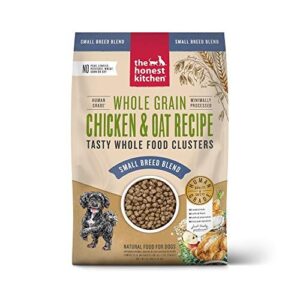
The Honest Kitchen Whole Grain Chicken Dog Food delivers human-grade ingredients through an air-dried process that preserves nutrients your Miniature Schnauzer needs. This vet-approved dog food features real chicken as the primary protein source, supporting lean muscle mass while maintaining moderate fat levels appropriate for breeds prone to pancreatitis.
The grain-inclusive formula with rice or oats promotes healthy digestion for dogs without triggering common food sensitivities. You’ll find no artificial preservatives or fillers—just wholesome ingredients that support pet wellness through balanced nutrition.
| Best For | Miniature Schnauzer owners looking for a digestible, grain-inclusive option with human-grade chicken and no artificial additives—especially helpful for dogs with dental issues or sensitive stomachs. |
|---|---|
| Brand | The Honest Kitchen |
| Primary Flavor | Chicken |
| Form | Dry |
| Age Range | All Life Stages |
| Weight | 10 pounds |
| Special Features | No fillers or meat meal |
| Additional Features |
|
- Real chicken and whole food ingredients support lean muscle and healthy digestion without fillers or by-products
- Air-dried processing keeps nutrients intact while offering flexible feeding (serve dry or rehydrate for softer texture)
- Suitable for all life stages with balanced protein and fat levels appropriate for small breeds prone to pancreatitis
- Higher price point compared to conventional kibble may not fit every budget
- Mixed feedback on crumble consistency and taste preferences among dogs
- Expands in the stomach, requiring careful portion control to avoid overfeeding
2. Nutro Ultra Adult Dog Food
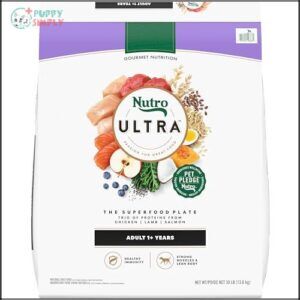
Nutro Ultra Adult Dog Food combines chicken, lamb, and salmon into a multi-protein blend that aids your Miniature Schnauzer’s muscle health and coat condition. You’ll appreciate the inclusion of 14 superfoods alongside omega-3 and omega-6 fatty acids, which work together to maintain skin and coat vitality while aiding immune function.
This vet-approved formula excludes corn, wheat, and soy—common allergen triggers—while providing natural fiber for digestive aid. Dog food reviews consistently highlight improved coat shine and sustained energy, making Nutro Ultra a solid choice for adult feeding and thorough pet care and nutrition.
| Best For | Adult Miniature Schnauzers who need a multi-protein diet to support muscle health, coat condition, and overall immunity without common allergens like corn, wheat, or soy. |
|---|---|
| Brand | Nutro |
| Primary Flavor | Chicken, Lamb & Salmon |
| Form | Dry Kibble |
| Age Range | Adult |
| Weight | 30 Pounds |
| Special Features | No corn, wheat, or soy |
| Additional Features |
|
- Triple protein blend (chicken, lamb, salmon) plus 14 superfoods gives your dog diverse nutrients for muscle maintenance and energy
- Omega fatty acids and natural fiber work together to promote healthy skin, shiny coat, and smooth digestion
- No corn, wheat, soy, or chicken by-products means fewer allergen concerns for sensitive dogs
- Higher price point compared to single-protein or budget dog foods may strain your wallet over time
- Some picky eaters might find the flavor less appealing than stronger-tasting options like bacon or cheese
- Switching from cheaper brands could feel like a tough call if you’re watching your pet budget closely
3. JustFoodForDogs Beef Dog Food
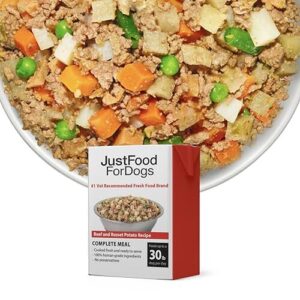
JustFoodForDogs Beef Dog Food delivers human-grade fresh ingredients directly to your Miniature Schnauzer’s bowl, featuring lean ground beef and beef heart combined with russet potatoes and carrots for ideal nutrient balance.
This vet-approved option provides 40% better digestibility than traditional kibble, directly tackling sensitive stomach concerns common in the breed. Dog food reviews emphasize improved energy levels and shinier coats.
The shelf-stable Tetra Pak packaging maintains beef nutrition quality without refrigeration. This premium choice aids dog health and wellness through minimally processed, whole-food pet health benefits.
| Best For | Miniature Schnauzers with sensitive stomachs or picky appetites who need human-grade, highly digestible nutrition that supports overall health and energy. |
|---|---|
| Brand | JustFoodForDogs |
| Primary Flavor | Beef & Russet Potato |
| Form | Pate |
| Age Range | All Life Stages |
| Weight | 12.5 ounces |
| Special Features | 100% human-grade |
| Additional Features |
|
- 40% more digestible than kibble with fresh, whole-food ingredients including lean beef and vegetables
- Shelf-stable Tetra Pak packaging means no refrigeration needed while maintaining nutritional quality
- Works as a complete meal or food topper, giving you flexibility based on your dog’s preferences
- Significantly more expensive than traditional kibble or standard wet food options
- Each 12.5-ounce package only provides about 3-4 meals, requiring frequent repurchasing
- Some dogs may reject the smell or taste, and packaging can be tricky to open
4. Open Farm Grain Free Dog Food
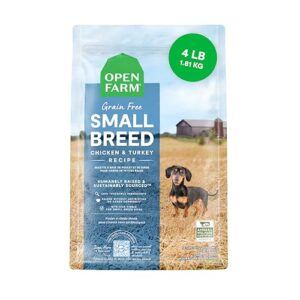
Open Farm Grain Free Dog Food combines humanely raised chicken and turkey with functional ingredients like chicory root and green-lipped mussel, delivering complete nutrition for your Miniature Schnauzer’s sensitive system.
This vet-approved formula promotes healthy digestion through non-GMO vegetables and superfoods, including sweet potato and pumpkin, while its grain-free composition tackles food allergies without sacrificing nutrient balance.
The small-breed pellets accommodate higher metabolic rates, though the $27.99 price point for 4 pounds places this as a premium pet nutrition choice requiring gradual introduction for best tolerance.
| Best For | Miniature Schnauzer owners seeking a premium, grain-free option to address food sensitivities or allergies while supporting digestive health and sustained energy. |
|---|---|
| Brand | Open Farm |
| Primary Flavor | Chicken & Turkey |
| Form | Pellet |
| Age Range | All Life Stages |
| Weight | 4 pounds |
| Special Features | Grain-free, high-protein |
| Additional Features |
|
- High-quality protein from humanely raised chicken and turkey supports muscle maintenance and energy for active small breeds
- Functional ingredients like chicory root and green-lipped mussel promote digestive health and reduce inflammation for better joint mobility
- Free from grains, artificial flavors, and preservatives, making it suitable for dogs with sensitivities or allergies
- Premium pricing at $27.99 for 4 pounds makes it significantly more expensive than many standard dog food options
- Smaller kibble size may not appeal to all dogs, and some may be picky about the texture or taste
- Requires gradual transition to avoid digestive upset, and may have shorter shelf life based on expiry date concerns
5. Blue Buffalo Adult Dog Food
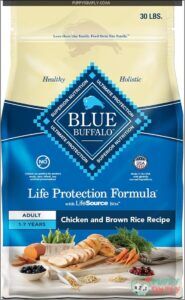
Blue Buffalo Adult Dog Food anchors your Miniature Schnauzer’s nutrition with real chicken as the primary ingredient, avoiding corn and wheat that commonly trigger sensitivities in this breed. This vet-approved formula delivers 20–26% protein on a dry matter basis alongside proprietary LifeSource Bits containing antioxidants for immune support, addressing pet health concerns specific to small breeds.
The 30-pound bag costs $67.98, offering moderate fat content suitable for adult Miniature Schnauzers when portioned correctly, though dogs prone to pancreatitis may benefit from selecting lower-fat variants within the brand’s range.
| Best For | Miniature Schnauzer owners looking for a grain-inclusive formula with real chicken as the first ingredient and added immune support, especially if their dog has mild sensitivities to corn or wheat. |
|---|---|
| Brand | Blue Buffalo |
| Primary Flavor | Chicken & Brown Rice |
| Form | Granule |
| Age Range | Adult |
| Weight | 30 pounds |
| Special Features | No by-products |
| Additional Features |
|
- Real chicken leads the ingredient list with 20–26% protein to support strong muscles and a healthy coat in small breeds.
- LifeSource Bits provide targeted antioxidants and vitamins for immune system health without artificial flavors or preservatives.
- Kibble size works well for miniature Schnauzers, and many owners report good palatability and improved coat quality.
- Higher price point at $67.98 for 30 pounds compared to budget-friendly alternatives on the market.
- Moderate fat content may not suit miniature Schnauzers with pancreatitis risk unless you switch to a lower-fat variant.
- Some dogs find the kibble size too large, and the resealable bag doesn’t always seal as securely as expected.
6. Open Farm Senior Dog Food
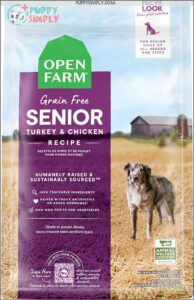
Senior dogs face unique challenges that demand specialized nutrition, making Open Farm Senior Dog Food a calculated choice for aging Miniature Schnauzers. This grain-free formula features humanely-raised chicken and turkey as primary proteins, delivering reduced calories alongside glucosamine and chondroitin to support hip and joint health common in older Schnauzers.
The 22-pound bag includes functional ingredients like non-GMO pumpkin for digestive support and omega fatty acids for cognitive function. However, its $70+ price point and relatively short shelf life may challenge budget-conscious pet owners seeking comparable senior dog nutrition.
| Best For | Senior Miniature Schnauzers needing joint support and easier digestion, especially those with grain sensitivities or whose owners prioritize ethically sourced ingredients. |
|---|---|
| Brand | Open Farm |
| Primary Flavor | Turkey & Chicken |
| Form | Pellet |
| Age Range | Senior |
| Weight | 22 Pounds |
| Special Features | Grain-free, senior formula |
| Additional Features |
|
- Glucosamine and chondroitin help manage hip and joint issues common in aging Schnauzers
- Humanely-raised proteins and non-GMO ingredients offer cleaner nutrition for sensitive senior dogs
- Reduced calories prevent weight gain while omega fatty acids support brain health and coat quality
- Premium price over $70 for 22 pounds makes it one of the more expensive senior dog food options
- Shorter expiry dates mean you’ll need to use it quickly or risk waste
- Some dogs reject the taste or texture, requiring a gradual transition that might not work for picky eaters
7. Acana Wholesome Grains Dog Food
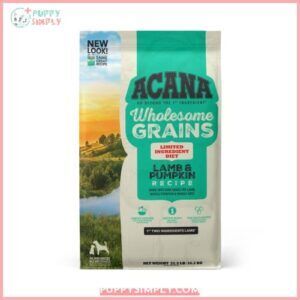
Acana Wholesome Grains Dog Food brings protein-forward nutrition without abandoning the grain benefits many Miniature Schnauzers tolerate well. This vet-approved formula features 60% animal ingredients—deboned lamb, lamb meal, and lamb liver—paired with digestible whole grains like oats and sorghum that support steady energy without triggering common food allergies.
The freeze-dried coating enhances palatability, while omega fatty acids promote Schnauzer health through improved coat quality.
At $70 for 22.5 pounds, you’re investing in wholesome ingredients that balance dog nutrition with digestive support, though some owners find the price steeper than mainstream pet food options.
| Best For | Miniature Schnauzer owners who want high-quality animal protein with digestible grains and are willing to pay premium prices for transparent ingredient sourcing. |
|---|---|
| Brand | Merrick |
| Primary Flavor | Lamb & Pumpkin |
| Form | Dry Kibble |
| Age Range | Adult |
| Weight | 22.5 pounds |
| Special Features | 60% animal ingredients |
| Additional Features |
|
- 60% animal ingredients with lamb as the primary protein source supports muscle maintenance and overall health
- Whole grains like oats and sorghum provide steady energy and fiber for digestive health without common allergens
- Omega-3 and omega-6 fatty acids promote healthy skin and coat, addressing a common Schnauzer concern
- Higher price point at $70 for 22.5 pounds compared to mainstream dog food brands
- Limited flavor variety may not work for picky eaters or dogs requiring rotation diets
- Some dogs may need supplemental toppers or fresh ingredients to meet individual nutritional preferences
8. Blue Buffalo Digestive Care Dog Food
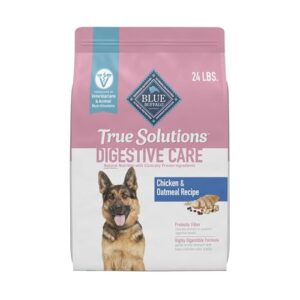
When your Miniature Schnauzer struggles with sensitive stomachs or inconsistent stool quality, Blue Buffalo True Solutions Blissful Belly offers targeted digestive support that tackles breed-specific gut sensitivities.
This adult formula features real deboned chicken as the primary protein source alongside clinically proven prebiotic fiber and added probiotics that promote healthy intestinal function.
With 24% protein and 13% fat, you’re providing moderate nutrition that won’t overwhelm delicate digestive systems.
At roughly $50 for 24 pounds, this veterinary-informed option balances therapeutic benefits with practical feeding costs for daily digestive care.
| Best For | Miniature Schnauzer owners dealing with sensitive stomachs, irregular stools, or dogs who need gentle, digestive-focused nutrition without common allergens like corn, wheat, or soy. |
|---|---|
| Brand | Blue Buffalo |
| Primary Flavor | Chicken |
| Form | Dry |
| Age Range | Adult |
| Weight | 24.2 pounds |
| Special Features | Prebiotic fiber |
| Additional Features |
|
- Real chicken and chicken meal provide quality protein while prebiotics and probiotics work together to support gut health and firmer stools
- The 24% protein and 13% fat balance gives solid nutrition without overloading sensitive digestive systems
- No poultry by-products, corn, wheat, or soy makes it easier on dogs with food sensitivities or ingredient intolerances
- At around $50 for 24 pounds, it costs more than standard kibble, which adds up over time
- Results vary by dog—some Schnauzers may not see major digestive improvements depending on the underlying cause
- Labeled for adults only, so you’ll need a different food for puppies or seniors with specific life-stage needs
9. Portland Pet Food Fresh Dog Meals
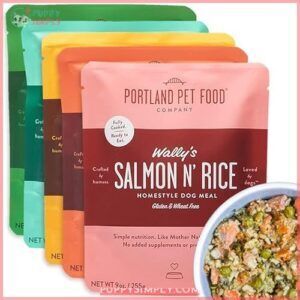
Portland Pet Food delivers fresh meals to your door, featuring human-grade ingredients tailored to address Miniature Schnauzer digestive sensitivities. Each 9-ounce pouch contains 11 or fewer transparent ingredients, sourced entirely from USA farms, offering minimally processed, easily digestible nutrition.
These fresh dog food options support peak dog health without artificial preservatives, making them suitable for all life stages. The veterinary-approved formulations cater to picky eaters prone to pancreatitis, ensuring complete meals or toppers that prioritize food safety and pet nutrition.
At approximately $3 per pouch, this pet food investment stands out from conventional shelf-stable options, emphasizing quality and health for your pet.
| Best For | Miniature Schnauzer owners seeking human-grade, fresh meal options with minimal ingredients to support sensitive digestion and reduce pancreatitis risk. |
|---|---|
| Brand | Portland Pet Food |
| Primary Flavor | Mixed Pack |
| Form | Wet |
| Age Range | All Life Stages |
| Weight | 9 ounces |
| Special Features | Limited ingredients |
| Additional Features |
|
- Only 11 or fewer transparent ingredients per pouch, all sourced from USA farms for quality assurance
- Shelf-stable and microwave-safe packaging makes feeding convenient at home or while traveling
- Suitable for all life stages and works as a complete meal, mixer, or topper for picky eaters
- Higher cost at around $3 per 9-ounce pouch compared to traditional kibble options
- Some dogs may experience digestive upset or diarrhea when transitioning to the food
- Texture and palatability can vary between flavors, which may not appeal to all dogs
10. Natural Balance Low Calorie Dog Food
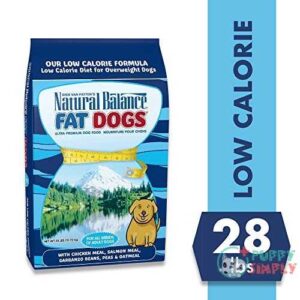
If your Miniature Schnauzer needs to shed a few pounds without sacrificing nutrition, Natural Balance Fat Dogs Low Calorie Dog Food offers a chicken meal-based protein with 25% fewer calories than standard formulas. This vet-approved weight management solution combines peas, oat groats, and barley to support healthy digestion while helping your dog feel satisfied.
The special fiber and protein blend tackles calorie reduction without compromising muscle maintenance, making it effective for low-fat diets. At 28 pounds per bag, this dog food provides consistent nutrition to support your Miniature Schnauzer’s dog health through controlled weight loss.
| Best For | Miniature Schnauzers who need to lose weight while maintaining muscle mass and staying satisfied between meals. |
|---|---|
| Brand | Natural Balance |
| Primary Flavor | Chicken |
| Form | Dry |
| Age Range | Adult |
| Weight | 28 pounds |
| Special Features | Reduced calories |
| Additional Features |
|
- Chicken meal as the first ingredient delivers concentrated protein to preserve lean muscle during weight loss
- 25% fewer calories than standard formulas helps dogs shed pounds without feeling hungry
- Fiber-rich blend with peas, oat groats, and barley supports healthy digestion and keeps dogs feeling full
- High fiber content may cause gas or digestive upset in some dogs during the adjustment period
- Premium pricing makes it more expensive than many other weight control options
- Some dogs may resist the taste or texture, making the transition challenging
How to Choose The Right Dog Food
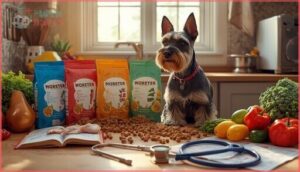
Choosing the right food for your Miniature Schnauzer means looking beyond the marketing claims on the front of the bag and understanding what’s actually inside. You’ll need to decode ingredient lists, weigh the pros and cons of different diet formats, and consider whether your dog’s personal preferences align with their nutritional needs.
Let’s break down the key factors that should guide your decision when you’re standing in that pet food aisle.
Interpreting Dog Food Labels and Ingredients
You need to master label decoding to protect your Miniature Schnauzer’s health. Start by checking that the dog food meets AAFCO nutrient profiles for complete and balanced nutrition—this regulatory compliance confirms it satisfies your dog’s dietary needs.
Next, examine ingredient sourcing by reading the list in descending weight order, prioritizing whole proteins and avoiding artificial preservatives that compromise food safety standards. Understanding pet food labels is vital for making informed decisions about your dog’s nutrition.
Grain-free Vs. Whole Grain Options
After you’ve checked ingredient quality, the grain debate comes next. Grain-free formulas rely on legumes and potatoes, but research shows they don’t provide clear health advantages for healthy Miniature Schnauzers over whole grain options.
Whole grains like brown rice and oats support steady energy, digestive health, and stool quality while meeting dietary needs—making them cost-effective choices unless your dog has confirmed food allergies requiring grain-free alternatives.
Evaluating Commercial, Fresh, and Home-cooked Diets
Commercial diets offer consistency and convenience, meeting AAFCO standards for breed-specific nutrition with standardized nutrient analysis. Fresh dog foods deliver whole-food ingredients, refrigerated or frozen, often improving palatability for picky Miniature Schnauzers but requiring careful cost evaluation.
Home-cooked meals optimize customization for food allergies and sensitivities, yet demand veterinary-approved meal planning to prevent micronutrient gaps affecting your dog’s health.
Considering Taste, Texture, and Format Preferences
Palatability factors determine whether your Miniature Schnauzer actually eats what you serve. Food aroma and flavor profiles can boost voluntary intake by 20%, while texture variety prevents mealtime boredom in picky small breed dogs.
- Kibble size matters: Smaller, protein-dense pieces suit your dog’s mouth and chewing satisfaction
- Moisture content: Wet-dry combinations often outperform grain-free kibble alone for mouthfeel preferences
- Temperature trick: Slightly warmed, vet-approved meals heighten aroma appeal
Transitioning Your Miniature Schnauzer’s Diet
Switching your Miniature Schnauzer to a new food requires patience and careful attention to prevent digestive upset or adverse reactions. An abrupt dietary change can trigger vomiting, diarrhea, or pancreatitis in this breed, so a gradual shift over 7-10 days protects their sensitive digestive system.
Switch your Miniature Schnauzer’s food gradually over 7-10 days to prevent digestive upset, vomiting, or pancreatitis in this sensitive breed
Here’s how to safely introduce new food while monitoring your dog’s response and adjusting portions appropriately.
Steps for Safely Switching Dog Foods

Your Miniature Schnauzer’s sensitive stomach requires a gradual shift when switching dog foods. Mix 25% new vet-approved dog food with 75% current food for three days, then shift to 50-50 for another three days. Continue increasing the new food ratio every three days until you’ve fully shifted.
This feeding schedule protects digestive health, maintains nutrient balance, and aids weight management throughout the change.
Monitoring for Digestive or Allergy Issues

Watch your Schnauzer’s behavior and bathroom habits closely during the diet shift, as subtle changes often signal food intolerance before obvious symptoms appear. Loose stools, excessive gas, vomiting, or skin itching indicate food sensitivities that require immediate attention.
Document these gastrointestinal issues daily to help your veterinarian determine whether you’re dealing with temporary digestive adjustment or genuine food allergies requiring allergy testing and specialized digestive care.
Adjusting Portions During The Transition

Your Schnauzer’s caloric intake needs precise calibration during gradual shift periods to prevent weight fluctuations that compromise healthy digestion.
Start with these vet-approved feeding schedules:
- Mix 75% old food with 25% new food during days 1-3, maintaining total portion control based on your dog’s current weight management needs
- Shift to 50-50 ratios by day 5, monitoring sensitive stomachs for nutrient balance disruptions
- Complete the switch by day 10-14, adjusting portions if your Miniature Schnauzer shows weight changes
Feeding Tips for Miniature Schnauzer Health

Feeding your Miniature Schnauzer the right food is only half the equation—how you feed them matters just as much for preventing obesity, pancreatitis, and other health issues.
Small adjustments to portion sizes, treat frequency, and monitoring routines can make a significant difference in your dog’s long-term health outcomes.
Let’s cover the essential feeding practices that will help your Schnauzer maintain ideal body condition and vitality.
Portion Control and Feeding Frequency
Your Miniature Schnauzer’s digestive health hinges on consistent feeding schedules and proper portion control. Divide your dog’s daily caloric intake into two meals for ideal weight management and healthy digestion—particularly important for sensitive stomachs prone to pancreatitis.
Most miniature schnauzers need 20-30 calories per pound of body weight daily, though puppies require three to four smaller meals with meal frequency adjusted as they mature into adults.
Healthy Treat Guidelines
Treats shouldn’t sabotage your careful meal planning—they’re powerful training tools when you choose wisely and limit them to just 10% of your Miniature Schnauzer’s daily caloric intake. It’s vital to avoid giving dogs toxic food items to guarantee their safety and well-being.
Select vet-approved options that support your Miniature Schnauzer’s sensitive stomach while delivering proper canine nutrition:
- Low-fat dog food pieces or dehydrated meat without added oils
- Fresh vegetables like carrots, green beans, or cucumber slices
- Small portions of plain cooked chicken breast or lean turkey
- Commercial treats specifically formulated with healthy grains and digestible ingredients
- Frozen blueberries or apple slices (seeds removed) as invigorating, low-calorie snacks
Choose treat ingredients that align with your pet wellness goals rather than undermining your dog’s nutritional foundation with high-fat rewards.
Monitoring Weight and Body Condition
Beyond choosing the right vet-approved dog food and treats, tracking your Miniature Schnauzer’s physical changes reveals whether your nutrition planning actually works.
Weigh your dog monthly using consistent methods, and perform body scoring by feeling for ribs under minimal fat coverage—a technique that catches weight management issues before obesity prevention becomes necessary, protecting your Schnauzer from pancreatitis and joint problems down the road.
When to Consult Your Veterinarian
If your Miniature Schnauzer shows persistent vomiting, diarrhea, or assumes a praying position with rear raised—signs of pancreatitis—contact your veterinarian immediately, as these health emergencies require urgent medical alerts.
Regular veterinary care and symptom guidance help prevent crises in dogs with sensitive stomachs, while nutrition advice ensures your vet-approved feeding plan promotes animal welfare and meets breed-specific metabolic risks.
Frequently Asked Questions (FAQs)
Can Miniature Schnauzers eat raw meat safely?
Raw meat may meet your Miniature Schnauzer’s nutritional needs, but bacterial exposure from Salmonella and E. coli demands safe handling practices and veterinary guidance before shifting to any raw diet regimen.
How much water should my Schnauzer drink daily?
Your Schnauzer needs roughly 1 to 5 ounces of water per pound of body weight daily for proper hydration needs.
Watch for dehydration signs like dry gums or lethargy, which indicate inadequate daily fluid intake affecting Schnauzer health.
Are grain-free diets better for Miniature Schnauzers?
No, grain-free diets don’t offer health advantages for Miniature Schnauzers. Current evidence shows no benefit over balanced grain-inclusive options, and some grain-free formulas may increase heart disease risk in certain dogs.
What human foods are toxic to Schnauzers?
Chocolate, grapes, raisins, onions, garlic, xylitol, macadamia nuts, and avocados pose serious Toxic Food Risks for your Miniature Schnauzer.
These Toxic Ingredients can trigger Schnauzer Poisoning, causing kidney failure, seizures, or fatal toxicity requiring immediate veterinary intervention.
Should I give my Schnauzer dietary supplements?
Most Miniature Schnauzers don’t need supplements when eating a complete, balanced diet.
However, omega-3s for joint health, vet-approved probiotics for sensitive stomachs, and targeted supplements for specific conditions may help under veterinary guidance.
Conclusion
Sure, you could toss any kibble into your Schnauzer’s bowl and hope their pancreas doesn’t stage a revolt—but why gamble with preventable health crises? The best dog food for miniature schnauzers tackles their metabolic quirks head-on, balancing controlled fat levels with sufficient protein and fiber to support their stubborn little bodies through every life stage.
Your veterinarian remains your strongest ally when complications arise, but informed nutrition choices today mean fewer emergency clinic visits tomorrow.
- https://github.com/vinhphunguyen/how-to-write-a-paper/blob/master/how-to-write-paper.brf
- https://www.fda.gov/animal-veterinary/animal-health-literacy/questions-answers-fdas-work-potential-causes-non-hereditary-dcm-dogs
- https://x.com/godofprompt/status/1990526288063324577
- https://www.sciencedirect.com/science/article/pii/S0749208123000268
- https://www.bluebuffalo.com/dry-dog-food/true-solutions/digestive-care/