This site is supported by our readers. We may earn a commission, at no cost to you, if you purchase through links.

Your dog sniffs the salad bowl, steals a leaf off the counter, and stares at you like nothing happened. Sound familiar? That split-second moment of *did I just poison my dog?
- is something plenty of pet owners know well.
The good news: lettuce is safe for dogs, and most healthy adults handle it without any trouble. It’s one of the more forgiving vegetables you can share from your plate—low in calories, high in water, and genuinely mild on a dog’s digestive system.
That said, "safe" and "serve however you want" aren’t the same thing. Variety, preparation, and portion size all matter more than most owners realize, and a few simple missteps can turn a healthy snack into an upset stomach.
Table Of Contents
Key Takeaways
- Plain, washed, and chopped lettuce is safe for most dogs as an occasional low-calorie snack, but it can’t replace a nutritionally complete diet.
- Portion size should match your dog’s weight, ranging from 1–2 tablespoons for tiny dogs up to ½ cup for extra-large breeds, and should never exceed 10% of daily calories.
- Always serve lettuce plain—dressings, seasonings, garlic, and onion are toxic to dogs and must be avoided entirely.
- Watch for vomiting, diarrhea, bloating, or blood in stool after feeding lettuce, and call your vet right away if any of these signs appear.
Yes, Dogs Can Eat Lettuce

Yes, dogs can eat lettuce — and it’s one of the safer snacks you can share with them. That said, how you serve it matters just as much as what you serve. Here’s what you need to know before tossing a leaf into your dog’s bowl.
If you’re wondering whether the whole salad bowl is fair game, dogs and salad ingredients need careful vetting — especially since some dressings and mix-ins can be surprisingly harmful.
Safe Plain Lettuce
Plain lettuce — nontoxic to dogs and low in calories — is one of the safer greens you can share with your pup. The key is simple preparation: wash leaves thoroughly under cool running water, remove tough stems, chop into bite-sized portions, and serve plain. Skip the dressing. No salt, no seasonings. That’s really all it takes to make lettuce safe for dogs to eat.
It’s important to be aware of various contamination risks such as bacteria or parasites found in leafy greens.
Occasional Snack Only
Lettuce is safe, but it works best as an occasional treat rather than a daily habit. Think of it like a small bridge between meals — enough to satisfy curiosity without disrupting your dog’s regular nutrition.
Keep portions within 10% of daily calories, and don’t let snack creep turn one leaf into a bowl. Moderation keeps it a dog-safe vegetable worth offering.
Not a Meal Replacement
Even with those benefits in mind, lettuce can’t fill your dog’s bowl the way real food does. It lacks the amino acids, fats, and calories dogs need to thrive daily.
Think of it as a topping, not a meal — the nutritional value of lettuce simply can’t match a complete, balanced diet designed for dogs.
Is Lettuce Good for Dogs?

Lettuce isn’t just a safe snack for dogs — it actually brings some real nutritional perks to the table.
Whether your dog could stand to lose a few pounds or just needs a light, crisp treat, lettuce has a few things working in its favor. Here’s a closer look at what makes it worth adding to your dog’s snack rotation.
Low-calorie Treat
Think of lettuce as a low-calorie treat that genuinely earns its place in your dog’s snack rotation. Each leaf delivers almost no calories, making it one of the smarter weight-control snacks around.
- Near-zero calories per leaf
- No added sugar or salt
- Satisfies chewing urges naturally
- Helps with weight-control goals
- A trusted dog-safe vegetable
Keep all treats under 10% of daily calories.
High Water Content
Most lettuce is 90–95% water by weight, which makes it a surprisingly effective way to boost your dog’s daily fluid intake without adding calories.
That extra moisture helps with stool consistency and can be especially hydrating during warm weather. Just remember — it supplements drinking water, it doesn’t replace it.
Helpful Dietary Fiber
Fiber does two jobs at once in your dog’s gut. Soluble fiber slows digestion, helping them feel satisfied longer, while insoluble fiber adds bulk to stool and keeps bowel movements regular.
Together, they support dog digestive health without adding calories — a genuine win for leafy greens for pets. Just don’t overdo it, since too much fiber can cause loose stools.
Vitamins A, C, and K
Lettuce quietly delivers three key vitamins your dog actually needs. Vitamin A helps with healthy vision and immune function, while Vitamin C aids collagen synthesis — the protein that keeps skin, joints, and blood vessels strong. Vitamin K helps with normal blood clotting.
Lettuce delivers vitamins A, C, and K — quietly supporting your dog’s vision, immunity, and blood clotting
Since A and K are fat-soluble, pairing lettuce with a small amount of fat helps your dog absorb them properly.
Supports Weight Management
For dogs carrying a few extra pounds, lettuce works like a smart volume trick. It fills the bowl with almost zero calories, helping your dog feel satisfied without the surplus.
A simple weight management plan might look like this:
- Swap high-calorie treats for chopped romaine
- Add lettuce to meals for low-calorie volume
- Use fiber to slow eating and boost satiety
- Keep servings consistent to avoid caloric creep
That’s how managing dog obesity gets a little easier — one crunchy leaf at a time.
Safe Lettuce Types for Dogs
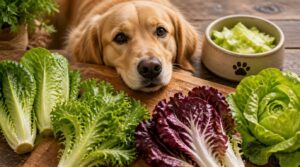
Not all lettuce is created equal, and the good news is that several varieties are safe for your dog to enjoy. Each type has its own nutritional profile, so it helps to know what you’re working with before tossing some in your pup’s bowl. Here are the lettuce types you can safely share with your dog.
Romaine Lettuce
Romaine is one of the best lettuce choices for dogs. Its crisp, sturdy leaves pack real nutritional value — vitamins A and K, folate, and antioxidant compounds like carotenoids and polyphenols. That mild, slightly bitter flavor usually goes over well with curious sniffers.
Chop the leaves small, skip the tough central spine, and serve it plain.
Iceberg Lettuce
Iceberg is the crunchy, mild option your dog might actually get excited about. It’s safe, but think of it as a hydrating, low-calorie snack rather than a nutrition powerhouse — its 90–95% water content outweighs its modest vitamin K and folate levels.
Chop leaves small, skip large outer pieces, and serve plain.
Green Leaf Lettuce
Green leaf lettuce steps up where iceberg leaves off. Its ruffled, tender leaves carry a mildly sweet flavor with just a hint of bitterness — gentle enough for most dogs.
Here’s what makes it worth offering:
- Non-toxic and dog-safe
- Low-calorie treat option
- Crisp, easy-to-chop texture
- Mild flavor dogs tolerate well
- Rich in beta-carotene
Serve it plain, chopped small, in strict moderation.
Red Leaf Lettuce
Red leaf lettuce brings something green leaf can’t quite match — vivid anthocyanin pigmentation that turns leaf edges deep burgundy. Those same pigments signal antioxidant activity, making this a genuinely nutritious, low-calorie treat.
| Feature | Detail |
|---|---|
| Flavor | Mild, slightly sweet with subtle bitterness |
| Texture | Tender, ruffled, crisp when fresh |
Serve it plain and chopped small.
Butterhead Lettuce
Where red leaf dazzles with color, butterhead wins on texture. Its soft, buttery leaves form a loose rosette head — think Boston or Bibb varieties — and tear effortlessly into bite-sized pieces your dog can handle safely.
The mild, slightly sweet flavor makes it easy to accept. Just feed it plain and in moderation, since its higher fiber content can upset sensitive stomachs.
How to Prepare Lettuce Safely
Giving your dog lettuce is simple, but a little prep goes a long way toward keeping things safe. The good news is that you don’t need any special tools or skills — just a few easy steps before serving. Here’s what to do each time you offer lettuce to your pup.
Wash Leaves Thoroughly
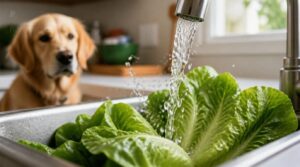
Before lettuce ever reaches your dog’s bowl, it needs a proper rinse. Fresh produce can carry pesticide residues and bacteria from handling and growing — invisible threats worth taking seriously.
Follow these four steps:
- Run each leaf under clean, running water
- Rub the surface and undersides gently with your fingers
- Dry with a paper towel or salad spinner
- Keep washed leaves separate from unwashed ones
Hand-rubbing dislodges contaminants that water alone won’t shift.
Remove Tough Stems
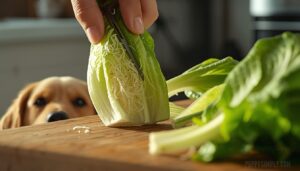
Snap a lettuce stem and you’ll feel the difference immediately — it resists, bends stiffly, and stays fibrous. That tough, stringy texture is harder for dogs to chew through and can increase the risk of gagging or stomach upset.
Strip stems before serving. The soft leaf tissue breaks down more easily, keeps the fiber load lighter, and makes each bite far safer.
Chop Bite-sized Pieces
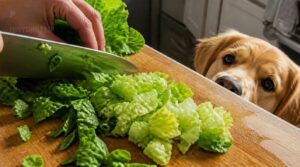
Once the stems are off, chop leaves into bite-sized pieces — thumbnail-sized works well. Whole leaves increase choking risk and make managing leaf bulk harder.
Chopping helps by:
- Reducing surface area so your dog can’t gulp too much at once
- Improving chew control before each swallow
- Making accurate portioning easier per feeding
Smaller cuts are simply safer for dogs to eat.
Serve Plain Only

Plain lettuce is all your dog needs — no extras. Oils, dressings, and table salt can upset your dog’s stomach quickly, and some add up to real harm over time.
Garlic and onion are genuinely toxic to dogs, even in small amounts. Since many seasonings hide both, unseasoned plain lettuce is the only safe choice. Fresh, plain, bite-sized pieces — nothing else.
Avoid Dressings and Seasonings
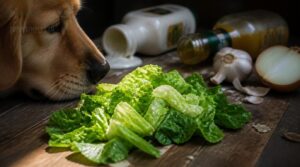
Dressings aren’t just unnecessary — some are genuinely dangerous. Bottled vinaigrettes and creamy sauces hide onion and garlic powders, which damage your dog’s red blood cells. Dairy-based dressings bring lactose that many dogs can’t digest well, and added salt raises sodium to levels that cause dehydration.
Serve lettuce exactly as nature made it: plain, fresh, bite-sized pieces only.
How Much Lettuce Can Dogs Eat?

Portion size really does matter if you’re sharing lettuce with your dog. Too much, even of something harmless, can still upset a sensitive stomach. Here’s a simple breakdown by size so you can figure out the right amount for your pup.
Extra-small Dogs
If your dog fits in a tote bag, their lettuce portion is just as petite. Extra-small dogs weighing 2–15 lbs should get only 1–2 tablespoons of chopped lettuce per serving.
These little ones are spunky and energetic, but their digestive systems are sensitive. Even a low-calorie, dog-safe vegetable like lettuce can cause stomach upset if you offer too much at once.
Small Dogs
Small dogs in the 16–25 lb range can handle a slightly bigger portion — about 2–3 tablespoons of chopped lettuce per serving.
Their compact frames still need bite-sized pieces to avoid any choking risk, and plain lettuce makes a genuinely low-calorie treat that won’t tip the scales for a breed already prone to weight sensitivity.
Medium Dogs
Step up to medium dogs — those in the 26–60 lb range — and the recommended serving reaches 1/4 cup of chopped lettuce.
Here’s a simple routine that works well:
- Chop leaves into small, even pieces
- Serve plain after a walk or play session
- Keep it to one serving per day
Since medium breeds tend to be active, lettuce fits naturally as a low-calorie training reward.
Large Dogs
Large breeds — those weighing 61–90 lbs — can handle a serving of 1/3 cup of chopped lettuce per day. That’s a meaningful step up from medium dogs, and it makes lettuce a genuinely useful low-calorie snack for keeping bigger, heavier dogs satisfied without adding extra calories.
For weight management especially, this dog-safe vegetable earns its place in the bowl.
Extra-large Dogs
For the biggest dogs — those tipping the scales at 91 lbs or more — up to 1/2 cup of chopped lettuce per day is a reasonable serving.
That hydration boost matters especially during warm weather, since extra-large dogs retain heat more easily and can overheat faster. Keeping lettuce plain and bite-sized protects their joints too, since sudden gulping or choking means impact and strain.
Risks of Feeding Dogs Lettuce

Lettuce is generally safe for dogs, but too much of a good thing can still cause problems. Like any food, it comes with a few risks worth knowing before you make it a regular snack. Here are the main ones to watch for.
Diarrhea From Overeating
Too much lettuce can overwhelm your dog’s digestive system. Rapid intestinal transit means less time for water reabsorption, leading to loose, watery stools.
Excessive fiber intake also creates an osmotic water effect — drawing extra fluid into the gut and speeding things along faster than the body can handle. Keep portions within the recommended serving size to avoid these digestive issues.
Gas and Bloating
Even small amounts of lettuce can trigger gas and bloating in sensitive dogs.
Bacterial fermentation of undigested fiber produces intestinal gas, and slower gut motility means that gas lingers longer. Watch for:
- Visible belly swelling
- Restless pacing or discomfort
- Audible gurgling sounds
- Repeated attempts to pass gas
- Reluctance to eat or move
Stick to recommended portions to protect your dog’s comfort.
Choking on Large Leaves
Swallowing a whole lettuce leaf without chewing it properly is a real choking hazard for dogs. Smooth, slippery leaf tissue can bunch together and partially block the throat before your dog even realizes it. Dogs that gulp food are especially at risk.
Always chop lettuce into bite-sized pieces — that one step does most of the work in preventing choking in pets.
Bacteria or Pesticides
Raw lettuce can carry surface bacteria picked up from soil, contaminated irrigation water, or handling during harvest and packing.
- Pesticide residues often hide in leaf crevices
- Biopesticides — bacteria-based sprays — can linger on leaves too
- Damaged leaves hold more microbes than intact ones
Thorough washing under running water removes most of these risks before the lettuce ever reaches your dog’s bowl.
Digestive Sensitivity
Some dogs simply have a more reactive gut than others. Visceral hypersensitivity means the digestive tract treats normal stimuli — like fiber fermentation — as a threat, which can turn a harmless leaf into a source of gastric irritation or loose stools. The gut-brain axis plays a role too, since stress can make how strongly your dog perceives those signals even worse.
| Sensitivity Type | Likely Trigger | Common Symptom |
|---|---|---|
| Visceral hypersensitivity | Fermentation-induced distention | Bloating, cramping |
| Osmotic reaction | Excess fiber intake | Loose stools, diarrhea |
| Immune-driven inflammation | Food protein response | Digestive upset |
| FODMAP-style intolerance | Fermentable residues | Gas, distension |
| General gut sensitivity | Rapid dietary change | Diarrhea, gastric irritation |
Start with a small amount and watch for gastrointestinal issues before making lettuce a regular snack.
Can Puppies Eat Lettuce?

Puppies can eat lettuce, but their smaller, still-developing digestive systems mean you’ll want to take a few extra precautions. Think of it like introducing any new food to a baby — slow, small, and watchful. Here’s what to keep in mind before sharing a leaf with your little pup.
Feed Tiny Amounts
Puppies have smaller, more sensitive digestive systems than adult dogs, so start with a trace amount — think a single small piece, not a spoonful. That tiny first serving lets you test tolerance without risking stomach upset.
Watch stool consistency after feeding. If everything looks normal, you can repeat occasionally, always measuring the same small portion to stay consistent.
Chop Very Small
Tiny mouths need tiny pieces. For puppies, chop lettuce finely — around 1/8 inch or smaller — to eliminate any choking hazard and make each bite easy to manage.
Smaller cuts also expose more surface area, so moisture from saliva softens the lettuce quickly. That uniform, bite-sized texture helps with smoother digestion and reduces the chance of a puppy gulping down an uncut leaf.
Introduce Slowly
Once you’ve got the pieces small enough, pace the introduction. Start with just a few tiny bits — not a full serving — and wait at least a day before offering more.
- Watch for softer stool or extra gas
- Stick to one lettuce type at first
- Keep the setup plain and consistent
- Only increase the amount after a reaction-free feeding
Watch for Stomach Upset
Even after a smooth introduction, a puppy’s gut can still protest. Watch for loose stool or extra gas within hours of feeding — these are early signs the digestive system is struggling.
Repeated vomiting or a visibly distended belly means stop immediately. Dehydration sets in fast with small puppies, so any prolonged upset warrants prompt attention.
Ask Your Veterinarian
When stomach troubles clear up, it’s still smart to loop in your vet before making lettuce a regular puppy snack. They can assess dietary sensitivity specific to your puppy’s age, size, and health history — and confirm whether lettuce fits their overall plan.
A quick check means you’re not guessing with a growing gut.
When to Call Your Veterinarian

Lettuce is generally harmless for dogs, but sometimes things don’t go as planned. Most reactions are mild and pass quickly, yet a few signs mean it’s time to pick up the phone and call your vet. Watch for any of these red flags after your dog eats lettuce.
Vomiting After Lettuce
If your dog vomits shortly after eating lettuce, don’t brush it off. Rapid symptom onset — sometimes within minutes of eating — can point to bacterial contamination, fiber-induced digestive upset, or raw texture intolerance.
Watch for warning signs:
- Vomiting within minutes of eating
- Repeated retching or gagging
- Suspected wild lettuce ingestion
- Signs of digestive upset
- Worsening gastrointestinal symptoms
Call your vet immediately.
Diarrhea or Bloating
Loose stools after lettuce usually show up within hours — fiber fermentation speeds digestive transit and raises stool moisture, making things watery fast. Too much plant fiber at once can also shift gut bacteria activity, causing uncomfortable abdominal distension.
If diarrhea persists beyond 24–48 hours, or bloating looks visibly distended, call your vet. Worsening gastrointestinal issues in pets shouldn’t wait.
Blood in Stool
Blood in your dog’s stool is a signal you shouldn’t sit on. Bright red blood points to lower digestive tract irritation, while dark, tarry stool suggests bleeding higher up.
Watch for:
- Bloody or black-colored diarrhea
- Mucus mixed with stool
- Repeated straining without results
Gastrointestinal bleeding can stem from infections, inflammation, or other health issues. Call your vet immediately.
Choking or Gagging
Large, uncut lettuce leaves can become a choking hazard surprisingly fast. Choking blocks airflow entirely, leaving your dog unable to cough effectively, while gagging is louder and more active — a protective reflex that pushes material forward.
Watch for pawing at the mouth, labored breathing, or panicked behavior. If gagging doesn’t resolve quickly, call your vet immediately.
Allergic Reaction Signs
True lettuce allergies are rare in dogs, but canine allergy symptoms can appear without warning. Watch for skin hives, facial swelling around the eyes or lips, wheezing, or sudden vomiting and diarrhea — all signs something went wrong.
Dizziness or collapse signals a severe reaction requiring immediate veterinary care. When in doubt, call your vet without waiting.
Frequently Asked Questions (FAQs)
What words do dogs hear best?
Dogs hear short, crisp words best — ones built around hard consonants like K, P, and T. A higher-pitched, quick delivery cuts through background noise far better than drawn-out speech, making your cue easier to catch.
What lettuce can dogs not eat?
Avoid lettuce that’s spoiled, moldy, or unwashed, and never serve it dressed with onions, garlic, or xylitol — all toxic to dogs. Skip salads entirely; the mix-ins alone can cause serious harm.
Can I feed my dog boiled chicken every day?
Boiled chicken is safe daily, but it lacks complete nutrition on its own. Over time, gaps in calcium, vitamin D, and fats can develop. Mix it into balanced kibble instead.
What taste do dogs love the most?
Savory meat flavors win almost every time. Most dogs crave chicken, beef, or lamb — rich, aromatic, and packed with fat. That said, individual preferences vary, so your dog may surprise you.
Can dogs eat lettuce?
Plain, washed lettuce is safe for most dogs in small amounts. It’s low in calories, mostly water, and non-toxic — making it a smart occasional snack rather than a meal staple.
Can dogs eat romaine lettuce?
Yes, romaine lettuce is safe for dogs in small amounts. Serve it washed, plain, and chopped into bite-sized pieces. Its vitamins A, C, and K offer a light nutritional boost without the calories.
Can dogs eat iceberg lettuce?
Looks harmless in the bowl — and it is. Iceberg lettuce is non-toxic and low-calorie, safe when shredded and served plain. Its high water content hydrates your dog nicely but can cause loose stools if overfed.
Can dogs eat butter lettuce?
Butter lettuce is safe for dogs to eat in small amounts as an occasional snack. Its soft leaves and mild flavor make it easy to serve, though its elevated fiber content means portions should stay small.
Can dogs eat salad?
Salad sounds like the healthiest thing in your kitchen — and for you, it is. But that same bowl can hide toxic salad ingredients like onions, garlic, and fatty dressings that genuinely harm your dog.
Can lettuce help a dog lose weight?
Lettuce can play a small but real role in weight management. Its high water content adds meal volume without extra calories, and the fiber helps your dog feel full — making it a smart low-calorie swap for richer treats.
Conclusion
Turns out the real danger wasn’t the lettuce—it was the salad dressing your dog was eyeing the whole time. Can dogs eat lettuce? Yes, and it’s one of the safest things to share from your plate.
Keep it plain, washed, and chopped small. Match the portion to your dog’s size. When something seems off afterward, call your vet without hesitation. A crisp leaf, given thoughtfully, is a small gift your dog will happily accept.
- https://www.petplace.com/article/dogs/pet-health/dog-health/dog-diet-nutrition/can-dogs-eat-lettuce
- https://www.petmd.com/dog/nutrition/can-dogs-eat-lettuce
- https://www.adoptapet.com/blog/nutrition/can-dogs-eat-lettuce
- https://www.impactdogcrates.com/blogs/puppy-news/is-lettuce-safe-for-dogs
- https://www.barkandwhiskers.com/2024-08-15-can-you-feed-romaine-lettuce-to-your-pets