
This site is supported by our readers. We may earn a commission, at no cost to you, if you purchase through links.

Your dog nails the “sit” command for the fifteenth time today, and you reach for another training treat—but those tiny rewards add up fast. A single training session can pack in an extra 200-300 calories, which might not sound like much until you realize that’s nearly a third of a small dog’s daily caloric needs.
The result? That sharp pup you’re training so diligently might be gaining weight faster than they’re learning new tricks.
The best low calorie dog training treats solve this trainer’s dilemma by delivering the motivation your dog craves without the caloric baggage that leads to pudgy pups. These carefully formulated rewards keep training sessions productive and guilt-free, so you can reinforce good behavior as often as needed while maintaining your dog’s healthy weight and overall wellness.
Table Of Contents
- Key Takeaways
- Why Low-Calorie Dog Training Treats Matter
- Key Benefits of Low-Calorie Treats
- What Makes a Dog Treat Low-Calorie
- Essential Ingredients to Look For
- Types of Low-Calorie Dog Training Treats
- How to Choose The Right Treat for Your Dog
- Top 8 Low-Calorie Dog Training Treats
- 1. Rocco Roxie Chicken Jerky Dog Treats
- 2. Pupford Freeze Dried Dog Treats
- 3. Old Mother Hubbard Dog Biscuits
- 4. Virbac Tartar Control Dog Chews
- 5. American Journey Chicken Dog Treats
- 6. Virbac Veggiedent Tartar Control Chews
- 7. Stewart Chicken Breast Dog Treats
- 8. Jiminy’s Cricket Training Treats for Dogs
- Tips for Using Low-Calorie Treats Effectively
- Frequently Asked Questions (FAQs)
- Conclusion
Key Takeaways
- Training sessions can easily add 200-300 calories to your dog’s daily intake through standard treats, which represents nearly a third of a small dog’s total caloric needs and can lead to rapid weight gain that strains joints and organs.
- The best low-calorie training treats contain 1-5 calories per piece with high-quality animal protein as the primary ingredient, allowing you to deliver 75+ rewards in a 30-minute session for just 37-75 calories instead of over 1,000 calories with regular treats.
- Effective low-calorie treats feature single-ingredient or limited-ingredient formulas with real meat sources like chicken, turkey, or fish, while avoiding grain fillers, artificial preservatives, and by-products that add unnecessary calories without nutritional value.
- Strategic use requires keeping treats within 5-10% of your dog’s total daily calories through portion control, weekly weight monitoring, and body condition scoring to ensure training rewards support both behavioral success and long-term health without compromising nutrition goals.
Why Low-Calorie Dog Training Treats Matter
Training your dog shouldn’t come at the cost of their waistline. Just like us, dogs can pack on pounds quickly when treats add up throughout the day—and even a few extra ounces can strain their joints and organs.
Before you reach for that beef jerky as a quick training reward, remember that high-sodium snacks can add unnecessary calories and health risks to your pup’s diet.
Let’s look at three critical reasons why choosing low-calorie training treats makes all the difference for your pup’s long-term health.
For newcomers navigating this balance, our complete guide to puppy training treats breaks down portion sizes and reward frequency.
Preventing Canine Obesity
Obesity prevention starts with what you put in your pup’s mouth during those daily training sessions. When treats pile up faster than your dog can burn them off, extra pounds creep on—and with them come serious health risks. Here’s how to keep your training routine from sabotaging your dog’s wellness:
Understanding your dog’s breed-specific calorie needs and activity requirements helps you adjust treat portions to match their metabolism and prevent weight gain.
- Schedule regular veterinary assessments to track your dog’s body condition score and catch weight gain early
- Calculate a calorie-controlled feeding plan that factors in treats as part of daily intake, not extras
- Use puzzle feeders and designated treat times to prevent mindless overfeeding throughout the day
- Combine portion control with increased physical activity for complete weight management programs
- Monitor and adjust dietary intake in response to weight changes, preventing rebound gain
Supporting Healthy Weight Management
Keeping your dog at an ideal weight isn’t just about prevention—it’s about active, ongoing management. Low-calorie treats let you reward good behavior without derailing nutrition planning or balanced dieting.
Choosing the right low-fat options makes it easier to maintain training consistency while keeping calories in check.
By pairing calorie tracking with weekly weight monitoring, you’ll maintain healthy snacking habits that support your pup’s long-term wellness. These treats become tools for sustainable canine obesity and weight management, not obstacles to it.
Enhancing Training Without Extra Calories
The right low-calorie dog treats transform your training sessions into calorie control powerhouses. When you deliver 75 tiny rewards during a 30-minute session, you’re adding just 37 to 75 calories—not the 1,125 to 1,875 that standard treats dump into your dog’s system.
Low-calorie dog treats let you give 75 rewards in 30 minutes for just 37-75 calories instead of 1,125-1,875
Here’s how smart reward systems boost training efficiency:
- More repetitions per session without exceeding safe calorie limits
- Faster skill acquisition through dense reinforcement schedules
- Maintained focus on learning instead of prolonged chewing
Professional trainers routinely use 200 to 500 healthy rewards in intensive sessions, which would wreck weight management with regular treats. But with low-calorie training treats under 1 kilocalorie each, you’re supporting healthy snacking while accelerating your dog’s progress—turning every training session into a win for both behavior and body condition. Understanding daily calorie intake is essential for effective training and weight management.
Key Benefits of Low-Calorie Treats

Low-calorie treats do more than just help your pup shed a few pounds—they’re a smart way to reward good behavior without the guilt of packing on extra calories. When you choose the right treats, you’re also supporting healthy weight management but additionally contributing to your dog’s long-term wellness.
Let’s look at two key benefits that make these treats worth keeping in your training arsenal.
Understanding what foods are safe for your dog, like whether cucumber peel is okay for dogs, helps you make smarter choices about treats and portions.
Providing Nutritious, Guilt-Free Rewards
Training your pup shouldn’t come with a side of guilt. When you reach for low-calorie dog treats that clock in at just 2 to 3 kilocalories per piece, you’re rewarding good behavior while maintaining essential nutrient balance and calorie tracking.
Many low-calorie treats pack high-quality animal protein and natural antioxidants into every bite, turning healthy snacking into an effective reward system that aids pet nutrition goals. Since treats should never exceed 10 percent of your dog’s daily intake, these low-calorie options let you reinforce training frequently without derailing your dog’s diet—making every reward feel genuinely earned, not regrettable.
Choosing the right dog training treats is vital for successful training and a healthy pup.
Supporting Overall Canine Wellness
Beyond the scale, low-calorie dog treats deliver thorough support for your dog’s long-term pet wellness. When you choose healthy dog snacks rich in omega fatty acids and antioxidants, you’re boosting immune function and skin barrier health—critical components of canine nutrition that veterinary care professionals consistently emphasize.
These low-calorie treats also promote better digestive health through easily processed ingredients, reducing gastrointestinal upset while maintaining a healthy weight.
What I love most: they strengthen the human-animal bond through frequent positive reinforcement without compromising dog fitness goals, allowing structured training that aids both behavioral success and overall dog health and wellness.
What Makes a Dog Treat Low-Calorie

Not all dog treats are created equal, and the difference often comes down to what’s inside the bag. A truly low-calorie treat isn’t just about cutting corners—it’s about smart nutrition that keeps your pup satisfied without packing on pounds.
Let’s break down the three essential factors that separate the best low-calorie training treats from the rest.
Calorie Content Per Treat
When you’re choosing low-calorie dog treats, the calorie calculation matters more than you might think. Most quality training treats deliver between 2 and 15 kcal per piece, depending on treat size and nutrient density.
- Freeze-dried options generally contain 2 to 6 kcal per treat, perfect for high-frequency training sessions
- Small jerky pieces offer similar calorie content while maintaining palatability
- Larger biscuits can exceed 10 kcal, requiring careful portion control
- Dental chews range from 5 to 8 kcal per chew
Always check feeding guidelines against your dog’s energy requirements to keep treats under 10% of daily intake.
High-Quality Protein Sources
Lean animal proteins form the backbone of effective low-calorie treats. Look for chicken, turkey, and fish as primary ingredients—these meat options deliver complete amino acids without excess fat.
Egg benefits include outstanding digestibility and nutrient density, while novel proteins like duck or venison work well for pups with sensitivities.
These high-value treats support your dog’s muscle maintenance while keeping calories in check for successful training.
Absence of Fillers and Artificial Ingredients
You don’t want unnecessary junk sneaking into your pup’s diet. Clean labels with natural ingredients mean more nutrition per calorie, while avoiding fillers actually reduces total caloric load during training sessions.
All-natural, grain-free formulas eliminate controversial artificial preservatives and common allergen triggers, giving you wholesome choices backed by transparent ingredient lists.
These healthy formulas let you reward confidently without compromising your dog’s low-calorie nutrition goals.
Essential Ingredients to Look For

When you’re scanning treat labels, the ingredient list tells you everything you need to know about quality and nutrition. The best low-calorie training treats keep it simple—real meat, recognizable ingredients, and nothing your pup doesn’t need.
Here’s what I always look for when choosing treats that won’t pack on the pounds.
Animal-Based Proteins
When you’re scanning treat labels, look for named animal protein sources—chicken, beef, venison jerky, or duck—listed first. These meat quality choices deliver complete amino acid profiles your pup needs for muscle health and energy, usually packing around 85 percent protein in air-dried options.
What I love about real meat-based low-calorie dog treats is they support digestive health while keeping nutrient profiles strong and calories minimal.
All-Natural and Limited Ingredients
A shorter ingredient list—think single-protein sources like venison or salmon paired with maybe sweet potato—often means fewer allergens and easier digestion for your pup. Limited Ingredient Diets can improve symptoms in 82-95% of dogs with food sensitivities, which is why I always recommend these AllNatural, LowCalorie Treats for training.
What makes Healthy Treat Options stand out:
- Single animal protein (chicken, duck, or fish) with minimal carbohydrate sources
- Organic Pet Foods certification ensuring 95% organic ingredients from Natural Ingredient Sourcing
- GrainFree formulations that support Sustainable Dog Nutrition without corn or wheat fillers
- No artificial colors, flavors, or chemical preservatives in truly all-natural options
- Cold-pressed or freeze-dried processing that locks in nutrients while keeping calories low
These LowCalorie Dog Treats with transparent Natural and Healthy Dog Food standards give you control over exactly what your dog consumes during those repetitive training sessions.
Avoiding Grains, Preservatives, and Additives
Beyond streamlining the ingredient list, you’ll want to dodge grains, preservatives, and synthetic additives that pack on unnecessary calories and health risks. Grain-free formulas skip wheat, corn, and barley—relying instead on animal proteins that deliver more nutrition per bite. Here’s what to watch for:
| Avoid | Why It Matters |
|---|---|
| BHA, BHT, propyl gallate | Synthetic preservatives linked to long-term health concerns |
| Artificial colors & flavors | Potential allergens with zero nutritional value |
| Grain fillers (wheat, corn) | Higher carb load per treat, fewer muscle-building proteins |
| Synthetic sweeteners | Unnecessary calories and possible sensitivities |
| Generic “by-products” | Low-quality protein that won’t support lean mass |
Natural ingredients like freeze-dried chicken or rosemary extract preserve freshness without chemical cocktails. What I love about these healthy alternatives is that your pup gets real meat flavor, you maintain dog nutrition standards, and training stays calorie-conscious. Always scan the label—short, recognizable lists mean you’re feeding low-calorie treats that support weight control, not sabotage it.
Types of Low-Calorie Dog Training Treats
When you’re shopping for low-calorie training treats, you’ll notice they come in three main forms—and each one has its own perks depending on your dog’s preferences and your training goals.
Some dogs go wild for freeze-dried options, while others prefer something they can really sink their teeth into.
Here’s a breakdown of the most popular types you’ll find on the shelves.
Freeze-Dried Training Treats

Freeze-dried training treats pack serious nutritional punch in tiny packages. Most freeze-dried raw options contain just 1-5 calories per piece, making them perfect for calorie control during repetitive training sessions.
What I love about these healthy snacks is how freeze-dried nutrition preserves essential proteins—some formulas boast 64% protein content—while lightweight portions guarantee you can deliver countless training rewards without derailing your pup’s diet.
For treat storage tips, keep them in airtight containers away from moisture.
Jerky and Chewy Options

If your dog craves something with a satisfying chew, jerky treats deliver high-value rewards without sabotaging their diet. Single-ingredient beef or chicken jerky often contains around 3–5 calories per small piece and boasts roughly 60% protein with minimal fat—perfect for frequent training.
Here’s what to look for in healthy snacks:
- Meat sources like whole muscle beef, chicken, or pork loin
- Calorie counts under 5 kilocalories per bite for portion control
- Chewy formulas with moderate moisture for prolonged chewing
- Treat sizes you can break into pea-sized rewards
- Low-calorie pet food standards—no fillers or artificial additives
What I love about jerky textures is how they keep your pup engaged longer, releasing feel-good endorphins while you reinforce excellent behavior. Break one strip into 8–10 rewards, and you’ll stretch those dog training treats across an entire session without exceeding your daily calorie budget.
Crunchy Biscuits and Dental Chews

When you want double-duty rewards, crunchy biscuits and dental chews combine training value with oral health. Mini crunchy training treats clock in at around 3–5 calories each, letting you hand out multiple rewards without guilt.
Dental chews pack more energy—a “teenie” chew delivers roughly 28 calories—so save those for occasional bonuses and subtract that amount from your pup’s daily food portion to maintain calorie control.
How to Choose The Right Treat for Your Dog

Not all low-calorie treats work for every dog—what your pup loves mightn’t suit their size, texture preference, or digestive system. Picking the right training treat means considering more than just the calorie count on the package.
Here’s what you need to evaluate to find treats that’ll keep your dog motivated, healthy, and happy during training sessions.
Matching Treat Size to Dog Size
Treat sizing isn’t one-size-fits-all—small dogs need tiny pieces to avoid excessive caloric density, while large dogs require bigger chews to prevent choking hazards.
Match low-calorie dog treat options to your pup’s jaw mechanics and body weight using manufacturer guidelines, keeping training treats under 10% of daily calories.
Regular weight monitoring helps you adjust portion size as needed, ensuring chewing safety across all breeds.
Considering Texture and Palatability
Palatability factors drive training success more than calories alone—your dog won’t work for treats they don’t crave. Texture preferences vary wildly between pups, so test different mouthfeel options:
- Soft treats for rapid-fire clicker sessions requiring quick swallowing
- Crunchy rewards that satisfy chewers without slowing progress
- Freeze-dried raw high-value treats for challenging behaviors
- Soft-moist training pieces balancing palatability with portability
- Slightly warmed low-calorie dog treat options boosting aroma appeal
Match texture to your training intensity for maximum motivation.
Special Dietary Needs and Allergies
Food sensitivities transform routine training into a careful balancing act where every ingredient matters as much as the calorie count.
Dogs with food allergies need hypoallergenic options featuring limited ingredients—think single-protein freeze-dried treats or novel proteins like venison.
Your vet can recommend custom diets incorporating low-calorie pet food that tackles nutrient sensitivities while supporting canine health and wellness during those key training moments.
Top 8 Low-Calorie Dog Training Treats
Now that you know what to look for in a training treat, let’s talk about the products that actually deliver. I’ve tested dozens of low-calorie options with my own training clients, and these eight consistently earn top marks for quality, palatability, and calorie counts that won’t derail your pup’s weight goals.
Each one brings something unique to the table, whether it’s single-ingredient simplicity or dual-purpose dental benefits.
1. Rocco Roxie Chicken Jerky Dog Treats
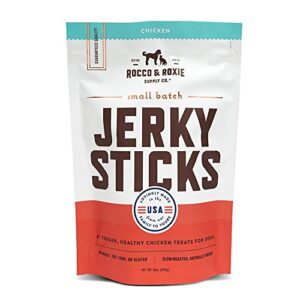
If you’re looking for a low-calorie dog treat option that doesn’t skimp on flavor, Rocco & Roxie Chicken Jerky delivers protein-packed training rewards your pup will actually beg for. These USA-sourced treats feature freeze-dried chicken breast with no soy, gluten, or corn fillers—just pure animal-based protein to support dog health and pet wellness.
What I love about these chicken jerky sticks is their soft, tender texture, making them easy to break into bite-sized pieces for training sessions. At roughly 20-25 calories per stick, they’re ideal for maintaining healthy snacks without derailing your dog’s nutrition goals.
| Best For | Dog owners who want high-protein training treats with clean ingredients and a soft texture that works for dogs of all ages and sizes. |
|---|---|
| Brand | Rocco & Roxie Supply Co. |
| Age Range | All Life Stages |
| Primary Flavor | Chicken |
| Form | Stick |
| Weight | 1 lb |
| Special Dietary | No soy, gluten, corn |
| Additional Features |
|
- Made from USA-sourced chicken with no soy, gluten, corn, or fillers—just real meat and minimal additives
- Soft, tender texture makes them easy to break into smaller pieces for training without crumbling
- Slow-smoked for 10 hours in small batches, creating a strong aroma that keeps dogs motivated and focused
- The smoky scent can be overpowering for some pet owners, especially in enclosed spaces
- Calorie counts vary across sources (20-55 calories per stick), making portion control tricky
- Some batches may arrive drier than expected, requiring more effort to break apart for training
2. Pupford Freeze Dried Dog Treats
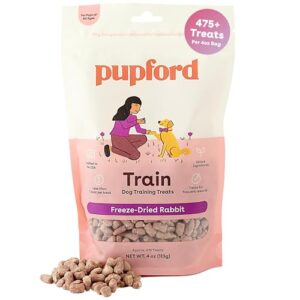
When you want maximum flavor concentration with minimal calories, Pupford Freeze Dried Dog Treats deliver exactly that—each tiny morsel packs just 1–3 calories, perfect for calorie control during extended training sessions.
These training rewards feature animal-based protein as the first ingredient with no artificial preservatives, supporting healthy snacking without the guilt.
What I love about Pupford’s freeze-dried raw format is the palatability—dogs go crazy for that concentrated taste, making them ideal low-calorie pet food options for even the pickiest pups.
| Best For | Dog owners who need effective, low-calorie training treats that work for picky eaters and dogs at any life stage. |
|---|---|
| Brand | Pupford |
| Age Range | All Life Stages |
| Primary Flavor | Rabbit |
| Form | Granule |
| Weight | 4 oz |
| Special Dietary | All-natural, 2 ingredients |
| Additional Features |
|
- Each treat contains only 1–3 calories, so you can reward your dog hundreds of times without blowing their daily calorie budget
- Made with animal-based protein as the first ingredient and zero artificial preservatives, giving you a clean, healthy option
- The freeze-dried format creates an intensely concentrated flavor that even stubborn dogs can’t resist during training
- At $16.89 for 4 oz, the price per treat adds up quickly if you’re training multiple dogs or going through bags fast
- The small granule size makes them impractical for large breed dogs who need more substantial rewards
- They can harden and develop a strong odor if you don’t store them properly or use them regularly, cutting into shelf life
3. Old Mother Hubbard Dog Biscuits
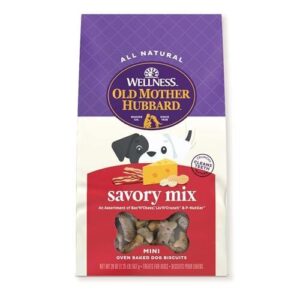
If your dog goes bonkers for that satisfying crunch during training, Old Mother Hubbard Dog Biscuits deliver old-school flavor in a low-calorie package—the mini biscuits clock in at just 10–12 calories per treat, making them smart low-calorie dog treat options for frequent rewards.
These natural dog treats feature whole wheat flour, oatmeal, and chicken fat with no artificial preservatives, giving you clean biscuit ingredients you can trust.
What I appreciate about these dog training treats is the variety pack—rotating chicken, cheddar, and bacon flavors keeps your pup engaged session after session.
| Best For | Dog owners who want a natural, crunchy training treat with multiple flavor options and low calories per piece for frequent rewarding. |
|---|---|
| Brand | Old Mother Hubbard |
| Age Range | Adult |
| Primary Flavor | Assorted Mini |
| Form | Crunchy Treat |
| Weight | 20 oz |
| Special Dietary | No artificial preservatives |
| Additional Features |
|
- Mini biscuits contain only 10–12 calories each, so you can reward your dog multiple times during training without overloading their daily calorie intake.
- Made with whole wheat flour, oatmeal, and chicken fat with no artificial preservatives or meat by-products for a cleaner ingredient profile.
- Variety pack includes chicken, cheddar, and bacon flavors to keep your dog interested and motivated throughout training sessions.
- Some buyers report the price is higher compared to similar biscuits at local pet stores, which may not fit every budget.
- Limited size variety in each package may not work well for households with multiple dogs of different sizes.
- Contains wheat as a primary ingredient, so it’s not suitable for dogs with grain sensitivities or specific dietary restrictions.
4. Virbac Tartar Control Dog Chews
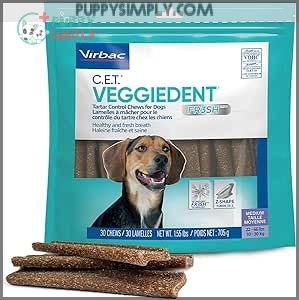
If your pup’s training routine needs a dental boost, Virbac Tartar Control Dog Chews pull double duty—supporting oral care and weight management. Each chew is a low-calorie pet food option (75 kcal) designed for medium dogs, with a texture that scrubs away tartar and freshens breath.
What I love about these chews is their smart blend of mechanical cleaning and prebiotic support, making them a standout in dog treat reviews for both dental health and overall pet nutrition and diet.
| Best For | Dog owners looking for a dental chew that tackles tartar buildup while keeping calories in check, especially if their medium-sized pup doesn’t tolerate brushing. |
|---|---|
| Brand | Whimzees |
| Age Range | All Life Stages |
| Primary Flavor | Dental Chew |
| Form | Chew |
| Weight | 30 chews |
| Special Dietary | Non-GMO, gluten-free |
| Additional Features |
|
- Combines mechanical cleaning with prebiotics to support both oral health and digestion in one chew
- VOHC-approved and made without GMOs, gluten, or artificial ingredients for quality-conscious pet parents
- The unique Z-shape design actively scrubs teeth to reduce plaque and freshen breath during chewing
- Higher price point compared to basic dental chews on the market
- Requires daily use to see meaningful tartar control results
- Some dogs may show minimal improvement depending on their individual dental condition
5. American Journey Chicken Dog Treats
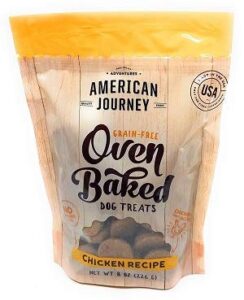
For training sessions that demand high-frequency rewards, American Journey keeps calorie management front and center with treats hovering around 1-3 calories each—perfect for extended behavior shaping without tipping into pet obesity territory.
Real chicken leads the ingredient list, delivering solid chicken nutrition in a grain-free formula that skips artificial junk. What I love is the crunchy texture that doubles as a dental scrub while your pup works through commands.
Store them properly in a cool, dry spot to maintain palatability, and you’ve got a reliable tool for dog wellness that earns top marks in dog treat reviews.
| Best For | Dog owners who need low-calorie training treats that support dental health while accommodating grain-free diets. |
|---|---|
| Brand | Pupford |
| Age Range | All Life Stages |
| Primary Flavor | Rabbit |
| Form | Training Treat |
| Weight | 2 oz |
| Special Dietary | All-natural, 2 ingredients |
| Additional Features |
|
- Real chicken as the first ingredient with only 1-3 calories per treat, ideal for extended training sessions without weight gain
- Grain-free formula free from corn, wheat, soy, and artificial additives makes it suitable for dogs with food sensitivities
- Crunchy, oven-baked texture helps clean teeth while rewarding good behavior
- Some dogs may not find the treats appealing based on individual taste preferences
- Price point can be high relative to the quantity provided in each package
- Quality control inconsistencies reported by some users, with occasional batches being less palatable
6. Virbac Veggiedent Tartar Control Chews
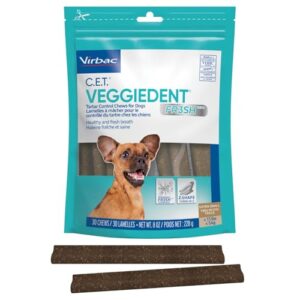
While crunchy options shine for training, Virbac Veggiedent Tartar Control Chews tackle dual duty at 24 kcal per chew—supporting oral hygiene alongside low-calorie pet food goals.
The Z-shaped, plant-based design scrubs away tartar, freshens breath, and delivers prebiotics for dog nutrition and gut health, earning VOHC veterinary approval.
Perfect for extra small dogs under 11 lbs, these gluten-free, non-GMO chews don’t replace vet dental care but make daily maintenance a breeze.
What I appreciate is how they address pet health holistically—tartar control meets animal nutrition without sabotaging dog obesity prevention during dog training treats routines.
| Best For | Extra small dog owners (under 11 lbs) who want a convenient, plant-based dental chew that cleans teeth, freshens breath, and supports digestion without adding many calories. |
|---|---|
| Brand | American Journey |
| Age Range | All Life Stages |
| Primary Flavor | Peanut Butter |
| Form | Baked Treat |
| Weight | Not specified |
| Special Dietary | Grain-free, no corn/wheat/soy |
| Additional Features |
|
- VOHC-approved Z-shaped design effectively removes tartar and plaque while promoting gut health with prebiotics
- Low-calorie option at 24 kcal per chew with clean ingredients (gluten-free, non-GMO, no artificial additives)
- Easy daily dental care alternative that works for dogs of all life stages without the hassle of brushing
- Higher price point compared to standard dental chews on the market
- Size-restricted to extra small dogs only, limiting use for larger breeds
- Requires consistent daily use and won’t fully replace professional veterinary dental cleanings
7. Stewart Chicken Breast Dog Treats

When pure protein matters most, Stewart Pro-Treat freeze-dried chicken breast delivers 74% protein at just 4 calories per piece—a training powerhouse for your pup. These single-ingredient, USA-made low-calorie dog treat options sidestep dog treat allergens (no grains, soy, or fillers), making them outstanding healthy snacking options for sensitive stomachs.
What I love about freeze-dried benefits is how they lock in chicken breast nutrition without artificial junk. Break them into smaller low-calorie rewards during intense training sessions, and you’ll see why these Stewart ProTreat gems earn their spot among top-tier low-calorie pet food choices.
| Best For | Dog owners looking for pure, single-ingredient treats for training or dogs with food sensitivities who need grain-free, allergen-friendly options. |
|---|---|
| Brand | Whimzees |
| Age Range | All Life Stages |
| Primary Flavor | Dental Chew |
| Form | Chew |
| Weight | 30 chews |
| Special Dietary | Non-GMO, gluten-free |
| Additional Features |
|
- 100% chicken breast with 74% protein and only 4 calories per piece—perfect for frequent training without weight gain
- Freeze-dried process preserves nutrients and flavor without any artificial preservatives, colors, or fillers
- Made in the USA from responsibly sourced ingredients in USDA-inspected facilities with resealable packaging for freshness
- Some customers reported quality control issues like discolored, shriveled, or bad-smelling pieces in their orders
- The freeze-dried texture may be too hard for dogs who prefer softer, chewier treats
- Price point can feel high given the 3 oz size (about 55 pieces), especially if quality inconsistencies occur
8. Jiminy’s Cricket Training Treats for Dogs
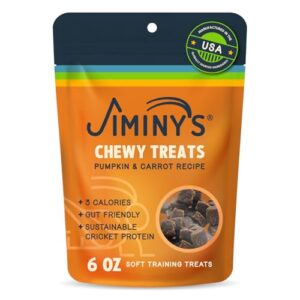
Looking to shrink your eco-footprint while rewarding Fido? Jiminy’s Cricket Training Treats deliver sustainable cricket protein at under 3 calories per semi-moist bite—perfect for intensive training sessions without the guilt.
This hypoallergenic, USA-made option bolsters dog nutrition with complete amino acids and prebiotic fiber, making them exceptional training rewards for pups with sensitive tummies.
At $11.49 for 6 ounces, these eco-friendly low-calorie dog treat options prove you don’t have to sacrifice the planet for effective dog training and rewards.
| Best For | Dog owners seeking sustainable, hypoallergenic training treats for pups with food sensitivities or anyone wanting low-calorie rewards that won’t derail their dog’s diet during frequent training sessions. |
|---|---|
| Brand | Stewart |
| Age Range | All Life Stages |
| Primary Flavor | Chicken |
| Form | Freeze-Dried |
| Weight | 3 oz |
| Special Dietary | Single ingredient, grain-free |
| Additional Features |
|
- Cricket protein is a complete, hypoallergenic source that works well for dogs with common protein allergies, plus it includes prebiotic fiber to support digestive health
- At under 3 calories per treat, you can reward liberally during training without worrying about weight gain or throwing off your dog’s daily calorie balance
- Semi-moist texture breaks apart easily for smaller rewards, and the USA-made formula uses environmentally-friendly ingredients that reduce your carbon pawprint
- Treats can dry out if the package isn’t sealed properly, and some buyers have noticed inconsistent texture or packaging differences between orders
- The flavor and novelty can make dogs a bit obsessed, so you’ll need to watch portions to prevent overfeeding during training excitement
- At $11.49 for 6 ounces, the price per treat runs higher than conventional options, which might add up if you’re training multiple dogs or going through treats quickly
Tips for Using Low-Calorie Treats Effectively

Picking the right low-calorie treat is only half the battle—you also need to use them strategically to get the best results for your pup. Smart portioning, regular weight checks, and professional guidance can make all the difference in keeping your dog lean and healthy during training.
Here’s how to optimize the benefits of low-calorie treats without sabotaging your dog’s wellness goals.
Portion Control During Training Sessions
Even the healthiest training treats can sabotage your pup’s weight goals if you’re not keeping score. Calorie tracking during positive reinforcement training ensures those low-calorie dog treat options don’t accumulate into a calorie bomb. Here’s your game plan for smart snack rationing:
- Keep treats within 5–10% of your dog’s total daily calories
- Use tiny portions (0.1–0.5 calories each) for frequent training rewards
- Count every treat during sessions to stay within feeding guidelines
- Switch to lower-calorie pet food options for extended training
- Balance treat sizing with praise and affection
Monitoring Your Dog’s Weight and Progress
Track your dog’s progress weekly to verify those low-calorie dog treat options are actually working. Weight tracking combined with body condition scoring gives you the full picture of your pup’s health journey.
Here’s your monitoring toolkit:
| What to Track | How Often |
|---|---|
| Scale weight | Weekly, same time |
| Body condition score (1–9) | Every 2 weeks |
| Key girth measurements | Monthly |
| Veterinary weigh-ins | Every 3–6 months |
Record everything—your nutrition planning depends on spotting trends early. If the numbers aren’t budging after four weeks, it’s time to adjust your low-calorie pet food portions or schedule health checks with your vet for animal nutrition advice on dog care and management strategies.
Consulting Your Veterinarian for Recommendations
Your vet isn’t just there for emergencies—they’re your partner in weight management and healthy snacking strategies. Veterinary recommendations on low-calorie pet food and dog training treats become especially critical since studies show up to 59 percent of dogs are overweight, making expert animal nutrition advice essential for your pup’s success.
Professional veterinary guidance accounts for your dog’s body condition score, existing health issues, and exact caloric intake needs.
Frequently Asked Questions (FAQs)
Can I make low-calorie dog treats at home?
You’re in the driver’s seat regarding homemade recipes—lean proteins like chicken or turkey with vegetables create healthy ingredients that support dog nutrition while maintaining calorie control through proper portion sizes and homemade safety practices.
How many training treats per day is safe?
Most dogs can safely enjoy training treats accounting for up to 10% of their daily calories—roughly 100–200 calories for medium breeds.
Calorie tracking and weight monitoring help you adjust treat portioning based on your pup’s individual needs.
Are low-calorie treats suitable for puppies?
Yes, low-calorie treats are suitable for puppies when chosen carefully. Select soft, appropriately sized options with animal protein, keep treats under 10 percent of daily calories, and consult your veterinarian for puppy-specific guidance.
Can these treats replace part of my dogs meals?
Think of treats like dessert—they’re not meant to fuel your pup’s day. While technically possible with veterinary guidance, replacing meals risks nutrient gaps.
Balanced diets need complete nutrition that most low-calorie dog treat options simply can’t provide alone.
Conclusion
The smallest choices often carry the biggest impact—those tiny treats you hand out dozens of times daily shape both your dog’s behavior and their long-term health.
By choosing the best low calorie dog training treats, you’re not sacrificing effectiveness for wellness; you’re ensuring every reward builds a better-trained, healthier companion.
Your pup deserves to master new skills without expanding their waistline, and now you’ve got the tools to make that happen.