This site is supported by our readers. We may earn a commission, at no cost to you, if you purchase through links.
That bacon-flavored treat in your hand might pack 30 calories. Your dog’s daily limit could be 200. Three treats, and you’ve blown through 15% of their food budget for the day.
Extra weight strains joints, hearts, and lungs. It also shortens lives. The fix isn’t starving your dog of joy—it’s choosing better.
The best low fat dog treats deliver flavor and reward without the calorie overload. Some run under 2 calories each. Others pack lean protein with almost no fat. Here’s where to start looking.
Table Of Contents
- Key Takeaways
- Best Low Fat Dog Treats
- Quick Comparison Table
- What Low Fat Really Means
- Best Training Treats
- Best Lean Protein Treats
- Best Fruit and Vegetable Treats
- Treats for Special Diets
- How to Choose Safely
- Homemade Low Fat Treats
- Frequently Asked Questions (FAQs)
- What is a low-fat snack for dogs?
- What is a good low-fat snack for dogs?
- What treats can I give my dog who has pancreatitis?
- What is considered a low-fat dog treat?
- What are the best treats for dogs to lose weight?
- What are the benefits of low-fat dog treats?
- Are there any dog treats that are both low-fat and high in protein?
- Are there any low-fat treats that are good for dental health?
- What are some healthy and affordable low-fat dog treats?
- How much of a dog’s total calorie intake should be from treats?
- Conclusion
Key Takeaways
- Treats should stay under 10% of your dog’s daily calories—for a 15kg dog eating 800 calories, that’s just 80 calories from treats total.
- "Low fat" and "low calorie" aren’t the same thing; a treat can be low in fat but still pile up calories fast without portion control.
- The safest low-fat treats use a single animal protein like chicken, beef liver, or white fish, keeping fat under 5% on a dry matter basis.
- Whole foods like baby carrots, green beans, and cucumber slices are naturally low in fat and calories, and most dogs will eat them happily.
Best Low Fat Dog Treats
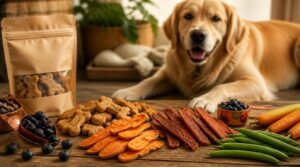
Finding a low-fat treat your dog actually enjoys isn’t always easy, but a few options consistently deliver on both nutrition and flavor. Each pick below stays low in calories without sacrificing the reward factor that makes training and bonding work. Here are five worth keeping in your rotation.
If you want even more options and expert picks, best low calorie dog training treats covers a wider range of smart choices that keep both training sessions and waistlines in check.
Pet Botanics Mini Treats
Pet Botanics Mini Treats are a reliable pick for dogs on a calorie-controlled diet. At 1.5 calories per treat, you can reward often without the guilt.
The pork liver base with salmon oil makes them genuinely appealing to picky eaters. The BotaniFits blend — rosemary and chamomile — adds a calming aroma dogs respond to during training.
Charlee Bear Chicken Liver
Charlee Bear Chicken Liver treats are the definition of pocket perfect treats — small, crunchy, and easy to carry. Real chicken liver drives that natural liver flavor dogs lock onto fast. They’re USA made snacks with no added sugar, making them a clean, low fat dog treats staple for daily training.
At under 3 calories each, they fit portion control guide needs without overthinking it. These treats feature a low crude fat content of only 3%.
Fruitables Skinny Minis
If crunchy treats work for some dogs, soft options are a better fit for others.
Fruitables Skinny Minis come in flavors like Grilled Bison and Apple Bacon, giving picky eaters real variety. At roughly 3 calories per treat, they fit a low calorie plan easily. They’re also grain-free and made with natural ingredients — a solid pick for weight management.
Covetrus Nutrisential Lean Treats
Some dogs need something a step softer and more practical for daily use. Covetrus Nutrisential Lean Treats fit that need well. They’re bite-sized and soft, made with real skinless chicken, and come in at 7 calories per piece.
- Vet-trusted and designed for weight management
- Resealable pouches keep treats fresh longer
- Low fat formula complements low calorie daily routines
Zuke’s Skinny Bakes
Zuke’s Skinny Bakes round out this list with a satisfying crunch at just 10 calories per biscuit. These baked crunchy bites come in a Natural Peanut Butter and Banana flavor profile, making them a reliable pick for training rewards.
| Feature | Detail |
|---|---|
| Calories | 10 per biscuit |
| Formula | Wheat free, grain‑free |
Their low calorie profile promotes weight management without sacrificing reward value.
Quick Comparison Table
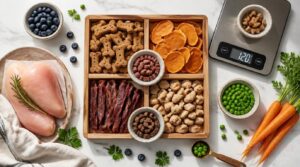
Not all low-fat treats are built the same, and the numbers tell the real story.
The table below breaks down five key factors for each option: calories per treat, fat content, protein source, texture type, and best use case. Use it to find what fits your dog’s diet at a glance.
Calories Per Treat
Each treat on this list has a different calorie count per piece — and that number matters more than most owners realize.
| Treat | Calories Per Piece | Best For |
|---|---|---|
| Pet Botanics Mini | 1.5 cal | Frequent training |
| Charlee Bear | Under 3 cal | Daily rewards |
| Fruitables Skinny Minis | 4 cal | Active dogs |
| Covetrus Nutrisential | 7 cal | Moderate use |
| Zuke’s Skinny Bakes | 10 cal | Occasional treats |
Treats should stay within 10% of daily calories. Mini treats make caloric density easy to control without sacrificing reward frequency.
Fat Content
Fat content is just as telling as calorie count — and worth a closer look.
| Treat | Fat Content | Fat Type |
|---|---|---|
| Pet Botanics Mini | Very low | Poultry-based |
| Charlee Bear | Under 5% | Lean protein |
| Fruitables Skinny Minis | Low fat | Fish oil omega |
| Covetrus Nutrisential | Moderate low | Balanced fat |
| Zuke’s Skinny Bakes | ~5% fat | Mixed sources |
For weight management and pancreatitis support, stay at or below 5% fat on a dry matter basis. Lower fat also keeps low calorie totals realistic across a full training session.
Protein Source
Protein source tells you a lot about what’s actually in that treat.
| Treat | Protein Source |
|---|---|
| Pet Botanics Mini | Poultry-based |
| Charlee Bear | Chicken liver |
| Fruitables Skinny Minis | Bison |
Animal protein delivers higher biological value than plant blends. Single-protein options like dehydrated chicken breast also make allergen tracking straightforward for sensitive dogs.
Texture Type
Texture affects how fast your dog can swallow a treat during training.
Softer, flexible treats tend to slow chewing down just enough — much like the best bones for dogs’ teeth that bend slightly to match your dog’s bite and keep plaque scraping effective.
| Treat | Texture Type | Chew Resistance |
|---|---|---|
| Pet Botanics Mini | Soft chewy | 2–4 seconds |
| Charlee Bear | Crunchy Tender Bites | Medium crackle |
| Fruitables Skinny Minis | Jerky Style Strips | Flexible, pliable |
| Zuke’s Skinny Bakes | Air Dried Crisps | Firm, not brittle |
Freeze Dried Crunch suits dogs who respond well to texture variety.
Best Use Case
Each treat on this list fits a specific need. Here’s where they shine most.
| Treat | Best Use Case |
|---|---|
| Pet Botanics Mini | Training Reward System |
| Charlee Bear | Weight Management Plan |
| Fruitables Skinny Minis | Allergy Friendly Diet |
Pancreatitis Management and Senior Dog Care call for soft, low-fat options. Dogs with sensitive stomachs do best with single-ingredient, low fat dog treats.
What Low Fat Really Means
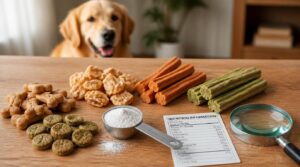
Low fat" on a treat label doesn’t always mean what you think. The number that actually matters depends on how the fat is measured and what your dog’s health requires. Here’s what to look at before you buy.
Fat Percentage Explained
When you pick up a bag of low fat dog treats, the number that matters most is the crude fat percentage on the guaranteed analysis panel. That figure reflects fat as-fed — meaning exactly what’s in the treat at the time you give it.
Here’s what that label actually tells you:
- Crude fat is measured in a lab and shown as a percentage of the product’s total weight.
- Fat provides 9 calories per gram — nearly double what protein or carbs deliver — so even small fat differences shift the calorie count noticeably.
- Serving size changes everything; a 2% fat treat given in large pieces can deliver more fat daily than a 5% treat given sparingly.
Not every brand defines "low fat" the same way. An AAFCO-compliant, low-fat formula may still vary widely in ingredient fat content depending on whether the recipe uses lean cuts or fat-rich byproducts. Always convert the label fat percentage into grams per treat using the serving weight for the clearest picture.
Dry Matter Basis
The crude fat percentage on a guaranteed analysis only reflects as-fed values. Once you factor in moisture, the numbers shift. Dry matter basis removes water to show true nutrient density — especially useful when comparing treats with different moisture levels.
| Treat Type | As-Fed Fat | DM Fat Estimate |
|---|---|---|
| Dehydrated chicken breast | 3% | ~3.1% |
| Freeze-dried beef liver | 5% | ~5.3% |
| Canned pumpkin | 1% | ~5% |
| Fish skin treats | 5% | ~5.2% |
| Commercial low fat biscuit | 4% | ~7–9% |
For weight management, AAFCO-compliant low fat dog treats should fall under 10% DM fat.
Low Fat Vs Low Calorie
Low-fat and low-calorie aren’t the same thing. Low-fat treats cut fat to around 10% of calories, while low-calorie focuses on total daily intake, often 500-750 less.
Fat packs 9 calories per gram. A "low-fat" treat can still pile up calories without portion control. For weight management, calorie deficit matters more than the fat label alone.
Veterinary Diet Considerations
If your dog has health issues, treats need to fit the bigger picture. Prescription diet planning focuses on nutrient target matching, not just low fat dog treats. Pancreatitis, kidney, or liver cases need vet-trusted choices that won’t throw off the plan.
Check labels carefully. Medical treat integration means picking AAFCO-compliant options that follow your vet’s dietary consistency guidelines for any dietary restrictions.
Best Training Treats
Training sessions mean lots of treats, and those calories add up fast. The trick is picking small, low-fat rewards your dog still goes crazy for. Here’s what to look for when stocking your training pouch.
Tiny Bite Sizes
Size matters more than you’d think during training. Tiny bites, about half an inch wide, give you bite size safety for small dogs and big rewards without big calories.
- Easy one-bite chewing
- Low choking risk
- Calorie controlled rewards
- Grainfree options available
- Great treat size variety
This mini treat convenience makes portion friendly training simple, keeping low fat dog treats useful for frequent training rewards.
Low Calorie Rewards
A handful of treats during training adds up fast. Aim for 2 to 4 calories per piece, so you stay within calorie count guidelines without skipping rewards.
Single-ingredient chicken or fish bases give a flavor boost without extra fat. Check packaging transparency standards: labels should list calories per treat for easy portion control.
Keep reward frequency limits in mind to support weight control for dogs during longer training sessions.
Soft Training Options
Soft treats melt fast, so your dog gets the reward right away. That speed matters for marker consistency practice and soft reward timing.
Soft textures also suit gentle training sessions with puppies or seniors. Try freeze-dried liver bits or soft jerky pieces, both low calorie and made with natural ingredients.
Use portion control methods to keep treats under 10% of daily intake, supporting a healthy weight during frequent training rewards.
High Reward Flavors
Some flavors just work better for tough training moments. Bacon flavor appeal grabs attention fast with smoky, meaty notes. Peanut butter honey combos feel familiar and sweet. Salmon aroma boost signals "high value" instantly. Cheese umami richness seals the deal for picky pups.
Try flavor pairing strategies, like chicken and apple, using AAFC compliant, vet trusted, low fat dog treats with natural ingredients for reliable training rewards.
Portion Control Tips
Training treats add up fast. Stick to daily treat limits: 1 to 2 calories per pound of body weight. Use weight based treats and break larger pieces into quarters.
Try treat portion tracking with a quick log, and treat jar management to preset daily amounts. Adjusting portion sizes weekly helps with calorie counting for dogs, supporting weight management and obesity prevention while keeping lowfat dog treats effective for training.
Best Lean Protein Treats
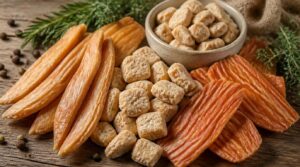
Sometimes your dog needs more protein and less fat, plain and simple. Lean protein treats give you that without the extra calories or grease. Here are five solid picks worth keeping in your treat jar.
Dehydrated Chicken Breast
Dehydrated chicken breast packs high protein retention, often 60-80% per 100 grams. Fat stays low, around 5-25%. Moisture content drops under 10%, giving great shelf-life benefits and a chewy texture variation that’s easy on teeth.
It’s a natural, low-calorie, allergy-friendly option—pure chicken, no fillers. Vet-trusted dehydrated meat treats like this fit perfectly into any low-fat dog treats lineup.
Freeze-Dried Beef Liver
If chicken’s your go-to, beef liver kicks things up a notch. It’s nutrient dense, packing iron, zinc, copper, and B12 into one bite-sized piece. That iron boost matters for active dogs.
Freeze-dried beef liver contains 5% fat and 67% protein, fitting nicely into low calorie plans. The process locks in aromatic appeal and gives a satisfying crunchy texture with strong shelf stability—often over 12 months when stored right.
Fish Skin Treats
Liver’s great, but if your dog needs an omega-3 boost, fish skin is worth a look.
Dehydrated cod skins are often single-ingredient, hypoallergenic, and grain-free—low risk for sensitive pups. Fat runs 2-6%, protein over 60%. The crunchy texture helps dental health, while rolled or twisted styles offer chewier variety.
Store in a cool, dry spot, resealed tight.
Kangaroo Jerky
Want something different from chicken or fish? Try kangaroo jerky—a great allergy alternative with novel protein.
It’s naturally lean, around 2% fat, with 12-15g protein per serving. Sourcing sustainability matters here, so look for Australian-farmed, vet-trusted brands.
- Chewy texture with firm bite
- Low carb, under 5g per serving
- Mellow, gamey flavor profile
- Promotes weight management goals
White Fish Cubes
Fish lovers, here’s your pick. White fish cubes—usually cod, haddock, or pollock—are low fat, high protein treats. Omega 3 benefits support coat and skin health.
| Type | Fat | Protein |
|---|---|---|
| Cod | Low | High |
| Pollock | Low | Moderate |
| Fish skins | Low | Very High |
Choose single-protein, AAFCO-compliant, sustainably sourced options. Freeze for shelf life; bake or steam without oils.
Best Fruit and Vegetable Treats
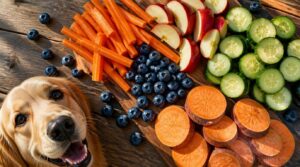
Sometimes the best treats come straight from your kitchen, not a bag. Fruits and veggies are low in fat, easy on the wallet, and packed with good stuff for your dog. Here are five simple options worth keeping on hand.
Pumpkin
Pumpkin is a low-fat treat superstar. It’s about 92% water, so it’s light and easy on digestion. Canned, unsalted pumpkin gives 21 calories per half cup, with beta-carotene and fiber for gut health.
Try Fruitables Baked Pumpkin and Banana, or roast pumpkin seeds for a crunchy snack your dog will love.
Baby Carrots
Crunchy carrot sticks are nature’s toothbrush for dogs. Each baby carrot has just 2 to 3 calories, making them great for weight management and healthy pet snacks. They’re packed with beta carotene and offer solid fiber benefits for digestion.
Most come from carrot production lines designed for uniform size. Refrigerate for longer shelf life, or try freezing tips: freeze extras for cooked dishes later, since raw texture softens after thawing.
Green Beans
A handful of green beans makes a low-fat, low-calorie snack with about 31 calories per cup. They’re packed with fiber, potassium, and vitamin K for digestion and bone health.
- Steam or boil for easy chewing
- Use fresh, frozen, or canned varieties
- Choose plain, unsalted beans only
- Store fresh beans in the fridge up to a week
This natural ingredient promotes weight control without sacrificing nutrition.
Cucumber Slices
Cucumber slices are basically water with crunch—95% of each slice is moisture, perfect for hydration benefits on hot days. At roughly 1 calorie per slice, they’re a true low calorie snack with almost no fat.
Serving size guidelines: a small handful stays under 10 calories. Most dogs handle them well, but introduce slowly to check digestive tolerance. Cut evenly, and you’ve got safe, healthy snacking for pets.
Sweet Potato
Sweet potato is nature’s multivitamin in root form. It’s loaded with beta carotene benefits for your dog’s eyes, skin, and immune system, plus fiber for digestion.
Cooked, it’s naturally sweet—no added sugar needed.
- Soft enough for seniors with sore teeth
- Easy on sensitive tummies, an allergy friendly option
- Packed with nutrient density for active dogs
- Roasting boosts flavor without added fat
Bake batches ahead; refrigerate up to a week.
Treats for Special Diets
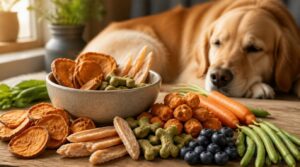
Some dogs need more than just "low fat" on the label. Health issues like pancreatitis, sensitive stomachs, or heart problems call for extra care. Here’s what to look for, depending on your dog’s needs.
Pancreatitis-Friendly Choices
Pancreatitis turns fat into the enemy. Your goal is under 10% fat on a dry matter basis, sometimes stricter at 8%. Stick to lean chicken, turkey, or white fish, with plain pumpkin or carrots as fillers.
Skip anything fried, buttery, or oily. Always run a quick ingredient safety checklist, and loop in your vet for prescription diet integration and long-term, vet-trusted, low-fat care.
Weight Management Treats
Weight loss for dogs comes down to math. Calorie counting matters more than fat percentage here.
Set a daily treat budget under 10% of total calories, and pick nutrient-dense treats like Fruitables Skinny Minis at 4 calories each. Match treat frequency to activity integration—more walks mean a little wiggle room.
Track your dog’s weight loss timeline monthly. Slow, steady progress beats quick fixes every time.
Sensitive Stomach Options
Numbers matter, but so does how your dog’s gut processes treats.
For sensitive stomachs, stick to gentle protein options like skinless chicken or white fish. Soft texture benefits mean easier digestibility and less strain. Choose low-FODMAP ingredients—plain pumpkin, cooked carrots—and follow bland diet strategies during flare-ups. Many low fat dog treats are also hypoallergenic and AAFCO-compliant.
Don’t forget hydration support tips: water alongside treats keeps digestion moving smoothly.
Low Sodium Treats
Gut health matters, but so does heart health. If your dog has heart or kidney issues, sodium matters too. Follow sodium threshold guidelines—around 140 mg per serving. Heart disease benefits come from steady sodium control.
For kidney diet integration, pick natural ingredients over processed meats. Try homemade broth cubes for vet-trusted, AAFCO-compliant, low-fat diet treats with built-in portion control sodium.
Senior Dog Treats
Sodium control matters, but so does comfort. Older dogs often need soft texture benefits more than anything else—worn teeth make hard biscuits painful.
Look for treats with glucosamine, chondroitin, or omega-3s for joint support. Stick to calorie control guidelines: under 10% of daily intake. Low fat, easy-to-digest options support healthy weight and aging dog nutrition without straining sensitive stomachs.
How to Choose Safely
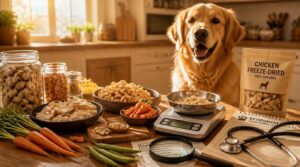
Picking a treat isn’t just about taste. A few simple checks can keep your dog safe and healthy. Here’s what to look for before you buy.
Avoid Added Sugars
Sugar likes to hide. Check ingredient lists for sucrose, corn syrup, honey, or molasses—these are hidden sugar sources. Label reading tips matter most here: "sugar-free" doesn’t guarantee additive-free.
For training treat sugar control, pick:
- Plain dehydrated chicken
- Baby carrots
- Pumpkin bites
- Cucumber slices
- Freeze-dried liver
These sugar-free alternatives use natural ingredients, support portion control sugar goals, and keep your low fat dog treats truly low-calorie and free of artificial additives.
Check Artificial Ingredients
Often, the ingredient list tells you more than the label’s front claims. Flip the bag over and scan for artificial colors, synthetic preservatives, and artificial sweeteners—none add nutrition.
| Watch For | Common Names | Better Choice |
|---|---|---|
| Colors | Blue 1 Lake, Red 40 Lake | Natural ingredients |
| Preservatives | BHA, BHT, ethoxyquin | Tocopherols, rosemary extract |
| Flavors | "Artificial Flavor" | AAFCO-compliant recipes |
Good label reading keeps your dog treats clean, lowfat, and additive-free.
Match Treat Size
Grab a treat and check it against your dog’s mouth—size matters more than you think.
- Dog Mouth Fit: match size to jaw, not just weight
- Size Guidelines: pea-sized for small dogs, quarter-sized for large
- Chew Comfort: avoid pieces too big or too small
- Training Speed: tiny bites keep sessions moving
Good portion precision helps portion control and keeps lowfat, lowcalorie rewards working for any size dog.
Choose Safe Textures
Texture matters as much as size. Crunchy biscuits support dental health but can hurt seniors or puppies with sore teeth. Soft chews are easier on the mouth and good for gulpers, with supervision.
Pick easily digestible, grain-free, hypoallergenic, natural ingredient treats that soften when chewed. Bendy beats rigid—safer for every age and jaw.
Follow Ten Percent Rule
Ten percent. That’s the magic number for treats, no matter the size of your dog.
Ten percent is the magic number for treats, no matter your dog’s size
For a 15kg dog eating 800 calories daily, treats should stay near 80 calories. Here’s how to manage it:
- Treat calorie tracking using labels
- Daily portion management each morning
- Reward frequency guidelines for training
- Meal portion adjustment if treats run high
Try a treat jar system for easy portion control and weight management with low-calorie dog snacks.
Homemade Low Fat Treats
Sometimes store-bought just doesn’t cut it, and that’s okay. Making treats at home gives you full control over every ingredient that goes in. Here are five simple recipes worth keeping in your rotation.
Pumpkin Oat Treats
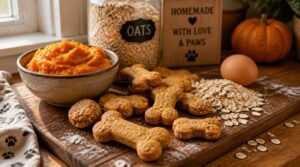
Three ingredients, big payoff: pumpkin, oats, and one egg make a simple, low fat treat. Use plain pumpkin puree, not pie filling. Bake at 350°F until edges feel dry.
| Tip | Detail |
|---|---|
| Texture | Grind oats fine for dense treats, leave whole for chewy |
| Storage | Airtight container, or freeze extra batches |
| Portion | Keep pieces small for weight management |
Sweet Potato Cookies

Mashed sweet potato gives these cookies a soft, chewy texture—naturally sweet, no sugar needed.
- Use oat flour for fiber
- Add cinnamon for flavor variations
- Bake at 350°F, 12–15 minutes
- Store airtight for freshness
- Keep pieces small for weight management
Simple, natural ingredients, genuinely low fat dog treats.
Zucchini Mini Muffins
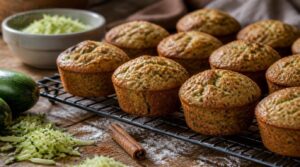
Sweet potatoes aren’t the only veggie base that works. Zucchini adds moisture retention without extra fat—perfect for a low fat diet treats for dog.
| Detail | Spec |
|---|---|
| Baking Temperature | 350°F |
| Bake Time | 16–18 min |
| Portion Size | Mini muffin |
Grate and squeeze zucchini dry first. Add cinnamon for flavor add-ins, using natural ingredients for genuine low-calorie dog snacks.
Freezing and Storage
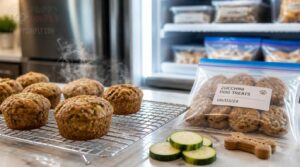
Once your zucchini muffins cool, freezing keeps them fresh. Store at 0°F or below, in airtight bags with little headspace. Squeeze out air to prevent freezer burn. Thaw safely in the fridge, never on the counter.
Homemade treats last up to 3 months frozen. For store-bought options like freeze-dried raw treats, ColdDried Bully Sticks, or dehydrated wolffish skins, check labels—single-ingredient dog treats often store longer.
Custom Diet Adjustments

Once your treats are stored, think about your dog’s specific needs. A vet consultation helps with calorie allocation, protein selection, and allergy management. Adjust this lowfat formula for pancreatitis, weight management, or sensitivities.
Try these tweaks:
- Swap protein sources for allergy management.
- Scale portions down for smaller dogs.
- Reduce pumpkin for stricter fat limits.
These vet-trusted swaps handle dietary challenges and special dietary needs easily.
Frequently Asked Questions (FAQs)
What is a low-fat snack for dogs?
Less is more regarding your dog’s snack. A low-fat snack keeps crude fat under 5% on the label — plain, simple food with no added oils or fillers.
What is a good low-fat snack for dogs?
Plain baby carrots, cucumber slices, and unsalted green beans make solid low-fat snacks. They’re low-calorie, nutrient-dense, and safe for most dogs. Lean proteins like boiled chicken also work well for weight management.
What treats can I give my dog who has pancreatitis?
Dogs with pancreatitis need a fat-restricted diet, yet they still deserve rewards. Stick to baby carrots, green beans, or plain cooked chicken breast — all low-fat, vet-recommended options that won’t trigger a flare-up.
What is considered a low-fat dog treat?
A low-fat dog treat stays under 9% fat on a dry-matter basis. For wet treats, that drops to 4%. Anything above those thresholds doesn’t qualify, regardless of how it’s marketed.
What are the best treats for dogs to lose weight?
The best treats for weight loss are low-calorie, small-sized rewards — under 4 calories each. Baby carrots, cucumber slices, and Pet Botanics Mini Treats work well without pushing past the 10% daily calorie rule.
What are the benefits of low-fat dog treats?
Switching to low-fat treats makes calorie control simple. They support healthy weight, ease digestion, and keep training sessions efficient. Your dog gets rewarded without the added fat load that drives obesity and metabolic issues.
Are there any dog treats that are both low-fat and high in protein?
Yes. Dehydrated chicken breast hits 78% protein with just 3% fat. Fish skin treats reach 93% protein at 5% fat — impressive numbers for dog health management.
Are there any low-fat treats that are good for dental health?
Good news — there are. GREENIES Weight Management and Pro Plan Dental Chewz are both low-fat and VOHC-accepted, meaning they’ve met real plaque-control standards. Look for crunchy, sugar-free options with proven chewing action.
What are some healthy and affordable low-fat dog treats?
Treats under 3 calories each — like Pet Botanics or Charlee Bear — keep costs low and nutrition high. Baby carrots and green beans are budget-friendly options that double as healthy dog chews.
How much of a dog’s total calorie intake should be from treats?
Keep your dog’s daily treat percentage at no more than 10% of total caloric intake. The remaining 90% comes from their main meal. This simple calorie allocation guideline keeps weight control on track.
Conclusion
One wrong treat choice won’t end your dog’s life—but a thousand bad ones over time just might. The best low-fat dog treats aren’t about deprivation; they’re about trading empty calories for real, lasting reward.
A carrot stick, a dehydrated chicken cube, a two-calorie training morsel—each one is a meaningful act of care.
Your dog doesn’t know the difference between indulgent and smart. You do. That’s what makes every treat count.
- https://thepetslarder.co.uk/blogs/journal/low-fat-dog-treats
- https://hubertpet.com/blogs/news/low-fat-treats-for-overweight-dogs-healthy-rewards-for-weight-loss-goals
- https://dougsdogsupplies.com/blogs/blog-posts/best-dog-treats-of-2026-healthy-options-for-every-dog
- https://www.simplelivingalaska.com/post/sweet-potato-and-pumpkin-dog-treats
- https://www.petobesityprevention.org/low-calorie-dog-treats-recipes