This site is supported by our readers. We may earn a commission, at no cost to you, if you purchase through links.
Most dogs who survive parvo carry protective antibodies for three to five years—an impressive defense that makes reinfection genuinely uncommon.
But "uncommon" isn’t the same as "impossible," and that distinction matters when your dog has already fought through one of the most devastating viral illnesses in veterinary medicine.
Immunity can erode.
Vaccines lapse.
New strains circulate.
Whether you’re caring for a recovered dog or simply want to understand what protection actually looks like, the answer to can a dog get parvo twice is more layered than a simple yes or no.
Table Of Contents
- Key Takeaways
- Yes, but It is Uncommon
- How Parvo Immunity Works
- How Long Immunity Lasts
- Why Parvo Can Return
- Reinfection Versus Relapse
- Symptoms of Second Parvo Infection
- What to Do Immediately
- How Vets Diagnose Parvo
- Treatment for Repeat Parvo
- Preventing Parvo Twice
- Frequently Asked Questions (FAQs)
- Can dogs get Parvo more than once?
- Can a dog survive a second infection with Parvo?
- Is canine parvovirus the same virus as human flu?
- Why does my dog keep getting parvo?
- What are the odds of a dog getting parvo twice?
- Can a dog get parvo after having parvo?
- What to do after your dog survived parvo?
- How long after exposure do symptoms appear?
- What disinfectants kill parvo effectively?
- Is there a vaccine for the new strains of parvo?
- Conclusion
Key Takeaways
- A dog can get parvo twice, but it’s genuinely uncommon — strong immunity lasting 3–5 years, though waning antibodies, missed boosters, or a weakened immune system can quietly reopen the door.
- Even a recovered dog isn’t fully covered against all strains, since CPV-2c can reduce neutralizing antibody effectiveness, making cross‑strain vulnerability a real concern.
- Staying current on booster vaccinations is non‑negotiable — triennial boosters maintain protective titers in over 90% of adult dogs and fill the gaps that natural immunity alone can’t hold long‑term.
- If your dog shows sudden vomiting, bloody diarrhea, or extreme lethargy after a previous parvo infection, don’t wait — acting within the first 24 hours can push survival odds from 70% to 90%.
Yes, but It is Uncommon
Yes, a dog can get parvo twice — but it’s not common. Once a dog recovers, their immune system builds real, lasting protection that holds up well for years. Here’s what shapes that protection and when it can start to slip.
That recovery process and what to watch for is explained well in this guide on signs a puppy will survive parvo.
Natural Immunity After Parvo
When a dog recovers from parvovirus, its immune system doesn’t just move on — it remembers. Natural infection immunity triggers the production of protective antibodies that peak within two weeks of recovery and can remain active for several years. Here’s what that protection actually involves:
- Immune memory cells that recognize the virus on future exposure
- Cross-variant defense against CPV-2a, CPV-2b, and CPV-2c strains
- Natural protection duration that commonly spans three to five years
That said, host-specific immunity varies — not every dog mounts the same response.
The virus’s environmental persistence of virus can last up to several years, underscoring the importance of thorough disinfection.
Why Reinfection is Rare
That immune memory built during recovery is a big part of why reinfection stays rare. A rapid immune response — driven by memory B- and T-cells — can recognize and neutralize the virus before it establishes a foothold.
Add cross-strain defense covering CPV-2a, 2b, and 2c variants, and most recovered dogs carry durable, broad protection without ever needing a second full battle.
When Risk Increases
That durable protection has its limits, though.
A vaccination delay of even a year or two can let antibody levels drop enough to leave your dog exposed. Immunosuppressive therapy — steroids, for instance — can further weaken defenses, as can chronic illness. Kennel exposure in high‑traffic facilities raises the stakes considerably, where high viral loads can overwhelm even partial immunity.
Vaccination Still Matters
Even so, natural immunity alone isn’t a safety net you can rely on indefinitely. Vaccine-induced immunity fills the gaps that recovery leaves behind — and it starts earlier, before your dog ever faces exposure.
- A complete puppy vaccination series builds protection during the most vulnerable growth window
- Booster shots maintain titers when post-infection antibodies begin to wane
- Maternal antibody interference makes repeat doses necessary — one shot rarely finishes the job
- Vaccine product choice determines whether your dog is covered against CPV-2a, 2b, and 2c variants
Staying on schedule matters especially if your dog visits kennels, travels, or spends time around unfamiliar dogs. Community protection benefits every dog in shared spaces — vaccinating yours reduces exposure pressure on puppies who aren’t fully protected yet.
How Parvo Immunity Works
Understanding how your dog’s immune system actually reacts to parvo helps explain why reinfection is so uncommon. The process involves several interconnected mechanisms working together to keep your dog protected. Here’s what’s happening inside your dog’s body after a parvo infection.
Antibodies After Recovery

When your dog recovers from parvo, their immune system gets to work fast. Post-infection antibody titers usually peak within two weeks of clinical recovery.
These antibodies vary between individual dogs, and neutralizing capacity can decline over time — meaning a test showing antibodies doesn’t guarantee full protection. Re-exposure can boost those levels again, but waning titers still leave some dogs vulnerable.
Memory Immune Cells
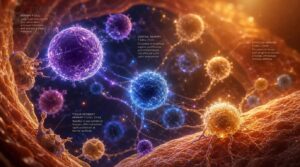
Beyond antibodies, your dog’s body builds a cellular immunity network that runs deeper.
Memory immune cells — including Central Memory T, Effector Memory Cells, Tissue Resident Memory, and Stem Memory T cells — persist long after recovery. This memory heterogeneity means different cell types guard different locations, ensuring a faster, stronger response if CPV returns.
Protection Against Strains
What’s notable is that your dog’s recovery from parvo doesn’t just arm them against the exact strain they fought — it builds cross-protection across related variants.
Serologic surveys show that over 85% of recovered dogs retain neutralizing antibodies against CPV-2a, CPV-2b, and CPV-2c.
This heterologous immunity reflects how closely these strains share core epitopes, making vaccine-induced immunity and natural immunity both meaningfully broad.
Immunity Can Fade
That broad protection is reassuring, but it isn’t permanent.
Over time, antibody titer drop is inevitable — circulating levels peak after recovery, then quietly decline month by month. When titers fall below protective thresholds, immune waning begins, and reinfection becomes a real possibility, especially under high viral dose exposure.
How Long Immunity Lasts
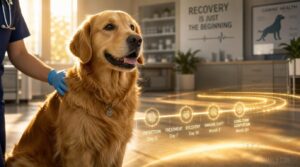
Immunity after parvo isn’t a fixed thing — it shifts over time, and knowing the timeline helps you stay ahead of any gaps in your dog’s protection. The picture changes from those first weeks after recovery all the way through the years that follow. Here’s what that progression actually looks like.
First Weeks After Recovery
The first weeks after parvo recovery are a delicate window. Your dog may seem better, but viral shedding can continue for up to 10 days post-recovery, so isolation and hygiene stay non-negotiable.
Watch stool consistency and hydration closely — loose stools and poor water intake can signal trouble fast.
Keep activity low, meals small, and follow-up visits scheduled.
Several Years of Protection
Most dogs that survive parvo carry protective immunity for 3–5 years. Antibody levels peak within two weeks of recovery and remain strong well into that window.
Memory B- and T-cells add another layer — they recognize the virus quickly if it returns. Importantly, over 85% of survivors retain cross-strain protection against CPV-2a, CPV-2b, and CPV-2c variants.
Waning Antibody Levels
That 3–5 year protection window doesn’t last forever. Antibody titer decline begins gradually, and by year three, neutralizing antibody levels can drop enough that a new exposure poses real risk.
Age-related waning accelerates this further in senior dogs, and immunity waning won’t always show obvious signs — which is why routine antibody titer tests help catch the drop before it matters.
Booster Timing Matters
That’s exactly where booster timing comes in. Triennial booster vaccinations maintain neutralizing titers in over 90% of adult dogs, directly countering immunity waning before it opens a vulnerability window.
If your dog’s vaccine schedule has slipped, a catch-up booster plan restores coverage — waiting isn’t safer. Your vet can confirm the right interval based on your dog’s history.
Why Parvo Can Return
Even a dog that survived parvo isn’t guaranteed to stay protected forever. Several factors can quietly chip away at that immunity over time. Here’s what actually puts a recovered dog back at risk.
Missed Booster Vaccines
Even a dog that survived parvo isn’t permanently protected if booster vaccinations lapse. Here’s what puts recovered dogs at risk when the vaccine schedule slips:
- Booster gaps allow antibody titers to drop below protective levels
- Reminder failures at clinics cause owners to miss overdue dates
- Exposure window risk rises before catch-up dosing is completed
- Vaccine records gaps leave vets guessing about true immunity status
- Vaccination compliance breaks down during busy or disruptive life periods
Weak Immune System
A lapsed booster isn’t the only vulnerability. Immune system compromise is another real risk factor for reinfection.
Immunocompromised dogs — those on corticosteroids, battling concurrent infections, or suffering from nutritional deficiencies — can’t mount the same defense. White blood cells lose effectiveness, barrier protection weakens, and the dog becomes genuinely susceptible again. Immunosuppression can even double viral shedding duration, worsening spread.
Heavy Virus Exposure
Even a well-immunized dog can be overwhelmed when viral load exposure is simply too high. Think of immunity as a wall — strong, but not unbreakable.
Even the strongest immunity has its limits when viral exposure is simply too high
In high-risk environments like kennels, fecal contamination can reach staggering concentrations, enough to flood past existing defenses through repeated fecal-oral transmission and direct contact with infectious surfaces.
Different Parvo Strains
Not all parvo is the same. The virus circulates as distinct variants — CPV-2a, CPV-2b, and CPV-2c — each carrying subtle differences in their VP2 capsid protein.
Your dog’s immunity targets the strain it previously encountered, and cross-protection has limits. CPV-2c, for instance, can reduce neutralizing antibody effectiveness by roughly 30%, leaving a recovered dog genuinely vulnerable to reinfection.
High-risk Dog Breeds
Certain breeds carry a higher reinfection risk when exposed to parvo.
Rottweilers, Doberman Pinschers, and Pit Bulls face greater disease severity due to genetic susceptibility — their immune systems don’t always mount responses as strong as other breeds.
For these dogs, breed management and supervision in high‑risk environments isn’t optional; it’s essential, especially for immunocompromised dogs where any exposure can turn serious fast.
Reinfection Versus Relapse
Not every dog that seems sick again after parvo is actually dealing with a brand-new infection. There are a few distinct scenarios that can look similar on the surface but have very different causes and implications. Understanding the difference matters, and these key points can help clarify what’s really going on.
Continued Viral Shedding
A dog can look perfectly healthy and still be quietly spreading parvovirus. Post-recovery shedding continues for up to 10 days after clinical signs resolve, meaning your dog’s stool can still carry infectious virus even after the vomiting and diarrhea stop.
Here’s what that shedding period actually means for your household:
- Fecal virus detection via PCR can remain positive for up to two weeks after recovery
- Environmental contamination persists on floors, bedding, and grass long after shedding stops
- Fecal-oral transmission remains a real risk to unvaccinated dogs sharing the same space
- Viral persistence on surfaces means contaminated feces left behind can expose dogs weeks later
That’s why isolation protocols don’t end the moment your dog perks up — the virus does.
False Positive Tests
A positive fecal test shortly after recovery doesn’t always mean your dog is sick again. Diagnostic PCR tests can stay positive for up to two weeks post-recovery — not because the virus is active, but because genetic fragments linger.
Cross contamination and cross reactivity in lab samples can also trigger misleading results, making confirmatory testing essential before assuming reinfection.
New Exposure Risks
Even after recovery, your dog doesn’t live in a bubble.
Outdoor surface contamination is a genuine concern — parvovirus survives on soil and walkways for months. Your shoes track it indoors too, making footwear transfer a silent risk.
Shared gear, kennel traffic, and multi-dog spaces all create fecal‑oral transmission opportunities that can re‑expose a recovered dog to dangerously high viral loads.
Vet Diagnosis Needed
Getting re-exposed doesn’t automatically mean reinfection — and that’s exactly why vet diagnosis is non-negotiable. A veterinarian combines physical exam findings, vaccination history, and a differential diagnosis process to rule out other causes of vomiting and diarrhea that mimic parvo.
Fecal ELISA and PCR tests confirm whether the virus is genuinely present, so your dog gets the right treatment fast.
Symptoms of Second Parvo Infection
A second parvo infection looks almost identical to the first — your dog’s body doesn’t get an easier version just because it’s been through this before. Knowing what to watch for can mean the difference between catching it early and losing critical hours. Here are the key symptoms to keep on your radar.
Sudden Vomiting
Sudden vomiting is often the first sign your dog is in serious trouble. With parvo reinfection, it hits fast — no warning, no build-up. One moment your dog seems fine; the next, they can’t keep anything down. This isn’t a passing stomachache.
Severe vomiting rapidly depletes fluids, making dehydration a real and urgent concern within hours.
Bloody Diarrhea
Close behind the vomiting comes something harder to see — bloody, mucus-streaked diarrhea. The stool often looks watery with bright red blood mixed throughout, a sign that the virus is actively inflaming and damaging the intestinal lining.
Your dog may strain repeatedly with little result, a response known as tenesmus, driven by deep rectal irritation.
Severe Dehydration
All that fluid loss from vomiting and diarrhea adds up fast. Severe dehydration sets in quickly, and your dog’s body starts showing it clearly:
- Sunken eyes and dry, sticky gums
- Dark amber urine or no urination at all
- Rapid heartbeat and shallow, quick breathing
Immediate IV fluid therapy is the priority — waiting isn’t an option.
Loss of Appetite
When a dog is battling parvo a second time, appetite often disappears completely. The combination of nausea, vomiting, and diarrhea makes eating feel impossible — and the body’s energy reserves deplete fast.
Even offering favorite foods may get no response.
This isn’t pickiness; it’s the gut shutting down.
Persistent refusal to eat alongside other GI symptoms is a clear signal to contact your vet without delay.
Extreme Tiredness
Extreme tiredness can hit with surprising speed when parvo takes hold a second time. Here’s what that looks like in practice:
- Fatigue onset speed — weakness can appear within hours, not days
- Dehydration-induced weakness — fluid loss cuts oxygen delivery to muscles
- Metabolic catabolic stress — the body burns reserves fighting infection
- Immune cell depletion — low white blood cell counts leave dogs profoundly drained
If your dog won’t stand, that’s a rapid clinical decline signal — act immediately.
What to Do Immediately
If you suspect your dog has parvo again, the next few hours matter more than you might think. Acting fast — and in the right order — can make a real difference in how things go. Here’s exactly what you should do first.
Call Your Veterinarian
The moment you suspect parvo, call your veterinarian immediately — don’t wait to see if symptoms improve on their own. Before you dial, run through a quick pre-call checklist: your dog’s name, age, breed, vaccination history, and a clear timeline of symptoms.
Describing vomiting frequency, any blood in the stool, and behavioral changes like sudden lethargy helps the clinic prioritize your dog during vet phone triage.
Isolate Your Dog
Once your vet is on the line, your next move is containment. Isolate your dog immediately — close them in a separate room with washable floors, dedicated food and water bowls, and their own bedding.
- Keep all supplies exclusive to that space
- Wash your hands thoroughly after every interaction
- Disinfect surfaces regularly with a diluted bleach solution
Parvo is a serious contagious disease, and isolation is your first defense.
Avoid Dog Parks
Park visits are off the table right now. Dog parks and high viral exposure go hand in hand — shared ground, standing puddles, and fecal contamination make them a hotspot for fecal-oral transmission.
Until your vet clears your dog, stick to alternative play areas like your own yard, keeping preventative hygiene and environmental exposure firmly in check.
Bring Vaccine Records
Your dog’s vaccination history is one of the first things your vet will ask for. Bring every record you have — even an old booklet or handwritten card.
- Confirm prior doses received
- Review the vaccination schedule
- Identify any missed booster shots
- Assess vaccine-induced immunity gaps
- Guide next steps in treatment
Do Not Wait
Records in hand, don’t delay another minute. Time sensitive intervention is everything with parvo — symptoms can spiral from concerning to critical within hours. Swift veterinary action improves survival odds from roughly 70% to 90%. Call ahead, isolate your dog immediately, and get moving.nn| Delay Risk | Consequence |n|—|—|n| Over 24 hours | Severe dehydration sets in |n| Over 48 hours | Treatment becomes considerably harder |
How Vets Diagnose Parvo
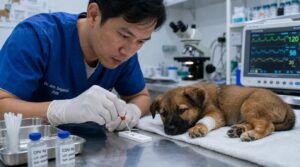
When parvo is suspected, vets don’t guess — they confirm it with a focused set of diagnostic tools. Getting a clear picture quickly is what drives the right treatment decisions. Here’s exactly how that process works.
Fecal ELISA Testing
Fecal ELISA testing is the first diagnostic tool most vets reach for when parvo is suspected. Here’s how it works:
- A stool sample is mixed with extraction buffer
- The extract is added to microtiter wells
- A tracer antibody binds any CPV antigen present
- Substrate creates a color change signal
- A microplate reader measures absorbance at 450 nm
Results come back fast, helping your vet act quickly.
PCR Confirmation
When ELISA returns a positive result, PCR confirmation adds another layer of certainty. Real-time PCR amplifies CPV’s genetic material directly, detecting CPV2a, CPV2b, and CPV2c strains with impressive PCR sensitivity.
The cycle threshold value tells your vet how much viral DNA is present — lower means more virus.
Poor sample quality can cause a false negative, so fresh stool matters.
Blood Cell Counts
Once PCR confirms the virus, a complete blood count (CBC) gives your vet a clearer picture of how hard parvo is hitting your dog’s system.
Parvo attacks the bone marrow, so leukopenia indicators appear fast — neutrophil counts often drop below 3 × 10⁹/L, signaling serious immune suppression and guiding treatment decisions immediately.
Hydration Assessment
Beyond confirming immune suppression, your vet will assess how dehydrated your dog is — and with parvo, that answer matters urgently.
- Gum moisture — dry or tacky gums signal significant fluid loss
- Capillary refill — sluggish return indicates poor perfusion
- Skin tenting — delayed recoil confirms reduced tissue hydration
- Urine output — dark or minimal urine reflects concentrated, depleted fluids
These findings guide IV fluids and electrolyte supplementation immediately.
Treatment for Repeat Parvo
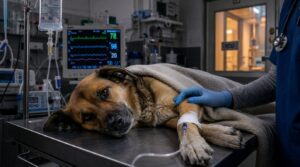
When a dog gets parvo a second time, the treatment approach is basically the same as the first — aggressive and hospital-based. Your vet will focus on stabilizing your dog before anything else, because that’s what saves lives. Here’s what that care usually involves.
IV Fluids
When a dog is fighting parvo again, intravenous fluids are the cornerstone of survival. Vets usually start with crystalloid solutions like Ringer’s lactate or normal saline, adjusting the infusion rate based on how dehydrated your dog is.
Electrolyte balance is closely monitored throughout, since ongoing losses shift needs rapidly.
Without this rehydration therapy, even a previously recovered dog can decline quickly.
Nausea Control
Controlling nausea is just as critical as rehydration therapy — because a dog that can’t stop vomiting can’t hold fluids, recover strength, or tolerate nutrition. Vets often reach for antiemetic medication early, before symptoms escalate.
Three reasons antiemetic timing matters:
- Early treatment reduces fluid loss from repeated vomiting
- Controlled nausea allows gradual reintroduction of bland food options
- Stable comfort helps antinausea medication absorption
Maropitant, an NK1 receptor antagonist, is a common first choice for supportive care in parvo cases. Environmental comfort — calm surroundings, fresh air, minimal odors — also provides meaningful non-drug relief during recovery.
Antibiotics for Infection
Parvo strips the gut lining bare, and that open wound is an invitation for bacteria to cross directly into the bloodstream.
That’s why vets use prophylactic broad-spectrum antibiotics — not because bacteria caused parvo, but to prevent secondary bacterial infections from turning a recovering dog into a sepsis case.
Ampicillin-sulbactam is a common choice, covering both Gram-positive and Gram-negative organisms.
Nutritional Support
A recovering gut can barely absorb nutrients, so nutritional support becomes a quiet cornerstone of treatment.
- Calorie requirements are adjusted upward during active illness
- Protein intake helps tissue repair and immune recovery
- Hydration management runs alongside fluid therapy
- Oral supplements are introduced once vomiting stabilizes
- Enteral feeding bridges gaps when normal eating isn’t yet possible
Hospital Isolation
[ORIGINAL TEXT]nHospital isolation isn’t just a precaution — it’s a critical layer of infection control that protects every other patient in the clinic. Your dog will be placed in a dedicated isolation room with restricted airflow and controlled entry points, keeping the virus contained. Staff follow strict PPE protocols, gowning and gloving before entry and removing everything at the doorway upon exit.nn| Isolation Practice | Purpose |n|—|—|n| Dedicated room with limited airflow | Prevents airborne and contact spread |n| PPE entry and exit rules | Protects staff and other patients |n| Equipment disinfection between uses | Eliminates fomite transmission |nnVisitor restrictions apply here too — limiting foot traffic reduces environmental viral load substantially. When transport within the facility is necessary, receiving areas are notified in advance so precautions are already in place before your dog arrives.n[/ORIGINAL TEXT]
Preventing Parvo Twice
Once your dog has been through parvo, the last thing you want is a repeat. The good news is that a few straightforward steps can substantially lower that risk. Here’s what you can do to keep your dog protected going forward.
Keep Vaccines Current
Even after surviving parvo, vaccination schedule adherence remains one of the most important things you can do.
Vaccine-induced immunity doesn’t last forever — antibody levels usually begin declining after 3–5 years, making booster shots essential for sustained protection.
Keep a reliable reminder system and update your dog’s records at every vet visit to avoid gaps.
Ask About Titer Testing
Keeping vaccines current is a smart baseline, but it’s not the only tool you have. If your dog’s vaccination history is incomplete or unclear, ask your vet about antibody titer testing — a blood test that measures your dog’s current antibody level against parvovirus, helping guide booster decisions without guessing.
Disinfect Contaminated Areas
Titer testing tells you where your dog stands immunologically — but even a well-protected dog can carry parvo home on your shoes. Canine parvovirus survives on fomites for up to six months, making environmental decontamination non-negotiable after any confirmed case.
Follow this five-step disinfection protocol:
- Remove all organic matter first — feces, vomit, and bedding — using disposable absorbent materials before applying any disinfectant. Skipping this step shields viral particles from bleach-based cleaners.
- Mix a 1% sodium hypochlorite solution (roughly a 1:100 bleach dilution) and apply it to all hard surfaces your dog contacted.
- Allow a minimum five-minute contact time — don’t wipe too soon. Insufficient dwell time leaves the virus partially active.
- Use surface mist application on porous materials and walls before removal to reduce airborne particle spread during cleanup.
- Place footbaths at entry points — kennels, yards, or any high-traffic area — and treat disposable cleanup materials as contaminated waste.
Studies show this sanitation protocol inactivates over 99% of viral particles, giving your home a genuine reset.
Limit High-risk Exposure
Once your home is clean, the next layer of defense is controlling what your dog encounters outside it.
Leash Walking keeps your dog from sniffing or eating feces during outings. Route Planning — choosing paths away from high‑traffic dog areas — reduces contact with contaminated ground.
Simple habits, applied consistently, close the gaps that sanitation protocols alone can’t reach.
Protect Puppies Carefully
Puppies are the most vulnerable link in the chain. Maternal antibodies offer early protection, but they fade by 6–8 weeks, opening a critical window before puppy vaccination takes hold. Keep that window small — start the vaccine series on schedule and follow through with every booster shot.
A clean living space, balanced puppy diet, and supervised outdoor time do the rest.
Frequently Asked Questions (FAQs)
Can dogs get Parvo more than once?
Yes — and no. Parvo survivors build strong natural immunity, but parvo reinfection remains possible when protection fades, new strains emerge, or viral load threshold is overwhelmed. It’s rare, yet real.
Can a dog survive a second infection with Parvo?
Most dogs that survive parvo once carry strong immune memory that improves their odds if re-exposed. With prompt veterinary care, survival rates reach 90% even in repeat cases.
Is canine parvovirus the same virus as human flu?
No, they’re entirely different viruses. Canine parvovirus is a DNA-based parvovirus targeting dog intestines, while human flu is an RNA-based orthomyxovirus attacking the respiratory tract. Different families, different hosts, no crossover.
Why does my dog keep getting parvo?
If your dog keeps getting parvo, waning immunity, incomplete vaccination, or heavy environmental contamination are likely culprits. A weakened immune system or exposure to a new CPV strain can also leave even recovered dogs vulnerable.
What are the odds of a dog getting parvo twice?
Reinfection probability sits low — most recovered dogs build lasting immunity. But risk factors like waning antibodies, missed vaccines, or exposure to new strains can tip the odds. Staying current on boosters keeps protection strong.
Can a dog get parvo after having parvo?
Yes, a dog can get parvo after already having it — though it’s uncommon. Natural infection immunity is strong, but it isn’t permanent, and parvo reinfection remains possible under certain conditions.
What to do after your dog survived parvo?
Once your dog turns the corner, take recovery one step at a time. Focus on a gradual diet shift, monitor water intake, and observe behavior changes daily to catch setbacks early.
How long after exposure do symptoms appear?
Symptoms commonly appear 3–7 days after exposure. Vomiting usually hits first, followed quickly by diarrhea. Dehydration can set in within 24–48 hours, so don’t wait to call your vet once signs start.
What disinfectants kill parvo effectively?
Clean before you disinfect" isn’t just advice — it’s the rule. Bleach at 1:32 dilution, hydrogen peroxide, or peracetic acid all kill parvo, but only after removing organic matter and allowing 10 minutes contact time.
Is there a vaccine for the new strains of parvo?
Current vaccines cover CPV-2a, 2b, and 2c through cross-protection targeting conserved viral features. Manufacturers update formulations as new strains emerge, so keeping your dog’s booster schedule current remains the most reliable defense.
Conclusion
Can a dog get parvo twice? Rarely—but rarely isn’t never, and your dog’s history with this virus makes that distinction worth taking seriously.
Natural immunity is real, but it isn’t permanent.
Waning antibodies, missed boosters, and a compromised immune system can quietly reopen the door.
Keep vaccinations current, know the warning signs, and don’t treat survival as a permanent shield. Protection is something you maintain, not something parvo leaves behind as a parting gift.
- https://phoenixvetcenter.com/blog/1034584-can-a-dog-get-parvovirus-twice
- https://www.pdsa.org.uk/pet-help-and-advice/pet-health-hub/conditions/parvovirus-in-dogs-and-puppies
- https://hartforanimals.org/pet-health-blog/2a6egbxl82yddlm-3hzfr-k4lcl-3mzd7-zn452
- https://www.petmd.com/dog/care/what-know-adopting-dog-after-parvovirus
- https://www.petco.com/content/content-hub/home/questions/00/1/170106.html