This site is supported by our readers. We may earn a commission, at no cost to you, if you purchase through links.
Your dog spots a cabbage leaf on the kitchen floor and wolfed it down before you can react. Sound familiar? Most pet owners freeze in that moment, unsure whether to panic or shrug it off.
Here’s the reassuring part: raw cabbage isn’t toxic to dogs.
The trickier truth is that "safe" and good idea in any amount aren’t the same thing.
Cabbage carries real nutritional value—fiber, vitamin K, antioxidants—but it also comes with a few caveats worth knowing before you start sharing your coleslaw ingredients.
Table Of Contents
- Key Takeaways
- Can Dogs Eat Raw Cabbage?
- Is Raw Cabbage Good for Dogs?
- Which Cabbage Types Are Safe?
- How Much Raw Cabbage is Safe?
- How Should You Prepare Cabbage?
- What Risks Does Raw Cabbage Pose?
- When Should You Avoid Cabbage?
- Frequently Asked Questions (FAQs)
- What happens if a dog eats too much cabbage?
- Can dogs eat cabbage?
- How much cabbage can a dog eat a day?
- Can dogs eat Savoy cabbage?
- What three meats should dogs avoid?
- How much raw cabbage can a dog eat?
- What are the side effects of cabbage for dogs?
- What is the best vegetable for dogs?
- Can a dog eat a whole head of cabbage?
- How much cabbage should my dog eat?
- Conclusion
Key Takeaways
- Raw cabbage is safe for most dogs in small amounts, offering real benefits like fiber, vitamins C and K, and hydration — but "safe" doesn’t mean "unlimited."
- Dogs with thyroid conditions, a history of bloat, or sensitive stomachs should skip cabbage entirely, as its natural compounds can cause gas, hormone disruption, or serious digestive upset.
- Portion size matters: small dogs need just one to two teaspoons, larger breeds can handle up to half a cup, and treats should never exceed 10% of your dog’s daily calorie intake.
- Always serve cabbage plain, washed, and cut into small pieces — no seasoning, no sauces, no fermented versions like sauerkraut, which can cause real harm.
Can Dogs Eat Raw Cabbage?

Yes, dogs can eat raw cabbage — but like most good things, it comes with a few conditions worth knowing. Raw cabbage offers real nutritional value, yet it also carries some risks that depend on your dog’s health and how much you serve.
Before you toss a handful into your dog’s bowl, it’s worth checking out the raw cabbage risks and benefits for dogs so you know exactly what to watch for.
Here’s what you need to know before tossing a leaf into your dog’s bowl.
Short Answer: Yes, in Moderation
Yes, dogs can eat raw cabbage — but moderate feeding is the key. Think of it like seasoning: a little adds value, too much causes problems.
Start with a gradual introduction, offering just a small piece while owner monitoring tells you how your dog’s stomach responds.
Potential digestive side effects of cabbage in dogs, like gas or loose stool, are real, but avoidable with care.
Why Raw Cabbage Can Be Dog-safe
Raw cabbage is non-toxic to dogs and offers real nutritional benefits when served correctly. Its high water content provides a natural hydration boost, and its low fat profile keeps calories minimal. Crunching through it aids dental chewing habits too.
Here’s what makes raw cabbage safe for dogs:
- Enzyme aid — natural plant enzymes aid plant-food digestion
- Microbiome support — fiber feeds beneficial gut bacteria gradually
- Low fat content means less digestive strain than protein-heavy treats
- Hydration boost from its 92% water composition helps daily fluid intake
However, its high fiber content can cause gas in some dogs if overfed.
When Raw Cabbage is a Poor Choice
That said, cabbage isn’t a safe choice for every dog. If yours has thyroid issues, the goitrogenic compounds in cruciferous vegetables can interfere with iodine absorption — a real concern with regular feeding.
Dogs prone to gas and bloating should also skip it.
And never offer fermented cabbage, like sauerkraut — the high sodium content alone can cause serious harm.
Is Raw Cabbage Good for Dogs?
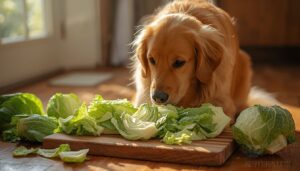
Raw cabbage isn’t just safe for most dogs — it actually brings a few real nutritional perks to the bowl. Think of it as a crunchy little health boost when served the right way and in the right amount.
Here’s what your dog stands to gain.
Low-calorie Treat for Weight Management
If your dog is carrying a few extra pounds, raw cabbage is one of the smartest low‑calorie treats you can offer. At just 25 kcal per 100 g, it helps prevent canine obesity without sacrificing reward timing during training.
- Calorie budgeting – Cabbage fits tight daily limits easily
- Satiety cues – High water content adds bulk without calories
- Portion consistency – Pre‑cut pieces prevent accidental overfeeding
- Weight tracking – Replacing packaged snacks reduces hidden calories
- Nutritional benefits of cabbage for canines – Vitamins come calorie‑free
Fiber for Digestion and Stool Support
Cabbage packs about 2.5 g of dietary fiber per 100 g — and that matters more than you might think.
Soluble fiber benefits your dog by absorbing water in the gut, softening stool and easing passage.
The insoluble fiber role adds bulk, keeping things moving.
Prebiotic fermentation effects feed beneficial gut microbiota health, supporting long-term digestion.
Just watch for gas and bloating in dogs when starting out.
Vitamins and Antioxidants in Cabbage
Think of raw cabbage as a small but surprisingly well-stocked supplement. Vitamin C antioxidant activity helps protect your dog’s immune cells from oxidative damage, while Vitamin K benefits include healthy blood clotting and bone support. Folate cell growth keeps cell division on track, and carotenoid eye health compounds like beta-carotene and lutein add polyphenol flavonoid power to every bite:
- Vitamin C enhances immune function
- Vitamin K aids normal clotting
- Folate and antioxidant benefits round out the nutritional profile
Red and Purple Cabbage Benefits
Red and purple cabbage quietly outperform their green cousin in one key area: antioxidant density. The anthocyanin antioxidants responsible for that deep color also deliver polyphenol anti‑inflammatory effects that may ease low‑grade inflammation.
Glucosinolates add cancer‑fighting plant compounds, while gut microbiome support comes from their fiber content. Combined with vitamin C, these anti‑inflammatory phytochemicals make red cabbage a worthwhile occasional upgrade.
Which Cabbage Types Are Safe?
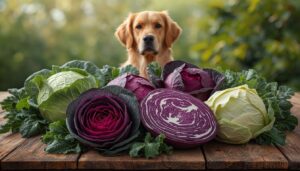
Good news — you’re not stuck with just one type. All common cabbage varieties belong to the Brassica family, and none of them are toxic to dogs.
Here’s a quick look at each one and what makes it a reasonable choice for your pup.
Green Cabbage
Green cabbage is the most common starting point for dog owners curious about adding raw cabbage to their pet’s diet. Its cruciferous classification means it carries a solid phytochemical profile — glucosinolates, vitamin C, vitamin K, and folate — that genuinely benefits dog nutrition when served correctly.
Here’s how to do it right:
- Wash thoroughly — seasonal harvest and garden cultivation can leave residue on the waxy leaves
- Remove outer leaves — they’re tougher and harder to digest
- Cut small — bite-sized pieces eliminate choking risk
- Serve plain — no oil, salt, or seasoning
Smart storage methods (refrigerated, unwashed until use) keep nutrients intact. Watch for gas and bloating in dogs after the first serving, and adjust portions accordingly.
Red or Purple Cabbage
Your dog gets a nutritional upgrade with red or purple cabbage. The deep color comes from anthocyanin pigment — a polyphenol antioxidant that outperforms green cabbage in cell protection.
It also delivers strong Vitamin K clotting support and immune-boosting vitamin C.
Just follow the same guidelines for moderate cabbage consumption in dogs: small plain pieces, 2–3 times weekly, watching for sulfur gas production or thyroid goitrogenic risk.
Savoy Cabbage
Savoy cabbage is the gentle giant of the Brassica family — crinkled leaf texture, mild sweetness, and a looser head density make it easier to chew and digest than dense green varieties. It’s a smart pick for dogs with mild digestive sensitivities.
- Leaf Texture – Crinkled, thin leaves are easier to cut into bite-size pieces
- Mild Sweetness – Dogs tend to accept it readily without fuss
- Head Density – Lighter, airier heads mean less dense fiber per bite
- Cooking Versatility – Steam lightly to reduce gas production in dogs
- Stuffing Uses – Pliable leaves simplify portioning for portion guidelines based on dog size and weight
Offer raw cabbage sparingly — savoy cabbage promotes digestive health in dogs best when introduced slowly.
Napa Cabbage
Napa cabbage stands apart with its elongated head shape and crisp leaf texture — softer and more delicate than Savoy. Its mild sweet flavor makes it easy for most dogs to accept.
You can grate a small amount of raw cabbage over kibble, but keep portions modest.
That gentle sweetness doesn’t eliminate potential risks and gas issues from cabbage, so follow feeding guidelines to support digestive health in dogs.
Bok Choy and Other Brassicas
Bok choy rounds out the safe brassica list nicely. Like napa, it’s non-toxic and dog-friendly in small amounts.
Its crunchy stalk texture makes it satisfying to chew, while its glucosinolates profile — the sulfur compounds all brassicas share — means gas issues from cabbage stay a real concern.
Serve it plain, cut small, and keep breed-specific bloat risk in mind for deep-chested dogs.
How Much Raw Cabbage is Safe?

Knowing cabbage is safe is one thing — knowing how much to actually give your dog is where it gets practical.
The right amount depends on your dog’s size, age, and how often you plan to offer it.
Here’s a simple breakdown to help you get it right.
Portion Sizes by Dog Weight
Weight-based guidelines take the guesswork out of portioning raw cabbage safely.
For small dogs under 10 kg, small dog limits mean just one to two teaspoons. Medium dog portions run about a quarter cup, while large dog servings can reach up to a half cup. Puppy scaling calls for even less — their digestive systems are still adjusting, so portion size should stay minimal.
How Often to Feed Cabbage
Once you’ve nailed the portion size, think about frequency. A Weekly Feeding Schedule of two to three times works well for most dogs — it limits gas buildup without cutting out the benefits.
Daily feeding isn’t recommended, especially for seniors or puppies where Age Based Frequency and Biweekly Portion Adjustments matter.
Moderation is the real guide here.
Keeping Treats Under 10% of Calories
Cabbage always counts toward your dog’s daily calorie budget. Think of it as Portion Size Tracking in action — every bite adds up. For healthy Calorie Budgeting, keep all treats, including raw cabbage, under 10% of total daily calories.
- 20-lb dog needs roughly 400 calories daily — treats cap at 40.
- Practice Multi-Treat Summation: training rewards plus cabbage plus chews all share that same budget.
- Activity-Based Adjustments matter — a more active dog can handle slightly more; a couch napper, less.
Treat Label Reading helps you stay honest.
Why Puppies Need Smaller Amounts
Puppies have a Delicate Digestive System that can’t handle the same amounts that adult dogs tolerate. That’s why small amounts of raw cabbage matter here — their bodies are still developing.
Frequent Small Meals and Training Treat Management keep things balanced, supporting a Steady Energy Supply without overloading.
| Puppy Size | Max Raw Cabbage |
|---|---|
| Under 10 lb | ½ tsp |
| 10–25 lb | 1 tsp |
| Over 25 lb | 2 tsp |
Follow veterinarian recommendations on cabbage for dogs and watch for potential digestive side effects of cabbage in dogs — loose stool is your first signal to pull back.
How Should You Prepare Cabbage?
Getting cabbage ready for your dog doesn’t take much effort, but few simple steps make a real difference in both safety and digestibility. How you prepare it — from washing to cutting to cooking — shapes whether it becomes a genuinely helpful snack or a source of stomach trouble.
Here’s what to do before cabbage ever reaches your dog’s bowl.
Wash, Trim, and Remove Outer Leaves
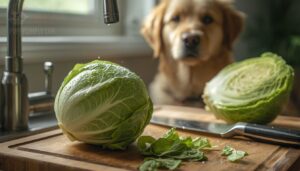
Before anything touches your dog’s bowl, a little prep goes a long way. Start with outer leaf peeling — those outermost layers are often wilted or grimy, so peel them away first. Then give the raw cabbage a thorough cold rinse under running water. For stubborn dirt, a quick soak and rinse loosens it right up.
- Pat dry after washing so excess moisture doesn’t water down meals.
- Trim tough parts like the dense cabbage core, which is harder to digest.
- Use safe preparation methods for feeding cabbage to dogs — plain, clean, nothing added.
These simple steps make cabbage a genuinely dog-friendly vegetable.
Cut Into Small Bite-size Pieces
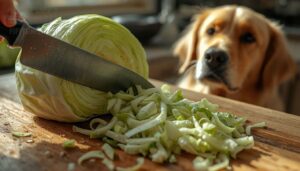
Once you’ve trimmed and rinsed the raw cabbage, uniform piece size really does matter. Small bite-size portioning reduces chewing difficulty and lowers the chance of a large chunk being swallowed whole.
Cutting also increases surface area, making raw vegetables for dogs easier to chew steadily. Smaller pieces naturally support feeding pace control and portion control for dogs — keeping that small amount safe and dog-friendly.
Raw Vs. Lightly Cooked Cabbage

Both raw and cooked cabbage have a place in your dog’s bowl — it just depends on their digestive health.
- Raw cabbage preserves more glucosinolates and hydration volume
- Light steaming (5–7 min) improves texture softness for easier chewing
- Cooking time impact matters — overcooking reduces nutrient retention, especially vitamin C
- Cooked cabbage helps dog digestive health by reducing gas-causing fermentation
- Raw vs. cooked cabbage for dogs follows one guideline: keep portions moderate.
Plain Serving Only, No Seasonings

Think of cabbage as a blank canvas — and that’s exactly how it should stay. Plain cooked or raw cabbage, served without seasonings, is the safe option for dogs. No Salt, No Garlic, No Sugar, No Oil, No Spices — full stop.
| Safe Preparation Methods for Cabbage in Canine Diet | Avoid |
|---|---|
| Plain raw cabbage, rinsed | Garlic or onion powder |
| Lightly steamed, unseasoned | Sauces, butter, or salt |
Best Ways to Mix It Into Meals

Once you’ve kept it plain, how you serve it matters too.
Fine chopping raw cabbage into small, even pieces helps it blend naturally into meals rather than sitting in a clump. Wet blending with canned food or a gravy topping keeps it from being picked out.
Protein pairing — like plain chicken — improves acceptance.
Measured portions guarantee you’re following safe preparation methods for feeding cabbage to dogs consistently.
What Risks Does Raw Cabbage Pose?

Cabbage is safe for most dogs, but it does come with a few real risks worth knowing before you start sharing it. Even a healthy food can cause problems if your dog’s stomach isn’t on board, or if you serve too much too often.
Here’s what to watch out for.
Gas, Bloating, and Flatulence
Cabbage contains fermentable carbohydrates and fiber fermentation byproducts that the gut microbiota break down in the large intestine, releasing gas as a result. Add swallowed air from a fast eating pace, and bloating becomes very likely.
That’s why flatulence and gas concerns for dogs eating cabbage are real — even a small serving can cause noticeable gastrointestinal upset, especially in sensitive dogs.
Diarrhea and Stomach Upset
Beyond gas, the fiber and sulfur compounds in raw cabbage can tip sensitive stomachs into real gastrointestinal upset — loose stools, cramping, even vomiting.
Watch for these Vet Consultation Signs after feeding cabbage:
- Watery diarrhea lasting more than 24 hours
- Vomiting paired with low energy
- Dry gums signaling poor hydration
- Worsening symptoms instead of gradual improvement
Remove cabbage immediately, prioritize hydration, and call your vet.
Choking Hazards From Large Pieces
Raw cabbage leaves can become a choking hazard fast — especially if your dog gulps food whole. Large chunks create real airway obstruction risk, since dogs don’t always chew before swallowing.
Follow basic chunk size guidelines: always cut cabbage into bite-size pieces. Bite-size monitoring matters most for fast eaters.
These simple choking prevention strategies and swallowing safety tips make feeding guidelines for dogs genuinely protective.
Thyroid Concerns With Excess Cabbage
Feeding too much cabbage too often can quietly affect your dog’s thyroid health. Cabbage contains glucosinolates — compounds that break down into goitrogens, which cause iodine interference by limiting how well the thyroid absorbs iodine.
Too much cabbage too often lets goitrogens quietly block your dog’s thyroid from absorbing iodine
Here’s what shapes that goitrogenic load:
- Amount fed — large portions increase exposure
- Frequency — daily feeding compounds a long-term hormone impact
- Raw vs. cooked — cooking reduces goitrogens dramatically
- Iodine status — low-iodine diets increase vulnerability
- Thyroid medication interaction — goitrogenic foods and thyroid medications don’t always mix well
Dogs with thyroid conditions face the highest risk from thyroid interference from cruciferous vegetables.
Bloat Risk in Sensitive Dogs
Large breed dogs with deep chest conformation carry the highest bloat risk among dogs — and raw cabbage adds gas and bloating concerns for dogs eating cabbage, which can push a sensitive stomach over the edge.
Use slow feeder bowls, split meals to improve meal frequency, manage water timing around feeding, and prioritize stress reduction at mealtimes.
These steps, alongside small cabbage portions, protect large breed dogs’ digestive health.
When Should You Avoid Cabbage?

Cabbage isn’t the right snack for every dog, even when it’s prepared correctly. Some dogs have specific health conditions that make this vegetable a poor fit — and knowing which ones matters.
Here’s when you should skip cabbage entirely.
Dogs With Gas or Sensitive Stomachs
Some dogs just can’t handle cabbage’s fermentation sensitivity — even small amounts trigger gas, bloating, or loose stools. If your dog already struggles with digestive side effects, skip it or try gradual introduction alongside digestive enzyme aid. Consider low-FODMAP alternatives instead.
Watch for these warning signs:
- Frequent gassiness or a distended belly after eating
- Loose stools or diarrhea within hours
- Repeated vomiting after cabbage servings
Dogs With Thyroid Conditions
If your dog has a thyroid condition, raw cabbage deserves extra caution. Goitrogenic compounds in cruciferous vegetables can interfere with thyroid hormone absorption, complicating hormone level monitoring and medication scheduling.
For hypothyroid dogs already managing weight gain, constipation risks from added fiber can shift unpredictably.
Choose thyroid-friendly treats instead, and always get veterinary clearance before offering dogs raw cabbage regularly.
Dogs With a Bloat History
If your dog has survived a GDV episode, their stomach remains vulnerable — and cabbage’s gas-producing compounds can push that risk further. Raw cabbage especially warrants caution here.
Before adding it, prioritize:
- Veterinary clearance before any new treat
- Meal splitting and slow feeder bowls to reduce gulping
- Low volume treats and post bloat monitoring for early warning signs
Skip cabbage until your vet approves it.
Signs of an Allergic Reaction
Cabbage allergies in dogs are rare, but they do happen. Watch for skin hives, itchy eyes, or throat swelling shortly after feeding.
Wheezing, coughing, diarrhea, or vomiting can also signal food allergies in dogs. These allergic reactions and food sensitivities may appear within minutes or up to an hour.
Stop feeding cabbage immediately if any of these signs appear.
When to Call Your Veterinarian
Some reactions go beyond waiting it out at home.
Call your veterinarian right away if you notice severe breathing distress, persistent vomiting, blood in stool, or sudden collapse after feeding cabbage. Inability to urinate also warrants urgent veterinary advice.
For serious cases, the ASPCA Animal Poison Control Center and Pet Poison Helpline are reliable resources for emergency actions for cabbage toxicity in pets.
Frequently Asked Questions (FAQs)
What happens if a dog eats too much cabbage?
Too much cabbage triggers gut fermentation issues, sulfur compound irritation, and gas and bloating concerns for dogs eating cabbage.
Digestive discomfort, loose stools, or vomiting are common potential digestive side effects of cabbage in dogs.
Can dogs eat cabbage?
Yes, dogs can eat cabbage safely in small amounts. This crunchy, colorful vegetable offers fiber, vitamins C and K, and digestive enzyme support — all without loading up on calories.
How much cabbage can a dog eat a day?
Keep portions small and size-dependent. A tiny dogs suits; large breeds can handle one to two tablespoons.
Stick to two or three times weekly, never exceeding ten percent of daily calories.
Can dogs eat Savoy cabbage?
Dogs can eat Savoy cabbage safely. Its savoy fiber content enhances gut microbiome impact positively.
Serve plain, in small pieces, occasionally — the nutritional benefits of cabbage for canines make it a smart, low-calorie addition.
What three meats should dogs avoid?
Not all that glitters is gold — and not all meat is safe.
Raw pork parasites, high-sodium deli meats, and fatty bacon risk serious harm through pancreatitis, dehydration, and undercooked meat bacteria.
How much raw cabbage can a dog eat?
Portion size guidelines for canine cabbage treats depend on your dog’s weight. Small dogs get one to two teaspoons; larger dogs get up to a quarter cup.
Always follow moderation feeding guidelines and get veterinary approval first.
What are the side effects of cabbage for dogs?
Cabbage can cause gas, bloating, and loose stool in some dogs. Potential digestive side effects of cabbage in dogs include thyroid interference from cruciferous vegetables and, rarely, allergic skin reaction.
What is the best vegetable for dogs?
There’s no single reference point here — the best vegetable depends on your dog’s diet, digestibility score, and allergy risk.
Carrots, green beans, and zucchini consistently rank well for nutrient density, low cost per serving, and broad seasonal availability.
Can a dog eat a whole head of cabbage?
Technically, yes — but a whole head is far too much. Fiber overload and goitrogenic risk make it a poor choice.
Stick to portion size guidelines, and always prioritize owner monitoring over assumption.
How much cabbage should my dog eat?
Think of cabbage like a seasoning — a little goes a long way. Stick to small amounts: about 1 teaspoon for tiny dogs, up to ½ cup for large breeds.
Conclusion
Raw cabbage isn’t exactly a superfood miracle for dogs, but it’s a quiet overachiever in the snack department. When you ask "can dogs eat raw cabbage," the honest answer is yes—with a little common sense on your side.
Keep portions small, skip the seasonings, and watch how your dog responds.
A few crunchy leaves can add real nutritional value without the drama.
Simplest treats are often the smartest ones.