This site is supported by our readers. We may earn a commission, at no cost to you, if you purchase through links.
By age three, most dogs already show some sign of dental disease, and many owners miss it completely. That morning breath you’ve learned to dodge? It’s often the first clue something’s wrong beneath the surface.
Plaque starts hardening into tartar within days, gums grow tender and inflamed, and your dog quietly adjusts—chewing differently, dropping kibble, going softer at mealtimes. Dogs hide pain well, so these shifts can creep past you for months.
Knowing the signs your dog needs better dental care means catching trouble early, before it turns into a tooth extraction or worse. Here’s what to watch for, from subtle breath changes to the warning signs that mean it’s time to call your vet now.
Table Of Contents
- Key Takeaways
- Bad Breath That Signals Trouble
- Visible Changes in Teeth and Gums
- Eating Habits That Reveal Pain
- Behavior Changes Linked to Dental Pain
- Serious Dental Warning Signs
- Better Dental Care Steps
- Frequently Asked Questions (FAQs)
- What is the 2 2 2 rule for teeth?
- What can you give dogs to strengthen their teeth?
- How often should dogs get professional teeth cleanings?
- Can poor dental health shorten a dogs lifespan?
- Does dental disease affect a dogs other organs?
- How quickly does plaque turn into tartar?
- Are dental X-rays really necessary for dogs?
- Conclusion
Key Takeaways
- Plaque can harden into tartar within 24 to 72 hours, so daily brushing with dog-specific toothpaste is your best defense against buildup.
- Watch for behavior changes like dropping food, chewing on one side, pawing at the mouth, or avoiding hard kibble, since dogs hide pain well and these subtle shifts are often the first real clues.
- Red or bleeding gums signal gingivitis, which is still reversible, but if it progresses to periodontal disease, the damage to bone and tissue becomes permanent.
- Facial swelling, blood-tinged drool, or a loose tooth are urgent warning signs that need same-day veterinary attention, since untreated infections can spread and even affect your dog’s heart, kidneys, and liver.
Bad Breath That Signals Trouble
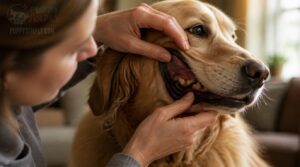
Most dog owners know their pup’s breath isn’t exactly fresh, but there’s a real difference between normal doggy breath and something that signals a deeper problem. If your dog’s mouth has started smelling sour, rotten, or just "off" in a way that’s hard to ignore, that’s worth paying attention to.
This guide on how to freshen your dog’s breath naturally breaks down what causes that sour smell and how to tackle it at the source.
Here’s what those odors are actually telling you.
Sour or Rotten Odor
A sour or rotten smell coming from your dog’s mouth isn’t just unpleasant — it’s a signal worth taking seriously. Oral bacteria break down food particles left on the teeth, releasing volatile sulfur compounds that create that sharp, foul odor.
You might notice it’s strongest near the back teeth, where plaque often accumulates most heavily. Additionally, dry mouth conditions can noticeably worsen these unpleasant odors.
Persistent Daily Bad Breath
That sharp odor might fade some days, but persistent foul breath that lingers daily is different — it’s your dog’s body flagging something deeper. Healthy dog breath isn’t exactly fresh, but it shouldn’t make you turn away every time.
- Oral bacteria thrive when plaque and tartar buildup goes unchecked
- Saliva production naturally rinses the mouth — less saliva means more odor
- Gingivitis can develop quietly before you notice anything visible
- A preventive daily routine is your strongest defense against bad breath
Bacterial Buildup Signs
When persistent foul breath lingers daily, bacteria are usually the real culprit.
Plaque and tartar buildup create a rough surface where bacteria multiply quickly. That sticky dental biofilm forms within hours of cleaning — and if left alone, it hardens into tartar along the gumline within days, triggering red or swollen gums and early gingivitis.
When Odor Becomes Urgent
Not all bad breath is created equal. When the smell shifts from mild to putrid or fish-like, that’s your signal to act.
A rotten odor paired with swollen gums, drooling, or behavior changes points toward active infection — and at that point, dental plaque removal alone won’t fix it. Your dog needs a vet.
Visible Changes in Teeth and Gums
Sometimes the clearest signs of dental trouble are right there in plain sight. A quick look inside your dog’s mouth can reveal a lot about what’s going on beneath the surface. Here’s what to watch for when you check their teeth and gums.
Yellow or Brown Tartar
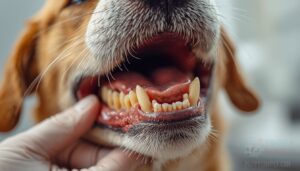
That yellowish-brown crust along your dog’s teeth isn’t just discoloration — it’s hardened tartar, and it signals a real problem. Tartar forms when plaque mineralizes into a rough, calcified deposit that no toothbrush can fully remove.
Gumline buildup usually appears first, gradually darkening as it traps food and bacteria. Once it hardens, only professional dental scaling during a veterinary dental exam can safely clear it.
Red Swollen Gums
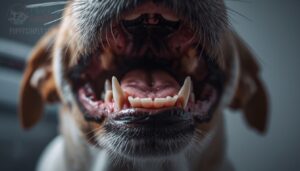
When your dog’s gums shift from healthy coral-pink to red or purple, that’s your first real warning. This gum color change signals gingivitis — early-stage gum inflammation where plaque bacteria are already irritating the tissue.
Watch for these signs of early gingivitis detection:
- Redness concentrated along the gumline where plaque collects
- Puffiness or swelling that makes gums look thicker than normal
- Gums that feel tender during a gentle gum sensitivity test
- Bad breath appearing alongside the visible redness
- A dog acting normal despite inflamed gums underneath
The good news? Gingivitis is still reversible at this stage. With consistent brushing and gum healing strategies like VOHC-approved chews, you can interrupt the plaque-gingivitis link before it progresses into periodontal disease — where the damage to bone and tissue can’t be undone.
If you’re noticing any of those warning signs, this guide on building a daily dog dental care routine can help you catch problems early.
Bleeding Along Gumline
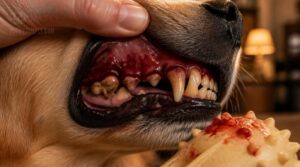
Bleeding gums don’t lie. If you notice blood on your dog’s chew toy, the water bowl rim, or their bedding, the gumline is likely inflamed.
This happens because plaque bacteria irritate fragile gum tissue until it bleeds on contact. It’s one of the earliest signs that gingivitis is progressing — and that home plaque control isn’t keeping up.
Loose Adult Teeth
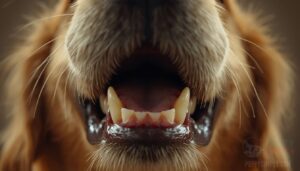
A loose adult tooth is a red flag, not a minor quirk. In healthy mouths, periodontal ligaments and jawbone anchor each tooth firmly. When periodontal disease destroys that support, the tooth shifts, wobbles, and may eventually fall out.
A dental exam — including X-rays — can reveal how much damage has occurred below the gumline, where the real destruction happens.
Missing Teeth Concerns
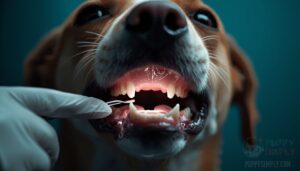
When a tooth goes missing, the surrounding teeth don’t simply stay put. Tooth drift consequences are real — neighboring teeth gradually shift into the gap, while opposing teeth lose their natural contact and grow out of alignment. This creates uneven chewing, gum pocket formation, and harder-to-clean areas that invite bacterial buildup, raising the risk of further tooth loss.
Jawbone atrophy quietly follows, as the bone beneath a missing tooth loses the stimulation it needs from chewing. Over time, that area shrinks, making the face appear slightly sunken and complicating any future prosthetic solutions. A thorough dental exam can catch these changes early, before they compound.
Eating Habits That Reveal Pain

Your dog can’t tell you their mouth hurts, but their eating habits often say it loud and clear. A dog in dental pain will quietly change how they eat to avoid the discomfort. Watch for these five feeding behaviors that could point to a real problem.
Dropping Food Often
Mealtime should be easy for your dog — but if food keeps falling from their mouth, that’s your first clue something hurts. Dropping food often points to dental discomfort behaviors like tooth decay, periodontal disease, or even tooth loss making steady biting impossible.
When food keeps falling from your dog’s mouth, that’s the first clue something hurts
Watch for these meal interruption patterns:
- Pausing over the bowl, then releasing food instead of swallowing
- Taking longer than usual to finish meals
- Leaving half-chewed pieces on the floor
- Showing interest in food but struggling to handle it
- Dropping dry kibble more than softer foods
Chewing difficulty signs appear because pain from cracked teeth, inflamed gums, or abscesses forces your dog to bite cautiously. Small pieces slip out when pressure hurts. If this happens across most meals — not just occasionally — difficulty eating or chewing has likely moved beyond a quirk into a real problem worth checking.
Chewing on One Side
When one side of the mouth hurts, your dog doesn’t stop eating — they just chew on the other side. It’s a quiet compensation, easy to miss.
But this shift puts uneven tooth wear and asymmetric jaw stress on the healthy side, while the neglected side collects more plaque. That pattern alone warrants an oral exam.
Avoiding Hard Kibble
If a dog that once crunched through kibble without a second thought starts leaving it untouched, mouth pain is the likely culprit. A cracked tooth or advancing gum disease makes hard textures feel sharp and threatening. Try soaking dry kibble in warm water for a few minutes — it softens quickly and reduces the chewing effort markedly.
Here’s what to watch for:
- Sudden dry food refusal after years of normal eating
- Approaching the bowl, then walking away without eating
3: Eating only the moistened or softer pieces left behind
Dental chews matter here too. Very hard chews can worsen the problem by cracking already weakened teeth. Look for options carrying the VOHC seal — they’re tested for both tartar reduction and safety. You can also mix in wet food to ease the texture change while you arrange a veterinary exam.
Preferring Soft Foods
A soft food preference often signals that chewing has become uncomfortable. If your dog gravitates toward wet food or soaked kibble, that shift is worth paying attention to — it’s a quiet pain indicator that dental disease or periodontal disease may be progressing.
A veterinary assessment can identify the root cause and guide appropriate pain management before the problem deepens.
Eating Less Than Usual
Reduced food intake might seem minor at first, but it compounds quickly. A caloric deficit leaves your dog with less energy day by day.
If a tooth root abscess or chronic pain is behind it, appetite won’t return until the source is treated. A veterinary checkup can identify what’s driving the change before dehydration or weight loss sets in.
Behavior Changes Linked to Dental Pain

Dental pain doesn’t always show up at the food bowl — sometimes it shows up in your dog’s mood and daily habits. If something feels off about how your dog is acting, their mouth might be the reason. Watch for these behavioral signs that often point to dental discomfort.
Pawing at The Mouth
When your dog keeps pawing at their mouth, it’s rarely random. This behavior is one of the clearest mouth pain signals a dog can show. It often points to gum disease, a fractured tooth, or even a tooth root abscess creating deep, relentless discomfort. If the pawing happens repeatedly during or right after meals, chewing is likely making the pain worse.
Watch for what comes with it. Behavioral changes like sudden drooling, bad breath, or reluctance to eat alongside pawing are a strong sign something is wrong inside the mouth. Frequent, non-stop pawing that doesn’t ease up needs veterinary attention promptly.
Rubbing Face on Furniture
Watching your dog drag their face along the couch might look harmless, but it’s worth paying attention to. Dental pain, skin irritation, and ear infections are all common causes. A fractured tooth or infected root can make the muzzle feel irritated enough that rubbing brings brief relief.
Here’s what to watch for:
- Rubbing paired with bad breath — likely a dental or gum disease issue
- One-sided rubbing near the ear — often points to an ear infection
- Casual, relaxed rubbing — usually just scent-marking behavior, not a health concern
If the rubbing repeats and comes with eating changes or drooling, schedule a veterinary assessment soon.
Sudden Excessive Drooling
Sudden excessive drooling is one of those signs you shouldn’t brush off. When saliva starts pooling more than usual, oral pain or inflammation is often the cause — a fractured tooth, infected gum tissue, or advancing periodontal disease can all trigger it.
If the drooling appears alongside bad breath or eating changes, schedule a veterinary dental assessment promptly.
Less Interest in Toys
A dog that suddenly ignores its favorite chew toy is telling you something. Toy disinterest is often a quiet, early signal of oral pain — easy to miss but worth noticing. When biting or gripping hurts, chewing avoidance follows naturally.
If toy avoidance lasts more than 48 hours alongside drooling or bad breath, don’t wait — get a veterinary dental assessment scheduled.
Irritability or Withdrawal
A dog in pain doesn’t always bark for help — sometimes it just quietly pulls away. Mood shift detection is key here.
If your usually social dog starts growling during handling or flinches when you touch near its jaw, facial touch aversion and head protection behavior may point directly to tooth decay or periodontal disease. Schedule a veterinary checkup soon.
Serious Dental Warning Signs
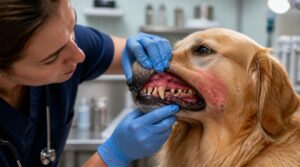
Some dental problems go beyond bad breath or tartar buildup — they’re urgent signals that something is seriously wrong. If you notice any of the following, don’t wait for your dog’s next routine checkup. These warning signs call for a vet visit right away.
Facial Swelling
Facial swelling is one of the most alarming signs of a serious dental problem. A tooth root abscess forms when bacteria invade deep below the gumline, and the trapped infection pushes outward into the soft tissues of the face — often creating a visible lump near the cheek or under the eye.
Not all facial swelling points to dental abscess causes, though. Here’s what else could be behind it:
- Allergic reaction signs — soft, puffy swelling after an insect sting or new food
- Cellulitis — a warm, diffuse infection spreading through facial tissue
- Trauma — blunt injury causing bruising and swelling along the muzzle
- Abscess from tooth infections — firm swelling tied to an infected upper premolar or molar
Swelling red flags that need same-day veterinary treatment include rapid growth, fever, lethargy, or any sign of breathing difficulty. Mouth infections left untreated can spread along tissue planes into the neck — a risk no one should take chances with.
If you notice facial swelling on your dog, don’t wait to see if it resolves on its own.
Blood-tinged Drool
Blood-tinged drool is a step beyond facial swelling — it means something inside the mouth is actively bleeding. Inflamed gum tissue from periodontal disease can leak blood directly into saliva, turning normal drool pink or streaked red.
You might also notice blood stains on toys or around the food bowl before you ever see it in the mouth.
Cracked Teeth
Cracked teeth can be just as alarming as blood-tinged drool — and sometimes harder to spot. A crack might appear as a faint line or gray discoloration, but many fractures hide below the gumline entirely.
Tooth fracture types vary in severity:
- Craze lines — tiny surface cracks, usually painless
- Fractured cusps — affect chewing without splitting the tooth
- Cracked tooth — runs toward the root
- Split tooth — separates into two distinct parts
- Vertical root fracture — starts below the gumline, often silent until infection sets in
Pain from cracks often is inconsistent — sharp when your dog bites down, then gone. That’s why chewing differently or pawing at the mouth are easy signs to miss.
Dental radiographs are often the only way to confirm a crack’s depth. Depending on what they show, treatment options range from monitoring to tooth extraction. The earlier it’s caught, the better.
Gumline Infection Signs
Cracks aren’t the only hidden threat — infection along the gumline deserves equal attention. Watch for swollen or bleeding gums, persistent odor, or gum pockets where tissue pulls away from teeth. These pockets trap bacteria, accelerating plaque buildup. Left unchecked, infected teeth can progress to periodontitis.
Weekly mouth checks are your best early detection method, catching problems before they become serious.
Possible Tooth Abscess
An untreated infection can quietly turn into a tooth abscess — a painful pocket of pus at the root. Watch for facial swelling, drooling, or reluctance to chew.
Vets confirm it with dental X-rays, then treat with: 1) antibiotics, 2) extraction, 3) pain management. Bacteria can spread to organs, so don’t wait — early professional cleanings prevent this entirely.
Better Dental Care Steps

Now that you know what trouble looks like, let’s talk about prevention. The good news is that good dental care doesn’t have to be complicated or time-consuming. Here are five simple steps you can start using today.
Brush With Dog Toothpaste
Brushing is still the best practice for fighting plaque and tartar. Use dog-specific toothpaste—never human paste—since enzymatic formulas break down bacteria naturally. Flavor matters: dogs cooperate more with chicken or peanut butter options like Petsafe toothpaste. Focus on outer tooth surfaces daily.
| Toothpaste Type | Benefit |
|---|---|
| Enzymatic | Reduces bacteria |
| Abrasive | Lifts plaque |
| Flavored | Improves cooperation |
| Daily use | Builds routine |
Use VOHC Dental Chews
Look for the VOHC seal when picking dental chews—it means the product’s proven to fight plaque and tartar buildup. Pick a size matching your dog’s weight, and always supervise chewing to avoid choking.
The scrubbing action helps slow periodontal disease, but chews count toward daily calories—keep treats under 10% of intake, and don’t skip brushing.
Try Dental Wipes
Some dogs just won’t tolerate a toothbrush, and that’s okay—dental wipes are a solid backup. Wrap one around your finger and gently rub teeth and gumline.
Studies show wipes cut whole-mouth plaque by 29%, helping with tartar buildup and mouth odor. They won’t replace brushing, but they’re a convenient option for daily upkeep between sessions.
Schedule Veterinary Cleanings
Wipes and brushing help, but they can’t replace a real professional cleaning under anesthesia, which reaches below the gumline. Most pets need this yearly—small dogs by age 1, larger breeds by 2.
A veterinary dental exam sets the right schedule based on risk and age. Afterward, your vet will recommend follow-up care to keep that clean mouth lasting longer.
Check Mouth Weekly
Want to catch problems early? A weekly inspection routine takes two minutes. Lift the lips, check gums, sniff breath, and note any behavioral changes.
| Check For | Why It Matters |
|---|---|
| Red gums, tartar | Early Detection Signs |
| Breath, drooling | Oral Health Maintenance |
| Reactions to touch | Dental Health Monitoring |
This home oral exam habit makes your veterinary dental exam easier—and keeps your oral hygiene routine on track.
Frequently Asked Questions (FAQs)
What is the 2 2 2 rule for teeth?
Picture two minutes of brushing, twice daily, plus two vet visits yearly—that’s the 2-2-2 rule. For dogs, it translates to a consistent oral hygiene routine supporting plaque removal and long-term periodontal health.
What can you give dogs to strengthen their teeth?
Try enzymatic toothpaste, VOHC-approved dental chews, and dental diets for daily plaque control.
Chew toys, dental wipes, and water additives add backup support, while probiotic treats, calcium supplements, and omega-3 oils promote stronger teeth and healthier gums overall.
How often should dogs get professional teeth cleanings?
Think of it like an oil change for your dog’s mouth.
An annual cleaning schedule fits most dogs, but small breeds, seniors, or dogs with existing gum disease often need professional dental cleanings every six to nine months—ask your vet for individualized timing.
Can poor dental health shorten a dogs lifespan?
Yes. Periodontal disease sends bacteria into the bloodstream, causing heart valve damage, kidney disease risk, and liver function impact. This chronic inflammation effect is a real lifespan reduction factor — proof that gum disease prevention through veterinary dental care truly promotes pet longevity.
Does dental disease affect a dogs other organs?
Absolutely — your dog’s mouth is basically a highway to the rest of the body. Periodontal disease lets bacteria spread, causing heart valve damage, kidney function decline, liver enzyme elevation, and lasting systemic inflammation that stresses your dog’s immune system daily.
How quickly does plaque turn into tartar?
Faster than you’d think. Plaque can start hardening within 24 to 72 hours, influenced by saliva calcium. That’s why daily brushing matters—early plaque removal stops tartar buildup before it threatens your dog’s oral hygiene.
Are dental X-rays really necessary for dogs?
Dental X-rays catch hidden disease that a regular veterinary dental exam can’t see—often in teeth that look perfectly fine. They require anesthesia, but with low radiation risk, the diagnostic accuracy gains for loose teeth and periodontal disease easily justify the cost.
Conclusion
A dog’s mouth is a window nobody thinks to look through—until something’s cracked. But now you know where to look, and what those small clues are trying to tell you.
The signs your dog needs better dental care rarely shout; they whisper, through bad breath, a missed bite, a paw at the jaw. Listen early, act sooner, and you’ll spare your dog pain you’ll never even have to witness.
- http://www.riverlandingsanimalclinic.com/news/tag/canine+halitosis
- https://www.greenhillsvetclinic.com/dog-dental-disease-signs
- https://oravet.com/bad-breath-dogs
- https://www.toroparkvet.com/four-stages-dog-gum-disease-guide
- https://driftwoodanimalhospital.com/gathering-the-clues-signs-your-pet-has-periodontal-disease