This site is supported by our readers. We may earn a commission, at no cost to you, if you purchase through links.

Finding a dog that fits your life takes more than picking the cutest face at the shelter. For millions of people, a dog that doesn’t leave fur on every couch cushion, sweater, and pillow isn’t a luxury—it’s a dealbreaker.
Small dogs that don’t shed solve two problems at once: they’re apartment-friendly and far gentler on allergies than their double-coated cousins.
But "non-shedding" is a bit of a half-truth. Every dog sheds something. The real difference lies in coat type, dander levels, and how you manage grooming. Knowing which breeds actually deliver on that promise changes everything.
Table Of Contents
- Key Takeaways
- Do Small Dogs Really Not Shed?
- Best Small Dogs That Don’t Shed
- Unique Low-Shedding Small Breeds
- Picking The Right Breed Match
- Grooming Low-Shedding Small Dogs
- Frequently Asked Questions (FAQs)
- What is the best non-shedding small dog?
- What is the calmest dog breed that doesn’t shed?
- What is the best dog for seniors that don’t shed?
- What is the best low maintenance small dog?
- What are some tips for housetraining a small non-shedding puppy?
- Which breeds are best for apartment living?
- Are non-shedding dogs harder to train?
- Are small non-shedding dogs good with children?
- How much do low-shedding small breeds cost?
- Can non-shedding dogs live in hot climates?
- Conclusion
Key Takeaways
- No dog is truly non-shedding — what you’re really choosing is how little shedding you can live with, since coat type and dander levels matter more than any "hypoallergenic" label.
- Small breeds like the Toy Poodle, Bichon Frise, and Maltese are your best bets if you want low shedding, easy apartment living, and a gentle learning curve as a first-time owner.
- Low-shedding coats don’t mean low-maintenance — most of these breeds need regular brushing, baths every four to eight weeks, and professional grooming every four to six weeks to stay healthy.
- Picking the right match means looking beyond the coat — energy level, noise, size, lifespan, and your daily routine all shape whether a breed truly fits your life.
Do Small Dogs Really Not Shed?

The short answer is — not exactly, but close enough to make a real difference. dogs shed so little you’ll barely notice a hair on your couch, while others leave a trail everywhere they go.
The difference often comes down to breed genetics — and if you’re picking a new pup, this guide to low-shedding dog breeds and their temperaments breaks down exactly what to expect before you commit.
Here’s what you need to know before picking your perfect low-shedding companion.
Low-shedding Vs Non-shedding Dogs
Here’s the truth: there’s no such thing as a truly nonshedding dog. What you’re really choosing between is how much shedding you can live with. Low shedding dogs lose minimal hair thanks to single-layer coats or genetic coat mutations that slow the growth cycle. Nonshedding dogs — a common marketing term — still shed, just far less visibly.
Every dog sheds — the only real choice is how much you can live with
- Single-coat breeds shed less than double-coat breeds
- Curly coats trap loose hair instead of releasing it
- Seasonal shedding differences are smaller in low-shed breeds
- Allergen load metrics vary by individual dog, not just breed
- Indoor air quality improves with consistent grooming routines
For more details, see the low shedding dogs guide.
Why No Dog is Truly Hypoallergenic
Even among small dog breeds that don’t shed, allergen proteins persist in saliva, dander, and skin oils — not just fur. So hypoallergenic claims can give allergy sufferers a false sense of security.
Dog dander travels through air and sticks to furniture regardless of coat type. Individual sensitivity variation means one person’s "safe" dog triggers another’s sneezing.
Low shedding dogs reduce exposure — they don’t eliminate it.
Coat Types That Shed Less
So what makes one coat shed less than another? It comes down to structure.
- Single coat structure — one layer means fewer loose hairs released daily.
- Curly hair trap — curly or wavy fur catches shed strands before they hit your sofa.
- Dense curled texture — tightly coiled coats hide loose hairs remarkably well.
- Hairless genetic mutation — some breeds grow almost no hair at all.
Dander, Hair, and Allergy Expectations
Here’s something worth knowing before you fall in love with a breed label: hypoallergenic doesn’t mean allergen-free. Dander — tiny flakes of shed skin — plus proteins in saliva are the real triggers for allergy sufferers, not just loose fur.
| Allergen Source | Transmission Path | Allergy Impact |
|---|---|---|
| Skin dander | Airborne dander persistence | Respiratory symptoms |
| Saliva protein triggers | Grooming contact, fur | Skin reactions, sneezing |
| Surface allergen accumulation | Furniture, bedding, clothing | Ongoing indoor exposure |
| Urine proteins | Floor contact, paws | Eye irritation, hives |
| Hair (carrier) | Air, fabrics | Spreads other allergens |
Even small dog breeds that don’t shed much can still spread allergens through daily movement. Allergy management strategies — like regular cleaning and air filtration — matter just as much as choosing a low-shedding breed.
Shedding Vs Grooming Trade-offs
Low-shedding dogs sound like the easy choice — and in many ways, they are. But here’s the honest tradeoff: higher grooming requirements for nonshedding breeds and hypoallergenic dogs often come with higher fluffier counterparts.
Dog coat maintenance like brushing and bathing takes real owner time allocation each week. Grooming Frequency Impact adds up in cost vs cleanliness terms, though health monitoring grooming sessions also help you catch skin issues early.
Best Small Dogs That Don’t Shed
Some dogs just make life easier, and these eight breeds are a great place to start. They’re small, low-shedding, and genuinely good companions for all kinds of homes.
Here’s a closer look at each one.
Maltese

The Maltese has been a beloved companion since ancient times, treasured across Mediterranean cultures for its silky, nonshedding coat. Weighing just 4–7 lb, this tiny dog fits apartment living beautifully.
Its hypoallergenic coat needs daily brushing, but it doesn’t coat your sofa in fur. Gentle training works best, and watching its protein-rich nutrition promotes a long, healthy life.
Bichon Frise

If you want a dog that feels like a little cloud of joy, the Bichon Frise delivers.
This nonshedding breed carries an hypoallergenic coat that traps loose hair instead of scattering it across your furniture — a real win for apartment living.
If you’re weighing your options, this guide to non-shedding medium-sized dogs breaks down which breeds work best for allergy-prone households.
Clicker training clicks beautifully with its cheerful personality.
Just stay on top of dental health, floppy ear hygiene, patellar luxation checks, and cataract awareness.
A rewarding, low-maintenance canine companion.
Havanese

The Havanese is basically your ideal apartment companion wrapped in a silky coat.
This low-shedding breed carries a hypoallergenic coat that grows like human hair — minimal mess, maximum cuddles.
Three reasons it wins hearts:
- Social temperament that bonds deeply with family
- Vocalization training keeps barking manageable
- Weight management promotes joint health across its 14–16 year lifespan
Silky Coat Care and Health Testing make this low-maintenance canine companion truly shine.
Shih Tzu

Few dogs feel as deeply at home on your lap as the Shih Tzu — a quiet, low-shedding breed practically made for apartment living.
| Trait | Detail |
|---|---|
| Weight | 9–16 lbs |
| Lifespan | 10–16 years |
| Coat | Long, minimal shed |
| Grooming | Every 4–6 weeks |
Lion Cut Styling keeps upkeep manageable.
Just watch for Brachycephalic breathing in heat, facial fold care needs, and dental crowding issues common in this hypoallergenic companion.
Toy Poodle

The Toy Poodle might just be the smartest low-maintenance canine companion you’ll ever meet. Weighing just 4–6 lbs, it’s a top pick for apartment friendly dogs.
Its curly, hypoallergenic coat sheds barely anything, though small dog grooming requirements still apply.
Watch for Dental Health, Ear Infections, Patellar Luxation, and Tracheal Collapse.
Daily Mental Stimulation keeps this clever breed genuinely happy.
Yorkshire Terrier

If the Toy Poodle won you over with brains, the Yorkshire Terrier wins on boldness. This compact body build packs serious personality into just 7 pounds.
Those V-shaped ears miss nothing. The silky coat is low shedding and apartment friendly, though Topknot Styling and regular trims are non‑negotiable.
Just expect some Terrier Stubbornness — consistent rewards make training this hypoallergenic small dog breed click.
Coton De Tulear

After the Yorkshire Terrier’s big personality, meet its softer counterpart.
The Coton de Tulear brings Madagascar roots and Royal dog status into your living room with a cotton texture coat that’s naturally low shedding. Its rectangular silhouette and curled tail make it instantly recognizable.
This hypoallergenic companion thrives in apartment living, though small dog grooming needs are real — daily brushing keeps that fluffy coat mat-free.
Miniature Schnauzer
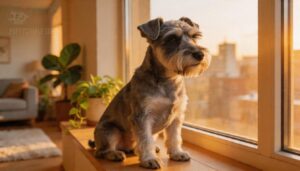
If the Coton’s soft coat won you over, the Miniature Schnauzer’s bold personality might seal the deal.
This small dog breed packs a square build and alert expression into 11–20 pounds.
Its wiry double coat means low shedding, but small dog breed grooming needs are real — beard trimming, eyebrow shaping, and hand stripping keep it looking sharp.
A solid fit for apartment living.
Unique Low-Shedding Small Breeds

Not every low-shedding small dog fits neatly into the usual lineup. Some breeds bring more unexpected look, history, or personality to the table — and that’s exactly what makes them worth knowing about.
Here are seven unique small breeds that keep shedding to a minimum.
Chinese Crested
The Chinese Crested Dog is one of the most distinctive allergy-friendly small dog options you’ll find. Genetic Coat Variation means the same litter can produce a hairless pup and a fluffy Powderpuff — different looks, same low-shedding nature.
Once a Historical Ratting Role dog on ships, this apartment-friendly low-shedding dog is now a warm, devoted low-maintenance canine companion.
Just watch Temperature Sensitivity in cold or sunny weather.
Xoloitzcuintli
The Xoloitzcuintli — one of the world’s oldest breeds — carries ancient Mexican roots dating back 3,500 years, earning its place as Mexico’s National Dog Symbol.
As a low‑shedding companion with a calm, protective nature, it fits beautifully into small dog breed searches. Here’s what makes this hypoallergenic‑friendly breed stand out:
- Three Size Categories — Toy, Miniature, and Standard
- Minimal dog grooming requirements — short coat or hairless, both low‑maintenance
- Skin care needed — wiping, moisturizing, and sunscreen for hairless varieties
- Dental Care Routine — regular brushing keeps teeth healthy
- Loyal temperament — calm, alert, and devoted to family
Basenji
Few small dog breeds carry history like the Basenji — a low shedding gem with Ancient African Origins dating back thousands of years. Its short, smooth coat means minimal cleanup, and its Barkless Vocalization keeps your home peaceful. Those Hunting Instincts make it spirited, though Stubborn Training Challenges are real.
| Trait | Detail | What It Means for You |
|---|---|---|
| Shedding | Minimal | Less hair on furniture |
| Vocalization | Yodel-like | Quieter than most small dog breeds |
| Weight | 20–24 lbs | Compact but sturdy |
| Lifespan | 12–14 years | Longevity and Lifespan you can count on |
| Training | Independent | Patience required |
A solid pick for your Low bark small breed checklist — nearly hypoallergenic, ancient, and unforgettable.
Japanese Chin
If you want a quiet, low-shedding lap dog that practically decorates your apartment, the Japanese Chin fits as if it were made for the job. This small hypoallergenic dog companion sheds minimally and stays gentle with strangers.
Just mind its Brachycephalic Breathing, keep up a Dental Care Routine, and respect its Independent Training Needs — it learns on its own terms.
| Trait | Detail | What It Means for You |
|---|---|---|
| Shedding | Low | Less cleanup, more cuddles |
| Vocalization | Quiet | One of the best quiet dog breeds |
| Weight | 4–9 lbs | Ideal apartment-friendly low shedding dog |
| Lifespan | 12–14 years | Long-term companionship |
| Quirk | High Perches Preference | Expect them on your shelves |
Italian Greyhound
The Italian Greyhound is basically a Renaissance painting brought to life. That satin coat texture sheds minimally, making it a genuinely low-shedding, hypoallergenic-friendly choice for apartment-friendly, low-shedding dogs living. Its fine-boned build and elegant movement echo historical nobility — this breed graced royal courts for centuries.
A few things to know:
- Quiet and sensitive around strangers
- Needs daily bursts of speed
- Short coat means minimal grooming
Affenpinscher
The Affenpinscher’s German Origins go back centuries — this pint-sized ratter with a Monkey-like Expression still turns heads today. Its Sturdy Toy Build and Fearless Personality pack a big-dog attitude into 8–13 pounds.
The rough, wiry coat sheds minimally, making it one of the more practical Small hypoallergenic dog breeds for apartments.
Just know the Grooming Challenges are real — dead hair stays trapped and needs regular hand‑stripping.
Brussels Griffon
The Brussels Griffon looks like a tiny philosopher — big soulful eyes, a scruffy beard, and an expression that feels almost human. This allergy‑friendly small dog option is genuinely low‑maintenance for shedding, with its wiry coat trapping loose hair rather than scattering it everywhere.
- owner attachment makes this breed deeply loyal
- Apartment‑friendly low‑shedding dog that adapts well to small spaces
- Sensitive training works best — harsh corrections backfire
- Facial expression is famously expressive and endearing
- Chiari Malformation and Syringomyelia Risk are real health concerns to discuss with your vet
Picking The Right Breed Match
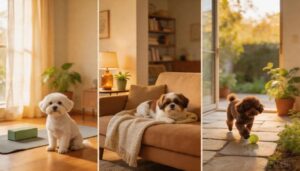
Finding the right small dog isn’t just about shedding — it’s about finding one that actually fits your life.
The best match depends on where you live, how active you are, and what kind of companion you’re looking for.
Here’s a closer look at the key factors to help you narrow it down.
Best Breeds for Apartments
Not every dog thrives in a compact city home — but some were practically made for it.
For apartment-friendly low-shedding dogs, the Bichon Frise, Maltese, and Japanese Chin check nearly every box: small companion dogs for city living that handle noise control, space utilization, and elevator etiquette gracefully.
| Breed | Shedding Level | Apartment Fit |
|---|---|---|
| Bichon Frise | Low | Excellent |
| Maltese | Minimal | Excellent |
| Japanese Chin | Low | Excellent |
Their calm nature facilitates indoor enrichment without demanding extra square footage.
Always confirm pet-friendly policies before bringing one home.
Quiet Small Low-shedding Dogs
Noise matters just as much as fur — and some breeds quietly nail both.
If you want a calm, low-maintenance canine companion, consider these apartment-friendly low-shedding dogs known for gentle alertness and calm playfulness:
- Basenji – rarely barks, minimal shedding, ideal silent home fit
- Bichon Frise – soft-voiced and cheerful, low-noise exercise needs
- Shih Tzu – naturally quiet, low-shedding, steady temperament
Your guide to quiet small dog breeds starts here.
Good Choices for Seniors
A quiet home deserves a steady companion. For seniors, senior lifestyle fit means finding calm dog breeds that match your pace — not the other way around.
Low-maintenance canine companions like the Maltese or Shih Tzu thrive on short walks and gentle indoor time, making low-impact activity feel easy.
Simple grooming routines, a steady presence beside you, and allergy-conscious care through low-shedding coats make allergy-friendly small dog options like these small breeds suitable for seniors, genuinely hard to beat.
Family-friendly Low-shed Breeds
Kids, chaos, and a furry friend — it’s a lot to balance.
Breeds like the Bichon Frise and Havanese handle child interaction beautifully, staying gentle through the noise and energy. Their natural socialization strategies make multi-pet harmony feel easy.
With training consistency, these hypoallergenic pets settle right into busy family life, shedding little while giving everything.
First-time Owner Considerations
If you’re new to dog ownership, low-maintenance small dogs for allergy sufferers like the Maltese or Bichon Frise are a smart starting point. Their predictable small dog breed grooming needs and calm temperaments keep learning curves manageable.
Don’t forget to budget for vet care costs and pet-related expenses — think of it like building an emergency fund before a big commitment.
Energy Level and Exercise Needs
Don’t let their size fool you — energy level matching for small dogs matters more than most people expect. A Maltese does well with just 20–30 minutes daily, while a Bichon Frise needs closer to an hour.
Short burst play and mental stimulation through puzzle toys help low energy dogs stay balanced. Remember, age adjusted exercise keeps joints safe as your dog grows older.
Size, Lifespan, and Temperament
Size matters more than you’d think when choosing small dog breeds that don’t shed. Weight variability is real — toy breeds like the Maltese stay under 7 lb, while a Miniature Schnauzer hits 20 lb.
Here’s what shapes your match:
- Lifespan Expectations: Most live 12–16 years
- Temperament Types: From bold Yorkies to calm Shih Tzus
- Size Fragility Concerns: Tiny dogs need gentle households
- Aging Energy Levels: Activity naturally slows with age
Grooming Budget and Upkeep
Grooming a low-maintenance dog still costs real money. A professional groom for small breeds generally runs $75–$125 per full session. Following a professional grooming frequency guide — every 4–8 weeks — helps with monthly cost planning and avoids pricey dematting fees.
DIY grooming savings are real if you invest in decent tools upfront. Budget roughly $400–$700 annually, and you won’t be caught off guard.
Grooming Low-Shedding Small Dogs

Low-shedding doesn’t mean low-maintenance — it just means a different kind of care.
Most of these small breeds still need regular brushing, the right tools, and the occasional professional trim to stay healthy and comfortable. Here’s what good grooming actually looks like for these dogs.
Brushing by Coat Type
Your dog’s coat type is the real guide here.
Short Coat Brushing needs just weekly brushing with a rubber glove — simple and quick.
Silky Coat Brushing means a few sessions weekly with a pin brush.
Curly Coat Brushing calls for daily slicker brush work to prevent mats.
Wire Coat Grooming needs every few days brushing to stay neat.
Match your tool to the coat type, not the size.
Bathing and Coat Maintenance
Bath Frequency Guidelines matter more than most people think. Most low-shedding small breeds do well with a bath every six to eight weeks — though longer coats may need one every four to six weeks.
Always use pH-balanced shampoos made for dogs, not humans. Follow up with conditioner to keep things soft.
Towel dry first, then finish with a low-heat hair dryer on a cool setting.
Preventing Mats and Tangles
Even after a good bath, mats can sneak up fast. Daily Brushing Tips make the biggest difference — work from skin outward using a slicker brush, then follow with a metal comb. Pay extra attention to High Friction Zones like armpits and behind the ears. Wet Coat Care matters too: always brush after bathing.
Short Trim Maintenance in tangle-prone spots keeps small dog grooming manageable year-round.
Professional Grooming Schedules
Home brushing buys you time, but it can’t replace a professional groom.
Visit Frequency Guidelines suggest every 4–6 weeks for most low-shedding small dogs. Curly and silky coats mat fast. Short coats can stretch to 8–12 weeks.
Adjust for Seasonal Coat Adjustments, Age-Based Scheduling for puppies or seniors, and Health-Driven Appointments when skin issues arise.
Salon Service Packages bundle baths, trims, and nail care neatly.
Tools for Low-shedding Coats
Once your pro appointments are locked in, the right grooming tools keep things tidy between visits.
For low-shedding small dog breeds, Grooming Gloves work gently on sensitive skin, while Carding Combs lift trapped undercoat without thinning the topcoat.
Rotating Tooth Rakes reduce pulling on fine coats.
Undercoat Rakes, Shedding Blades, and other dog coat grooming tools help maintain that hypoallergenic, low-shedding advantage at home.
Skin Care for Hairless Breeds
Hairless breeds like the Chinese Crested skip the brushing routine, but their skin needs real attention. Without fur acting as a shield, sun protection becomes a daily priority — dog-safe sunscreen on lightly pigmented areas prevents burns fast.
Moisturizing ointments support skin barrier health after weekly baths, while regular vet exams catch acne or dermatitis early before it spreads.
Reducing Dander at Home
Low-shedding dogs still produce dander, so managing your indoor environment matters just as much as pet grooming frequency.
HEPA vacuuming pulls allergens from carpets and furniture, while smart air purifier placement — especially in bedrooms — keeps indoor air quality for pet owners noticeably cleaner.
Frequent bedding wash, smooth flooring, and pet-free zones complete your dander defense, giving hypoallergenic dog breeds their best chance of living peacefully alongside allergy-prone families.
When Shedding Signals a Problem
Even low-shedding dogs can surprise you with sudden coat change — and that’s worth paying attention to. Healthy fur stays consistent; alarming shedding doesn’t stay consistent.
Watch for these Vet Consultation Triggers:
- Skin Redness Alerts — itching, flaking, or sores alongside hair loss
- Parasite Hair Loss — patchy bald spots from fleas or mange mites
- Systemic Health Signs — weight changes, lethargy, or increased thirst
- Ongoing dullness — brittle, broken coat despite solid shedding control methods
When these appear, call your vet promptly.
Frequently Asked Questions (FAQs)
What is the best non-shedding small dog?
If you want the best all-around pick, the Toy Poodle wins.
It’s tiny, smart, and its curly coat barely sheds — making it a top choice for allergy sufferers and first-time owners alike.
What is the calmest dog breed that doesn’t shed?
The Shih Tzu is your best bet. It’s calm, low shedding, and perfectly happy with short walks and couch time — a true indoor companion built for quiet, close living.
What is the best dog for seniors that don’t shed?
For senior pet owners, the Toy Poodle stands out — calm, low shedding, and easy to train.
It’s a low-maintenance canine companion that fits apartment life, travels well, and rarely triggers allergies.
What is the best low maintenance small dog?
The Italian Greyhound is your best low-maintenance small dog — minimal coat care, quiet nature, and travel compatibility make it a standout low-maintenance canine companion for owners with a busy lifestyle.
What are some tips for housetraining a small non-shedding puppy?
Start with a consistent potty schedule — small breeds need outdoor breaks every two hours.
Use crate boundary training to prevent accidents, and always reward immediately after your pup goes in the right spot.
Which breeds are best for apartment living?
The Maltese, Bichon Frise, and Japanese Chin are apartment-friendly low shedding dogs — quiet, space-efficient, and easy on maintenance costs.
Their calm nature and tiny size make elevator-friendly living genuinely stress-free.
Are non-shedding dogs harder to train?
Not at all. Coat type doesn’t affect Intelligence vs Coat learning ability.
With Reward Sensitivity and Training Consistency, most nonshedding dog breeds respond beautifully. Socialization Needs and dog breed temperament matter far more than shedding.
Are small non-shedding dogs good with children?
Yes, many small non-shedding dogs are wonderful with children. Temperament compatibility matters most.
Breeds like the Bichon Frise bring playful energy and gentle patience. Always follow supervision guidelines and use consistent training strategies for safety.
How much do low-shedding small breeds cost?
Think of owning a dog like buying a house — the purchase price is just the beginning.
Expect $800–$3,500 upfront, plus grooming expenses, veterinary budget, and lifetime ownership cost adding hundreds more annually.
Can non-shedding dogs live in hot climates?
Most non-shedding dogs can handle warm climates, but heat adaptation varies by breed. Short, single-layer coats help.
Always prioritize shade management, hydration needs, and sunburn prevention — especially for hairless breeds with zero coat insulation.
Conclusion
Fur real, finding your match among small dogs that don’t shed changes daily life more than you’d expect.
Less hair on your couch means more room in your heart—and your mornings.
Whether you’re drawn to a silky Maltese or a bold Miniature Schnauzer, the right breed is out there waiting.
Match energy levels, grooming needs, and lifestyle first.
Do that, and you won’t just find a dog.
You’ll find your dog.
- https://www.akc.org/dog-breeds/bichon-frise/
- https://www.petmd.com/dog/breeds/bichon-frise
- https://www.petmaltese.com/maltese-size
- https://www.waghotels.com/blog/small-hypoallergenic-dog-breeds-finding-your-perfect-companion/
- https://www.annimally.at/en/blogs/haustier-magazin/kleine-hunderassen-die-nicht-haaren