
This site is supported by our readers. We may earn a commission, at no cost to you, if you purchase through links.

The pocket pitbull packs everything people love about a Pitbull—the loyalty, the muscle, the heart—into a body that tops out around 16 inches tall. That’s not a small dog playing big. That’s a compact, high-drive breed with real working instincts and a temperament that demands your attention.
Most people stumble onto this breed expecting a novelty. What they find instead is a dog that bonds hard, moves fast, and needs a confident owner who knows what they’re signing up for.
This cross between the American Pit Bull Terrier and the Patterdale Terrier isn’t recognized by major kennel clubs, but that doesn’t make it any less real—or any less of a commitment. Here’s what you actually need to know before bringing one home.
Table Of Contents
- Key Takeaways
- What is a Pocket Pitbull?
- Pocket Pitbull Size and Appearance
- Pocket Pitbull Temperament and Behavior
- Pocket Pitbull Care Needs
- Pocket Pitbull Health and Training
- Frequently Asked Questions (FAQs)
- Are pocket Pitbulls dangerous?
- What breed is a pocket Pitbull?
- What makes a pocket Pitbull a good dog?
- How long do pocket Pitbulls live?
- What is the average cost of a pocket pitbull puppy?
- How big is the litter size for pocket pitbulls?
- What types of foods and treats are ideal for pocket pitbulls?
- How much do pocket pitbulls shed daily?
- What vaccines do pocket pitbulls specifically need?
- Can pocket pitbulls live in small apartments?
- Conclusion
Key Takeaways
- The Pocket Pitbull is a compact American Pit Bull Terrier–Patterdale Terrier cross, standing 12–16 inches tall and weighing up to 22 pounds, with a muscular build that demands a confident, experienced owner.
- Despite their small frame, these dogs carry high prey drive and strong protective instincts, so early socialization and consistent training aren’t optional — they’re the foundation of a safe, stable companion.
- Daily care runs deep: plan for 60–90 minutes of exercise, a high-protein diet, regular dental and coat maintenance, and close monitoring for hip dysplasia, hypothyroidism, and skin allergies.
- Expect to pay $1,500–$4,500 from a reputable breeder (or $100–$300 through rescue), and count on an 11–13 year commitment that rewards structured leadership with fierce, unwavering loyalty.
What is a Pocket Pitbull?

The Pocket Pitbull is a designer hybrid, usually a cross between an American Pitbull Terrier and a Patterdale Terrier, bred to carry that bold Pitbull personality in a noticeably smaller frame.
Thanks to their mixed heritage, Pocket Pitbulls often benefit from hybrid vigor, making them one of the healthy small dog breeds with impressive lifespans you can genuinely count on for years of loyal companionship.
Despite the "pocket" label, these dogs are solid, muscular, and full of energy — not the fragile lapdogs the name might suggest. Here’s what you should know before bringing one home.
Mini Pitbull Meaning
The term "Pocket Pitbull" describes a compact, muscular dog bred selectively to mirror the American Pit Bull Terrier in build but at a smaller scale. It’s not an officially recognized breed — more a popular label used across breeders and enthusiasts.
You’ll also hear miniature Pitbull or Pocket Pit used interchangeably, though sizing can vary depending on the line. These dogs are often a cross of terrier breeds to achieve their unique size.
Parent Breeds
Most Pocket Pitbulls trace their lineage to two main dogs: the American Pit Bull Terrier and the Patterdale Terrier.
The Pit Bull contributes muscle, loyalty, and that signature stocky frame, while the Patterdale brings compact size and sharp energy. This crossbreed combination gives the Miniature Pitbull its distinctive look — powerful but scaled down.
Hybrid Breed Origins
Knowing the parent breeds helps, but understanding why this cross exists tells you even more. The Pocket Pitbull is a designer dog created with clear hybridization goals — compact size, stable temperament, and manageable energy.
Breeders rely on Mendelian inheritance to predict outcomes, though first-generation Pocket Pit Bulls can vary noticeably. Hybrid vigor sometimes improves health. Lineage documentation matters when choosing a crossbreed puppy.
Pocket Pitbull Vs Pitbull
Size is where these two diverge most clearly. A standard Pit Bull stands 17–21 inches tall and can weigh up to 60 pounds. The Pocket Pitbull caps out around 16 inches and 22 pounds — a meaningful difference in a shared living space.
| Trait | Pitbull | Pocket Pitbull |
|---|---|---|
| Height | 17–21 inches | 12–16 inches |
| Weight | 30–60 lbs | 11–22 lbs |
| Build | Athletic, lean | Stocky, compact |
Common Breed Misconceptions
Few breeds carry as much undeserved baggage as the Pocket Pitbull. Many assume small means trouble-free, but canine behavioral issues stem from upbringing, not body size.
This designer dog’s temperament is shaped by training and socialization — not genetics alone. A well-raised Pocket Pitbull can be as gentle as any family dog you’d trust with your kids.
Pocket Pitbull Size and Appearance
One of the first things people notice about the Pocket Pitbull is just how much dog is packed into such a compact frame. Despite their smaller size, they carry a bold, muscular look that’s hard to miss. Here’s a closer look at what makes their appearance so distinctive.
Height and Weight

Don’t let the name fool you — these dogs pack real substance into a small frame. Most Pocket Pitbulls stand 12 to 14 inches at the shoulder and weigh between 12 and 25 pounds at maturity.
Despite their compact build, Pocket Pitbulls carry the bold personality you’d expect from their larger cousins — much like the iconic, larger-than-life famous cartoon dogs that have captured hearts for generations.
They usually reach near-final height by 9 to 12 months, with minor growth continuing until 18 months. Females often run a few pounds lighter than males, and genetics from each parent breed quietly shape the final size.
Stocky Body Shape
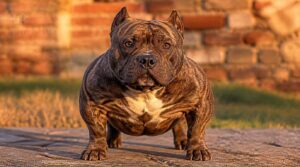
What you’re looking at with a Pocket Pitbull is a stocky and muscular frame compressed into a compact package. The broad chest structure sits wide, shoulders nearly matching hip width, giving the dog a squared, grounded stance.
Bone density factors drive that dense, solid feel — this isn’t just muscle. Muscular limb distribution runs evenly through thick legs and a sturdy skeletal frame, built for power, not speed.
Coat Colors

Pocket Pitbulls come in a surprisingly wide range of colors, driven by eumelanin and pheomelanin — the two pigments behind every shade you see.
- Solid black, gray, blue, and brown from eumelanin dominance
- Warm reds, creams, and fawns from pheomelanin expression
- Dilution genes softening blacks to blue-gray or lilac
- Brindle patterns showing dark streaks across lighter backgrounds
Their short, smooth coat makes every color pop clearly.
Eyes, Ears, and Nose

Their small face holds a lot of sensory power. Eye colors run brown or amber, while noses shift from black to blue or brown depending on coat genetics.
| Feature | What to Watch |
|---|---|
| Eyes | Cloudiness, redness, squinting |
| Ears | Odor, head shaking, scratching |
| Nose | Persistent discharge, foul smell |
| Vision | Cataracts, cherry eye risk |
Regular eye and ear checks catch problems early.
Mini Size Variations

Not every Pocket Pitbull lands at the same size. Most mini pitbulls stand 12 to 14 inches tall and weigh between 15 and 40 pounds, but genetics, diet, and activity level all push that range up or down.
A compact, muscular build stays consistent across variations — shorter legs, broad chest, sturdy frame — even when the overall size shifts noticeably between individuals.
Pocket Pitbull Temperament and Behavior

Don’t let the small size fool you — a Pocket Pitbull has a big personality packed into every inch. These dogs are deeply loyal, surprisingly energetic, and far more complex in their behavior than most people expect. Here’s what you should know about how they actually act around family, strangers, and other animals.
Family Loyalty
Few dogs match the devoted family bond a Pocket Pitbull builds with its people. Historically nicknamed nanny dogs, this breed’s canine temperament is wired for closeness — they thrive on daily connection, emotional support, and consistent presence.
Building trust comes naturally to them. Treat this companion animal like family, and they’ll return that loyalty without hesitation.
Protective Instincts
That loyalty you just read about doesn’t switch off when a stranger comes knocking.
Protective instincts activate quickly in this breed — elevated alertness, focused gaze, and controlled barking are all natural alarm responses:
- They scan surroundings when family is nearby
- Sudden noises raise arousal fast
- Unfamiliar scents may trigger avoidance
- Overprotectiveness needs early management through consistent training
Energy and Playfulness
The protective edge softens the moment you grab a toy.
Pocket pitbulls carry working dog instincts — they need an outlet, not just a backyard. Aim for 60–90 minutes of physical and mental exercise daily. Short 3–5 minute play bouts throughout the day sustain canine energy levels without burnout. Rotating toys weekly keeps curiosity sharp.
| Activity | Duration | Benefit |
|---|---|---|
| Fetch or tug | 10–15 min | Energy burn |
| Puzzle feeder | 15–20 min | Mental stimulation |
| Trick training | 5–10 min | Focus building |
Watch for play bows and loose, wagging tails — those signal a dog ready to engage, not one acting out.
Prey Drive Concerns
Play ends, but the chase instinct doesn’t.
Pocket pitbulls carry a high prey drive that can lock onto squirrels, cats, or fast-moving kids in seconds. That’s not aggression — it’s predatory instinct, and the difference matters. Secure fencing and a reliable "leave it" cue aren’t optional extras; they’re your first line of control before any outdoor time begins.
A Pocket Pitbull’s prey drive isn’t aggression — it’s instinct, and secure fencing is non-negotiable
Stranger Behavior
Pocket pitbulls don’t hand out trust freely. They’ll often hold back, watching a newcomer with calm wariness before deciding whether to warm up. That’s not hostility — it’s measured caution.
Early, repeated exposure to unfamiliar people helps rewire that hesitation into confidence. Without it, initial avoidance can harden into defensive behavior that’s much harder to soften later.
Pocket Pitbull Care Needs

Owning a Pocket Pitbull means committing to a real daily routine — this isn’t a "set it and forget it" kind of dog. From exercise and meals to grooming and sun protection, each care area plays a direct role in keeping your dog healthy and happy. Here’s what you’ll want to stay on top of.
Daily Exercise
These dogs pack serious energy into a small frame. Aim for at least one to two hours of daily activity, split into shorter sessions that match their stamina.
Start with a gentle warm-up walk, build into brisk aerobic pacing, then add brief tug or strength play. Always cool down slowly and offer fresh water. Adjust intensity based on how your dog feels that day.
Food and Diet
What your Pocket Pitbull eats shapes everything — energy, coat, joints, and mood. Good pet nutrition starts with the right macro balance: protein, healthy fats, and fiber-rich carbohydrates working together.
- Choose premium dog food with named meat as the first ingredient
- Consider raw dog food or homemade dog food for nutrient-dense variety
- Limit sugar and sodium in treats
- Watch for food allergies
- Feed roughly 2.5 cups daily, adjusted by weight
Grooming Routine
Their short, tight coat is one of the easier things to manage about a Pocket Pitbull. Brush 2 to 3 times per week to pull out loose hair and keep the coat looking clean.
Bathe every 4 to 6 weeks using a mild dog shampoo — overbathing strips natural oils and dulls the coat. After each bath, dry the coat thoroughly to prevent odor and skin irritation.
Dental and Nail Care
Teeth don’t take care of themselves. Brush your Pocket Pitbull’s teeth with dog-safe toothpaste a few times a week, and add a properly sized dental chew to help scrape plaque between sessions. Check gums regularly — healthy ones stay pink and firm.
For nails, trim small amounts gradually to avoid the quick. Dry paws after walks to prevent nail bed infections.
Heat and Sun Safety
Their flat-faced structure makes Pocket Pitbulls genuinely vulnerable to overheating — not just uncomfortable, but dangerously so.
Avoid outdoor activity during peak UV hours, usually late morning through mid-afternoon. Always carry water and offer it before your dog seems thirsty. On sunny days, seek shaded rest breaks frequently, since thin coats offer little protection against UV exposure.
Pocket Pitbull Health and Training

Keeping a Pocket Pitbull healthy and well-behaved takes some real intention, but it’s absolutely manageable with the right approach.
Like any dog, they come with specific health risks and training needs you’ll want to understand before bringing one home. Here’s what you need to know across the five most important areas.
Common Health Issues
Pocket Pitbulls carry a real genetic load. Hip and elbow dysplasia can show up as stiffness or reluctance to jump, while hypothyroidism may quietly cause weight gain and coat changes.
Watch for these warning signs:
- Skin redness, oozing, or foul odor
- Eye cloudiness, squinting, or discharge
- Limping that worsens after rest
Regular parasite prevention and dental cleanings keep smaller problems from becoming serious ones.
Allergy Risks
Beyond joint and thyroid concerns, your Pocket Pitbull’s skin is often the next battleground. Pollen, dust mites, and flea saliva are common triggers, causing redness, itching, and hot spots.
Food allergies — often linked to wheat, soy, or certain proteins — can worsen skin problems a lot. Medicated shampoos help manage flare-ups, but identifying the exact trigger through an elimination diet or vet testing gives you real control.
Positive Training Methods
Once you’ve tackled allergy triggers, training is where your bond truly takes shape.
Reward timing matters more than most owners expect — deliver a treat within 0–2 seconds of the behavior.
- Start simple commands in quiet spaces
- Use high-value treats for harder tasks
- Gradually practice in new locations to generalize commands
Positive reinforcement keeps your dog calm, confident, and genuinely excited to learn.
Early Socialization
Training builds skills, but early socialization shapes who your Pocket Pitbull becomes around the world.
| Socialization Focus | What to Practice |
|---|---|
| Puppy Playdates | Supervised peer interaction |
| Stranger Exposure | Calm greetings with adults |
| Noise Desensitization | Traffic, doorbells, crowds |
| Obedience Basics | Sit, stay, recall |
| Social Confidence | New environments weekly |
Canine socialization techniques started young make dog behavior management far easier later.
Reputable Breeders and Adoption
Whether you buy or adopt, the source matters. A reputable breeder provides health clearances, genetic screening results, and a clear contract — no exceptions. Shelters screen adopters carefully and disclose behavioral history upfront.
Either path comes with real pet ownership responsibilities, so ask questions, request documentation, and never skip the paperwork. A good match protects both you and the dog.
Frequently Asked Questions (FAQs)
Are pocket Pitbulls dangerous?
Picture a dog lunging at a stranger — now ask yourself if the breed or the upbringing caused it. Aggression isn’t hardwired; it’s shaped by socialization, training history, and how responsibly an owner grips reactive behavior from puppyhood forward.
What breed is a pocket Pitbull?
A Pocket Pitbull is a crossbreed hybrid, usually mixing an American Pit Bull Terrier with a smaller bully or terrier breed. No major kennel club officially recognizes it as a purebred or standard breed.
What makes a pocket Pitbull a good dog?
Their loyal family bonds and affectionate personality make them wonderful companions. They’re intelligent, protective without aggression, and adapt well to urban living — a compact, devoted canine breed built for real life with people.
How long do pocket Pitbulls live?
How long does a small, powerfully built dog really last? Most pocket pitbulls live 11 to 13 years, and with solid nutrition, regular exercise, and routine vet care, some stretch that range even further.
What is the average cost of a pocket pitbull puppy?
Expect to pay $1,500 to $4,500 from a reputable breeder, with premium bloodlines pushing past $5, Rescue adoption runs $100 to $300 — a fraction of the cost, with most vaccines included.
How big is the litter size for pocket pitbulls?
Don’t let the small size fool you — litters can still pack a crowd. Most births produce four to eight puppies, with dam age and health playing the biggest role in where your count lands.
What types of foods and treats are ideal for pocket pitbulls?
High-protein snacks like boiled chicken or turkey work best. Keep bite-sized training treats small and soft. Carrots and blueberries make safe, low-calorie options. Always avoid xylitol — it’s toxic, even in "natural" products.
How much do pocket pitbulls shed daily?
Their short, single coat sheds at a mild to moderate level year-round. Brushing once or twice weekly keeps loose fur manageable, and omega-rich nutrition can visibly reduce daily hair fall.
What vaccines do pocket pitbulls specifically need?
Puppies need a basic vaccine series covering distemper, adenovirus, and parvovirus, plus rabies as a legal requirement. If your dog visits boarding or daycare, add bordetella coverage for kennel cough protection.
Can pocket pitbulls live in small apartments?
Yes — with daily exercise routines and consistent mental stimulation, apartment life works. Your pocket pitbull needs at least 60 minutes of activity each day, plus puzzle toys and training sessions to stay calm indoors.
Conclusion
Coincidence often brings the right dog into your life just when you’re ready. If a pocket pitbull has caught your eye, remember you’re choosing loyalty in a compact package—but also real responsibility.
This breed rewards confident leadership and clear boundaries, not casual handling. With the right approach, you gain a companion who’s fearless, affectionate, and surprisingly adaptable. If you’re prepared for the challenge, the bond you’ll build is every bit as powerful as their presence.