
This site is supported by our readers. We may earn a commission, at no cost to you, if you purchase through links.
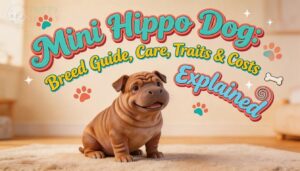
Somewhere between a Shar-Pei’s ancient wrinkles and a Cocker Spaniel’s silky charm lives a dog that stops strangers mid-stride. The mini hippo dog earns that nickname honestly—those jowly folds and rounded snout do look like something that belongs near a watering hole, not a living room couch.
But looks aside, this is a breed cross with a genuinely interesting story, one that stretches from Han Dynasty farmlands to near‑extinction scares and careful modern revival. Whether you’re drawn in by the face or the history, there’s a lot more to discover once you get past the adorable exterior.
Table Of Contents
- Mini Hippo Dog Origins
- Physical Characteristics
- Mini Hippo Temperament
- Health and Wellness
- Grooming and Maintenance
- Training and Socialization
- Mini Hippo Costs
- Living With Mini Hippos
- Caring for Mini Hippos
- Mini Hippo Dog Ownership
- Frequently Asked Questions (FAQs)
- Are mini hippos good family dogs?
- Are Mini Hippo dogs good with kids?
- What kind of dog looks like a hippo?
- What breed is a mini hippo dog?
- Do mini hippo dogs shed a lot?
- Are there mini Shar Pei dogs?
- What kind of dog looks like a baby hippo?
- Can you buy a mini hippo?
- What is a small hippopotamus breed?
- How often do Mini Hippo Dogs need to be bathed?
- Conclusion
Mini Hippo Dog Origins

The Mini Hippo Dog is a cross between two breeds with very different histories, and that mix is a big part of what makes this dog so interesting.
The story behind this pairing reflects the broader rise of intentional crossbreeding, much like the fascinating history explored in this look at the Corgi Saint Bernard mix origins and traits.
To understand where this breed comes from, it helps to know a little about each parent.
Here’s a closer look at the roots behind this charming, wrinkly companion.
Chinese Shar Pei History
The Chinese Shar-Pei’s Ancient Chinese Roots stretch back to the Han Dynasty, around 200 BC, making it one of dogdom’s oldest working breeds. It guarded farms, hunted boar, and kept livestock safe — a true all‑rounder.
By the 1970s, wartime decline pushed this breed to near extinction. Modern revival efforts saved it, and today that wrinkled legacy lives on in every Mini Hippo Dog.
Its name derives from the Cantonese sand skin term, reflecting its characteristic loose skin.
- Ancient origins — over 2,000 years of history
- Working roots — farm guardian, hunter, protector
- Near extinction — only ~60 dogs remained in 1978
- Impressive comeback — preserved through dedicated breeding efforts
Cocker Spaniel History
While the Shar-Pei was guarding farms in ancient China, the Cocker Spaniel was earning its keep across the English countryside. Its Early Spaniel Roots stretch back to 14th-century Britain, where spaniels flushed game from thick brush.
The Hunting Purpose was clear — to flush woodcock, hence the name "cocker."
Through Breed Sorting in the 1800s and formal Breed Recognition by 1892, the breed took shape.
The American English Split came in 1947, producing the affectionate, playful dog whose spirit now shines in every Cocker Pei and Mini Hippo Dog.
Breed Development
So once those two distinct dogs — the ancient Shar-Pei and the cheerful Cocker Spaniel — entered the same breeding conversation, something interesting happened. Breeders in the United States saw real potential in the cross, and the Mini Hippo Dog was born.
Breeding Objectives focused on blending loyalty with friendliness. Lineage Selection and Genetic Screening helped reduce inherited risks.
Here’s what shaped the breed’s development:
- Hybrid vigor through Genetic diversity in dogs
- Designer Trends driving companion-focused pairings
- Standardization Efforts across responsible programs
- Health-first crossbreeding goals
- Growing Designer dog breed popularity
Physical Characteristics
One look at a Mini Hippo and you’ll understand exactly how this dog earned its name. From that wide, squishy snout to its sturdy little body, every physical detail tells the story of two very different breeds coming together.
Here’s what you can expect about their coat, size, and those unforgettable facial features.
Coat Types

Mini Hippo’s coat comes in three types — bear, brush, and horse — and each one has its own personality.
The bear coat is long, wavy, and plush, so Bear Coat Maintenance means brushing a few times a week.
Brush Coat Benefits include the velvety, low-fuss middle ground.
Horse Coat Grooming is the easiest, with its short, dense finish.
Shedding is minimal across all three, and no undercoat means these are surprisingly Allergy Friendly Coats.
Size and Weight

Most people are surprised to find that the size weight and growth of Mini Hippo Dogs can vary quite a bit — even within the same litter. As a medium sized dog, the Adult Height Range generally falls between 18 and 21 inches, with Weight Variability spanning 35 to 65 pounds depending on which parent they take after most.
- Body Frame usually is compact and squarish
- Growth Rate differs based on dominant genetics
- Size Predictability is low — littermates can look totally different
- Dog size classification: solidly medium, never toy or giant
Size and weight settle with age, but surprises happen.
Facial Features

Because this mix borrows from two very different parents, face is where the charm really shows.
A Wrinkled Forehead and wrinkled face often come from the Shar Pei side, while Floppy Ears soften the whole look.
The Rounded Muzzle, short padded and wrinkled snout, and Dark Nose create that little hippo profile owners love.
Many dogs also have Expressive Eyes, sometimes even green eyes.
You may see a black nose or, less often, a pink nose, and each combination gives your dog a one-off, lovable expression too.
Mini Hippo Temperament

Mini Hippos tend to have big feelings packed into a sturdy little body. Their personality is usually a mix of smarts, sweetness and just enough stubbornness to keep you on your toes.
Here’s what to know about their trainability, affection, and daily energy needs.
Intelligence and Trainability
Clever as a puzzle box, your Mini Hippo is highly trainable, with strong dog intelligence, fast Learning Speed, and solid Command Retention when you use positive reinforcement training.
Best training methods for obedience lean on Positive Reinforcement, Stubbornness Management, and Mental Stimulation:
- Keep lessons 10–15 minutes.
- Use treats and a clicker.
- Repeat cues calmly, 15–20 times.
- Redirect stubborn moments, don’t punish.
- Add puzzles between sessions.
That keeps boredom low and your smart dog focused instead of digging in indoors.
Loyalty and Affection
This breed wears its heart on its sleeve — emotional loyalty runs deep here. Loyal to its family and protective of its family and territory, your Mini Hippo’s affectionate nature shows up in quiet, everyday affectionate rituals: leaning into you, following room to room, and those classic cuddle habits on the couch.
The Mini Hippo loves fiercely, follows loyally, and never stops reminding you that you are their whole world
That family-friendly attitude makes this family dog genuinely hard to resist.
| Trait | How It Shows | What You’ll Feel |
|---|---|---|
| Family bonding | Stays close during daily routines | Deeply connected |
| Protective instincts | Watchful near strangers | Safe and secure |
| Cuddle habits | Curls up beside you at rest | Warm and loved |
Energy Level and Exercise Needs
Think of your Mini Hippo as a "sprint-then-snooze" kind of dog — big on moderate energy balance, not marathon running. Their daily mild to moderate exercise needs are easy to manage with a simple Daily Walk Routine:
- Walk 30–45 minutes daily, split into two sessions.
- Add Puzzle Play Sessions for mental stimulation.
- Follow Puppy Activity Limits — about 5 minutes per month of age.
- Practice Heat Safe Exercise by walking during cooler hours.
Health and Wellness

Keeping your Mini Hippo healthy is mostly about staying ahead of the little things before they turn into bigger problems. A few smart habits can make daily care feel simple and a lot less stressful for you both.
Here’s a quick look at the key health and wellness basics to keep on your radar.
Common Health Issues
Like most designer dogs, the Mini Hippo Dog comes with a few health concerns worth knowing about.
Hip dysplasia can sneak up quietly, showing itself as a limp or stiffness after a walk. Progressive retinal atrophy is another one to watch — it affects vision gradually, so early eye exams matter.
Skin issues are common too, especially inside those adorable wrinkles where moisture hides. Hypothyroidism and thyroid dysfunction can slow your dog down in ways that look like laziness but aren’t.
There’s also a bloat risk and an elevated lymphoma risk tied to their genetics.
Catching Mini Hippo Dog health concerns early makes a real difference.
Preventative Care
Since early warning matters, prevention is your best friend: follow a Vaccination Schedule and dog vaccine schedule, keep up with Parasite Prevention, Dental Hygiene, Annual Exams, dog health screening, and Weight Management.
Good Mini Hippo Dog care and grooming also help catch Mini Hippo Dog health concerns before they snowball.
Ask your vet how Mini Hippo Dog diet and nutrition promote whole-body daily wellness, too.
Nutrition and Diet
Good prevention pairs with smart feeding:
- Balanced Diet: follow dog nutrition guidelines.
- Portion Control: measure meals, usually twice daily.
- Protein Sources: choose named meats in your dog’s diet.
- Hydration Needs: keep fresh water available.
- Sensitive Stomach Care: In Mini Hippo Dog diet and nutrition, a diet for Mini Hippo Dog means feeding diet and nutrition for Mini Hippo Dogs around fewer triggers for puppies, seniors, and allergy‑prone adults with wheat, corn, or chicken issues.
Grooming and Maintenance

Mini Hippos aren’t high-maintenance dogs, but they do need steady grooming to stay clean and comfortable.
A simple routine goes a long way, especially as your dog gets older and settles into daily life.
Here are the main grooming jobs you’ll want to keep up with.
Coat Care and Shedding
Although Mini Hippos are low to moderate grooming dogs, dog coat types vary, so Brush Selection matters for the undercoat and loose hair.
Use dog grooming tips like extra brushing during Seasonal Shedding, plus smart Bath Frequency.
Coat Nutrition helps calm dog shedding patterns, and Allergy Management starts with removing loose fur early.
| Coat | Brush Selection | Bath Frequency |
|---|---|---|
| Short | Bristle | 4–6 weeks |
| Dense | Slicker | 8–12 weeks |
Skin and Wrinkle Care
After grooming and coat care for Mini Hippo Dog, focus on skin fold cleaning. Wipe wrinkles gently, dry them well, and keep bathing moderate, about every 8–12 weeks, so moisture and debris don’t invite skin infections.
Think of skin wrinkles care as daily Care Habits: simple Hydration Techniques, gentle Barrier Repair, and vet-approved Active Ingredients when irritation flares.
For sun-exposed spots, ask about safe Sunscreen Application.
Your pup’s face will stay cleaner, calmer, and comfortable.
Nail and Ear Care
While wrinkles grab attention, Mini Hippo Dog care and grooming also includes Quick Identification of overlong nails, careful Dewclaw Trimming, and dog ear cleaning with Ear Moisture Management.
Nail Grinding Alternatives work well for nervous pups.
Gentle Ear Wax Removal helps prevent ear infections.
Grooming For Mini Hippo Dog should reflect Grooming and shedding considerations for Mini Hippo Dogs.
Training and Socialization

A Mini Hippo usually does best with steady training and early social time. The next few points cover the basics that help your dog learn manners, feel more at ease around kids and other pets, and avoid common behavior bumps.
Here’s what to focus on first.
Housebreaking and Obedience
Think of housebreaking as building a rhythm: Potty Schedule, Crate Training, Cue Consistency, Reward Timing, and smart supervision strategies help your Mini Hippo learn fast.
For Mini Hippo Dog training and obedience, use positive reinforcement training, short obedience training sessions, and clear dog training methods.
These training and socialization tips for Mini Hippo Dogs make accidents rarer, recalls sharper, and walks much smoother.
Socialization With Kids and Pets
Because Mini Hippos bond closely, early socialization helps them stay good with children and good with pets.
Start dog socialization during puppyhood with Gradual Introductions, short Supervised Play, and simple Boundary Training, like teaching kids not to hug, chase, or crowd the dog.
Watch Body Language Cues, such as lip licking or a low tail, and use Positive Reinforcement so your pup builds a calm, family‑friendly attitude around busy little humans and furry housemates at home.
Addressing Behavioral Issues
Bad days happen, especially with sensitive dog temperament traits. Use Trigger Management, Reward-Based Training, and positive reinforcement to handle Separation Anxiety, guard dog behavior, and barking before Overarousal Control slips away.
Keep training methods simple, pair socialization with a Calm Routine, and imagine this:
- a stuffed chew at departures
- quiet window breaks
- treat-timed leash check-ins
- short puzzle sessions after walks
That rhythm helps worried dogs settle and listen.
Mini Hippo Costs

Before you bring a Mini Hippo home, it helps to know what the full price tag looks like. Some costs show up right away, while others pop up over time and catch owners off guard.
Here’s a simple look at the main expenses you’ll want to keep in mind.
Purchase and Adoption Prices
The Price Of a Mini Hippo Dog can bounce around from budget‑friendly adoption to pricey breeder litters. Price Influencing Factors include price range, reputable breeders for Mini Hippo Dogs, coat color, and extras such as vaccines.
| Cost | Note |
|---|---|
| Adoption Fee Variations | USD 50–300 |
| Breeder Deposit Policies | Often nonrefundable |
| Health Testing Costs | Raise puppy cost |
| Shipping Delivery Fees | Sometimes included |
Ongoing Expenses and Care
Ownership is more of a marathon than a sprint, and the cost of ownership adds up through recurring costs.
- Food follows a Mini Hippo Dog diet and nutrition guide, with Seasonal Food Adjustments.
- Care covers Grooming and coat care for Mini Hippo Dogs, toys, Medication Subscriptions, and Supply Restocking Frequency.
- Basics include veterinary care costs, exams, vaccines, Veterinary Lab Tests, and Pet Insurance Premiums.
Insurance and Health Costs
After food and routine care, pet insurance can soften the cost of ownership and expenses for Mini Hippo Dogs. Policy Premiums often run USD 30–101 monthly, depending on Deductible Options, Wellness Riders, and Coverage Exclusions.
Watch for Preexisting Conditions, especially skin, ear, and eye dog health issues.
Regular vet checkups support the health concerns and lifespan of Mini Hippo Dogs, and help catch trouble early, too.
Living With Mini Hippos

Living with a Mini Hippo is usually pretty manageable, but it does take some planning. Your home, your routine, and the people around your dog all shape how well things go.
The next few points will help you picture what day-to-day life with one really looks like.
Apartment Living and Space Needs
Although Mini Hippos fit apartment settings well, an apartment‑friendly dog still needs setup: Floor Traction, Crate Sizing, Noise Management, Indoor Play Areas, and Potty Solutions all matter.
The size, weight, and growth of Mini Hippo Dogs suit compact homes, but exercise and activity needs for Mini Hippo Dogs still call for walks and play.
In living arrangements, apartments vs houses for Mini Hippo Dogs, clear floor space beats square footage.
Family Dynamics and Compatibility
Once your space is sorted, the next big question is whether a Mini Hippo fits your people — and the answer is almost always yes.
Their temperament and family compatibility shine across all kinds of households. Kids’ interaction is smooth and gentle, and their family loyalty runs deep. Here’s what makes their family suitability so strong:
- Good with children — tolerates energetic toddlers with calm patience
- Pet compatibility — warms up to cats and dogs within weeks
- Elderly companionship — settles quietly beside older family members
- Stranger caution — barks once, then relaxes after your reassurance
- Family-friendly attitude — follows your lead in every room
That’s a pretty well-rounded companion.
Travel and Boarding Considerations
That same loyalty travels too. This apartment-friendly dog does best with a Car Safety Strap, Cabin Carrier Limits, Airline Weight Policies, and Pre-Trip Anxiety Prep.
Because of temperature sensitivity in dogs, keep routines steady and ask boarding staff about Boarding Vaccine Requirements.
Familiar food, trial nights, and dog socialization help anxious Mini Hippos settle faster at boarding.
| Trip | Helps | Heart |
|---|---|---|
| Car | Strap | Calm |
| Boarding | Vaccines | Comfort |
Caring for Mini Hippos

Taking care of a Mini Hippo is pretty simple when you know the basics. Your dog’s routine should cover food, exercise, and regular vet care without getting too complicated.
The quick list below walks you through the key things to keep on your radar.
Feeding and Nutrition Guidelines
Think of your Mini Hippo Dog’s diet and nutrition guide as the foundation that everything else is built on.
Meal frequency matters — puppies do well with three meals daily, while adults thrive on two.
Stick to portion control based on age, size, and body condition, since this breed can easily pack on pounds.
Keep treat limits under 10% of daily calorie needs, and always choose high-quality food that meets their dietary needs and feeding guidelines.
Exercise and Mental Stimulation
Your Mini Hippo needs about 30–45 minutes of daily movement to stay happy and balanced. Mix it up to keep things fun:
- Fetch Routines – Burns energy and sharpens focus.
- Tug Sessions – Great for rainy indoor days.
- Puzzle Play & Interactive Games – Tire them out mentally.
- Scent Walks – Let them sniff; it counts as exercise and mental stimulation.
Regular Check-Ups and Veterinary Care
Because routine visits catch trouble early, they protect dog health and support Mini Hippo Dog health concerns and lifespan.
| Check | Benefit |
|---|---|
| Vaccination Schedule | Parasite Prevention |
| Dental Exams | Weight Monitoring |
| Blood Work Screening | dog health screening; potential health screenings and veterinary care for health concerns and common ailments for Mini Hippo Dogs, including ears, skin, eyes, heart, teeth, and body condition. |
Mini Hippo Dog Ownership

Owning a Mini Hippo dog is a genuinely rewarding experience, but it helps to know what sets this breed apart before you bring one home. From their quirky mix of Shar-Pei stubbornness and Cocker Spaniel charm to their one-of-a-kind hippo snout, there’s a lot that makes them unlike any other dog you’ve owned.
Here’s a closer look at what defines Mini Hippo ownership.
Breed Similarities and Differences
Comparing Cocker Spaniel and Shar-Pei traits in the Mini Hippo Dog is like watching two opposites find common ground. This Genetic Trait Fusion blends the Shar-Pei’s calm watchfulness with the Spaniel’s enthusiastic friendliness into one compact package. Here’s your quick breakdown of the Behavioral Trait Mix, Physical Trait Contrast, and Health Issue Divergence shaping this crossbreed:
- Temperament: Reserved Shar-Pei meets social Spaniel.
- Appearance: Wrinkled face, softer mixed coat.
- Training: Independent streak, but people-pleasing instincts kick in.
- Parent Breed Traits: Alertness plus affection, equally present.
- Health: Skin folds and ear care combine as inherited concerns.
Unique Features and Traits
What makes the Mini Hippo Dog genuinely hard to forget is the whole package.
That wide muzzle width, those forehead wrinkles, and the coat texture spectrum ranging from smooth to wavy all come together in one surprisingly compact dog.
Tail curl types vary, eye color diversity adds to the charm, and real heat sensitivity means they’re happiest in moderate climates with steady, attentive care.
Comparison to Parent Breeds
Think of the Mini Hippo as a happy middle ground between two very different dogs. You get a sturdier body sturdiness comparison than a Cocker Spaniel, but a softer snout shape contrast than a full Shar-Pei.
The coat shedding rate and ear canal size both depend on which parent wins genetically — and that’s honestly part of the fun.
Frequently Asked Questions (FAQs)
Are mini hippos good family dogs?
Yes, Mini Hippos can be wonderful family dogs.
Their loyal, affectionate nature and family-friendly attitude make them a solid fit — especially when you prioritize early socialization and consistent supervision around young kids.
Are Mini Hippo dogs good with kids?
Mini Hippo dogs are generally good with kids.
playful, affectionate nature fits family life well, though supervision strategies and clear playtime boundaries help keep both the dog and the children comfortable and safe.
What kind of dog looks like a hippo?
The Shar-Pei is the dog most people think of first — that wrinkled muzzle, broad nose, and stocky build give it an almost hippo-esque snout that’s hard to forget.
What breed is a mini hippo dog?
Mini Hippo Dog is a designer dog breed — a cross between a Chinese Shar-Pei and a Cocker Spaniel, commonly called the Cocker Pei.
It’s not AKC-registered, but its charm speaks for itself.
Do mini hippo dogs shed a lot?
More tumbleweed than blizzard, these moderate shedders shed lightly most days, with Seasonal Shedding Patterns twice yearly.
Parent Breed Influence and Coat Texture Impact matter; shedding, grooming, Grooming Frequency, and Allergy Sensitivity count—they’re not hypoallergenic.
Are there mini Shar Pei dogs?
They do exist, though "mini Shar Pei" is more of a marketing label than an official breed classification.
These smaller dogs are selectively bred from standard Shar Peis, so size variability is common, and no major kennel club formally recognizes them.
What kind of dog looks like a baby hippo?
Believe it or not, one dog practically stops people cold on the sidewalk — the Cocker-Pei.
Its squishy face, broad muzzle, wrinkled snout, and chunky build make it look like a baby hippo escaped the zoo.
Can you buy a mini hippo?
Yes, through Breeder Licensing–compliant breeders or Rescue Organizations, though availability is limited.
Expect USD 600–1,600, ask for health screening and contractual guarantees, confirm shipping regulations, and budget for cost of ownership if choosing a pet.
What is a small hippopotamus breed?
Think of the Mini Hippo Dog as nature’s little joke with the best punchline — a designer breed that looks like a tiny hippo escaped the zoo and decided family life suited it better.
How often do Mini Hippo Dogs need to be bathed?
Bathing frequency depends on your dog’s coat type and activity level.
Every 4 to 6 weeks works well for most, but adjust for skin fold care, seasonal changes, or a particularly muddy adventure.
Conclusion
Investigating the unique blend of loyalty and playfulness in the mini hippo dog reveals a breed that defies expectations. With their adorable wrinkles and affectionate nature, it’s no wonder they’re capturing hearts.
As you consider bringing one home, remember that their needs extend beyond cute snuggles. A commitment to proper care, training, and health checks ensures a happy, healthy companion. By understanding their quirks and charms, you’ll forge a lifelong friendship with this lovable, loyal breed.