
This site is supported by our readers. We may earn a commission, at no cost to you, if you purchase through links.
Something about a dog built like a refrigerator, draped in a coat that could survive a blizzard, sitting perfectly still — it stops you cold. You don’t think "dog." You think bear. And you’re not wrong to.
Dozens of breeds share an uncanny resemblance to everything from grizzlies to pandas, thanks to thick double coats, wide muzzles, and paws the size of dinner rolls. Some tip the scales at 160 pounds. Others fit in a handbag but carry the same teddy bear energy. Whether you want a gentle giant or a living plush toy, dogs that look like bears come in every size — and each one has a personality to match the look.
Table Of Contents
- Key Takeaways
- Why Some Dogs Look Like Bears
- Bear-Like Traits to Look For
- Large Dogs That Look Like Bears
- Medium Dogs That Look Like Bears
- Small Teddy Bear Dog Breeds
- Polar Bear Looking Dog Breeds
- Panda-Like Dog Breeds
- Temperaments of Bear-Looking Dogs
- Grooming Bear-Like Dog Breeds
- Choosing a Bear-Looking Dog
- Frequently Asked Questions (FAQs)
- What dogs resemble bears?
- Are there dog breeds that resemble bears?
- What dog breed looks like a teddy bear?
- Do dogs look like bears?
- What is a bear-like dog?
- Do doggos look like bears?
- What dog breed resembles a polar bear?
- How easy is it to groom bear-like breeds?
- Is it difficult to train bear-like breeds?
- Are there any health concerns associated with bear-like breeds?
- Conclusion
Key Takeaways
- Dogs look like bears thanks to a combo of thick double coats, wide muzzles, rounded ears, and stocky builds — it’s not just the fluff, it’s the whole package working together.
- Bear-lookalike breeds come in every size, from pocket-sized Pomeranians and Bichon Frises to gentle giants like the Newfoundland and Tibetan Mastiff, so there’s a match for almost any home.
- Personality varies a lot — some, like the Caucasian Shepherd, are serious guardians, while others, like the Samoyed and Keeshond, are pure social sunshine who live for a good cuddle.
- That gorgeous bear coat comes with real upkeep — expect brushing several times a week, baths every six to eight weeks, and extra attention during the heavy spring and fall shedding seasons.
Why Some Dogs Look Like Bears
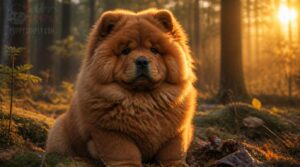
It’s not just the fluffy coat — there’s actually a handful of physical traits that give certain dogs that unmistakable bear-cub look. Some of it is genetics, some is structure, and all of it is objectively adorable. Here’s what to look for.
From rounded muzzles to broad foreheads, the specific features that create that bear-cub illusion are laid out clearly in this guide to dog breeds that look like polar bears.
Thick Double Coats
That signature bear-like fluffiness comes down to one thing: thick double coats. These breeds carry a dense undercoat insulation layer close to the skin, trapping warm air like a built-in sleeping bag. On top sits a longer, water-resistant outer coat — the guard hair protection layer — that sheds rain and wind surprisingly well.
Together, they create serious coat density that makes these fluffy dogs look twice their actual size.
Round Faces
Coat thickness gets you halfway there — but facial roundness seals the deal. Dogs with a bearlike appearance tend to have wide-set eyes and full cheeks, giving the midface a circular, soft look rather than an angular one. Cheek fullness pushes the face outward, while a short nose bridge keeps everything compact.
Add dense fur coverage, and you’ve basically got a walking teddy bear.
Wide Muzzles
A wide, blunt muzzle adds that final ursine touch. On fluffy dog breeds like the Tibetan Mastiff or Chow Chow, a broad snout widens the face visually — making it look heavier and rounder than it actually is.
That extra width isn’t just cosmetic, either. It’s one reason muzzle sizing for these breeds requires careful measurement across the snout to get a proper, comfortable fit.
Heavy Neck Ruffs
That wide muzzle flows right up into another bear-signature feature — the heavy neck ruff.
That big, fluffy collar of fur standing away from the neck? It’s doing serious heavy lifting. The ruff can add up to 3 inches of apparent neck width, making even medium-sized dogs look like they’ve been hitting the gym with a grizzly.
Large Paws
Then there are the paws — and honestly, they seal the deal.
Large, wide paws give bear-looking dogs that unmistakable "I could hug you or topple you" energy. Here’s why those big feet matter:
- Thick paw pads insulate against cold ground
- Wide toe spread improves stability on snow and mud
- Dense claws help grip uneven terrain
- Tufted fur between pads traps warmth
- Heavy paws signal serious bone and muscle density
Additionally, specialized paw anatomy helps these large breeds manage their weight. That last point is what really sells the bear illusion.
Bear-Like Traits to Look For
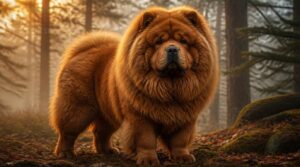
Not every fluffy dog turns heads quite like a bear does — but certain traits make the resemblance almost uncanny. Once you know what to look for, you’ll start spotting them everywhere. Here are the key features that give these dogs their wild, unmistakably bear-like look.
Fluffy Coat Texture
That plush, huggable look doesn’t happen by accident. It comes down to two coat layers working together — a soft, dense undercoat that traps warmth and air, plus longer guard hairs on top that keep moisture out. That combo creates coat loft, giving fluffy dog breeds their signature puffed-out silhouette.
| Coat Feature | Bear-Like Effect |
|---|---|
| Undercoat Density | Adds volume and plush texture |
| Guard Hair Length | Creates a layered, full appearance |
| Coat Loft | Gives a rounded, cushioned silhouette |
| Shedding Patterns | Seasonal heaviness amplifies fluffiness |
| Brushing Techniques | Maintains lift and prevents flat matting |
Fluffy coat maintenance matters more than most people expect. Without regular brushing, thick coats lose their loft fast — and matting can sneak up quickly. A good deshedding brush a few times weekly keeps that teddy bear texture looking its best.
Rounded Ears
Ears are one of the sneakiest bear-like qualities hiding in plain sight. When a dog’s ears have a soft, rounded contour instead of sharp pointed tips, the whole face reads warmer and rounder — almost huggable. That gentle cartilage arc blends into the head without harsh angles, which is exactly what pushes certain breeds into teddy bear dog territory.
Here’s why rounded ears matter as a breed identification cue:
- They create a circular head silhouette that mimics bear facial geometry
- The visual softening effect makes expressions appear calmer and friendlier
- Dense fur growing over rounded ear margins amplifies the overall fluffiness
- They often pair with broad skulls, completing the full bearlike dogs look
Stocky Body Shape
A stocky body shape is basically a bear wearing a dog costume. Broad shoulders, a deep ribcage, and short limbs work together to create that signature low, wide silhouette you’d spot on large fluffy dog breeds. Dense muscles across the chest and hindquarters add real heft — and that low profile hugging the ground makes thick fur dogs look even more massive.
| Body Feature | Bear-Like Effect |
|---|---|
| Broad Shoulders | Widens the upper frame |
| Deep Ribcage | Adds rounded chest bulk |
| Short Limbs | Creates a squat stance |
| Dense Muscles | Builds visible, solid mass |
| Low Profile | Mimics ursine proportions |
Dense Facial Fur
Dense facial fur is basically nature’s way of making a dog look like it borrowed someone’s bear costume — and kept it. Facial fur density builds up around the muzzle and cheeks, softening bone structure and adding a plush, rounded fullness to the face.
That plush, rounded look can vary wildly from dog to dog, since German Shepherd Pug mix appearance and traits rarely follow a predictable pattern when two such different breeds combine.
That layered double coat — soft undercoat plus coarser guard hairs — covers muzzle insulation, heat retention, and weather protection all at once.
Calm, Steady Presence
There’s something almost magnetic about a dog that moves through the world like it has nowhere to rush. Calm, steady presence is genuinely a bearlike quality — and you can spot it before a dog even reaches you.
- Steady breathing and relaxed posture signal quiet confidence
- A gentle gaze — soft, unhurried, never staring — invites trust
- Predictable routines keep these dogs emotionally resilient and grounded
- Teddy bear dogs and gentle giants alike make natural, reliable companion dogs
Large Dogs That Look Like Bears
Some dogs don’t just look a little like bears — they look like you could accidentally try to leash one at the zoo. These breeds are massive, fluffy, and built in a way that genuinely makes people do a double-take.
Here are five large dogs that pull off the bear look better than almost anything else on four legs.
Tibetan Mastiff
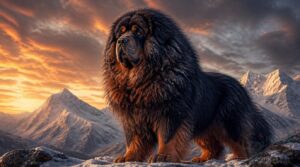
The Tibetan Mastiff is basically a lion-bear hybrid — in the best possible way. Males weigh up to 160 pounds and wear a thick double coat with a dramatic neck mane that screams "I own this mountain."
Their guardian instincts run deep, so expect loyalty, calm dignity, and a watchful eye on every stranger who walks through your door.
Caucasian Shepherd Dog
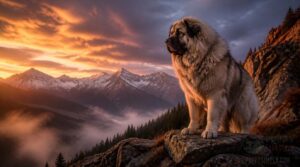
If the Tibetan Mastiff is the mountain king, the Caucasian Shepherd Dog is its equally imposing cousin — built like a boulder with fur. These bearlike dog breeds clock in at 99 to 170 pounds, wearing a thick coat in cream, fawn, or sable. That dense mane? Pure bear energy.
Their protective instincts are no joke — this Mountain Guardian watches everything.
Newfoundland
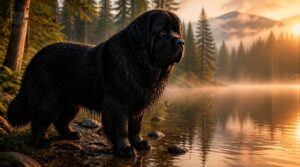
Where the Caucasian Shepherd intimidates, the Newfoundland simply melts you. Calm and endlessly patient, Newfoundlands are large dog breeds with teddy bear souls.
This gentle giant weighs up to 150 pounds, wrapped in a thick, dark fluffy coat that screams bearlike qualities. Their webbed paws — yes, actual webbed paws — make them natural swimmers.
Good nutrition keeps that gorgeous fur healthy and dense.
Leonberger
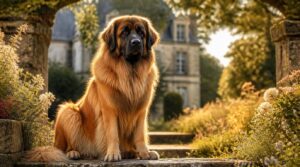
If the Newfoundland is the gentle giant of the water, the Leonberger is the lion of the living room.
Bred in 19th-century Germany, this bear-like breed was literally designed to resemble a lion — think fluffy coat, black mask, and a dramatic male lion mane around the neck. Males reach 170 pounds easily.
Great Pyrenees
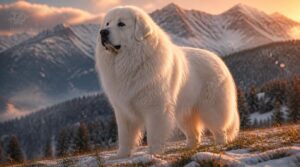
Meet the Mountain Guardian of the dog world. The Great Pyrenees is all cloud-white fluff and quiet confidence — males tip the scales at up to 160 pounds.
Their dense double coat does double duty: it kept real livestock safe in the French Alps, and it makes them look like a walking snowdrift today.
Medium Dogs That Look Like Bears
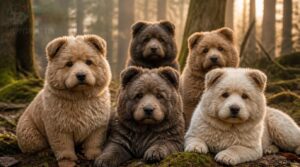
Not every bear-lookalike needs to take up half your living room. Medium breeds hit a sweet spot — substantial enough to turn heads, but manageable enough for most homes. Here are five fluffy standouts that genuinely make people do a double take.
Chow Chow
The Chow Chow is basically a living stuffed animal — and it knows it. That lion-like mane framing the face, the round cheeks, the dense fluffy coats stacked in layers — everything about this breed screams bearlike. What really sets it apart, though, is that blue-black tongue, a rare trait shared by almost no other breed.
Personality-wise, Chow Chows are classic dignified independence. They’re loyal but selective — your Chow might adore you and completely ignore your guests. That’s just their style.
Keep up with daily brushing to prevent matting in those thick coats.
Akita Inu
The Akita Inu carries itself like it owns the room — and honestly, it looks the part. That thick double coat, broad head, and sturdy build give it serious bearlike energy.
Akitas are deeply loyal but reserved with strangers. Confident, calm, and a little stubborn — in the best way.
They live 10 to 12 years and need weekly brushing plus early socialization.
Eurasier
The Eurasier is basically what happens when you mix a Chow Chow, Finnish Spitz, and Samoyed — and get a fluffy, bear-like result. Developed in Germany in the 1960s, this spitz-type dog has a thick double coat built for cold climates.
Calm, loyal, and surprisingly trainable, it’s a family favorite. With a lifespan of 12 to 14 years, regular grooming keeps that coat bear-worthy.
Keeshond
The Keeshond is basically a teddy bear in dog form. This spitz-type dog sports a dramatic neck ruff, dark eye "spectacles," and a thick double coat in silver, black, and cream. Weighing 35 to 45 pounds, it’s compact but fluffy.
Friendly and sociable, it thrives on company — and daily brushing keeps that bear-worthy coat in check.
Samoyed
If there’s one dog that makes people stop and stare, it’s the Samoyed. That cloud-white double coat, broad rounded skull, and signature Sammy Smile give this spitz-type breed an almost toy-like appearance — like a fluffy dog breed that wandered out of a snowdrift.
Sled pulling heritage and cold weather performance are baked into this breed’s DNA:
- Dense undercoat traps warmth for Arctic temperatures
- White fur genetics produce that iconic creamy-to-white coat
- Males weigh 45–65 pounds — sturdy, not giant
- Heavy shedding management means daily brushing is non-negotiable
Consistent dog grooming keeps this teddy bear dog looking its breathtaking best.
Small Teddy Bear Dog Breeds
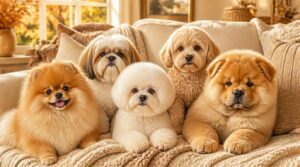
Not every bear-lookalike needs to fill a doorway to pull off the look. Some of the fluffiest, most huggable dogs come in a much smaller package — think stuffed animal vibes, but alive and probably stealing your socks. Here are five small breeds that nail the teddy bear aesthetic.
Pomeranian
Don’t let their tiny size fool you — Pomeranians are full-on teddy bears in a 3 to 7 pound package. That thick double coat, which comes in colors like orange, cream, sable, and merle, puffs out into a perfectly round silhouette that’s hard not to squeeze. Regular brushing keeps it fluffy and mat-free.
They’re smart, a little stubborn, and live 12 to 16 years.
Bichon Frise
If the Pomeranian is a teddy bear in disguise, the Bichon Frise takes that look and runs with it. That white curly fur forms a round, cloud-like puff — the signature powder puff appearance that stops strangers cold.
Here’s what makes them stand out:
- Hypoallergenic breeds fans love them — minimal shedding, major charm.
- Early socialization shapes a confident, friendly dog for life.
- Dental hygiene matters — daily brushing prevents common periodontal issues.
Shih Tzu
The Shih Tzu is basically a living stuffed animal — weighing just 9 to 16 pounds but carrying the full personality of a palace companion. That long, silky double coat and round face explain the teddy bear comparisons instantly.
A few things to keep in mind:
- Brachycephalic airway traits mean shaded walks matter — skip the midday heat.
- Daily dental and eye hygiene prevents two of their most common health headaches.
- Positive reinforcement training works wonders; consistent routines keep them happily cooperative.
Lhasa Apso
If the Shih Tzu is a stuffed animal, the Lhasa Apso is its slightly more serious cousin — same fluffy charm, but with a dignified edge. Weighing 12 to 18 pounds, this small breed carries a long, dense double coat that practically begs the teddy bear comparison.
Here’s what makes them special:
- Coat colors range from golden and silver to black and parti — each stunning in its own way.
- Daily brushing prevents mats behind the ears, legs, and underbelly.
- Their confident, reserved temperament means early socialization goes a long way.
- Watch for progressive retinal atrophy and hip dysplasia — routine vet checks matter.
Whoodle
Meet the Whoodle — a Soft Coated Wheaten Terrier and Poodle mix that looks like a living stuffed animal. They weigh between 20 and 45 pounds; size variation is real depending on parentage. Their hypoallergenic coat is soft, wavy, and low-shedding.
They’re social, smart, and playful — classic teddy bear dogs energy.
Brush three to four times weekly and aim for 45 to 90 minutes of daily exercise.
Polar Bear Looking Dog Breeds
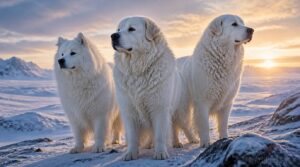
Some dogs don’t just look like bears — they look like polar bears. Think bright white coats, massive frames, and that calm, snow-day energy. Here are a few breeds that pull it off better than most.
White Samoyeds
If a dog ever made you do a double-take — like, "wait, is that a polar bear cub?" — it was probably a White Samoyed.
These fluffy cloud dogs trace back to Siberian sled dog history, bred by the Samoyedic people to haul sleds and herd reindeer in brutal cold. That thick double coat wasn’t a style choice — it was survival gear.
White Newfoundlands
Then there’s the White Newfoundland — a gentle giant that genuinely looks like a polar bear took a personality test and came back as the world’s sweetest family dog. Standing up to 28 inches tall and weighing 150 pounds, these large breed dogs were built for cold water swimming and water rescue work, not for looking adorable — though they absolutely nail both.
Maremma Sheepdogs
If polar bear energy comes in working-dog form, the Maremma Sheepdog delivers it beautifully. These fluffy dogs carry a thick double coat — long, weather-resistant outer fur over a dense undercoat — plus a natural neck ruff that rounds out that unmistakable bear-lookalike pup silhouette.
Don’t let the fluff fool you, though. Maremmas are serious livestock guardians with a sturdy build (up to 100 pounds), strong protective behavior, and calm, confident dog temperament. Watch their joint health as they age.
Kuvasz Dogs
The Kuvasz might just be the fluffiest livestock guardian you’ve never heard of. This pure white, weather-resistant fur keeps them comfortable across harsh climates — think roaming mountain terrain, not a cozy apartment. They’re athletic large breeds built for long hikes, with strong guardian instincts that rival any bear-lookalike pup.
Consistent training, regular professional trimming, and a balanced diet keep them thriving.
Panda-Like Dog Breeds
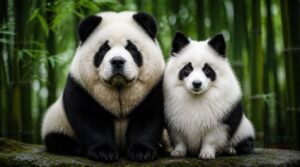
Some dogs don’t just look like bears — they look like pandas, and it’s almost unfair how cute they are. A mix of coat color, face shape, and yes, a little camera magic all play into the effect. Here’s what actually creates that black-and-white, round-faced panda look in dogs.
Black and White Coats
Some dogs don’t just look like pandas — they are panda energy in fur form. Black and white coat patterns vary wildly between individuals, from bold saddle markings to scattered piebald patches. Here’s what gives certain fluffy dog breeds that unmistakable bear-lookalike pups vibe:
- High-contrast patching on the face and body
- Deep black tipping over white undercoats
- Irregular spots with soft, dense texture
- Seasonal shifts that slightly alter pattern intensity
Round Facial Markings
That black-and-white contrast gets even more interesting up close. Many panda-like breeds have symmetrical facial markings — circular or oval patches that frame the muzzle like a natural mask. These contrasting muzzle bands stay consistent throughout a dog’s life, never fading.
Paired with rounded ears and dense cheek fur, the effect is a genuinely convincing teddy bear appearance that’s hard to ignore.
Fluffy Puppy Coats
Puppies take the panda look to another level. Most fluffy puppies are born with a dense, cloud-soft coat that thickens noticeably through their first winter. That coat density variation — combined with fur color patterns that pop in high contrast — makes small fluffy dog breeds look almost toylike.
It’s basically nature’s way of making you lose your mind at a dog park.
Grooming Creates The Look
Nature hands you the base coat — grooming creates the panda.
Here’s what really shapes that look:
- Rounded face trimming softens angular features
- Coat volume techniques fluff the chest and neck
- Fur shaping methods define contrast between dark and white patches
- Trimming for silhouette keeps proportions toylike
- Regular grooming locks in that fluffy fur, teddy bear appearance year-round
Photos Can Exaggerate Resemblance
Grooming builds the look — but your camera seals the deal.
Lens distortion effects from short focal lengths puff up those fluffy fur features, making your bear-lookalike pup seem even rounder. Lighting shadows deepen coat volume, while a centered pose boosts perceived mass. Even image compression on social media blurs fine details into that irresistible, teddybearish quality we can’t stop sharing.
Temperaments of Bear-Looking Dogs
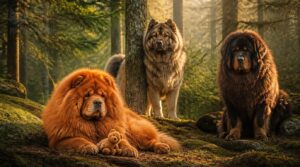
Bear-like dogs don’t all act the same — and that’s actually part of their charm. Some are gentle giants who’ll happily nap next to your toddler, while others are fiercely independent and take their guard-dog duties very seriously. Here’s a look at the personality types you’ll find across these fluffy, bear-resembling breeds.
Loyal Guardian Breeds
Some bear-looking dogs don’t just look powerful — they genuinely are. Breeds like the Caucasian Shepherd Dog, Leonberger, and Maremma Sheepdog were built for one job: keeping their people safe. Guarding instincts run deep, with sharp threat detection and territorial loyalty that keeps intruders thinking twice.
The good news? Early socialization shapes these guard dogs into steady, reliable family companions — protective, but not paranoid.
Gentle Family Companions
Not every bear-lookalike pup is standing guard — some are just here to cuddle. Gentle giants like the Newfoundland and Leonberger are famously calm, patient, and genuinely great with kids. These dog breeds that look like bears thrive on family bonding and do well with other pets when socialized early.
Honestly, your couch has never been in more danger.
Independent Personalities
Some dogs that look like bears also think like bears — solitary, self-assured, and perfectly content doing their own thing. Independent decision-making is common in Akitas, Chow Chows, and Tibetan Mastiffs.
Don’t expect constant tail-wagging requests for attention. These breeds often prefer a quiet space to recharge, rotating their favorite toys or simply watching the room from a calm corner — unbothered, and honestly kind of iconic.
Independent bear-like breeds prefer quiet corners and unbothered solitude over constant tail-wagging attention — and honestly, that’s iconic
Social Teddy Bear Breeds
Not every bear-looking breed is a lone wolf — some are pure sunshine in a fluffy suit. Teddy bear dogs like the Keeshond, Samoyed, and Bichon Frise absolutely thrive on human interaction and live for being in the middle of everything.
- Affectionate nature that melts into cuddles
- Playful disposition that keeps families laughing
- Natural fit for happy homes with kids
- Easy to socialize with consistent, positive attention
Training Needs Vary
Here’s the thing — no two bear-like dogs train the same way. A Tibetan Mastiff puppy and a bouncy Samoyed need completely different approaches.
Your dog’s pace, your consistency with cues, and the distractions around you all shape progress. Even coat type matters — thick-coated breeds often need separate handling training for grooming routines. Meet your dog where they are.
Grooming Bear-Like Dog Breeds
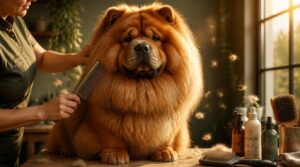
That glorious bear-coat doesn’t maintain itself — and if you’ve ever seen a neglected Chow Chow, you know exactly what we mean. Keeping all that fluff healthy takes a real routine, not just the occasional brush-through. Here’s what you actually need to know.
Daily Brushing Needs
Thick, fluffy coats on teddy bear dogs need real attention — skipping brushes means mats, and mats mean trouble. Aim for daily brushing sessions to keep that gorgeous coat tangle-free. Here’s what to prioritize:
- Use gentle circular motions to lift debris without irritating skin
- Work through the thick neck ruff and undercoat where mats hide most
- Check gum line areas around the muzzle during each session for early skin issues
Consistency beats marathon grooming every time.
Seasonal Shedding Control
Spring and fall hit bear-breed coats hard — that’s when seasonal shedding kicks into overdrive. Day length and temperature shifts signal your dog’s body to swap coats, so expect extra fluff everywhere.
Keep your home at a steady temperature, bump indoor humidity to 30–50%, and add omega-3s to their diet. Fresh water daily helps too — dry skin sheds more visibly.
Mat Prevention Tips
Shedding season leaves behind more than loose fur — it’s prime time for mats to sneak in, too.
Regular grooming is your best defense. Here’s where to focus:
- Check mat hotspots like behind the ears, armpits, and under the collar
- Use the brush section technique — work in layers, reaching the undercoat
- Apply detangling spray before brushing to reduce tugging
- Practice early mat detection by running fingers through the coat
- Control moisture — always dry your fluffy teddy bear dog after rain or baths
Bathing Thick Coats
Once the mats are handled, it’s bath time — and with a thick mane like your teddy bear dog’s, that’s no small task. Aim for bathing every 6 to 8 weeks, adjusting for activity level.
Use warm water around 38°C, rinse deep into the undercoat, then finish cool. Blow dry on low while brushing to keep that fluffy coat from clumping.
Skin and Coat Nutrition
All that bathing keeps your dog fresh — but what you put in the bowl matters just as much as what goes on the coat.
Omega fatty balance keeps skin supple and reduces inflammation. Protein quality impact is real too — keratin (the stuff fur is made of) needs amino acids to grow right. Biotin supplementation, zinc, copper, and vitamin A round out a coat that truly shines.
Choosing a Bear-Looking Dog
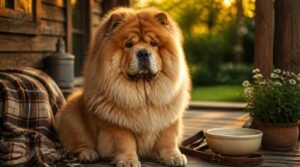
Picking the right bear-dog isn’t just about finding the fluffiest face in the room. There’s a lot to weigh before you bring one of these gentle giants — or tiny teddy bears — home. Here’s what to think through before you commit.
Size and Home Space
Bear-sized dogs need bear-sized homes. Giant breeds like the Tibetan Mastiff or Caucasian Shepherd need at least 1,000 square feet of indoor space to move comfortably — cramped rooms just don’t cut it. Outside, aim for 2,000+ square feet of secure yard, ideally fenced 6 to 8 feet high.
| Breed Size | Indoor Space | Outdoor Yard |
|---|---|---|
| Giant breeds | 1,000+ sq ft | 2,000+ sq ft |
| Medium breeds | 600–900 sq ft | 1,000–1,500 sq ft |
| Small dog breeds | 300–500 sq ft | 500–800 sq ft |
Wide doorways — at least 36 inches — help big frames navigate without scrapes. Elevated crate solutions reduce joint strain for tall dogs. And don’t overlook climate control essentials; thick double coats on working dogs and spitz-type dogs thrive best between 65–72°F.
Exercise Requirements
These dogs weren’t built for the couch. Most bear-like breeds need 45–60 minutes of daily walks, split into two sessions to match their stamina. Working and guard breeds benefit from moderate-to-vigorous intensity — think brisk hiking over lazy strolling.
Build up distance gradually, and always allow recovery days between harder outings. Overdoing it early leads to joint strain, especially in giant breeds.
Grooming Commitment
Grooming commitment is real with these breeds — don’t underestimate it. A daily brushing routine keeps their thick, fluffy coats tangle-free and healthy.
Expect heavy shedding twice yearly, so tool rotation matters: alternate a pin brush, slicker, and deshedding comb. Seasonal coat changes demand extra sessions.
Treat pet grooming as a weekly ritual, not a last-minute chore.
Family Compatibility
Think about the kind of energy your household runs on before choosing one of these breeds.
Teddy bear dogs like Bichon Frises and Pomeranians slot easily into family life. Larger guardian types need more patience and early socialization.
- Child supervision keeps playtime safe
- Consistent training builds trust fast
- Bonding activities like walks strengthen the relationship
Match the dog’s personality traits to your family’s rhythm, not the other way around.
Health and Lifespan Considerations
Big, fluffy breeds come with big hearts — and some big health trade-offs.
| Health Area | What to Watch |
|---|---|
| Joint health | Hip and elbow stiffness in large breeds |
| Heart health | Murmurs or reduced exercise tolerance |
| Dental care | Plaque buildup and gum disease |
| Weight management | Extra pounds stress joints fast |
Senior cancer screening matters too. Routine vet checks catch lumps early, when treatment has the best shot.
Frequently Asked Questions (FAQs)
What dogs resemble bears?
Some animals wear wild hearts in soft packaging — and that’s exactly what bear-lookalike pups do. Samoyeds, Chow Chows, Tibetan Mastiffs, and Newfoundlands all carry that unmistakable bear resemblance.
Are there dog breeds that resemble bears?
Yes — several breeds genuinely pull it off. Their thick double coats, broad muzzles, and rounded ears create a striking bear resemblance that stops people mid-sidewalk. Nature basically hit copy-paste.
What dog breed looks like a teddy bear?
The Bichon Frise tops the list of teddy bear dog breeds — that curly, cloud-like coat and round little face are basically stuffed-animal goals. Fluffy puppies, tiny size, low shedding. Hard to resist.
Do dogs look like bears?
Some dogs absolutely do. Thick double coats, wide muzzles, rounded ears, and stocky frames make certain breeds look strikingly ursine — almost like a bear wandered into your living room wearing a collar.
What is a bear-like dog?
A bear-like dog is a breed with a thick double coat, wide muzzle, heavy neck ruff, and large round paws — features that naturally echo the soft, stocky silhouette of a bear.
Do doggos look like bears?
Some pups really do pull off that bear energy. Thick coats, round faces, and wide muzzles create a striking animal resemblance — making certain bear-lookalike pups genuinely hard to tell apart from cubs.
What dog breed resembles a polar bear?
The Samoyed tops the list. With its Arctic Coat and Snowy Silhouette, this fluffy breed’s White Mantle and Bear-like Build make it the preeminent polar bear lookalike — all wrapped in a forever-smiling face.
How easy is it to groom bear-like breeds?
Grooming these fluffy coats isn’t hard — but it does take consistent effort. Expect brushing three to seven times weekly, plus professional grooming every six to eight weeks to keep that thick mane mat-free and healthy.
Is it difficult to train bear-like breeds?
Training these breeds isn’t always a walk in the park. Many are strong-willed and independent, which means they may tune you out — especially around strangers or new environments. Patience and consistency matter more than repetition.
Are there any health concerns associated with bear-like breeds?
Yes — joint problems, skin allergies, ear infections, heat sensitivity, and weight gain are all real risks. Dense coats and heavy builds make these breeds prone to hidden health issues worth watching closely.
Conclusion
The right dog changes everything — and dogs that look like bears have a way of choosing you before you choose them. Maybe it’s the Tibetan Mastiff’s unmovable stare, or a Pomeranian spinning circles like a living snowball. Either way, once one locks eyes with you, the decision’s already made.
So before you call yourself a dog person, ask yourself this: are you actually a bear person? There’s a very good chance the answer is yes.