
This site is supported by our readers. We may earn a commission, at no cost to you, if you purchase through links.
Somewhere between the third vet visit and the second ruined couch cushion, most dog owners start suspecting food. They’re often right. Food-triggered skin reactions affect an estimated 10–15% of allergic dogs, and the culprit is usually hiding in plain sight—an everyday protein like chicken or beef that your dog’s immune system has quietly decided is the enemy.
The frustrating part isn’t identifying that food is the problem. It’s knowing what to replace it with. The pet food aisle doesn’t make this easy, stacked floor-to-ceiling with labels shouting "sensitive skin" and "natural" while burying the actual ingredients in fine print.
The right dog food for dogs with itchy skin does specific, measurable things—hydrolyzed proteins that slip past immune triggers, omega-3 fatty acids that physically alter how skin cells respond to inflammation, and limited ingredient lists that eliminate the guesswork. These nine picks do exactly that.
Table Of Contents
- Key Takeaways
- Top 9 Itchy Skin Products
- 1. Natural Oatmeal Pet Shampoo
- 2. Hepper Cucumber Pet Conditioner
- 3. AvoDerm Sensitive Salmon Dog Food
- 4. Diamond Care Sensitive Skin Kibble
- 5. Air Dried Lamb Hypoallergenic Dog Food
- 6. Grain Free Sensitive Skin Dog Food
- 7. Open Farm Plant Based Dog Food
- 8. Fish Protein Allergy Dog Food
- 9. Open Farm Grain Free Dog Food
- Why Food Triggers Itchy Skin
- Signs Your Dog Needs Sensitive Food
- Ingredients That Soothe Itchy Skin
- Best Protein Types for Allergies
- Limited Ingredient Diet Buying Guide
- Grain-Free Versus Sensitive Skin Food
- Switching Dog Food Safely
- When Food Alone is Not Enough
- Frequently Asked Questions (FAQs)
- What foods can help my dog’s itchy skin?
- What foods are good for dogs with itchy skin?
- What food can I give my dog to stop scratching?
- Will grain free dog food help with itching?
- How do I know if my dogs food is making her itch?
- Can probiotics aid dogs with itchy skin?
- Are omega-3 supplements effective for dogs?
- How long before diet changes show effects?
- Is grain-free diet beneficial for all dogs?
- What is the role of veterinary guidance?
- Conclusion
Key Takeaways
- Food-triggered allergies affect 10–15% of itchy dogs, with everyday proteins like chicken and beef being the most common culprits — so switching to a novel or hydrolyzed protein is often the most effective first step.
- Hydrolyzed protein diets break allergens into fragments smaller than 10 kDa, making them unrecognizable to your dog’s immune system, and effective in over 70% of allergy cases.
- Omega-3 fatty acids (EPA and DHA) work at the cellular level to reduce skin inflammation, but sourcing quality matters — look for named fish oils with specific mg amounts and contaminant screening on the label.
- Diet changes take time: most dogs show early improvement within 2–3 weeks, but full skin and coat recovery typically requires 8–12 weeks of consistent feeding with no treats that could reintroduce hidden allergens.
Top 9 Itchy Skin Products
Finding the right product for your dog’s itchy skin takes more than grabbing whatever’s on the shelf — it means matching the right formula to what your dog actually needs. These nine picks cover a range of solutions, from soothing topical products to specialized diets designed to target the fundamental issue.
If your dog’s allergies run deep, starting with their diet is key — best dog food for German Shepherds with skin allergies can make a noticeable difference from the inside out.
Here’s what made the cut.
1. Natural Oatmeal Pet Shampoo
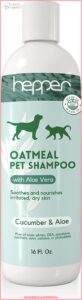
Bathing an itchy dog starts with the right shampoo.
This vegan formula uses colloidal oatmeal to calm irritated skin on contact, while plant-derived surfactants clean without stripping natural oils. The pH stays close to the canine skin range, so you’re not accidentally worsening inflammation.
At $14.99 for 16 oz, it’s an accessible first step. That said, the aloe‑cucumber scent can feel strong to sensitive pets — rinse thoroughly to avoid residue.
| Best For | Pet owners with dogs or cats that have sensitive, dry, or itchy skin who want a clean-ingredient, vegan shampoo that won’t irritate or cause allergic reactions. |
|---|---|
| Product Form | Liquid Shampoo |
| Key Ingredient | Colloidal Oatmeal |
| Skin Benefit | Soothes & Moisturizes |
| Allergen-Free Claims | No Soaps, Sulfates, Dyes |
| Suitable For | Dogs & Cats |
| Special Formula | Vegan, Plant-Based |
| Additional Features |
|
- Colloidal oatmeal soothes irritated skin on contact while plant-based surfactants clean gently without stripping natural oils
- Free from soaps, sulfates, dyes, DEA, gluten, and phthalates — a solid pick for pets with allergies or sensitivities
- Works for both dogs and cats, and the aloe-vera cucumber scent leaves coats smelling fresh between baths
- The scent can be overwhelming for scent-sensitive pets and may cause aversion or mild aggression during bath time
- No fragrance-free option available, so owners with pets that can’t tolerate any added scent will need to look elsewhere
- Some cats experience residue or stickiness after washing, which may require extra rinsing or a follow-up conditioner
2. Hepper Cucumber Pet Conditioner
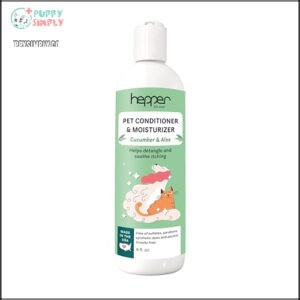
Once your dog’s skin is clean, conditioning matters — especially for coats that trap debris or tangle easily.
Hepper’s conditioner pairs coconut-based, pH-balanced ingredients with cucumber and aloe, two compounds known to calm surface irritation. The sulfate-free, silicone-free formula won’t strip natural oils or leave a greasy residue, which matters when your dog already has sensitive skin.
The 8-oz bottle suits routine home use, though pets with scent sensitivities may react to the cucumber fragrance.
| Best For | Dogs and cats with long or double coats that tangle easily or trap debris, especially pets with sensitive or irritated skin. |
|---|---|
| Product Form | Liquid Conditioner |
| Key Ingredient | Coconut & Aloe |
| Skin Benefit | Soothes & Detangles |
| Allergen-Free Claims | No Sulfates, Parabens, Alcohol |
| Suitable For | Dogs & Cats |
| Special Formula | pH-Balanced, Vet-Approved |
| Additional Features |
|
- Coconut-based, pH-balanced formula with aloe and cucumber soothes irritation without stripping natural oils
- Free of sulfates, silicones, parabens, and alcohol — vet-approved and gentle for routine use
- Leaves no greasy residue and detangles effectively, making post-bath grooming quicker and easier
- The cucumber scent may bother scent-sensitive pets who react to fragrances
- Some cat owners report a sticky residue left on certain coat types
- No unscented option available, which limits its use for pets with scent allergies
3. AvoDerm Sensitive Salmon Dog Food
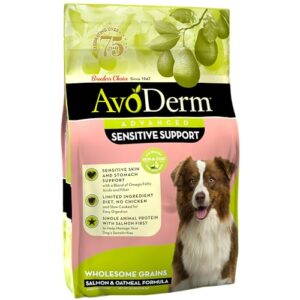
Skin care and diet work together — what goes in your dog’s bowl is just as important as what goes on their coat.
AvoDerm Sensitive Salmon is built around a single animal protein, with salmon listed first. That matters when you’re trying to isolate a trigger. Avocado-derived omega-6s and salmon’s natural EPA and DHA support the skin barrier from within, while oatmeal and pumpkin ease digestion. No wheat, corn, soy, or chicken — keeping the allergen load genuinely low.
| Best For | Dogs with food sensitivities, skin issues, or digestive trouble who do best on a simple, single-protein diet. |
|---|---|
| Product Form | Dry Kibble |
| Key Ingredient | Salmon |
| Skin Benefit | Supports Coat Health |
| Allergen-Free Claims | No Wheat, Corn, Soy |
| Suitable For | Adult Dogs |
| Special Formula | Limited-Ingredient, Grain-Free |
| Additional Features |
|
- Salmon-first formula with avocado omegas and fish-derived EPA/DHA to nourish skin and coat from the inside out
- Genuinely limited ingredient list — no wheat, corn, soy, chicken, or artificial additives, making allergen tracking much easier
- Oatmeal and pumpkin support comfortable digestion for dogs with sensitive stomachs
- Doesn’t work for every dog — some owners report little to no improvement in itching or skin conditions
- Picky eaters may turn their nose up at the salmon flavor, making consistent feeding a challenge
- A single protein source won’t suit dogs that need more variety in their diet or have a salmon sensitivity themselves
4. Diamond Care Sensitive Skin Kibble
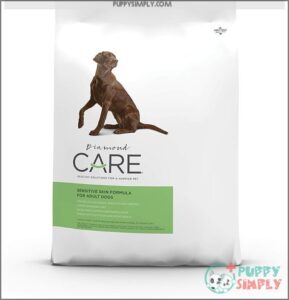
Where AvoDerm leans on whole salmon, Diamond Care takes a different route — hydrolyzed salmon protein, broken into fragments small enough that your dog’s immune system simply doesn’t recognize them as a threat. That molecular difference is what makes this kibble genuinely hypoallergenic rather than just low-allergen.
The formula pairs that with five live probiotic strains, balanced omega-3 and omega-6 fatty acids, and a grain-free, limited-ingredient base. At $19.99, it’s a prescription-diet alternative worth discussing with your vet.
| Best For | Dogs with moderate-to-severe food sensitivities or skin allergies who need a truly hypoallergenic diet without the prescription price tag. |
|---|---|
| Product Form | Dry Kibble |
| Key Ingredient | Hydrolyzed Salmon |
| Skin Benefit | Reduces Skin Inflammation |
| Allergen-Free Claims | Grain-Free, Limited Ingredient |
| Suitable For | Adult Dogs |
| Special Formula | Hydrolyzed Protein + Probiotics |
| Additional Features |
|
- Hydrolyzed salmon protein makes this genuinely hypoallergenic — your dog’s immune system can’t react to proteins it doesn’t recognize
- Five live probiotic strains support digestion and firm stools, making it a solid pick for dogs with sensitive stomachs
- Balanced omega-3 and omega-6 fatty acids actively work to reduce itching, paw licking, and coat inflammation
- Some dogs experience more frequent stools or increased gas, especially during the transition period
- A small number of dogs have shown excessive water intake and urinary accidents
- Medium-sized kibble can be tough for very small breeds like toy chihuahuas to chew comfortably
5. Air Dried Lamb Hypoallergenic Dog Food
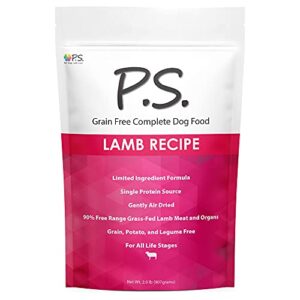
Few proteins sit as quietly in a dog’s immune history as lamb — which is exactly what makes this formula worth considering for dogs who’ve already reacted to beef or chicken.
P.S. For Dogs With Love uses single-ingredient New Zealand lamb, air-dried to preserve natural amino acids without high-heat extrusion. The limited-ingredient, grain-free recipe also targets yeast-driven paw licking through a low-glycemic formulation, while inulin prebiotic helps gut health — the same gut-skin axis that drives so many chronic itch cycles.
| Best For | Dogs with food-triggered allergies, chronic paw licking, or yeast-related skin issues who haven’t previously been exposed to lamb as a protein source. |
|---|---|
| Product Form | Air-Dried Jerky |
| Key Ingredient | New Zealand Lamb |
| Skin Benefit | Relieves Itching & Redness |
| Allergen-Free Claims | Grain-Free, Hypoallergenic |
| Suitable For | All Life Stages |
| Special Formula | Low-Glycemic, Air-Dried |
| Additional Features |
|
- Single-protein, limited-ingredient formula made with human-grade New Zealand lamb — ideal for identifying and avoiding allergens
- Low-glycemic, grain-free recipe helps reduce yeast overgrowth, which is a common driver of paw licking, skin redness, and odor
- Air-dried process preserves natural nutrients without high-heat extrusion, making it a high-protein option even picky eaters tend to accept
- The 2 lb bag size means higher cost per serving, especially for medium to large dogs who need more food daily
- Some pet owners report no noticeable improvement in skin or allergy symptoms, so results aren’t guaranteed
- Recent batches have produced very small, crumbly pieces that some dogs may find less appealing
6. Grain Free Sensitive Skin Dog Food
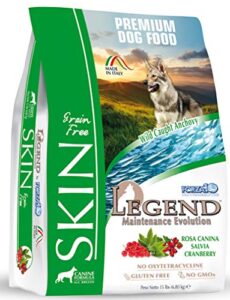
Anchovy isn’t a protein most dogs have encountered before — and that novelty is the point. This grain-free, anchovy-based kibble swaps common triggers like beef and chicken for wild-caught Icelandic fish, delivering concentrated EPA and DHA to calm skin inflammation from the inside out.
Vitamin E, cranberry, rose hip, and sage extracts boost the antioxidant defense your dog’s skin barrier needs.
There are no GMOs, artificial preservatives, or by-products — just clean, targeted nutrition built around one of the ocean’s most omega-rich sources.
| Best For | Dogs with skin allergies, itching, or sensitivities who need a novel protein diet free from common triggers like beef, chicken, corn, and wheat. |
|---|---|
| Product Form | Dry Kibble |
| Key Ingredient | Icelandic Anchovy |
| Skin Benefit | Reduces Itching & Hotspots |
| Allergen-Free Claims | No Corn, Wheat, Soy, GMOs |
| Suitable For | Dogs |
| Special Formula | Single Novel Protein |
| Additional Features |
|
- Wild-caught Icelandic anchovy is a rare novel protein that’s ideal for dogs with food sensitivities or allergies to common proteins
- Packed with omega-3 and omega-6 fatty acids plus vitamin E, cranberry, and rose hip to actively support skin health and a glossy coat
- Free from GMOs, artificial preservatives, by-products, and all grains — clean, straightforward nutrition with no hidden fillers
- Kibble hardness may be tough on dogs with dental problems or weaker jaws
- Premium ingredients come at a higher price point than most standard dog foods
- Severe or complex skin conditions may still need veterinary treatment alongside dietary changes
7. Open Farm Plant Based Dog Food
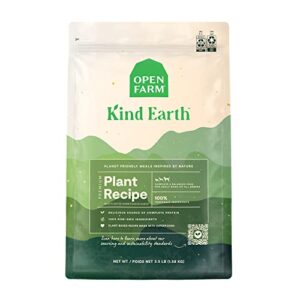
For dogs with multiple protein sensitivities, plant-based nutrition offers a genuinely different path. Open Farm’s Kind Earth kibble cuts out meat entirely, building its amino acid profile from fava beans, sweet potato, and whole grain barley — all traceable to their source.
Rotating between fava beans, sweet potato, and barley also mirrors the diversity recommended in a balanced raw and plant-based protein rotation for sensitive dogs, reducing the risk of gaps in essential nutrients.
Chicory root and prebiotic fiber support gut health, which directly influences how your dog’s immune system reacts to food. The AAFCO-certified formula meets complete nutritional standards, so you’re not sacrificing balance for allergen avoidance.
| Best For | Dogs with multiple protein sensitivities or allergies whose owners want a sustainable, low-allergen diet without compromising complete nutrition. |
|---|---|
| Product Form | Dry Kibble |
| Key Ingredient | Plant-Based Blend |
| Skin Benefit | Supports Skin & Coat |
| Allergen-Free Claims | Hypoallergenic Formula |
| Suitable For | All Life Stages |
| Special Formula | Plant-Based + Insect Protein |
| Additional Features |
|
- Fully plant-based with added insect protein, making it a strong option for dogs that react to common meat proteins
- AAFCO-certified complete and balanced, so your dog gets all essential nutrients without needing supplements
- Functional ingredients like chicory root, probiotics, and omega-rich oils actively support digestion, skin, and coat health
- Some dogs experience increased gas or odor, possibly from the high fiber, omega, or turmeric content
- A few owners have reported unexpected weight gain even when following the recommended feeding guidelines
- Not a fit for dogs with medical conditions that specifically require animal-derived nutrients
8. Fish Protein Allergy Dog Food
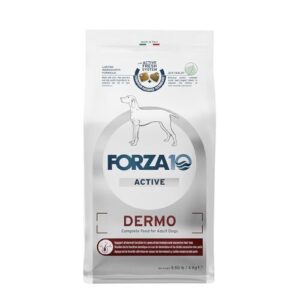
When a dog is reacting to most proteins, fish feels like a logical fix — but the real science lies in how that fish is processed. This formula uses hydrolyzed fish protein, broken into fragments smaller than 10 kDa, so your dog’s immune system simply doesn’t recognize them as threats.
Paired with omega-3 fatty acids for skin barrier support and free of GMOs, gluten, and artificial additives, it’s built for elimination-diet precision. The tradeoff: the fish odor is noticeable, and dogs with an existing fish sensitivity should avoid it entirely.
| Best For | Dogs with severe food allergies or multiple protein sensitivities, especially those dealing with chronic skin issues like dermatitis, itching, or inflammatory bowel disease. |
|---|---|
| Product Form | Dry Kibble |
| Key Ingredient | Hydrolyzed Fish |
| Skin Benefit | Alleviates Dermatitis |
| Allergen-Free Claims | No GMOs, Gluten, Artificial Additives |
| Suitable For | Dogs |
| Special Formula | Hydrolyzed Protein, Anti-Inflammatory |
| Additional Features |
|
- Uses hydrolyzed fish protein (broken down below 10 kDa), so the immune system is far less likely to trigger an allergic reaction
- Omega-3 fatty acids actively support skin barrier health, helping reduce hair loss and improve coat condition
- Free of GMOs, gluten, and artificial additives — clean formulation ideal for strict elimination diets
- Strong fish odor that some owners find hard to deal with day to day
- Completely off-limits for dogs with an existing fish allergy or sensitivity
- Results can take several weeks to show, and effectiveness isn’t guaranteed for every dog
9. Open Farm Grain Free Dog Food
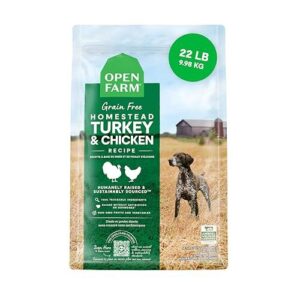
Transparency is rare in pet nutrition — Open Farm makes it a selling point. Every ingredient is fully traceable to its source farm, and the grain-free formula leads with real turkey, chicken, and ocean whitefish meal, skipping corn, wheat, soy, and artificial preservatives entirely.
Salmon oil delivers DHA, supporting the skin barrier from the inside out, while pumpkin and non-GMO vegetables add digestive fiber. It’s a solid daily option for dogs with mild sensitivities who need clean, accountable nutrition.
| Best For | Dogs with sensitive stomachs or skin issues whose owners want full ingredient transparency and a clean, grain-free diet. |
|---|---|
| Product Form | Dry Kibble |
| Key Ingredient | Turkey & Chicken |
| Skin Benefit | Supports Skin & Coat |
| Allergen-Free Claims | No Corn, Wheat, Soy |
| Suitable For | All Life Stages |
| Special Formula | Multi-Protein, Grain-Free |
| Additional Features |
|
- Real turkey, chicken, and whitefish meal provide high-quality protein from multiple animal sources
- Fully traceable, third-party certified ingredients with no corn, wheat, soy, or artificial additives
- Salmon oil and pumpkin support both skin health and healthy digestion
- Premium price tag puts it out of reach for budget-conscious pet owners
- Some dogs may develop struvite crystals due to the elevated mineral and protein content
- The bag can look underfilled since kibble volume doesn’t match weight expectations
Why Food Triggers Itchy Skin

Food is often the hidden culprit behind your dog’s relentless scratching, and the connection runs deeper than most owners realize. Certain ingredients trigger immune responses, disrupt gut health, and inflame the skin from the inside out.
Here are the five main ways your dog’s diet could be making things worse.
Common Protein Allergens
Protein is often the hidden culprit behind your dog’s relentless scratching. Beef, chicken, dairy, and eggs rank among the most common dietary triggers — proteins your dog’s immune system mistakenly flags as threats. These proteins are part of the United States’ Big Nine allergens that account for most food reactions.
Three allergens worth knowing:
- Dairy casein — makes up 80% of milk protein
- Wheat gluten — triggers immune reactions, not starch
- Soy protein — found in many processed formulas
Fish can also cause cross-reactivity between species, since shared proteins like parvalbumin activate the same immune response.
Artificial Additives
Proteins aren’t the only troublemakers. Synthetic dyes, artificial flavors, emulsifiers, and preservatives can each irritate sensitive dermal tissue — even when the protein source is perfectly fine.
Flavoring chemicals often mask ingredient changes between batches, making it hard to pinpoint what shifted. If your dog’s itching eased after removing a flavored formula, the additive — not the meat — was likely the trigger.
Poor Omega Balance
Additives aside, the fat ratio in your dog’s food quietly shapes skin health at a cellular level. When omega-6 fatty acids dominate without enough omega-3 fatty acids to balance them, the body produces pro-inflammatory eicosanoids — compounds that actively drive skin inflammation and itching.
Fatty acid oxidation in poorly stabilized foods reduces bioavailability, meaning even omega-3-containing formulas may deliver little functional benefit to the lipid barrier.
Gut Barrier Issues
Skin inflammation doesn’t always start on the skin.
Skin inflammation often begins in the gut, long before it ever surfaces on your dog’s body
When gut barrier integrity breaks down—a condition often called leaky gut—, antigen translocation carries dietary proteins directly into the bloodstream, triggering immune reactions that surface as itching. Disrupted tight junction proteins and a thinning mucus layer accelerate this process, while reduced butyrate production starves the epithelial cells needed for repair.
Low-quality Fillers
What enters your dog’s bowl matters as much as what’s absorbed.
Low-quality fillers — cheap carbohydrates like corn syrup solids and synthetic dyes — irritate dermal tissue directly. Artificial preservatives like BHA and BHT compound this through chemical irritant exposure.
Practicing careful food label reading and choosing a limited ingredient formula removes these hidden triggers entirely.
Signs Your Dog Needs Sensitive Food

Your dog can’t tell you what’s wrong, but their body usually makes it pretty obvious. Food sensitivities tend to show up in predictable ways — and once you know what to look for, the signs are hard to miss. Here are the most common signals that your dog’s current diet isn’t doing their skin any favors.
Constant Scratching
When your dog scratches the same spot repeatedly, it’s rarely random. Each scratch irritates the nerves deeper in the skin, triggering more intense itch — a cycle that feeds itself until the skin breaks down. Damaged skin invites bacterial infections and, over time, causes permanent scarring or discoloration.
Disrupted sleep makes it worse, since dogs scratch unconsciously at night, compounding the damage before you even notice.
Paw Licking
Paw licking often starts as self-soothing behavior — your dog’s attempt to quiet the itch from food-driven skin inflammation. The problem is that repeated licking traps moisture between the toes, creating conditions where bacteria and yeast thrive.
Over time, this leads to interdigital cysts, open sores, and even a lick granuloma — a chronic, hairless lesion that won’t heal while the dietary trigger remains unaddressed.
Red, Irritated Skin
Visible redness — clinicians call it erythema — means the immune system is already reacting. Food allergens breach the skin barrier, causing swelling, heat sensitivity, and skin inflammation that won’t stop without a dietary change.
Watch for these four signs:
- Warm, puffy patches on the belly
- Redness worsening after meals
- Scratching that opens small wounds
- Crusting from secondary infection
A hypoallergenic diet removes the trigger.
Chronic Ear Infections
Picture chronic ear infections as the itch you can’t see. Recurring middle ear fluid often pairs with food allergies and canine dermatitis, raising eardrum rupture risks.
| Complication | Why It Matters |
|---|---|
| Cholesteatoma growth | Damages ear tissue |
| Mastoid bone infection | Can require surgery |
| Hearing loss prevention | Needs early treatment |
| Skin inflammation reduction | Hypoallergenic diet calms triggers |
A hypoallergenic diet calms itchy skin triggers.
Hair Loss Patches
Bald patches scattered across your dog’s coat aren’t just cosmetic — they signal active skin barrier breakdown. Localized hair loss often follows prolonged scratching, licking, or rubbing triggered by canine atopic dermatitis.
When inflammation concentrates in patches, the follicles weaken.
Switching to hydrolyzed protein or a limited ingredient formula removes the allergenic fuel driving that cycle, giving damaged skin a real chance to heal.
Ingredients That Soothe Itchy Skin

What your dog eats shows up directly on their skin, so ingredient quality genuinely matters. Some nutrients work at the cellular level to calm inflammation and strengthen the skin barrier from the inside out. Here are the key ingredients to look for when choosing a food for itchy skin.
EPA and DHA
EPA and DHA work at the cellular level — they embed directly into skin cell membrane phospholipids, improving fluidity and altering how inflammatory signals travel across tissues. EPA, in particular, shifts eicosanoid production away from pro‑inflammatory compounds derived from arachidonic acid.
That shift can meaningfully reduce your dog’s itch response from the inside out.
Fish Oil
Fish oil is where that cellular magic actually starts.
Salmon-derived oil supplies a broad omega-3 profile—not just EPA and DHA, but trace amounts that round out essential fatty acids supporting skin barrier repair. It also carries minor sterols and fatty compounds beyond pure omega-3s.
Because polyunsaturated oils oxidize fast, oxidation prevention matters—and sourcing variability means quality differs sharply between brands.
Zinc and Selenium
Omega-3s repair the barrier, but zinc and selenium quietly rebuild it from the inside.
Zinc fuels epidermal regeneration and protein synthesis, while powering antioxidant enzymes like superoxide dismutase. Selenium activates glutathione peroxidase for cellular oxidative protection.
Together they maintain a delicate zinc selenium balance—too much selenium disrupts zinc absorption. That’s why nutritional therapy for dogs needs both minerals, properly balanced, to calm skin inflammation in dogs.
Vitamin E
Zinc and selenium rebuild from within — but vitamin E shields what’s already there.
As a fat-soluble antioxidant, it stores in fatty tissue and embeds directly into cell membranes, where it blocks lipid peroxidation before oxidative damage spreads. Alpha-tocopherol, the active form, breaks free-radical chain reactions and bolsters immune defenses against skin inflammation in dogs.
Three things vitamin E does for your dog’s skin:
- Stabilizes membrane lipid packaging, reinforcing the skin barrier
- Inhibits free-radical propagation, reducing itch-triggering oxidative stress
- Strengthens immune tolerance, lowering allergic skin responses
Antioxidant Botanicals
Vitamin E guards the membrane — but plants bring their own defense arsenal.
Botanical extracts like rosemary supply carnosic acid and carnosol, phenolic diterpenes that neutralize free radicals before they trigger itch-signaling inflammation. Polyphenol-rich ingredients — think pomegranate and sage — protect skin cells through both direct free-radical scavenging and indirect redox pathway support, giving your dog layered antioxidant support from plant-derived sources.
| Botanical | Key Antioxidant Compounds | Skin Benefit |
|---|---|---|
| Rosemary | Carnosic acid, carnosol | Neutralizes free radicals, reduces inflammation |
| Pomegranate | Polyphenols, anthocyanins | Protects skin cells from oxidative damage |
| Sage | Phenolic acids, flavonoids | Calms itch-triggering oxidative stress |
| Green tea | Catechins (polyphenols) | Direct free-radical scavenging |
| Marigold | Carotenoids (xanthophylls) | Pigment antioxidants supporting the skin barrier |
Best Protein Types for Allergies

Not all proteins are created equal when dealing with itchy skin — and the type you choose can make or break your dog’s recovery. Some proteins are far less likely to trigger an immune response, while others are specifically processed to reduce allergenicity.
Here are the best options worth considering for a dog that can’t stop scratching.
Hydrolyzed Protein
When your dog’s immune system keeps attacking its own food, hydrolyzed protein is often the answer. The hydrolysis process uses enzymes to cleave proteins into peptides smaller than 10 kDa — fragments too tiny for immune cells to recognize as threats.
Your dog still absorbs every amino acid efficiently, just without the inflammatory reaction.
Royal Canin Veterinary Diet Hydrolyzed Protein and Purina Pro Plan HA are the gold-standard options.
Novel Protein
Ever wonder why your vet suggests rabbit or venison instead of chicken? That’s novel protein at work — an unconventional source your dog’s immune system has never met, sidestepping cross-reactivity entirely.
Unlike hydrolyzed diets, it skips peptide breakdown and simply introduces something new, often paired with a novel carbohydrate.
Stay consistent — skip the chicken treats, or this strategy falls apart.
Fish-based Formulas
Fish works well for dogs allergic to chicken or beef — the marine protein profile is distinct enough that most immune systems don’t recognize it as a threat. Salmon is especially valued for its digestibility and omega-3 density, delivering EPA and DHA that actively calm skin inflammation.
A fish-only protein formula with limited ingredients keeps the allergen load low and results are measurable.
Lamb Recipes
Lamb sits in a sweet spot many dogs haven’t tried before, which makes it a smart novel protein choice for itchy, allergy-prone pups.
A lamb-based sensitive skin dog food with limited ingredient sourcing keeps triggers low while still delivering solid lamb protein benefits.
Look for single-source, slow-cooked lamb recipes — skip blends with extra fillers riding along.
Plant-based Options
Plant-based protein isn’t just for humans anymore — Kind Earth Plant-Based Kibble and similar plantbased, vegan, grain-free formulas offer a genuinely novel antigen profile, which means fewer allergic triggers for sensitive dogs.
Pea protein, lentils, and legumes supply solid amino acids alongside 5–9 grams of fiber per serving, supporting gut health. Algal oil fills the DHA gap that seed-based omegas like flaxseed can’t fully cover alone.
Limited Ingredient Diet Buying Guide
Shopping for a limited ingredient diet feels overwhelming when every bag claims to be "gentle" or "allergy-friendly." Knowing what to actually look for on the label cuts through the noise fast. Here are the five things worth checking before you buy.
Single Protein Source
When a dog’s immune system reacts to food, identifying the culprit starts with one named protein. A single-protein diet — salmon, lamb, or duck — limits allergen exposure so you can pinpoint what’s causing itchy skin.
Read labels carefully, though: "chicken fat" alongside your chosen protein can compromise dietary strictness.
Cross-contact during manufacturing is another real risk worth checking before you commit.
Short Ingredient List
Single protein is just the start — a short ingredient list keeps the whole formula transparent. When you can read every item without squinting, you know exactly what your dog is eating.
Fewer entries mean fewer chances for protein overlap or hidden additives to trigger a reaction. Look for one named fat source, one fiber ingredient, and recognizable whole foods throughout.
No Artificial Preservatives
Keeping the ingredient list short also means keeping it clean. For dogs with itchy skin, artificial preservatives can irritate sensitive tissues — so look for foods that use mixed tocopherols or rosemary extract to protect fats from going rancid naturally.
Packaging matters too. Barrier pouches limit oxygen and light exposure, supporting freshness without synthetic additives. The label will always name these natural antioxidants clearly.
Added Probiotics
Clean preservatives set the stage, but gut microbiome balance is where real itch relief begins.
Look for foods listing strain-specific probiotics by name — not just "live cultures." Strain matters because different organisms produce distinct bioactive metabolites, strengthen the gut barrier differently, and resist pathogens through separate mechanisms.
- Aim for ≈1 × 10⁹ CFU/kg
- Confirm viability through end-of-shelf-life guarantees
- Pair with inulin prebiotics
- Avoid vague "probiotic mix" labeling
- Prioritize colonization resistance-supporting strains
Clear Omega Sources
Fish oil" on a label tells you nothing about quality. Look for traceable fish oil — named sources like Golden Omega, or algae-derived DHA for plant-based options.
Check EPA DHA labeling (specific mg amounts, not vague "omega-3"), confirmed contaminant screening, and triglyceride form for better absorption.
These essential fatty acids only fight inflammation when sourcing stays transparent.
Grain-Free Versus Sensitive Skin Food

Grain-free labels get a lot of credit, but they don’t tell the whole story regarding your dog’s itchy skin. What actually matters is the quality of the ingredients and the protein behind them, not just what’s missing from the bag. Here’s what you should really be checking before you trust that grain-free claim.
Grain-free Limitations
Grain-free doesn’t mean itch-free. When grains are swapped out, recipes often replace them with pulse-based fillers like peas and lentils — ingredients that can still trigger reactions in sensitive dogs.
Five grain-free limitations worth knowing:
- Pulse-based fillers can cause protein cross-reactivity
- Stool consistency changes occur when fiber sources shift
- Nutrient adequacy tradeoffs arise without careful reformulation
- Carbohydrate substitution risks alter mineral and amino acid balance
- A grain-free sensitive skin formula isn’t automatically hypoallergenic
Ingredient Quality Matters
What’s inside matters more than what’s missing. A limited-ingredient formula earns its label only when high-quality protein is sourced consistently — and when manufacturing purity standards prevent allergen cross-contamination between batches.
| Quality Factor | Why It Matters for Itchy Skin |
|---|---|
| Protein source consistency | Reduces exposure to new protein fractions that trigger immune reactions |
| Fatty acid oxidation | Degraded fats disrupt omega balance, weakening the skin barrier |
| Manufacturing purity | Tight controls prevent cross-contamination with hidden allergens |
| Digestible fiber sources | helps gut tolerance, indirectly calming inflammatory skin responses |
Avoiding Corn and Soy
Corn hides behind labels like dextrin, modified starch, and vegetable protein — ingredients easily missed during a quick scan. Soy does the same, often slipping through as soy lecithin or vegetable oil blends. Even grain-free formulas can carry these triggers.
Cross-contamination between production runs adds another layer of risk, so look for brands that explicitly name every ingredient source.
Protein Source Priority
The protein you choose matters more than whether a food is grain-free.
Novel proteins like venison, rabbit, or duck sidestep immune reactions because your dog’s system has never encountered them.
Hydrolyzed protein breaks allergens into peptides too small to trigger a response — effective in over 70% of itchy dogs.
Fish-based and single-species formulas offer the cleanest antigenic profile of all.
Veterinary Diet Options
When scratching won’t quit despite diet changes, prescription dog food steps in. These formulas — think Royal Canin Hydrolyzed Protein — use peptides under 2 kDa, small enough to slip past your dog’s immune system undetected.
A veterinary nutritionist designs the elimination trial, usually 8–10 weeks, with no extras allowed. Veterinary supervision isn’t optional here; it’s what makes the difference.
Switching Dog Food Safely
common mistakes pet owners make — and it can cause unnecessary digestive upset that has nothing to do with the food itself.
A thoughtful, step-by-step approach protects your dog’s gut while giving the new diet a fair chance to work. Here’s what to keep in mind as you make the switch.
Seven-day Transition Plan

Think of this as a slow handshake between two diets.
Start at 25% new food on day one, reach 50% by day three, climb to 75% by day five, and hit 100% by day seven.
If your dog shows loose stools, pause and hold the previous ratio.
Picky eaters do better starting lower — let the taste change arrive quietly.
Monitor Stool Changes

Your dog’s stool is a surprisingly honest reporter during a food switch.
Healthy stools stay soft, brown, and sausage-shaped. If things turn loose and watery, slow your change ratio. Black, tarry, or pale stools warrant a vet call — these signal something beyond diet adjustment. Worms visible in stool also need immediate attention, not watchful waiting.
Track Itching Levels

Just as you’re logging stool changes, start a daily itch journal too. Rate itching on a 0–10 numerical scale each evening — zero means no symptoms, ten means relentless.
Track:
- Scratching episodes lasting 3+ seconds
- Affected body areas (paws, ears, belly)
- Sleep disruption overnight
- Whether scores trend better or worse
Clear records transform guesswork into a focused allergy management plan.
Avoid Extra Treats

Your itch journal tracks progress — but treats can quietly undo it. Even small portions introduce hidden allergen risks that restart exposure your elimination diet was carefully avoiding. Treats disrupt omega balance and add unplanned calories, diluting your hypoallergenic dog diet’s consistency. During a food trial, limit treats entirely or use pieces of the same limited ingredient formula.
| Treat Risk | Why It Matters |
|---|---|
| Hidden allergens | Reintroduces dietary triggers for skin allergies |
| Omega imbalance | Disrupts carefully planned fatty acid ratios |
| Masking triggers | Makes identifying the true cause harder |
| Caloric interference | Unintentionally reduces the target food ration |
| Ingredient variability | Breaks consistency a sensitive skin diet requires |
Expect Gradual Improvement

Skin doesn’t heal overnight. Most dogs on a novel protein or limited-ingredient formula show early signs of relief within three to six weeks, but full coat and skin recovery can take eight to twelve weeks of consistent feeding.
Track scratching frequency, skin redness, and coat texture weekly — gradual, steady progress means the dietary management is working.
When Food Alone is Not Enough

Sometimes diet gets you most of the way there, but not all the way. Your dog’s itch might have roots beyond the food bowl — think environmental triggers, parasites, or a skin infection that needs direct treatment. Here’s what else could be at play.
Environmental Allergies
Sometimes the itch has nothing to do with the bowl.
Environmental allergens — pollen, mold spores, dust mites, and airborne dander — trigger allergic dermatitis just as aggressively as food proteins.
Seasonal pollen patterns shift symptoms predictably, while indoor mold and dust mite habitats cause year‑round flares.
Household chemical irritants like cleaning fumes worsen skin irritation too.
Itch relief supplements help, but canine dermatology often requires a broader strategy.
Fleas and Parasites
Even the cleanest diet can’t stop a flea infestation from driving your dog mad with itch. Flea saliva triggers hypersensitivity reactions so intense that a single bite causes severe pruritus and skin lesions.
Watch for these four signs of parasite-driven itch:
- Scratching concentrated near the tail base
- Visible flea dirt or tiny moving specks
- Hair loss from repeated biting
- Tapeworm segments near the anus
Treat both pet and home.
Skin Infections
Persistent itch can open the door to something more serious. When your dog scratches repeatedly, broken skin becomes a gateway for bacterial skin infection — including cellulitis, folliculitis, and impetigo — while moist skinfolds invite yeast infection in dogs, driven by Candida overgrowth.
Secondary infection causes often trace back to untreated skin allergy, so addressing root inflammation matters. If redness spreads or lesions weep, veterinary diagnosis is essential.
Gentle Oatmeal Baths
While prescription treatments address deeper causes, colloidal oatmeal baths offer immediate relief for itchy, irritated skin.
Grind plain oats into fine powder, dissolve in warm — not hot — water, and let your dog soak for 15–30 minutes. Rinse thoroughly to remove residue, then apply aloe or coconut oil while the skin is still damp to lock in hydration.
Veterinary Diagnosis Needed
If itching persists beyond a few weeks of dietary changes, your vet may recommend skin scraping, cytology, or a skin biopsy to rule out mites, yeast, and immune-mediated conditions. Ear cytology catches hidden infections that mimic food allergies.
A proper differential diagnosis separates overlapping causes — because treating the wrong trigger wastes time your dog doesn’t have.
Frequently Asked Questions (FAQs)
What foods can help my dog’s itchy skin?
Fish-based recipes, novel proteins, and omega-3 rich ingredients help calm itchy skin by reducing inflammation and supporting the skin barrier — while limited-ingredient and hydrolyzed protein formulas minimize allergic triggers from common proteins.
What foods are good for dogs with itchy skin?
Foods rich in omega-3 fatty acids, novel proteins like salmon or lamb, and limited ingredients help calm your dog’s immune response, reduce skin inflammation, and support a healthier coat from the inside out.
What food can I give my dog to stop scratching?
Fish-based or hydrolyzed protein formulas work best — they reduce immune triggers while delivering EPA and DHA to calm skin inflammation. Limited ingredient diets with a novel protein like lamb or venison help identify and eliminate the root cause.
Will grain free dog food help with itching?
Grain-free is no silver bullet. Protein source drives most food allergies — not grains. It may help if your dog reacts to wheat or corn, but identifying the true trigger matters far more than removing grains alone.
How do I know if my dogs food is making her itch?
Non-seasonal, year-round scratching — especially around the paws, ears, belly, or rear — is a key clue. Pair that with recurring ear infections or digestive upset, and diet is likely involved.
Can probiotics aid dogs with itchy skin?
Yes, probiotics can help. By supporting gut-immune signaling, they may reduce the inflammatory responses that drive itching — though they work best alongside a targeted diet, not as a standalone fix.
Are omega-3 supplements effective for dogs?
Omega-3 supplementation does work, but timing matters. At roughly 70 mg EPA plus DHA per kilogram daily, most dogs show measurable red blood cell index improvements after about six weeks of consistent use.
How long before diet changes show effects?
Most dogs show early skin changes within 2–3 weeks, but meaningful itch relief often takes 6–8 weeks of consistent feeding. Gut adaptation begins sooner — skin improvement usually lags behind.
Is grain-free diet beneficial for all dogs?
Grain-free sounds like a clean slate, but it’s not a universal fix. Individual needs vary widely — many dogs thrive on grains, while others don’t. The protein source, fat balance, and overall recipe quality matter far more than grain exclusion alone.
What is the role of veterinary guidance?
Veterinary care ensures your dog gets a proper diagnosis before any diet trial begins — ruling out parasites, infections, and secondary skin conditions that food changes alone won’t fix.
Conclusion
Itchy skin doesn’t have to be your dog’s permanent state. The right dog food for dogs with itchy skin works quietly beneath the surface—rebuilding skin barriers, cooling inflammation, and removing the proteins that triggered the immune system in the first place.
Pick a formula with hydrolyzed or novel protein, genuine omega-3 sources, and a short ingredient list. Then give it time.
Skin heals slowly, but with the right food, it heals.
- https://onionriveranimalhospital.com/best-dog-food-for-skin-allergies
- https://www.californiadogkitchen.com/blogs/info/best-sensitive-skin-and-stomach-dog-food
- https://independenceveterinaryclinic.com/best-dog-food-for-allergies
- https://www.nbcnews.com/select/shopping/best-dog-food-ncna1189551
- https://caringhandsvet.com/best-hypoallergenic-dog-food-for-sensitive-stomachs