This site is supported by our readers. We may earn a commission, at no cost to you, if you purchase through links.

Your English Bulldog might have a short coat, but those fine hairs show up everywhere—couch cushions, car seats, even somehow in your morning coffee. English Bulldogs do shed consistently throughout the year, though not as heavily as double-coated breeds like Huskies or Golden Retrievers. Their single-layered coat releases a steady stream of hair daily, with noticeable spikes during spring and fall when their bodies adapt to temperature changes.
Understanding what triggers shedding in your Bulldog and how to manage it makes a real difference in keeping your home cleaner and your dog’s skin healthier. The right grooming routine, tools, and attention to underlying health factors can dramatically reduce the fur tumbleweeds rolling across your floors.
Table Of Contents
- Key Takeaways
- English Bulldog Shedding: What to Expect
- Bulldog Coat Characteristics and Health
- Factors Influencing Bulldog Shedding
- Common Causes of Excessive Shedding
- Grooming Practices to Control Shedding
- Top 3 Grooming Tools for Bulldogs
- Frequently Asked Questions (FAQs)
- How often should I bathe my English bulldog to control shedding?
- Is there a particular time of year when English bulldogs shed the most?
- Can spaying or neutering affect Bulldog shedding?
- Do English Bulldogs shed more than French Bulldogs?
- Is year-round shedding normal for English Bulldogs?
- Can climate changes trigger excessive Bulldog shedding?
- What supplements best reduce English Bulldog shedding?
- Conclusion
Key Takeaways
- English Bulldogs shed moderately year-round with their single-layer coat, ramping up during spring and fall when temperature shifts trigger natural coat adaptation cycles.
- Excessive shedding beyond normal patterns often points to fixable issues like nutritional gaps (low omega-3s, protein, or zinc), skin allergies, parasites, or stress rather than just genetics.
- Weekly brushing with rubber brushes or grooming gloves catches 80% of loose hair before it hits your couch, while monthly baths with pH-balanced shampoo keep skin healthy without stripping protective oils.
- Your Bulldog’s coat works like a health dashboard—sudden shedding spikes, bald patches, or texture changes signal underlying problems that need attention, not just seasonal fluff.
English Bulldog Shedding: What to Expect

If you’re thinking about bringing home an English Bulldog, you’re probably wondering how much fur you’ll be finding on your couch. The good news is that while they do shed, it’s not as dramatic as breeds with longer or double coats.
Let’s break down what’s normal, how they stack up against other dogs, and clear up some common misconceptions.
Typical Shedding Patterns
Year-round, English Bulldogs shed consistently but moderately—you’ll notice hair on your couch and clothes, though it’s rarely overwhelming. They also shed because of their high number of follicles.
Here’s what typical shedding patterns look like:
- Daily shedding stays light and manageable most weeks
- Spring and fall peaks bring noticeable hair accumulation for 2-4 weeks
- Complete coat cycles happen every 3-5 months
- Hair follicle density drives steady, continuous shedding despite their short coat
Shedding Compared to Other Breeds
English Bulldogs rank as moderate shedders on the intensity scale—steadier than poodles, lighter than Golden Retrievers or German Shepherds. Those double-coated dog breeds shed heavily year-round with dramatic seasonal blowouts, while your Bulldog’s single coat stays predictable. French Bulldogs shed slightly less due to coat density differences.
Grooming needs vary across dog breed shedding patterns, but Bulldogs won’t bury your home in fur like Huskies or Labs. Bulldogs, unlike Golden Retrievers, have a short, smooth coat.
Myths About Bulldog Shedding
Busting the English Bulldogs Shed Less Myth starts with facts. Over 40% of new owners wrongly believe Bulldogs don’t shed at all—yet these pups lose hair year-round, not just once annually.
Short hair doesn’t equal less shedding; your Bulldog may drop 1,300–1,600 hairs daily. Normal shedding in English Bulldogs isn’t illness—only about 18% of cases signal health trouble.
Bulldog Coat Characteristics and Health

Understanding your Bulldog’s coat isn’t just about dealing with fur on your couch—it’s actually a window into their overall health. The way their coat looks and feels can tell you a lot about what’s going on beneath the surface.
Your Bulldog’s coat is a window into their overall health—what you see on the surface reveals what’s happening beneath
Let’s break down the key features of that short, smooth coat and why keeping it healthy matters more than you might think.
Single-Layered Coat Structure
Think of your Bulldog’s coat like a single blanket instead of a layered quilt. English Bulldogs have a single-layered coat made entirely of guard hairs—no fluffy undercoat underneath.
This breed comparison matters: while double-coated dogs blow their coats seasonally, your Bulldog sheds steadily year-round. Hair follicle density is actually higher than you’d expect, which explains why you’ll notice consistent shedding despite their short fur.
Coat Texture and Color Impact
Your Bulldog’s coat texture is officially classified as short, fine, and smooth—that velvety feel comes from the MC5R gene.
Here’s the twist: coat color doesn’t change how much your dog sheds, but it sure changes what you notice. Light-colored Bulldogs leave visible hair on dark furniture, while brindle coats camouflage the mess beautifully, even though they’re dropping the same amount.
Skin Health and Shedding
Regarding skin and coat health, Bulldogs face real challenges. About 28.6% develop skin disorders—things like dermatitis, skin infections, and allergies that directly impact shedding. Fold irritation from those adorable wrinkles traps moisture and causes localized hair loss.
Diet correlation matters too: deficiencies in omega-3s or vitamin B can trigger brittle fur. Even stress effects play a role in your dog’s coat condition.
Factors Influencing Bulldog Shedding
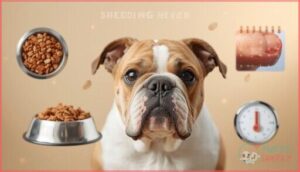
Not all Bulldogs shed the same amount, and there’s usually a reason behind it. Several factors can ramp up shedding or keep it under control, from what’s in their food bowl to the time of year.
Let’s walk through the main things that affect how much fur ends up on your couch.
Diet and Nutrition
What you feed your Bulldog matters more than you’d think. Protein intake should hit at least 18% to support hair strength, while omega fatty acids—especially omega-3 from fish oils—reduce inflammation and shedding.
Food allergies to beef or chicken can trigger excessive fur loss, and vitamin deficiencies in B-complex or zinc weaken coat quality.
Hydration levels also play a role, as dry skin sheds more. The importance of nutrition can’t be overstated.
Age and Life Stage
Your Bulldog’s coat changes as they grow. Here’s what to expect at each stage:
- Puppy coat shedding kicks in around 4–6 months when the adult coat pushes through, causing temporary hair loss spikes.
- Adult Bulldog shedding stabilizes into moderate, year-round patterns by 12 months.
- Senior Bulldog shedding stays consistent but may show graying or texture shifts after age 7.
- Growth shedding correlations mean rapid juvenile development can create uneven fur loss.
English Bulldog shedding by age follows predictable stage shedding patterns.
Seasonal and Environmental Changes
Your Bulldog’s shedding ramps up twice a year—spring and fall—when temperature effects and daylight influence trigger coat adaptation. Seasonal changes prompt them to swap their winter coat for a lighter summer one, and vice versa.
Environmental factors like allergen exposure (pollen, dust) and environmental stress can intensify this natural cycle. Seasonal shedding patterns are normal, but climate shifts inside your home matter too.
Genetics and Hormonal Effects
Your Bulldog’s DNA and hormones work together behind the scenes to control how much they shed. Two specific shedding gene markers—MC5R and RSPO2—determine whether your pup drops hair constantly or moderately.
Hormonal imbalances like hypothyroidism or Cushing’s disease disrupt normal cycles, while breed-inherited traits and limited genetic diversity impact make English Bulldogs prone to predictable, year-round shedding.
Quantitative shedding trends show spayed females shed roughly 30% more due to estrogen loss.
Common Causes of Excessive Shedding
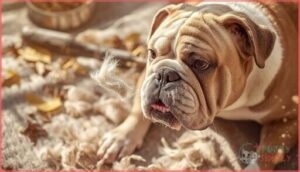
While most English Bulldogs shed consistently year-round, sometimes you’ll notice your pup leaving behind more fur than usual. When shedding crosses into excessive territory, there’s usually a specific reason behind it.
Let’s walk through the most common culprits that can turn normal shedding into a furry situation.
Nutritional Deficiencies
If your Bulldog’s shedding seems wild, chances are their diet’s missing something important. Nutritional deficiencies—like Vitamin Deficiencies, Protein Shortfalls, and low Fatty Acids—can turn their coat brittle and crank up hair loss. Mineral Imbalance is another culprit.
A high-quality diet and smart supplements really matter. Dog nutrition isn’t just science; it’s your ticket to less fur on the couch.
Skin Allergies and Infections
Allergies and skin infections can turn moderate shedding into a full-blown fur storm. English Bulldogs rank third for Allergy Prevalence among breeds, and about 8.8% deal with skin infections yearly.
Common Allergens include:
- Chicken, beef, dairy, or grains triggering food allergies
- Pollen, dust mites, and mold causing allergy symptoms
- Bacteria and yeast thriving in skin folds
These issues don’t just cause skin irritation—they seriously affect your dog’s Quality of Life.
Parasites and Health Issues
Beyond allergies, parasites can sneak in and wreak havoc on your Bulldog’s coat. Fleas, mites, and internal parasites like Giardia infections trigger skin irritation and parasite-related shedding.
Skin parasites cause intense itching, leading to hair loss and secondary skin infections.
Regular fecal examinations and deworming protocols help catch these freeloaders early, keeping health issues and shedding under control before they spiral.
Stress and Lifestyle Changes
Stress hits your Bulldog’s coat harder than you’d think. Loud noises, vet visits, or moving homes can spike shedding by triggering stress hormones—cortisol levels shoot up fast. Lack of routine or exercise makes anxiety-related shedding worse, sometimes increasing hair loss by 30%.
Creating safe spaces and sticking to calming routines helps. Social bonding time and steady environmental stressors management can cut shedding spikes by up to 25%.
Grooming Practices to Control Shedding
You can’t stop your Bulldog from shedding completely, but you can definitely keep it under control with the right grooming routine. English Bulldogs don’t need anything fancy—just consistent care and a few smart choices.
Let’s walk through the key practices that’ll help you manage all that loose fur.
Brushing Frequency and Techniques
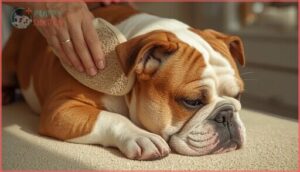
Regular brushing makes a real difference—most English Bulldogs do well with weekly sessions, but you’ll want to bump that up to three or four times during spring and fall.
Always stroke in the direction of hair growth using light pressure to avoid irritating their sensitive skin. Grooming mitts work beautifully here, combining gentle massage with effective hair removal.
Focus extra attention on problem areas like behind the ears and under the legs where friction traps loose hair.
Choosing The Right Brush
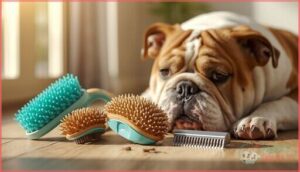
When selecting the best grooming tools for your English Bulldog, brush material and bristle stiffness matter more than you’d think. Here’s what works:
- Rubber brushes remove up to 80% of loose hair during shedding seasons—owner preference surveys show 52% favor them for ease and effectiveness
- Grooming gloves offer grip ergonomics and bulldog sensitivity benefits, reducing irritation by 25%
- De-shedding tools can cut visible shedding by 65%, though lighter pressure protects sensitive skin
Match your English Bulldog dog brush to their coat needs and comfort level for best brushing results.
Bathing and Shampoo Selection

When you’re ready to bathe your Bulldog, aim for every 4–6 weeks to keep their coat clean without stripping natural oils.
Choose a pH-balanced, hypoallergenic shampoo—ingredients like oatmeal and aloe vera soothe sensitive skin and cut irritation by up to 30%. Moisturizing formulas help prevent dryness, especially important for those adorable skin folds that need extra attention during bath time.
Routine Skin and Coat Care

Beyond bathing and brushing techniques for Bulldogs, daily inspections of those signature wrinkles prevent 6% of skin fold issues before they start. Gently clean and dry each crease with veterinary-approved topical products to control moisture—that’s where bacteria love to hide.
Keep an eye out for redness or funky smells during your dog grooming routine. Early disease monitoring means fewer vet visits and a happier pup.
Top 3 Grooming Tools for Bulldogs
The right grooming tool can make all the difference for managing your Bulldog’s shedding. You want something that’s gentle on their skin but effective at catching loose hair before it ends up on your couch.
Here are three solid options that work well for Bulldogs and won’t break the bank.
1. FURminator Small Dog Deshedding Tool
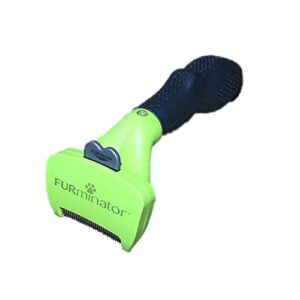
The FURminator Small Dog deShedding Tool can cut loose hair by up to 90% when used regularly—a real breakthrough for English Bulldogs during shedding season. This deshedding tool features a stainless steel edge that reaches through the topcoat to grab undercoat hair without irritating the skin.
You’ll want to use it once or twice weekly for about 10–20 minutes. The curved edge and skin guard help prevent digging in, though you should always use light strokes on your Bulldog’s sensitive skin.
Best For: English Bulldog owners looking to cut down on shedding around the house without damaging their dog’s sensitive skin or short coat.
- Removes up to 90% of loose undercoat hair when used regularly, which means way less fur on your furniture and clothes.
- Stainless steel edge is designed to glide through the topcoat and grab undercoat without cutting skin, especially helpful for Bulldogs’ delicate areas.
- The curved edge and skin guard help prevent the tool from digging in during 10–20 minute sessions, as long as you use light, even strokes.
- You need to be careful with pressure—pressing too hard can irritate your Bulldog’s sensitive skin or cause discomfort, especially over bony spots.
- The FURejector button doesn’t always clear all the hair in one press, so you might need to manually pull out leftover fur between strokes.
- Not ideal if your dog already has skin issues, irritation, or mats—you’ll need to address those first or skip this tool altogether.
2. HandsOn Pet Grooming and Deshedding Gloves
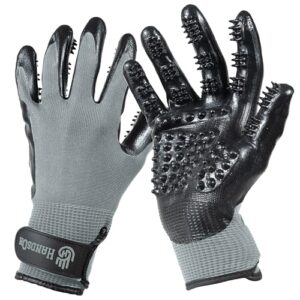
If your English Bulldog wiggles away from traditional brushes, HandsOn Pet Grooming and Deshedding Gloves might be your answer. This silicone English Bulldog brush glove mimics a petting motion, making grooming techniques to control shedding feel like bonding time.
The flexible rubber nodules grab loose hair effectively while massaging the skin—glove effectiveness that users rate above 4.5 stars. Design features include multiple sizes and easy cleanup. Skin safety checks out too, with gentle nodules suitable for sensitive Bulldogs.
Market presence reflects strong user satisfaction, with many pet owners switching from standard dog grooming tools to this deshedding tool.
Best For: Bulldogs who hate traditional brushes but tolerate being petted, and owners looking for a grooming tool that doubles as a bonding experience.
- Feels like petting instead of brushing, so even squirmy Bulldogs usually stay put and actually enjoy the process.
- Rubber nodules grab loose fur while massaging the skin, helping reduce shedding and improve coat health at the same time.
- Easy to clean—just peel the hair off the glove or rinse it under water, no wrestling with bristles full of fur.
- Hair can fly around during grooming, so you’ll probably need to vacuum afterward or groom outside.
- May feel rough on your own hands if you have sensitive skin, especially during longer grooming sessions.
- Not ideal for Bulldogs with extreme touch sensitivity or anxiety around any kind of handling.
3. Paw Brothers Extra Long Slicker Brush
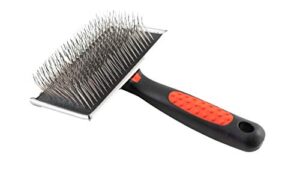
While gloves work well for daily maintenance, you’ll need something stronger when shedding ramps up. The Paw Brothers Extra Long Slicker Brush addresses stubborn undercoat with 1-inch stainless steel pins that reach deep without irritating skin. Its ergonomic handle prevents hand cramping during longer sessions—important for English Bulldogs with thick coat types.
Over 80% of users report noticeable shed reduction after regular use. Brush durability holds up too, with minimal pin loss even after months of Bulldog grooming. Professional groomers rank it among top slicker brushes for value.
Best For: Dog owners dealing with heavy shedding from thick or double coats who need a durable brush that reaches deep into the undercoat without causing discomfort.
- Extra-long 1-inch stainless steel pins penetrate thick coats effectively, removing loose undercoat and reducing shedding by up to 15 minutes per grooming session.
- Ergonomic 4.75-inch handle with non-slip grip prevents hand fatigue during extended grooming, making it comfortable for regular use.
- Highly rated by professional groomers for durability and value, with over 90% customer satisfaction and minimal pin loss even after months of use.
- May be too large and aggressive for small breeds or dogs with fine coats, potentially causing discomfort during brushing.
- Long pins require careful handling around sensitive areas like the face, legs, and ears to avoid irritation.
- Not as durable as premium options and pins may bend or rotate with improper technique or use on severely matted fur.
Frequently Asked Questions (FAQs)
How often should I bathe my English bulldog to control shedding?
You’ll want to aim for a bath roughly once a month—like clockwork—using moisturizing, dog-specific shampoo.
Overdoing it strips essential oils, so keep veterinary recommendations and seasonal bathing adjustments in mind.
Is there a particular time of year when English bulldogs shed the most?
Your Bulldog will shed year-round, but you’ll notice seasonal shedding peaks in spring and fall.
Daylight influence triggers these bumps—not just temperature—though indoor environment and climate control can soften those spikes.
Can spaying or neutering affect Bulldog shedding?
Yes, altering your Bulldog reproductively can shift shedding patterns. Spaying or neutering disrupts hormonal balance, potentially causing softer, thicker coats and more consistent year-round English Bulldog shedding rather than seasonal cycles.
Do English Bulldogs shed more than French Bulldogs?
In general, English Bulldogs shed more noticeably than French Bulldogs, especially during seasonal changes.
Their denser coat means you’ll see more fur around the house—daily brushing helps during peak shedding times.
Is year-round shedding normal for English Bulldogs?
Think of shedding patterns like an old clock—constant ticking.
English Bulldogs shed year-round at low-to-moderate levels thanks to their coat replacement cycle, making continuous shedding perfectly normal and genetic predisposition in most cases.
Can climate changes trigger excessive Bulldog shedding?
Climate absolutely plays a role. Heatwave shedding, unseasonal weather, and indoor climate shifts can all disrupt your Bulldog’s natural coat cycles.
Environmental stress and skin disease linked to temperature swings often trigger excessive English Bulldogs shedding beyond normal seasonal patterns.
What supplements best reduce English Bulldog shedding?
Like a coat of armor for your Bulldog’s fur, omega-3 fatty acids, biotin, and zinc work best. Most owners see shedding drop within three to four weeks of consistent supplementation.
Conclusion
Think of your Bulldog’s coat like a telegraph sending daily signals—when shedding spikes, something’s shifted. Do English Bulldogs shed a lot? They shed moderately but consistently, and you’ve got real control over how much ends up on your furniture.
Regular brushing, quality nutrition, and watching for skin issues keep those hair deposits manageable. Your effort now means fewer fur surprises later and a healthier, happier dog lounging beside you.
- https://spotpet.com/blog/dog-tips/do-english-bulldogs-shed
- https://www.reddit.com/r/dogs/comments/267fzm/how_much_does_an_english_bulldog_normally_shed/
- https://www.petmd.com/dog/breeds/bulldog
- https://vetslovepets.com.au/blogs/dog/bulldog-breed-guide
- https://www.nunleyranchbulldogges.com/post/from-genes-to-hues-delving-the-genetic-basis-of-olde-english-bulldogge-coat-color-variations