
This site is supported by our readers. We may earn a commission, at no cost to you, if you purchase through links.

Your dog discovered a ripe papaya on the counter and now you’re wondering if that tropical fruit sitting in pieces on the floor poses any danger. The short answer: papaya is safe for dogs when prepared correctly, but there’s more to it than just tossing them a slice.
The flesh of ripe papaya offers genuine nutritional benefits—vitamin C, fiber, and digestive enzymes that can support your dog’s gut health—but the seeds and skin create choking hazards that many pet owners don’t anticipate.
Understanding proper preparation, appropriate portion sizes, and which dogs should avoid this fruit altogether ensures you’re making informed decisions about your pet’s diet rather than guessing at what’s safe.
Table Of Contents
- Key Takeaways
- Can Dogs Eat Papaya Safely?
- Nutritional Benefits of Papaya for Dogs
- Potential Risks of Papaya for Dogs
- Preparing Papaya Properly for Dogs
- How Much Papaya Can Dogs Eat?
- Can Puppies Eat Papaya?
- Signs of Allergic Reactions or Sensitivities
- Unsafe Forms of Papaya for Dogs
- Safe Fruit Alternatives to Papaya
- Top Papaya-Based Products for Dogs
- Frequently Asked Questions (FAQs)
- Is papaya safe for puppies?
- Are there any side effects of feeding papaya to dogs?
- Are there any alternatives to papaya if my dog is allergic?
- Is there a way to reduce the sugar content in papaya?
- How often can I give papaya treats to my dog?
- Can dogs eat papaya leaves or stems?
- Does papaya help with dog constipation relief?
- Can papaya cause allergies in certain breeds?
- Is frozen papaya safe for dogs?
- Does papaya interact with dog medications?
- Conclusion
Key Takeaways
- Papaya flesh is safe for dogs when ripe, seedless, and skinless, but seeds and skin create choking hazards and digestive irritation that you must remove before serving.
- Portion size matters significantly—small dogs need only 1-2 tablespoons while large breeds can handle up to ½ cup, offered 2-3 times weekly to avoid digestive upset from excess fiber or natural sugars.
- The fruit’s papain enzyme and fiber support protein digestion and gut health in healthy dogs, but diabetic or overweight dogs should avoid papaya entirely due to its natural sugar content affecting blood glucose control.
- Processed forms like dried, canned, or sweetened papaya contain concentrated sugars, preservatives, and potentially toxic additives like xylitol that make them dangerous despite fresh papaya’s safety profile.
Can Dogs Eat Papaya Safely?
You’re probably wondering if that slice of papaya in your hand is safe to share with your dog. The good news is that papaya isn’t toxic to dogs—but there are a few important things you need to know before tossing them a piece.
Let’s break down the safety basics, portion guidelines, and what vets actually say about feeding this tropical fruit to your furry friend.
Is Papaya Toxic or Non-toxic for Dogs?
Good news—papaya isn’t toxic to your dog when you prepare it properly. The ripe flesh is safe for most healthy dogs in small amounts, though you’ll want to remove seeds and skin to avoid choking or digestive irritation.
If your pup shows vomiting, diarrhea, or lethargy after eating papaya, stop offering it and consult your veterinarian about possible fruit allergies or sensitivities. If symptoms persist or worsen, follow these steps to treat puppy diarrhea and get professional guidance.
When evaluating the safety of foods like papaya, it’s vital to review scientific study methods and assess potential health risks.
Recommended Amount and Frequency for Dogs
Portion control matters when feeding dogs papaya—your small pup needs just 1–2 tablespoons per day, while medium dogs can have up to ½ cup, and large breeds may tolerate slightly more.
Offer papaya 2–3 times weekly as a healthy snack, not a daily staple, to maintain nutrient balance and digestive tolerance. Start small and watch for signs your dog’s system tolerates this fruit well. Like papaya, butternut squash offers dogs similar nutritional benefits when served in moderation and introduced gradually to avoid digestive upset.
Veterinary Opinions on Feeding Papaya
Most veterinarians view papaya as a safe, occasional treat when prepared properly—ripe flesh only, seeds and skin removed. They emphasize moderation because of natural sugars and caution against using it in dogs with diabetes or obesity without professional oversight.
Vet guidelines on fruit safety consistently recommend:
- Monitoring portion size relative to your dog’s weight
- Starting with small amounts to assess tolerance
- Avoiding canned or sweetened papaya products
- Watching for signs of digestive upset
- Consulting your vet if any adverse reactions occur
While papaya nutrition aids canine digestive health through enzymes like papain, veterinary guidance stresses it’s an aid—not a cure—for GI issues. When considering other food additions, always check which ingredients are safe for dogs before introducing them to your pet’s diet.
Pet wellness depends on balanced dog nutrition and health practices, so treat papaya as one small part of your dog’s overall diet, and always prioritize veterinary advice for canine health decisions.
Nutritional Benefits of Papaya for Dogs

Papaya isn’t just a sweet tropical treat—it’s packed with nutrients that can support your dog’s health in meaningful ways. From vitamins that strengthen the immune system to enzymes that aid digestion, this fruit offers several benefits worth understanding. If you’re exploring safe fruit options for your dog, papaya stands out as a nutrient-rich choice that’s easy to prepare and digest.
Let’s look at the key nutritional components that make papaya a potentially valuable addition to your dog’s diet.
Vitamins and Minerals Found in Papaya
Papaya nutrition packs a solid lineup of vitamins and minerals your dog can benefit from. You’ll find vitamin C—around 60–90 mg per 100 g—supporting immune function, while beta carotene delivers vitamin A activity for healthy vision and cell growth. If your dog has seasonal allergies alongside nutritional needs, choosing the best allergy medicine for dogs requires veterinary input to avoid interactions.
The mineral content includes potassium for heart health, plus trace amounts of folate, magnesium, and calcium, all contributing to your dog’s overall dietary value and digestive health.
Role of Fiber in Canine Digestion
The high fiber content in papaya plays a direct role in canine digestion by promoting stool bulk and regularity—something every dog owner appreciates.
Soluble fiber ferments in the gut, producing short-chain fatty acids that support digestive balance, while insoluble fiber speeds transit and keeps things moving smoothly.
Together, they contribute to gut health and overall gastrointestinal health in your dog’s diet.
Digestive Enzymes and Their Effects on Dogs
The enzyme papain in papaya aids protein digestion by breaking down dietary proteins into smaller, absorbable peptides—a helpful mechanism for canine nutrition. Dogs already produce pancreatic enzymes like protease and lipase, but small amounts of papain may ease mild digestive upset and promote digestive balance.
Papaya’s papain enzyme aids protein digestion in dogs, potentially easing mild digestive upset alongside their natural pancreatic enzymes
However, enzyme supplements should complement—not replace—a balanced diet, and overuse can disrupt gut health or cause gastrointestinal discomfort.
Potential Risks of Papaya for Dogs

While papaya offers plenty of nutritional perks for dogs, it’s not without its downsides—especially if you’re not careful about portions or preparation. From tummy troubles to choking risks, there are a few things you’ll want to keep on your radar before sharing this tropical fruit with your pup.
Let’s walk through the main concerns you should be aware of.
Digestive Upset From Excess Papaya
Even though your dog might wag enthusiastically for papaya, too much can throw their canine digestion off balance. Excess fiber intake and digestive enzymes—especially papain—can irritate gastrointestinal health, leading to loose stools, gas, or even vomiting within 24–72 hours. Watch for these signs of overdoing it:
- Soft or watery stools
- Bloating and abdominal discomfort
- Temporary loss of appetite
Moderation protects gut health.
Choking Hazards From Seeds and Skin
You wouldn’t hand your dog a whole peach pit, so why risk papaya seeds? These small, hard kernels—along with tough papaya skin—can lodge in your dog’s throat or cause gastrointestinal obstruction.
Follow these seed removal tips for choking prevention: scoop out all seeds, peel away the skin completely, and dice flesh into bite-sized pieces. Proper fruit preparation ensures digestive safety and canine health.
Risks for Diabetic or Overweight Dogs
When your dog already struggles with diabetes or carries extra pounds, papaya’s natural sugars can tip the scales on blood glucose control and weight management. High sugar content demands careful portioning—or complete avoidance—in diabetic dog care and overweight management.
- Natural fruit sugars spike blood glucose, complicating diabetic stabilization
- Excessive fiber may trigger digestive sensitivities in metabolically compromised dogs
- Caloric density undermines weight-loss efforts and nutritional balance
- Seeds pose choking risks, especially dangerous for overweight dogs with reduced mobility
Preparing Papaya Properly for Dogs
Preparing papaya correctly makes all the difference between a safe treat and a potential hazard for your dog. The key is choosing the right fruit, cutting it properly, and removing anything that could cause choking or digestive upset.
Here’s how to prepare papaya safely for your furry friend.
How to Select Ripe Papaya

Choosing a ripe papaya for your dog involves looking for specific color indicators and ripeness testing cues. The skin should shift from green to golden-orange, especially near the stem area. When gently pressed, the fruit should yield slightly—firm but not rock-hard. A sweet aroma near the stem signals readiness, while the fruit should feel heavy for its size, indicating juice-filled flesh inside.
| Ripeness Sign | What to Look For |
|---|---|
| Color | Golden-orange hue; green fades to yellow |
| Texture | Yields slightly to gentle pressure |
| Aroma | Sweet, fruity scent near stem end |
| Weight | Heavy for size; indicates ripeness |
| Stem Area | Slightly soft, darkened appearance |
Avoid tropical fruits with predominantly green skin, large bruises, or sour smells—these indicate unripe or overripe fruit. For fruit safety, remember that papaya seeds and skin must be removed before feeding. Selecting properly ripened fruit makes preparation easier and safer for your pup.
Safe Ways to Cut and Serve Papaya

Once you’ve picked out ripe papaya, proper cutting minimizes choking hazards and promotes fruit safety. Remove all seeds and thinly slice the flesh into small bite-sized pieces—uniform cubes or strips work best.
Serve at room temperature to boost aroma and appeal; avoid temperature extremes.
These papaya serving tips guarantee safe feeding while letting your dog enjoy papaya benefits without digestive stress.
Removing Skin and Seeds Before Feeding

After cutting, you’ll need to peel away all papaya skin and scoop out every seed—both pose choking hazards and can irritate your dog’s digestive tract. Papaya preparation for fruit safety means thorough seed removal to protect digestive health.
Wash the fruit first to eliminate pesticide residue, then slice the flesh into half-inch cubes for safe feeding. Proper papaya safety for dogs prevents fruit toxicity concerns.
How Much Papaya Can Dogs Eat?

Papaya can be a healthy snack for your dog, but portion control matters—especially since too much can lead to digestive trouble. The right amount depends on your dog’s size, weight, and individual tolerance, so you’ll want to start small and watch how they respond.
Here’s what you need to know about serving sizes, how often to offer this tropical treat, and warning signs that your pup has had too much.
Appropriate Serving Sizes by Dog Size
Your pup’s weight determines the right papaya portion control—small dogs (up to 20 pounds) can handle 1–2 tablespoons, medium breeds (21–50 pounds) tolerate 2–3 tablespoons, large dogs (51–90 pounds) manage 3–4 tablespoons, and giant breeds (over 90 pounds) need 4–5 tablespoons max.
Always adjust based on your dog’s overall caloric intake and existing healthy snacks for dogs to maintain proper nutrient balance.
Frequency of Feeding as a Treat
Once you’ve nailed the right serving sizes, it’s time to think about timing. Veterinarians recommend offering papaya no more than 2–3 times per week to maintain proper nutrient balance and prevent excess sugar or fiber from disrupting your dog’s digestive monitoring.
Fruit safety for pets depends on moderation:
- Limit treats to 10% of daily caloric intake
- Space papaya servings throughout the week
- Rotate with other healthy snacks for dogs
- Adjust feeding schedules based on your dog’s response
Signs of Overfeeding Papaya
Papaya Overload can sneak up when you’re being generous with treats. Watch for digestive issues like loose stools lasting beyond 24 hours, vomiting signs within a few hours of feeding, or abdominal discomfort shown through restlessness and whining. These red flags signal your dog’s gastrointestinal health needs attention—and it’s time to dial back the papaya in their diet.
| Warning Sign | What to Look For | Action Needed |
|---|---|---|
| Stool Changes | Loose, runny, or mushy consistency | Reduce papaya portions immediately |
| Vomiting | Occurs within hours of eating | Stop feeding papaya temporarily |
| Discomfort | Restlessness, whining, bloating | Monitor and consult your vet |
| Appetite Shifts | Sudden increase or decrease | Reassess treat frequency |
| Gas Production | Excessive flatulence after feeding | Cut back on digestive enzymes-rich fruits |
Can Puppies Eat Papaya?

Puppies can eat papaya, but their developing digestive systems require extra care and attention when introducing any new food. You’ll need to keep in mind your puppy’s age, start with smaller portions than you’d for adult dogs, and watch closely for any signs of upset stomach or allergic reactions.
Here’s what you should know about safely offering papaya to your growing pup.
Age-appropriate Introduction of New Fruits
Introducing your puppy to new treats is like teaching them to walk—timing matters. Here’s how to navigate fruit introduction guidelines while protecting canine digestive health:
- Wait until after 2–3 vaccination rounds and full weaning before introducing fruits and vegetables for dogs.
- Start with one fruit at a time, waiting 3–5 days between introductions to monitor nutritional benefits of papaya or other options.
- Choose low-sugar, seedless varieties to support puppy nutrition and age-based feeding safety.
- Keep portions tiny—just a few morsels—to maintain nutrient balance and introduction to new foods protocols.
The key to a successful introduction is patience and careful observation of your puppy’s reaction to new foods, ensuring their digestive health remains optimal.
Special Considerations for Puppy Digestion
Your puppy’s gut is still finding its footing, making fiber intake and digestive enzymes from papaya a double-edged sword.
While small amounts may support gut development and digestive health, excessive papaya can overwhelm their canine enzymes, triggering diarrhea or vomiting.
For ideal puppy nutrition and canine diet balance, start with pinky-nail-sized portions—monitoring their gut health closely before increasing any dog diet additions.
Monitoring for Allergic Reactions in Puppies
After offering papaya, watch your puppy for the next 24 to 48 hours—allergic reaction signs like facial swelling, hives, or itching can surface quickly.
Puppy allergy tests or veterinary guidance help pinpoint triggers if canine skin issues or vomiting appear.
Keep pet emergency plans handy, and document any changes in behavior or appetite to safeguard dog health and adjust your canine diet approach.
Signs of Allergic Reactions or Sensitivities

While papaya is generally safe for dogs, some may experience allergic reactions or sensitivities—though these cases are relatively uncommon. Recognizing the warning signs early can help you respond quickly and prevent more serious complications.
Let’s look at the key symptoms to watch for, how to handle adverse reactions, and when it’s time to call your veterinarian.
Symptoms of Papaya Intolerance in Dogs
Even a small serving of this tropical fruit can trigger intolerance symptoms in some dogs—starting as digestive issues like vomiting within 2 to 24 hours or diarrhea within 12 to 24 hours. Watch for gastrointestinal reactions such as excessive flatulence, soft stools, or abdominal discomfort shown through restlessness and whining.
Canine sensitivities may also appear as skin irritation, hives, or lethargy, signaling your dog’s system isn’t handling papaya well.
What to Do if Your Dog Reacts Badly
If your dog shows reaction symptoms like vomiting, bloody diarrhea, collapse, or seizures after eating papaya, seek emergency vet care immediately.
Remove all papaya and new foods, then document what your dog ate, how much, and when symptoms started—this helps with allergy testing and toxicity levels assessment.
Never give human medications for dog allergies without veterinary advice, as some harm gastrointestinal health or worsen canine first aid efforts.
When to Contact Your Veterinarian
Contact your veterinarian immediately if your dog experiences urgent symptoms like vomiting for over 24 hours, blood in diarrhea, difficulty breathing, or seizures after papaya ingestion. Emergency signs such as severe dehydration—dry gums, sunken eyes—require prompt veterinary care.
Share your dog’s medical history and recent diet with your vet; pet insurance often covers these gastrointestinal health concerns, making veterinary guidance more accessible.
Unsafe Forms of Papaya for Dogs

Not all papaya products are created equal regarding your dog’s safety. While fresh, ripe papaya can be a healthy treat, certain forms of this fruit pose serious risks—from added sugars and preservatives to toxic compounds in unripe flesh.
Let’s look at the papaya products and preparations you should keep away from your pup.
Risks of Dried, Canned, or Sweetened Papaya
While fresh papaya offers benefits, processed forms—dried, canned, or sweetened—introduce serious risks for your dog’s health. Dried varieties often contain sulfur-based preservatives and concentrated sugar content that can trigger digestive issues like diarrhea or vomiting.
Canned fruit packed in syrup adds unnecessary calories, worsening gastrointestinal health and contributing to obesity. Some products even include toxic ingredients like xylitol, creating potentially fatal food allergies or reactions.
Dangers of Papaya Juice and Unripe Fruit
Juice concentrates papaya’s sugar content, which can disrupt blood sugar levels in diabetic dogs and add unnecessary calories that harm gastrointestinal health. Unripe fruit contains compounds that are harder to digest, potentially causing vomiting or diarrhea in sensitive pups.
Consider these papaya juice risks and unripe fruit dangers:
- Concentrated sugars contribute to weight gain
- Digestive enzymes in unripe papaya irritate the stomach lining
- Added sweeteners or preservatives increase toxicity concerns
Why Papaya Seeds and Skin Must Be Avoided
Beyond juice and unripe fruit, papaya seeds and skin pose serious gastrointestinal risks—seeds contain compounds that irritate the digestive tract and may cause blockages, while the fibrous skin creates choking hazards and digestive upset.
Toxic seed effects include diarrhea and potential pancreatitis, especially in small breeds.
For your dog’s gastrointestinal health and fruit and vegetable safety, always remove these parts completely before serving.
Safe Fruit Alternatives to Papaya

If papaya doesn’t suit your dog—or you simply want to mix things up—you have plenty of nutritious fruit options to choose from. Many dog-safe fruits offer similar benefits, from fiber and vitamins to natural sweetness your pup will love.
Here’s a closer look at some reliable alternatives and how to introduce them safely.
Apples (seedless), Bananas, and Blueberries
If papaya doesn’t suit your dog’s palate or digestive system, several other fruits offer comparable nutritional benefits with excellent pet safety profiles.
Seedless apples provide fiber and vitamins for canine digestion—just remove the core to prevent choking. Bananas deliver potassium and make soft, digestible healthy snacks. Blueberries pack antioxidants that support dog wellness, and you can serve them fresh or frozen as low-calorie treats.
Mango, Cantaloupe, and Watermelon
Tropical fruits expand your dog’s treat menu with impressive nutritional benefits and summer hydration advantages. Consider these safe alternatives after proper seed removal:
- Mango: Rich flesh offers vitamins A and C; discard pit and skin to prevent choking and fruit toxicity concerns
- Cantaloupe: Hydrating option with fiber for digestive aid; remove rind completely
- Watermelon: Seedless portions provide invigorating healthy snacks; avoid seeds and rind for ideal pet health
How to Safely Introduce New Fruits
Patience protects your dog’s digestive system when expanding treat options. Introduce one new fruit at a time, starting with pea-sized portions for small breeds and slightly larger pieces for bigger dogs—this strategy facilitates effective Fruit Allergy Tests and aids Canine Digestive Health through careful monitoring.
| Introduction Step | Safe Feeding Guides Protocol |
|---|---|
| Initial portion | 1–2 bite-sized pieces maximum |
| Waiting period | 24–48 hours between new fruits |
| Monitoring focus | Watch for vomiting, diarrhea, itching |
| Frequency limit | 2–3 times weekly initially |
| Preparation method | Remove seeds, peel tough skins |
Fresh Fruit Preparations demand attention to detail—wash thoroughly, cut appropriately, and skip canned varieties with added sugars.
Your veterinarian can develop tailored Pet Nutrition Plans addressing Fruit and Vegetable Safety for Dogs, ensuring healthy snacks complement your pet’s overall Dog Nutrition and Health needs without compromising pet health through dog treats that exceed the recommended 10% daily caloric intake.
Top Papaya-Based Products for Dogs
If you’re looking for convenient ways to incorporate papaya’s digestive benefits into your dog’s diet, several commercial products make it easier than preparing fresh fruit. These options—from supplements to fortified foods—utilize papaya’s natural enzymes and nutrients in dog-friendly formulations.
Here are three standout products that veterinary nutritionists often recommend for canine digestive support.
1. Sherwood Papaya Digestive Support Tablets
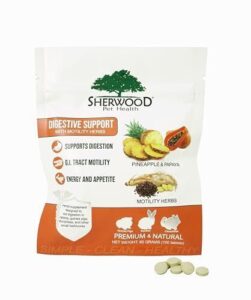
When your dog struggles with digestive discomfort, you might consider a specialized supplement to support gastrointestinal health. Sherwood Papaya Digestive Support Tablets combine natural papain and bromelain enzymes with motility-promoting herbs like ginger and panax ginseng. These papaya tablets contain no artificial additives and are flavored with real papaya, pineapple, and banana.
While they’re primarily marketed for rabbits, the enzyme benefits and fiber content align with principles of canine nutrition. Always consult your veterinarian before introducing any pet supplements, especially for dogs with existing digestive sensitivities or dietary restrictions.
| Best For | Dog owners seeking a natural enzyme supplement to support their pet’s digestive health, particularly those dealing with occasional gas, irregular stools, or mild digestive upset. |
|---|---|
| Brand | Addiction |
| Form | Flake |
| Age Range | All Life Stages |
| Contains Papaya | Yes |
| Digestive Support | Yes |
| Natural Ingredients | Yes |
| Additional Features |
|
- Contains natural digestive enzymes (papain and bromelain) plus motility-supporting herbs like ginger and ginseng
- No artificial flavors, colors, or preservatives—just real fruit ingredients
- May help improve appetite and digestive function when used alongside a balanced diet
- Primarily formulated for rabbits, so canine-specific dosing requires veterinary guidance
- Not suitable for severe digestive issues that need immediate medical attention
- Some pets may reject the tablets initially due to strong herbal flavors
2. Addiction Venison And Cranberry Dog Food
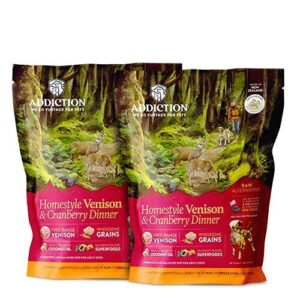
If your dog needs a grain-free formula that includes papaya as a supporting ingredient, Addiction Venison and Cranberry Dog Food offers a novel protein approach for sensitive canines. New Zealand venison is the primary protein source, combined with nutrient-rich superfoods including papaya, carrots, flaxseed, and cranberries.
The air-dried, gluten- and soy-free recipe promotes digestive and skin health while providing Omega-3s from coconut oil and flaxseed. At $67.74 for two 2-pound packs, this complete meal suits dogs with dietary restrictions or common protein allergies.
| Best For | Dogs with food sensitivities or allergies to common proteins like chicken and beef, especially those needing a grain-free, nutrient-dense diet with novel protein sources. |
|---|---|
| Brand | Sherwood Pet Health |
| Form | Tablet |
| Age Range | All Life Stages |
| Contains Papaya | Yes |
| Digestive Support | Yes |
| Natural Ingredients | Yes |
| Additional Features |
|
- Premium New Zealand venison offers a hypoallergenic protein option that’s easier on sensitive stomachs
- Packed with superfood ingredients like papaya, cranberries, and flaxseed that support digestion, immune health, and coat quality
- Air-dried preparation preserves nutrients better than heavily processed kibble while staying shelf-stable
- Higher price point at $67.74 for 4 pounds total makes it one of the pricier options on the market
- Requires rehydration with warm water before serving, adding an extra prep step to feeding time
- Some dogs may not take to the flake texture or venison flavor, and ingredient availability can affect batch consistency
3. Waggedy Advanced Dog Probiotics Powder
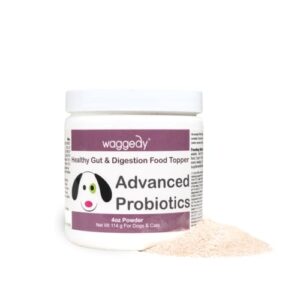
When digestive balance is as important as the fruit itself, Waggedy Premium Dog Probiotics Powder delivers PB6 probiotics, digestive enzymes, and natural papaya to support gut health and canine wellness. This vet-formulated powder supplements blends smoothly into any meal—ideal for picky eaters or dogs with canine dietary restrictions who refuse chewables.
At $19.99 for 114 grams, it promotes gastrointestinal health, nutrient absorption, and fresher breath. While some owners report improved dog nutrition and health, others experienced mixed results—consult your veterinarian before adding dietary supplements to address specific pet care and advice needs.
| Best For | Dog owners looking for a powder supplement to support digestive balance, especially for picky eaters or senior dogs who won’t take chewables. |
|---|---|
| Brand | Waggedy |
| Form | Powder |
| Age Range | All Life Stages |
| Contains Papaya | Yes |
| Digestive Support | Yes |
| Natural Ingredients | Yes |
| Additional Features |
|
- Mixes easily into any meal, making it simple to give to dogs who refuse pills or chews
- Contains PB6 probiotics, digestive enzymes, and papaya to support gut health and fresher breath
- Vet-formulated in a certified USA facility with dosing that works for all life stages
- Some dogs may dislike the taste or texture even when mixed with food
- Results vary—a few owners reported diarrhea or no noticeable improvement in digestion
- Product may arrive crushed or broken, making accurate dosing harder
Frequently Asked Questions (FAQs)
Is papaya safe for puppies?
Yes, puppies can eat papaya—it’s practically a superfood for little paws. Offer small, ripe chunks without seeds or skin, introducing gradually to monitor digestion and prevent upset, keeping treats under 10% of their daily calories.
Are there any side effects of feeding papaya to dogs?
While papaya is generally safe, some dogs may experience digestive issues like diarrhea or bloating from excessive consumption.
Rarely, papaya allergies can occur—watch for itching, swelling, or vomiting after introducing this fruit.
Are there any alternatives to papaya if my dog is allergic?
Absolutely—try blueberries, apples (seedless), or mango for similar fiber and vitamins. Cooked carrots, green beans, or plain pumpkin puree also support digestion without common allergens, making them excellent hypoallergenic treats and pet food substitutes.
Is there a way to reduce the sugar content in papaya?
While you can’t remove sugar from papaya itself, choosing slightly underripe fruit lowers natural sugars.
Pair small portions with high-fiber foods to moderate glycemic control and support nutrient balance in your dog’s diet.
How often can I give papaya treats to my dog?
You can offer papaya treats 1-2 times per week in small, bite-sized portions—keeping it under 10% of daily calories. Monitor your dog’s digestion and adjust the papaya feeding schedule accordingly.
Can dogs eat papaya leaves or stems?
While your dog won’t face lethal papaya leaf toxicity, the stems and foliage can trigger gastrointestinal effects—vomiting, diarrhea, or blockage—so veterinary guidance strongly discourages feeding any plant material beyond ripe fruit.
To guarantee a healthy diet, it’s vital to understand the dog safe foods.
Does papaya help with dog constipation relief?
Yes, papaya’s fiber and papain enzyme may ease dog constipation when served in small amounts. However, consult your veterinarian before using papaya as a digestive remedy—it’s not a replacement for professional canine gut health care.
Can papaya cause allergies in certain breeds?
While some owners worry certain breeds face higher papaya allergy risk, documented breed-specific reactions remain extraordinarily rare in veterinary reports.
Individual sensitivities occur, but breed predisposition to papaya intolerance lacks scientific support.
Is frozen papaya safe for dogs?
Frozen papaya poses no additional risks for canine nutrition if prepared correctly—remove seeds and skin, avoid added sugars, and introduce gradually to monitor pet digestion and potential fruit allergies in your companion.
Does papaya interact with dog medications?
Though papaya contains papain enzyme and fiber, there’s limited data on papaya drug interactions in dogs.
Always consult your veterinarian about dietary supplements alongside prescribed medications to guarantee proper medication absorption and safety.
Conclusion
A slice of ripe papaya sits harmlessly on your cutting board—remove the seeds and skin, and it becomes a vitamin-rich treat; leave them intact, and you’re creating choking hazards your dog doesn’t need.
When you ask “can dogs eat papaya,” the answer hinges entirely on preparation: fresh flesh in moderation aids digestion, while careless serving invites trouble.
Your dog’s safety depends on understanding that distinction before the next tropical craving strikes.