This site is supported by our readers. We may earn a commission, at no cost to you, if you purchase through links.
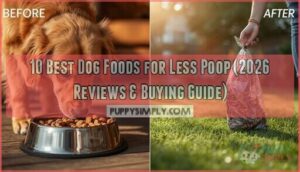
Your dog’s food bowl might contain the reason you’re scooping three times more waste than necessary. Most commercial dog foods pack in low-quality fillers and poorly digestible ingredients that pass straight through your dog’s system, turning mealtime into a backyard cleanup nightmare.
The difference between high-residue and low-residue formulas can cut your dog’s stool volume by 40-60%, which means fewer trips outside, less mess, and better nutrient absorption for your pet.
Finding the best dog food for less poop isn’t about restricting what your dog eats—it’s about choosing formulas with premium digestibility, quality proteins, and balanced fiber content. The right food transforms those bulky, frequent poops into smaller, firmer stools while improving your dog’s overall health and energy levels.
Table Of Contents
- Key Takeaways
- What Causes Excessive Dog Poop Volume?
- Ingredients to Look for and Avoid
- Understanding Fiber’s Role in Dog Digestion
- Choosing The Right Food for Your Dog
- How to Transition to Low-Residue Food
- When to Consult Your Veterinarian
- Frequently Asked Questions (FAQs)
- How can I reduce the amount of poop my dog produces?
- Are there any health concerns associated with excessive pooping in dogs?
- Is it normal for my dog to poop more or less frequently than other dogs?
- How does exercise affect dog stool frequency?
- Do puppies need different food than adults?
- Should I feed once or twice daily?
- Can treats increase my dogs poop volume?
- Conclusion
Key Takeaways
- Switching to high-quality dog food with premium proteins and controlled fiber (3-5%) can reduce your dog’s stool volume by 40-60% while improving nutrient absorption and overall health.
- Low-quality fillers like corn, soy, and wheat pass through your dog’s system undigested, creating excessive waste because they offer bulk without bioavailable nutrients your dog can actually use.
- Digestibility above 80-85% is the single biggest factor in reducing poop volume—look for named animal proteins (chicken, turkey, lamb) and avoid vague labels like “meat meal” that hide poor-quality ingredients.
- Gradual food transitions over 7-10 days protect your dog’s gut health, and you should consult your vet if you notice warning signs like chronic diarrhea, weight loss, or sudden increases in stool frequency with lethargy.
What Causes Excessive Dog Poop Volume?
If you’re constantly reaching for that poop bag, your dog’s food is probably the culprit. The truth is, what goes in directly determines what comes out—and how much of it.
If your dog is also eating their own stool, check out why dogs eat poop to understand what might be driving that behavior.
Let’s break down the four main reasons your dog’s producing more waste than they should.
If your pup is turning up their nose at mealtime, switching to one of the top-rated foods for picky eaters could help reduce both waste and digestive issues.
Low-Quality Ingredients and Fillers
Cheap kibble often packs in corn, soy, and wheat—sometimes over 40% of the formula. These fillers inflate bulk without boosting nutrient bioavailability, so your dog’s body can’t absorb what it needs.
That’s why switching to a premium Goldendoodle puppy food with real meat and fewer fillers can make a noticeable difference in energy and coat health.
Poor-quality by-products and non-nutritive binders further slow digestion, ramping up stool volume.
When ingredient sourcing lacks transparency and pet food regulation falls short, filler effects dominate—compromising dog digestive health and leaving you with more mess.
Poor Digestibility and Nutrient Absorption
Even high-priced formulas won’t cut stool volume if protein efficiency and nutrient bioavailability lag. Processing methods that overheat proteins damage digestive enzymes, tanking absorption rates and gut health. Your dog’s body then excretes unabsorbed nutrients, amplifying canine digestive issues and gastrointestinal health problems. Poor digestibility means more waste, plain and simple.
Five red flags of nutrient absorption failure:
- Stools remain bulky despite premium ingredient labels
- Coat dulls even with adequate fat content
- Energy drops after meals, signaling poor protein efficiency
- Persistent digestive issues in dogs despite formula changes
- Frequent bowel movements with loose consistency
High Fiber Content Effects
Fiber content above 5% dry matter triggers dramatic stool increases through water retention and bulk expansion. Insoluble fiber types like cellulose pass undigested, enlarging fecal volume, while soluble varieties gel with water, softening consistency. Both mechanisms hurt digestibility and nutrient absorption. Understanding dietary fiber benefits is vital for ideal dog nutrition. Here’s the breakdown:
If your dog has specific behavioral or anxiety issues affecting eating habits, choosing the right management tools like properly fitted dog muzzles can help create a calmer feeding environment.
| Fiber Type | Effect on Stool |
|---|---|
| Insoluble (cellulose) | Increases bulk, faster transit |
| Soluble (corn fiber) | Softens consistency, holds water |
| High levels (9%+) | Reduces nutrient absorption |
| Moderate levels (3-5%) | Balances gut health |
| Low levels ( Better nutrient absorption means less waste—digestibility is the single biggest factor in reducing how much your dog poops |
Understanding what makes food digestible helps you choose formulas that actually work, not just products that make empty promises on the bag.
What Makes Dog Food Highly Digestible
You’re looking at protein sources first—high biological value animal proteins drive digestibility by supporting efficient nutrient absorption and enzyme activity in your dog’s gut. Digestion rates improve when foods minimize undigested residue reaching the colon, directly cutting stool volume.
When digestive issues do strike, targeted probiotics for dogs with diarrhea can rapidly restore gut flora balance and firm up stools.
Nutrient bioavailability matters because highly digestible formulas improve gastrointestinal health in dogs while balancing fiber content to improve gut health without overloading their system.
Ingredient Quality and Processing Methods
You want protein sources from named animals—chicken, turkey, lamb—because vague labels like “meat meal” hide poor ingredient sourcing and tank digestibility.
Food processing methods matter: moderate-heat extrusion preserves nutrient retention while deactivating antinutritional factors that block digestion methods in your dog’s gut.
Skip fillers and unnamed by-products; they spike fiber content without improving nutrient absorption, leaving you scooping more waste.
Nutrient Absorption and Waste Reduction
When your dog’s body absorbs 80–85% of nutrients instead of 70%, you’re slashing undigested waste by nearly half. High bioavailability factors—like essential amino acid balance and digestibility scores above 85%—mean protein sources convert to muscle, not poop.
Better gastrointestinal health reduces nitrogen excretion, fiber content stays manageable, and stool quality improves. That’s nutrient efficiency translating directly into waste management and pooping less.
Ingredients to Look for and Avoid
The ingredients on your dog food label tell you everything about what ends up in the bowl—and what comes out the other end. Some components support efficient digestion and nutrient absorption, while others bulk up the food without adding real value.
Let’s break down what you should actively seek out and what deserves a hard pass.
Beneficial Digestive Supplements and Probiotics
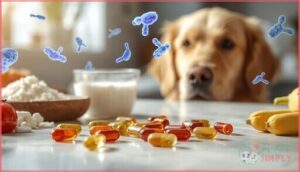
Gut health transforms when you add probiotics to your dog’s diet. Lactobacillus and Bifidobacterium strains improve stool quality, reducing loose stools through better microbial balance.
Prebiotics like fructooligosaccharides fuel these beneficial bacteria, enhancing digestion. Synbiotic formulas combine both for maximum impact.
Look for enteric-coated probiotics that survive stomach acid, delivering digestive enzymes and prebiotic benefits directly where your dog needs them most.
Artificial Additives and Fillers to Avoid
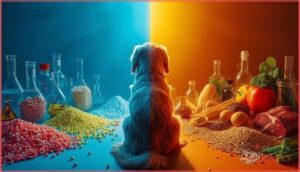
Just as beneficial supplements support your dog, harmful ingredients sabotage digestion. Artificial additives like BHA, BHT, and propylene glycol offer zero nutritional value while triggering sensitive stomach reactions. Chemical additives and synthetic fillers reduce digestibility, increasing fiber content that becomes waste. Toxic ingredients such as unnamed meat meals introduce inconsistent quality, worsening stool volume. Food allergens hide in these preservatives, making your dog poop more frequently.
- Artificial preservatives linked to health concerns lurk in countless brands
- Rendered by-products trigger unpredictable digestive chaos in your pet
- Carrageenan irritates GI tracts despite appearing “natural” on labels
- Synthetic colors serve manufacturers, not your dog’s nutritional needs
Grain-Free Considerations

Grain-free options seem ideal for food allergies and sensitive stomach issues, but pet nutrition research reveals complications. These formulas replace grains with legumes or potatoes, which don’t guarantee digestion improvements or less poop.
Some grain-free foods actually increase stool volume through alternative fillers. Your veterinarian can determine whether grain benefits outweigh free options, especially given heart health concerns linked to certain low-volume dog food formulations.
Understanding Fiber’s Role in Dog Digestion

Fiber isn’t the villain in your dog’s diet, but it’s not always the hero either. The type and amount of fiber in dog food directly affects how much waste your dog produces, and understanding this relationship gives you real control over cleanup time.
Let’s break down how fiber works, what levels actually benefit digestion, and when less fiber means better results for your dog.
How Much Fiber is Ideal
You’ll want to target 5 to 10% fiber intake in your dog’s daily food for ideal digestive balance and nutrient absorption. Consider these guidelines for stool quality:
- Sensitive dogs may thrive on 3 to 5% fiber content, reducing digestive stress.
- Healthy adults perform best with 5 to 10% for less poop without compromising digestive health.
- Constipated dogs might need 7 to 12% under veterinary guidance to improve regularity.
Tailor fiber levels to your dog’s unique needs for better canine nutrition and digestibility.
Soluble Vs. Insoluble Fiber
Soluble fiber dissolves in water to create a gel that slows digestion speed and nourishes gut health by feeding beneficial bacteria, while insoluble fiber adds bulk and speeds transit through your dog’s system. You’ll find soluble sources like pumpkin and oats improve stool quality by forming firmer, softer stools, whereas insoluble types like cellulose increase stool mass.
Fiber balance directly impacts nutrient absorption, digestibility, and digestive health—key factors for less poop in quality dog food.
When Low Fiber is Better
When your dog battles inflammatory bowel disease or chronic diarrhea, low fiber diets often provide digestive ease and better stool management than high-fiber options. Fiber reduction minimizes gut irritation while improving digestibility and nutrient absorption, which directly contributes to less poop.
You’ll want veterinary guidance to balance fiber content properly, ensuring gut health stays strong without triggering the discomfort that derails effective dog digestion.
Choosing The Right Food for Your Dog

Picking the right dog food isn’t just about reading labels—it’s about matching the formula to your dog’s specific needs. Your dog’s age, breed, health status, and lifestyle all play a role in determining which low-residue food will work best.
Let’s break down the key factors you need to keep in mind before making your choice.
Consider Your Dog’s Age and Breed
Your dog’s age and breed aren’t just minor details—they directly shape caloric needs, nutrient requirements, and stool outcomes. Puppies need energy-dense nutrition for growth, while seniors benefit from joint-support ingredients.
Large breeds require careful protein and calcium levels to prevent orthopedic issues, and breed-specific sensitivities often demand customized, low-volume dog food formulas that address canine digestive issues and dietary needs effectively.
Health Conditions and Special Needs
Chronic conditions like pancreatitis, inflammatory bowel disease, or canine allergies demand specialized pet nutrition. If your dog struggles with digestive issues, food allergies, or sensitive skin, you’ll need hypoallergenic food or special diets customized to those needs.
Sensitive stomach dog food with limited ingredients and novel proteins can dramatically reduce stool volume while managing canine digestive issues effectively.
Budget Vs. Quality Balance
You don’t need to drain your wallet for quality dog food that cuts down stool volume. Cost efficiency starts with comparing nutrient value per serving—real meat proteins and balanced fat levels around 15–20% deliver better digestibility than cheaper fillers.
Budget strategies like evaluating cost per calorie help you spot low-volume dog food that offers true quality metrics.
Pet food reviews reveal mid-range options with transparent sourcing that support dog nutrition without premium prices, reducing waste and less poop.
Raw, Dehydrated, or Kibble Options
Once you’ve landed on a price point, you’ll choose between raw diets, dehydrated foods, or kibble types—each impacts pet nutrition and dog wellness differently.
Raw diet options often boost digestibility with intact proteins, leading to less poop. Dehydrated foods rehydrate easily and maintain nutrient density.
Kibble types vary widely; high-quality low-volume dog food with named meats promotes efficient digestion and smaller stools.
How to Transition to Low-Residue Food

Switching your dog to a low-residue food isn’t something you do overnight. A gradual shift over 7 to 10 days protects your dog’s digestive system from unnecessary upset and gives their gut time to adjust to the new nutrient profile.
Here’s how to make the switch smoothly and what to watch for along the way.
Monitoring Digestive Changes
You’ll want to track stool quality daily during the first two weeks—consistency, frequency, and any mucus or blood matter notably. Keep a food diary noting portion sizes, treat frequency, and water intake to pinpoint what’s affecting digestibility and gut balance.
If diarrhea, vomiting, or weight loss appears, contact your vet immediately. Consistent nutrition monitoring reveals how fiber content impacts canine wellness and aids ideal gut health while pooping less.
Signs of Successful Transition
After watching your dog’s digestive health closely, you’ll know the lowvolume dog food is working when stool quality firms up within 3–7 days and volume drops 20–50%. Here’s what confirms gut wellness and nutrient balance:
- Your dog is pooping less—frequency stabilizes without new diarrhea
- Energy and appetite return to normal levels
- No vomiting, gas, or bloating after week one
- Stool consistency stays in the healthy range
These shift tips prove the switch succeeded.
When to Consult Your Veterinarian

Switching your dog’s food isn’t always a DIY project—sometimes you need a professional in your corner. Reduced poop volume is the goal, but certain symptoms signal underlying health issues that won’t resolve with diet alone.
Here’s when you should pick up the phone and call your vet instead of just swapping kibble brands.
Excessive Pooping as a Health Concern
When your dog’s pooping more than usual, it’s not just a cleanup hassle—it signals something’s off. Excessive stool volume often points to malabsorption or inflammatory processes that need veterinary attention. You’ll notice signs like weight loss, appetite changes, or persistent loose stools.
Here’s what to watch for:
| Warning Sign | What It May Indicate |
|---|---|
| Chronic high stool volume with weight loss | Malabsorption or gastrointestinal disease |
| Frequent loose stools or large-bowel diarrhea | Dietary intolerance or digestive issues |
| Sudden increase with lethargy or vomiting | Dehydration, electrolyte imbalances, or acute illness |
Timely veterinary evaluation helps with digestive issue prevention and fecal quality improvement before serious complications develop.
Digestive Disorders and Warning Signs
Your dog’s gut health whispers before it screams, and recognizing the subtle shifts between normal digestion and disorder can save you from serious complications down the line. Inflammatory bowel disease shows up as chronic diarrhea with mucus, while pancreatitis triggers greasy stool and stomach problems. You’ll spot digestive enzymes deficiency through undigested food in less poop. Watch stool quality—it’s your clearest window into gastrointestinal health.
Getting Personalized Dietary Recommendations
Every dog’s digestive blueprint is as unique as their personality, which is why cookie-cutter feeding plans rarely deliver the results you’re hoping for.
Your vet analyzes health status, breed considerations, and food allergies in dogs to craft nutrient profiles that match your dog’s canine dietary needs. They’ll balance owner preferences with evidence-based dietary management for dogs, creating a tailored roadmap for ideal pet nutrition and diet.
Frequently Asked Questions (FAQs)
How can I reduce the amount of poop my dog produces?
Ironically, the fastest route to fewer poop bags isn’t restricting food—it’s upgrading it.
Switch to high-quality protein and controlled fiber levels for better nutrient absorption, healthier digestion, and naturally reduced stool volume.
Are there any health concerns associated with excessive pooping in dogs?
Yes, frequent bowel movements can signal digestive health problems like inflammatory bowel disease, parasites, or food allergies.
Poor stool quality often indicates malabsorption issues affecting your dog’s overall gastrointestinal health and wellness.
Is it normal for my dog to poop more or less frequently than other dogs?
Most healthy adult dogs defecate one to three times daily, though normal poop frequency varies widely by individual. Body size, diet composition, and activity level influence your dog’s bowel movements and stool quality more than breed averages.
How does exercise affect dog stool frequency?
Regular Physical Activity promotes consistent Bowel Movement patterns and aids Canine Digestion by stimulating Gut Health.
Dogs receiving daily walks usually defecate more predictably, with Exercise Benefits including improved Stool Regulation and enhanced Digestibility through increased gastrointestinal motility.
Do puppies need different food than adults?
Puppies absolutely need different food than adults. Your growing pup requires higher protein—5% minimum versus 18% for adults—plus elevated calcium, phosphorus, and energy density to fuel rapid developmental health and proper skeletal formation.
Should I feed once or twice daily?
Most adult dogs thrive on twice daily feeding schedules, which support digestive health and reduce bloat risk compared to single large meals.
Meal frequency directly impacts stool management and nutrient timing for ideal absorption.
Can treats increase my dogs poop volume?
Yes, treats can increase your dog’s stool frequency and volume, especially if they contain high fiber content, poor treat digestibility, or excess caloric intake that surpasses your pet’s nutrient absorption capacity.
Conclusion
Your dog deserves meals that fuel their body, not your cleanup routine. Switching to the best dog food for less poop means fewer yard pickups and more nutrients staying where they belong—inside your dog.
High digestibility, quality proteins, and balanced fiber transform excessive waste into manageable stools while boosting energy and health.
If your dog’s current food creates mountains of mess, you now have ten proven alternatives. Choose smarter nutrition, and watch both your dog and your backyard thrive.
- https://www.purina.co.uk/dogs/health-and-nutrition/symptoms-to-watch-out-for/guide-to-dog-poop
- https://www.gutmicrobiotaforhealth.com/how-to-feed-your-gut-microbiota-with-the-fibers-it-needs/
- https://dogcare.dailypuppy.com/happens-feed-dog-much-fiber-4934.html
- https://www.fda.gov/animal-veterinary/news-events/fda-investigation-potential-link-between-certain-diets-and-canine-dilated-cardiomyopathy
- https://pangovet.com/?utm_source=hepper&utm_medium=article&utm_campaign=dog-general-mention