
This site is supported by our readers. We may earn a commission, at no cost to you, if you purchase through links.

That long back carries real risk. Cardigan Welsh Corgis pack a sturdy frame onto short legs, and extra weight puts direct strain on their spine and hips. A few pounds that seem harmless on a bigger dog can mean chronic joint pain for a corgi.
That’s why finding the best dog food for cardigan welsh corgis takes more than grabbing whatever bag sits on the shelf. Your dog needs calorie control, joint-supporting nutrients, and protein that builds muscle without packing on fat.
Choose wrong, and you’ll spend years managing preventable problems. Choose well, and you’ll set your corgi up for a longer, more comfortable life.
Table Of Contents
- Key Takeaways
- Best Cardigan Welsh Corgi Dog Foods
- Cardigan Corgi Nutritional Needs
- Ingredients Worth Prioritizing
- Puppy Versus Adult Food
- Weight and Joint Support
- Allergies and Digestive Sensitivities
- Feeding Amounts and Transitions
- Frequently Asked Questions (FAQs)
- How much food should a Cardigan corgi eat?
- How do you discipline a corgi?
- What is a cute name for a corgi?
- Are Cardigan Corgis healthy?
- What is the best dog food for Welsh corgis?
- What do cardigan Welsh corgis eat?
- What is the healthiest diet for a Corgi?
- Why are cardigan Corgis so rare?
- How often should treats be given to Corgis?
- What foods should be avoided due to allergies?
- Conclusion
Key Takeaways
- Choose a calorie-controlled, breed-specific food with a clear AAFCO nutritional adequacy statement to protect your Corgi’s long spine and joints from excess weight strain.
- Feed formulas listing a named animal protein first, along with glucosamine, chondroitin, and balanced omega-3/omega-6 fats, to support muscle, cartilage, and coat health.
- Match the food to your Corgi’s life stage, since growth formulas and adult maintenance diets differ significantly in protein, calcium-phosphorus ratios, and calorie density.
- Watch for common allergens like beef, dairy, wheat, egg, and soy, and use a 7-10 day gradual transition when switching foods to avoid digestive upset.
Best Cardigan Welsh Corgi Dog Foods
Your Cardigan’s long spine and short legs mean food choice matters more than it does for most breeds. You need options that support joint health, maintain lean weight, and still get tail wags at dinnertime. Here are six picks worth a closer look.
1. UrbanX HealthyBones Natural Dog Dental Snacks
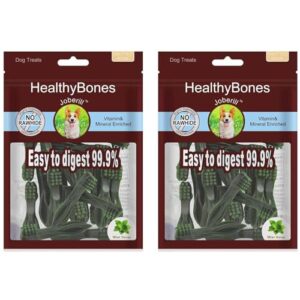
UrbanX HealthyBones Natural Dog Dental Snacks aren’t a meal replacement, but they’re a smart daily addition to your Corgi’s routine. The chewy stick texture mechanically scrubs down to the gumline, cutting plaque and tartar buildup with each bite.
For an extra edge against tartar between vet visits, pair these snacks with other natural dog hygiene products that support fresher breath and healthier gums.
They’re VOHC-recommended, formulated with natural ingredients and highly soluble for easy digestion. Mint flavor freshens breath, too.
Give one daily alongside brushing, not instead of it. At 30 count per 9 oz bag, they’re sized well for a medium-breed jaw like your Corgi’s.
| Best For | Adult Corgis and other medium herding breeds whose owners want an easy, tasty way to support daily dental health alongside regular brushing. |
|---|---|
| Life Stage | Adult |
| Form | Stick |
| Weight | 9 oz |
| Flavor | Mint |
| Corn/Soy Content | Not specified |
| Skin/Coat Support | Not specified |
| Additional Features |
|
- Unique stick texture cleans effectively down to the gumline, reducing plaque and tartar
- VOHC-recommended formula made with natural ingredients, vitamins, and minerals
- Mint flavor freshens breath while highly soluble ingredients make digestion easy
- Not a substitute for a complete meal, only meant as a daily snack
- Should be paired with brushing for full dental benefits, not used alone
- Sizing is geared toward medium breeds, so may not suit very small or very large dogs
2. Royal Canin Corgi Adult Dry Dog Food
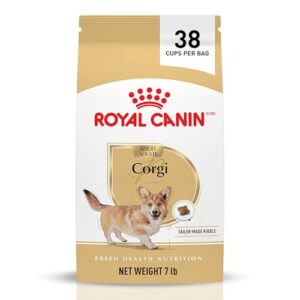
Once daily dental care is handled, focus on the main meal. Royal Canin’s Corgi formula is breed-specific, made specifically for medium-breed metabolism with a kibble shape designed for that short muzzle. Calcium and phosphorus ratios support skeletal integrity, while EPA and DHA target hip and joint mobility.
Highly digestible proteins paired with prebiotics keep stools firm and the gut microbiome balanced. It’s calorie-controlled too, which matters given Corgis’ tendency toward weight gain. Feed this if your dog is 12 months or older.
| Best For | Adult Corgis (12 months and older) who need breed-specific nutrition to support joint health, weight management, and their signature double coat. |
|---|---|
| Life Stage | Adult (12 months+) |
| Form | Dry Kibble |
| Weight | 7 lbs |
| Flavor | Chicken |
| Corn/Soy Content | Contains corn |
| Skin/Coat Support | GLA formula |
| Additional Features |
|
- Breed-specific kibble shape and nutrient complex tailored to Corgi jaw anatomy and long-bodied joint needs
- Supports digestive health with highly digestible proteins and FOS/MOS prebiotics for a balanced microbiome
- Calorie-controlled formula helps manage weight gain, a common issue for the breed
- Only available in chicken flavor, which isn’t ideal for dogs with poultry sensitivities
- Comes at a premium price compared to standard dog food brands
- Formulated specifically for Corgis, so it’s not a good fit as general-purpose dog food
3. Rachael Ray Nutrish Small Breed Dry Dog Food
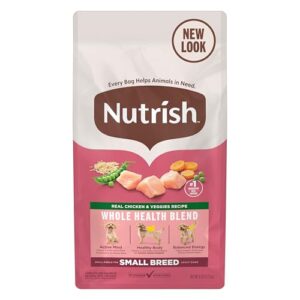
Budget matters too, and Nutrish delivers real chicken as its first ingredient, followed closely by chicken meal for concentrated protein. Small kibble size suits your Corgi’s mouth, while the Whole Health Mix adds carrots, peas, and taurine for heart support.
Watch out, though: this formula contains corn and soybean meal, which may trigger sensitivities in some dogs. If your Corgi tolerates grains well, it’s a solid, affordable everyday option backed by the Rachael Ray Foundation.
| Best For | small breed dogs of all life stages who need easy-to-chew kibble and owners looking for an affordable, real-chicken-first formula. |
|---|---|
| Life Stage | All life stages |
| Form | Dry kibble |
| Weight | 6 lb bag |
| Flavor | Chicken and veggies |
| Corn/Soy Content | Contains corn and soybean meal |
| Skin/Coat Support | Not specified |
| Additional Features |
|
- Real chicken as the first ingredient, plus chicken meal for extra protein
- Small kibble size makes chewing easier for small breed mouths
- Whole Health Blend adds vitamins, minerals, and veggies like carrots and peas for added nutrition
- Contains corn and soybean meal, which may not suit dogs with grain sensitivities
- Not ideal for dogs with dental issues who need softer food
- Packaging design may vary upon delivery
4. Purina One Small Breed Lamb Rice
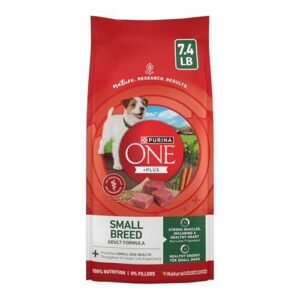
If grain sensitivity isn’t a concern, real lamb as the first ingredient makes this formula worth a look. The dual-texture kibble pairs crunchy bites with tender morsels, while four antioxidant sources support immune function.
Chicken meal adds a secondary protein and glucosamine boost, though keep in mind for dogs with poultry allergies.
Corn and soybean meal appear here too, so this isn’t a limited-ingredient option. Still, omega-6 fatty acids promote coat health, and it delivers complete, balanced nutrition for active adult Corgis at a reasonable price point.
| Best For | Active adult small breed dogs (like Corgis) who aren’t sensitive to grains and need a protein-rich diet for muscle and heart health. |
|---|---|
| Life Stage | Adult |
| Form | Dry kibble |
| Weight | 7.4 lbs |
| Flavor | Lamb and Rice |
| Corn/Soy Content | Contains corn and soybean meal |
| Skin/Coat Support | Omega-6 fatty acids |
| Additional Features |
|
- Real lamb as the first ingredient, paired with a dual-texture kibble for taste and dental benefits
- Four antioxidant sources plus omega-6 fatty acids support immune function and a healthy, shiny coat
- No poultry by-product meal, artificial flavors, or preservatives, with high digestibility for active dogs
- Contains chicken meal, which isn’t ideal for dogs with poultry allergies
- Includes corn and soybean meal, so it’s not a grain-free or limited-ingredient choice
- Only available in dry kibble form, with no wet food option
5. Pedigree Adult Roasted Chicken Dog Food
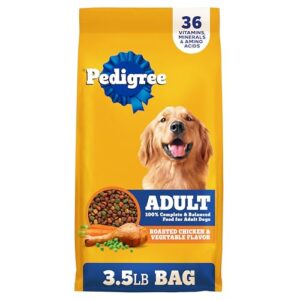
Budget-conscious owners often gravitate here, and it’s easy to see why. Chicken leads the ingredient list, supporting lean muscle, but corn and soybean meal follow close behind, making this a grain-inclusive formula, not a limited-ingredient one.
Rounding out the fat content with quality sources helps your pup absorb key vitamins, so it’s worth checking this guide to what chihuahuas can and can’t eat before settling on a grain-inclusive formula.
Prebiotic fibers support digestive regularity, and omega-6 fatty acids help maintain coat condition. Watch for artificial colors (Red 40, Yellow 5, Yellow 6, Blue 2) and BHA preservative — fine for most dogs, but worth avoiding if your Corgi shows sensitivity to synthetic additives.
| Best For | Budget-conscious owners of adult, all-breed dogs who don’t need a limited-ingredient or grain-free formula. |
|---|---|
| Life Stage | Adult dogs |
| Form | Dry kibble |
| Weight | 3.5 lbs |
| Flavor | Roasted Chicken and Vegetable |
| Corn/Soy Content | Contains corn and soybean meal |
| Skin/Coat Support | Omega-6 and Zinc |
| Additional Features |
|
- High-quality chicken protein supports lean muscle maintenance
- Prebiotic fibers promote healthy digestion and regularity
- Omega-6 fatty acids and zinc support healthy skin and coat
- Contains artificial colors (Red 40, Yellow 5, Yellow 6, Blue 2)
- Includes BHA as a preservative
- Grain-inclusive formula with corn and soybean meal as primary ingredients, which may not suit sensitive dogs
6. Beneful Purina Small Breed Wet Dog Food
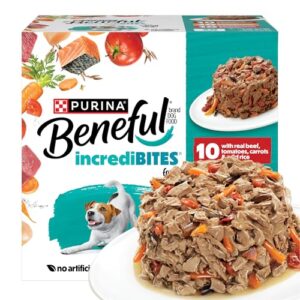
Thirty cans in a case make this a practical staple, not just a treat. Real beef, chicken, and salmon lead the recipe, backed by 23 essential vitamins and minerals to round out the plate.
The gravy adds moisture, which helps if your Corgi drinks less than it should. Use it as a topper over kibble or a complete meal for seniors with dental trouble.
Check for wheat gluten and corn starch if you’re managing sensitivities — this isn’t a limited-ingredient formula.
| Best For | small breed adult dogs, picky eaters, and senior dogs who need soft, moisture-rich meals. |
|---|---|
| Life Stage | Adult |
| Form | Wet canned |
| Weight | 30 x 3 oz cans |
| Flavor | Beef, Chicken, Salmon |
| Corn/Soy Content | Contains corn starch |
| Skin/Coat Support | Not specified |
| Additional Features |
|
- Made with real beef, chicken, and salmon plus 23 essential vitamins and minerals
- Soft gravy texture is easy on seniors with dental issues and adds extra moisture to the diet
- Versatile enough to serve as a full meal or a flavorful kibble topper
- Contains wheat gluten and corn starch, which may not suit dogs with sensitivities
- Portion sizes are built for small breeds, so larger dogs will need several cans per meal
- Not formulated as a prescription or limited-ingredient diet
Cardigan Corgi Nutritional Needs

Your Cardigan’s long back and sturdy build come with specific dietary requirements you can’t afford to guess at. Meeting them takes more than picking a bag with a cute dog on the label. Here’s what actually matters when you check the nutrition label.
AAFCO Nutritional Adequacy
AAFCO compliance isn’t optional. Check the label for a nutritional adequacy statement confirming the food meets growth, adult maintenance, or all life stages standards.
Adult maintenance requires 18% minimum protein and 5.5% fat on a dry matter basis. Growth formulas demand more, plus stricter calcium-phosphorus ratios.
Manufacturers often use AAFCO nutrient profiles to make sure their products meet necessary nutritional standards.
For Cardigan Welsh Corgis, choose foods with clear "formulated to meet AAFCO" phrasing—it’s your safety guarantee.
Meat-first Protein Sources
Meat is medicine here: your Corgi’s joints, muscles, and coat all run on animal protein sources.
Choose foods listing chicken, beef, or fish first—not meal or byproduct.
- High-protein poultry like chicken breast (26g/3oz)
- Seafood protein variety from salmon or sardines
- Organ meat density from liver or heart
These deliver complete essential amino acids your dog can’t make on their own. Lean meat benefits include muscle support without excess fat.
Balanced Fats and Minerals
Fat and mineral balance work as a team, not solo acts, in your Corgi’s bowl.
Look for omega fatty balance—omega-3s from fish oil calm inflammation, omega-6s support skin barrier function.
Check for chelated mineral benefits: chelated zinc and calcium absorb better than inorganic forms.
Confirm essential micronutrient ratios meet nutritional standards, and prioritize antioxidant mineral combinations (selenium, vitamin E) protecting cells during exercise.
Calories for Medium Breeds
Weight-based formulas offer the most accurate starting point for calorie needs. Medium breed metabolism generally runs 30–40 calories per pound daily.
- 30 lb Corgi: 900–1,200 calories
- 40 lb Corgi: 1,200–1,600 calories
- Adjust for activity level (±20–40%)
- Use a calorie calculation tool for precision
- Recheck weekly during weight management
Consult a maintenance energy requirements calculator whenever activity or weight shifts.
Vitamins A, D, and E
Calorie counting means nothing if the fat content can’t carry vitamins A, D, and E to where they’re needed—these are fat-soluble nutrients, absorbed alongside dietary fat.
| Vitamin | Primary Role |
|---|---|
| A | Vision, skin, immune defense |
| D | Calcium metabolism, bone strength |
| E | Antioxidant cell protection |
Deficiencies build slowly, then hit hard. Choose formulas listing a clear nutritional adequacy statement before adding supplements.
Ingredients Worth Prioritizing

Not every ingredient on a dog food label deserves your attention, but some earn it every time. Once you know your Corgi’s nutritional needs, the next step is checking what actually fills the bag. Here are the ingredients you should look for on every label.
Animal Protein First
Check the label before you buy. Chicken, beef, or salmon should appear first — that’s your animal based protein source delivering complete essential amino acid profiles for muscle repair.
Why it matters for canine nutrition:
- Higher protein digestibility values than plant sources
- Better heme iron absorption
- Helps maintain lean muscle in an active, breed-specific frame
Choosing high-quality protein first is foundational to good Corgi nutrition.
Digestible Whole Carbohydrates
Protein isn’t the whole story. Look for whole grains, legumes, or sweet potatoes as your carb source — not fillers.
Intact starch matrices mean slower digestion, blunting glycemic response and supporting steady energy. Fiber fermentation feeds gut microbiota, improving digestive wellness and nutrient absorption.
Choose foods listing whole grains directly, not "grain fragments," to protect your Corgi’s gastrointestinal health long-term.
Omega-3 and Omega-6 Fats
Fat quality matters as much as carb quality. Look for EPA and DHA from salmon, sardines, or algal oil — these fight inflammation directly, unlike ALA from flaxseed alone.
A 3:1 to 5:1 omega ratio suits small breeds better than the 10:1 skew common in cheaper foods. That balance helps with skin barrier health, a shinier coat, and calmer joints over time.
Glucosamine and Chondroitin
Longevity in a Cardigan’s hips depends partly on cartilage building blocks like glucosamine and chondroitin, which supply raw material for joint cushioning.
These compounds support inflammation reduction pathways and help inhibit matrix-degrading enzymes tied to arthritic breakdown. Given the breed’s hip dysplasia risk, choose formulas listing both ingredients.
Research from NCCIH and the Arthritis Foundation backs their safety for long-term joint mobility support after systemic absorption into joint tissue.
Prebiotics and Probiotics
A gut that runs smoothly starts with the right microbes, not just the right meat. Prebiotics feed beneficial bacteria in your Corgi’s intestine, while probiotics add live organisms that boost gut microbiome health directly.
Fermentation produces SCFAs, supporting intestinal barrier integrity and microbial immune modulation. For a breed prone to digestive sensitivity, this combination keeps gut flora balanced and stools consistently well-formed.
Puppy Versus Adult Food

Your Cardigan’s age changes what belongs in the bowl, not just how much. Feed the wrong life stage formula and you risk real, lasting harm to bones and joints. Here’s what to check before you pick a bag.
Growth-stage AAFCO Formulas
Growing puppies aren’t small adults — their skeletal development demands a completely different nutrient profile. Choose a formula labeled AAFCO compliant for growth or all life stages.
- Elevated protein for tissue support
- Higher growth caloric density
- Balanced calcium/phosphorus (1.0–1.5:1) for bone mineralization
- Amino acid synthesis support
Don’t feed adult maintenance food to a Cardigan Welsh Corgi puppy. It can permanently damage skeletal development.
Adult Maintenance Formulas
Once your Corgi reaches skeletal maturity, switch to an adult maintenance formula built for weight maintenance, not growth.
Look for protein percentages between 22-28% on a dry matter basis, with moderate fat and 3-5% fiber for steady digestion.
Favor digestible carbohydrate sources like rice or barley, and check the calcium-phosphorus ratio sits near 1.1-1.5 for breed-specific diet balance.
Senior Calorie Adjustments
Your senior Corgi’s metabolism slows with age, usually dropping energy needs by 5-15% from adult peak levels. Muscle loss accelerates this decline, so reduce calories gradually, starting with a 10% cut over 2-4 weeks.
Weigh her biweekly. If weight stabilizes, hold steady; if not, adjust in 5% increments. This prevents obesity while protecting joints and mobility.
Calcium and Phosphorus Balance
Bone health hinges on a ratio, not just raw amounts. Too much phosphorus relative to calcium forces skeletal mineralization to pull from reserves, triggering parathyroid hormone and phosphate excretion through the kidneys.
Calcitriol absorption keeps this balance working, but only when dietary requirements match life stage nutrition. Uneven mineral intake causes real nutritional deficiencies, undermining bone remodeling and long-term spine strength in this breed.
Life-stage Label Checks
Getting the ratio right means nothing if you’re feeding the wrong life stage formula altogether. Check the bag’s nutritional adequacy statement before buying:
- Confirm it says "Growth" for puppies or "Maintenance" for adults
- Look for AAFCO validation by feeding trial or formulation
- Match feeding guides to your dog’s actual weight, not breed averages
Don’t trust marketing claims alone—read the panel yourself.
Weight and Joint Support

Your Cardigan’s long spine puts him at real risk for disc disease and joint strain, so weight matters more than you’d think. Extra pounds don’t just slow him down, they add pressure to his back and hips every single day.
Extra pounds press on a Corgi’s long spine and hips every day, so weight matters more than you’d think
Here’s what to focus on to keep him lean, mobile, and pain-free for years to come.
Ideal Weight Management
Weight control for a Cardigan comes down to simple math: calories in versus calories out. Target 25–38 pounds, and weigh weekly on the same scale.
Track activity levels alongside intake—30 minutes of daily exercise raises energy needs. If weight creeps up, cut daily calories by 10–20% gradually. Sustainable weight loss beats drastic cuts every time.
Lean Body Condition
Lean body condition means more than a number on the scale. Muscle mass preservation matters just as much as fat loss, since lean tissue drives metabolic rate and prevents sarcopenia later in life.
Feed adequate protein to fuel amino acid synthesis and maintain muscle during calorie control. Confirm progress with monthly palpation assessment—ribs should be easily felt, not seen, with visible waist definition.
Spine Strain Reduction
Muscle isn’t the only thing carrying your Cardigan’s spine—daily mechanics matter too. Feed a breed-specific diet that helps with weight management, since excess pounds increase spinal loading with every step.
Handling matters just as much. Choose a gear instead of a collar, avoid deep bends during greetings, and use proper lifting technique—support the chest and hindquarters—to protect neutral spinal alignment during everyday care.
Hip and Cartilage Support
Cartilage doesn’t heal like skin—it relies on nutrition to slow wear. Feed glucosamine and chondroitin daily to support synovial fluid viscosity and cartilage matrix turnover, especially given this breed’s hip dysplasia risk.
Look for formulas addressing:
- Inflammation pathway modulation via omega-3s
- Collagen cross-linking for connective tissue strength
- Reduced joint reaction forces through weight control
- Arthritic support ingredients for aging hips
Portion Control Strategies
How much is too much? For Corgis, even small overfeeding adds up fast given their slower metabolic rate.
Use a kitchen scale, not cups, for accurate portions. Divide daily calories into two measured meals.
Apply a hunger-fullness scale before refilling bowls—wait 20 minutes. Skip free-feeding. This controlled calorie intake approach, paired with consistent measuring tool accuracy, is your best defense against obesity in dogs long-term.
Allergies and Digestive Sensitivities

Your Cardigan’s itchy skin or upset stomach usually points back to what’s in the bowl. Some proteins and grains cause more trouble than others, and spotting the pattern early saves you both a lot of discomfort. Here’s what to watch for and how to adjust the diet accordingly.
Common Food Allergy Signs
Watch your Corgi closely after meals—the signs of food allergies often show up fast. Skin hives, itching, or a rash can appear within minutes to two hours, sometimes with facial swelling.
Mouth swelling or lip irritation may follow. Some dogs develop respiratory wheezing or a hoarse cough.
Vomiting, diarrhea, or belly cramps signal digestive distress. Any combination points to food sensitivities requiring veterinary evaluation and possibly a hypoallergenic diet.
Limited-ingredient Diets
Simplify the plate to simplify the problem. A limited ingredient diet strips a formula down to one novel protein and one carbohydrate, making food triggers easier to identify.
For a Cardigan Welsh Corgi with skin dermatitis or loose stools, this breed-specific diet approach often improves stool consistency within weeks. Look for:
- Single novel protein (venison, fish)
- One carbohydrate source
- No fillers
- Clear labeling
- AAFCO adequacy statement
Beef and Dairy Sensitivities
Beef and dairy share a hidden link: bovine protein cross-reactivity. Cardigans with a milk sensitivity may also react to beef, since bovine serum albumin appears in both.
Watch for hives, GI upset, or itching after either protein. Managing beef allergies means checking labels for hidden dairy in gravies or fats. A limited ingredient diet using rabbit, duck, or fish substitutes both proteins while easing sensitive stomachs.
Wheat, Egg, and Soy
Three ingredients cause more skin and gut flares than almost anything else on a dog food label: wheat, egg, and soy.
- Identifying allergen triggers starts with reading full ingredient panels, not marketing claims
- Detecting sensitivity symptoms means watching for itching, ear infections, or loose stools
- Evaluating plant-based proteins like soy against meat-first options for Cardigan Welsh Corgis
- Managing cross-contamination by choosing dedicated facility lines
Consult your vet before starting elimination diet protocols.
Stool Quality Monitoring
Your Corgi’s stool tells you more than any label ever will. Use the Bristol Scale to judge consistency, and check color, odor, and transit time daily.
| Sign | Normal | Concerning |
|---|---|---|
| Color | Brown | Black, red, pale |
| Consistency | Firm log | Watery or hard |
| Frequency | 1-2x daily | Sudden change |
Persistent changes signal digestive sensitivity—consult your vet, and consider occult blood testing.
Feeding Amounts and Transitions
Even the best formula won’t help your Corgi if the amount is wrong. Getting portions right takes more than a quick glance at the bag. Here’s what to get right when measuring meals and moving to a new food.
Daily Portion Measuring

Rarely do measuring cups tell the whole truth about kibble. Density varies by brand, so volume vs weight creates hidden calorie swings. Use a digital kitchen scale for gram-level accuracy instead.
Weigh portions to the nearest gram, log them daily, and check totals against your target calories. This portion tracking habit catches calorie creep before it shows up on the scale—or the waistline.
Activity-based Adjustments

A gram count only works if the calorie target behind it stays current. Herding sessions or long weekend hikes call for a modest bump; rest days call for a small cut.
Track an activity log alongside intake, since seasonal shifts and changing metabolic rate demand adjustments. This prevents obesity and helps with lasting weight control.
Kitchen Scale Accuracy

Adjusting portions means nothing if your scale lies to you. Choose a digital scale for precision—analog dials round too much for accurate feeding.
Use the tare function every time, and recalibrate after battery changes. Drafts, uneven counters, and voltage drop all cause drift, skewing intake for Cardigan Welsh Corgis and undermining efforts at preventing obesity in this breed’s caloric-sensitive frame.
7–10 Day Transition
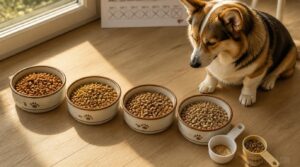
Switching foods overnight invites gut chaos. Follow gradual mixing ratios: 75/25 old-to-new on day one, 50/50 by day two, 25/75 day three, then 100% new by day four. While your Corgi adjusts to new meals, keep them distracted between feedings with a durable outdoor chew toy to ease transition-related restlessness.
Keep temperature and texture consistent for palatability. Track stool consistency and maintain caloric intake stability throughout. If your Corgi refuses meals or shows loose stools, slow down—stretch the dietary change to a full 10 days.
Monitoring Appetite Changes

How’s your Corgi’s appetite behaving day to day? Rate hunger and fullness on a 1-to-5 scale after meals. Watch for stress-induced cravings, sudden refusals, or medication-driven changes—all worth logging.
Poor sleep often raises evening hunger, so note sleep-appetite links too. Consistent tracking helps metabolic health and catches issues early. If patterns shift for over a week, consult your vet.
Frequently Asked Questions (FAQs)
How much food should a Cardigan corgi eat?
Think of it less as a fixed number and more as a moving target: daily needs shift with weight and activity, usually 400–800 calories. Use a kitchen scale, not measuring cups, since caloric density varies by brand and body condition changes with age.
How do you discipline a corgi?
Skip yelling or physical correction. Use positive reinforcement, redirecting nipping toward chew toys, and consistent cues everyone in the household follows. Reward calm behavior with treats, teach a quiet cue for barking, and pair discipline with a breed-specific diet supporting steady energy and focus.
What is a cute name for a corgi?
Even royalty needs a nickname: try playful food names like Waffles, or heritage-driven titles like Windsor.
Personality shines through Dash or Pebble, while short, hard-consonant sounds like Rex aid recall during training and daily feeding routines.
Are Cardigan Corgis healthy?
Generally yes, but with breed-specific risks: IVDD, hip dysplasia, progressive retinal atrophy, hypothyroidism, and urinary stones.
An individualized breed-specific diet plus preventative veterinary care and regular screening help you catch problems early and keep your Cardigan thriving for years.
What is the best dog food for Welsh corgis?
Look for a breed-specific diet meeting AAFCO nutritional adequacy standards, with high-quality animal protein first, balanced micronutrients, and life-stage appropriate calories.
Cardigan Welsh Corgis need formulas matching their breed-specific metabolism, joint support nutrients, and portion control to prevent obesity-related strain.
What do cardigan Welsh corgis eat?
Funny enough, a Cardigan’s diet mirrors its low, long build: protein-rich foundations from chicken or fish, complex carbs like sweet potato, fresh water always available, toxic foods like grapes avoided, and meals timed to breed-specific diet needs.
What is the healthiest diet for a Corgi?
The healthiest diet balances bioavailable nutrient density with quality animal protein, controlled fat, and joint-support nutrients. Choose foods with named meat sources, proper essential amino acid profiles, and caloric density management suited to your Corgi’s breed-specific metabolism and activity level.
Why are cardigan Corgis so rare?
Blame low registration numbers, Pembroke market competition, and concentrated breeding in Wales. Historical population bottlenecks limited genetic diversity, and breeders favor Pembrokes for demand. Fewer Cardigan litters mean longer waits and pricier puppies for interested owners.
How often should treats be given to Corgis?
Ever wonder how many treats is too many? Keep treats under 10 percent of daily calories. Use small, low-calorie rewards for training, track your treat budget, and watch for weight gain to adjust portions and prevent obesity over time.
What foods should be avoided due to allergies?
Avoid beef, dairy, wheat, egg, and soy—common allergen triggers causing itching or loose stools. Check labels for hidden ingredients like whey or gluten.
Choose limited-ingredient diets for sensitive stomachs, and watch for cross-contact risks in treats too.
Conclusion
You don’t need a fancy label to feed well; you need a formula that matches your dog’s frame. That’s the real standard behind the best dog food for cardigan welsh corgis.
Check the calorie count, confirm joint-support ingredients, and watch the scale every month. A corgi’s spine doesn’t forgive excess weight, but it rewards consistent, informed feeding with years of comfortable movement.
Small choices at mealtime become your dog’s long-term mobility.
- https://gorocketo.com/best-raw-dog-food-for-cardigan-welsh-corgi-in-uk
- https://openfarmpet.ca/blogs/news/best-dog-food-for-corgis
- https://www.dogfoodadvisor.com/best-dog-foods/corgis
- https://www.purina.com/dogs/dog-breeds/pembroke-welsh-corgi
- https://lapetitelabs.com/pages/corgi-obesity-joint-load-and-coat-blowouts-in-dogs