This site is supported by our readers. We may earn a commission, at no cost to you, if you purchase through links.
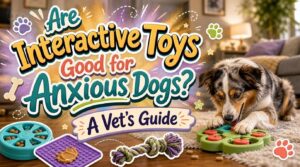
Around 72% of dogs exhibit anxiety-related behavior, such as destructive chewing, incessant barking, or pacing. Most owners initially try increasing exercise, offering more affection, or turning to online searches for solutions. What often goes unmentioned—yet deserves priority—is the impact of giving anxious dogs a purposeful outlet for their energy.
Interactive toys address anxiety on a clinical level: puzzle-solving boosts dopamine, repetitive licking reduces cortisol, and scent work redirects focus from stressors. These activities engage a dog’s natural instincts, disrupting the cycle of nervousness in ways superficial fixes cannot.
The right toy, tailored to a dog’s size and specific triggers, can shift the nervous system more effectively than a routine walk. By aligning play with a dog’s needs, owners transform anxiety into productive engagement.
Table Of Contents
Key Takeaways
- Interactive toys reduce dog anxiety through real biology — puzzle-solving boosts dopamine, licking lowers cortisol, and scent work redirects a nervous brain before the spiral starts.
- Matching the toy to your dog’s specific trigger matters more than picking the most popular option — a snuffle mat works differently from a lick mat, and the wrong choice can add stress instead of easing it.
- Toys have a ceiling: they handle mild to moderate anxiety well, but self-injury, escalating fear, or sudden aggression are signs you need a vet, not a new puzzle.
- Safety basics — the right size for your dog’s mouth, supervision on first use, and tossing anything cracked or torn — keep anxiety relief from becoming a hazard.
Are Interactive Toys Good for Anxiety?
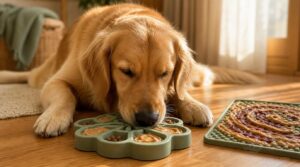
If your dog paces, whines, or chews things they shouldn’t, an interactive toy might do more good than you’d expect.
These toys tap into your dog’s natural instincts to problem-solve, and understanding how interactive dog toys actually work can help you pick the right one for your pup’s needs.
Research shows that mental engagement — the kind that comes from sniffing, licking, or solving — can calm the nervous system in real, measurable ways. Here’s what the evidence says, and where toys actually help.
How Interactive Toys Redirect Anxious Energy
When your dog is anxious, their brain is basically spinning its wheels — and interactive toys give that energy somewhere useful to go. Think of it as focus shifting in action: snuffle mats pull attention into scent-based searching, while treat dispensers break the experience into small, solvable tasks. Incorporating food‑stuffed toys redirect focus can further calm a nervous dog.
These toys achieve this through several mechanisms:
- Task fragmentation keeps dogs working in short, manageable bursts
- Sensory distraction through smell and texture interrupts anxious thought loops
- Structured play channels restless energy into purposeful behavior
Why Mental Stimulation Can Reduce Stress Behaviors
Mental stimulation benefits for anxious dogs go deeper than simple distraction. Solving a puzzle toy triggers dopamine release and lowers cortisol — the same stress hormone that fuels pacing and frantic barking. That predictable reward cycle also builds impulse control over time, training your dog’s brain to pause and problem-solve rather than react.
Sensory focus and energy channeling work together here, quietly rewiring the anxiety loop from the inside.
Benefits for Separation Anxiety, Boredom, and Nervous Habits
Cortisol-lowering effects carry real weight across three common struggles—separation anxiety, boredom, and nervous habits. A treat-dispensing toy placed away from the door creates a focused attention shift, reducing door fixation and turning calm departure cues into predictable routine reinforcement.
Licking and sniffing patterns replace pacing. That is how interactive dog toys quietly deliver separation anxiety solutions through mental stimulation for dogs.
When Toys Help and When Anxiety Needs Professional Support
Toys work well for mild, manageable anxiety — but they’ve real limits. If you’re using toys to ease dog anxiety and still seeing these red flag behaviors, it’s time to call your vet:
- Self-injury from frantic chewing or escape attempts
- Escalating anxiety despite consistent enrichment routines
- Aggression, guarding, or sudden fear-based reactions
Behavioral therapy for dogs, paired with veterinary expert recommendations, closes the gap toys can’t.
Best Toy Types for Anxious Dogs
Not all toys are created equal — especially when anxiety is part of the picture. The right type can make a real difference, while the wrong one might just add to the chaos.
Here are the six toy categories worth knowing about.
Puzzle Toys for Confidence-building
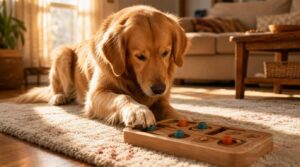
Think of puzzle toys as a tiny obstacle course for your dog’s brain — one that ends with a win every time. Each solved step delivers a small hit of endorphins, reinforcing calm, confident behavior through built-in success reinforcement cues. That’s how puzzle toys reduce canine stress: not through distraction, but through genuine achievement.
| Puzzle Toy Feature | Confidence Benefit |
|---|---|
| Beginner sliding compartments | Builds initial self-efficacy milestones |
| Gradual difficulty escalation | Strengthens problem solving sequencing |
| Treat rewards per stage | Reinforces goal-oriented focus |
| Multi-step challenges | Tracks dog confidence building over time |
| Rotating toy variety | Prevents plateauing, sustains engagement |
Veterinary expert recommendations for dog anxiety consistently support starting simple — then slowly raising the bar.
Starting with basics like warmth and routine lays the groundwork, and resources like this puppy care guide for early development can help you build from there.
Treat-dispensing Toys for Separation Anxiety
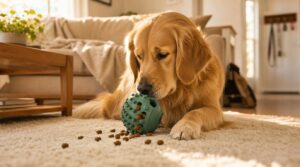
When your dog panics at the sight of your keys, treat-dispensing toys can quietly shift that pattern. A gradual release rate keeps them working — and thinking — instead of spiraling. These toys offer a focused, calm activity to redirect their energy.
Treat size adjustment and difficulty progression allow for fine-tuned engagement tailored to your individual dog. This customization ensures sustained interest and mental stimulation, preventing disengagement.
Paired with departure cue training, these tools become genuine separation anxiety solutions. They provide veterinary expert-backed, reward-based desensitization, transforming distress into productive focus through structured, calming interaction.
Snuffle Mats for Calming Scent Work

Snuffle mats tap directly into your dog’s foraging instincts — and this nose work focus is surprisingly powerful for anxiety relief. Hiding treats at varying depths (treat density variation) keeps the brain engaged without overwhelming it. Place the mat in a quiet spot away from foot traffic for best results.
With calm cue training and gradual difficulty progression, snuffle mats become a reliable, soothing routine.
Lick Mats for Soothing Repetitive Licking
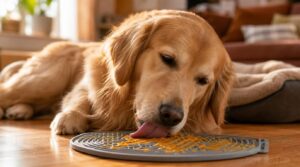
Repetitive licking isn’t just a quirk — it’s a built-in stress valve. Lick mats for calming work by triggering an endorphin boost through sustained, rhythmic licking across texture layers of raised ridges and bumps. That repetitive motion redirects anxious energy fast.
To maximize lick mat benefits for dog anxiety relief:
- Spread plain yogurt or pumpkin puree as low-fat options
- Freeze toppings to extend the calming session
- Use non-slip placement on a stable floor surface
- Rotate flavors to keep it interesting
- Supervise first use to confirm safe interaction
These calming dog toys and interactive dog toys work best when made part of a predictable routine.
Comfort Toys for Puppies and Newly Adopted Dogs

A new puppy or freshly adopted dog is basically running on anxiety — everything smells wrong, sounds unfamiliar, and the litter is gone. Comfort toys bridge that gap, easing the transition to a new environment.
The Snuggle Puppy Heartbeat Toy uses warmth simulation and a soothing heartbeat to mimic a littermate’s presence. Its lightweight cuddle design, removable heat pack, and reinforced seams make it a practical first-night essential among puppy anxiety relief tools.
Chew Toys for Stress Relief and Redirection
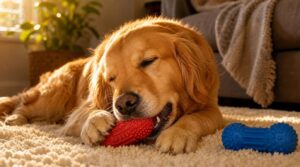
Chewing isn’t just a habit — it’s biology. Mastication hormone modulation is real: chewing lowers cortisol and triggers chew-induced endorphins, calming an anxious dog from the inside out.
Chewing is biology: it lowers cortisol and floods an anxious dog’s system with calming endorphins
Durable rubber choices like the KONG Classic Dog Toy and Nylabone EasyHold Power Chew Toy serve as a reliable dog chew anxiety outlet. Stuff them for treat-stuffing length — longer engagement, less stress.
Top 5 Interactive Toys for Anxiety
Not every toy earns a place in an anxious dog’s life — some are just noise, and some actually help.
The five options below have solid backing from vets and behaviorists, and they cover a range of anxiety triggers. Here’s what’s worth your attention.
1. SmartPetLove Snuggle Puppy Heat Pack
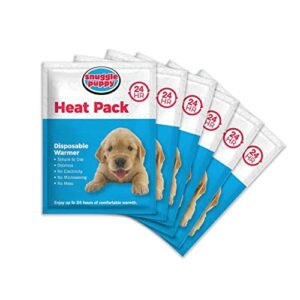
If your puppy struggles with nighttime restlessness, the SmartPetLove Snuggle Puppy Heat Pack is worth keeping on hand. Each disposable pack activates within 30 minutes of air exposure — no microwave, no cords — and delivers up to 24 hours of steady warmth.
The iron-based, odorless formula won’t interfere with your dog’s scent sensitivity, and it tucks neatly into the toy’s underside pocket.
Sold in 6- or 12-packs, they’re practical for ongoing crate training or travel situations where consistency really matters.
| Best For | Pet owners using Snuggle Puppy toys to calm anxious puppies or kittens during crate training, travel, or nighttime settling. |
|---|---|
| Primary Use | Warmth supplement |
| Material Safety | Non-toxic, natural |
| Anxiety Relief | Soothes via warmth |
| Supervision Needed | Yes |
| Washable | No, disposable |
| Chewer Suitability | Not applicable |
| Additional Features |
|
- All-natural, non-toxic ingredients — safe around pets and people, and odorless so it won’t bother your dog’s nose.
- No cords, no microwave needed — just open the pack and it warms up on its own within 30 minutes.
- Flexible use beyond pet toys — works great as a disposable hand warmer for skiing, snowboarding, or other cold-weather activities.
- Heat duration can fall short of the 24-hour claim, especially in cold outdoor environments.
- Single-use only, so costs add up over time compared to a reusable warmer.
- A small number of packs may fail to activate at all, which can be frustrating when you need them most.
2. Snuggle Puppy Original Heartbeat Heat Pack
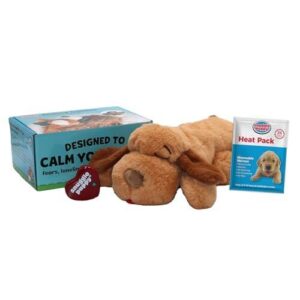
The heat pack covers warmth — but warmth alone isn’t always enough. That’s where the Snuggle Puppy Original steps in.
This 12-inch plush toy pairs a removable heat pack with a battery-powered heartbeat module that pulses at a rhythm mimicking a mother dog’s heartbeat. Research backs this up: the simulated pulse genuinely soothes separation anxiety in newly adopted puppies.
The Velcro closure keeps everything secured inside, and once you remove both components, the plush is machine-washable — practical for the long haul.
| Best For | New puppy owners struggling with those first rough nights — especially pups showing signs of separation anxiety or crate resistance. |
|---|---|
| Primary Use | Anxiety comfort toy |
| Material Safety | Non-toxic polyester |
| Anxiety Relief | Heartbeat and warmth |
| Supervision Needed | Yes |
| Washable | Yes, machine washable |
| Chewer Suitability | Light to moderate |
| Additional Features |
|
- The heartbeat module actually mimics a mother dog’s pulse, which can make a real difference for anxious pups settling into a new home.
- Both the heat pack and heartbeat unit are removable, so the plush can go straight in the washing machine — no fuss.
- Works beyond just the first night; great for crate training, travel, or boarding situations too.
- The included heat pack is a one-time-use disposable, so you’ll need to keep buying replacements if you use the warmth feature regularly.
- Batteries won’t last forever, and the heartbeat sound is noticeable enough that light-sleeping owners might find it a little annoying at night.
- Heavy chewers can eventually work through the stitching, and some dogs simply don’t care about the heartbeat or heat at all.
3. Outward Hound Hide A Squirrel Puzzle
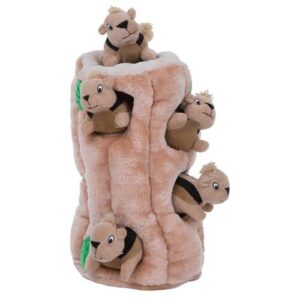
Not every anxious dog needs warmth — sometimes they need a job to do. The Outward Hound Hide A Squirrel Puzzle gives them exactly that.
Your dog roots through a soft plush trunk to find six squeaky squirrels tucked inside, which triggers problem-solving and rewards curiosity with a satisfying squeak. That kind of mental work genuinely lowers stress hormones.
At 12.6 inches and $21.99, it’s a low-cost way to redirect nervous energy — though it’s best reserved for gentle chewers only.
| Best For | Dogs who get bored or anxious easily and need mental stimulation — especially light to moderate chewers who enjoy sniffing, searching, and playing fetch or tug. |
|---|---|
| Primary Use | Mental enrichment toy |
| Material Safety | Non-toxic polyester |
| Anxiety Relief | Hide-and-seek play |
| Supervision Needed | Yes |
| Washable | Not specified |
| Chewer Suitability | Light to moderate |
| Additional Features |
|
- Six squeaky squirrels keep dogs busy and mentally engaged, which can help curb boredom-driven behavior
- Soft plush makes it doubles as a comfort toy — great for dogs who like to carry things around
- At $21.99, it’s an affordable way to add enrichment without breaking the bank
- Not built for aggressive chewers — the fabric and squeakers won’t last long with a heavy chewer
- Small parts like squeaker inserts and squirrel tails can become choking hazards if the toy gets damaged
- Needs regular check-ins to make sure nothing’s torn or loose, so it’s not a leave-alone toy
4. PAW5 Interactive Dog Snuffle Mat

If your dog’s anxiety runs nose-first, the PAW5 Wooly Snuffle Mat might be the better fit. Sniffing is genuinely exhausting for dogs — research suggests ten minutes of scent work rivals a full hour’s walk for mental fatigue.
This 12×18-inch handmade cotton mat hides kibble deep in its dense, grass-like fibers, turning mealtime into calming foraging work.
It’s machine-washable, non-toxic, and doubles as a slow feeder — useful if your dog gulps food when stressed.
| Best For | Dogs with anxiety or high foraging instincts who need mental stimulation and slower eating habits. |
|---|---|
| Primary Use | Foraging enrichment mat |
| Material Safety | Organic cotton |
| Anxiety Relief | Sniffing and foraging |
| Supervision Needed | Yes |
| Washable | Yes, machine washable |
| Chewer Suitability | Light to moderate |
| Additional Features |
|
- Dense cotton fibers hide kibble well, turning meals into a satisfying sniff-and-find challenge
- Machine-washable and made from non-toxic organic cotton — easy to keep clean and safe
- Doubles as a slow feeder, helping dogs that gulp food and end up with digestive issues
- Too small for large or very active breeds, and bigger sizes aren’t available
- Some dogs just won’t take to foraging — if your dog prefers a bowl, this may collect dust
- Takes several hours to dry after washing, which can be a hassle for daily use
5. Hyper Pet IQ Lick Mat
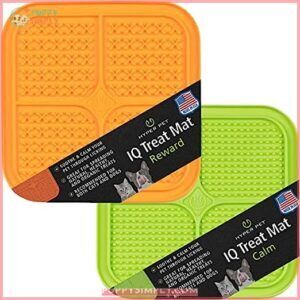
Licking is one of the most naturally soothing behaviors a dog can do — and the Hyper Pet IQ Lick Mat puts that to work. Spread a little peanut butter or pumpkin puree across its textured, food-grade PET surface and watch anxious energy dissolve into focused, repetitive licking. That action triggers endorphin release, which genuinely calms the nervous system.
Freeze it for longer sessions. It’s dishwasher-safe, lightweight, and compact — though skip it for heavy chewers, since the flexible material won’t hold up to gnawing.
| Best For | Dogs and cats at any life stage who need mental stimulation, slower eating, or a calming activity — especially anxious or rescue pets. |
|---|---|
| Primary Use | Lick enrichment pad |
| Material Safety | Non-toxic PET |
| Anxiety Relief | Licking and focus |
| Supervision Needed | Yes |
| Washable | Yes, top-rack dishwasher |
| Chewer Suitability | Light to moderate |
| Additional Features |
|
- Freeze it with peanut butter or yogurt and it keeps your dog busy way longer than a regular bowl
- The ridged texture actually helps scrape the tongue, so it pulls double duty as a little dental tool
- Lightweight and easy to toss in your bag — great for travel or vet visits when you need a distraction
- No suction cups or grip on the bottom, so it’ll scoot around on hardwood or tile floors
- Aggressive chewers can tear into the edges pretty easily, so it needs supervision with determined pups
- Thick spreads get stuck in the grooves, and the dishwasher can warp it — so plan on hand-washing if you want it to stay flat
Choosing Safe Anxiety-Relief Toys

Finding the right toy isn’t just about what looks fun — it’s about what’s actually safe for your specific dog.
Size, chewing habits, and even calorie intake all factor into the decision. Here’s what to keep in mind before you buy.
Match Toys to Your Dog’s Size
Size matters more than people realize. A toy that fits completely inside your dog’s mouth is a choking hazard — full stop. Follow these Muzzle Fit Rules and Breed Size Profiles to stay safe.
- Small breeds (under 20 lb): 3–5 inch toys
- Medium dogs (20–50 lb): 5–8 inch toys
- Large dogs (50–90 lb): 8–12 inch toys
- Puppies: choose slightly larger, accounting for growth and developmental stages
- Seniors: reassess toy length limits as jaw strength changes
Size your toys right, and anxiety relief stays safe.
Choose Based on Chewing Strength
Your dog’s bite strength rating should drive your toy choice just as much as size does. A heavy chewer can destroy a plush toy in minutes — and the pieces become a hazard fast. Natural rubber withstands serious chewing, while soft fabric suits gentle chewers.
Monitor for wear after the first session, and swap out toys if you spot deep indentations.
Dental safety depends on it.
Start With Beginner-friendly Difficulty
Think of it like learning a new language — you don’t start with Shakespeare. Gradual difficulty matters here. Choose toys with easy loading, clear single-skill focus, and predictable rewards so your dog succeeds fast.
Short sessions of just a few minutes prevent overwhelm. This approach ensures your dog stays engaged without stress.
Interactive dog toys work best when anxiety stays low from the start, building quiet confidence one small win at a time.
Supervise First Use With Anxious Dogs
First use is a test run — for your dog and the toy. Follow these safe usage guidelines from the start:
- Set a calm setup: quiet room, no competing pets, familiar surface.
- Watch for stress signals like freezing, head-turning, or frantic scratching.
- Keep sessions short — five minutes max initially.
Gradual exposure builds trust. If distress repeats, consult a veterinary expert.
Rotate Toys to Prevent Boredom
Rotating your dog’s toys every one to two weeks—swapping textures, shapes, and difficulty levels—prevents habituation and keeps anxiety-relief tools effective. Store off-rotation toys out of sight, then reintroduce them like something new.
Watch for reduced play initiation; this is the clearest behavioral sign a rotation is overdue.
Clean Treat-based Toys Regularly
Rotating toys keep things fresh, but don’t overlook what’s inside them. Emptying residue immediately after each use is the first step — sticky treat buildup in crevices quickly becomes a bacterial breeding ground.
Material-specific washing matters: machine-washable fabric mats, food-grade rubber, and BPA-free material toys go in the dishwasher. Always finish with pet-safe rinsing and complete air-drying.
Cleaning frequency? Weekly for dry treats, after every use for wet ones.
Replace Damaged Toys Immediately
Cleaning keeps toys safe — but so does knowing when to toss them. A quick damage inspection after each session takes seconds and can prevent a real problem. Here’s what warrants immediate disposal:
- Sharp edges from cracked rubber or plastic
- Loose or detached hardware components
- Torn seams exposing stuffing or electronics
- Broken joints that could shed small pieces
- Any structural failure affecting safe usage
Don’t deliberate on repair decision timing when sharp edge prevention is the issue — if it’s broken and hazardous, it goes in the bin.
Adjust Food Portions for Treat-filled Toys
Tossing a damaged toy is easy — recalibrating your dog’s meals after adding treat-filled toys takes a little more intention. Keep treats to roughly 10 percent of daily calories, then reduce the main meal portion to match.
Weigh those treats rather than eyeballing — especially if you have a food-motivated Labrador. Low-calorie treats stretch the budget further across multiple puzzle toy sessions without the calorie creep.
Frequently Asked Questions (FAQs)
What is the 3-3-3 rule for dog anxiety?
The 3-3-3 rule breaks your dog’s adjustment into three structured phases: Decompression Phase (3 days), Routine Building (3 weeks), and Trust Integration (3 months) — each building gradually toward calm, confident settling.
How do I know my dogs anxiety is improving?
Watch for calm body language, reduced barking, and improved sleep. Keep a progress journal to track baseline metrics over time — small, consistent shifts signal real dog anxiety reduction.
At what age should puppies start using puzzle toys?
Most puppies are ready for their first puzzle toy around six weeks of age — a natural developmental stage.
Keep sessions short and the challenge simple.
Always match the toy to your puppy’s teething stage and attention span.
Can interactive toys help dogs with trauma histories?
Trauma-informed play requires low pressure, no forced interaction. Gradual exposure helps build trust.
Pairing safety cues with favorite treats makes new toys feel less threatening over time.
How long should anxious dogs play with toys daily?
Think of toy time like medicine — the dose matters. Aim for two to three sessions of 10 to 20 minutes daily, totaling roughly 20 to 60 minutes of calibrated playtime with dog anxiety toys.
Conclusion
Think of an interactive toy as a pressure valve—something that lets the tension out before it builds into a storm. When you match the right toy to your dog’s triggers, you’re not just keeping them busy; you’re giving their nervous system a job it can actually complete.
Consistently and clinically, yes: interactive toys are good for anxious dogs. The right toy won’t replace your presence, but it will make the quiet moments far less frightening.
- https://pupford.com/blogs/all/science-behind-mental-enrichment-dogs?srsltid=AfmBOoq_vs34HkaBUJqivmKVm6-y6AcsYSCKFXfWGUiD9bmz2_jcGO3Y
- https://primepaw.com/news/canine-enrichment-how-toys-and-puzzles-help-your-dogs-mental-health/
- https://www.kaninesocial.com/post/the-mental-health-benefits-of-playtime-for-dogs
- https://shopyomp.com/blogs/magazine/how-interactive-dog-toys-can-improve-your-dogs-behavior-and-mental-health?srsltid=AfmBOooAqdOP_KA1dBKokw22gSkeXrZTxCBraKbja1ID0hsHdj2a8LFv
- https://www.freezbone.com/blogs/news/separation-anxiety-in-dogs-how-stimulating-toys-can-help?srsltid=AfmBOorgCpgBUU6RErE5m5pa3dObsVWhPl6D49ggDbOI3j1kmi3opIni