This site is supported by our readers. We may earn a commission, at no cost to you, if you purchase through links.
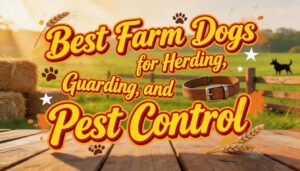
A good farm dog earns its keep before breakfast.
The wrong one costs you livestock, sleep, and patience—sometimes all three before noon.
After years training working dogs on properties ranging from small hobby farms to sprawling cattle operations, the pattern stays consistent: breed choice makes or breaks how smoothly a farm runs.
A Border Collie doesn’t think like a Great Pyrenees.
A Rat Terrier won’t patrol 200 acres.
Matching the best farm dogs to your land, your animals, and your workload changes everything—and that’s exactly what this breakdown helps you do.
Table Of Contents
- Key Takeaways
- What Makes The Best Farm Dogs
- Best Herding Farm Dogs
- Best Livestock Guardian Dogs
- Best Pest Control Farm Dogs
- Choosing The Right Farm Dog
- Frequently Asked Questions (FAQs)
- What is the best farm dog to have?
- What is the 7 7 7 rule for dogs?
- Which dog breed is best for a farm house?
- What is considered the best farm dog?
- What is the best all around farm dog?
- What’s the best non-herding farm dog breed?
- What is the best dog to have on a farm?
- What kind of dog will keep coyotes away?
- What is the easiest farm dog to train?
- What is the best farm dog that won’t run away?
- Conclusion
Key Takeaways
- The main point is simple: the best farm dog depends on the job, because herding, guarding, and pest control each require different instincts, size, stamina, and working style.
- Border Collies, Australian Cattle Dogs, Australian Shepherds, and Corgis stand out for herding, with each fitting different stock types, farm sizes, and handling needs.
- Great Pyrenees, Anatolian Shepherds, Maremmas, Komondors, and Kuvasz are built for livestock protection, especially on larger properties with real predator pressure.
- Good results come from matching the breed to your land and workload, then backing that choice with early training, socialization, health screening, and realistic daily management.
What Makes The Best Farm Dogs
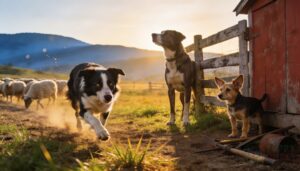
The best farm dogs aren’t just tough—they fit the job, the land, and the people handling them. A good one needs the right mix of stamina, brains, steady nerves, and a build that suits your setup.
For those drawn to that perfect balance of drive and versatility, the blue merle Australian Shepherd stands out as a breed that genuinely earns its place on working land.
Here’s what to look for before you choose a dog for life on the farm.
Work Drive and Daily Stamina
Because farm work doesn’t run on short bursts, you need a dog with real energy and stamina. Good Exercise Scheduling, Energy Management, Endurance Training, and Recovery Strategies keep dog stamina steady all day. Motivation Techniques matter too, especially in breeds with herding instinct or high prey drive.
A guard dog should patrol for hours, then settle and watch calmly without fading.
German Shepherds are prized for their high intelligence and strong jaws, making them excellent for pest control.
Intelligence and Trainability
Stamina means little if the brain quits early. You want dog intelligence and working dog traits that hold up under pressure.
- Learning Speed, Command Retention, and Adaptive Thinking
- Problem Solving and Cognitive Flexibility in real chores
- dog training, obedience training, and pack leader training give smart breeds clear jobs. Border Collies learn fast; cattle dogs solve alone well for you.
Protective Instincts Without Instability
Brains matter, but steady nerve matters more. The best dog temperament shows Calm Alertness, not chaos.
Good guard dogs need Territorial Patrolling, Stable Bonding, Controlled Independence, and Trustworthy Responses.
That keeps protective instincts useful around stock, family, and strangers.
Even herding dogs or a pest control dog should warn first, think clearly, and stay on the job when pressure hits.
Climate Tolerance and Coat Type
Steady nerves help, but the coat has to finish the job. Double Coat Insulation provides Heat Dissipation and Cold Adaptations, while a Water Repellent Guard keeps skin drier in rain and snow.
Seasonal Shedding is normal, not a flaw.
Match heat tolerance, cold tolerance, and weather tolerance to ground, whether you need a cold climate dog or heat‑tolerant dog.
Size, Strength, and Terrain Fit
Because dog size and weight decide how a worker moves, terrain adapted breeds matter.
- Open Pasture Coverage: big livestock guard dogs with Cold Climate Bulk.
- Rugged Terrain Agility and Steep Slope Stability: medium herding dogs.
- Compact Maneuverability: short dogs for tight pens and varmint catching.
Fit rough pasture, narrow lanes, and remote acreage better than one-size-fits-all picks ever really do.
Family Compatibility on Working Properties
While work comes first, a good family farm dog stays sensible around kids and stock. Early Child Interaction, Human Handling Balance, Bonding Through Work, Safe Play Areas, and Routine Health Checks protect family safety with farm dogs.
That way, the worker switches off at home and clocks in outside.
| Need | Why |
|---|---|
| herding dog | guided |
| guard dog | watchful |
| pest control | focused |
Best Herding Farm Dogs
Good herding dogs don’t just move stock—they read pressure, hold ground, and keep working when the day gets long. The right breed depends on what you raise, how much land you cover, and how hands‑on you want to be.
Smaller or more delicate breeds, like those covered in this guide to teacup and miniature doodle temperament and care, may struggle with the physical and weather demands of a full day on the range.
Here are the herding farm dogs that stand out for real work.
Border Collie
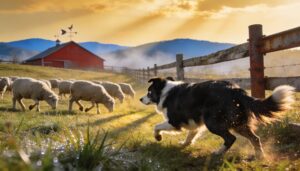
Need a farm dog that reads sheep like smoke on the wind?
The Border Collie is the standard herding dog, using a Silent Gaze and Pear-Shaped Outrun for clean control at distance. It’s no true guard dog or pest control terrier.
Smart buyers check Hip Dysplasia Screening, Collie Eye Anomaly, and other Longevity Factors before choosing one for real farms.
Australian Cattle Dog
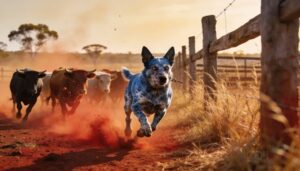
Built like a pocket tank, the Australian Cattle Dog turns pressure into clean herding.
- Australian Outback Roots bred for heat and rough ground.
- Heel Work Technique moves stubborn cattle without fancy fuss.
- Compact Athletic Build manages long days.
- Independent Decision-Making suits big country.
- Kaleski Standardization helped preserve a reliable farm dog for herding, light guard dogs duty, and pest control.
Australian Shepherd
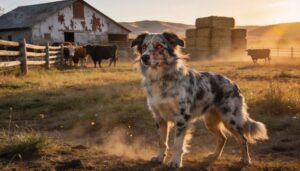
Think cowboy smart: the Australian Shepherd is a ranch-bred farm dog with Rodeo Heritage, sharp herding instincts, and enough stamina for Agility Competition or long pasture days.
Blue Merle Pattern turns heads; Mental Enrichment keeps brains busy and curbs Herding Children.
| Trait | Use | Note |
|---|---|---|
| Drive | guard dogs | pest control |
| Style | loyal | athletic |
Reserved with strangers, but close with your people.
German Shepherd
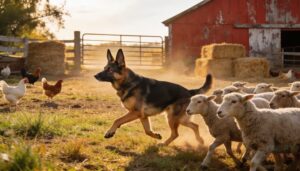
Want one dog that can clock in all day? The German Shepherd brings Breed History, brains, herding instincts, livestock protection, and Alertness to Intruders to mixed farms.
- High Energy Levels
- Strong Dog training for farms
- Moderate Noise Sensitivity
- Prioritize Health Screening, plus light pest control
It listens closely, stays loyal, and manages long days better than many flashy breeds outdoors.
Pembroke Welsh Corgi
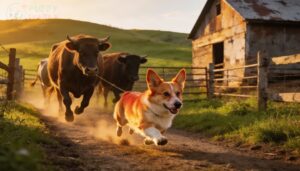
Don’t let the low-set stature fool you. The Pembroke Welsh Corgi spent centuries moving cattle in Wales, nipping heels and staying under kick range.
That fox-like frame, weighing around 22 to 30 pounds, packs real work ethic.
Just stay on top of weight management and spine health.
Bobtail genetics aside, this vocal watchdog earns its keep on smaller farms.
Best Picks for Cattle, Sheep, and Small Farms
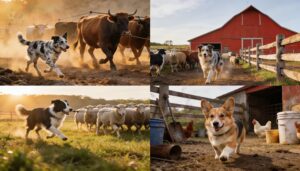
So, which herding dog actually fits your farm? Here’s a quick breakdown:
- Cattle farms: Australian Cattle Dog — compact, tireless, built for terrain compatibility on tough ground
- Sheep operations: Border Collie — outstanding sheep guardian traits and precision
- Mixed small farms: Australian Shepherd — manages multiple livestock types comfortably
- Tight budgets and small acreage: Pembroke Welsh Corgi — surprisingly small farm fit with a big work ethic
Best Livestock Guardian Dogs
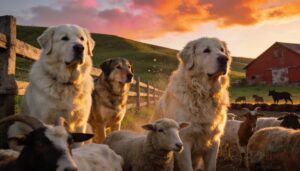
Livestock guardian dogs don’t just protect your animals — they live with them, think for themselves, and hold the line when you’re nowhere near the pasture. Getting the right breed matched to your land and predator threats makes all the difference.
Livestock guardian dogs don’t just protect your animals — they live with them, think for themselves, and hold the line when you’re away
top livestock guardian dogs worth knowing.
Great Pyrenees
The Great Pyrenees is the benchmark of livestock guard dogs. These dogs excel at night patrol barking, warning off coyotes and foxes before trouble starts. Their independent judgment means they don’t need you watching over them.
Start the livestock bonding process young, and they’ll claim your flock as their own. Just plan for seasonal coat shedding — it’s serious.
Pairing guard dogs across larger acreage gives you better coverage.
Anatolian Shepherd
If the Great Pyrenees is the night watchman, the Anatolian Shepherd is the serious security professional. Rooted in Historical Landrace Roots from Turkey, this livestock guardian was built for Territorial Independence — patrolling without waiting for your instructions.
Males hit 150 pounds, so Handling Large Breeds matters early. Plan for Fencing Requirements and Seasonal Shedding.
Experienced owners only.
Maremma Sheepdog
Born in the Italian mountains, the Maremma Sheepdog is a true livestock guardian dog — not a herding dog, not a pest control breed. Flock Integration is everything here. This dog lives with your sheep, owns that ground through Territorial Patrolling, and makes calls on its own through Decision Independence.
- Thick white coat endures harsh winters
- Nighttime Vigilance keeps predators honest
- Bonds for life with your flock
- Breed Origin built for remote, rugged work
Komondor
If you’ve never seen a Komondor, that corded coat stops you cold — it looks like a walking mop, but don’t let that fool you. This Hungarian Heritage livestock guard dog means business. With Independent Decision-Making baked in, it doesn’t wait for your call. Territorial Vigilance runs 24/7.
| Trait | Detail | Farm Fit |
|---|---|---|
| Size Adaptability | Males 100+ lbs, 27.5"+ tall | Large pastures |
| Corded Coat Grooming | Cords form by 12 months | Cold, wet climates |
| Guard Style | Works solo, suspicious of strangers | Remote properties |
Kuvasz
The Kuvasz carries a Royal Guard History straight out of Hungarian courts — and that same confident, independent decision-making now works overtime on your pasture. This large guard dog tops out near 115 pounds, with White Coat Visibility making it easy to spot across open fields.
Energy Level Balance keeps it active but not overwhelming, and Medium Grooming Needs won’t drain your schedule.
Why the Kuvasz works as a livestock guardian dog:
- Protectiveness rated 5 out of 5 — serious Livestock Guarding and Predator Deterrence
- Trainability rated 5 out of 5 — picks up farm tasks fast
- Independent decision-making suits remote or unsupervised land
- Sturdy, well-muscled build navigates rough terrain without slowing down
- Combines Herding and guard dog functions with calm, steady temperament
Choosing for Predator Pressure and Remote Acreage
Predator pressure and remote acreage change everything.
For wide-open country, Anatolian Shepherds handle perimeter patrolling better than most — they’re built for it.
Match pack density to your land: one dog per 100 heads is a starting point, but add another if predator species like coyotes or mountain lions are active nearby.
Strong fencing strategies and early remote bonding keep your livestock guarding and predator deterrence working around the clock.
Best Pest Control Farm Dogs
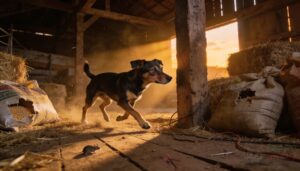
Rodents can quietly wreck a barn — chewing through feed bags, wiring, and wood before you even notice the damage. The right terrier or hunting breed will deal with that problem faster than any trap.
Here are the best pest control dogs that earn their keep on a working farm.
Rat Terrier
The compact build powerhouse is a compact build that punches well above its weight class. Weighing just 10 to 25 pounds, this farm dog was born for barn work—sliding into tight spaces where rats hide.
Its strong prey drive keeps it locked on vermin.
The affectionate nature and coat color variety are bonuses. Just keep up with health screening, and you’ve got a long-lived, loyal pest control partner.
Jack Russell Terrier
Few dogs earn their keep like the Jack Russell Terrier. With fox hunting roots stretching back 19th-century England, this compact working dog was built to solve problems underground.
- Burrow chasing ability — digs out rats and mice from tight barn crevices
- Vocal alertness — signals pest activity before it becomes an infestation
- Independent problem solving — tracks and corners rodents without your direction
Just plan for serious energy management needs daily.
Airedale Terrier
Jack Russell is the scrappy apprentice, the Airedale Terrier is the foreman. Rightfully nicknamed the King of Terriers, this breed pioneered river rat hunting and riverbank hunting skills along Yorkshire’s Aire Valley.
Its Service Dog Legacy and Messenger Service History during WWI prove it’s more than a ratter — it’s a true multi-role farm dog with a guard dog bark that means business.
Fox Terrier
Where the Airedale runs the yard, the Fox Terrier owns the barn.
Don’t let the compact build fool you — this little ratter is wired for rapid bursts through tight corners and dark crawlspaces.
Its noise alertness triggers fast; prey instinct kicks in faster.
Smooth or wire coat, both varieties bring serious barn navigation skills and relentless varmint and pest control energy to any working farm.
Dachshund
Now meet the barn’s secret weapon — the Dachshund.
That long body and low stance weren’t designed for couches. Built for underground tracking ability and tight burrow work, a Dachshund’s long body flexibility lets it push through spaces no terrier can reach.
Pair that with serious prey drive, tenacity, and independent decision making underground, and you’ve got a natural rat exterminator handling small space navigation with zero fuss.
Best Ratting Breeds for Barns and Feed Areas
So which ratter fits your barn best? For tight corners and stacked feed, a Rat Terrier’s compact build and fast turns are hard to beat. Jack Russell Terriers bring quiet hunting focus and sturdy stamina for longer sessions.
The Fox Terrier and Miniature Pinscher round out a solid ratter lineup — low profile, relentless, and built for exactly this kind of work.
Choosing The Right Farm Dog
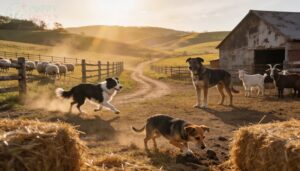
Picking the right farm dog isn’t just about finding a breed you like — it’s about finding one that actually fits your land, your livestock, and your workload.
The wrong match wastes time, creates problems, and frustrates both you and the dog.
Here’s what to think about before you bring one home.
Matching Breed to Farm Size
Farm size shapes everything. On small acreage, agile herders like Border Collies thrive — their speed-space balance keeps them sharp in tight quarters. mid-size farms need solid recall and endurance. Large ranches demand guard dog independence, where livestock guardians make decisions alone.
If you’re running multiple dogs, plan housing carefully. Don’t forget seasonal shelter needs — every working dog deserves proper cover year-round.
Choosing by Job: Herd, Guard, or Ratter
Think of this as task-driven selection — match the dog to the job, not the other way around. If predator mapping shows wolf or coyote pressure, you need a guardian.
Got barn constraints with rodent problems? Small breeds win there.
Herding and guarding livestock take different instincts entirely.
Your farm dog roles — protection, herding, and varmint control — should each have a purpose-built dog behind them.
Training and Socialization From Puppyhood
early social window — those first three months — shapes everything. Puppies exposed to livestock, equipment, and farm noise, early grow into steadier workers.
Use positive reinforcement techniques to build trust, not pressure.
Safe exposure strategies mean starting calm and controlled, not tossing a pup into a crowded pen.
Gradual livestock introduction, consistent routine building, and pack leader training set the foundation for reliable dog temperament on farm work.
Low-maintenance Vs High-drive Breeds
Not every dog belongs on every farm. Matching Energy Levels to your workload is the real starting point.
High-drive breeds like Border Collies need 2+ hours of daily activity, strong Training Consistency, and clear Farm Dog Roles. Low-maintenance dogs fit lighter duties with less Owner Commitment.
- Exercise Needs – High-drive dogs require 90–120 minutes daily or they get restless.
- Space Requirements – Guardian breeds with strong guarding instincts need wide patrol range.
- Pest Control Using Terrier Breeds – Terriers work tight barn spaces with minimal direction.
Health, Lifespan, and Grooming Demands
A healthy farm dog is a working farm dog. Small and medium breeds often give you 12 to 15 years, but giant guardian breeds run shorter.
Dental Care, Joint Health, and Nutrition Management matter more than most owners expect. Don’t overlook Parasite Prevention — ticks find every coat. Seasonal Shedding hits double-coated breeds hard.
Know your breed’s Genetic Health Issues before committing.
Best All-around Farm Dogs for Mixed Duties
Some dogs just do it all — and on a mixed farm, that’s exactly what you need. The best multipurpose working dogs on farms combine herding instinct, guarding drive, and solid handler communication without burning out.
- German Shepherds lead in task switching ability across protection, herding, and varmint control
- Australian Shepherds bring environmental adaptability and low health longevity concerns
- Belgian Malinois match intense mental stimulation needs with structured farm roles
- Catahoula Leopard Dogs thrive where breed temperament and energy levels for rural life demand bold, athletic workers
Frequently Asked Questions (FAQs)
What is the best farm dog to have?
There’s no single answer — the best farm dog depends on your setup.
Your livestock type, land size, predator pressure, and training commitment all matter when choosing the best farm dog breeds.
What is the 7 7 7 rule for dogs?
The 7 7 7 rule means exposing your pup to 7 new surfaces, 7 people, and 7 sounds by 7 weeks old — building the confident, balanced temperament every working farm dog needs.
Which dog breed is best for a farm house?
Like finding the right tool for the job, the best farmhouse breed depends on your main need.
For most farms, the German Shepherd balances protection, herding, and indoor comfort with steady temperament and trainability.
What is considered the best farm dog?
There’s no single best farm dog — it depends on your farm’s needs.
Temperament match, job type, and modern adaptability matter most when choosing the right farm dog breed for your property.
What is the best all around farm dog?
The German Shepherd wins for most mixed-duty farms. It herds, guards, and adapts — a true multipurpose farm dog breed.
Match it to your seasonal workload, and you’ve got an adaptable farm dog built to last.
What’s the best non-herding farm dog breed?
The Great Pyrenees wins this one. It guards livestock, deters predators with size and bark, and works independently — no herding instinct needed. For pure protection duty, nothing beats it.
What is the best dog to have on a farm?
There’s no single answer — it depends on your farm’s job. Border Collies own herding, Great Pyrenees dominate guarding, and Rat Terriers handle pest control. Match the breed to the work.
What kind of dog will keep coyotes away?
Think of a livestock guardian dog as a living fence.
Breeds like the Great Pyrenees use Deep Bark Deterrent, Independent Patrol Instinct, and Predator Scent Detection to keep coyotes off your land naturally.
What is the easiest farm dog to train?
Usually, the Border Collie is easiest to train because it craves work and reads you quickly.
With Positive Reinforcement, Early Socialization, Consistent Cueing, Mental Enrichment, and Exercise Integration, its dog obedience comes together steadily.
What is the best farm dog that won’t run away?
Bet your boots, a Maremma Sheepdog is the safest choice: Livestock Bonding, Territorial Loyalty, and Independent Guarding keep it home.
Still, Fence Dependence, Recall Reliability, and Training and Socialization for Farm Working Dogs matter most.
Conclusion
As the seasons change and your farm’s needs evolve, your dog’s role will change too. A good match today might not be the best fit tomorrow.
By understanding what makes the best farm dogs tick, you’ll be better equipped to adapt and thrive. Your land, your livestock, and your livelihood depend on it. Make informed choices, invest in proper training, and your farm dog will repay you tenfold with loyalty, hard work, and a partnership that lasts.