This site is supported by our readers. We may earn a commission, at no cost to you, if you purchase through links.
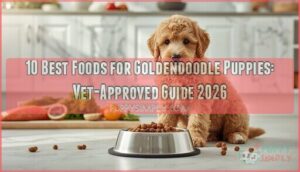
Your Goldendoodle puppy’s food bowl holds more power than you might realize—it shapes everything from the strength of their bones to the sharpness of their adult mind. During these first critical months, your puppy needs precise ratios of protein, fat, and minerals to support a growth rate that can double their weight in just weeks.
The right formula delivers amino acids for muscle development, DHA for cognitive function, and that essential 1.2:1 calcium-to-phosphorus ratio that keeps their skeleton growing strong without overtaxing their joints. But walk down the pet food aisle and you’ll face dozens of bags making bold promises, from grain-free to human-grade to breed-specific formulations.
I’ve evaluated the top options based on nutritional completeness, ingredient quality, and how well they meet the unique needs of Goldendoodles—a breed that blends two distinct genetic lines with their own dietary considerations.
Table Of Contents
- Key Takeaways
- Key Nutritional Needs for Goldendoodle Puppies
- Choosing The Right Dog Food Type
- Feeding Guidelines for Goldendoodle Puppies
- Managing Food Allergies and Sensitivities
- Supporting Healthy Growth and Development
- Top 10 Best Foods for Goldendoodle Puppies
- 1. Honest Kitchen Whole Grain Dog Food
- 2. Nutro Ultra Adult Dog Food
- 3. JustFoodForDogs Beef Dog Food
- 4. Open Farm Grain Free Dog Food
- 5. Blue Buffalo Adult Dog Food
- 6. Open Farm Senior Dog Food
- 7. Acana Wholesome Grains Dog Food
- 8. Blue Buffalo Digestive Care Dog Food
- 9. Portland Pet Food Fresh Dog Meals
- 10. Natural Balance Fat Dogs Low Calorie Dry Dog Food
- Special Considerations for Mini Goldendoodle Puppies
- Tips for Safely Switching Puppy Foods
- Frequently Asked Questions (FAQs)
- What brand of dog food is best for goldendoodles?
- What do vets recommend for goldendoodles?
- Is wet or dry food better for goldendoodles?
- What human foods are safe for goldendoodles to eat?
- How can I get my goldendoodle to gain weight?
- What treats are best for goldendoodles?
- How much exercise should a goldendoodle puppy get?
- How can I prevent fleas and ticks in my goldendoodle?
- How much water should goldendoodle puppies drink daily?
- Are homemade diets suitable for goldendoodle puppies?
- Conclusion
Key Takeaways
- Goldendoodle puppies need precise nutritional ratios during rapid growth—22-30% protein for muscle development, DHA for brain function, and a critical 1.2:1 calcium-to-phosphorus balance to build strong bones without stressing developing joints.
- The right food type depends on your individual puppy’s needs: dry kibble promotes dental health and costs less ($40-75 monthly), while fresh or wet options provide superior hydration and digestibility but run significantly higher ($100-270 monthly).
- Feeding schedules must adapt as puppies grow—start with four meals daily at 8 weeks, transition to three meals by 3-4 months, then shift to two meals after 6 months, with portion sizes adjusted weekly based on body condition rather than age alone.
- Limited ingredient or hypoallergenic diets using novel proteins like venison or duck can address food sensitivities, which often show up as digestive upset, itchy skin, or ear infections within 24-72 hours of eating trigger ingredients like beef, chicken, or grains.
Key Nutritional Needs for Goldendoodle Puppies
Your Goldendoodle puppy’s body is doing a lot of heavy lifting right now—building muscle, strengthening bones, developing a sharp mind, and growing that adorable fluffy coat.
That’s why feeding your Australian Goldendoodle high-quality puppy food with the right balance of protein and nutrients is so important during these early months.
To support all this rapid growth, they need the right balance of nutrients in amounts that match their changing needs. Let’s walk through the key nutritional building blocks that will set your puppy up for a healthy, vibrant life.
Essential Proteins, Fats, and Carbohydrates
Your Goldendoodle puppy’s macronutrient needs form the foundation of healthy growth. Puppy nutrition demands careful attention to nutrient ratios that promote their rapid development.
- Protein sources like chicken or fish deliver essential amino acids for muscle and tissue formation
- Fat metabolism provides concentrated energy and aids brain development
- Carbohydrate balance offers readily available fuel for play and growth
- Higher protein percentage compared to adult formulas guarantees proper canine nutrition throughout puppyhood
Understanding the role of helps guarantee your puppy receives balanced nutrition for ideal development.
Vitamins, Minerals, and Omega Fatty Acids
Beyond macronutrients, micronutrients power your puppy’s immune system and overall dog health. Fat-soluble vitamins A, D, E, and K support vision, bone strength, and blood clotting, while B vitamins fuel energy metabolism.
Omega-3 and omega-6 fatty acids from fish oil deliver omega benefits for brain development and coat shine. For more detail on their roles in canine health, see this overview of the types of omega-3 fatty acids.
| Nutrient Type | Key Examples | Primary Functions |
|---|---|---|
| Water-Soluble Vitamins | B-complex, Vitamin C | Energy metabolism, immune support |
| Fat-Soluble Vitamins | A, D, E, K | Vision, immunity, bone health |
| Essential Minerals | Calcium, phosphorus, potassium | Bone structure, nerve function |
| Trace Minerals | Zinc, iron, selenium | Enzyme activity, oxygen transport |
Vet-approved formulas balance these micronutrients carefully, as nutrient interactions affect absorption—calcium needs vitamin D, for instance.
Importance of Proper Calcium Levels
While all micronutrients matter, calcium intake stands out for your puppy’s skeletal framework. Too little weakens bones; too much disrupts growth plates in goldendoodles, raising hip dysplasia risk.
Vet-approved puppy food balances calcium with phosphorus for ideal canine health and wellness:
- Promotes strong bone health during rapid growth spurts
- Allows proper dental care and enamel formation
- Aids nerve signaling and muscle contraction
- Maintains nutrient balance without overloading developing joints
This delicate equilibrium protects your pup’s long-term mobility and meets their unique nutritional needs.
Role of Moisture and Hydration
Water intake powers every cell in your puppy’s body—lubricating joints, regulating temperature, and supporting digestive health. Puppies need roughly half to one ounce per pound daily, so your ten-pound goldendoodle requires five to ten ounces.
Vet-approved puppy food with high moisture content, like wet formulas, naturally boosts hydration levels and fluid regulation. This canine health and wellness foundation prevents dehydration while supporting electrolyte balance and delivering essential puppy nutrition advice.
Choosing The Right Dog Food Type
When you’re standing in the pet food aisle, the sheer number of options can feel overwhelming.
Each type of dog food—dry kibble, wet cans, fresh-prepared, grain-free, grain-inclusive—comes with its own set of benefits and considerations for your Goldendoodle puppy.
Let’s break down the main categories so you can choose what works best for your pup’s needs and your lifestyle.
Dry Vs. Wet Dog Food Options

You’ll face two main options when choosing dog food for your Goldendoodle: dry kibble and wet food. Dry dog food offers better shelf life and promotes dental health, with nutrient density around 28-36% protein.
Wet food provides higher moisture content (75-78%) and enhanced food texture that picky puppies love, though it costs substantially more—roughly $270 monthly versus $40-$75 for quality dry options.
Fresh and Human-grade Dog Foods

Fresh dog food and human-grade options represent a vet-approved upgrade for your Goldendoodle puppy. These meal delivery services use real muscle meat and whole vegetables, preserving nutrients through minimal processing that surpasses traditional kibble. You’ll notice improved digestion and coat quality, though costs run higher—usually $100-200 monthly.
- Fresh ingredients meet standards used for human food production
- Nutrient preservation through refrigerated delivery maintains vitamin integrity
- Food safety protocols guarantee transparency from sourcing to your puppy’s bowl
- Higher moisture content (60-75%) aids hydration better than dry options
- Raw dog food variants offer uncooked nutrition for owners seeking ancestral diets
Grain-free Vs. Grain-inclusive Formulas
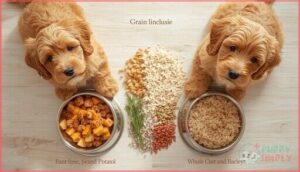
You’ll find both grain-free and grain-inclusive formulas work well for Goldendoodle puppies when chosen thoughtfully. Grain-free dog food uses peas, lentils, or potatoes for energy while boosting protein levels, though it costs more. Grain-inclusive options provide fiber sources like rice or oats that aid digestive health through steadier nutrient release and better stool quality.
| Feature | Grain-Free Food | Grain-Inclusive Food |
|---|---|---|
| Protein Levels | Higher meat content | Balanced with grains |
| Fiber Sources | Chickpeas, beet pulp | Whole grains, oats |
| Digestive Health | May alter stool consistency | Promotes gut microbiome |
| Nutrient Balance | Emphasizes fat and protein | Delivers B vitamins from grains |
Grain-free and limited ingredient diets suit some sensitive pups, yet grain benefits include essential minerals for skeletal growth. Your veterinarian can help determine which formula matches your puppy’s growth rate and activity level best.
Limited Ingredient and Hypoallergenic Diets

Your Goldendoodle puppy may thrive on limited ingredient diets if you notice ongoing skin irritation or tummy troubles. Hypoallergenic formulas use novel proteins like venison or duck alongside a single source carbohydrate to minimize food allergies and sensitivities. Many grain-free dog food options feature reduced allergens by excluding common triggers such as beef, chicken, wheat, and soy, making them gentler on developing digestive systems.
- Single Source Protein – Novel proteins reduce exposure to common allergens
- Simplified Carbohydrates – One carb source aids digestion and identifies triggers
- No Artificial Additives – Clean formulas prevent unnecessary stomach upset
- Hydrolyzed Options – Broken-down proteins avoid immune system reactions
Feeding Guidelines for Goldendoodle Puppies
Getting the feeding routine right sets your Goldendoodle puppy up for healthy growth without the risk of overfeeding or nutritional gaps.
The amount and frequency you offer food will shift as your pup grows, and knowing when to make those changes takes some of the guesswork out of raising a thriving dog. Here’s what you need to know about portion sizes, schedules, and switching to adult food at the right time.
Determining Portion Sizes by Age and Weight
Your Goldendoodle puppy‘s portion sizes shift as they grow, so you’ll need to adjust regularly.
Young pups usually eat 2.5 to 4 percent of their body weight daily—that’s roughly 1.5 to 2.5 cups for a two-month-old, increasing to 2.0 to 3.0 cups by six months.
Caloric intake depends on weight, activity level, and your puppy food’s density, so monitor growth and adjust accordingly.
Recommended Feeding Schedules
Consistent meal timing aids healthy digestion and sets up a routine your Goldendoodle puppy can rely on.
- From 8 weeks to 3 months: Feed four meals per day, spaced every 3 to 4 hours to fuel rapid growth
- At 3 to 4 months: Shift to three evenly spaced meals—morning, midday, and evening
- Between 4 and 6 months: Continue three meals daily, adding a small afternoon snack if needed
- After 6 months: Switch to two meals per day as growth slows
- Timing tip: Offer the evening meal at least two hours before bedtime to aid digestion and prevent overnight discomfort
Allow 15 to 20 minutes for each meal, then remove any uneaten food to reinforce good eating habits.
Adjusting Food as Puppies Grow
As your Goldendoodle gains weight and length, you’ll need to fine-tune portion sizes every week or two. Weigh your puppy regularly and check their body condition—you should feel ribs easily under a thin layer of fat. If they’re getting pudgy, dial back portions by 5 to 10 percent. If they seem lean, bump it up slightly.
| Age Range | Adjustment Strategy |
|---|---|
| 8–16 weeks | Increase portions as growth accelerates; monitor weekly |
| 4–8 months | Stabilize portions; shift focus to nutrient balance |
| 8–12 months | Gradually reduce calories as growth slows |
Transitioning Between Puppy and Adult Formulas
Most medium Goldendoodles switch from puppy food to adult dog food between 10 and 14 months, though timing hinges on growth monitoring and body condition rather than a fixed calendar date.
Smaller varieties may shift around 8 to 12 months, while larger pups often wait until 12 to 18 months. This life stage shift means a nutrient shift—lower calories, adjusted minerals—so follow changeover strategies over 7 to 14 days and lean on vet guidance to match your Goldendoodle’s nutritional needs.
Managing Food Allergies and Sensitivities

Not every Goldendoodle puppy will breeze through mealtime without a hitch. Some pups develop sensitivities to certain ingredients, which can show up as tummy troubles, itchy skin, or even ear infections.
Understanding what to watch for and how to address these issues will help you choose the right food and keep your puppy comfortable as they grow.
Identifying Common Allergens in Puppy Diets
Pinpointing the culprits behind food allergies starts with knowing what usually triggers sensitivity reactions. Protein sources like beef and chicken top the list, though your puppy might react to less obvious dietary triggers.
Here are the most common allergens to watch:
- Beef and chicken (leading protein allergens)
- Dairy products and eggs
- Wheat gluten and soy
- Corn and other grains
- Artificial additives and preservatives
Hypoallergenic diets featuring novel proteins can help identify what’s bothering your pup’s sensitive stomach.
Signs of Food Intolerance in Goldendoodles
Your puppy’s body will tell you when something’s wrong with their food allergies. Watch for vomiting within hours of meals, diarrhea episodes two to four times daily, or soft stools that persist across several feedings.
Digestive issues often show up as abdominal bloating—you might notice your pup pawing at their belly or whining after eating. Skin problems like itching, excessive gas, and lethargy signal that stomach sensitivities need attention.
Best Diets for Sensitive Stomachs
When your Goldendoodle puppy struggles with digestive health, reach for limited ingredient formulas featuring easily digestible proteins like lean chicken or turkey.
Grain-free options with simple carbohydrates such as sweet potato support gut friendly digestion, while vet-approved foods enriched with probiotic support help balance intestinal flora.
These gentle nutrition choices meet sensitive stomachs’ nutritional needs without triggering further discomfort.
Monitoring and Preventing Adverse Reactions
Carefully track reaction symptoms like vomiting, diarrhea, or skin irritation within 24 to 72 hours of introducing new foods. Health monitoring through daily logs helps you spot patterns, while veterinary guidance ensures you’re catching food allergies early.
If digestive health concerns persist, your vet may recommend food allergy tests or vet-approved hypoallergenic formulas designed for sensitive stomachs.
Supporting Healthy Growth and Development

Your Goldendoodle puppy’s first year is when the foundation for lifelong health gets built. The right nutrients don’t just fuel their playful energy—they support strong bones, sharp minds, and that gorgeous coat you’ll love brushing.
Let’s look at the key nutritional elements that help your puppy grow into a healthy, happy adult dog.
Nutrients for Bone and Joint Health
Building strong bones starts with the right nutritional balance during your puppy’s most critical growth phase. Calcium intake paired with proper vitamin support creates the foundation for healthy bone density, while omega balance helps protect developing joints from inflammation.
- Calcium and phosphorus work together in a 1.2:1 ratio to mineralize growing bones without triggering skeletal problems
- Glucosamine and chondroitin joint supplements cushion cartilage during rapid growth spurts
- Vitamin D and K activate proteins that direct minerals to bones rather than soft tissues
Goldendoodle puppies progressing through each life stage need these nutrients adjusted to match their changing bodies, especially if you’re feeding grain-free formulas that may require mineral supplementation to prevent dog health conditions and diseases later.
Importance of DHA for Brain Development
Your puppy’s brain grows at lightning speed during the first year, and DHA—a critical omega-3 fatty acid—fuels that remarkable neural development. This nutrient builds the brain’s structural framework, enhances cognitive health, and sharpens learning ability in Goldendoodles.
DHA—a critical omega-3 fatty acid—fuels your puppy’s lightning-speed brain growth, building neural frameworks and sharpening learning ability during that remarkable first year
Quality puppy food containing DHA benefits brain function by supporting synaptic connections and visual tracking, which helps prevent dog health conditions and diseases while meeting essential nutritional needs during this critical growth window.
Supporting Skin and Coat Health
A glossy coat doesn’t happen by accident—it reflects what’s happening inside your puppy’s body. Proper skin nutrition and coat care depend on the right balance of nutrients working together to promote healthy development.
Here’s what your puppy needs for ideal skin and coat health:
- Omega Balance: Aim for a 1:1 to 4:1 ratio of omega-6 to omega-3 fatty acids from fish oil or flaxseed oil
- Vitamin Support: Vitamin E protects skin cells, while zinc maintains barrier integrity and prevents dryness
- Quality Protein: 22-30% digestible protein promotes steady fur growth and cell turnover
- Moisture Management: Fresh water and moisture-rich foods prevent flaky skin and dull coats
- Hypoallergenic Ingredients: Limited-ingredient formulas help puppies with allergies or sensitive stomachs avoid irritation
Supplements for Growing Puppies
Most puppy nutrition comes from quality food, but certain vet-approved supplements can fill gaps during critical growth windows. Before adding anything, confirm your Goldendoodle’s base diet meets their nutritional needs—supplements boost, they don’t replace.
| Supplement Type | Key Benefits |
|---|---|
| Joint Health | Glucosamine and chondroitin support developing joints; green-lipped mussel aids cartilage |
| Brain Support | DHA promotes cognitive function during early learning stages |
| Skin Supplements | Omega-3s balance inflammation; biotin improves coat texture and growth |
Always dose puppy vitamins by weight to prevent nutrient overload, and watch for signs of intolerance like digestive upset.
Top 10 Best Foods for Goldendoodle Puppies
Now that you understand what your Goldendoodle puppy needs to thrive, it’s time to look at the specific foods that deliver those nutrients.
I’ve reviewed dozens of formulas to find options that support healthy growth without overloading on calcium or fillers. These ten picks represent a range of protein sources, textures, and price points to match your puppy’s individual needs.
1. Honest Kitchen Whole Grain Dog Food
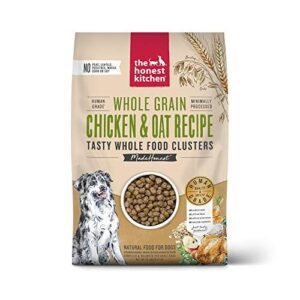
The Honest Kitchen’s Whole Grain formula delivers real cage-free chicken alongside organic oats and barley—ingredients prepared in a human food facility to standards you’d expect for your own meals.
What makes this stand out for your Goldendoodle puppy is the gentle dehydration process that preserves nutrients while offering convenience. You’ll add warm water before serving, and it expands to roughly four times its dry weight, creating a soft, palatable meal that promotes hydration.
With around 485 kcal per cup and 14 percent fat content, it fuels growing puppies effectively.
| Best For | Dog owners seeking human-grade, whole food nutrition for puppies or adult dogs with sensitive stomachs who don’t mind the higher price point and extra prep step of adding water. |
|---|---|
| Brand | The Honest Kitchen |
| Primary Protein | Chicken |
| Form | Pellet |
| Life Stage | All Life Stages |
| Weight | 20 lbs |
| Grain Status | Grain-inclusive |
| Additional Features |
|
- Made with genuine human-grade ingredients (cage-free chicken, organic oats) in a human food facility—no fillers, GMOs, or artificial preservatives
- Gentle dehydration process preserves nutrients while the add-water format promotes hydration and creates a soft, easy-to-digest meal
- Suitable for all life stages from puppies to nursing mothers, with solid nutritional density (485 kcal/cup, 14% fat) to support growth
- Significantly more expensive than conventional dog food brands, which adds up quickly for larger dogs or multi-dog households
- Crumbly texture creates powder residue at the bottom of the bag that goes to waste, and the packaging can be difficult to reseal properly
- Some dogs experience digestive upset from the rich formula, and the texture may not appeal to all dogs despite the quality ingredients
2. Nutro Ultra Adult Dog Food
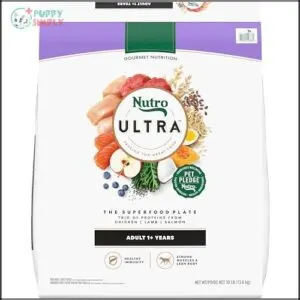
Nutro Ultra Adult Dog Food offers a trio of quality proteins—chicken, lamb, and salmon—alongside 14 superfoods like blueberries and cranberries for antioxidant support. While marketed for adults, many veterinary nutritionists recommend it for older puppies moving to maintenance diets around 12 to 15 months.
The formula includes omega-3 and omega-6 fatty acids to nourish your Goldendoodle’s developing coat, plus glucosamine and chondroitin for joint health. It’s free from corn, wheat, and soy, making it gentler on sensitive stomachs.
| Best For | Adult Goldendoodles or older puppies transitioning to maintenance diets who need high-quality protein and superfood nutrition for coat health and digestive support. |
|---|---|
| Brand | Nutro |
| Primary Protein | Chicken |
| Form | Dry Kibble |
| Life Stage | Adult |
| Weight | 30 lbs |
| Grain Status | Grain-inclusive |
| Additional Features |
|
- Triple protein blend from chicken, lamb, and salmon supports strong muscles and lean body condition
- 14 superfoods plus omega fatty acids promote healthy skin, shiny coat, and immune function
- Free from corn, wheat, soy, and chicken by-products, making it easier on sensitive stomachs
- Higher price point compared to standard dog food brands
- Some dogs may experience increased bathroom frequency during transition
- Not ideal for dogs with specific protein allergies or strict dietary restrictions
3. JustFoodForDogs Beef Dog Food
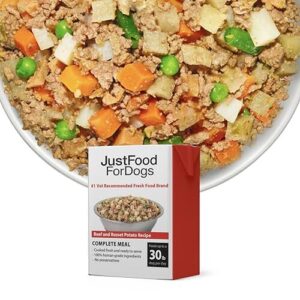
JustFoodForDogs Beef Dog Food takes fresh feeding to the next level with 100% human-grade ingredients gently cooked in small batches. You’ll find lean ground beef, beef heart, russet potatoes, and a rainbow of vegetables—all designed to meet your puppy’s daily nutrient needs without artificial preservatives.
The shelf-stable Tetra Pak packaging makes storage easy, whether you use it as a complete meal or mix it with kibble. While it’s pricier than traditional options, many owners report shinier coats and improved digestion within weeks.
| Best For | Dog owners prioritizing fresh, human-grade nutrition who want restaurant-quality meals for their pups and don’t mind paying premium prices for visible health improvements. |
|---|---|
| Brand | JustFoodForDogs |
| Primary Protein | Beef |
| Form | Pate |
| Life Stage | Adult |
| Weight | 12.5 oz |
| Grain Status | Limited ingredient |
| Additional Features |
|
- Made with 100% human-grade ingredients like lean beef and fresh vegetables, gently cooked to preserve nutrients
- Convenient shelf-stable packaging that works as a complete meal or kibble topper
- Delivers noticeable benefits like shinier coats, better digestion, and increased energy in most dogs
- Significantly more expensive than traditional dog food brands
- Some customers report inconsistent packaging quality and occasional delivery problems
- May need to be mixed with other foods to stretch your budget, especially for larger dogs
4. Open Farm Grain Free Dog Food
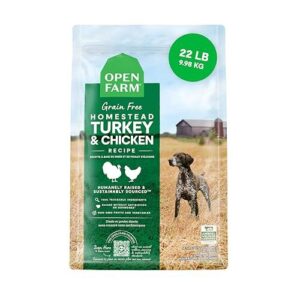
Open Farm Grain Free Dog Food brings full traceability to your puppy’s bowl—every ingredient can be tracked from farm to package. The Homestead Turkey & Chicken formula uses whole meat proteins rather than meals, plus non-GMO vegetables like pumpkin and sweet potatoes for gentle carbohydrates.
You’ll appreciate the omega-rich fish oils that support skin and coat health. The 22-pound bag runs about $94, so it’s an investment, but many owners notice reduced itching and better digestion in sensitive pups.
| Best For | Dog owners who prioritize ingredient transparency and want a grain-free option for pups with food sensitivities or skin issues. |
|---|---|
| Brand | Open Farm |
| Primary Protein | Turkey & Chicken |
| Form | Pellet |
| Life Stage | All Life Stages |
| Weight | 22 lbs |
| Grain Status | Grain-free |
| Additional Features |
|
- Fully traceable ingredients from farm to package with whole meat proteins instead of processed meals
- Omega-rich fish oils and nutrient-dense superfoods support healthy skin, coat, and digestion
- Suitable for all life stages and works well as both main food and training treats
- Significantly more expensive than most dog food brands at $94 for 22 pounds
- Some buyers report receiving bags with expiration dates that are too close to purchase date
- Kibble size may not be ideal for larger breed dogs
5. Blue Buffalo Adult Dog Food
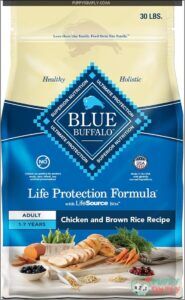
This formula centers on real deboned chicken as its first ingredient, delivering 24–28 percent protein to fuel your puppy’s growing muscles.
The LifeSource Bits—those dark nuggets you’ll spot in the kibble—pack vitamins E and C, zinc, and selenium to support immune development. You’ll find omega-3 and omega-6 fatty acids from fish meal and flaxseed, which help maintain a healthy coat.
The 30-pound bag includes brown rice and oatmeal for digestible energy, though some puppies need time to adjust to the larger kibble size.
| Best For | Adult dog owners seeking a natural, protein-rich diet with immune support and no corn, wheat, or soy fillers. |
|---|---|
| Brand | Blue Buffalo |
| Primary Protein | Chicken |
| Form | Granule |
| Life Stage | Adult |
| Weight | 30.28 lbs |
| Grain Status | Grain-inclusive |
| Additional Features |
|
- Real deboned chicken as the first ingredient provides high-quality protein for muscle maintenance
- LifeSource Bits deliver targeted antioxidants and vitamins for immune system health
- No chicken by-products, corn, wheat, or soy makes it suitable for dogs with common sensitivities
- Higher price point compared to many mainstream dog food brands
- Larger kibble size may require an adjustment period for some dogs
- Packaging lacks convenient features like resealable zippers for freshness
6. Open Farm Senior Dog Food
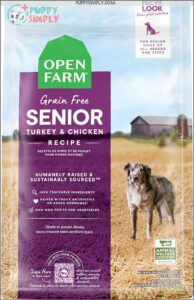
Though this recipe targets senior dogs, it doesn’t suit your growing Goldendoodle puppy. The protein-packed blend of humanely-raised chicken and turkey with green-lipped mussel promotes joint health in aging animals, not the rapid muscle and bone development puppies need.
Your young pup requires higher calorie density and specific calcium-to-phosphorus ratios that this grain-free formula doesn’t provide. The 22-pound bag includes coconut oil and pumpkin for digestion, but save this one for when your Goldendoodle reaches eight years old.
| Best For | Senior dogs needing joint support and high-quality protein, especially those with food sensitivities or skin allergies. |
|---|---|
| Brand | Open Farm |
| Primary Protein | Chicken & Turkey |
| Form | Pellet |
| Life Stage | Senior |
| Weight | 22 lbs |
| Grain Status | Grain-free |
| Additional Features |
|
- Humanely-raised chicken and turkey provide protein-rich nutrition with ethically sourced, traceable ingredients
- Green-lipped mussel delivers natural joint support and omega-3s for aging dogs’ mobility
- Grain-free formula with functional ingredients like pumpkin and coconut oil helps dogs with sensitivities
- More expensive than most dog food brands on the market
- Some bags arrive with expiration dates that are uncomfortably close
- Small kibble size might not work well for larger breeds or dogs who eat quickly
7. Acana Wholesome Grains Dog Food
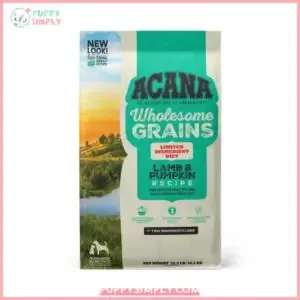
Your puppy gets a balanced plate with Acana Wholesome Grains, combining 60% animal ingredients with oats, sorghum, and millet instead of corn or wheat. The 27% minimum protein from deboned lamb and lamb meal promotes strong muscle growth, while naturally occurring omega-3 and omega-6 fatty acids keep that fluffy coat shining.
The freeze-dried coating makes mealtime irresistible, and pre- and probiotics aid digestion. This grain-inclusive formula suits puppies with sensitivities to common allergens, though it won’t work if your pup reacts to lamb specifically.
| Best For | Puppies with grain tolerance who need a protein-rich diet with limited ingredients, especially those sensitive to common allergens like chicken or beef. |
|---|---|
| Brand | Merrick |
| Primary Protein | Lamb |
| Form | Dry Kibble |
| Life Stage | All Life Stages |
| Weight | 22.5 lbs |
| Grain Status | Grain-inclusive |
| Additional Features |
|
- High protein content (27% minimum) from quality lamb sources supports healthy muscle development
- Freeze-dried coating makes it highly palatable for picky eaters
- Prebiotics and probiotics promote digestive health and nutrient absorption
- Higher price point compared to standard puppy foods
- Not suitable for dogs with lamb or grain allergies
- Some puppies may need additional fresh ingredients or toppers for complete nutrition
8. Blue Buffalo Digestive Care Dog Food
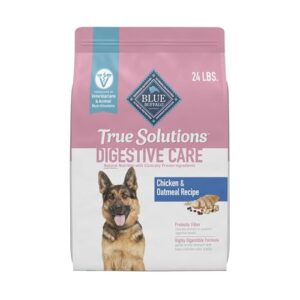
If your puppy struggles with loose stools or gas, Blue Buffalo Digestive Care puts real chicken first and backs it with clinically proven prebiotic fiber to support gut balance. The formula skips chicken by-product meals, corn, wheat, and soy—common triggers for sensitive tummies.
Omega fatty acids promote healthy skin and coat alongside digestion, while readily digestible carbohydrates provide steady energy. You’ll likely notice firmer stools within a week or two, though always switch gradually over seven to ten days.
| Best For | Dogs with sensitive stomachs, gas, or frequent loose stools who need digestive support from prebiotic fiber and high-quality protein. |
|---|---|
| Brand | Purina Pro Plan |
| Primary Protein | Chicken |
| Form | Dry |
| Life Stage | Adult |
| Weight | 24 lbs |
| Grain Status | Grain-inclusive |
| Additional Features |
|
- Real chicken as the first ingredient with no by-product meals, corn, wheat, or soy
- Clinically proven prebiotic fiber helps firm up stools and support gut health
- Omega fatty acids promote healthy skin and coat while supporting digestion
- Higher price point compared to standard dog food brands
- Some dogs may still react poorly due to individual food sensitivities
- Requires careful storage to keep the food fresh once opened
9. Portland Pet Food Fresh Dog Meals
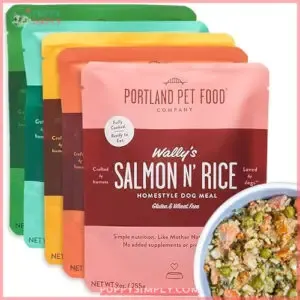
When your Goldendoodle puppy needs real food you can pronounce, Portland Pet Food delivers shelf-stable pouches with eleven ingredients or fewer—all human-grade and sourced in the USA. Each 9-ounce pouch features a single protein like chicken or beef alongside visible vegetables such as sweet potatoes, offering 37 to 44 percent protein content without synthetic vitamins or preservatives.
You can serve it alone, mix it with kibble, or use it as a topper to boost hydration and digestive health while simplifying mealtime prep.
| Best For | Goldendoodle owners who want transparent, human-grade ingredients in a shelf-stable pouch that works as a complete meal, mixer, or topper for picky eaters at any life stage. |
|---|---|
| Brand | Portland Pet Food Company |
| Primary Protein | Mixed |
| Form | Wet |
| Life Stage | All Life Stages |
| Weight | 9 oz |
| Grain Status | Limited ingredient |
| Additional Features |
|
- Simple recipes with 11 or fewer whole-food ingredients—no fillers, synthetic vitamins, or mystery meat
- Microwave-safe pouches make feeding quick whether you’re home or traveling
- High protein content (37–44%) supports muscle development in growing puppies and active adults
- Costs significantly more per serving than traditional kibble or canned options
- Limited protein per pouch means you’ll likely need to pair it with dry food for larger meals
- Texture and ingredient consistency can shift between batches, which may throw off selective eaters
10. Natural Balance Fat Dogs Low Calorie Dry Dog Food
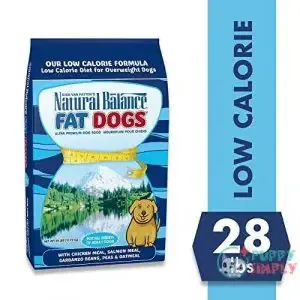
If your Goldendoodle puppy is already tipping the scales toward the hefty side, Natural Balance Fat Dogs offers a smart intervention with twenty-five percent fewer calories than standard formulas.
Chicken meal anchors the protein blend while a special fiber mix helps your pup feel satisfied between meals, and added L-carnitine aids healthy fat metabolism.
Though designed primarily for overweight adult dogs, this formula can work for larger breed puppies prone to rapid weight gain when portion-controlled under veterinary guidance.
| Best For | Goldendoodle puppies already showing signs of being overweight or large-breed puppies prone to rapid weight gain who need a controlled-calorie formula under veterinary supervision. |
|---|---|
| Brand | Natural Balance |
| Primary Protein | Chicken |
| Form | Dry |
| Life Stage | Adult |
| Weight | 28 lbs |
| Grain Status | Grain-inclusive |
| Additional Features |
|
- Chicken meal provides high-quality protein to support muscle development while cutting calories by 25%
- Special fiber and protein blend helps puppies feel full between meals, reducing begging and overeating
- L-carnitine supports healthy fat metabolism to aid in weight management as your puppy grows
- High fiber content may cause gas or digestive upset in some sensitive puppies
- Primarily formulated for adult dogs, so it requires careful veterinary guidance for growing puppies
- Requires precise portion control and measurement to ensure proper weight management without nutrient deficiency
Special Considerations for Mini Goldendoodle Puppies

Mini Goldendoodles aren’t just smaller versions of their standard cousins—they’ve unique nutritional needs that deserve your attention.
Their tiny mouths, faster metabolisms, and compact bone structure mean you can’t simply feed them less of a standard puppy formula and call it a day. Let’s look at three critical factors that’ll help your mini Goldendoodle puppy thrive during those vital early months.
Caloric Needs for Smaller Breeds
Because mini Goldendoodles grow faster relative to their tiny size, their energy requirements often surprise new owners. These pups need roughly two to three times the calories per pound compared to adult dogs during peak growth phases.
Here’s what shapes their calorie needs:
- Higher metabolism demands more calorie density in each meal
- Rapid growth rates between eight and sixteen weeks require concentrated nutrition
- Small stomach capacity limits meal volume, necessitating nutrient-packed formulas
- Individual activity levels can shift daily needs by ten to fifteen percent
- Neutering may reduce requirements by five to twenty percent
Tracking your puppy’s weight weekly helps you fine-tune portions for steady, healthy development.
Kibble Size and Texture Preferences
Your mini Goldendoodle’s jaw is tiny, so kibble size matters more than you might think. Small breed puppies handle pieces under six millimeters best—they can chew comfortably without frustration.
Kibble hardness should match their teething stage; moderate firmness slows gulping while protecting developing teeth. Palatant coatings boost aroma and flavor, encouraging picky eaters to finish meals.
Shape impacts chewing patterns too—disc or round pieces stay put, promoting thorough chewing before swallowing.
Managing Rapid Growth in Mini Goldendoodles
Small jaws need small bites, but rapid spurts demand careful growth monitoring too. Your mini Goldendoodle puppy nutrition plan should hit 22 to 26 percent daily protein for balanced development stages.
Weekly body checks prevent unhealthy weight gain while supporting joint support through controlled calories. Monthly weigh-ins let you adjust portions as your pup grows—pairing vet-approved dog food reviews with professional guidance keeps development steady and safe.
Tips for Safely Switching Puppy Foods

Switching your Goldendoodle puppy‘s food isn’t something you want to rush. A sudden change can lead to digestive upset, including diarrhea and vomiting, which is stressful for both you and your pup.
Here’s how to make the switch as smooth as possible while keeping your puppy comfortable and healthy.
Gradual Transition Methods
Switching your Goldendoodle puppy’s food isn’t a race—it’s more like adjusting a recipe one ingredient at a time. Start with a 75-25 mix of old to new food for three to five days, then gradually shift the ratio every few days based on your puppy’s tolerance.
This vet-approved gradual change protects those developing digestive systems while meeting evolving nutritional needs through careful dietary adjustments and nutrient phasing.
Preventing Digestive Upset
Patience with food changes pays dividends when protecting your Goldendoodle puppy from digestive issues. Beyond the gradual swap, you’ll want to support gut health and sensitive stomachs through vet-approved strategies that address fiber intake, probiotic benefits, and digestive enzymes during transitions.
- Monitor stool quality daily—firm consistency means you’re on track
- Add a teaspoon of plain pumpkin to ease fiber transitions
- Consider digestive enzyme supplements if your puppy shows discomfort
- Stick to consistent meal times so their system stays regulated
- Skip table scraps completely during food changes to isolate variables
When to Consult Your Veterinarian
How do you know when a dietary hiccup needs professional veterinary care rather than time? Trust your instincts—if symptoms escalate or linger beyond 24 hours, that’s your signal for a vet visit.
| When to Call | What You’re Seeing |
|---|---|
| Immediate emergency care | Vomiting with blood, collapse, pale gums, or inability to stand |
| Within 24 hours | Persistent diarrhea, repeated vomiting, appetite loss, or lethargy |
| Routine health checks | Weight concerns, coat changes, or questions about nutrition advice |
Your Goldendoodle’s health isn’t worth second-guessing—vet-approved guidance beats online searches when puppy monitoring reveals concerning signs during food transitions.
Monitoring Your Puppy’s Health During Changes
Daily, you’ll want to track your puppy’s key signs and note shifts in energy, stool consistency, and appetite on simple growth charts. Weigh your Goldendoodle weekly to guarantee steady progress that aligns with vet-approved nutrition planning.
Watch for red flags like vomiting, lethargy, or digestive upset—these demand veterinary care. Consistent health tracking catches problems early, protecting your puppy’s nutritional needs during transitions.
Frequently Asked Questions (FAQs)
What brand of dog food is best for goldendoodles?
Ironically, no single brand owns the goldendoodle market—your pup’s best food depends on age, activity level, and individual sensitivities.
Vet-approved options include Orijen, Blue Buffalo, and Merrick, all offering breed-appropriate nutrient profiles.
What do vets recommend for goldendoodles?
Vets recommend balanced puppy food with animal-based proteins, healthy fats, and proper calcium-phosphorus ratios for Goldendoodles.
They emphasize vet-approved formulas suited to your puppy’s size, avoiding excessive calories that could trigger joint issues.
Is wet or dry food better for goldendoodles?
Which works best for your Goldendoodle?
Both wet food and dry food have merit.
Wet food boosts hydration and palatability, while dry kibble promotes dental health and convenience—many owners blend both for balanced puppy nutrition.
What human foods are safe for goldendoodles to eat?
Your Goldendoodle can safely enjoy lean cooked chicken, turkey, plain fish like salmon, fully cooked eggs, and plain beef or lamb as occasional treats.
Always serve these human snacks without seasoning to support healthy canine nutrition.
How can I get my goldendoodle to gain weight?
Think of your puppy’s body like a garden needing rich soil to flourish.
Feeding Strategies include offering three to five smaller meals daily with Calorie Boosters like lean chicken, while a vet-approved plan rules out health issues.
What treats are best for goldendoodles?
Soft training snacks with single protein sources work best for your Goldendoodle puppy.
Choose low-calorie , grain-free options like freeze-dried chicken or salmon to support allergy prevention and effective reward-based training without overfeeding.
How much exercise should a goldendoodle puppy get?
Your Goldendoodle puppy needs 30 to 60 minutes of daily exercise split into short sessions.
Standard puppies can handle up to 60 minutes, while mini Goldendoodles thrive on 30 to 45 minutes during their first year.
How can I prevent fleas and ticks in my goldendoodle?
Protect your Goldendoodle with vet-approved monthly topical treatments that kill fleas and ticks on contact.
Combine outdoor safety practices—tick checks after walks, short grass, clean bedding—with parasite management medications for thorough canine health protection.
How much water should goldendoodle puppies drink daily?
Your puppy needs about half to one ounce of water per body weight daily.
A 10-pound Goldendoodle puppy usually drinks five to ten ounces spread throughout the day, increasing with activity or warm weather.
Are homemade diets suitable for goldendoodle puppies?
Homemade diets can work for Goldendoodle puppies, but they often lack the calcium-phosphorus balance and essential nutrients needed for healthy growth.
Without veterinary guidance and balanced recipes, nutritional deficiencies and digestive upset become real risks.
Conclusion
Picking the perfect puppy food doesn’t have to feel overwhelming. You now have the nutritional foundation, ingredient knowledge, and product insights to confidently choose the best food for goldendoodle puppies based on your pup’s unique needs.
Watch how they respond—bright eyes, healthy weight, and that signature bouncy energy tell you everything’s working. Trust your observations, stay consistent with quality nutrition, and you’ll set your Goldendoodle up for a lifetime of vibrant health.